经济观察报

Search documents
“谈成了”!原价百万1针的CAR-T有望纳入创新药目录
经济观察报· 2025-11-02 08:07
Group 1 - The core viewpoint of the article highlights the high cost of CAR-T drugs, which are known to be priced around 1 million yuan per injection, and even with various discounts, the price remains approximately 500,000 yuan [1][3] - On November 2, the national medical insurance negotiation (referred to as "Guo Tan") entered its fourth day, indicating ongoing discussions regarding the inclusion of innovative drugs in the insurance catalog [2] - During the negotiations, Huyuan Biotech successfully negotiated for its CAR-T drug, which is priced at 999,000 yuan per injection, making it the lowest-priced CAR-T drug in China [3]


红枣迷局:新季减产,期价缘何大跌?
经济观察报· 2025-11-02 06:50
Core Viewpoint - The article discusses the recent fluctuations in the red date market, highlighting a significant increase in inventory levels and a decline in futures prices, attributed to a combination of factors including production levels and consumer demand [1][8][16]. Group 1: Inventory and Production - As of October 31, 2025, physical inventory of red dates reached 9,348 tons, an increase of 245 tons week-on-week, representing a 2.69% rise compared to the previous week and a 120.78% increase year-on-year [1][8]. - The 2024 production year in Xinjiang saw a record yield of 750,000 tons, leading to slow consumption of old date inventory [1][8]. - The market consensus indicates a slight reduction in new season production, with estimates ranging from 400,000 tons to 550,000 tons, reflecting significant disagreement among market participants [5][6]. Group 2: Price Trends - The main contract for red dates closed at 10,145 yuan/ton on October 31, 2025, down 1.46%, with a weekly decline of 5.63%, marking the largest drop among domestic commodity futures [2]. - Since October 17, the futures price has dropped by 11.17%, while the corresponding spot price for dried red dates only decreased by 0.84% [2][13]. - The price fluctuations are attributed to the market's reaction to the anticipated production levels and the increasing inventory pressure due to weak consumer demand [13][16]. Group 3: Consumer Demand and Market Dynamics - The overall performance of red date consumption has been lackluster, with a noted 20-day reduction in the traditional peak consumption period leading up to the Spring Festival [11]. - Promotional activities have intensified as merchants attempt to clear old inventory, with significant discounts observed in retail settings [8][9]. - The market is currently characterized by cautious purchasing behavior, with many buyers opting for on-demand procurement rather than bulk purchases [11][16]. Group 4: Regulatory Changes - New delivery regulations allow for the delivery of old dates at a discount, which may impact market dynamics and pricing strategies [12][15]. - The changes in delivery rules are expected to stabilize the futures market while aligning it more closely with the spot market [15].

一场睡眠科技共创,慕思AI破局智能感知与交互
经济观察报· 2025-11-02 05:35
Core Viewpoint - The article discusses the transformation of the traditional mattress manufacturer, Mousse, into a smart sleep service provider by integrating AI technology and smart fibers into their products, aiming to enhance sleep quality and health management for users [2][3][19]. Group 1: Market Context and Trends - Over 300 million people in China suffer from sleep disorders, with about 150 million requiring active intervention, indicating a growing market for sleep-related solutions [2]. - The trend of sleep disorders is becoming more prevalent among younger populations, highlighting the urgency for innovative sleep solutions [2]. Group 2: Technological Advancements - Mousse has developed its smart mattress product line over five years, with the latest iteration, T11Pro, capable of automatic adjustments to individual health needs and early warnings for potential health issues [2][3]. - The collaboration with MIT focuses on the development of smart fibers that can integrate sensors into flexible textiles, enabling real-time monitoring of various physiological signals such as heart rate and body temperature [5][7][8]. Group 3: Research and Development Collaboration - Mousse signed a cooperation agreement with MIT to advance the application of smart fibers in sleep products, aiming to enhance AI's role in sleep research [3][10]. - The partnership emphasizes the importance of basic research, system architecture, and core algorithm design to create a comprehensive smart sleep ecosystem [8][15]. Group 4: User Experience and Health Management - Mousse aims to provide users with actionable insights based on collected data, transitioning from passive health management to proactive health monitoring [9][19]. - The smart mattress will not only collect data but also analyze it to offer personalized recommendations for sleep, diet, and exercise, enhancing the overall user experience [9][19]. Group 5: Future Vision and Market Potential - Mousse envisions a future where smart sleep technology becomes integral to health management, with plans to expand its market presence both domestically and internationally [20]. - The company is focused on building a platform ecosystem centered around smart sleep, integrating various technologies and services to optimize sleep quality for users [20].

前三季度净利润大增152.76% 长江证券经营情况大幅向好
经济观察报· 2025-11-02 05:08
Core Viewpoint - Changjiang Securities has reported significant improvements in its operational performance for the first three quarters of 2025, achieving record-high figures since its listing and ranking favorably among listed securities firms [2]. Financial Performance - In Q3 2025, Changjiang Securities achieved operating revenue of 3.782 billion yuan, a year-on-year increase of 94.04%, and a net profit attributable to shareholders of 1.636 billion yuan, up 152.76% [2]. - For the first three quarters of 2025, the company reported operating revenue of 8.486 billion yuan, a 76.66% increase year-on-year, and a net profit of 3.373 billion yuan, reflecting a 135.20% growth [2]. - The net asset value reached 41.69 billion yuan in Q3 2025, marking a 10% year-on-year increase, the highest level since the company was listed [2]. Operational Efficiency - The weighted average return on equity for the first three quarters of 2025 ranked first among listed securities firms, increasing by 19 places to 9.23%, with a year-on-year increase of 5.21 percentage points [3]. Business Segments - The brokerage business showed significant revenue contributions, with net income from brokerage fees growing by 59%, ranking 14th among listed securities firms [4]. - The scale of funds lent in credit business ranked 13th among listed firms, improving by 3 places year-on-year [4]. - Investment business revenue surged by 290%, leading the growth among listed securities firms [4]. Strategic Focus - Changjiang Securities has focused on five key areas: financial technology, green finance, inclusive finance, pension finance, and digital finance, aiming to enhance resource efficiency and support the development of the real economy and technological innovation [4].


前高管天价索赔 寒武纪:对公司日常研发及经营不存在影响
经济观察报· 2025-11-02 05:08
Core Viewpoint - The lawsuit filed by Liang Jun against Cambrian is unlikely to succeed due to a lack of contractual basis for his claims regarding stock incentive losses amounting to 4.287 billion yuan [1][4][9]. Summary by Sections Legal Context - Liang Jun claims a labor relationship with Cambrian from October 18, 2017, to February 10, 2022, and seeks compensation for stock incentive losses [1][3]. - Legal experts assert that Liang's claims lack contractual support as the signed "Equity Incentive Plan" supersedes the initial "Letter of Intent" [4][9]. Company Position - Cambrian contends that Liang did not directly hold company shares before his departure and that the stock incentive he refers to corresponds to a total investment of approximately 52,600 yuan in two employee stock ownership platforms [3][4]. - The company has initiated legal actions to compel Liang to transfer his shares as per the "Equity Incentive Plan" [7][8]. Financial Impact - The lawsuit is not expected to have a direct financial impact on Cambrian, as the dispute primarily concerns the ownership of partnership shares rather than direct company stock [9]. - Cambrian's market value and performance have significantly improved, with a reported revenue of 1.727 billion yuan in Q3, a year-on-year increase of 1332.52% [10][12]. Stock Performance - Liang Jun indirectly held approximately 11.52 million shares of Cambrian, with a market value of 4.287 billion yuan calculated at the stock's peak price of 372 yuan [11]. - Since Liang's departure on February 10, 2022, Cambrian's stock price has increased from 78.92 yuan to 1375 yuan, representing a 16.42-fold increase in value [11].

从“固收为王”到“多资产多策略” 32万亿银行理财资产重构
经济观察报· 2025-11-02 05:08
Core Viewpoint - The banking wealth management sector is undergoing a transformation towards a "multi-asset, multi-strategy" approach to address challenges posed by low interest rates, asset scarcity, and market volatility, necessitating a comprehensive restructuring of investment strategies, asset acquisition, trading processes, risk control, product disclosure, and compliance operations [2][4][5]. Group 1: Industry Challenges and Transformation - The banking wealth management industry is facing significant challenges due to the low interest rate environment, which has led to a decline in the returns of fixed-income assets, impacting the overall performance of wealth management products [4][5]. - As of the end of Q3 2023, the total scale of bank wealth management reached 32.13 trillion yuan, with over 80% of funds still allocated to fixed-income assets, highlighting the need for diversification [4]. - The transition to a "multi-asset, multi-strategy" model is seen as essential for creating stable and attractive returns in the current market landscape [4][5]. Group 2: Implementation of Multi-Asset Strategies - Banks are actively expanding their investment teams to include equity investments, quantitative strategies, and alternative assets such as REITs and gold, aiming to enhance returns and mitigate risks [2][11]. - The integration of diverse asset classes requires a shift from traditional fixed-income strategies to a more dynamic approach that emphasizes risk management and performance consistency [5][11]. - The challenges of aligning investment styles between new hires from brokerage firms and the conservative investment philosophy of bank wealth management teams have led to difficulties in achieving cohesive strategies [8][9]. Group 3: Internal Management and Risk Control - The shift to a "multi-asset, multi-strategy" framework necessitates a complete overhaul of internal management processes, including trading links, risk control iterations, information disclosure, and compliance operations [14][15]. - The complexity of managing diverse investment strategies requires advanced technology solutions, such as AI and automation, to enhance operational efficiency and ensure compliance with regulatory requirements [15][16]. - A new risk control model is being developed to adapt to the multi-asset environment, focusing on the unique risk characteristics of different assets and strategies while ensuring low correlation among them to achieve better risk diversification [16][17].
风电下乡难在哪儿?
经济观察报· 2025-11-01 11:00
Core Viewpoint - The "Thousand Villages and Ten Thousand Villages Wind Action" aims to enhance wind power development in rural areas, utilizing idle land to increase income for village collectives while addressing various challenges in policy, land security, resource assessment, and mechanism design [2][4]. Group 1: Project Overview - As of September 2025, over 15.5 million kilowatts of "Wind Action" projects have confirmed investment entities [1][3]. - China's rural wind energy resources are abundant, with the actual potential of onshore wind energy at 5.9 billion kilowatts, while the installed capacity in 2024 was only 521 million kilowatts, representing about 9.5% of the technically exploitable resources [3]. Group 2: Land Use Challenges - Land use is a critical issue for rural wind power development, with each wind turbine requiring approximately 2,000 square meters of land during construction due to additional infrastructure needs [6][7]. - Current land policies impose restrictions on converting rural land to construction land, leading to a preference for using scattered idle land for wind power projects [6][9]. Group 3: Revenue Model Development - Prior to the "Wind Action," rural wind power projects were smaller in scale compared to solar projects, primarily developed by state-owned enterprises due to high investment and lengthy approval processes [11]. - A partnership model is emerging where village collectives co-invest in wind projects, allowing them to receive fixed annual returns for community development and infrastructure [12][13]. - Four main revenue models have been identified: collective shareholding, resource exchange for infrastructure improvement, diversified land revenue, and local employment generation [12][13].

今晚苏超决赛,“玩梗经济学”今年的收官之战
经济观察报· 2025-11-01 10:34
Core Viewpoint - The "Su Chao" grassroots football league in Jiangsu has transformed from a local event into a cultural phenomenon, leveraging local emotions and social media to drive engagement and economic activity [4][5][6]. Group 1: Event Overview - "Su Chao" is not just a local amateur event but a case study in "meme economics," utilizing local sentiment and social mobilization to turn previously unnoticed matches into cultural events [4][5]. - The league was initiated after the dissolution of Jiangsu Suning in 2021, with the first matches attracting tens of thousands of fans, leading to the establishment of a provincial league with teams from 13 cities [6][9]. - The league's structure includes a single round-robin format followed by knockout rounds, ensuring high engagement and suspense [6]. Group 2: Community Engagement - The league promotes "universal participation + city honor," with low ticket prices (5 to 20 RMB) and free broadcasts, encouraging local involvement [7][8]. - The league features amateur players from various professions, fostering a sense of community and emotional connection among fans [7][8]. - Match days have become community events, with significant attendance and participation from both local and foreign spectators [8][9]. Group 3: Economic Impact - The league has stimulated economic activity across various sectors, including dining, tourism, and cultural products, demonstrating a multiplier effect [11][12]. - Data shows a significant increase in tourist numbers and spending during match days, with notable growth in local businesses [11][12]. - The emergence of derivative opportunities, such as brand sponsorships and merchandise sales, highlights the commercial potential of grassroots events [12]. Group 4: Cultural Dynamics - The league has sparked a cultural phenomenon with the creation of local memes and humorous content that resonate widely on social media [14][16]. - Government engagement with meme culture has amplified the league's visibility, creating a collaborative marketing environment [18][19]. - The league's success illustrates a new model for cultural and economic engagement, blending sports with local identity and community spirit [20][24]. Group 5: Replicability and Governance - The "Su Chao" model raises questions about its replicability in other regions, emphasizing the role of government in facilitating rather than controlling grassroots initiatives [24][25]. - The decentralized governance structure allows for local creativity while maintaining a cohesive league identity, which may not be easily replicated elsewhere [25][27]. - The league's success reflects a balance between government support and community-driven initiatives, suggesting a potential framework for revitalizing local sports [27][28].

营收、净利润均回到正增长 六大行三季报传“暖意”
经济观察报· 2025-11-01 10:23
Core Viewpoint - The six major banks have shown positive year-on-year growth in operating income and net profit attributable to the parent company for the first three quarters of 2025, despite facing challenges such as narrowing interest margins [1][2][3]. Financial Performance - All six major banks achieved positive growth in net profit attributable to the parent company in the first three quarters, with Agricultural Bank of China leading at a growth rate of over 3% [6]. - The net profit figures for the first three quarters are as follows: - Agricultural Bank: 220.86 billion yuan, +3.03% - Bank of Communications: 69.99 billion yuan, +1.90% - Bank of China: 177.66 billion yuan, +1.08% - Postal Savings Bank: 76.56 billion yuan, +0.98% - China Construction Bank: 257.36 billion yuan, +0.62% - Industrial and Commercial Bank: 269.91 billion yuan, +0.33% [7]. - The operating income for the first three quarters is as follows: - Bank of China: 491.20 billion yuan, +2.69% - Industrial and Commercial Bank: 640.03 billion yuan, +2.17% - Agricultural Bank: 491.20 billion yuan, +1.97% - Postal Savings Bank: 265.08 billion yuan, +1.82% - Bank of Communications: 199.64 billion yuan, +1.80% - China Construction Bank: 573.70 billion yuan, +0.82% [8]. Income Sources - Interest income for most major banks is in a declining trend, with non-interest income becoming a key growth driver. For the first three quarters, the interest income figures are as follows: - Bank of Communications: 128.65 billion yuan, +1.46% - Other banks experienced declines in interest income ranging from 0.70% to 3.04% [9]. Asset Growth - As of the end of the third quarter, all six major banks saw an increase in total assets compared to the end of the previous year, with China Construction Bank showing the highest growth rate of 11.83% [10]. - The total asset figures are as follows: - China Construction Bank: 45,369.09 billion yuan, +11.83% - Agricultural Bank: 48,135.43 billion yuan, +11.33% - Postal Savings Bank: 18,605.65 billion yuan, +8.90% - Industrial and Commercial Bank: 52,813.42 billion yuan, +8.18% - Bank of China: 37,550.16 billion yuan, +7.10% - Bank of Communications: 15,499.78 billion yuan, +4.02% [11]. Asset Quality - The non-performing loan (NPL) ratio for five of the six major banks decreased compared to the end of the previous year, while Postal Savings Bank's NPL ratio increased slightly by 0.04 percentage points. The NPL ratios are as follows: - Postal Savings Bank: 0.94% - Industrial and Commercial Bank: 1.33% - Agricultural Bank: 1.27% - China Construction Bank: 1.32% - Bank of China: 1.24% - Bank of Communications: 1.26% [11]. Interest Margin Trends - The narrowing of interest margins remains a challenge, but the decline has eased. As of the end of the third quarter, the net interest margins are as follows: - Postal Savings Bank: 1.68% - Industrial and Commercial Bank: 1.28% - Agricultural Bank: 1.30% - China Construction Bank: 1.36% - Bank of China: 1.26% - Bank of Communications: 1.20% [13]. - Bank of China has shown a stable trend in net interest margin, maintaining at 1.26% for the first three quarters [14].







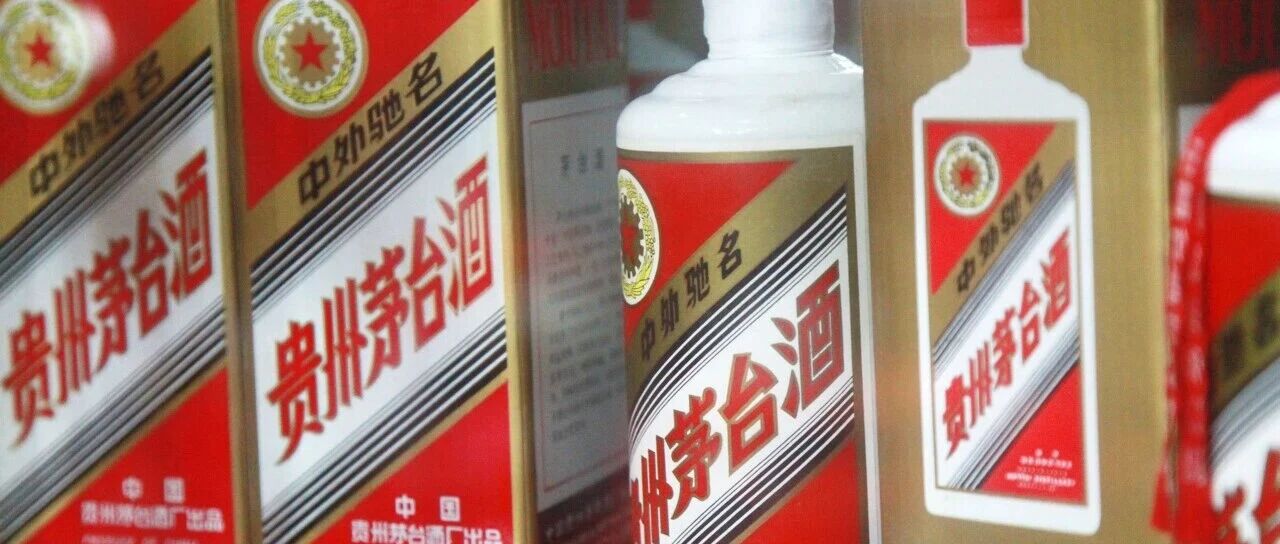
茅台降速,生态生变
经济观察报· 2025-11-01 06:06
Core Viewpoint - The performance slowdown of Kweichow Moutai has significantly impacted its ecosystem, shifting distributors from a "lying down to earn" mode to a "survival" mode, with various market indicators reflecting this change [1][2]. Financial Performance - Kweichow Moutai's Q3 financial report shows the lowest revenue and net profit growth since 2015, with a revenue growth of 6.3% in the first three quarters. To meet the annual target of 9%, Q4 must achieve approximately 59 billion yuan in revenue, requiring a year-on-year growth of over 17% [2][3]. - The company’s revenue accounts for 22% of the overall sales in the liquor industry, indicating that its slowdown reflects broader industry pressures [2]. Market Dynamics - The pawn price of Feitian Moutai has dropped below 1,000 yuan, leading some pawn shops to suspend alcohol collection. Additionally, scalpers have halted purchases due to daily losses, and the collectibles market has cooled significantly [1][2][5]. - The financial attributes of Moutai are diminishing, with fewer customers willing to pawn Moutai compared to gold, as the latter has retained higher value [6]. Distributor Challenges - Distributors are facing a decline in customer demand, with many transitioning to alternative revenue streams, such as selling cigarettes and lottery tickets, to cope with the downturn [10][11]. - The sales of Moutai series liquor have also declined, with a 7.78% drop in revenue for the first three quarters, marking a significant shift in the market dynamics [11][12]. Leadership Changes - Kweichow Moutai is undergoing its fourth leadership change in five years, with the new chairman expected to bring new strategies and policies, which may create uncertainty among distributors and the market [2][3]. Collectibles and Market Sentiment - The collectibles market for Moutai has seen a significant decline, with prices dropping by at least one-third compared to previous acquisition prices, leading to a shift in management and operational strategies within Moutai's collectible associations [8][9]. - The belief in the value of Moutai is eroding, with former scalpers now shifting their focus to other products, indicating a broader loss of confidence in the Moutai brand [7][8].