经济观察报

Search documents
对弱者友好的社会,才是更好的社会
经济观察报· 2025-11-01 05:00
Core Viewpoint - The article emphasizes the importance of accessible facilities for all individuals, not just those with disabilities, highlighting that everyone may require such facilities at different stages of life [1][15]. Group 1: Awareness of Accessibility Issues - The article discusses a past IKEA event designed to help parents understand the challenges children face with standard furniture, illustrating the need for empathy towards those in different situations [3]. - It highlights the societal tendency to overlook the needs of marginalized groups, such as women, children, and the elderly, due to a focus on the "mainstream" population [4][5]. Group 2: Personal Experiences with Accessibility - The author shares personal experiences of navigating public spaces with a baby stroller, revealing the inadequacies of existing accessibility features, such as locked facilities and poorly designed pathways [4]. - A friend's experience with a wheelchair after an accident further illustrates the neglect of accessibility for disabled individuals, emphasizing the need for better infrastructure [4]. Group 3: Societal Standards and Their Implications - The article critiques the societal standards that prioritize able-bodied individuals, often leading to the marginalization of women and other non-mainstream groups [5][8]. - It references the book "Invisible Women," which argues that the default male perspective in design and policy leads to the neglect of women's needs [5][9]. Group 4: The Aging Population - The article discusses how aging individuals often find themselves marginalized, with society failing to accommodate their needs, as noted by philosopher Simone de Beauvoir [11]. - It stresses that the challenges faced by the elderly are not their own but rather reflect societal attitudes towards aging [11]. Group 5: Empathy and Connection - The article argues that a lack of empathy and understanding between different societal groups leads to a failure to address the needs of marginalized individuals [14]. - It suggests that true understanding and support for these groups can only come from those who have experienced similar vulnerabilities [14][15].


这次4000点不一样,看多也要防“疯牛”
经济观察报· 2025-11-01 05:00
Core Viewpoint - The article emphasizes the need for rationality and caution in the market, especially after the Shanghai Composite Index surpassed 4000 points, warning against the potential for market bubbles similar to those seen in the past [2][3][5]. Market Performance - On October 28, the Shanghai Composite Index broke through the 4000-point mark, reaching a ten-year high, which has invigorated market sentiment and encouraged previously cautious investors to enter the market [2]. - Historical analysis shows that previous instances of the index crossing 4000 points were followed by significant market bubbles, leading to substantial wealth destruction when those bubbles burst [3]. Market Fundamentals - The current market environment is considered more stable than in previous instances, with a solid foundation and moderate valuations. The technology sector has played a significant role in this market rally, aligning with national strategies to support technological innovation [3][4]. - The article notes that while the market is experiencing optimism, there is a risk of irrational speculation in technology stocks, which could lead to a misallocation of capital [4]. Economic Context - China's steady economic growth provides a favorable backdrop for the index's return to 4000 points. However, challenges such as long-term trade frictions and the need for stronger consumer demand remain [5]. - The market is currently characterized by structural trends, with technology sectors like semiconductors, AI, and renewable energy leading the way, while consumer and pharmaceutical sectors have underperformed [5]. Regulatory Environment - The article highlights the importance of regulatory reforms initiated on September 24, 2024, which have aimed to enhance market stability and investor confidence through various measures, including improved listing mechanisms and investor protection [4].

一台爆款AI PC如何炼成?实探联想“灯塔”工厂
经济观察报· 2025-11-01 05:00
Core Viewpoint - The article discusses the rapid evolution of AI PCs driven by consumer demand and the integration of smart manufacturing with digital retail, highlighting the importance of a responsive supply chain and the need for a robust developer ecosystem to enhance AI applications [5][46][48]. Group 1: Market Dynamics - In the lead-up to the 2025 "11.11" shopping festival, there was a surge in searches for the "RTX 5070" graphics card, indicating strong consumer demand for new AI-capable PCs [2][8]. - The collaboration between JD.com and Lenovo led to the rapid development of the Lenovo Y7000P 2025 AI version, showcasing a successful response to market demand through a C2M (Customer-to-Manufacturer) model [3][19]. Group 2: Supply Chain Innovation - The integration of JD.com's insights into Lenovo's production processes exemplifies a shift from traditional supply chains to a demand-driven model, enhancing efficiency and reducing costs [22][30]. - JD.com's "super supply chain" allows for real-time adjustments in production based on consumer demand, which is crucial for managing the complexities of AI PC manufacturing [23][28]. Group 3: AI PC Characteristics - Lenovo defines five key features of an AI PC: embedded personal models, strong local AI computing capabilities, personal knowledge bases, compatibility with various AI applications, and robust data privacy protections [11][12]. - The "Tianxi Personal Super Intelligence" developed for the Y7000P is designed to assist users in completing specific tasks, marking a significant advancement in AI PC functionality [12][48]. Group 4: Challenges and Opportunities - The AI PC market faces challenges such as high costs due to advanced technologies and a still-developing ecosystem for AI applications [14][15]. - The transition to AI PCs is accelerated by the end of support for Windows 10, pushing users towards devices that support Windows 11 and AI capabilities [9][10]. Group 5: Future Directions - Lenovo and JD.com plan to deepen their collaboration by building an AI ecosystem, enhancing C2M cooperation, and jointly promoting AI PCs to provide high-quality products at competitive prices [42][44]. - The article emphasizes the need for a thriving developer ecosystem to transition AI PCs from being merely functional to truly user-friendly [46][48].



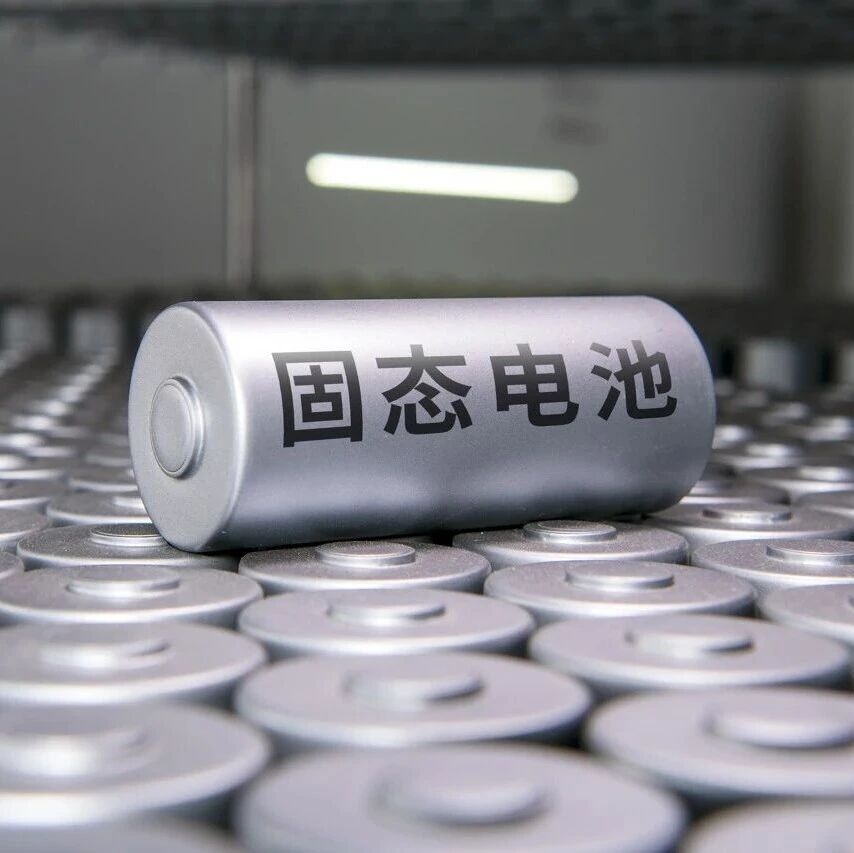
固态电池“水火相融”:尾部拱火与头部降温、资本炒作与瓶颈待破
经济观察报· 2025-11-01 05:00
Core Viewpoint - Solid-state batteries, regarded as the "holy grail" of lithium batteries, are gaining significant attention in the market, with many companies announcing breakthroughs and plans for mass production. However, industry experts caution that true commercialization will require time and patience [1][2][3]. Group 1: Industry Developments - Numerous automotive and battery companies, including Chery Automobile and Guoxuan High-Tech, have recently announced advancements in solid-state battery technology, signaling a potential shift from laboratory to mass production [2][5]. - Significant technical breakthroughs have been reported, such as Tsinghua University and the Chinese Academy of Sciences developing new materials that enhance safety, energy density, and lifespan of solid-state batteries [5]. - Companies like Xinwanda and Chery have announced impressive energy densities for their solid-state batteries, with Chery's reaching 600Wh/kg and Xinwanda's at 400Wh/kg, indicating a competitive landscape [5][10]. Group 2: Market Sentiment and Investment - The solid-state battery sector has seen a surge in capital market interest, with the A-share index for solid-state batteries nearly doubling from 1200 points in April to 2426 points in October [7]. - Many lesser-known companies are entering the solid-state battery market, with significant investments announced for production facilities, indicating a rush to capitalize on the emerging technology [7][8]. - Despite the hype, industry insiders express skepticism about the sustainability of this trend, noting that many companies promoting solid-state batteries are struggling in the traditional lithium-ion battery market [16][18]. Group 3: Challenges and Realities - Experts highlight that solid-state batteries remain largely in the experimental phase, with true mass production still several years away. The consensus among leading battery manufacturers is that 2027 may be the earliest for small-scale production [9][10]. - Technical challenges, such as slow charge-discharge rates and high production costs, continue to hinder the commercialization of solid-state batteries. Current production yields are significantly lower than those of traditional lithium-ion batteries [14][18]. - The cost of materials for solid-state batteries is substantially higher than for conventional batteries, with estimates suggesting that the cost could be five to ten times greater, complicating the path to mass adoption [14][18]. Group 4: Application Scenarios - Initial applications for solid-state batteries may not be in the automotive sector but rather in energy storage and low-altitude drones, where high energy density and safety are prioritized over cost [18]. - Companies are exploring various applications for solid-state batteries, with some focusing on sectors like robotics and aviation, which can validate technology without the immediate pressure of cost constraints [18].





券商三季度赚麻了,股价却“静悄悄”
经济观察报· 2025-10-31 14:29
Core Viewpoint - Despite a significant recovery in the performance of the securities industry, the stock prices of leading brokerages have declined, leading to confusion among investors [1][11]. Group 1: Industry Performance - As of October 31, the CSI All Share Securities Index has a year-to-date increase of 6.05%, which is lower than the Shanghai Composite Index's 17.99% and the CSI 300's 17.94% [2]. - In the first three quarters, 42 listed brokerages achieved a total operating income of 419.56 billion yuan, a year-on-year increase of 17.02%, and a net profit of 169.05 billion yuan, up 62.38% [2]. - The net profit for the third quarter alone reached 65.03 billion yuan, reflecting a year-on-year growth of 64.69% [2]. Group 2: Key Signals from Q3 Reports - Two major brokerages, CITIC Securities and Guotai Junan, both surpassed 2 trillion yuan in total assets, marking increases of 18.45% and 91.7% respectively compared to the end of 2024 [4]. - Except for Western Securities, which reported a revenue decline, the majority of brokerages experienced revenue and profit growth, with some seeing net profits double [5]. - Nine brokerages reported over 100% growth in net profit, with Guolian Minsheng, Huaxi Securities, and Guohai Securities showing increases of 345.30%, 316.89%, and 282.96% respectively [6]. Group 3: Competitive Landscape - The competition among brokerages has intensified, with revenue and profit rankings frequently changing. For instance, in the third quarter, the revenue of China Merchants Securities surpassed that of CITIC Securities [6]. - The performance of brokerages in the third quarter showed significant shifts, with Guotai Junan's revenue closely trailing CITIC Securities by just 7.56 billion yuan [7]. Group 4: Business Line Recovery - All major business lines of brokerages have shown recovery, with brokerage and proprietary trading businesses being key contributors to high growth. Brokerage fee income rose by 74.64% year-on-year, totaling 111.78 billion yuan [9]. - The investment banking sector also saw a recovery, with a year-on-year growth rate of 23.46% in revenue, driven by increased equity financing and M&A activities [9]. - Average employee compensation in the brokerage sector increased, with Guolian Minsheng leading with a 141.04% rise, reaching an average of 825,800 yuan [9]. Group 5: Stock Price Dynamics - Despite strong earnings, stock prices of brokerages have not reflected this performance, with some stocks underperforming the market [11][12]. - The underlying reasons include unpredictable earnings, reliance on market fluctuations, and a lack of differentiation among brokerage strategies [12]. - Analysts suggest that the securities sector may experience a rebound, supported by favorable policies and a conducive market environment [13].



爱美客不再有“躺赢”的日子
经济观察报· 2025-10-31 12:00
Core Viewpoint - The first-mover advantage of Aimeike is gradually diminishing, leading to a significant decline in revenue and net profit in recent quarters, indicating increased competition and changing market dynamics [3][4]. Group 1: Financial Performance - In Q3 2025, Aimeike reported a revenue of 1.865 billion yuan, a year-on-year decrease of 21.49%, and a net profit of 1.093 billion yuan, down 31.05% [3][5]. - The company's two main business segments, represented by "Ruhbai Angel" and "Haitai," which account for over 95% of revenue, have both seen a revenue decline of around 20% in the first half of the year [5][6]. - Aimeike's gross margin remains high at 93.4% for the first three quarters of this year, maintaining above 93% for the past three years [6]. Group 2: Market Challenges - The medical beauty industry is facing challenges such as insufficient consumer confidence and intensified competition, with new entrants diluting Aimeike's market share [3][5]. - Competitors have introduced similar products at significantly lower prices, such as Huaxi Biological's "Runzhi·Gege," which is priced at 30%-50% of "Haitai," directly impacting Aimeike's customer base [5][6]. - The number of approved products in the market has increased, leading to a more competitive landscape for Aimeike's offerings [6]. Group 3: Strategic Initiatives - Aimeike plans to enhance market competitiveness by focusing on core business, diversifying product lines, and improving service levels and brand influence [9][10]. - The company has begun expanding into skincare and cosmetic raw materials, launching the "Haitai Skincare" series and filing for new cosmetic ingredients [10][11]. - Aimeike has also made strategic acquisitions, such as the purchase of REGEN Biotech for nearly 1.4 billion yuan to strengthen its gel injection product line [6][10].


一家银行系险企的赛道经济学:路跑浪潮驱动保险服务转型升级
经济观察报· 2025-10-31 11:17
以建信人寿及其所处的人身险行业为例,在"报行合一"、预定 利率下调等因素驱动下,近年来人身险行业逐渐迈向转型深水 区。 封图:图片资料室 "PB(个人最好成绩)刷新了吗?"这句路跑圈的高频问候,已成为当下社会"中流砥柱"彰显自身生命活力的社交硬通货。以建信人寿上海黄浦10公里 跑为例,根据赛事主办方发布的大数据,40岁以上的跑者占比超40%,几乎占据了参赛人群的"半壁江山"。当这群追求健康生活方式、注重生活品 质、拥有稳定收入和较强风险保障意识的都市中坚力量成为路跑赛事的"主力军",赛事经济的繁荣早已超越了单纯的体育竞技范畴,演变为城市形象 展示、企业品牌塑造和连接高价值人群的黄金舞台。 建信人寿、特步、东鹏、佳农水果 ......从保险保障到运动装备,从能量补给至文旅服务,各大赛事已成为品牌方展示自身能量、吸引潜在受众和消费 者的秀场。品牌方通过深度融入赛事场景,得以自然而精准地呈现其专业价值与服务温度,实现品牌理念的深度传递。 马拉松精神与保险服务的本质是相通的,都需要长期主义的坚持。如今越来越多的保险公司选择与体育赛事携手,一条条穿梭于地标建筑、承载着城市 记忆与历史经纬的赛道,不仅是广大路跑爱好者挑战 ...

贷款贴钱也要把房卖掉!
经济观察报· 2025-10-31 11:17
Core Viewpoint - The article highlights the increasing difficulty homeowners face in selling properties due to the inability of sale proceeds to cover outstanding mortgage payments, leading to a situation where many owners find themselves unable to sell their homes [1][3][15]. Group 1: Individual Cases - Yang Qing, who purchased a 60-square-meter apartment for nearly 400 million yuan in 2019, now faces a situation where the expected sale price of 220 million yuan is insufficient to cover her remaining mortgage of over 230 million yuan, requiring her to find additional funds to complete the sale [2][5]. - Wang Bin, who bought a 97-square-meter apartment for approximately 240 million yuan, discovered that the current market value is only around 100 million yuan, leaving him with a remaining mortgage of 120 million yuan and needing to invest an additional 20 million yuan to sell [8][9]. - Ma Yan successfully sold her property but had to borrow 20 million yuan to cover the remaining mortgage balance of nearly 90 million yuan after selling the house for about 80 million yuan, incurring a loss of nearly 60 million yuan [11][13]. Group 2: Market Trends - The article notes a trend where many homeowners who purchased properties between 2018 and 2021 are now experiencing both asset depreciation and increased difficulty in meeting mortgage payments, leading to a rise in the number of individuals unable to sell their homes [15][16]. - The article mentions that homeowners are increasingly considering selling their properties as a means to avoid defaulting on their mortgages, with some opting for strategies like "断供保房" (defaulting to protect the property) as a last resort [16][17]. Group 3: Financial Implications - The financial burden of mortgage payments has become unsustainable for many families, with some homeowners reporting that mortgage payments consume a significant portion of their income, leaving little for other expenses [6][12]. - The article discusses the challenges faced by homeowners in securing loans to cover mortgage payments, as many do not meet the requirements for additional borrowing, further complicating their financial situations [16][17].

金融筑“基”:万亿活水如何浇灌“一县一业”?
经济观察报· 2025-10-31 11:17
Core Viewpoint - The article emphasizes the importance of county-level economies in China's modernization, highlighting their role as the foundation of the national economy and their potential for future domestic demand growth [2]. Financial Support in County Economies - Financial institutions are crucial in providing support to county economies, particularly in facilitating the last mile of service to the real economy [2]. - Agricultural Bank of China (ABC) has initiated various loan products tailored for county-level agricultural enterprises, such as the "Grain Farmer e-loan" and "River West Corridor Seed Loan," which have shown high efficiency in disbursing funds [4][5]. Case Studies of Financial Impact - In Gansu's Zhangye, a seed company faced cash flow issues but received a quick loan of 10 million yuan from ABC, demonstrating the bank's responsiveness [4]. - In Guangxi's Bo Bai County, 83% of grain farmers struggled to secure loans due to lack of collateral, but ABC's innovative data-driven "Grain Farmer e-loan" provided them with access to credit based on subsidy records [4]. Agricultural and Industrial Development - ABC's loans have significantly supported local agricultural enterprises, such as the Gansu Jiabinyun Dairy Company, which has received continuous financial backing to maintain operations and support local employment [7][10]. - The bank's innovative "Smart Animal Husbandry Loan" allows live cattle to serve as collateral, addressing the issue of insufficient physical assets for loans [9]. Infrastructure and Technological Advancements - Financial support is extending beyond traditional agriculture to include modern agricultural facilities, such as drip irrigation systems, which enhance water efficiency [16][20]. - ABC has developed products like "Electricity Fee e-loan," which uses stable electricity payment records as a basis for credit approval, showcasing a shift towards data-driven lending [19][23]. Community and Trust Building - The "Financial Village Director" model has been implemented to enhance trust and efficiency in loan approvals, connecting banks with local communities [29][31]. - ABC's efforts in building a comprehensive financial service network have resulted in significant loan disbursements to farmers, improving their livelihoods and economic stability [28][32]. Conclusion - The article concludes that financial services are evolving from merely providing funds to becoming integral components of county economic development, fostering growth and resilience in local communities [34].


*ST苏吴深陷多重退市风险
经济观察报· 2025-10-31 11:17
10月30日晚,*ST苏吴发布可能被实施重大违法强制退市的 风险提示公告。这已是这家公司第16次发布该类风险提示。 作者: 黄一帆 封图:图虫创意 今年7月,*ST苏吴收到中国证监会下发的《行政处罚事先告知书》。这份文件显示,证监会认定 *ST苏吴虚增营业收入、营业成本和利润,2020年至2023年年度报告存在虚假记载,触及重大违法 强制退市情形。2025年7月14日,该公司被叠加实施重大违法类强制退市风险警示。 目前,*ST苏吴尚在等待证监会下发正式的处罚决定书。*ST苏吴表示,若根据处罚决定书结论, 公司触及重大违法强制退市情形,公司股票将被终止上市。 而这并非*ST苏吴当下面对的唯一风险。根据披露,除重大违法强制退市指标外,*ST苏吴还触发 了面值退市、财务类退市等多重退市指标。与此同时,*ST苏吴正深陷资金占用、代理权等经营类 风险泥潭。 多重退市风险 随着2025年1月1日退市新规结束过渡期,以及证监会对财务造假等违法违规行为全面从严监管, 多家公司处在退市边缘。 重大违法强制退市是*ST苏吴当下所面临的主要退市风险。 10月30日晚,*ST苏吴(600200.SH)发布可能被实施重大违法强制退市的 ...