电动车公社

Search documents
这群疯子!曾被骂“必翻车”,却用81天远征封神中东!
电动车公社· 2025-11-20 17:05
Core Viewpoint - The article highlights the journey of a new automotive brand, 极石 (Jishi), which undertook an 81-day expedition covering 25,000 kilometers across 13 countries, showcasing its vehicle's capabilities in extreme conditions and emphasizing the brand's commitment to quality and reliability in the competitive automotive market [1][6][63]. Group 1: Expedition Challenges - The expedition faced numerous challenges, including a tire blowout on a dangerous road, which tested the team's resolve and the vehicle's durability [5][10]. - The team had a tight schedule, needing to reach Abu Dhabi for a global product launch, which added pressure to their journey [6][8]. - The journey was marked by extreme weather conditions and varied terrains, requiring the team to adapt quickly and maintain a rigorous driving schedule [21][25]. Group 2: Brand Philosophy and Strategy - The founders of 极石 aimed to fill a market gap for a vehicle that combines luxury with off-road capabilities, avoiding the pitfalls of other brands that overextended themselves in technology or market reach [19][20]. - The company established three key principles to guide its operations: focusing on a niche market, investing in essential vehicle components, and maintaining a lean operational model [19][20]. - The brand's approach contrasts with competitors who prioritize rapid growth and technological gimmicks, positioning 极石 as a reliable choice for consumers seeking adventure and comfort [11][19]. Group 3: Market Reception and Future Prospects - The vehicle, 极石 01, has gained traction in the Middle East, being recognized for its performance and even referred to as a "Defender killer" by local media [39][72]. - The brand's strategy of cultural adaptation, such as offering Arabic language support in its vehicle systems, has resonated well with local consumers, enhancing its market presence [69][72]. - The successful completion of the expedition and the subsequent product launch have positioned 极石 favorably in the competitive landscape, with significant orders received shortly after entering the market [72][86].


今日新闻丨华为系新品牌“启境”、“奕境”发布!小鹏X9增程版上市,售价30.98-32.98万元!新款享界S9上市!
电动车公社· 2025-11-20 17:05
Core Insights - The new model, Xiangjie S9, has been launched with a price range of 309,800 to 369,800 yuan, offering both pure electric and range-extended versions [1][3] - The launch of the new models, including the Xiangjie S9 and the Xiaopeng X9 range-extended version, indicates a competitive pricing strategy in the electric vehicle market [12][19] Group 1: Xiangjie S9 Details - The Xiangjie S9 offers four variants: range-extended Max starting at 309,800 yuan with a 37 kWh battery and a comprehensive range of 1275 km CLTC, and pure electric Max starting at 329,800 yuan with a 100 kWh battery and a range of 816 km CLTC [5][9] - The vehicle dimensions are 5160 mm in length, 2005 mm in width, and 1492 mm in height, with a wheelbase of 3050 mm, positioning it as a mid-large vehicle [5] - Interior features include luxury materials such as Nappa leather and wood trim, a larger central screen, and optional zero-gravity seats in the rear [7] Group 2: Xiaopeng X9 Details - The Xiaopeng X9 range-extended version is priced between 309,800 and 329,800 yuan, featuring a 1.5T engine and a 286 kW electric motor with a 63.3 kWh battery, providing a pure electric range of 452 km [12][18] - The vehicle dimensions are 5316 mm in length, 1988 mm in width, and 1785 mm in height, with a wheelbase of 3160 mm, classifying it as a mid-large MPV [14] - The Xiaopeng X9 has received significant pre-orders, indicating strong market interest, particularly in northern regions where orders exceeded 50% [22] Group 3: New Brands Launch - The launch of the Qijing and Yijing brands at the Huawei Dry Kun Ecological Conference marks a strategic collaboration between GAC and Huawei, focusing on high-end intelligent mobility solutions [23][24] - Qijing aims to introduce the first Chinese shooting brake model equipped with Huawei's L3-level intelligent driving architecture by June next year [24] - Yijing, developed in partnership with Dongfeng, targets the high-quality family car market, planning to unveil its first model at the 2026 Beijing Auto Show [26][28]

今日新闻丨新款银河星舰7 EM-i上市,限时售价9.58-12.38万元!新款星海S7上市,限时售价10.59-13.59万元!
电动车公社· 2025-11-19 16:12
Core Viewpoint - The article highlights the launch of new electric vehicle models, specifically the Galaxy Starship 7 EM-i and Dongfeng Xinghai S7, emphasizing their competitive pricing and enhanced features in the rapidly evolving electric vehicle market [2][6][15][16]. Group 1: Galaxy Starship 7 EM-i - The Galaxy Starship 7 EM-i was launched on November 19, with a limited-time price range of 95,800 to 123,800 yuan [3][6]. - The vehicle features a compact SUV design with dimensions of 4740mm in length, 1905mm in width, and 1685mm in height, along with a wheelbase of 2755mm [8]. - Interior design retains the current model's layout, featuring a two-spoke steering wheel and a floating central control screen, with upgraded configurations including W-HUD head-up display and enhanced sound insulation [10]. - The powertrain includes a 1.5L engine paired with a 175kW electric motor and a 19.09kWh lithium iron phosphate battery, offering a pure electric range of 130/135 km, with an optional larger battery for 200 km [12]. - The model adopts a strategy of enhancing features without significant price increases, making it more competitive in the market [14]. Group 2: Dongfeng Xinghai S7 - The Dongfeng Xinghai S7 was also launched on November 19, with a limited-time price range of 105,900 to 135,900 yuan [15][16]. - The vehicle maintains a similar design to its predecessor, featuring a sleek coupe-like silhouette and unique headlight design, with dimensions of 4935mm in length, 1915mm in width, and 1510mm in height, and a wheelbase of 2915mm [18]. - The interior design is minimalist, integrating vehicle functions into the central control system, and includes features like keyless start and battery preheating [20]. - The powertrain options include 218/313kW electric motors paired with 56.8/68.2kWh lithium iron phosphate batteries, providing a pure electric range of 565/650 km and acceleration from 0 to 100 km/h in 6.7/5.9 seconds [21]. - Positioned in a highly competitive segment, the Xinghai S7 aims to differentiate itself through larger dimensions and 800V ultra-fast charging capabilities [22].



被中国卡脖子!外资车企“硬上”无稀土电机!靠谱吗?
电动车公社· 2025-11-19 16:12
Core Viewpoint - Renault has terminated its collaboration with Valeo on the E7A project for rare-earth-free motors, citing cost advantages from Chinese suppliers, which could reduce costs by 20-30% [2][15][76]. Group 1: Project Termination and Cost Implications - Renault's decision to end the partnership with Valeo comes after two years of development, close to the 2027 production target [2]. - The spokesperson from Renault hinted at potential collaboration with Chinese partners, while Valeo declined to comment [2]. - The new plan involves sourcing stators from Chinese suppliers while maintaining in-house rotor development and assembly in France [2][3]. Group 2: Industry Trends and Competition - Valeo quickly found a new partner in Mahle Group to continue developing rare-earth-free motors, aiming for a single motor power of over 350 kW [4]. - Major automakers like Tesla, BMW, GM, and Volkswagen are also investing heavily in rare-earth-free motor technology to reduce reliance on rare earths [8][79]. Group 3: Rare Earths and Supply Chain Challenges - China holds approximately 34% of the world's rare earth reserves and dominates global production and refining [10][11]. - Due to increasing trade tensions, China has implemented stricter export controls on rare earths, leading to supply shortages and increased production costs for international automakers [14][15]. - The rising prices of rare earths have resulted in significant cost increases for electric vehicle production, with Tesla's costs rising by 18% and European automakers facing an additional $200-300 per vehicle [15][16]. Group 4: Importance of Rare Earths in Electric Motors - Rare earth elements are crucial for producing high-performance permanent magnet synchronous motors, which are widely used in electric vehicles [6][7]. - The discovery of rare earth permanent magnets in the late 20th century revolutionized electric motor technology, allowing for higher power densities and efficiency [31][36]. Group 5: Alternatives to Rare Earths - Some companies, like Tesla and GM, are exploring alternatives such as iron nitride to replace rare earth magnets, achieving efficiencies close to 98% of rare earth motors [47][50]. - BMW has developed a rare-earth-free motor system using ferrite magnets, which is cheaper but has lower efficiency and power density compared to rare earth motors [55][60]. Group 6: Future Outlook - Despite advancements in rare-earth-free technologies, the performance and efficiency of rare earth motors remain superior, making widespread replacement unlikely in the short term [75][76]. - Chinese companies, including BYD and NIO, are also investing in rare-earth-free motor research, indicating a potential future shift in the industry [78][80].
今日新闻丨小米汽车及AI等创新业务实现单季度盈利!岚图泰山定价37.99万元起!深蓝L06、福特智趣烈马开启预售!
电动车公社· 2025-11-18 16:48
Group 1 - Lantu Tai Shan was launched on November 18, with a price range of 379,900 to 509,900 yuan, offering four models [4][10] - The vehicle features a stylish design with dimensions of 5230mm in length, 2025mm in width, and 1817mm in height, and a wheelbase of 3120mm, positioning it as a full-size SUV [3] - It is equipped with advanced features such as a three-chamber air suspension, a 16° rear-wheel steering system, and AI-assisted zero-gravity seats, with some models offering a four-laser radar driving assistance system [6][10] - The powertrain includes a 110kW 1.5T engine combined with a dual-motor system producing 380kW, achieving 0-100 km/h in 5.2/5.5 seconds, and a pure electric range of 350 km [8][10] - The vehicle received over 10,000 orders within 21 minutes of its launch, indicating strong market acceptance [10] Group 2 - Ford's Mustang Mach-E began pre-sales on November 18, with a price range of 229,800 to 282,800 yuan, offering five models with pure electric and range-extended options [4][20] - The vehicle retains the design elements of the Ford Bronco, featuring a wild yet technological aesthetic, with dimensions of 5025mm in length, 1960mm in width, and 1815mm in height [16] - It includes a simplified interior design with a 70-inch HUD and advanced features like Qualcomm Snapdragon 8255 chip and facial recognition for smart seating [18][20] - The pure electric version boasts a maximum power of 332kW and a CLTC range of 650 km, while the range-extended version features a 110kW engine and a CLTC range of 220 km [20] Group 3 - Deep Blue L06 commenced pre-sales on November 18, with a limited-time price range of 132,900 to 154,900 yuan, offering four models [23][29] - The vehicle adopts a low-drag design with dimensions of 4830mm in length, 1905mm in width, and 1480mm in height, and features a high soft-touch interior with advanced technology [25][27] - It is powered by a 200kW single motor with battery options of 56.12 kWh and 68.82 kWh, providing a pure electric range of 560 km and 670 km respectively, with a 0-100 km/h acceleration time of up to 5.9 seconds [29] Group 4 - Xiaomi Group reported its third-quarter earnings on November 18, with a revenue of 113.1 billion yuan, a year-on-year increase of 22.3%, and a net profit of 11.3 billion yuan, up 80.9% [33][35] - The automotive and AI sectors generated 29 billion yuan in revenue, marking the first quarterly profit for these innovative businesses [33] - Xiaomi's automotive division achieved over 100,000 sales in a single quarter with three models, and cumulative deliveries surpassed 260,000 units in the first three quarters, on track to meet its annual target of 350,000 units [35]



新能源车,凭什么能用消费级芯片?
电动车公社· 2025-11-18 16:48
Core Viewpoint - The debate over whether to use consumer-grade chips or automotive-grade chips in vehicles continues, with strong arguments on both sides regarding safety and performance [3][5]. Group 1: Differences Between Consumer-grade and Automotive-grade Chips - Automotive-grade chips are governed by industry standards, specifically AEC-Q100, which includes rigorous testing for environmental stress, longevity, packaging integrity, manufacturing reliability, electrical validation, and defect screening [18][23]. - Consumer-grade chips typically have less stringent temperature requirements, often ranging from 0 to 70°C, compared to automotive-grade chips that can operate in extreme conditions from -40°C to +150°C [20][22]. - The automotive industry recognizes AEC-Q100 as a benchmark for reliability, even though it lacks legal enforcement, leading to widespread acceptance across the supply chain [24]. Group 2: Reasons for Using Consumer-grade Chips - Automotive-grade chips face challenges such as insufficient computing power and higher costs, prompting some manufacturers to opt for consumer-grade chips [25][26]. - Companies like Tesla have consistently used consumer-grade chips for their infotainment systems, citing their superior performance and cost-effectiveness [26][29]. - The rapid evolution of automotive technology demands higher performance from chips, which consumer-grade options can provide more readily than automotive-grade alternatives [30][40]. Group 3: Future of Automotive Chips in China - The automotive industry is evolving quickly, and existing standards may not adequately address the needs of modern smart vehicles, necessitating a reevaluation of chip standards [41][46]. - The establishment of a national automotive chip standard verification platform in China indicates a move towards developing relevant standards for the industry [47][49]. - The future direction of automotive chips may involve either enhancing automotive-grade chip performance or allowing consumer-grade chips with compliance processes, but the AEC-Q standard should remain a fundamental guideline [52][51].

今日新闻丨吉利汽车、小鹏汽车发布第三季度财报,营收均创历史新高!
电动车公社· 2025-11-17 16:35
Core Insights - Geely Automobile reported a record high revenue of 89.2 billion yuan for Q3 2025, marking a 27% year-on-year increase and a 15% quarter-on-quarter growth [1][3] - The net profit attributable to shareholders for Q3 2025 was 3.96 billion yuan, up 19% year-on-year and 25% quarter-on-quarter [3] - Geely's market share reached 10.2% in the first three quarters of 2025, reflecting a 28.1% year-on-year growth [3] Geely Automobile Financial Performance - Q3 2025 revenue: 89.2 billion yuan, a historical high, with a year-on-year increase of 27% and a quarter-on-quarter increase of 15% [3] - Q3 2025 core net profit: 3.96 billion yuan, showing a year-on-year growth of 19% and a quarter-on-quarter growth of 25% [3] - Cumulative revenue for the first nine months of 2025: 239.5 billion yuan, up 26% year-on-year [3] - Cumulative core net profit for the first nine months of 2025: 10.62 billion yuan, a significant increase of 59% year-on-year [3] - Geely's sales volume reached 2.477 million units by the end of October 2025, achieving 82.6% of its annual target of 3 million units [1] Geely's Product Performance - The Galaxy series has surpassed 1 million units in sales this year, with the Xingyuan model consistently selling over 40,000 units per month [3] - The Zeekr brand is performing well in the high-end market, with the Zeekr 9X model receiving over 10,000 orders within 13 minutes of its launch [3] - Geely is positioned to potentially become the top-selling domestic car manufacturer if the growth trend continues into the next year [4] Xiaopeng Automobile Financial Performance - Xiaopeng Automobile reported a revenue of 20.38 billion yuan for Q3 2025, a remarkable year-on-year increase of 101.8% [5][7] - The net loss for Q3 2025 was 380 million yuan, significantly reduced compared to previous periods [5] - Q3 2025 vehicle deliveries reached 116,007 units, reflecting a year-on-year growth of 149.3% [5][7] - The gross margin for Q3 2025 was 20.1%, an increase of 4.8 percentage points year-on-year [5][7] - Cash reserves reached a record high of 48.33 billion yuan, with a quarter-on-quarter increase of 7.6 billion yuan [5][7] Xiaopeng's Market Position - Xiaopeng's Q3 2025 results indicate a strong growth trajectory, with significant increases in revenue, delivery volume, and gross margin [10] - The company's advancements in AI technology, including the recent humanoid robot launch, have sparked discussions and increased attention, suggesting potential for future profitability [10]


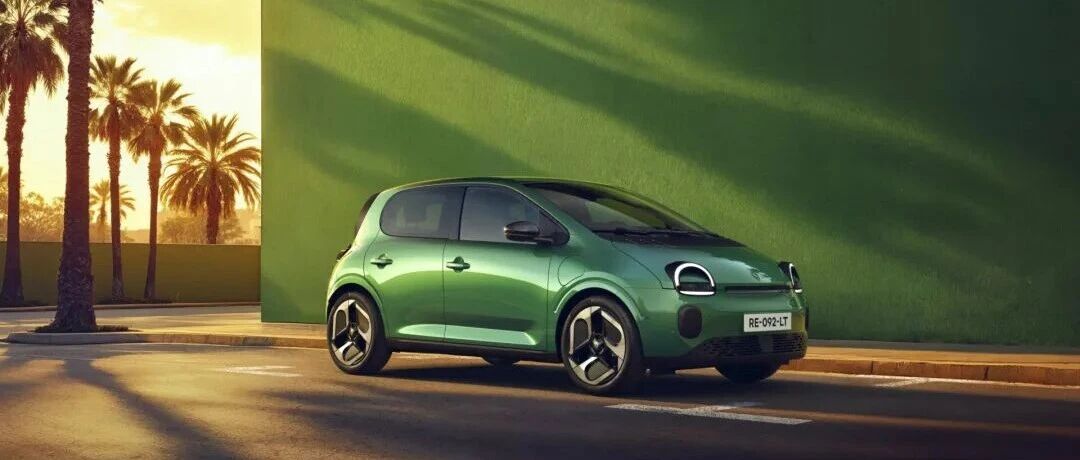
263km续航卖12万!法国人炸了,欧盟疯了?
电动车公社· 2025-11-17 16:35
Group 1 - The core viewpoint of the article highlights the contrasting electric vehicle (EV) market dynamics between China and Europe, with China experiencing a surge in sales of affordable electric cars while Europe faces rising prices and regulatory challenges [1][3][45]. - In October, several electric vehicles in China achieved significant sales milestones, such as the Wuling Hongguang MINI EV surpassing 60,000 units sold, indicating a robust demand for affordable electric cars [1][3]. - The article emphasizes the price disparity in Europe, where the cost of small cars has increased significantly over the past 20 years, with only one fuel-powered car priced below €15,000, while many electric models are priced above €25,000 [3][5]. Group 2 - Renault's new electric car, the Twingo, aims to be priced below €20,000, targeting the European market's need for affordable electric vehicles [5][43]. - The Twingo's design incorporates cost-saving measures, such as simplifying components and reducing unnecessary features, to achieve a competitive price point [15][19]. - The Twingo project benefited from a rapid development process, taking only 24 months from design to production, largely due to the involvement of a Chinese engineering team and suppliers [56][60][64]. Group 3 - The article discusses the challenges Renault faces in entering the Chinese market, where competition is fierce with numerous affordable electric vehicles already available [48][49]. - Despite the Twingo's potential success in Europe, Renault's CEO expressed skepticism about its viability in China due to pricing issues [46][48]. - The article notes that Renault's strategy involves leveraging China's supply chain to reduce costs and enhance competitiveness in the global market [55][67][90]. Group 4 - Renault's restructuring in China reflects a shift towards a more collaborative approach, focusing on integrating with the local supply chain and adapting to the competitive landscape [75][80]. - The partnership with Chinese suppliers is expected to extend beyond the Twingo project, influencing Renault's global operations and product development [86][89]. - The article concludes that Renault's strategy represents a broader trend in the automotive industry, where traditional manufacturers must adapt to the evolving market shaped by Chinese brands [93][94].
10月新能源渗透率57%!东风明年量产固态电池?智己LS9上市!多款新车登录工信部!丨一周大事件
电动车公社· 2025-11-16 16:06
New Car Launches - Aion UT Super launched at a price of 89,900 yuan, featuring a 100kW motor and a 54.04kWh lithium iron phosphate battery with a CLTC range of 500km [1][3][9] - Changan Qiyuan A06 launched with prices ranging from 109,900 to 149,900 yuan, offering both pure electric and range-extended versions [1][17] - Wuling Hongguang family launched with prices between 54,800 and 77,800 yuan, available in fuel, pure electric, and range-extended versions [1][19] - Zhiji LS9 launched with a price range of 322,800 to 352,800 yuan, featuring advanced interior and exterior designs [1][26][31] - Wuling Xingguang 730 launched with prices from 73,000 to 109,800 yuan, available in fuel, plug-in hybrid, and pure electric versions [1][34] - Aion i60 launched at a price range of 109,800 to 135,800 yuan, offering both pure electric and range-extended versions [1][6] - Ora 5 opened for pre-sale with a price range of 109,800 to 142,800 yuan, targeting the young market with its design [1][52] - Nissan N6 opened for pre-sale with a price range of 109,900 to 121,900 yuan, featuring a hybrid powertrain [1][58] - Xingtou ET5 opened for pre-sale with a price range of 159,900 to 174,900 yuan, equipped with advanced driving assistance systems [1][66] - Hongqi HS6 PHEV opened for pre-sale with a price range of 178,800 to 228,800 yuan, featuring a luxurious design and advanced technology [1][72] Company Dynamics - FAW-Volkswagen has produced its 30 millionth vehicle, becoming the first passenger car company in China to reach this milestone [1][79] - Faraday Future reported a third-quarter loss of $206.8 million, with ongoing financial challenges despite receiving over 11,000 paid orders for its new FX Super One model [1][84][87] - Dongfeng Motor plans to mass-produce solid-state batteries next year, with a projected energy density of 350Wh/kg [1][88][91] - Leap Motor announced it has surpassed 500,000 cumulative sales this year, achieving its 2025 sales target ahead of schedule [1][92][94] Industry News - In October, the retail penetration rate of new energy vehicles reached 57%, with 1.282 million new energy vehicles sold out of a total of 2.242 million vehicles [1][112][113]





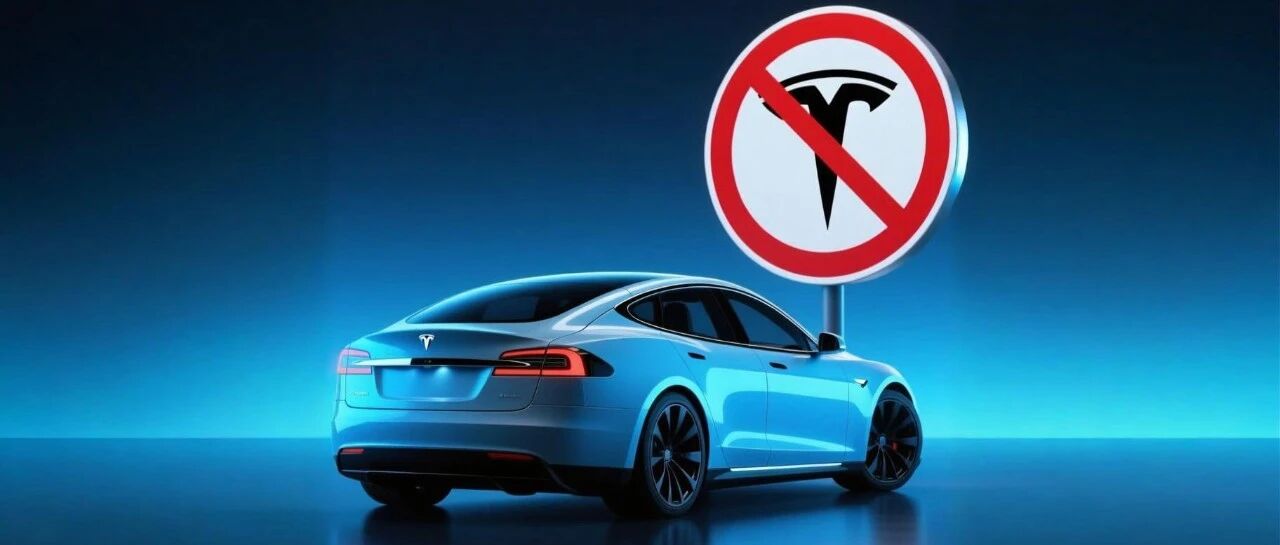
特斯拉被禁、新势力躺枪、燃油车未能幸免?!新国标要重拳出击了?
电动车公社· 2025-11-16 00:05
Core Viewpoint - The recent draft of the "Technical Conditions for Motor Vehicle Operation Safety" proposed by the Ministry of Public Security has sparked significant discussion in the automotive industry, particularly regarding its implications for the design and performance of electric vehicles and traditional cars [1][2]. Summary by Sections Regulations Impacting Vehicle Design - The draft includes mandatory national standards that, if not met, will prohibit the sale of vehicles. Key regulations target unreasonable designs in electric vehicles, affecting brands from Tesla to traditional manufacturers [2]. - Specific requirements include maintaining mechanical emergency structures for doors, mandatory physical controls for various functions, and restrictions on screen usage while driving [3][4]. Public Reaction and Debate - The regulation mandating a default acceleration time of over 5 seconds for vehicles has generated mixed reactions. Supporters argue it enhances safety, while opponents believe it restricts vehicle performance and could hinder the growth of the electric vehicle sector [6][7]. Global Perspectives on Road Safety Regulations - The article explores how different countries manage road safety. For instance, in the UK, insurance companies play a crucial role in regulating vehicle performance through pricing models based on various risk factors [8][10]. - Australia employs a tiered licensing system to ensure drivers gain experience before operating high-performance vehicles, reflecting a structured approach to driver capability [17][21]. - Japan's "gentlemen's agreement" among manufacturers historically limited vehicle performance to enhance safety, demonstrating a unique industry self-regulation approach [32][35]. Future Considerations - The draft regulations may signify the beginning of a more structured approach to vehicle performance and safety in the industry, rather than a blanket restriction on high-performance vehicles. The potential for a tiered licensing system or vehicle classification based on performance is suggested as a way to balance safety and technological advancement [51][58].