电动车公社

Search documents
25年撞毁7000辆车+5万起事故分析!这个品牌太疯太偏执!
电动车公社· 2025-06-18 16:03
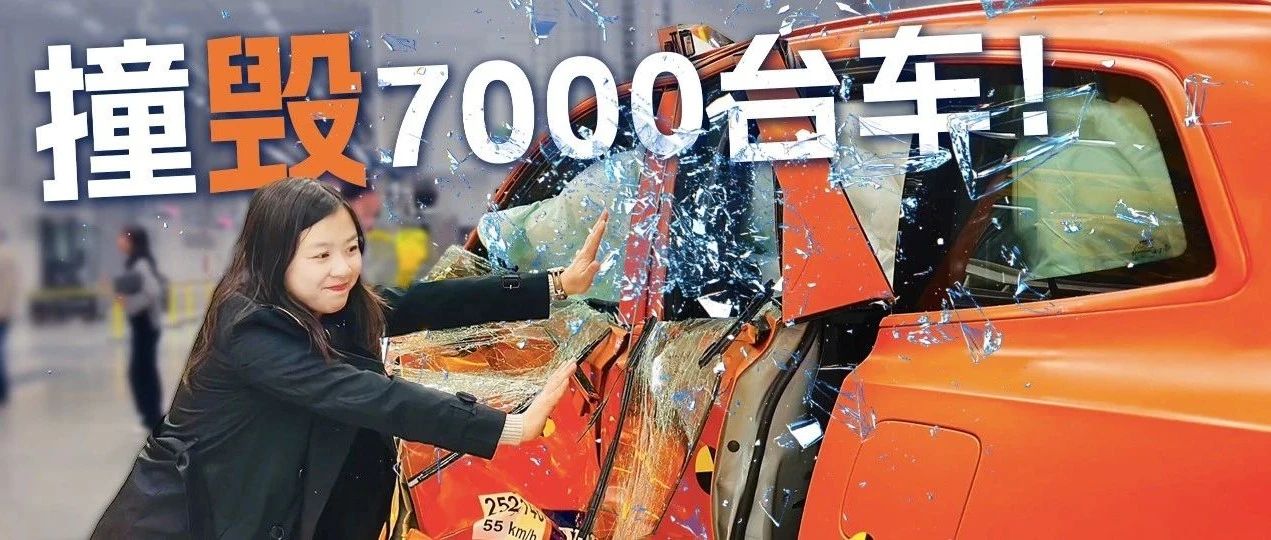
Core Viewpoint - The article emphasizes Volvo's commitment to safety, showcasing its innovative safety features and extensive testing practices that have been in place for decades [43][46]. Group 1: Collision Testing and Safety Features - Volvo conducted its first public three-car collision test, demonstrating the effectiveness of its Advanced Emergency Braking (AEB) system [1]. - The company has performed over 7,000 crash tests in its collision laboratory over the past 25 years, averaging nearly one test per day [9][10]. - Side-impact collisions are particularly dangerous, leading to severe head and torso injuries, which is why many Volvo vehicles are equipped with head side airbags [6][46]. Group 2: Historical Safety Innovations - Volvo introduced the three-point seatbelt in 1959, followed by several other safety innovations, including rear-facing child safety seats in 1972 and side impact airbags in 1998 [46]. - The company has a history of sharing its safety patents with the industry, believing that safety should not be a luxury or a profit-making tool [46]. Group 3: Safety Investigation and Data Analysis - Volvo's safety accident investigation team has been operational for 55 years, analyzing real accident data to improve vehicle safety [17][16]. - The company uses both real-world crash data and simulation software to enhance the accuracy of its safety testing [13]. Group 4: Community and Brand Philosophy - Volvo has a "Miracle of Life Club" for survivors of serious accidents, highlighting the effectiveness of its safety measures [18][21]. - The brand's core philosophy revolves around safety, contrasting with other companies that prioritize sales over safety innovations [43][44].

100万片才能回本!蔚小理为啥还要扎堆造芯片?
电动车公社· 2025-06-17 16:28
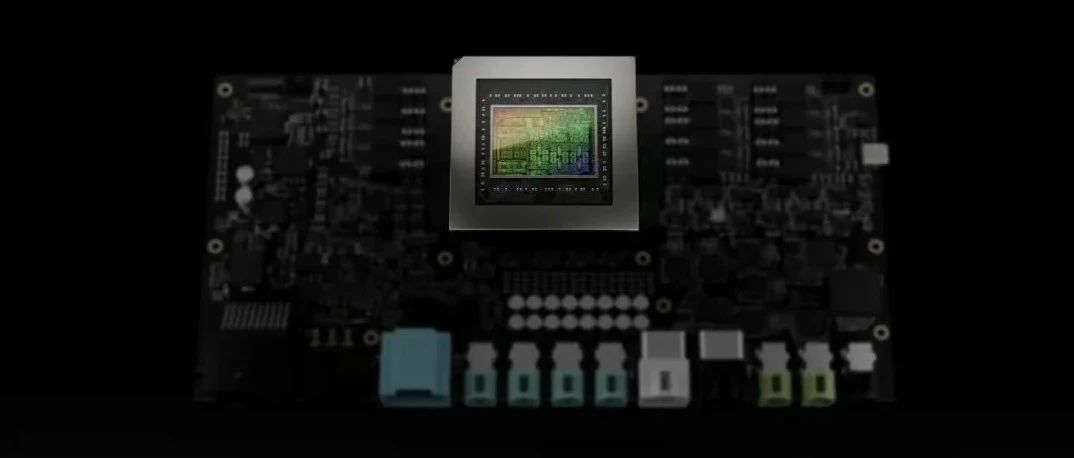
Core Viewpoint - The automotive industry is entering a new era of chip self-research and high computing power, driven by the need for advanced autonomous driving capabilities, particularly L3 level automation, as exemplified by companies like Xiaopeng and NIO [6][39][60]. Group 1: Chip Development and Competition - The competition for automotive computing power began around 2021, initiated by NVIDIA's Orin-X chip, which boasts a computing power of 254 TOPS, significantly surpassing Mobileye's Q5H and Tesla's HW3.0 [1][6]. - Companies like NIO have adopted multiple Orin-X chips, achieving over 1000 TOPS in computing power [3]. - The automotive computing power has fluctuated between 80 to 1000 TOPS over the past four years, but a new phase has emerged in 2023 with the introduction of self-developed chips [5][34]. Group 2: Self-Developed Chips and Industry Trends - Xiaopeng's self-developed 5nm chip, NX9031, is expected to reach 2000 TOPS with two chips in the ET9 model, while the Xiaopeng G7 features three self-developed Turing AI chips, achieving 2200 TOPS [6][39]. - The trend of automakers developing their own chips is gaining momentum, similar to Tesla's earlier journey, as companies seek to overcome the limitations of the "black box" model previously used with suppliers like Mobileye [9][30]. - The emergence of domestic chip companies like Horizon and Black Sesame Intelligence is diversifying the market, with many automakers now developing their own chips that can compete with NVIDIA's flagship products [35][38]. Group 3: The Shift to L3 Autonomous Driving - The automotive industry is approaching the L3 autonomous driving era, with Xiaopeng defining its G7 as the "world's first L3 level AI car" [39]. - The effective computing power required for L3 autonomous driving has been clarified by Xiaopeng at 2200 TOPS, indicating a significant leap from L2 systems [43][55]. - The transition to L3 involves not only technological advancements but also a shift in liability, as vehicles may be held accountable for accidents, increasing pressure on automakers to refine their technologies [56][58]. Group 4: Challenges in Chip Development - The journey of self-developing chips is fraught with challenges, including architectural issues and the risk of costly failures during the chip manufacturing process [62][64]. - Companies must also ensure that their chips meet stringent automotive safety standards, which can extend the validation period significantly [69]. - The need for large-scale production to recoup development costs is critical, with estimates suggesting that around 1 million units may be necessary for profitability [71].


今日新闻丨曹操出行将于6月25日港股上市!宝能集团及观致汽车被强制执行2.73亿元!远景动力将为宝马新车供应46系大圆柱电池!
电动车公社· 2025-06-17 16:28
Core Viewpoint - The article discusses significant developments in the automotive industry, focusing on financial challenges faced by companies, IPO activities, and advancements in battery technology. Group 1: Financial Challenges - Baoneng Group and Qoros Auto have been subjected to enforcement actions amounting to 273 million yuan [2][3] - Baoneng issued a statement asserting that all business operations remain unaffected and new vehicles are set to launch soon [4][6] Group 2: IPO Activities - Cao Cao Mobility has initiated its IPO process, planning to list on the Hong Kong Stock Exchange on June 25, with expected fundraising of 1.853 billion HKD and a valuation of approximately 22.823 billion HKD [7][8] - The IPO will involve the global offering of 44.1786 million shares at a price of 41.94 HKD per share, with significant backing from industry giants like Mercedes-Benz and Guoxuan High-Tech [9] Group 3: Battery Technology Advancements - Envision AESC has commenced production of its 46-series cylindrical batteries, which will supply power to BMW models such as X3, X5, X6, and X7 [10] - The new battery features a maximum energy density of 310 Wh/kg and supports rapid charging, with a 10-minute charge time from 10% to 80% [10]

今日新闻丨首辆特斯拉Robotaxi将于6月28日交付!智己LS7焕新版上市,权益价32.99万元!日产计划减持5%雷诺股份!
电动车公社· 2025-06-16 15:55
Group 1: Tesla Robotaxi - The first Tesla Robotaxi is set to be delivered on June 28 in Austin, Texas, featuring the latest FSD software for full autonomous operation without a steering wheel or pedals [1][4] - The initial launch of the Robotaxi service was originally scheduled for June 22, indicating Tesla's rapid pace in commercializing autonomous driving technology [4] - Despite the excitement, there are significant local opposition concerns regarding safety issues related to Tesla's autonomous systems, which have been linked to multiple accidents [4] Group 2: Nissan's Stake in Renault - Nissan plans to reduce its stake in Renault by 5%, moving from a cross-holding limit of 15% to 10% as part of a cash flow strategy [5][7] - This decision reflects Nissan's financial strain, as it also terminates its investment obligations in Renault's electric vehicle division, Ampere [7] - The announcement coincides with the successful launch of Nissan's N7 model in China, suggesting a strategic pivot towards the Chinese market [7] Group 3: Smart LS7 Launch - The Smart LS7 has been relaunched with a price of 329,900 yuan, featuring significant upgrades in technology and comfort [10][12] - Key specifications include dimensions of 5049/2002/1784 mm and a wheelbase of 3060 mm, with a focus on reducing hardware costs while enhancing user experience [12] - The vehicle is equipped with advanced features such as a high-performance Qualcomm Snapdragon 8295 chip and NVIDIA OrinX chip for intelligent driving, indicating a competitive strategy in a crowded market [13]

6年融资190亿还缺钱?!又一锂电巨头赴港上市!
电动车公社· 2025-06-16 15:55
Core Viewpoint - The article discusses the recent trend of Chinese companies, particularly in the new energy vehicle sector, opting for secondary listings in Hong Kong to secure funding and expand globally, highlighting the case of CATL's successful IPO and the implications for other companies like EVE Energy [1][3][4][9][65]. Group 1: CATL's IPO and Market Context - CATL's successful listing in Hong Kong raised HKD 35.6 billion, marking it as the largest IPO globally at that time [1]. - The funds raised are intended for research and development, talent acquisition, and global expansion, achieving the company's objectives [3]. - The trend of secondary listings is spreading across the Chinese new energy vehicle sector, indicating a strategic shift in funding approaches [4][9]. Group 2: EVE Energy's Position and Strategy - EVE Energy, a lithium battery manufacturer, is recognized as a key supplier for major automotive brands, including Xpeng and BMW [12][13]. - The company has a diverse product range, including consumer batteries, power batteries, and energy storage batteries, with significant technological capabilities [16]. - EVE Energy has achieved global leadership in lithium primary battery sales and ranks second in energy storage battery shipments as of 2024 [17]. Group 3: Market Dynamics and Product Development - The current power battery market is dominated by ternary lithium batteries and lithium iron phosphate batteries, with various shapes like cylindrical and prismatic [19][20]. - EVE Energy has successfully mass-produced large cylindrical batteries, achieving a 97% yield rate, positioning itself as a leader in this segment [29][31]. - The company has secured significant orders for its large cylindrical batteries, with projected demand reaching approximately 564 GWh over the next five years [39][40]. Group 4: Financial Performance and Challenges - In 2024, EVE Energy reported a slight decline in revenue to CNY 48.6 billion, with a net profit decrease of 6.61% [55]. - The company faces challenges in cash flow, with operating cash flow dropping by 48.9% year-on-year, indicating potential liquidity issues [57]. - Despite the decline in cash flow, the company aims to leverage its large cylindrical battery technology to drive growth in its power battery business [60]. Group 5: Future Outlook and Funding Needs - EVE Energy's future production capacity needs to expand significantly to meet the projected demand for large cylindrical batteries, with a target of 210 GWh by 2025 [40][61]. - The company is exploring various funding avenues, including a secondary listing in Hong Kong, to address its capital requirements for expansion [65]. - The article suggests that many Chinese new energy companies may follow EVE Energy's lead in seeking opportunities in Hong Kong to meet their financing needs [86].


理想汽车与壳牌达成合作!零跑汽车首家香港门店开业!工信部:加大新车质量抽查监管力度!广汽丰田将与华为展开深度合作!丨一周大事件
电动车公社· 2025-06-15 15:40
Core Viewpoint - The article discusses recent developments in the automotive industry, particularly focusing on new electric vehicle (EV) launches, strategic partnerships, and regulatory updates in China. New Car Launches - Tesla launched the updated Model S and Model X in the US, with prices ranging from approximately 609,900 to 753,500 RMB. The Model S now offers an EPA range of 650 km, while the Model X has improved interior space and features [5][7][9] - The new Ora Good Cat is available for pre-sale with a price range of 89,800 to 109,800 RMB, featuring two battery options with ranges of 401 km and 430 km [10][12][13] - Lynk & Co announced its first mid-size plug-in hybrid sedan, the Lynk 10 EM-P, which features a 1.5T engine and dual-motor all-wheel drive [16][17] - Xiaopeng G7 is now available for pre-sale at 235,800 RMB, boasting a range of 702 km and advanced AI capabilities [18][29][32] - FAW Toyota's bZ5 was launched with a price range of 129,800 to 159,800 RMB, featuring a 15.6-inch central control screen and various advanced driver assistance systems [34][38][41][43] - Chery's Duomi, a mini SUV, was launched with prices between 59,900 and 69,900 RMB, offering two range options of 305 km and 405 km [46][49] Company Developments - Li Auto signed a strategic cooperation agreement with Shell to enhance lubrication supply and global expansion efforts [52][53][55] - Geely introduced its Raytheon AI Hybrid 2.0 technology, which aims to optimize fuel consumption and performance through AI [56][60][62] - GAC Toyota announced plans to launch extended-range models and deepen collaboration with Huawei, indicating a shift towards more localized production [64][69] - GAC Group unveiled its first mass-produced flying car, GOVY AirCab, priced under 1.68 million RMB, set to begin operations in the Guangdong-Hong Kong-Macau area [70][72][74] - Leap Motor opened its first store in Hong Kong, marking its entry into the market and expanding its competitive landscape [75][78] - Xiaomi's SU7 Ultra set a record as the fastest mass-produced electric vehicle at the Nürburgring, showcasing its performance capabilities [79][82] - EVE Energy plans to list in Hong Kong to enhance its capital strength and global competitiveness, following its previous listing in Shenzhen [83][86] Domestic News - The Ministry of Industry and Information Technology announced increased regulatory scrutiny on new vehicle quality, focusing on high-risk models to ensure consumer safety [87][88][89]

今日新闻丨特斯拉发布改款Model S/X!理想汽车与壳牌达成合作!
电动车公社· 2025-06-14 15:41
关注 「电动车公社」 和我们一起重新思考汽车 《今日新闻》将会每天给大家带来几条当日重磅新闻,并附上社长的简单评论。关注「电动车公社」,新能源圈大事小事 看我们就够啦~ 今日新闻要点: 1 、 特斯拉在美发布改款 Model S/X 6 月 13 日,新款特斯拉 Model S 和 Model X 在美国正式上市。 其中, Model S 四驱版售价 84990 美元(约合人民币 60.99 万元), Plaid 版售价 99990 美元(约合人民币 71.76 万元); 两大新款车型新增了冰霜蓝车漆, Model S 四驱版EPA纯电续航提升至 650km , Model X 第三排空间进一步优化,另外在 NVH 、灯光等方面进行了优化 升级,并换装了按键转向灯的半辐方向盘。 整体来看,新款 Model S 和 Model X和Model 3/Y的焕新属于同样的操作,在不大动原有架构的基础上,尽可能补足产品力上的短板,内饰也不像以往那么 追求极简设计,而是尽可能向豪华方向靠拢。但这两台车的生命周期已经接近10年了,如果想要进一步吸引用户,还是要尽快推出换代车型才行。 2 、 理想汽车与壳牌达成合作 6 月 ...

全固态电池上车,就差临门一脚了?
电动车公社· 2025-06-14 15:41
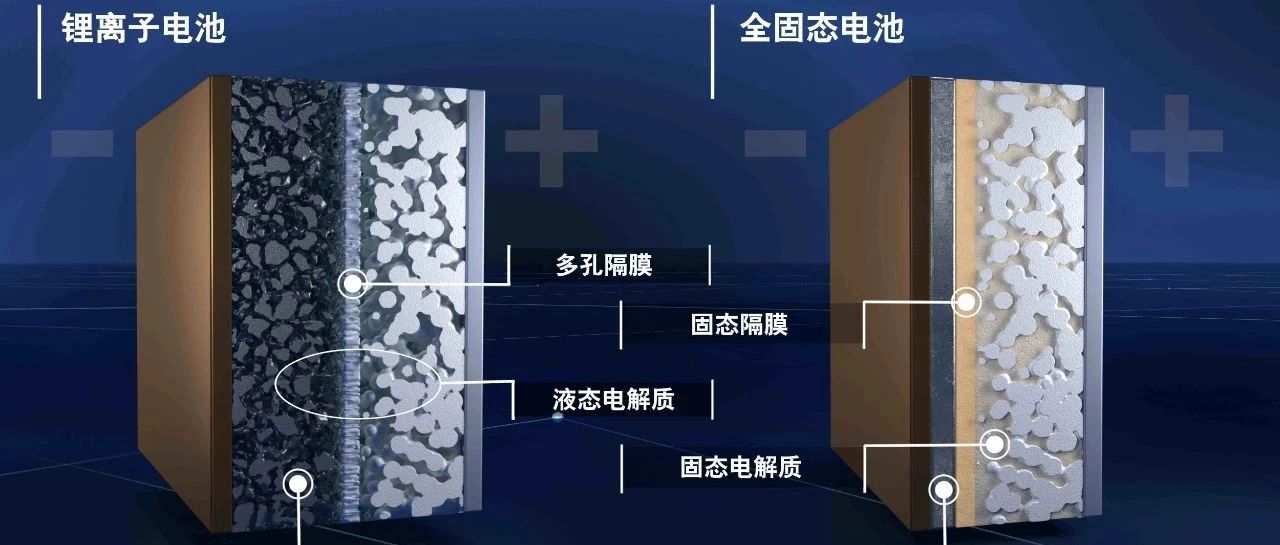
Core Viewpoint - The year 2026 is anticipated to be a breakthrough year for revolutionary technologies in the electric vehicle (EV) sector, particularly with the introduction of all-solid-state batteries by major automakers in China [1][2]. Group 1: All-Solid-State Battery Overview - Major Chinese automakers, including Changan, SAIC, GAC, Dongfeng, Geely, and Chery, have set 2026 as the target year for the deployment of all-solid-state batteries [2]. - All-solid-state batteries offer significantly higher energy density compared to traditional lithium batteries, with theoretical pure electric range reaching up to 2000 km [2][4]. - The non-flammable nature of the electrolyte in all-solid-state batteries eliminates the risk of thermal runaway and combustion [3][4]. Group 2: Industry Standards and Definitions - The China Society of Automotive Engineers has released the "All-Solid-State Battery Determination Method" (T/CSAE 434-2025), marking the first global standard defining what constitutes an all-solid-state battery [7][10]. - The standard aims to clarify the confusion between solid-state, semi-solid, and all-solid-state batteries, which has been a significant issue in the industry [11][10]. - The new standard specifies that the moisture content in the electrolyte of an all-solid-state battery must not exceed 1% [20]. Group 3: Technical Aspects and Testing - The testing method for determining all-solid-state batteries involves visual inspection for liquid leakage and a weight loss test under vacuum conditions [21][22][27]. - The method has been validated by over 50 companies, demonstrating a low error rate of less than 0.3% [27]. Group 4: Sulfide Electrolytes and Commercial Viability - Sulfide electrolytes are highlighted as the most commercially viable option for all-solid-state batteries, with several automakers announcing imminent production [35][38]. - Sulfide electrolytes exhibit high ionic conductivity, making them suitable for high charging rates and wide temperature ranges [38][41]. - The interface issue between the solid electrolyte and electrodes is a critical challenge that needs to be addressed for mass production [46]. Group 5: Challenges and Cost Considerations - Despite their advantages, sulfide solid-state batteries face challenges such as poor chemical stability and high production costs [52][67]. - The cost of materials, particularly germanium used in sulfide electrolytes, is significantly high, impacting overall battery production costs [68][70]. - Manufacturing processes for sulfide solid-state batteries require extremely dry conditions, leading to higher production costs compared to traditional batteries [74][76]. Group 6: Historical Context and Future Outlook - Japan initially led research in solid-state electrolytes but has fallen behind in commercializing these technologies due to a focus on hybrid and hydrogen fuel cell technologies [84][85]. - In contrast, Chinese battery manufacturers have made significant progress in the last decade, positioning themselves to lead in the all-solid-state battery market [87][88].
造车,原来也可以有“预制菜”?
电动车公社· 2025-06-13 15:57
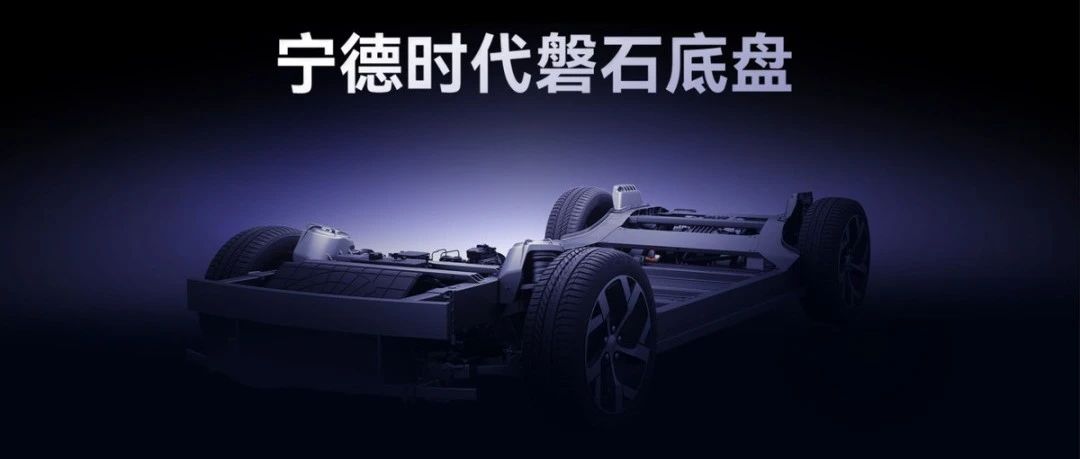
Core Viewpoint - The emergence of "pre-made dishes" in the automotive industry, exemplified by CATL's "Rock Solid Chassis," signifies a shift towards platform-based vehicle manufacturing, enhancing safety, efficiency, and design flexibility [4][73]. Group 1: Pre-made Dishes Concept - The concept of "pre-made dishes" has gained traction in various industries, including food and automotive, with companies like Hema and Dingdong Maicai launching their own pre-made meal products [2][3]. - CATL's introduction of the "Rock Solid Chassis" represents a new approach in vehicle manufacturing, akin to pre-made dishes, allowing automakers to focus on design and innovation while relying on a standardized platform [4][73]. Group 2: Safety Features - The "Rock Solid Chassis" has undergone rigorous safety testing, including a high-speed collision test at 120 km/h, demonstrating its ability to protect occupants and prevent battery fires [9][12]. - The chassis employs a "biomimetic turtle shell structure" to distribute collision forces, enhancing safety during impacts [19]. - High-strength materials, such as 2000 MPa submarine-grade steel and 600 MPa aerospace-grade aluminum, contribute to the chassis's durability and safety [20]. Group 3: Design and Development Efficiency - The "Rock Solid Chassis" allows for significant design flexibility, enabling automakers to create various vehicle types using the same platform, thus reducing development time and costs [42][46]. - The integration of over 400 standardized interfaces facilitates communication between the chassis and various vehicle systems, streamlining the development process [44]. - The development cycle for new models can be reduced from three years to 12-18 months, with an estimated 5% reduction in overall vehicle costs [46][47]. Group 4: Technological Integration - The chassis incorporates advanced technologies, such as a high degree of integration for battery systems, allowing for improved energy density and extended vehicle range [67]. - The "Rock Solid Chassis" supports rapid charging capabilities, achieving charging rates of over 5C [68]. - The use of drive-by-wire systems enhances vehicle responsiveness and allows for customizable driving experiences [70]. Group 5: Industry Implications - The introduction of the "Rock Solid Chassis" reflects a broader trend in the automotive industry towards platform-based manufacturing, which is essential for adapting to the fast-paced evolution of smart vehicles [72][76]. - This shift indicates a changing relationship between automakers and component suppliers, with suppliers taking a more prominent role in driving technological advancements [81].
今日新闻丨新款欧拉好猫开启预售,预售价8.98-10.98万元!吉利发布雷神AI电混2.0,将于银河A7、银河M9首发!
电动车公社· 2025-06-13 15:57
Group 1 - The new Ora Good Cat has started pre-sales with a price range of 89,800 to 109,800 yuan, offering three models with 401km and 430km ranges [1][2] - The new model features updated exterior colors and interior design, equipped with a 10.25-inch digital instrument panel and a 14.6-inch floating central control screen, along with the Coffee OS3 intelligent vehicle system [6] - The starting price of the new Ora Good Cat has decreased by 16,000 yuan compared to the previous model, although the overall cost-performance ratio still lags behind competitors [7] Group 2 - Geely has launched the Raytheon AI Electric Hybrid 2.0 technology, which will debut in the Galaxy A7 and Galaxy M9 models [7][9] - The Raytheon EM-i technology can optimize fuel consumption through AI capabilities, achieving a fuel consumption of 2.5L per 100km and a comprehensive range of over 2100km for the Galaxy A7 [9] - The Raytheon EM-p technology focuses on performance with features like dynamic torque distribution and all-terrain recognition, enabling a 0-100km/h acceleration in 4.5 seconds and a fuel consumption of 4L per 100km for the Galaxy M9 [11] - The Raytheon E-fuel technology is described as the most flexible hybrid technology, with a maximum thermal efficiency of 48.15%, and will be featured in two new products set to launch in Q4 [12][13]