首席商业评论

Search documents
她一夜复出,惊艳半个娱乐圈!网友:老祖宗审美,从不让人失望
首席商业评论· 2026-01-20 04:15
Core Viewpoint - The article discusses the resurgence of Chinese aesthetics globally, highlighting its historical significance and contemporary relevance in fashion and art [1][6]. Group 1: Historical Influence - Chinese aesthetics have influenced global fashion trends, as seen with international models wearing traditional Chinese garments [2]. - Historical figures such as King Louis XIV of France and King Augustus II of Poland showcased Chinese culture through extravagant displays and exchanges of valuable Chinese artifacts [8][10]. - The article emphasizes that Chinese aesthetics have been ahead of the world by a millennium, with notable figures like Picasso acknowledging its artistic depth [16]. Group 2: Aesthetic Philosophy - Chinese aesthetics are portrayed as a mission-driven belief system, where artists and craftsmen dedicated their lives to creating beauty despite hardships [18][21]. - The article illustrates the deep connection between art and cultural identity, emphasizing that true luxury lies in the appreciation of aesthetic heritage rather than material wealth [168]. Group 3: Recommended Literature - The article recommends "A History of Chinese Art" by Wang Xun, which has been a foundational text in art education for over 60 years [31][33]. - This book is described as a comprehensive visual history of Chinese aesthetics, featuring over 5,000 high-quality images and covering 8,000 years of artistic evolution [54][62]. Group 4: Cultural Significance - The resurgence of interest in Chinese aesthetics is linked to a broader cultural confidence and a desire to reconnect with historical roots [168]. - The article suggests that understanding Chinese aesthetics can enhance cultural appreciation and foster a sense of identity across generations [78][168].


到底是谁还在花钱?
首席商业评论· 2026-01-20 04:15
Core Viewpoint - The article discusses the shift in consumer behavior in China, highlighting the emergence of new consumption trends driven by emotional value and the growing importance of quality-price ratio in purchasing decisions [6][10][18]. Group 1: Emerging Consumption Trends - Cities like Changsha and Guiyang are leading new consumption trends, with Changsha's comedy clubs and tea houses attracting significant consumer interest due to their affordable pricing and cultural elements [10][13]. - The coffee culture in Guiyang has flourished, with over 3,000 coffee shops catering to a discerning consumer base, indicating a strong local demand for quality products [15]. - The report from Boxed Market indicates that cities like Yibin and Bengbu are experiencing unique consumption patterns, such as high demand for fresh salmon and specialty cakes, reflecting a desire for quality and novelty in daily life [16][18]. Group 2: Emotional Consumption - Emotional value is becoming a key driver in consumer purchasing decisions, with the emotional consumption market projected to grow from 2.31 trillion yuan in 2024 to 2.72 trillion yuan in 2025 [18][20]. - Consumers are increasingly focused on self-fulfillment and emotional satisfaction rather than external validation, leading to a rise in "self-reward" purchases like desserts and small alcoholic beverages [19][20]. - Health-conscious consumption is also on the rise, with 71% of consumers actively researching product ingredients, indicating a shift towards healthier lifestyle choices [20][22]. Group 3: Market Dynamics in Emerging Cities - The growth engine of China's consumer market is shifting from traditional first-tier cities to emerging cities, with retail sales growth in these areas outpacing that of first-tier cities [26][29]. - Brands that adapt to the unique demands of these emerging markets, such as Domino's Pizza and local snack brands, are finding success by offering affordable and innovative products [31][34]. - Companies like Hema are expanding into new cities, recognizing the stable and diverse consumer demands in these regions, and focusing on high-end products rather than local specialties [34][35].

网络骂战二十年,从没好好说过理
首席商业评论· 2026-01-19 05:09
Core Viewpoint - The article discusses the evolution of online disputes in the Chinese internet over the past two decades, highlighting the transition from emotional outbursts to a more rule-based and legal framework for conflict resolution [1][29]. Group 1: Historical Context of Online Disputes - The article traces the development of online arguments from anonymous exchanges on forums to real-name confrontations on social media and live debates, indicating a shift in how disputes are conducted [5][6]. - A notable example is the "Fang-Han War" in 2012, which involved a public dispute over authorship and authenticity, showcasing the intense scrutiny and legal implications of online claims [6][10]. Group 2: Major Online Conflicts - The "3Q War" between Tencent and 360 in 2012 exemplifies corporate rivalry, where both companies used public platforms to accuse each other of unethical practices, leading to legal battles [11][13]. - The confrontation between Wang Ziru and Luo Yonghao in 2014 during a live stream marked a significant moment in tech culture, drawing massive online viewership and highlighting the personal stakes involved in public critiques [17][19]. Group 3: Escalation to Physical Confrontations - The article notes a concerning trend where online disputes have spilled into the physical realm, as seen in the incident between Wu Faitian and journalist Zhou Yan, which escalated from verbal exchanges to a public confrontation involving physical aggression [24][27]. - This shift from online arguments to real-life altercations reflects a growing intensity in how disagreements are handled within the internet community [29]. Group 4: Future of Online Disputes - The article suggests that as the internet industry matures, there will be a move towards more structured and regulated forms of dispute resolution, reducing the prevalence of emotional and chaotic confrontations [29][30]. - The establishment of clearer legal frameworks and platform rules is anticipated to guide future interactions, promoting a healthier online environment [29].

2025手机大战:华为赢销量,苹果守利润,米OV被夹击
首席商业评论· 2026-01-19 05:09
Core Viewpoint - The smartphone market in 2025 is characterized by intense competition and differentiation, with Apple and Samsung maintaining their dominance while other brands like Huawei, Xiaomi, vivo, and OPPO face significant challenges [5][9]. Global Market Summary - The global smartphone market saw a 1.9% growth in 2025, with total shipments reaching 1.26 billion units. Apple and Samsung accounted for nearly 40% of the market share, with shipments of 247.8 million (up 6.3%) and 241.2 million (up 7.9%) respectively [6][7]. - Xiaomi, vivo, and OPPO experienced mixed results, with Xiaomi's shipments declining by 1.9% to 165.3 million, while vivo and OPPO saw slight increases and decreases in their market positions [6][7]. Chinese Market Summary - In China, the smartphone market saw a slight decline of 0.6% in 2025, with total shipments of 28.46 million units. Huawei reclaimed the top position with 46.7 million units (16.4% market share), narrowly surpassing Apple at 46.2 million units (16.2% market share) [8][10]. - The competition among the top five brands in China is fierce, with Huawei, Apple, and vivo closely contesting for market share, while Xiaomi and OPPO lag behind [8][10]. Competitive Dynamics - Huawei's success is attributed to its self-developed Kirin chips and the growing maturity of its HarmonyOS ecosystem, which enhances user experience across devices [15][19]. - Apple, despite losing the annual championship, demonstrated strong brand loyalty and market presence, particularly in the high-end segment, achieving a 21.1% market share in Q4 2025 [12][17]. - The competition among Xiaomi, vivo, and OPPO is marked by varying strategies, with Xiaomi focusing on global expansion and automotive ventures, while vivo maintains a stable domestic presence and OPPO struggles with market share [21][24]. Future Outlook - The smartphone market is expected to face challenges in 2026, with predictions of a 3-4% decline in overall shipments. However, the high-end market is projected to grow, leading to increased competition and differentiation based on cost and technology [26][28]. - Key trends for 2026 include the rise of foldable phones and AI integration, with companies like Apple and Huawei preparing to enhance their product offerings in these areas [29][32]. - The market will likely see a consolidation of power among leading brands, with those possessing strong brand equity and technological capabilities gaining a competitive edge [33].


天价挖来OpenAI大神,腾讯还能后来居上吗
首席商业评论· 2026-01-19 05:09
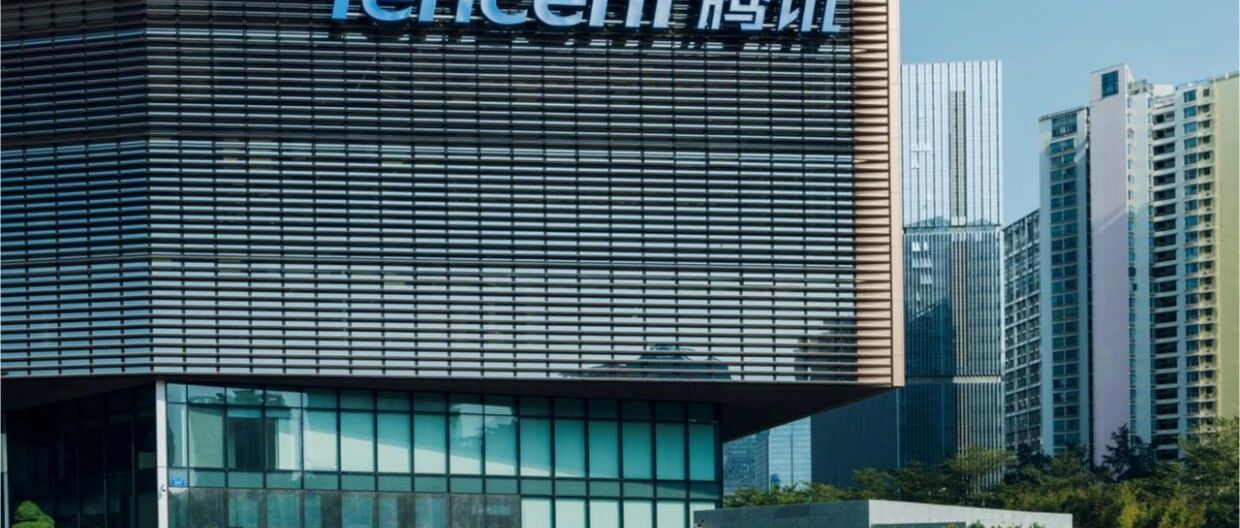
Core Viewpoint - The article discusses Tencent's position in the AI landscape, highlighting its slower pace compared to competitors like ByteDance and Alibaba, while also emphasizing its strategic focus on application-level optimization rather than large model development [3][4][6][10]. Group 1: Tencent's AI Strategy - Tencent's AI strategy has been perceived as conservative, focusing on application-level enhancements such as advertising algorithms and content recommendations, rather than investing heavily in large model technologies [7][10]. - Despite concerns about falling behind, Tencent's management believes that the current competition in AI is close, with no single model dominating the market [6][10]. - The company has been cautious in its approach, reflecting a history of prudent financial management during market downturns, which has shaped its current strategy [9][10]. Group 2: Competitive Landscape - By 2025, AI applications have transitioned from hype to initial commercialization, with notable overseas companies achieving significant valuations, indicating a competitive environment [3]. - Tencent's AI application "Tencent Yuanbao" has significantly lower daily active users compared to ByteDance's "Doubao," indicating a need for improvement in user engagement [4]. - The article notes that U.S. companies are investing approximately ten times more in AI than their Chinese counterparts, which may limit opportunities for Chinese firms like Tencent [6]. Group 3: Talent Acquisition and Investment - Tencent has made significant investments in talent acquisition, including hiring top researchers from competitors and offering competitive salaries to attract graduates [12]. - The company reported a capital expenditure of 102.3 billion yuan from Q3 2024 to Q2 2025, a 178% increase year-on-year, indicating a strong commitment to AI infrastructure [15]. - Tencent has launched over 30 new models and integrated them into more than 900 business scenarios, demonstrating its ongoing efforts to apply AI effectively [15]. Group 4: Future Outlook - The competition in AI is evolving from a focus on model parameters to a more complex battle involving capital efficiency, infrastructure, and user engagement [16]. - Tencent aims to create a "social × service × AI" ecosystem, leveraging its existing user base and services to enhance AI integration [10]. - The article concludes that Tencent's unique ecosystem, particularly through WeChat, positions it well to develop AI applications that are practical and user-friendly, potentially leading to a sustainable competitive advantage [18].


马斯克:特斯拉将重启Dojo3的开发工作|首席资讯日报
首席商业评论· 2026-01-19 05:09
Group 1 - Musk announced that Tesla will restart the development of Dojo3, leveraging the maturity of AI5 chip design to enhance its AI capabilities [2] - The Shanghai "15th Five-Year Plan" suggests improving fertility support policies and incentives to lower family costs related to childbirth, education, and childcare [3] - The plan also emphasizes the need for a comprehensive population service system to address aging and declining birth rates, promoting a child-friendly and youth-oriented urban environment [3] Group 2 - A new scalable neutral atom array technology has been validated, laying the groundwork for constructing quantum computers with over 100,000 qubits [4] - The Shanghai "15th Five-Year Plan" includes increasing the supply of affordable housing and enhancing the management of urban builders and managers [5][6] - The plan aims to create a safe, comfortable, green, and smart housing environment while promoting high-quality real estate development [6] Group 3 - The 2026 Spring Festival travel season will begin on February 2 and end on March 13, with ticket sales starting on January 19 [7] - Regulatory bodies have issued warnings or fines to over 10 private equity firms for various violations, indicating a push for compliance and internal control improvements in the industry [8] - Sales of gold jewelry in Hainan's duty-free shops have surged, with prices significantly lower than market rates, signaling a recovery in consumer spending [9] Group 4 - Tea Yan Yue Se, a beverage company, is reportedly expanding its workforce in major cities, leading to speculation about market expansion plans [10] - A study by Geotab indicates that electric vehicle batteries can last up to 13 years with an average annual degradation rate of only 2.3% [11] - Shanxi province's coal production is projected to reach 1.3 billion tons in 2025, with a total of 6.5 billion tons during the "14th Five-Year Plan" period, marking a significant increase [12] Group 5 - Longi Green Energy expects a net loss of 6 to 6.5 billion yuan for 2025 due to ongoing challenges in the photovoltaic industry, including supply-demand mismatches and rising costs [13] - UBTECH Robotics has partnered with Airbus to integrate humanoid robots into the aerospace manufacturing sector, enhancing automation capabilities [14]

董宇辉比于东来还会赚钱
首席商业评论· 2026-01-18 04:41
Core Viewpoint - The article highlights the rapid growth and success of the live-streaming e-commerce platform "Yuhui Tongxing" led by Dong Yuhui, achieving a sales figure close to that of the well-known retail brand "Pang Donglai" within just two years of operation [5][6][7]. Group 1: Sales Performance - "Yuhui Tongxing" achieved an annual sales figure exceeding 21 billion yuan, with a significant increase in followers, reaching over 38 million by 2025 [6][7]. - The platform conducted 421 live streams, with an average sales revenue of 50 to 75 million yuan per session, leading to a total sales figure of approximately 21 billion yuan for the year [7]. - The sales performance of "Yuhui Tongxing" is comparable to "Pang Donglai," which reported sales of 23.5 billion yuan in 2025, showcasing the rapid scaling of "Yuhui Tongxing" in a short time [7]. Group 2: Trust and Consumer Engagement - The core consumer demographic for "Yuhui Tongxing" consists of middle-class women aged 24 to 45, who prioritize emotional value over aggressive sales tactics [10]. - The platform emphasizes quality control through a rigorous supply chain management system, investing over 1 million yuan monthly in product testing [10]. - Dong Yuhui's approach to building trust involves sharing stories behind the products rather than pushing for immediate sales, creating a deeper connection with consumers [8][10]. Group 3: Financial Growth and Income Structure - Dong Yuhui's wealth has significantly increased since establishing "Yuhui Tongxing," with estimates suggesting his income could reach 2 to 3 billion yuan annually [13][14]. - The company's net profit for the first six months was reported at 141 million yuan, with 129 million yuan allocated to Dong Yuhui [14]. - The income structure for Dong Yuhui has evolved from a commission-based model to a diversified income model, including equity dividends and IP value appreciation [15][17]. Group 4: Challenges and Market Dynamics - Despite the rapid growth, "Yuhui Tongxing" faces challenges, including a 45% drop in average daily viewers from 27.5 million to 15.04 million in the first half of 2025 [20]. - The growth rate of new followers has slowed significantly, indicating a potential saturation in the market [20]. - The reliance on third-party suppliers for product sourcing has raised concerns about quality control and brand reputation, as evidenced by past controversies regarding product safety [24][25]. Group 5: Future Outlook - The article suggests that the next two years will be critical for "Yuhui Tongxing," as success will depend on its ability to operate independently of Dong Yuhui's personal brand [26]. - Establishing a robust supply chain similar to that of "Pang Donglai" or "Dongfang Zhenxuan" could enhance "Yuhui Tongxing's" competitive edge in the market [25][26].

12306务工人员春运预约购票服务上线|首席资讯日报
首席商业评论· 2026-01-18 04:41
Group 1 - The 12306 mobile app has launched a ticket reservation service for migrant workers for the 2026 Spring Festival, allowing verified workers to book tickets from February 2 to March 13, 2026 [2] - Capital Airport Group reported a 4.1% year-on-year increase in passenger throughput for 2025, reaching 223 million passengers, with Beijing's two airports seeing a 6.5% increase [3] - The Ministry of Industry and Information Technology announced a management approach for the recycling and comprehensive utilization of used power batteries from electric vehicles, indicating a potential market worth hundreds of billions [4] Group 2 - The resignation of Konka's president, Cao Shiping, was announced, with expectations that executives with China Resources backgrounds will take over [5] - Aikewai Technology has initiated A-share listing guidance, focusing on high-end chip design in wireless communication [6] - The China Passenger Car Association predicts a significant optimization in the structure of automobile exports by 2025, with a focus on leading companies and domestic brands [7] Group 3 - Starting February 1, the railway department will expand the "quiet carriage" service to more train types, enhancing passenger travel experience [8] - South Korea's trade minister stated that the impact of the US's 25% tariff on advanced computing chips will be limited for Korean companies, as the main products exported are not affected [9] - Huatai Securities reported that the State Grid's planned investment of 4 trillion yuan will benefit power grid equipment manufacturers [10] Group 4 - Harbin Yuyuantang has submitted an application for an IPO in Hong Kong, operating 48 self-owned medical institutions in northern China [11] - Shandong Huawutang Cosmetics has filed for an IPO in Hong Kong, projecting a 249.4% increase in adjusted net profit from 23.7 million yuan in 2023 to 82.8 million yuan in 2024 [12] - The founder of Duyuan Technology expressed ambitions to create a trillion-dollar company ecosystem, aiming to be among the first to achieve this milestone [13]


一块布,卡了英伟达的脖子?
首席商业评论· 2026-01-18 04:41
Core Viewpoint - The article emphasizes the critical role of high-end electronic fabric in the AI computing power revolution, highlighting that Japanese companies dominate this market, controlling nearly 70% of the global high-end electronic fabric market, which is essential for AI chip performance [4][6][9]. Group 1: Japanese Dominance in High-End Electronic Fabric - Japanese companies such as Nitto Denko, Asahi Kasei, and AGC dominate the high-end electronic fabric market, which is crucial for AI computing power [6][9]. - These companies have established a significant competitive advantage through decades of research and development, creating a robust patent network that covers the entire production process [9][10]. - The high cost of entry into this market, with investments in production facilities reaching up to 1.5 billion yuan, deters potential competitors, allowing Japanese firms to maintain their market position [9][10]. Group 2: Chinese Companies' Response and Innovations - Chinese companies have begun to challenge the Japanese monopoly, with firms like Honghe Technology and Linzhou Guangyuan making significant advancements in ultra-thin and low-dielectric electronic fabrics [10][11]. - Honghe Technology successfully produced 9-micron ultra-thin electronic fabric in 2021, breaking the long-standing foreign monopoly [10][11]. - Linzhou Guangyuan achieved mass production of low-dielectric fabric in 2021, marking a significant milestone in the industry [11][12]. Group 3: Material Revolution and Future Opportunities - The next generation of quartz electronic fabric is emerging as a critical material for AI applications, providing an opportunity for Chinese companies to leapfrog in technology [12][19]. - Companies like Feilihua are leading the charge in developing M9-level quartz fabric, which has been certified by NVIDIA, thus providing an alternative to Japanese suppliers [12][14]. - The ongoing material revolution is seen as essential for China's technological independence and advancement in various high-tech sectors, including aerospace, new energy, and semiconductors [19][20].


公司卖了7亿,员工一年实现财富自由
首席商业评论· 2026-01-18 04:41
Core Insights - The article discusses the acquisition of AI startup Torch by OpenAI for over $100 million, highlighting the significance of talent in the current AI landscape [5][7][14] - Torch, founded just a year ago, focuses on consolidating medical data for AI applications, and its entire four-member team will join OpenAI [7][8] - The acquisition reflects a broader trend of tech giants competing fiercely for top AI talent, with significant financial incentives being offered [15][16] Group 1: Acquisition Details - OpenAI has completed the acquisition of Torch, integrating it into its ChatGPT Health division, with a total deal value exceeding $100 million [7] - Approximately $60 million of the acquisition will be paid immediately, while the remainder will serve as retention incentives for the team [7] - Each founding member of Torch is estimated to receive around $25 million from the deal [7] Group 2: Torch's Background and Technology - Torch's product aims to centralize medical information from various sources, making it accessible for AI analysis and user-friendly insights [8] - The startup was founded by Ilya Abyzov and three other core members after the previous venture, Forward, faced operational challenges and ultimately ceased operations [10][12] - Torch's approach is more focused and pragmatic compared to Forward, emphasizing the utility of AI in managing healthcare data without the complexities of hardware or clinic operations [12] Group 3: Talent Competition in AI - The article highlights a competitive environment for AI talent, with significant acquisitions like Meta's purchase of Manus and Nvidia's acquisition of Groq, indicating a trend of high-value talent acquisitions [14][15] - The scarcity of top-tier AI professionals has led to unprecedented compensation packages, with reports of offers exceeding $1 million for graduates from top universities [15] - The article notes a shift towards younger Chinese scientists and entrepreneurs taking central roles in shaping the future of AI [15]