首席商业评论

Search documents
急着去海底挖?日企说:没中国稀土,他们最多撑3-6个月
首席商业评论· 2026-01-13 04:15
Core Viewpoint - China's tightening of rare earth export controls against Japan is a significant move that could severely impact Japan's industrial capabilities, particularly in the automotive and military sectors [3][8][19]. Group 1: Impact on Japanese Industry - Japan's automotive manufacturers are shifting towards reducing rare earth usage, but they acknowledge that rare earths are crucial for small electric vehicles and related technologies. A prolonged impact could severely affect the entire Japanese automotive industry [5][10]. - The recent announcement from China includes a comprehensive control list that targets not only rare earths but also over a thousand items critical to Japan's industrial and military supply chains [8][12]. - Japan's dependency on China for heavy rare earths like dysprosium and terbium is nearly 100%, which poses a significant risk to its electric vehicle and robotics sectors amid supply chain disruptions [10][19]. Group 2: Economic Consequences - Estimates from Nomura Research suggest that limitations on metal raw material supplies could lead to a decrease in Japan's GDP by 2.6 trillion yen, or 0.43% overall [14]. - The impact of these controls is expected to extend across key sectors, including automotive, electronic components, wind power, medical devices, and aerospace [14]. Group 3: Japan's Response and Future Strategies - Japan has been seeking alternative sources for rare earths since 2010, with Australia being a potential supplier. However, the higher costs and limited production capacity of Australian rare earths make it a challenging substitute in the short term [19]. - Japan is initiating deep-sea rare earth mud drilling tests near Minami-Torishima, with plans to assess the feasibility of commercial production by 2027. However, the high costs and uncertain yield of deep-sea operations present significant challenges [20][23]. - The recent launch of a rare earth price index by China's Baotou Rare Earth Products Exchange aims to enhance pricing transparency and strengthen China's position in global commodity pricing [23].



“死了么”app上榜,说明了什么?
首席商业评论· 2026-01-12 09:33
Core Viewpoint - The app "死了么" (translated as "Are You Dead?") has gained significant attention in 2026, ranking first in the paid app category in China's Apple App Store, priced at 8 yuan. Its primary function is to send alerts to designated emergency contacts if the user fails to check in for 48 hours [2][5]. Group 1: Reasons for Popularity - The app's name has a natural viral marketing appeal, and it addresses the anxiety of living alone, particularly among the growing population of single and solitary individuals in China, which has surpassed hundreds of millions [5][7]. - The target audience includes "empty nest youth" and "elderly living alone," focusing on the concern of "what happens if an accident occurs at home and no one knows" [7]. - The app's simplicity is a key feature; it requires no registration, only the user's name and emergency contact email, making it user-friendly compared to other complex apps [9][13]. Group 2: Market Trends and Future Implications - The trend towards minimalistic and straightforward applications is emerging, contrasting with the increasingly complex and ad-laden mainstream apps that demand user attention rather than providing service [11][15]. - The app's design reflects a shift towards a digital economy characterized by a few major platforms and numerous simple, purpose-driven applications [17]. - The development team, consisting of three part-time members, has no immediate plans to change the app's name, viewing it as a direct reflection of a universal reality [19]. Group 3: Cultural Context and User Feedback - The app's name, which traditionally would be considered taboo in Chinese culture, is being embraced by younger generations who are more open to discussing death in a humorous context [19]. - Suggestions for improvement include changing the notification method to SMS and altering the app's name to something more palatable, like "活着么" (translated as "Are You Alive?") [19][21]. - The potential for a dual-version strategy exists, targeting both younger users with the current name and older demographics with a more gentle version, indicating a possible market expansion [21].

二线电池厂,活在巨头阴影下
首席商业评论· 2026-01-12 04:08
Core Viewpoint - The article discusses the financial and operational challenges faced by second-tier battery manufacturers in the context of a lawsuit involving XWANDA, highlighting the disparity in profitability and market power between leading companies and their competitors [5][13][22]. Group 1: Financial Challenges - XWANDA's subsidiary is facing a lawsuit from Geely's subsidiary, claiming 2.314 billion yuan due to alleged quality issues with battery cells, which could significantly impact XWANDA's financial health and market reputation [5][6]. - Despite XWANDA's annual revenue exceeding 50 billion yuan, its power battery segment has incurred losses exceeding 3.4 billion yuan over the past two years, indicating a reliance on consumer battery profits to sustain its operations [7][9]. - Other second-tier battery manufacturers, such as EVE Energy and Guoxuan High-Tech, are also struggling with profitability, with EVE's net profit declining by 11.7% despite a revenue increase of 32.2% [8][9]. Group 2: Market Dynamics - The current market structure is dominated by two major players, CATL and BYD, which together hold over 65% of the market share, leaving second-tier manufacturers to compete for a shrinking portion of the market [22][25]. - The profitability gap is stark, with CATL earning 0.09-0.12 yuan per watt-hour, while second-tier companies like EVE earn only 0.02 yuan per watt-hour, highlighting the challenges in pricing power and cost control [22][25]. - The article emphasizes that second-tier manufacturers are often forced to lower prices to maintain orders, which further erodes their profit margins and limits their ability to invest in research and development [19][20]. Group 3: Customer Relationships - Second-tier manufacturers often rely heavily on a few major clients, which can lead to a loss of bargaining power and increased vulnerability to market fluctuations [15][20]. - The strategy of binding to large clients can backfire, as seen with XWANDA's dependency on Geely, which has resulted in significant risks when quality issues arise [15][20]. - The trend of automakers increasingly developing their own battery technologies poses a threat to second-tier manufacturers, as they may lose market share and pricing power [20][29]. Group 4: Future Outlook - The article suggests that the future of the battery industry may only accommodate a few key players, with second-tier manufacturers needing to establish unique advantages in specific technologies or markets to survive [29]. - Potential strategies for second-tier manufacturers include focusing on niche technologies, expanding into international markets, or forming deeper partnerships with larger clients, though each comes with its own set of risks [28][29].


83岁IBM前CEO郭士纳逝世,他是任正非唯一承认的老师
首席商业评论· 2026-01-12 04:08
Core Viewpoint - The article discusses the legacy of Louis Gerstner, the former CEO of IBM, who successfully turned around the company during a critical period from 1993 to 2002, emphasizing his strategic decisions and management philosophy that revitalized IBM and influenced other companies like Huawei [3][5][19]. Group 1: Gerstner's Background and Initial Challenges - Louis Gerstner, with no prior technology experience, took over IBM when it was facing severe financial difficulties, with stock prices plummeting to $13 and losses reaching $81 billion in 1993 [5][6]. - Under Gerstner's leadership, IBM's stock price rose from $13 to $80, and the company's market capitalization increased from $29 billion to $168 billion during his tenure [5][6]. Group 2: Strategic Decisions - Gerstner made a bold decision to drastically reduce the prices of IBM's S/390 mainframe systems, cutting prices by up to 96%, which led to a significant increase in sales and a return to profitability in 1994 [9][10]. - He recognized the shift towards network-centric computing and initiated acquisitions, such as Lotus Software, to pivot IBM towards a service-oriented model [9][10]. Group 3: Organizational Reforms - Gerstner identified IBM as a bureaucratic organization and initiated a ten-year overhaul to streamline operations, consolidating various departments into functional modules [11][12]. - His reforms included selling off underutilized assets, which saved up to $12 billion, and exiting unprofitable businesses, such as the personal computer division [14][16]. Group 4: Influence on Other Companies - Gerstner's management principles significantly influenced Huawei, with its founder Ren Zhengfei acknowledging that Huawei adopted IBM's management practices to enhance its organizational efficiency [19][20]. - The core of Gerstner's philosophy was to prioritize customer needs and maintain organizational agility, which he believed was essential for large companies to thrive [19][20]. Group 5: Legacy and Management Philosophy - Gerstner's approach demonstrated that large organizations could maintain agility and responsiveness, balancing short-term survival with long-term growth [20][21]. - His book, "Who Says Elephants Can't Dance?", serves as a management classic, illustrating his strategies for leading IBM through challenging times and reshaping perceptions about leadership in technology companies [20][21].


五亿人上天后,三百元机票正在被围剿
首席商业评论· 2026-01-12 04:08
Core Viewpoint - The Chinese civil aviation industry is experiencing a significant shift, with a projected increase in air travel population to 500 million by the end of 2025, while also facing challenges such as rising ticket prices and the need to combat internal competition among airlines [4][8]. Group 1: Industry Growth and Challenges - By the end of 2025, China is expected to have 500 million people who have flown, making it the largest air travel population globally, but this also means that approximately 900 million people have never flown [4]. - The civil aviation industry reported a profit of 6.5 billion yuan in the previous year, with major airlines like Air China, China Eastern, and China Southern showing profitability [8]. - Despite the profitability, there is a growing concern about the sustainability of low-cost tickets, as the industry is moving towards a potential price increase, with the lowest ticket prices disappearing [8][9]. Group 2: Regulatory Measures and Market Dynamics - The Civil Aviation Administration of China has reiterated the need to curb "internal competition," suggesting that ticket prices should not fall below cost, indicating a potential shift towards higher fares [4][9]. - The push against internal competition reflects a broader trend in the Chinese economy, where various sectors are being urged to avoid price wars that could harm overall cash flow [9][10]. - The administrative measures to control pricing may help airlines maintain ticket prices but could also risk losing market share to high-speed rail, which offers competitive pricing and convenience [17][18]. Group 3: Consumer Behavior and Market Perception - The perception of air travel as expensive remains a barrier for many potential travelers, with a significant portion of the population associating airfares with the cost of train tickets [20]. - As business travelers reduce their travel budgets and opt for more cost-effective solutions like virtual meetings, airlines may struggle to maintain profitability without the support of high-paying customers [15][20]. - The shift in consumer behavior, combined with rising operational costs, poses a dilemma for the civil aviation industry, as higher ticket prices could deter new customers and limit growth [15][20].

存储“超级周期”下,消费电子提价潮蔓延|首席资讯日报
首席商业评论· 2026-01-12 04:08
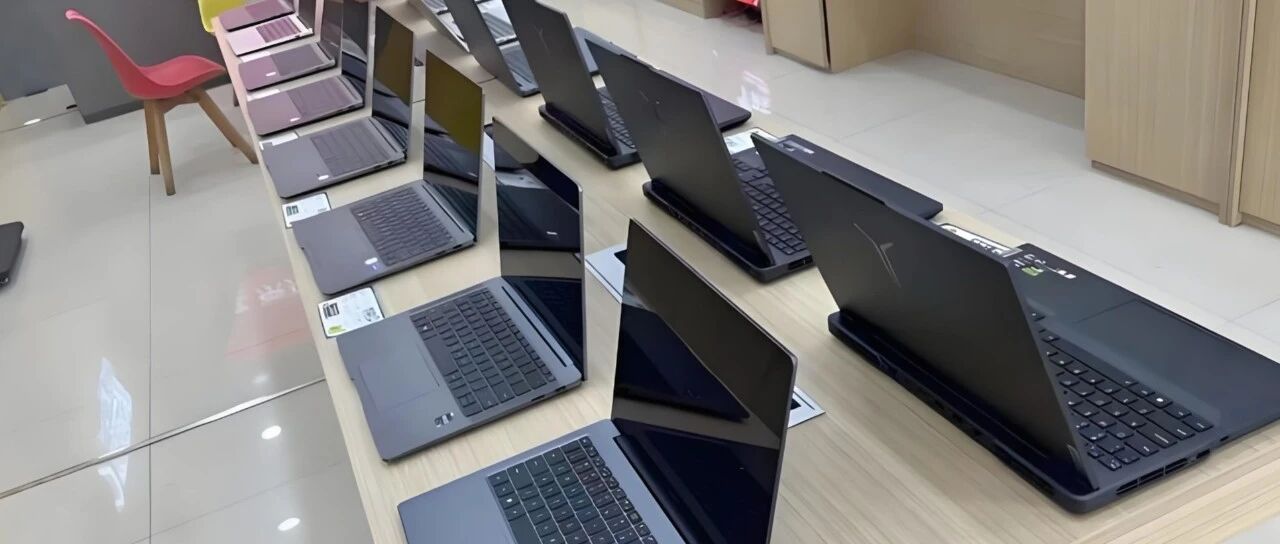
Group 1 - The pressure of rising storage prices has spread to the consumer electronics sector, leading to price increases for key products such as smartphones and laptops, with major PC manufacturers like Lenovo, Dell, and HP raising prices by approximately 500-1500 yuan, and several domestic smartphone models increasing by about 100-600 yuan [2] - The total number of listed companies in Guangdong is projected to reach 1,224 by 2025, maintaining its position as the leader in the country, with 890 companies listed domestically and 334 listed abroad, and cash dividends expected to exceed 341.8 billion yuan [6] - The Long Triangle Integration Model was officially released, which aims to provide decision-making support for regional development through AI applications [7] - China's ice and snow tourism is expected to attract 360 million visitors and generate revenue of 450 billion yuan during the 2025-2026 winter season, indicating a significant growth in the ice and snow economy [8] - The average time ships spend at Yangshan Port is projected to be only 23 hours by 2025, with over 10,500 international vessels inspected, reflecting improved operational efficiency [10] Group 2 - The new regulations on QDII quota usage aim to prioritize public fund products and reduce the proportion of separate account products to below 20% by the end of 2027, promoting inclusive finance and diversified asset allocation [11] - The domestic manned airship, Xiangyun AS700, has successfully completed its first commercial flight, marking a significant milestone in China's aviation industry [4] - The first robot competition in snow conditions was held in Jilin, testing the performance of robots in low-temperature environments, with participation from various universities and tech companies [11]
AI圈四杰齐聚中关村,都聊了啥?
首席商业评论· 2026-01-11 04:57
Core Viewpoint - The AGI-Next summit organized by Tsinghua University gathered leading figures in the AI field, discussing the future of AI and the transition from conversational models to task-oriented models [2][4]. Group 1: Development of AI Models - The evolution of AI models has progressed from simple tasks to complex reasoning and real-world applications, with expectations for significant advancements by 2025 [9][10]. - The introduction of Human-Level Evaluation (HLE) tests the models' generalization capabilities, indicating a shift towards more complex problem-solving abilities [10][11]. - The current focus is on enhancing models' reasoning and coding capabilities, moving from dialogue-based interactions to practical applications [12][14]. Group 2: Challenges and Innovations - The challenges in reinforcement learning (RL) include the need for human feedback and the risk of models getting stuck in local optima due to insufficient data [11][18]. - Innovations such as RL with verifiable environments (RLVR) aim to allow models to learn autonomously and improve their performance in real-world tasks [11][12]. - The development of a new asynchronous reinforcement learning framework has enabled parallel task execution, enhancing the training efficiency of models [15]. Group 3: Future Directions - Future AI models are expected to incorporate multi-modal capabilities, memory structures, and self-reflective abilities, drawing parallels to human cognitive processes [21][22][23]. - The exploration of new paradigms for AI development is crucial, focusing on scaling known paths and discovering unknown paths to enhance AI capabilities [27][28]. - The integration of advanced optimization techniques and linear attention mechanisms is anticipated to improve model performance in long-context tasks [44][46]. Group 4: Industry Impact - The advancements in AI models are positioning Chinese companies as significant players in the global AI landscape, with open-source models gaining traction and setting new standards [19][43]. - The collaboration between academia and industry is fostering innovation, with companies leveraging AI to enhance productivity and address complex challenges [56][57].

霸榜7年!国际风头盖过村上春树,莫言坦言:“希望她拿诺奖”
首席商业评论· 2026-01-11 04:57
她是 中国文坛,独一无二的"异数" 。 每当她的名字被提起, 90%的作家,都会陷入持久的回避、沉默。 唯独 莫言盛赞 : "她写尽了人性隐秘褶皱, 如果下一届诺奖颁布,我希望是她 。" 她只有小学学历,作品 却被 哈佛、康奈尔、哥伦比亚大学 作为教材范本, 连续7年登上诺奖赔率榜前列 ,国际声望一度超过了村上春树。 | | Highest | Lowest | Unibet | | --- | --- | --- | --- | | | odds | odds | | | Anne Carson | 5.00 | 5.00 | 5.00 | | Maryse Conde | 6.00 | 6.00 | 6.00 | | Can Xue | 9.00 | 9.00 | 9.00 | | Haruki Murakami | 9.00 | 9.00 | 9.00 村上春 | | Lyudmila Ulitskaya | 9.00 | 9.00 | 9.00 | | Ngugi Wa Thiong'o | 9.00 | 9.00 | 9.00 | | Margaret Atwood | 11.00 | 11.00 ...

今年以来已有超20家车企降价促销|首席资讯日报
首席商业评论· 2026-01-11 04:57
Group 1 - Over 20 automotive companies have initiated price reductions and promotional activities since the beginning of the year, with more than 75 models participating in various promotional strategies [2] - Amazon plans to open a large supermarket in the Chicago area, covering 229,000 square feet, selling groceries and general merchandise, marking its entry into the physical retail sector [3] - X Company, owned by Elon Musk, has filed a lawsuit against 18 major music publishers, accusing them of colluding to obstruct competition and forcing the company to pay inflated prices for music licensing [4] Group 2 - Yunnan Province has included 602 new energy projects in its construction list, with a total installed capacity of 42.83693 million kilowatts, contributing to the completion of its "14th Five-Year Plan" goals [5] - Guosheng Securities predicts that consumer prices will continue to rise in 2026, following a trend observed since the second half of 2025, with CPI remaining stable and PPI showing a decline [6] - The consumer electronics sector is experiencing a price increase due to rising storage costs, with major brands like Lenovo, Dell, and HP raising prices by 500 to 1500 yuan for laptops, and domestic smartphones seeing price hikes of 100 to 600 yuan [7] Group 3 - The State Administration for Market Regulation has revised the "Market Supervision Complaint Handling Measures" to enhance consumer protection and improve the efficiency of complaint handling [8] - A new humanoid robot multimodal data collection testing center has been launched in Sichuan, aimed at supporting the development of the embodied intelligence industry [9] - The Federal Communications Commission has approved SpaceX's plan to deploy an additional 7,500 Starlink satellites, increasing its total operational satellites to 15,000 [11]
一边万人大厂停工,一边出口订单暴增:“潮玩之都”东莞,深陷冰火两重天
首席商业评论· 2026-01-11 04:57
Core Viewpoint - The article discusses the decline of the Dongguan toy industry, exemplified by the closure of the Changrong Dongguan Toy Factory, and highlights the need for transformation from a reliance on OEM (Original Equipment Manufacturer) to developing proprietary brands and IP (Intellectual Property) in response to changing market demands [4][7]. Group 1: Industry Overview - Dongguan, known as the "Toy Capital of China," hosts over 4,000 toy manufacturers and nearly 1,500 supporting enterprises, forming a robust industrial cluster [6]. - The city has historically thrived on low labor and land costs, alongside an outward-oriented economic strategy, making it a leader in toy manufacturing [6][11]. - The industry has faced significant challenges, including a heavy reliance on OEM models, lack of product innovation, and increasing operational costs, leading to many factories closing down [6][7]. Group 2: Market Dynamics - Despite the decline of some manufacturers, the overall toy export market remains strong, with China's toy exports reaching $60.04 billion in the first 11 months of 2025, a year-on-year increase of 18% [7]. - Some companies, like "Pinku," have successfully transitioned from OEM to developing their own brands, achieving a 50% year-on-year growth in overseas e-commerce revenue in 2024 [7][19]. Group 3: Transformation and Future Outlook - The closure of Changrong Toy Factory symbolizes a broader shift in the traditional manufacturing sector, moving towards a future characterized by stronger and more innovative companies [7]. - Dongguan's toy industry is evolving from a focus on OEM to prioritizing original IP products, with local government support for innovation and market expansion [21][27]. - The "潮玩" (trendy toys) sector has seen significant growth, with exports increasing by 78% year-on-year, indicating a shift in consumer preferences and market opportunities [21][23].