首席商业评论

Search documents
10万港人,到广东养老
首席商业评论· 2026-01-15 04:42
Core Viewpoint - The article discusses the growing trend of Hong Kong retirees moving to the Guangdong-Hong Kong-Macao Greater Bay Area for a more affordable and fulfilling retirement lifestyle, highlighting the financial benefits and improved quality of life compared to living in Hong Kong [7][8][9]. Group 1: Retirement Trends - Many Hong Kong retirees are relocating to the Greater Bay Area, with nearly 100,000 seniors aged 65 and above settling in Guangdong by mid-2024, marking a 40.5% increase over the past decade [8]. - The "Hong Kong vehicle northward" policy has made it fashionable for retirees to buy property, purchase electric vehicles, and travel within Guangdong [8][9]. - The choice of cross-border retirement is categorized into three types: returning to roots, revisiting familiar places, and settling in new environments, with the latter group increasing significantly [9]. Group 2: Cost of Living Comparison - Retirees report significant savings in living expenses after moving to the Greater Bay Area, with one retiree estimating that his retirement funds could last 60 years instead of 20 in Hong Kong due to lower costs [7]. - For example, a retiree noted that parking fees dropped from HKD 30 to HKD 5 per hour, and monthly electricity bills decreased from HKD 2,000 to HKD 200 after moving to Zhuhai [14]. - The overall monthly living expenses in Zhuhai can be as low as HKD 10,000, allowing retirees to enjoy a more relaxed lifestyle [14]. Group 3: Housing and Real Estate - The high cost of housing in Hong Kong has pushed many retirees to consider properties in the Greater Bay Area, where they can purchase larger homes at a fraction of the price [15][20]. - A retiree shared that they bought a 140 square meter home in Guangdong for HKD 1.7 million (approximately RMB 1.55 million), which is significantly cheaper than similar properties in Hong Kong [7]. - The article highlights that many retirees are opting for properties in cities like Zhongshan, which offer a better quality of life and affordability compared to Hong Kong [20]. Group 4: Elderly Care Facilities - The article discusses the inadequacy of elderly care facilities in Hong Kong, with an average waiting time of over three years for government-subsidized nursing homes, leading many to seek alternatives in Guangdong [24][25]. - The "Guangdong Care Service Plan" allows eligible Hong Kong seniors to receive care in Guangdong while still receiving government subsidies, making it an attractive option [26][27]. - Many high-end nursing homes in Guangdong are seeing increased interest from Hong Kong retirees, as they offer better living conditions and lower costs compared to Hong Kong facilities [30][31].


金融圈都在搞知识付费
首席商业评论· 2026-01-15 04:42
Core Viewpoint - The article highlights the increasing importance of intellectual property (IP) and self-built channels in the private equity sector, as financial professionals turn to knowledge monetization to supplement income in a challenging investment environment [6][21]. Group 1: Knowledge Monetization Trends - Financial figures like Hong Hao and Li Bei have successfully transitioned into knowledge monetization, with Hong Hao's knowledge platform generating a GMV of 12.586 million yuan in just two months after a price increase to 1499 yuan per year [6]. - Li Bei's course, priced at 12,888 yuan, sold out in two days, indicating a strong demand for paid financial education [6]. - The article notes that the media industry is generally considered a poor business, yet knowledge monetization within finance has emerged as a lucrative alternative, attracting many financial professionals [6]. Group 2: Leveraging Strategies - The article discusses three types of leverage for wealth creation: labor leverage, capital leverage, and the most crucial, the leverage of replicable products with zero marginal cost, such as code and media [9]. - Hong Hao and Li Bei effectively utilize these three types of leverage, with Li Bei's firm, Banxia, surpassing 10 billion yuan in scale by 2022, showcasing the effectiveness of their strategies [9][10]. - The article emphasizes that the ability to create engaging content and attract a large audience is essential for success in knowledge monetization, as seen in the cases of Hong Hao and Li Bei [13]. Group 3: Market Dynamics and Challenges - The article points out that while knowledge monetization is a growing trend, it also presents challenges for fund managers who risk being perceived as neglecting their core investment responsibilities [15]. - Hong Hao's recent performance has been questioned, particularly regarding his ability to deliver on his investment predictions, which raises concerns about the credibility of knowledge monetization efforts [15][18]. - Li Bei's strategy to offer free courses to retain clients amid declining performance illustrates the competitive pressures within the private equity space [19]. Group 4: Investor and Manager Relationships - The article discusses the dual needs of investors for reliable information and fund managers for long-term clients, suggesting that knowledge monetization can bridge this gap [21]. - It highlights the shift in focus for fund managers from traditional high-net-worth clients to more targeted outreach through private channels and courses [21][22]. - The increasing noise in the financial information landscape necessitates that fund managers provide value through their insights, which can help establish trust and attention among potential clients [21].

安踏又捧红了一个始祖鸟
首席商业评论· 2026-01-14 04:34
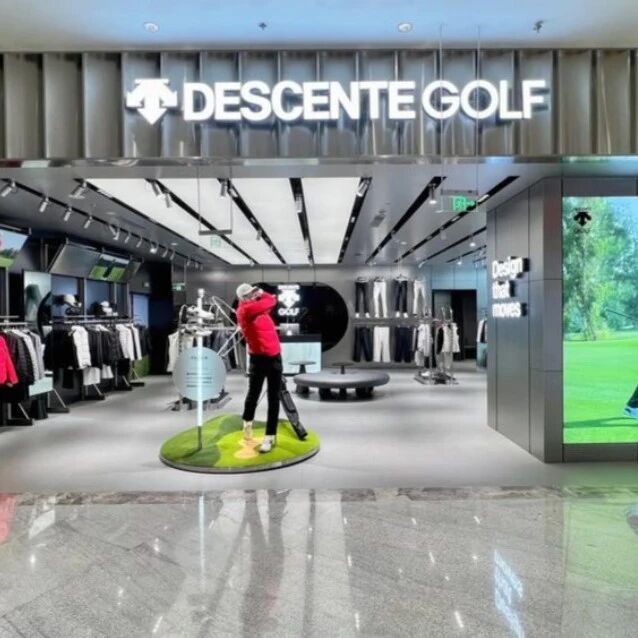
Core Viewpoint - Descente, a brand under Anta, is emerging as a key player amidst challenges faced by other brands like Arc'teryx and FILA, with significant sales growth and a focus on high-income consumers [3][4][17]. Group 1: Brand Performance and Market Position - Descente opened a global flagship store in Beijing in 2025, covering approximately 1,400 square meters, previously occupied by Armani, indicating a strategic move into premium retail spaces [3]. - In early 2026, Descente announced its annual sales exceeded 10 billion yuan for the first time, marking a significant milestone in its market presence [3]. - Since Anta took over Descente's operations in China in 2016, the brand's sales have increased over 30 times, with a compound annual growth rate exceeding 36% [7][6]. Group 2: Target Demographics and Consumer Insights - The typical Descente customer is primarily male, aged 35 and above, often working in finance or IT, valuing health, functionality, and style in their purchases [9][10]. - The brand's core product price range is between 1,000 and 4,000 yuan, with a notable 20.66% year-on-year growth in GMV for related products in 2025 [10]. Group 3: Anta's Strategic Approach - Anta employs a direct-to-consumer (DTC) model for Descente, which helps maintain brand value and control over pricing and inventory, crucial for high-end brands [12][14]. - The brand has invested in R&D to develop functional fabrics and has collaborated with gyms and snow resorts to enhance community engagement [14][15]. - Descente's positioning as a more affordable alternative to Arc'teryx has attracted consumers looking for practicality without sacrificing style [15]. Group 4: Challenges and Future Outlook - The high-end sports market is becoming increasingly competitive, with Descente needing to establish differentiated advantages to maintain growth [19][20]. - As part of Anta's brand portfolio, Descente faces potential resource allocation issues and overlapping market positioning with other brands under the same umbrella [19]. - Maintaining a sense of exclusivity and high-end appeal while scaling operations will be a critical challenge for Descente moving forward [20].
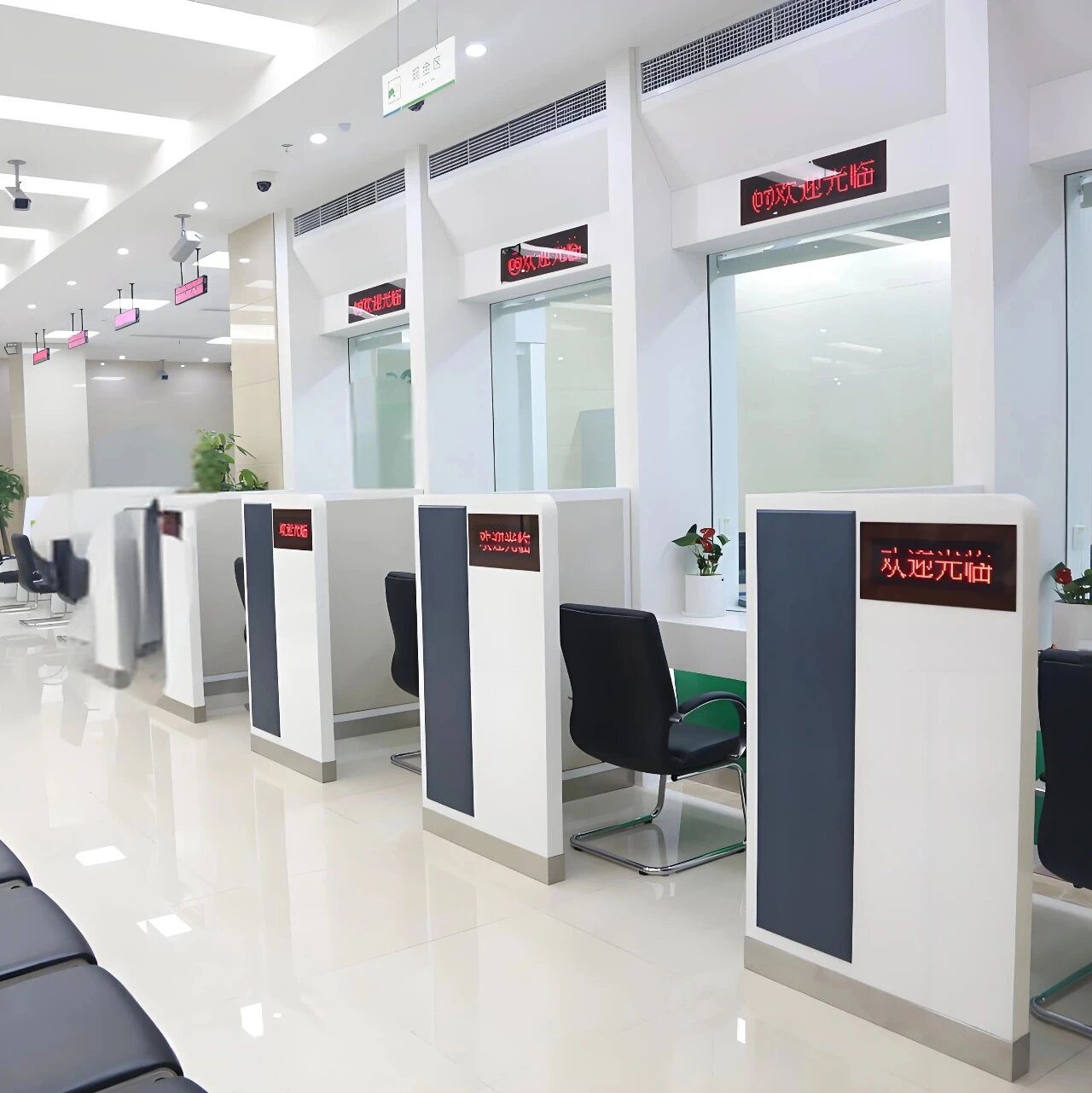
2025年超1万家银行网点关闭,净减少超2000家|首席资讯日报
首席商业评论· 2026-01-14 04:34
Group 1 - In 2025, over 11,000 bank branches will be approved for closure, resulting in a net decrease of more than 2,000 branches, indicating an acceleration in digital transformation and optimization of physical banking channels [2] - SK Hynix announced an investment of 19 trillion KRW in its advanced packaging factory in Cheongju, South Korea, aiming to enhance production efficiency, with construction expected to start in April 2026 and completion by the end of 2027 [3] - The Ministry of Industry and Information Technology will focus on promoting the large-scale application of humanoid robots and health monitoring devices in various settings, emphasizing technological empowerment in the elderly care sector [4] Group 2 - Citigroup plans to lay off approximately 1,000 employees as part of a broader strategy to reduce 20,000 jobs by the end of 2026, reflecting adjustments to align workforce and skills with current business needs and technological advancements [5] - Ctrip clarified that a recent message about a mass layoff was a mistake, confirming that there is no plan for a full staff departure [6] - The U.S. Defense Secretary announced that Elon Musk's AI chatbot "Grok" will be integrated into the Pentagon's systems, alongside Google's generative AI, to enhance military operations [7] Group 3 - The launch of a 4,199 RMB bottle of Moutai sold out immediately on the iMoutai app, indicating strong demand for premium products [8] - Shanghai has introduced measures to optimize auto loan processes, including relaxing application conditions and determining reasonable loan issuance ratios, terms, and interest rates to stimulate consumption [9] - Apple responded to rumors regarding Google taking over iPhone control, clarifying that there has been no transfer of control over Siri or Apple Intelligence to Google [10] Group 4 - Lianchuang Electronics has begun supplying optical products to the robotics sector, although the industry is still in its early stages with relatively low sales [11] - DeepSeek published a new paper on conditional memory for large language models, co-authored with Peking University, contributing to advancements in AI research [12]
第一波商场动物园,正在批量跑路
首席商业评论· 2026-01-14 04:34
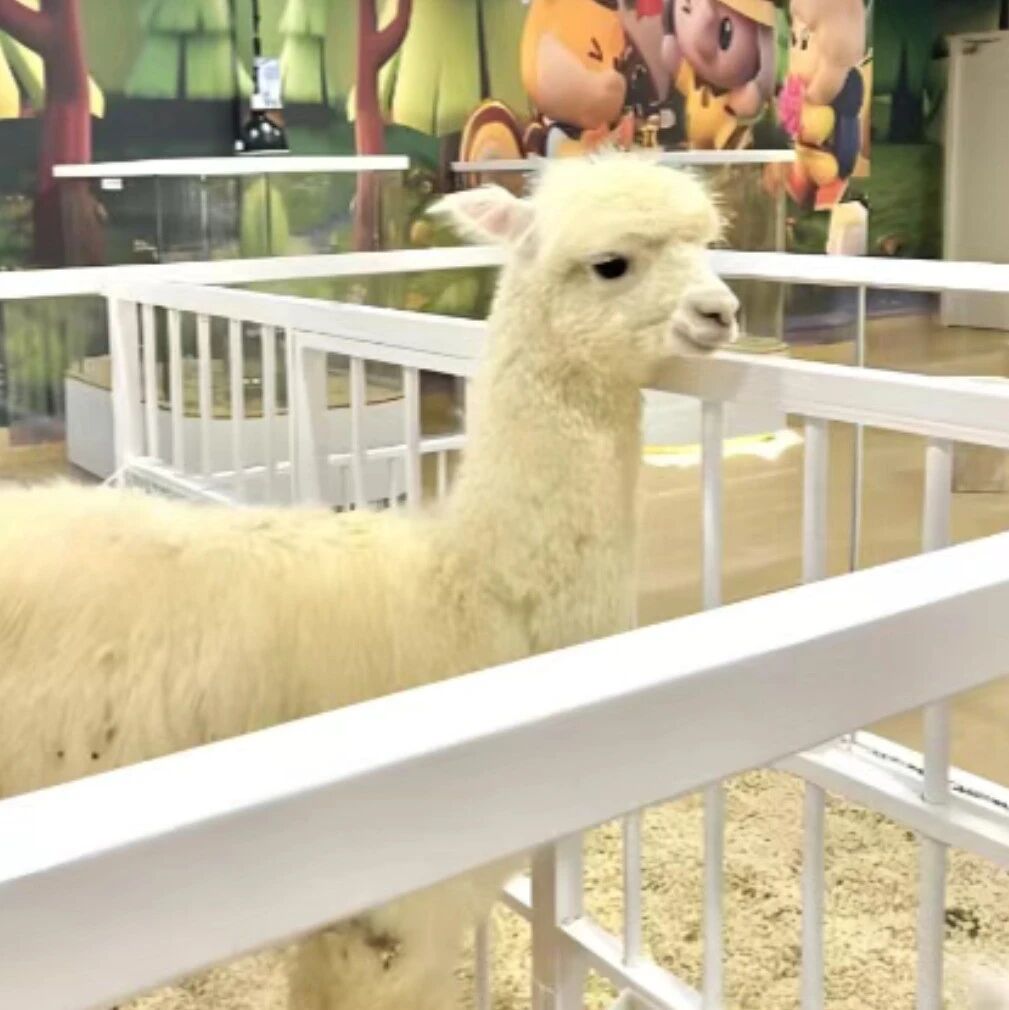
Core Viewpoint - The article discusses the decline of chain pet amusement parks in China, highlighting issues such as sudden closures, consumer complaints, and the challenges faced by the industry as it matures [4][6][19]. Group 1: Industry Overview - Since 2017, chain pet amusement parks have gained popularity, with many parents purchasing membership cards for their children to interact with animals [4]. - By 2023, the number of registered pet amusement park companies reached 194, a 100% increase year-on-year, indicating rapid growth in the sector [6]. - Major brands include Xiao Xiang Dong Wu Park, Mr. Zoo, and Gu Dong Forest, with Xiao Xiang Dong Wu Park expanding to nearly 130 locations by the end of 2023 [6]. Group 2: Consumer Experiences - Many consumers have reported issues with closures, with one individual losing 999 yuan for a membership that allowed only three visits before the park closed [4][6]. - Complaints about the quality of service and animal welfare have emerged, with reports of animals being kept in unsuitable conditions [18][19]. - The article notes that while some parks are failing, others in less competitive areas are thriving, suggesting a divide in operational success based on location [9][10]. Group 3: Financial Insights - A franchisee in a second-tier city reported an initial investment of around 300,000 yuan, achieving a return on investment within two months, indicating potential profitability in the right conditions [10][12]. - Pricing strategies include single-entry tickets and membership options, with a high conversion rate to memberships, reflecting consumer willingness to pay for child-friendly experiences [12][13]. Group 4: Challenges and Future Outlook - The industry faces challenges such as high competition in urban areas, rising rental costs, and changing consumer preferences, which may hinder profitability [14][19]. - The article suggests that the future of pet amusement parks may lie in expanding to lower-tier cities where competition is less intense and operational costs are lower [14][19]. - Concerns about animal welfare and operational practices could impact consumer perception and willingness to engage with these businesses [18][19].
90%的名酒在跌价,2026年酒企怎么活?
首席商业评论· 2026-01-14 04:34
Core Viewpoint - The article discusses the significant changes in the Chinese liquor industry, particularly the white wine sector, highlighting a shift from a focus on brand prestige and social status to a more value-driven approach based on product quality and consumer experience [3][5][21]. Group 1: Industry Overview - As of early 2026, the white wine industry is undergoing a deep adjustment, with a notable decline in both revenue and profit across major companies, marking the first time in a decade that the industry has experienced consecutive quarters of double-digit declines [14][21]. - The average inventory turnover days for 20 listed liquor companies reached 1,424 days by the end of Q3 2025, indicating that some inventory may take nearly four years to deplete [10]. - The overall revenue for 20 A-share listed liquor companies in the first three quarters of 2025 was 3,177.79 billion yuan, a year-on-year decrease of 5.90% [14]. Group 2: Market Dynamics - The price system in the white wine market has collapsed, with the market price of premium brands like Moutai dropping below 1,600 yuan, a decline of over 15% for other high-end products [12][14]. - Over 99% of famous liquor prices have fallen, with average retail prices decreasing by more than 30% [12]. - The industry is witnessing a "devaluation of value," where consumers are no longer willing to pay for brands that do not deliver tangible quality or experience [16][18]. Group 3: Future Trends - The future of the liquor industry will be characterized by a "polarization" where companies must either provide "extreme experiences" or "precise value" to survive [8][21]. - High-end products will focus on exceptional craftsmanship and unique experiences, while lower-end products will cater to specific daily needs with high cost-effectiveness [25][29]. - The younger demographic is increasingly important, with 95 post-90s consumers making up only 18% of the white wine market, prompting a need for products that resonate with their lifestyle [25]. Group 4: Strategic Shifts - Companies are exploring new distribution models, such as direct-to-consumer sales, and are innovating product lines to meet changing consumer preferences [18][20]. - Regulatory changes are pushing for clearer labeling of production processes and ingredients, moving away from vague marketing strategies [18]. - The industry is transitioning from a focus on speculative investment to a more grounded approach centered on genuine consumer value and experience [21][31].




特朗普看上的格陵兰岛,最终会走向何方?
首席商业评论· 2026-01-13 11:14
Core Viewpoint - The article discusses the geopolitical significance of Greenland, highlighting its strategic location and resource potential, while also addressing the complexities surrounding its political status and the challenges faced by the U.S. in its ambitions to control the island [6][7][13]. Geopolitical Significance - Greenland is the world's largest island, with two-thirds of its territory located within the Arctic Circle, making it a key strategic asset for military and shipping routes [7][9]. - The melting Arctic ice due to global warming is expected to open up regular shipping routes by around 2030, significantly shortening travel times between Europe and Asia by 30% compared to the Suez Canal [11]. - Control over Greenland is viewed as essential for the U.S. to maintain dominance in the Arctic and counter Russian military movements [11][18]. Resource Potential - Greenland is rich in natural resources, including 31 out of 34 critical minerals identified by the EU, with an estimated 1.5 million tons of rare earth elements, crucial for technology and defense industries [13]. - The surrounding waters are believed to contain trillions of dollars worth of oil and gas resources, although extraction is currently hindered by challenging conditions and lack of infrastructure [13][15]. Political Landscape - The 2009 Greenland Self-Government Act stipulates that any change in territorial status requires a public referendum in Greenland and approval from the Danish Parliament [15]. - Current public sentiment shows a strong desire for independence from Denmark, but a significant majority (92%) opposes joining the U.S., indicating a complex political landscape [15][27]. U.S. Strategic Interests - The U.S. has long been interested in Greenland, viewing it as a potential military stronghold to enhance its Arctic defense capabilities and counteract Russian influence [17][18]. - Trump's administration aims to leverage Greenland's resources and strategic location to bolster U.S. economic and military interests, despite the challenges of local opposition and international law [18][20]. Future Scenarios - The most likely outcome is that the U.S. will focus on establishing de facto control over Greenland through military presence and economic partnerships, rather than formal annexation [28]. - Maintaining the status quo is also a possibility, especially if domestic issues in the U.S. divert attention from Greenland [31]. - A scenario where Greenland freely joins the U.S. is considered highly unlikely due to the need for multiple favorable conditions [34]. - The least probable outcome involves a military invasion, which would have severe geopolitical repercussions [35]. Conclusion - The ongoing competition for Greenland reflects broader tensions between U.S. hegemonic ambitions and the principles of modern international order, emphasizing the importance of respecting sovereignty and cooperative governance [36][39].

MiniMax和智谱,千亿IPO的两条路
首席商业评论· 2026-01-13 04:15
Core Viewpoint - The article discusses the contrasting paths taken by two emerging AI companies, MiniMax and Zhipu AI, amidst the intense competition and financial investments in the AI sector, highlighting their different business models and growth strategies [5][10]. Group 1: MiniMax - MiniMax is characterized as an aggressive player focusing on consumer-driven products and multiple models, starting with its AI virtual social application Glow, which emphasizes emotional interaction [6][7]. - The company’s revenue is significantly supported by its products Talkie and Xingye, which accounted for 63.7% of MiniMax's financial income in 2024 [7]. - By 2025, the contribution of Talkie/Xingye to MiniMax's revenue decreased to 35.1% due to the commercialization of its AI products and growing enterprise services [8]. - MiniMax's revenue structure is promising, with over 70% coming from overseas, primarily from consumer membership fees, indicating a strong potential for growth [8]. - Despite its aggressive growth strategy, MiniMax faces challenges, including a low market share of 0.3% in the global AI market as of the first three quarters of 2025 [8][9]. - The company is in a competitive race with larger players, which requires substantial financial investment for model iteration and data acquisition [9]. Group 2: Zhipu AI - Zhipu AI, founded in 2019 and rooted in academic research, has a business model focused on serving B-end clients, generating over 80% of its revenue from local enterprises through project-based contracts [11][12]. - The company has undergone 18 rounds of financing before its IPO, attracting significant investments from various industry giants, which contrasts with MiniMax's 7 rounds [11]. - Zhipu AI's revenue model allows for stable income, resulting in a consistent gross margin of over 50%, although this may limit its growth potential compared to MiniMax [12]. - The company is also developing a unified large model, which is seen as a trend in enhancing AI capabilities [11]. - As of September 30, 2025, Zhipu AI has over 8,000 institutional clients, which provides a substantial data foundation for training its models [14]. Group 3: Industry Outlook - The article emphasizes the ongoing competition in the AI sector, with both companies representing different growth trajectories: MiniMax's consumer-focused approach versus Zhipu AI's enterprise-oriented strategy [15]. - The global AI landscape is evolving, with a significant percentage of organizations adopting AI tools, indicating a growing market for AI applications [16]. - The future of AI profitability is anticipated to belong to those who effectively integrate AI into various industries, enhancing efficiency and delivering commercial value [16].

中产家庭真正的消费陷阱
首席商业评论· 2026-01-13 04:15
Core Viewpoint - The article discusses the phenomenon of "relative status anxiety" among the middle class in East Asia, where individuals fear falling behind others despite their own progress. This anxiety drives them to make high-risk investments in education and real estate, often under the guise of rational long-term planning, but ultimately leads to a collective self-deception about the uncertainties involved in these decisions [5][6]. Group 1: Consumption and Investment - The line between consumption and investment is becoming increasingly blurred, with individuals paying for "potentially better futures" rather than tangible experiences or products. This new form of consumption is exemplified by the real estate market, where high leverage home purchases are seen as a secure path to upward mobility [7]. - In 2019, housing assets accounted for 59.1% of total assets for urban households in China, significantly higher than the international average of 30%-40%. In major cities, the premium for school district properties can reach 30%-50% [7]. - The shadow education market is projected to exceed 800 billion RMB in 2024, despite recent policy changes aimed at reducing educational burdens. Parents continue to invest heavily in extracurricular education [7][8]. Group 2: Education Investment Paradox - The paradox of educational investment is highlighted by the fact that as more individuals pursue higher education, the signaling function of education diminishes, leading to a "zero-sum game" in social status [8]. - Families are paying significant premiums for school district properties and investing heavily in tutoring, not necessarily for absolute skill enhancement, but to maintain relative standing. This maintenance cost is rising exponentially [8][9]. - The opportunity costs of excessive investment in education can detract from family quality of life and children's holistic development, as not every child is suited for an elite educational path [9]. Group 3: Self-Improvement Economy - The rise of the "self-improvement economy" reflects a market response to the middle class's fear of losing control, offering products that promise personal and professional advancement [10]. - Despite a decline in MBA enrollment over the past three years, tuition fees continue to rise, with top programs costing between 360,000 to 450,000 RMB. Many individuals hope to leverage these degrees for career advancement, overlooking the inherent risks during economic downturns [10][11]. - The narrative around "light asset entrepreneurship" promotes the idea that individuals can easily capitalize on AI and digital platforms, yet the reality shows that only a small fraction of content creators earn substantial income [11]. Group 4: Complexity of Life Choices - The characteristics of middle-class investment illusions include long return cycles, high uncertainty, and the oversimplification of complex social competition into purchasable solutions [12]. - The article emphasizes that there is no "optimal solution" to life's complexities, and those who claim to offer one are often selling cognitive shortcuts that mislead consumers [12][13]. - Acknowledging the uncertainties of the world and preparing for them may be the most valuable investment for middle-class families, which includes maintaining cash reserves and avoiding excessive debt [13].

马斯克旗下Grok或遭多国封禁|首席资讯日报
首席商业评论· 2026-01-13 04:15
Group 1 - The AI tool Grok developed by Musk's xAI may face bans in multiple countries due to concerns over generating inappropriate content, highlighting the challenges of balancing technological advancement with governance [2] - The price of DRAM storage chips has surged, prompting major tech companies like Google and Microsoft to send teams to South Korea to secure supplies, with the price of 8GB DDR4 memory increasing over five times in a year [2] Group 2 - South Korea's instant noodle exports reached a record high of $1.52 billion in 2025, marking a 21.8% increase from 2024 and doubling from $765 million in 2022, with China and the US accounting for over 40% of total exports [3] Group 3 - South Korean companies and professional investors are now allowed to invest up to 5% of their own capital in cryptocurrencies, with guidelines established by the Financial Services Commission [4] Group 4 - Bilibili has acquired a stake in Shanghai Jiangqu Network Technology, which is involved in anime and game development, indicating a strategic move to expand its digital content portfolio [6] Group 5 - The market regulator in China has unconditionally approved several mergers and acquisitions, including the acquisition of the Changchun Automotive Testing Center by the China Automotive Technology Research Center [7] Group 6 - Google has introduced personalized advertising features in its AI shopping tool, marking a significant step in monetizing AI technology [8] Group 7 - The second-hand car market for Xiaomi has seen significant price drops, with the SU7 model decreasing by 50,000 yuan, reflecting rapid new car iterations and challenges in retaining value for older models [9] Group 8 - OpenAI and SoftBank have entered a partnership to invest a total of $1 billion in SB Energy, aimed at developing AI infrastructure and constructing a 1.2 GW data center in Texas [10] Group 9 - Hongxun Technology clarified that it does not engage in humanoid robot business, focusing instead on automation, digitalization, and new energy sectors [12]