美股IPO

Search documents
特斯拉给马斯克的万亿美元薪酬方案遭重要股东反对
美股IPO· 2025-10-30 23:37
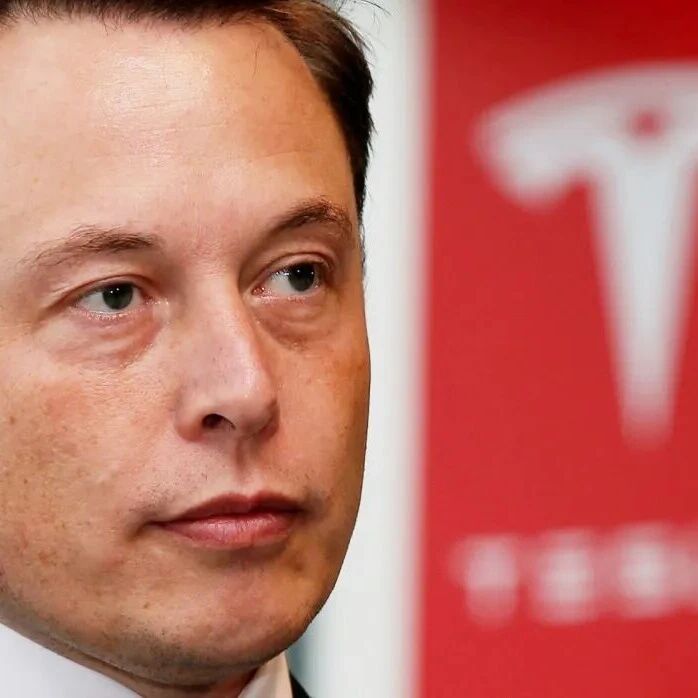
Core Viewpoint - The California Public Employees' Retirement System (CalPERS) plans to vote against Elon Musk's $1 trillion compensation package for Tesla, which poses a significant obstacle to the approval of one of the largest compensation plans in corporate history [1][3]. Group 1: Compensation Plan Details - CalPERS holds approximately 5 million shares of Tesla stock and has expressed concerns that the proposed CEO compensation plan is significantly larger than those of peer companies [4]. - The compensation plan is a 10-year agreement that requires Musk to meet specific performance targets to receive full rewards, potentially increasing his shareholding to at least 25% if targets are met [4]. - Previous compensation proposals for Musk have faced opposition from CalPERS, including a $56 billion proposal last year and a $50 billion proposal in 2018, the latter of which was ruled invalid by a Delaware court [4]. Group 2: Implications for Tesla - Tesla's future is closely tied to Musk's involvement, with the company's chairperson warning that a rejection of the compensation plan could lead to Musk's departure, casting a shadow over Tesla's future [5]. - Following the news of CalPERS' opposition, Tesla's stock price fell by over 4.6%, underperforming compared to the broader U.S. stock market and most large tech companies [6].


一天蒸发300亿!美国金融科技史上罕见“血案”是怎么酿成的
美股IPO· 2025-10-30 23:37
Core Viewpoint - Fiserv's stock plummeted 44%, marking the largest single-day drop in nearly 40 years, primarily due to the new CEO's withdrawal of previous earnings guidance, revealing deeper management failures such as pricing strategy missteps and a sluggish response to customer needs [1][3][4]. Financial Performance - The adjusted earnings per share (EPS) forecast was revised down from $10.15-$10.30 to $8.50-$8.60, a reduction of over 16%. Revenue growth expectations were cut by more than half, from 10% to 3.5%-4% [3][5]. - Q3 revenue grew only about 1% year-over-year to $4.92 billion, falling short of the expected $5.36 billion by over 8%. The adjusted EPS was $2.04, nearly 23% below the anticipated $2.64 [5]. Management Issues - The crisis is attributed to management failures rather than technical failures, with the previous CEO setting overly aggressive growth targets and implementing a pricing strategy that led to significant customer attrition [5][6]. - The new CEO, Mike Lyons, acknowledged that the challenges faced were largely self-inflicted, stemming from short-term focused strategies that compromised product delivery capabilities [7]. Customer Response and Pricing Strategy - Customers expressed dissatisfaction with high fees associated with Clover, leading many to switch to cheaper alternatives like Square or Toast. This pricing strategy, initially aimed at boosting revenue, ultimately harmed long-term competitiveness [6][9]. - Analysts noted that Clover's revenue growth was outpacing the growth in payment processing volume, indicating potential issues with the product's value proposition [6]. Analyst Reactions - Analysts reacted swiftly, with BTIG describing the financial results as "astonishingly poor" and William Blair stating that the performance was shocking enough to warrant a reevaluation of recommendations for Fiserv [9]. - Some analysts maintained a cautiously optimistic view, suggesting that recovery is possible if the company can navigate through its current challenges [9]. Leadership Changes - Fiserv announced significant leadership changes, including the appointment of a new COO and CFO, as well as new board members, in an effort to stabilize the company and address the ongoing crisis [10].
默沙东三季度营收超预期,新型肺炎疫苗Capvaxive销售强劲
美股IPO· 2025-10-30 13:18
Core Viewpoint - Merck's Q3 sales reached $17.28 billion, exceeding market expectations, with adjusted EPS of $2.58, significantly surpassing Wall Street forecasts and last year's $1.57 [2][3] Financial Performance - Q3 sales of $17.28 billion exceeded the expected $16.96 billion, driven by strong performance from the pneumonia vaccine Capvaxive, which generated $244 million in sales, also above analyst estimates [3][4] - Merck adjusted its 2025 sales guidance down by $300 million, now expecting full-year sales of $64.5 billion to $65 billion, up from a previous estimate of $64.3 billion to $65.3 billion [3] - The company slightly raised its full-year profit forecast to $8.98 per share, from a prior estimate of $8.87 to $8.97 [3] Product Highlights - Capvaxive emerged as a standout product, with Q3 sales of $244 million, outperforming Wall Street expectations [4] - Capvaxive has the potential to become a preferred product, as it can prevent 80% of pathogenic strains in adults, compared to Pfizer's Prevnar, which covers only 50% [4] Cost Management - The company is actively implementing cost control measures in preparation for the patent expiration of Keytruda, with R&D spending down over $1.6 billion year-over-year [6] - Merck announced plans to cut annual spending by $3 billion by the end of 2027, primarily through workforce reductions and real estate holdings [6] Regulatory and Market Challenges - Merck faces potential tariff threats, with competitors like Pfizer and AstraZeneca negotiating agreements for drug discounts in exchange for tariff exemptions [7] - The company has stockpiled sufficient Keytruda inventory to mitigate tariff impacts this year and plans to invest over $9 billion in domestic manufacturing over the next four years [7] - Merck also faces challenges from government recommendations regarding its ProQuad vaccine, which may affect its market position [7]

盘前大涨3.8%!Zepbound降价后销量翻三倍,礼来Q3业绩超预期,并上调全年业绩指引
美股IPO· 2025-10-30 13:18
Core Viewpoint - Eli Lilly's third-quarter performance exceeded market expectations, driven by strong sales of weight loss drugs Mounjaro and Zepbound, leading to an upward revision of revenue guidance for fiscal year 2025 [3][4]. Financial Performance - The company reported earnings per share of $7.02, surpassing analyst expectations of $5.69, and revenue of $17.6 billion, exceeding the market forecast of $16.01 billion [3][5]. - U.S. sales surged by 45% to $11.3 billion, primarily due to a 60% increase in product prescriptions, particularly for Mounjaro and Zepbound [3][7]. - Net profit for the third quarter reached $5.58 billion, or $6.21 per share, compared to $970.3 million, or $1.07 per share, in the same period last year [7]. Drug Sales Performance - Mounjaro generated $6.52 billion in revenue, a 109% year-over-year increase, significantly exceeding the analyst forecast of $5.51 billion [5]. - Zepbound recorded $3.57 billion in revenue, a 184% increase year-over-year, slightly above Wall Street's expectation of $3.5 billion [5][7]. - Combined sales of both drugs exceeded expectations by approximately $1.3 billion, with most of the outperformance attributed to Mounjaro [7]. Market Position and Competition - Eli Lilly maintains a leading position in the rapidly growing GLP-1 drug market, capturing about 58% market share, which includes competition from Novo Nordisk's Ozempic and Wegovy [7][9]. - The competitive landscape is intensifying, with Novo Nordisk's recent acquisition bid for Metsera highlighting the urgency to catch up with Eli Lilly [11]. - To enhance drug accessibility, Eli Lilly announced a partnership with Walmart to provide discounted Zepbound for cash-paying patients [10]. Guidance Revision - The company raised its fiscal year 2025 revenue guidance to $63 billion to $63.5 billion, up from the previous estimate of $60 billion to $62 billion [3][8]. - Adjusted earnings per share guidance was also increased from $21.75-$23 to $23-$23.70 [3].


突发!诺和诺德拟90亿美元收购Metsera,辉瑞遭到阻击!刚刚!辉瑞回应诺和诺德收购Metsera提案
美股IPO· 2025-10-30 13:18
Core Viewpoint - Novo Nordisk has made a proposal to acquire Metsera for $9 billion, aiming to enhance its portfolio in obesity and diabetes treatment, aligning with its long-term strategy of developing innovative drugs [4][6][9]. Acquisition Proposal - The acquisition proposal includes a cash offer of $56.50 per share, totaling approximately $6.5 billion in equity value and about $6 billion in enterprise value [6][7]. - Additionally, contingent value rights (CVR) worth $21.25 per share (approximately $2.5 billion total) are included, dependent on certain clinical and regulatory milestones [6][7]. - The proposal is currently under review by Metsera's board [9]. Competitive Landscape - Pfizer previously proposed to acquire Metsera at $47.50 per share, with a total enterprise value of around $4.9 billion, including a CVR of up to $22.50 per share [11]. - Novo Nordisk's offer surpasses Pfizer's, potentially influenced by the competitive pressures from generics and other companies in the GLP-1 market [11][23]. Metsera's Market Position - Metsera is positioned as a leading clinical-stage obesity company with a focus on innovative injectable and oral therapies, targeting a significant consumer market projected to be worth $170 billion [12][19]. - The company has multiple clinical programs and capabilities for large-scale development and manufacturing [12][19]. Clinical Development Pipeline - Metsera has four clinical-stage programs with anticipated milestones over the next 6-12 months, including various GLP-1 and amylin receptor agonists [13][20]. - The company utilizes its proprietary HALO™ platform to enhance peptide performance, offering longer half-lives and improved dosing regimens [14][16]. Regulatory and Legal Considerations - Pfizer has expressed concerns regarding Novo Nordisk's acquisition proposal, citing potential legal and regulatory risks associated with antitrust laws [23]. - Metsera's board previously rejected Novo Nordisk's offer, favoring Pfizer's proposal due to perceived certainty and immediate value for shareholders [25].
科技巨头今年资本开支暴涨:谷歌冲刺930亿美元、Meta上调至720亿、微软单季已烧掉349亿
美股IPO· 2025-10-30 10:26
Core Viewpoint - The article highlights a significant increase in capital expenditures among major tech companies, particularly in the context of artificial intelligence (AI) and cloud computing, indicating a competitive race to meet explosive demand in these sectors [3][5][10]. Group 1: Capital Expenditure Increases - Google has raised its 2025 capital expenditure guidance to between $91 billion and $93 billion, while Meta has adjusted its guidance to between $70 billion and $72 billion [3][6]. - Microsoft reported a record capital expenditure of $34.9 billion for the recently ended fiscal quarter, exceeding market expectations of $30 billion [3][8]. Group 2: Competitive Landscape - The surge in capital expenditures reflects the intense competition among tech giants to satisfy the growing demand for AI and cloud services [5][10]. - Google Cloud's backlog increased by 46% quarter-over-quarter, reaching $155 billion, indicating strong demand for its services [6]. Group 3: Market Reactions - Despite strong revenue growth, Meta's stock fell by 8% due to increased spending, while Google's stock rose by 5% following accelerated revenue growth across its business lines [3][10]. - Microsoft's stock declined over 2% after its earnings report, as concerns about supply constraints in meeting AI and cloud demand emerged [8][9]. Group 4: Investor Considerations - Investors are cautious about the potential returns on the substantial investments being made in AI infrastructure, as highlighted by the mixed stock market reactions [9][10]. - The article emphasizes the need for investors to balance long-term growth prospects with immediate cost pressures, as the tech giants engage in a high-stakes gamble for leadership in the AI era [10].



暴涨20.37%!泰瑞达(TER)三季报业绩超预期!受AI驱动四季度业绩指引加速增长!
美股IPO· 2025-10-30 10:26
Core Viewpoint - Teradyne's Q3 2025 performance exceeded market expectations, driven by strong demand for AI-related testing solutions, particularly in semiconductor testing [2][3] Financial Performance - Q3 revenue reached $769.2 million, a 4% year-over-year increase, surpassing analyst expectations of $743.8 million by 3.4% [2] - Non-GAAP EPS was $0.85, exceeding market expectations of $0.79 by 7.9% [2] Business Drivers and Highlights - AI demand is the core engine of growth, with strong performance in SOC testing solutions and memory testing [3] - Semiconductor testing remains the primary revenue driver, contributing over 75% of total revenue, while product testing and robotics generated $88 million and $75 million, respectively [3] - Market confidence surged post-earnings report, with Teradyne's stock price rising over 16% in after-hours trading, reaching an all-time high [3] Q4 Guidance - Q4 revenue guidance is set between $920 million and $1 billion, indicating a 25% quarter-over-quarter and 27% year-over-year growth, significantly above analyst consensus of $815.7 million [4] - Q4 non-GAAP EPS guidance ranges from $1.20 to $1.46, also exceeding market expectations of $1.03 [4] Overall Summary - Teradyne's performance not only exceeded expectations but also highlighted the company's benefits from the AI industry trend, with strong Q4 guidance suggesting continued growth momentum in the coming quarters [5]

AI利好比预期更大!需求爆棚,毛利率超高,“硬盘巨头”希捷科技股价飙升创新高
美股IPO· 2025-10-30 10:26
Core Viewpoint - The explosive demand for data storage driven by AI is reshaping the hard disk drive market, with Seagate Technology reporting significantly better-than-expected quarterly results and strong future guidance, leading to a surge in its stock price to an all-time high [1][3][4]. Financial Performance - Seagate's revenue for the first quarter of fiscal year 2026 reached $2.63 billion, a year-on-year increase of 21.3%, exceeding Morgan Stanley and market expectations by 3% [6]. - The adjusted earnings per share were $2.61, a 65% increase compared to the previous year, significantly above the FactSet analyst estimate of $2.40 [3][6]. - The non-GAAP gross margin for the quarter was 40.1%, surpassing market expectations by 150 basis points and achieving the company's 40% target ahead of schedule [6][7]. Market Outlook - Seagate expects sales for the current quarter to reach $2.7 billion, again exceeding analyst predictions of $2.67 billion [3]. - The company has secured contracts for high-capacity hard drives aimed at the cloud market, with orders extending to 2026, indicating a clear visibility of demand through 2027 [3][6]. Analyst Sentiment - Following the earnings report, analysts have raised their target prices for Seagate, reflecting optimism about AI-driven storage demand growth [7][10]. - Morgan Stanley increased its net profit forecasts for Seagate for fiscal years 2026 and 2027 by 5-7%, raising the target price from $265 to $270 [7][10]. - Evercore ISI analyst set a target price of $330, indicating confidence in Seagate's ability to capitalize on the growing demand for high-capacity storage driven by AI workloads [10].

SK海力士的“售罄”意味着什么?大摩:向2017-2018“存储超级周期”靠拢,上调DRAM价格预期
美股IPO· 2025-10-30 10:26
Core Viewpoint - The article highlights that SK Hynix's HBM high-bandwidth memory being "sold out" signals the beginning of a new "super cycle" in the storage market driven by AI demand, with Morgan Stanley raising its DRAM price forecast to a year-on-year increase of 30% and expecting supply tightness to persist until 2026 [1][3][11]. Financial Performance - SK Hynix reported record high performance in Q3, with operating profit soaring by 62%, driven by the complete sell-out of HBM high-bandwidth memory [3][4]. - Revenues for Q3 reached 24,448.9 billion KRW, a 10% increase quarter-on-quarter and a 39% increase year-on-year [4]. - Operating margin improved to 47%, up from 41% in the previous quarter and 40% year-on-year [4]. Market Dynamics - The AI boom is identified as the core driver behind the surge in demand for storage chips, leading to rapid depletion of industry inventory and supporting ongoing price increases [7][10]. - SK Hynix's management confirmed that DDR5 memory chip inventory has dropped to a critically low level of about two weeks, indicating strong market demand [7][10]. Supply Chain and Capital Expenditure - Morgan Stanley estimates that SK Hynix's capital expenditure will significantly increase, projected to rise from approximately 27 trillion KRW in 2025 to 35 trillion KRW in 2026, primarily to support HBM production [10][11]. - The company is expected to enhance its production capabilities through technology migration, including advancements in DDR5 and NAND flash memory [10]. Analyst Predictions - Morgan Stanley has raised its earnings per share (EPS) forecasts for SK Hynix for 2025, 2026, and 2027 by 5%, 14%, and 15% respectively, reflecting the positive outlook on the company's performance [5][11]. - The target price for SK Hynix has been adjusted to 630,000 KRW, indicating a potential upside of 15% from current levels, with a price-to-book ratio of 2.6 times for 2026 [5][11]. Conclusion - The article concludes that the unexpected surge in demand for commodity DRAM and NAND has laid the groundwork for a significant supply shortage in 2026, with stronger market conditions likely to persist [10][11].

炸裂!三星三季度利润狂飙160%!股价、业绩均创新高!HBM供不应求!
美股IPO· 2025-10-30 07:22
Core Viewpoint - Samsung Electronics has demonstrated a strong rebound in its semiconductor business, achieving a record quarterly operating profit driven by the recovery of its HBM (High Bandwidth Memory) competitiveness and robust demand for DDR5 and server SSDs [1][4][5]. Financial Performance - In Q3 2025, Samsung reported revenue of 86.1 trillion KRW (approximately 605.4 billion USD), a 15% increase quarter-on-quarter and a 9% increase year-on-year [5]. - Operating profit reached 12.2 trillion KRW (approximately 85.8 billion USD), reflecting a significant quarter-on-quarter increase of 159.6% and a year-on-year increase of 32.6% [5]. - Net profit also stood at 12.2 trillion KRW (approximately 85.8 billion USD), with a quarter-on-quarter increase of 139.2% and a year-on-year increase of 20.8% [5]. HBM Business Recovery - The sales of HBM3E products have increased, contributing to the recovery of HBM business competitiveness, particularly through supply to Nvidia [7][27]. - HBM4 samples have been delivered to all customers, with production plans for HBM4 significantly expanded for the upcoming year [9][37]. - The demand for HBM is expected to rise due to the expansion of AI infrastructure, positively impacting the overall storage market prices [13][30]. Market Position - Samsung regained its position as the global leader in memory semiconductor sales, achieving sales of 19.4 billion USD (approximately 27.7 trillion KRW) in Q3, a 25% increase from the previous quarter [18]. - SK Hynix's sales grew by 13% to 17.5 billion USD (approximately 25 trillion KRW) during the same period [19]. System Semiconductor Performance - System semiconductor losses have decreased to approximately 1 trillion KRW, with improved performance driven by increased orders in advanced processes [22]. - The overall performance of the DS division has improved due to reduced losses in system LSI and foundry operations [21]. Future Outlook - The fourth quarter is expected to see a 23% increase in DRAM prices, with predictions of a storage supercycle beginning in the upcoming year [25][30]. - Annual operating profit for the next year is estimated to be between 60 trillion KRW and 80 trillion KRW [26]. - Samsung plans to invest approximately 47.4 trillion KRW (about 333.3 billion USD) in facility construction by 2025, focusing on advanced processes and high-value products [37].