XIABUXIABU(00520)

Search documents
呷哺呷哺(00520) - 截至二零二五年十二月三十一日止月份之股份发行人的证券变动月报表
2026-01-06 11:13
股份發行人及根據《上市規則》第十九B章上市的香港預託證券發行人的證券變動月報表 截至月份: 2025年12月31日 狀態: 新提交 致:香港交易及結算所有限公司 公司名稱: 呷哺呷哺餐飲管理(中國)控股有限公司 呈交日期: 2026年1月6日 I. 法定/註冊股本變動 | 1. 股份分類 | 普通股 | 股份類別 | 不適用 | | 於香港聯交所上市 (註1) | | 是 | | | --- | --- | --- | --- | --- | --- | --- | --- | --- | | 證券代號 (如上市) | 00520 | 說明 | | | | | | | | | | 法定/註冊股份數目 | | | 面值 | | 法定/註冊股本 | | | 上月底結存 | | | 2,000,000,000 | USD | | 0.000025 USD | | 50,000 | | 增加 / 減少 (-) | | | | | | USD | | | | 本月底結存 | | | 2,000,000,000 | USD | | 0.000025 USD | | 50,000 | 本月底法定/註冊股本總額: USD 5 ...
单人消费低至30元 呷哺呷哺集团再推小火锅新品牌
Bei Jing Shang Bao· 2026-01-06 06:09
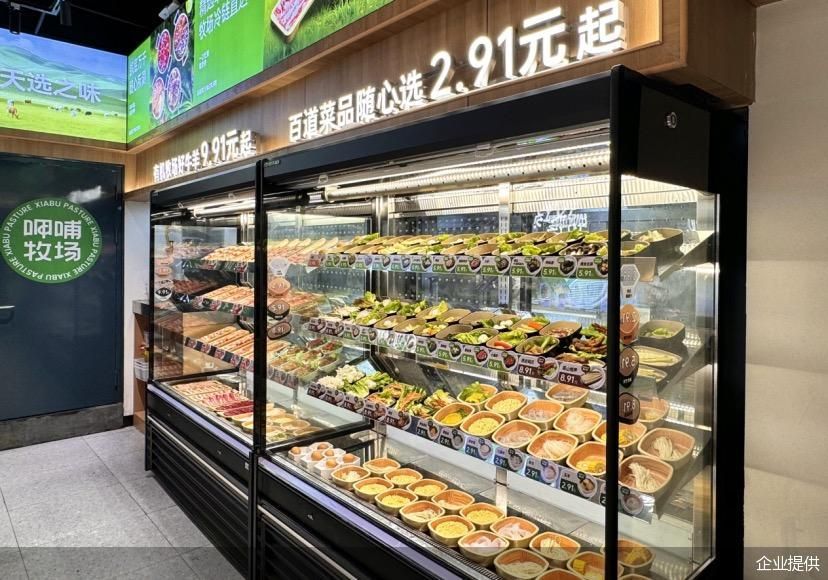
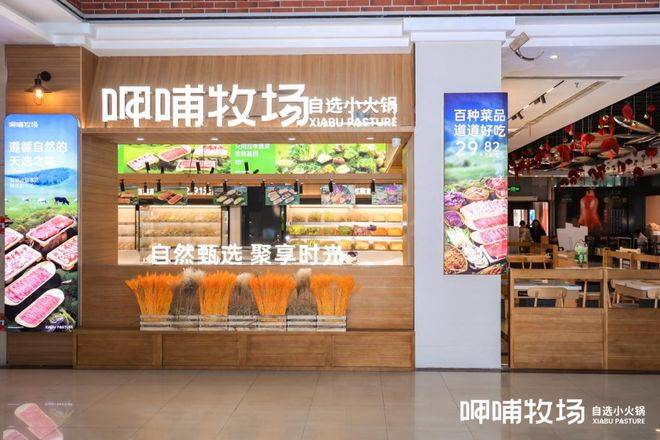
Core Insights - The company, Xiaobai Xiaobai Group, has launched a new self-service hot pot brand called "Xiaobai Ranch," with the first store opening in Shanghai Wealth Plaza [1][3] - The brand targets young consumers by offering a high-quality yet affordable dining experience, with plans to open two more locations in Shanghai before the Spring Festival [1][3] Pricing Strategy - "Xiaobai Ranch" features a pricing strategy with dishes priced at 2.91 yuan, 5.91 yuan, and 8.91 yuan, while meat options start at 9.91 yuan, allowing for a minimum single-person consumption of 29.82 yuan for a complete meal [3] - The brand also offers unlimited drinks for 5.91 yuan and complimentary appetizers [3] Operational Model - The store layout includes both shopping mall and community locations, with the first store accommodating up to 60 diners, ensuring a high turnover rate to enhance customer experience and market adaptability [3] - The operational model emphasizes high-quality, small-portion selections at affordable prices, catering to the needs of young consumers and working professionals seeking convenient and healthy dining options [3] Market Positioning - The launch of "Xiaobai Ranch" is based on insights into current consumer market trends, aiming to complete the company's brand matrix and address the demand for frequent, convenient, and quality hot pot experiences among younger demographics [3] - The company leverages its supply chain advantages to provide fresh, high-quality ingredients, allowing customers to mix and match various options [3]

呷哺,瞄准年轻人“轻奢一餐”
Sou Hu Cai Jing· 2026-01-06 00:42
Core Insights - The hot pot market is entering a new development stage that emphasizes both quality experience and price accessibility, prompting the launch of a new brand line "Xiabob Ranch" by Xiabob Group [1] - "Xiabob Ranch" aims to cater to young consumers and their social needs, offering a light luxury self-service hot pot experience that balances high quality with affordable pricing [1][4] Market Trends - The Chinese hot pot market is experiencing a shift towards stock competition and structural adjustments, with consumers increasingly seeking refined dining experiences that prioritize ingredient quality, safety, and health attributes [2] - There is a growing demand for flexible dining scenarios, such as solo dining and light social meals, indicating a market gap for hot pot experiences that offer high-quality ingredients, autonomy in selection, and moderate pricing [2] Brand Positioning - "Xiabob Ranch" targets the young demographic, who are both the main force behind consumption upgrades and price-sensitive, seeking maximum value [4] - The brand's core advantages are identified as high-end quality, small portion self-selection, and affordable pricing, addressing current market pain points and growth opportunities [4] Expansion Plans - Following the opening of its first store, Xiabob Group plans to open two additional locations in Shanghai before the Lunar New Year, marking a strategic move to fill market gaps and meet the dining needs of young consumers and professionals [6] Competitive Advantage - "Xiabob Ranch" builds its competitive edge on a strong supply chain and quality assurance system, leveraging Xiabob Group's extensive experience [7] - The pricing strategy includes a tiered system for ingredients, with vegetable prices starting at 2.91 yuan and meat from 9.91 yuan, making high-quality hot pot more accessible [7][9] Consumer Experience - The self-service model allows consumers to select their dishes within 3 to 5 minutes, enhancing the dining experience and operational efficiency [11] - The store design focuses on high table turnover rates while ensuring a comfortable dining space for customers [11] Brand Evolution - The launch of "Xiabob Ranch" is part of Xiabob Group's broader multi-brand strategy, which has included previous successful ventures like the tea brand "Chami Tea" and the mid-to-high-end hot pot brand "Coucou" [14][16] - The group's strategy reflects a clear evolution from core offerings to diversified ventures, aiming to capture growth opportunities in both mainstream and high-end dining markets [16]
元旦消费市场迎来 “开门红” 餐饮场景热度集中释放
Zheng Quan Shi Bao Wang· 2026-01-05 09:40
Group 1: Overall Market Performance - The consumer market experienced a "good start" during the 2026 New Year's holiday, with a significant increase in restaurant scene activity [1] - 58.1% of surveyed restaurants reported stable or increased customer traffic on New Year's Day, while 69.6% saw stable or increased takeaway orders [1] - Daily average consumption in dine-in restaurants during the holiday increased by 19% compared to the same period in 2025 [1] Group 2: Specific Company Performance - The group behind "Xiabuxiabu" reported over 20 million yuan in revenue from its "Coucou" stores during the holiday, with a customer flow of 140,000 and a peak daily revenue exceeding 8 million yuan [2] - "Xiabuxiabu" brand stores nationwide saw a total net sales exceeding 30 million yuan, with a year-on-year growth of over 30% and a peak daily revenue surpassing 10 million yuan [2] - "Xibei" restaurants attracted around 500,000 customers during the holiday, with no impact from subsidy cessation on overall customer flow [2] Group 3: New Tea Beverage Sector - "Nayuki" tea outlets experienced a sales increase of over 700% compared to pre-holiday levels, with some stores recording single orders exceeding 1,000 cups [3] - "Nayuki" tea's overseas locations, including in New York and Bangkok, became popular among local tourists, with the New York store generating nearly 40,000 USD (approximately 279,000 yuan) in sales over three days [3] - "Moli Naibai" brand sold nearly 1.9 million cups on New Year's Eve and continued strong sales with 1.53 million cups sold on New Year's Day, with some stores seeing sales growth close to 300% [3]

“餐饮+”正热 创新融合点燃城市“烟火气”
Zheng Quan Ri Bao· 2026-01-04 17:13
Group 1 - The national catering market experienced a consumption boom during the New Year's holiday, with major cities seeing a surge in restaurant patronage and pre-booked tables for popular dining spots [1] - In Beijing, from January 1 to January 3, the average daily sales of monitored catering businesses increased by 4.6% year-on-year, with dine-in sales rising by 25.4% [1] - Nearly 30 specialty restaurants reported a total online sales of 2.405 million yuan in the first two days of the New Year, indicating robust holiday dining consumption [1] Group 2 - Hot pot restaurants, particularly Haidilao, saw significant customer traffic, serving over 4.5 million customers nationwide from December 31 to January 1, driven by cold weather and holiday gatherings [2] - Xibei reported approximately 500,000 customer visits during the New Year period, with overall foot traffic unaffected by the cessation of subsidies [2] - The trend of "staying home for New Year" has led platforms and restaurants to enhance online channels, with Dazhongdianping collaborating with over one million high-rated restaurants to distribute 45 million vouchers [2] Group 3 - The catering industry is a crucial pillar for promoting consumption, benefiting livelihoods, and stabilizing employment, serving as a barometer for economic recovery [3] - From January to November 2025, the total retail sales of consumer goods reached 45.6067 trillion yuan, with catering revenue at 5.2245 trillion yuan, reflecting a year-on-year growth of 3.3% [3] Group 4 - Industry experts anticipate that the traditional consumption peak at year-end will further release dining demand [4]
餐饮+”正热 创新融合点燃城市“烟火气
Zheng Quan Ri Bao· 2026-01-04 16:41
Group 1 - The national catering market experienced a consumption boom during the New Year's holiday, with major cities seeing high foot traffic in restaurants and strong reservation rates for popular dining spots [1] - In Beijing, from January 1 to January 3, the average daily sales of monitored catering businesses increased by 4.6% year-on-year, with dine-in sales rising by 25.4% [1] - Nearly 30 specialty restaurants reported a cumulative online sales of 2.405 million yuan in the first two days of the New Year, indicating robust holiday dining consumption [1] Group 2 - The hot pot segment performed exceptionally well due to cold weather and holiday gatherings, with Haidilao serving over 4.5 million customers nationwide from December 31 to January 1 [2] - The dining experience during the New Year saw a peak in customer flow, with some Haidilao locations reporting table turnover rates exceeding 10 times on New Year's Eve [2] - Xibei reported approximately 500,000 customer visits across its national locations during the New Year period, showing resilience despite the cessation of subsidies [2] Group 3 - The catering industry is a crucial pillar for promoting consumption, benefiting livelihoods, and stabilizing employment, serving as a barometer for economic recovery [3] - From January to November 2025, the total retail sales of consumer goods reached 45.6067 trillion yuan, with catering revenue at 522.45 billion yuan, reflecting a year-on-year growth of 3.3% [3] Group 4 - Industry experts anticipate that traditional year-end consumption demand will further increase as the peak season approaches [4]
北京餐饮:多家餐厅等位约400桌
Bei Jing Shang Bao· 2026-01-04 15:44
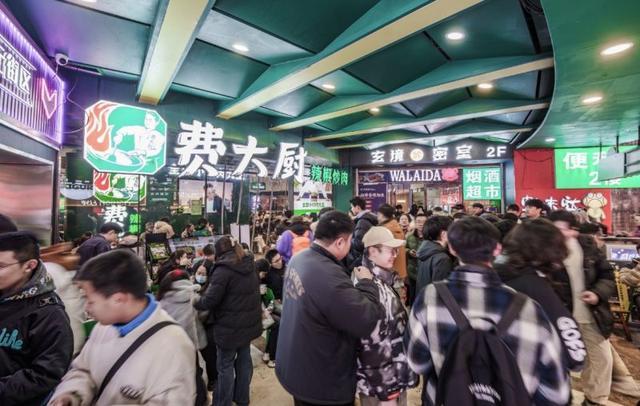
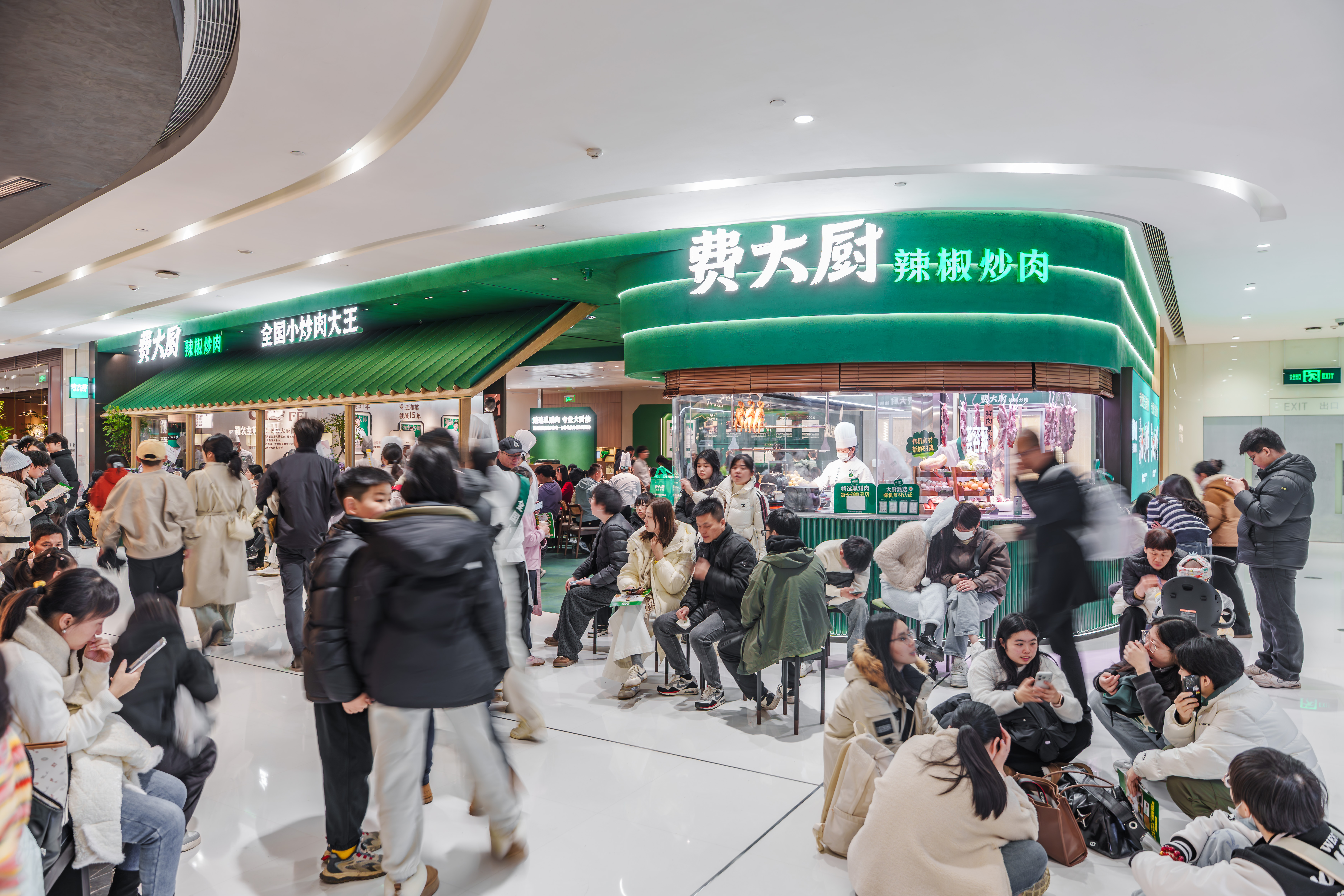
Core Insights - The dining market in Beijing experienced a significant surge in customer traffic during the New Year holiday, with many restaurants reporting over 10% year-on-year revenue growth on New Year's Day [1][2] - Traditional restaurants and new dining brands alike saw record-breaking customer numbers, indicating a strong demand for quality dining experiences during festive periods [1][2] Group 1: Revenue and Customer Traffic - Several dining establishments, including the famous Ma Kai restaurant, reported over 10% revenue growth on New Year's Day, with full bookings for lunch and dinner [1] - The total revenue for the group under Xibei exceeded 30 million yuan during the holiday, with a customer flow of approximately 500,000 [2] - The restaurant Fei Dashi's 30 locations in Beijing had around 400 tables waiting at peak times, with one location breaking records with nearly 1,500 tables waiting on New Year's Eve [1][2] Group 2: Consumer Behavior and Market Trends - The holiday dining surge reflects a strong release of consumer demand for experiential and communal dining, enhancing brand exposure and operational efficiency for restaurants [2] - The upcoming Spring Festival is expected to bring another wave of customer traffic, with many traditional restaurants already fully booked for New Year's Eve [3] - Restaurants are advised to plan systematically for the Spring Festival to ensure service quality and operational stability, including managing reservations and supply chains effectively [3]
元旦营收超去年同期,多家餐企开启“备战年夜饭”模式
Bei Ke Cai Jing· 2026-01-04 12:12
Core Insights - The restaurant industry in Beijing experienced significant revenue growth during the New Year holiday, with many establishments reporting long queues and high customer turnout [1][2][3] Group 1: Performance of Traditional Brands - Traditional brands like Huaitian Group's restaurants, including Tongheju and Tongchun Garden, saw strong demand, with revenue surpassing the previous year's figures during the holiday [2] - The restaurant near Shichahai, Gu Lou Ma Kai, reported over 10% revenue growth on New Year's Day, with all dining rooms fully booked [2] - Classic dishes such as Mao's Braised Pork and Dong'an Chicken were highly popular, leading to long queues at takeaway windows [2] Group 2: Popular Dining Spots - Popular dining areas like Guijie saw a 49% increase in customer traffic for Hu Da restaurant during the holiday, with an average wait time of about 4 hours [3] - The restaurant recorded over 4,800 tables of reservations on New Year's Day, indicating high demand [3] - Spicy cuisine, particularly from brands like Fei Dashi, also thrived, with peak wait times reaching 1,500 tables on New Year's Eve [3] Group 3: Nighttime Consumption Trends - Nighttime dining saw a notable increase, with Haidilao serving over 4.5 million customers nationwide during the holiday [6][10] - The late-night dining trend was particularly strong, with many restaurants experiencing peak hours extending into the early morning [6] - Other hotpot brands like Zizhu and Xiaobai also reported significant revenue growth, with Zizhu's total revenue exceeding 20 million yuan during the holiday [10] Group 4: Preparations for Upcoming Festivals - Many restaurants are now focusing on the upcoming Spring Festival, with traditional brands fully booked for New Year's Eve dinners [11] - Several brands have launched "home delivery" New Year's Eve meal boxes, with significant pre-orders already recorded [11] - The variety of meal boxes offered has expanded, catering to different family sizes and preferences, indicating a shift towards convenience in festive dining [11]
营收同比增长超10% 年夜饭已“一厢难求” 元旦假期助燃餐饮市场
Bei Jing Shang Bao· 2026-01-04 10:23
Core Insights - The dining market in Beijing experienced a significant surge during the New Year's holiday, with many restaurants reporting over 10% year-on-year revenue growth on New Year's Day [1][3][4] - Popular dining spots, including traditional brands and newer establishments, saw exceptionally high customer traffic, with some restaurants reporting wait times exceeding two hours and peak waitlists reaching up to 1,500 tables [3][4][5] Industry Performance - The Hutong area, particularly Shichahai, attracted a large number of tourists, leading to increased patronage at nearby traditional restaurants, with notable revenue increases reported by brands like Gu Lou Ma Kai [3] - The total revenue for the restaurant chain "Zhuo Zhuo" exceeded 20 million yuan during the holiday, with a customer flow of 140,000 and an average table turnover rate of 4.6 times [4] - The "Xibei" brand reported approximately 500,000 customer visits during the holiday, with specific locations achieving high occupancy rates and significant takeaway orders [5] Consumer Trends - The holiday dining boom reflects a strong release of collective consumption and experiential demand, indicating a shift in consumer preferences towards quality dining and festive experiences [9] - The upcoming Spring Festival is expected to bring another wave of customer traffic, with many traditional restaurants already fully booked for New Year's Eve dinners [9][10] - To meet the rising demand, restaurants are launching "home version" New Year's Eve meal boxes, showcasing a blend of traditional dishes and modern convenience [9] Operational Considerations - Restaurants are advised to plan systematically for the upcoming Spring Festival to ensure service quality and operational stability, including managing reservations and supply chain logistics [10] - It is crucial for dining establishments to secure quality ingredient sources and prepare contingency plans to address potential winter logistics and price fluctuations [10]
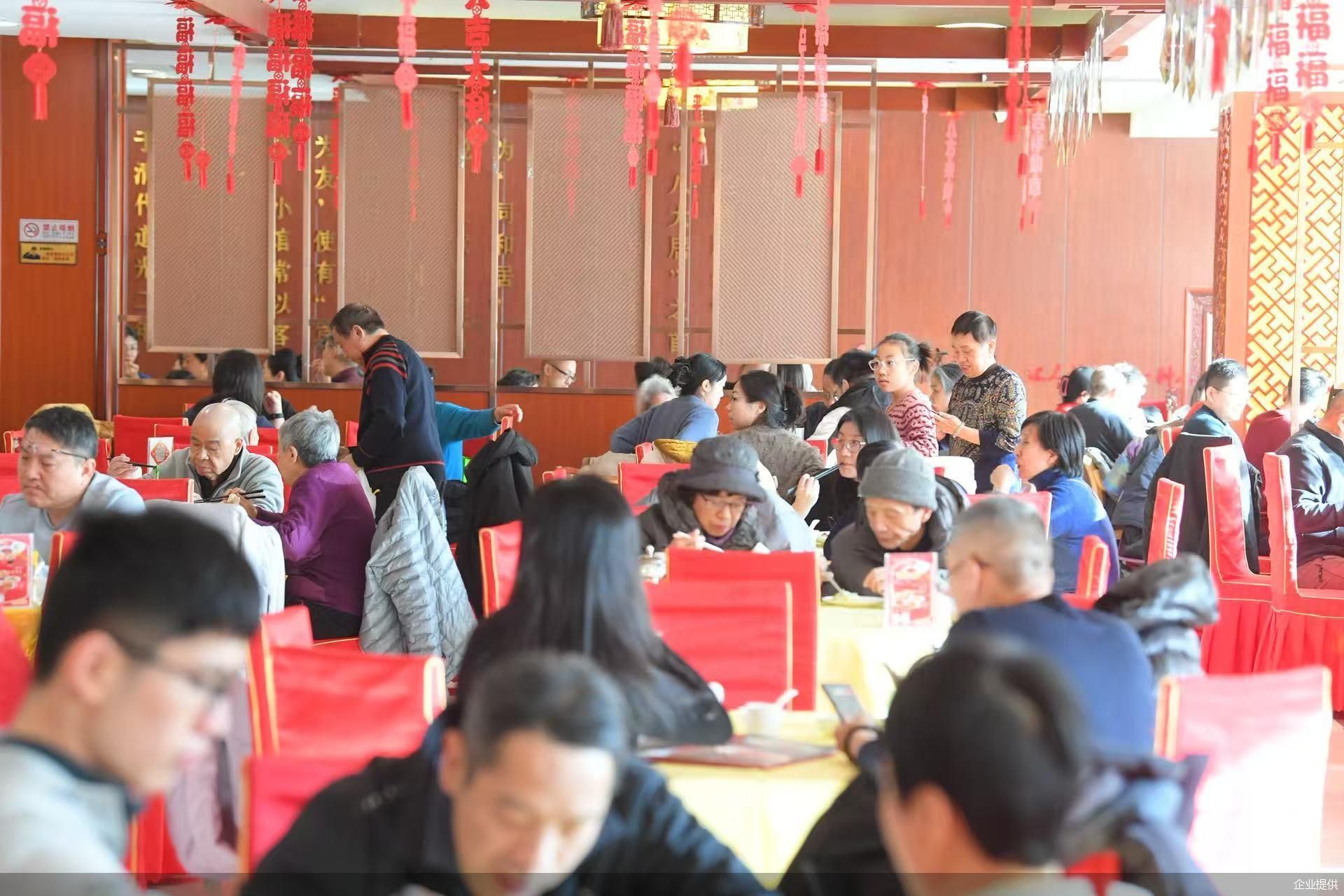
「新消费观察」餐饮元旦强势开局:假期“一桌难求”,等位长龙拉动行业“开门红”
Hua Xia Shi Bao· 2026-01-04 09:27
Core Insights - The restaurant industry experienced a significant surge in consumer traffic during the New Year's holiday, marking a hopeful recovery after a challenging year [2][6][8] - Major brands like Hai Di Lao, Xi Bei, and Fei Da Chu reported high demand, with some locations experiencing wait times of up to 1500 tables [2][5][6] Group 1: Market Performance - The New Year's holiday saw a 142% year-on-year increase in traffic for the "must-eat" list on Meituan [3] - Xi Bei reported approximately 500,000 customer visits across its national stores during the holiday period, with an average wait time of 40-50 minutes on January 1 [3][4] - Hai Di Lao's reservation data indicated over 400,000 tables booked for the New Year's period, reflecting strong consumer interest [3][5] Group 2: Brand Strategies - Hai Di Lao launched interactive activities to enhance customer engagement, including themed events and prize giveaways [7] - Xi Bei and other brands implemented pre-holiday promotional strategies to attract customers, such as themed collaborations and lottery events [7][8] - Fei Da Chu opened a new location in Changsha and extended operating hours to accommodate increased demand, with wait times reaching over 200 tables during peak hours [8] Group 3: Industry Outlook - The resurgence in consumer activity during the New Year's holiday is expected to set a positive tone for the restaurant industry in 2026, with overall consumption growth projected to exceed double digits [8] - Analysts suggest that restaurants should adapt to changing consumer preferences by enhancing experiential dining and integrating with tourism [8]