
TENCENT(00700)

Search documents
北水成交净买入9.52亿 科网及芯片股明显分化 内资抛售盈富基金超37亿港元
Zhi Tong Cai Jing· 2026-02-03 11:15
Core Viewpoint - The Hong Kong stock market experienced significant net buying and selling activities, with notable movements in major stocks such as Tencent, Alibaba, and China Mobile, reflecting investor sentiment and market dynamics [1][5][6]. Group 1: Net Buying and Selling Activities - Northbound trading recorded a net buying of HKD 9.52 billion, with the Shanghai Stock Connect contributing HKD 17.33 billion in net buying, while the Shenzhen Stock Connect saw a net selling of HKD 7.81 billion [1]. - Tencent (00700) led the net buying with HKD 22.02 billion, followed by Southbound Hang Seng Technology (03033) with HKD 6.69 billion, and China Mobile (00941) with HKD 4.07 billion [1][5]. - The most significant net selling was observed in the Yingfu Fund (02800) with HKD 25.58 billion, followed by Semiconductor Manufacturing International Corporation (00981) with HKD 8.06 billion, and Alibaba-W (09988) with HKD 5.87 billion [1][5]. Group 2: Stock Performance and Market Sentiment - The technology sector showed a clear divergence, with Tencent and Meituan-W (03690) experiencing net buying, while Alibaba-W faced substantial net selling due to market rumors regarding potential tax rate adjustments [5][6]. - China Mobile's net buying was supported by Morgan Stanley's analysis, suggesting that the company would be less impacted by potential VAT rate increases due to its higher profit margins [5]. - Xiaomi Group-W (01810) reported a net buying of HKD 3.29 billion, attributed to strong electric vehicle deliveries and ongoing investments in AI and robotics [6]. Group 3: Industry Trends and Future Outlook - The semiconductor industry is experiencing price increases, with domestic chip manufacturers announcing price hikes of up to 80%, indicating a continuing trend into the first half of 2026 [6]. - The overall market sentiment is influenced by external factors, including global risk asset movements, which have led to liquidity pressures and a decline in Asian stock markets [7].






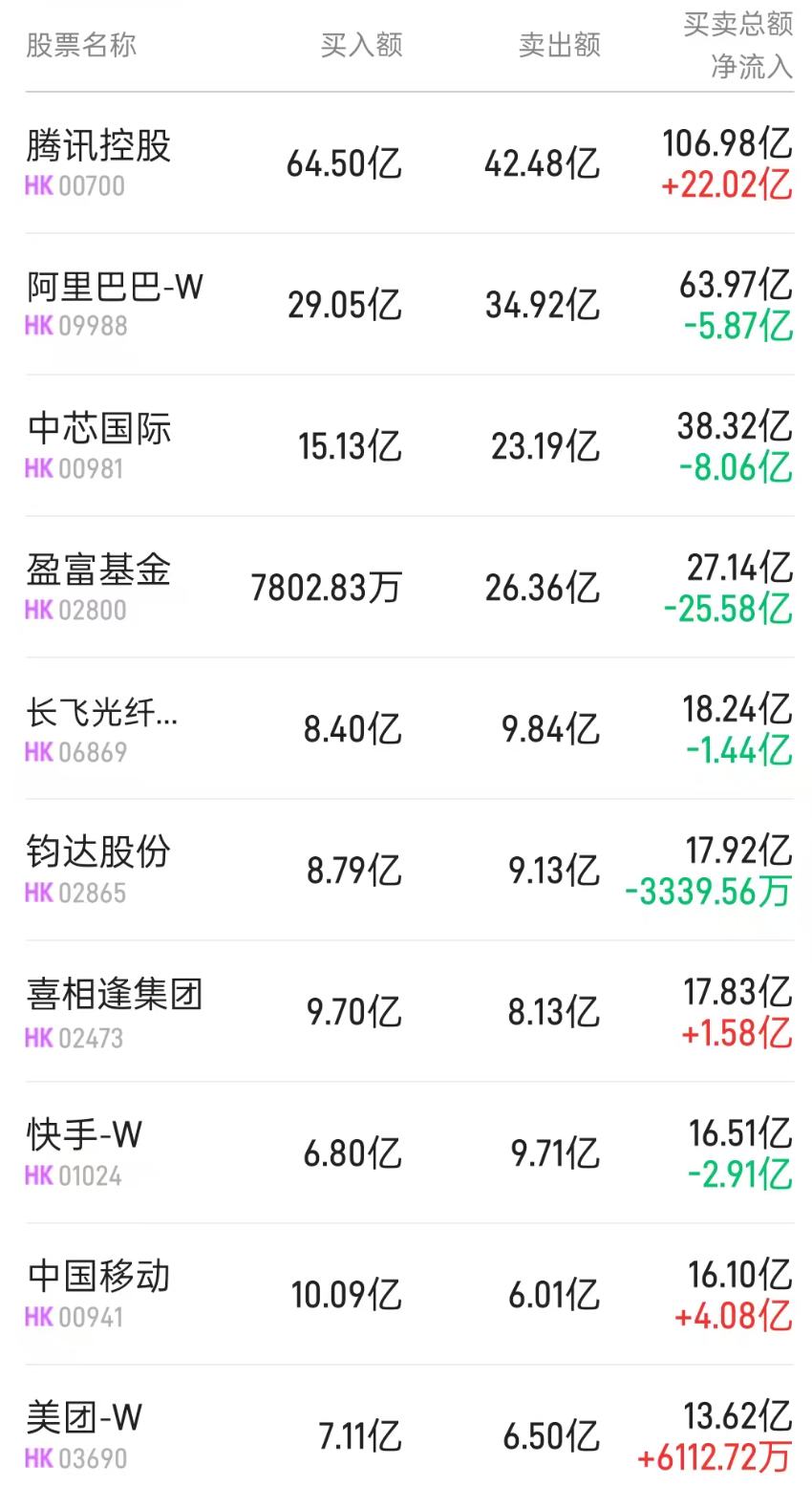
智通港股通活跃成交|2月3日
智通财经网· 2026-02-03 11:05
智通财经APP获悉,2026年2月3日当天,腾讯控股(00700)、阿里巴巴-W(09988)、中芯国际(00981)位居 沪港通(南向)成交额前3位,成交额分别为106.98 亿元、63.97 亿元、38.32 亿元;腾讯控股(00700)、 阿里巴巴-W(09988)、中芯国际(00981) 位居深港通(南向)成交额前3位,成交额分别为86.50 亿元、 43.97 亿元、22.08 亿元。 | 公司名称 | 成交金额 | 净买入额 | | --- | --- | --- | | 腾讯控股(00700) | 106.98 亿元 | +22.02 亿元 | | 阿里巴巴-W(09988) | 63.97 亿元 | -5.87 亿元 | | 中芯国际(00981) | 38.32 亿元 | -8.06 亿元 | | 盈富基金(02800) | 27.14 亿元 | -25.58 亿元 | | 长飞光纤光缆(06869) | 18.24 亿元 | -1.44 亿元 | | 钧达股份(02865) | 17.92 亿元 | -3339.56 万元 | | 喜相逢集团(02473) | 17.83 亿元 | +1. ...
春节AI红包大战,谁会是赢家?|财经早察
2 1 Shi Ji Jing Ji Bao Dao· 2026-02-03 10:51
Core Viewpoint - Major internet companies are engaging in a "money-splashing" strategy during the Chinese New Year, with Tencent, Baidu, and Alibaba announcing significant cash giveaways to secure their positions in the emerging AI landscape [2][3]. Group 1: Company Strategies - Tencent is leveraging social engagement by combining its red envelope initiative with a new "Yuanbao" social feature, encouraging group interactions and AI creativity [4]. - Baidu is focusing on maintaining search habits by integrating its red envelope activities within the Baidu App, aiming to transition users towards conversational AI [4]. - Alibaba is not offering red envelopes but has launched a 3 billion yuan "Spring Festival Treat" initiative, promoting its ecosystem services through various platforms like Taobao and Fliggy [4]. Group 2: Market Impact - The immediate effect of these cash giveaways is evident, with Tencent's Yuanbao quickly rising to the top of the Apple App Store's free chart, achieving nearly one million downloads [5]. - However, there are concerns about the sustainability of user engagement post-campaign, as the effectiveness of these strategies in fostering long-term AI usage habits remains uncertain [5][6]. Group 3: Future Implications - The competition for AI application dominance is seen as entering a critical phase, with the 2026 Spring Festival marking a significant moment in this ongoing battle [6]. - The challenge lies in retaining users beyond the initial attraction of cash incentives, emphasizing the need for robust AI functionalities and integration into daily life [6].

游戏等行业增值税税率要提高?游戏股“深V”震荡,专家:没有可信度
Hua Xia Shi Bao· 2026-02-03 10:40
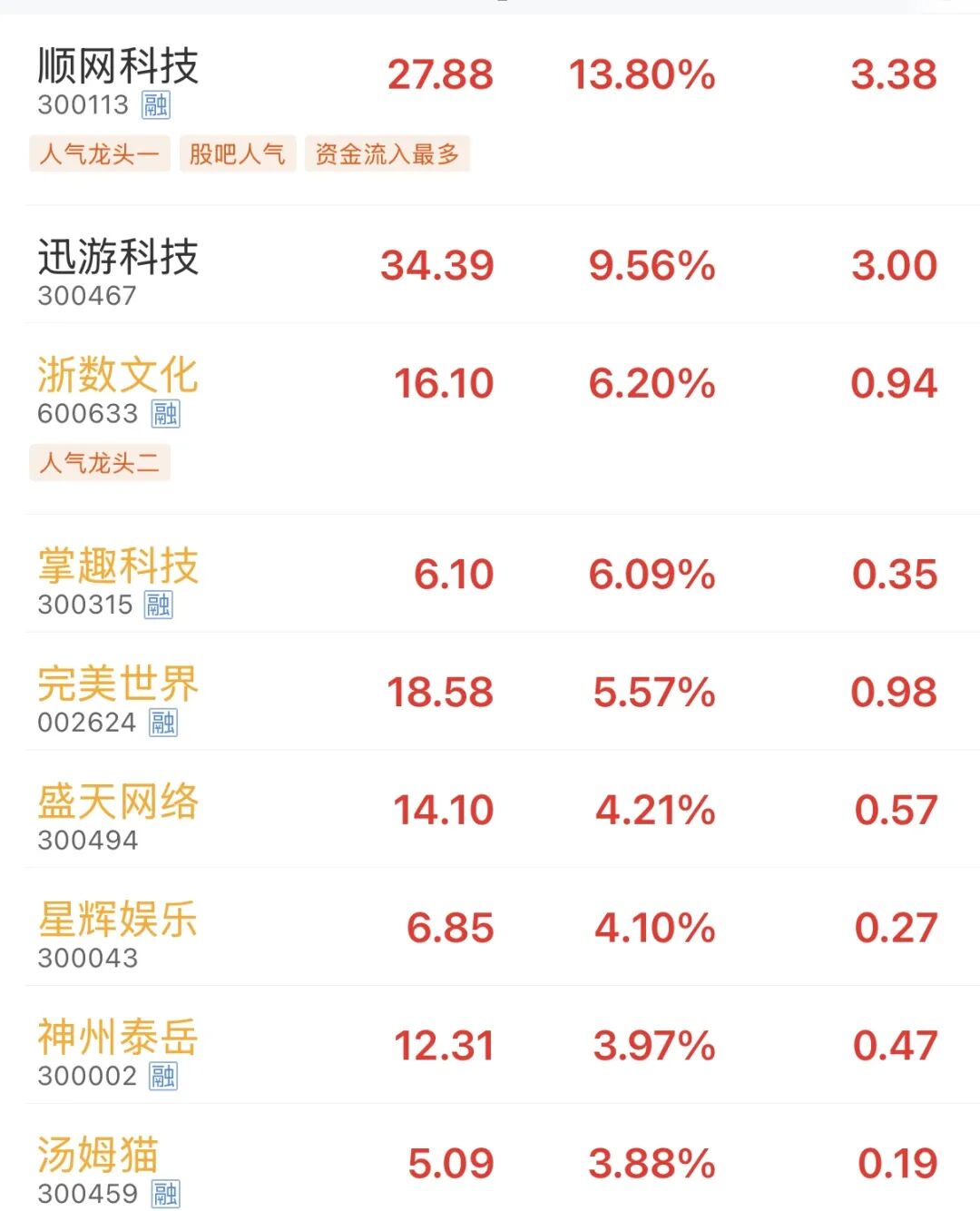
Core Viewpoint - Recent rumors regarding potential increases in value-added tax (VAT) rates for the gaming and financial industries have caused significant fluctuations in gaming stocks, but these rumors have been debunked by industry experts and authorities [3][4]. Group 1: Stock Market Reactions - On February 3, gaming stocks experienced a sharp decline, with Tencent (00700.HK) dropping over 6% and NetEase (09999.HK) falling more than 3% during intraday trading [1]. - A recovery was observed by the end of the trading day, with A-share gaming stocks rebounding, including Century Huatong and Gigabit Technology, both rising over 2% [1]. - The gaming index (BK1406) increased by more than 3.4%, with several component stocks, such as Shunwang Technology, surging by 13.8% [1]. Group 2: Tax Rumors and Clarifications - Recent rumors suggested that the VAT rate for the gaming industry could rise from 6% to 32%, which sparked concern among investors [3]. - Experts confirmed that these rumors lack credibility, stating that the maximum VAT rate in China is capped at 13%, and no adjustments to the tax policies for the gaming and financial sectors have been made [4]. - The implementation of the new VAT law and related announcements by the tax authorities have clarified that the tax rates for these industries are stable and well-defined [4].



腾讯取得语料标签确定方法专利
Jin Rong Jie· 2026-02-03 10:37
Group 1 - The core point of the article is that Tencent Technology (Shenzhen) Co., Ltd. has obtained a patent for a method and device related to "corpus label determination," with the patent announcement number CN115203405B and an application date of June 2022 [1] - Tencent Technology (Shenzhen) Co., Ltd. was established in 2000 and is primarily engaged in software and information technology services, with a registered capital of 2 million USD [1] - The company has made investments in 15 enterprises, participated in 280 bidding projects, and has 5,000 trademark and patent information entries, along with 574 administrative licenses [1]
刚刚,腾讯姚顺雨署名首篇论文发布,「下半场」先搞上下文学习
机器之心· 2026-02-03 10:35
Core Insights - The core argument of the article emphasizes that the key bottleneck for models to achieve high-value applications lies in their ability to effectively utilize context [1][5][7]. Group 1: Context Learning Challenges - Recent research indicates that even when context is provided, models may still struggle to solve tasks, highlighting a significant shortfall in their learning capabilities [5][32]. - The article discusses the difference in learning abilities among models, comparing it to individuals with varying talents who learn from the same material [5]. - Current models primarily rely on "parameterized knowledge," which is static and does not adapt to new information from the context [12][34]. Group 2: CL-bench Benchmark - The CL-bench benchmark was developed to assess how well language models can learn new knowledge from context and apply it correctly [16][26]. - It includes 500 complex contexts, 1,899 tasks, and 31,607 validation standards, all designed to require models to learn from the provided context [16][27]. - The benchmark covers four main real-world context learning scenarios: domain knowledge reasoning, rule system application, procedural task execution, and empirical discovery [28][29]. Group 3: Model Performance Evaluation - Evaluation results show that even the best-performing model, GPT-5.1 (High), only solved 23.7% of tasks, indicating a significant gap in context learning capabilities [31][32]. - The majority of errors stem from models ignoring or misusing context, rather than a lack of information [34][35]. - The article notes that models struggle particularly with tasks requiring inductive reasoning from experimental data, often achieving less than 10% success [39]. Group 4: Future Directions - The article suggests that improving context learning could shift the role of humans from data providers to context providers in AI systems [43]. - It raises the challenge of how to make knowledge learned from context persistent, as current models lose this knowledge once the context window is cleared [43][46]. - The potential for models to achieve autonomous learning through effective context learning and memory consolidation is highlighted as an exciting future prospect [47][48].

从生态共建到标杆认可:捷停车荣膺腾讯乐企财税优质合作伙伴
Sou Hu Wang· 2026-02-03 10:33
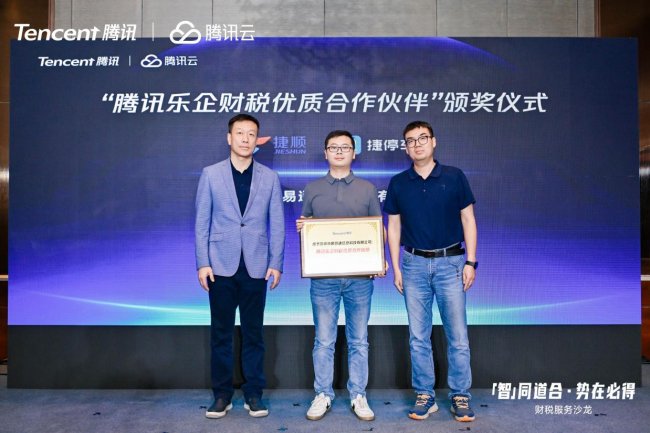
Core Insights - The article highlights the recognition of Shenzhen Shunyi Tong Information Technology Co., Ltd. (referred to as "Jie Parking") as a "Quality Partner" by Tencent for its excellence in digital financial and tax services in the parking sector [1] Group 1: Partnership and Recognition - Jie Parking was awarded the title of "Quality Partner" at the 2026 Tencent Cloud Partner Conference, indicating significant progress in connecting ecosystem partners and empowering the parking industry [5] - The collaboration with Tencent has allowed Jie Parking to integrate advanced technology and ecological resources, enhancing value for both B-end parking lots and C-end car owners [5] Group 2: Technological Advancements - Jie Parking, in partnership with Tencent Cloud and WeChat Pay, is actively promoting the digital transformation of tax services in response to the State Administration of Taxation's announcement [3] - The "payment upon invoicing" feature has been successfully implemented, allowing car owners to receive electronic invoices automatically after payment without additional steps, providing a seamless experience [3] Group 3: Future Outlook - Jie Parking aims to deepen strategic collaboration with top ecosystem partners like Tencent, exploring the value of electronic invoice data in refined operations and business intelligence analysis [5] - The company is committed to expanding its successful solutions to broader regions and scenarios, contributing to the prosperity of the smart travel ecosystem and the mission of making parking more convenient [5]
游戏等行业增值税税率要提高?专家:没有可信度
Sou Hu Cai Jing· 2026-02-03 10:25
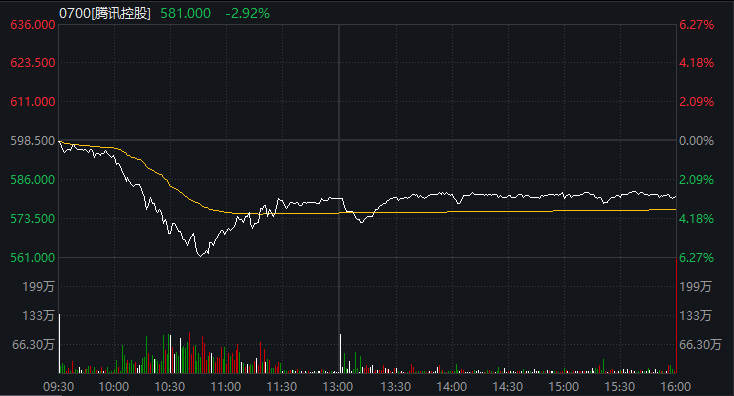
Core Viewpoint - Recent rumors regarding potential adjustments to the value-added tax (VAT) rates for industries such as gaming and finance have caused significant market fluctuations, particularly affecting major companies like Tencent and NetEase. However, these rumors have been debunked by authoritative sources, confirming that no such changes are planned [1][4]. Group 1: Market Impact - The rumors about VAT adjustments led to substantial declines in stock prices for companies in the gaming and finance sectors, with Tencent dropping over 6% and NetEase fluctuating between gains and losses of more than 3% [1]. - Other companies such as Century Huatong and Giant Network also experienced significant stock price drops, with Century Huatong falling over 9% during trading [1]. Group 2: Clarification of Rumors - Experts and industry insiders have confirmed that the rumors regarding VAT increases, including a potential rise in the gaming industry's tax rate from 6% to 32%, are unfounded [4]. - The current VAT law in China stipulates that the maximum VAT rate is 13%, and there are no provisions for a 32% rate, further discrediting the rumors [4]. - Recent announcements from the financial and tax authorities have clarified that there will be no changes to the VAT policies affecting the gaming and finance sectors, ensuring stability and certainty in the tax regime [4].


游戏等行业增值税税率要提高?专家:没有可信度
证券时报· 2026-02-03 10:06
增值税传闻扰动市场。 近期,一些关于调整游戏、金融等行业增值税税率的传言在部分网络平台上传播。其中,提及金 融业、互联网增值服务等或将面临增值税税率上调,游戏行业的税率有可能从6%调高至32%。 自2026年1月1日起,《中华人民共和国增值税法》和《中华人民共和国增值税法实施条例》同步 施行。专家表示,财税部门近期发布了多项关于增值税政策的公告,这些政策主要是为了更好落 实增值税法、确保立法后的税制连贯性,其中对于游戏、金融等行业适用税率等政策都有明确的 规定,增强了政策确定性和稳定性。 "实际上,增值税立法后,增值税相关行业的税率都已明确,财税部门日前发布多项公告,也没有 调整游戏、金融行业增值税政策。上述传言不具备真实性。"一位业内人士表示。 这位业内人士称,网络传言中还提及游戏行业的税率要"从6%的档次调高至32%的档次"。但 实际 上,目前我国增值税法明确规定,增值税税率最高仅为13%,32%这个档次是不存在的,进一步 说明传言不具备可信度。 综合自:新华社 责编:万健祎 校对: 许欣 受传闻影响,腾讯、网易、世纪华通、三七互娱、巨人网络等盘中一度大幅跳水,其中,腾讯一 度跌超6%,网易从涨超3%一度 ...

北水动向|北水成交净买入9.52亿 科网及芯片股明显分化 内资抛售盈富基金超37亿港元
Zhi Tong Cai Jing· 2026-02-03 10:04
Summary of Key Points Core Viewpoint - The Hong Kong stock market experienced significant net buying and selling activity, with notable movements in major stocks driven by market sentiment and external news. Group 1: Net Buying and Selling Activity - Northbound trading recorded a net buying of 9.52 billion HKD, with the Shanghai-Hong Kong Stock Connect contributing 17.33 billion HKD in net buying and the Shenzhen-Hong Kong Stock Connect showing a net selling of 7.81 billion HKD [1] - The most bought stocks included Tencent (00700), Southern Hang Seng Technology (03033), and China Mobile (00941), while the most sold stocks were the Tracker Fund of Hong Kong (02800), SMIC (00981), and Alibaba-W (09988) [1] Group 2: Individual Stock Performance - Tencent Holdings saw a net inflow of 22.02 billion HKD, with total trading volume of 106.98 billion HKD, while Alibaba-W had a net outflow of 5.87 billion HKD from a total of 63.97 billion HKD [2] - China Mobile recorded a net buying of 4.08 billion HKD, with a total trading volume of 16.10 billion HKD, indicating strong investor interest [3] - Xiaomi Group-W received a net inflow of 3.29 billion HKD, supported by strong electric vehicle delivery numbers and positive market sentiment [5] Group 3: Market Sentiment and External Factors - Market rumors regarding potential tax rate adjustments for the financial and internet sectors led to a decline in stock prices for companies like Tencent, although tax experts clarified that current VAT rates remain unchanged [4] - The semiconductor sector showed mixed results, with Hua Hong Semiconductor receiving a net inflow of 2.56 billion HKD, while SMIC faced a net outflow of 15.77 billion HKD amid rising prices in the chip industry [5] - The Tracker Fund of Hong Kong experienced a significant net outflow of 37.62 billion HKD, attributed to global risk-off sentiment and liquidity pressures in the market [6]