
LENOVO GROUP(00992)

Search documents
CES 2026观察:“物理AI时刻”要靠中国制造落地
Jing Ji Guan Cha Wang· 2026-01-10 11:01
Group 1: Physical AI and Computing Power - The core theme of CES 2026 is the emergence of "Physical AI," where AI technology is transitioning from generating text or video to interacting with physical hardware [4][10] - AMD's chairwoman, Lisa Su, highlighted the increasing demand for computing power, predicting a 100-fold increase in global computing capacity over the next five years [3][4] - The presence of over 200 Chinese companies at CES indicates a strong support for the "Physical AI moment," showcasing various AI applications in physical products [4][23] Group 2: Robotics Innovations - The robotics sector at CES has shifted focus from mere physical movement to specific job functions and operational scenarios, with Chinese companies leading this evolution [5][9] - Companies like Pasoni and Fourier Intelligence showcased advanced robots capable of performing intricate tasks, such as ice cream making and automotive part sorting, demonstrating significant advancements in robotic dexterity [5][6] - The global sales of robots are projected to reach approximately $45 billion by 2026, with expectations to exceed $60 billion by 2030, driven by rising labor costs and efficiency in Chinese manufacturing [8][9] Group 3: Smart Glasses and AR Technology - Chinese companies are aggressively entering the AR/AI glasses market, aiming to redefine the concept of a "second screen" beyond smartphones [11][12] - Innovations include the launch of the world's first dual-lens AR glasses with eSIM functionality by Thunderbird Innovation, allowing users to make calls and connect to the internet without a smartphone [12][13] - The global market for smart glasses is expected to see significant growth, with sales projected to reach around $10.7 billion by 2026, reflecting an over 80% year-on-year increase [18][23] Group 4: Display and Chip Technology - Companies like Tianma Microelectronics and TCL Huaxing are pushing the boundaries of display technology, with innovations such as large-scale OLED screens and advanced automotive displays [19][20] - Lenovo and NVIDIA announced a partnership to enhance AI infrastructure, aiming to quadruple their business collaboration over the next few years [22] - The trend in AI chip development is moving towards high computing power, low energy consumption, and integration, with significant growth expected in AI terminal sales by 2028 [22][23]





存储“超级周期”下终端消费电子领域提价:笔本、国产手机等集体调价
Xin Lang Cai Jing· 2026-01-10 08:11
Core Viewpoint - The storage chip price surge continues into 2026, affecting downstream sectors such as consumer electronics, AI hardware, and AIoT terminals, leading to price increases and downward adjustments in shipment volumes [1][3]. Price Increases in Storage Chips - In Q1 2026, general DRAM contract prices are expected to rise by 55% to 60%, while NAND flash prices will increase by 33% to 38%, with consumer-grade QLC products seeing a rise of at least 40% [3]. - Samsung and SK Hynix plan to raise server DRAM prices by 60% to 70% in Q1 2026 compared to Q4 2025 [3]. - The current cycle is driven by demand mismatch, capital expenditure, and technology migration, likely lasting until late 2026 or even 2027 [3]. Impact on Consumer Electronics - Major PC manufacturers like Lenovo, Dell, and HP are planning price increases of up to 20% due to rising storage costs, which have increased by 3 to 4 times [4]. - The average price of laptops over 5000 yuan has increased by 500 to 1500 yuan since the end of 2025 [4]. - TrendForce has revised down global smartphone shipment forecasts for 2026 from a 0.1% increase to a 2% decrease, and laptop shipments are expected to decline by 5.4%, potentially reaching a 10.1% decrease [6]. Smartphone Price Trends - The smartphone industry is experiencing a price increase due to rising storage costs, with IDC predicting the average smartphone price will reach $465 in 2026, generating $578.9 billion in revenue [7]. - Storage costs in smartphones have risen from 10%-15% to over 20%, with mid-range phones seeing storage costs close to 30% [7]. - Recent models from brands like Redmi and iQOO have seen price increases of 100 to 600 yuan [7]. AIoT Chip Manufacturers - AIoT chip manufacturers are experiencing varied impacts from storage price increases, with some transitioning from DDR4 to DDR5 due to price hikes [10]. - Companies like Rockchip report that while storage shortages and price increases affect demand, the growth in AIoT products mitigates these impacts [10]. - Other AIoT firms, such as Espressif, indicate that their use of NOR Flash means that price increases will not significantly affect demand [11]. Opportunities for Storage Industry Chain - Companies in the storage industry chain are benefiting from rising prices, with increased demand for chip testing services leading to higher utilization rates [12]. - The semiconductor testing equipment market is experiencing growth, with companies like Changchuan Technology reporting strong order volumes [12]. - The storage industry is expected to remain in a high-growth phase driven by price increases, technological advancements, and domestic replacements over the next 2-3 years [12].



笔记本电脑、国产手机皆因存储集体涨价!
是说芯语· 2026-01-10 06:21
Core Insights - The pressure of rising storage prices has begun to affect the consumer electronics sector, with major products like smartphones and laptops initiating price adjustments [1] - Leading PC manufacturers such as Lenovo, Dell, and HP have collectively raised prices by approximately 500 to 1500 yuan, while several new domestic smartphone models have increased prices by about 100 to 600 yuan [1] - AIoT chip manufacturers are experiencing varied impacts from the rise in storage prices, while companies in the supply chain, such as chip testing firms, are presented with new opportunities [1] - Analysts from brokerage firms suggest that a comprehensive and broad-based increase in storage prices is likely to materialize by 2026, driven by demand mismatches, capital expenditures, and technological migration, with the cycle potentially lasting until late 2026 or even 2027 [1]

环球直击美国CES展:更少和更强大的中国企业正在重新定义AI竞争的规则
Huan Qiu Wang Zi Xun· 2026-01-10 05:33
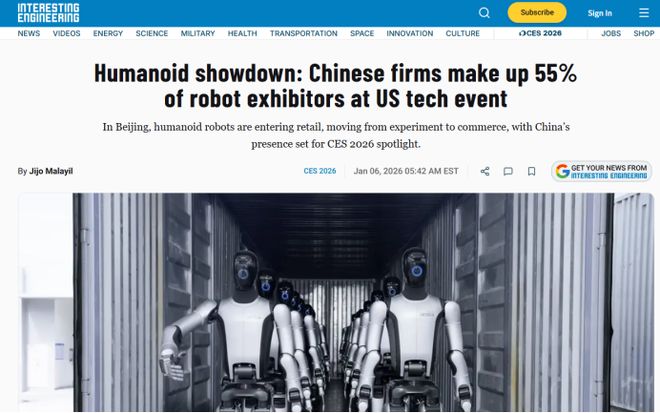
Core Insights - The CES 2026 showcased AI as the central theme, emphasizing human-centric applications and the integration of AI into various sectors [1][3][6] - The competition in the chip industry was highlighted, with major players like NVIDIA, AMD, Intel, and Qualcomm presenting their advancements in AI infrastructure [3][9] - The exhibition marked a shift from hardware-centric displays to a focus on ecosystem definition and strategic collaboration among companies [4][16] AI and Robotics - CES 2026 introduced a dedicated area for AI and quantum innovation, showcasing practical applications of embodied intelligence and advancements in autonomous driving [3][4] - The event demonstrated a transition from conceptual robot designs to practical solutions addressing real-world challenges in home services and industrial logistics [3][11] - Chinese companies showcased significant advancements in robotics, with a focus on self-developed core components and solutions for logistics and manufacturing [11][13] Chinese Companies' Participation - The number of Chinese exhibitors in the core professional pavilion decreased to 207 from 1,475 in 2025, indicating a structural adjustment in participation [4][5] - The remaining Chinese companies at CES were required to demonstrate AI-related functionalities, reflecting a shift towards more innovative and integrated product offerings [5][6] - Major Chinese firms like Lenovo showcased their global influence by hosting large-scale events, indicating a strategic focus on ecosystem development [6][16] Competitive Landscape - The competition is evolving from hardware specifications to a comprehensive narrative that includes both foundational technology and application capabilities [7][16] - The contrasting approaches of Chinese and American tech companies in building AI ecosystems highlight differences in strategic thinking and resource allocation [8][15] - Chinese automotive companies emphasize full-stack self-research and vertical integration, while Western firms focus on open software ecosystems and long-term evolution [15][16] Future Implications - The CES 2026 signals a shift in global tech competition towards defining future technology ecosystems and industry standards [16][17] - Companies that can navigate the complexities of AI and contribute to ecosystem building are likely to remain at the forefront of technological advancement [17]


历史首次!AI世界杯要来了
第一财经· 2026-01-10 02:53
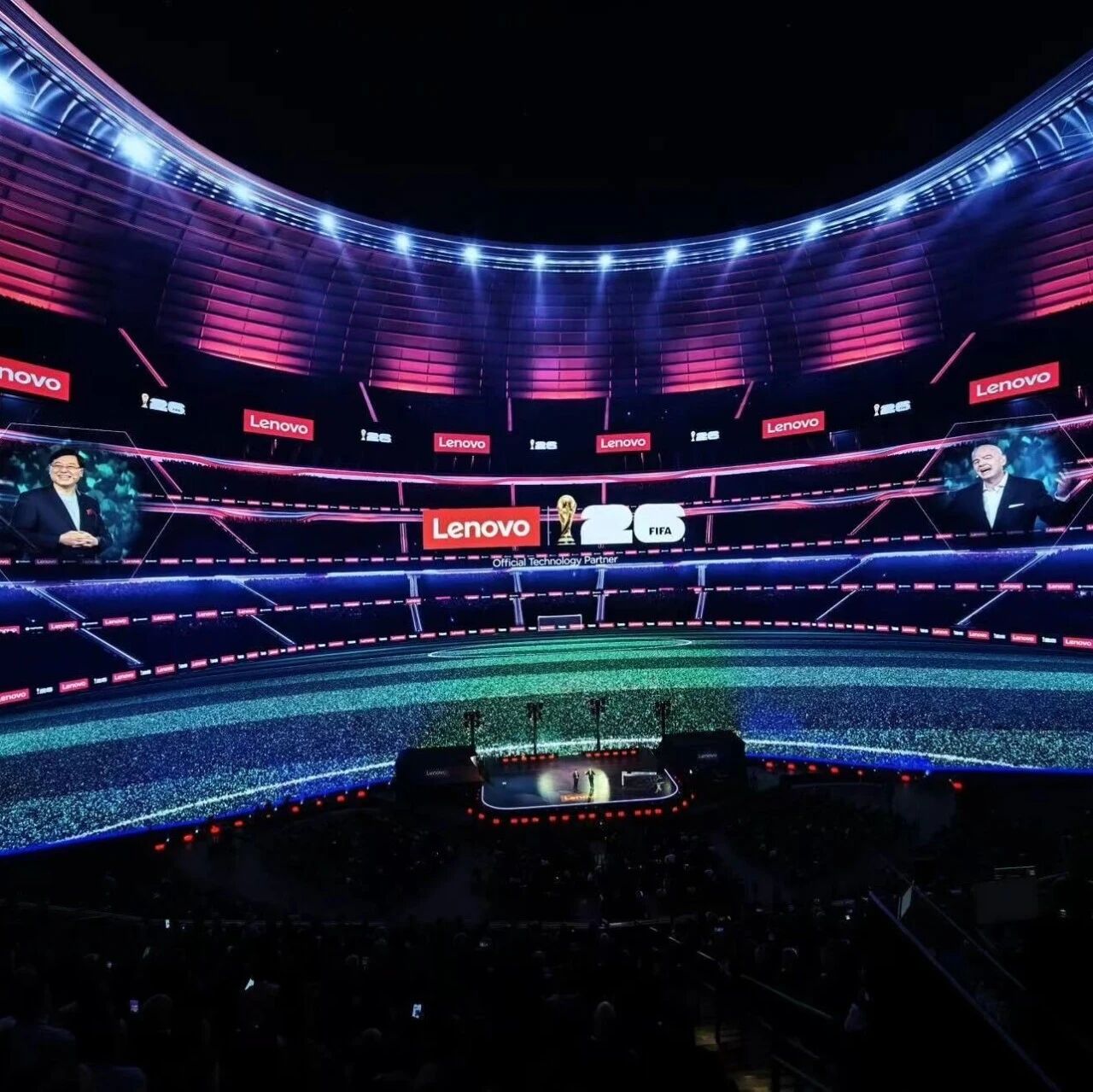
Core Viewpoint - The article discusses the integration of AI technology into the FIFA World Cup, emphasizing the need to engage younger audiences and enhance the overall experience of the event [3][4]. Group 1: AI Integration in FIFA World Cup - FIFA is cautiously embracing AI technology, marking a significant shift as AI enters the operational layer of the World Cup for the first time [7][8]. - The 2026 World Cup will feature a collaboration with Lenovo, which has established a large technical team at FIFA to develop AI solutions [3][4]. - The event is expected to attract over 6 billion viewers, with the final match alone drawing 2 billion spectators, making it a critical testing ground for AI applications [8]. Group 2: AI Applications and Innovations - The AI Super Agent will provide customized insights by analyzing historical data and tactical information, benefiting teams, coaches, and players [10]. - AI will enhance the fairness of officiating through the VAR 3D visualization system, which accurately represents player positions during critical decisions [11]. - A smart operational system will manage logistics and communications across 48 teams and 16 venues, improving efficiency and real-time decision-making [11]. Group 3: Limitations and Ethical Considerations - FIFA is cautious about the extent of AI's role, ensuring that it does not replace the human elements of the game, such as the authenticity of player interactions and decisions [15][17]. - Generative AI capabilities were rejected for use in the World Cup to maintain the integrity and realism of the event [17][18]. - The traditional broadcasting system will remain in place, as it has been validated by the global market, indicating a preference for established methods over new technological interventions [18]. Group 4: Broader Implications - The AI World Cup is seen as a potential model for how AI can be responsibly integrated into various sports events, showcasing its ability to take on system-level responsibilities [19]. - Lenovo's involvement in the World Cup aims to enhance its market influence and brand recognition in the global AI industry [19][20].
研判2025!中国家用网络附加存储(NAS)行业发展背景、市场销量、企业格局及未来趋势分析:行业发展潜力巨大,预计到2029年出货量将突破192万台[图]
Chan Ye Xin Xi Wang· 2026-01-10 02:06
Core Insights - The NAS (Network Attached Storage) market is experiencing rapid growth due to increasing consumer data generation and the proliferation of smart devices, with 67.5% of data produced in China in 2024 coming from consumers [1][5] - The home NAS market in China is projected to see significant growth, with shipments expected to exceed 585,000 units in 2024, a 33% year-on-year increase, and sales surpassing 1.2 billion RMB [1][9] - The competitive landscape includes three main categories of players: ToB manufacturers like Synology and QNAP, ToC brands like Ugreen and Jimi, and tech giants like Huawei, Xiaomi, and Lenovo [1][10] Industry Overview - NAS devices are designed for data storage and network connectivity, consisting of physical storage drives, CPUs, operating systems, and network interfaces, enabling multi-device access and data backup [2][4] - The demand for NAS is driven by the digital lifestyle and the need for secure data storage solutions, especially as data security concerns rise [5][6] Market Development - The home NAS market has evolved significantly since 2020, with new entrants focusing on user-friendly, cost-effective solutions, leading to increased adoption among consumers [7][9] - The market penetration of home NAS remains low, indicating substantial growth potential, with forecasts suggesting shipments could reach 1.92 million units by 2029 [1][9] Competitive Landscape - The market is highly concentrated, with seven major companies, including Ugreen, Jimi, Synology, QNAP, Huawei, Lenovo, and Hikvision, holding over 85% of the market share in 2024 [1][10] - Ugreen has rapidly gained recognition as the leading consumer NAS brand in China, particularly after launching its DXP and DH series products [1][10] Future Trends - The consumer NAS market is expected to continue evolving with advancements in technology and user demands, potentially transforming NAS into a central hub for smart home ecosystems [11][12] - Competition is anticipated to intensify as domestic manufacturers enter the market, focusing on innovation in data transmission, energy efficiency, and heat dissipation technologies [11][12]



联想集团:2026世界杯将启用足球超级智能体
Bei Jing Shang Bao· 2026-01-09 13:40
Group 1 - Lenovo Group announced a partnership with FIFA to launch the Football AI Pro, an enterprise-level AI intelligence system [1] - The AI system will provide data analysis and performance insights for coaches, players, and analysts of all participating teams at the 2026 FIFA World Cup [1]
联想集团(00992):Sphere发布会:彰显全球AI产业链重要地位
HTSC· 2026-01-09 13:33
Investment Rating - The report maintains a "Buy" rating for the company with a target price of HKD 14.00, corresponding to a PE ratio of 14.6 times FY2026E [1][4]. Core Insights - The company showcased its significant position in the global AI industry during the Lenovo Tech World event, highlighting collaborations with major chip manufacturers like NVIDIA, AMD, Intel, and Qualcomm [1]. - The launch of the Lenovo Qira personal AI superintelligence marks a strategic shift from application-level to system-level AI, enhancing user engagement and creating a differentiated software ecosystem [3]. - The company is expected to benefit from the global upgrade of the AI hardware and software ecosystem, with projected non-HKFRS net profits of USD 1.664 billion, USD 1.854 billion, and USD 2.083 billion for FY26, FY27, and FY28 respectively, reflecting growth rates of 15.5%, 11.4%, and 12.4% [4]. Summary by Sections AI Infrastructure - The company launched a new AI inference server, ThinkSystem SR675i, in collaboration with AMD, optimized for large-scale data center scenarios [2]. - A partnership with NVIDIA was announced to establish an AI cloud super factory, leveraging NVIDIA's accelerated computing platform [2]. Personal AI Development - The Lenovo Qira personal AI superintelligence integrates seamlessly across Lenovo PCs, tablets, and Motorola devices, enhancing user experience with capabilities like context awareness and task switching [3]. Financial Projections - The company forecasts revenues of USD 75.844 billion, USD 83.447 billion, and USD 91.865 billion for FY26, FY27, and FY28, with respective growth rates of 9.8%, 10.0%, and 10.1% [9]. - Non-HKFRS EPS is projected to be USD 0.12, USD 0.14, and USD 0.15 for FY26, FY27, and FY28 [4].
杨元庆的最后一张王牌:AI 能否撑起联想集团的未来?
Xin Lang Cai Jing· 2026-01-09 13:27
Core Viewpoint - Lenovo is experiencing a paradox of strong financial performance while struggling with its AI transformation, raising questions about its future viability in the market [1][15]. Financial Performance - Lenovo reported a revenue of 142.8 billion yuan for Q3 2025, a 15% year-on-year increase, marking a historical high for the quarter [1]. - Adjusted net profit reached 3.66 billion yuan, a 25% year-on-year surge, indicating that profit growth outpaced revenue growth [1]. - AI-related business revenue now accounts for 30% of total revenue, highlighting the increasing importance of AI in Lenovo's overall business strategy [1]. AI Business Insights - The core driver of growth in Lenovo's Intelligent Devices Group (IDG) is attributed to the structural demand upgrade driven by AI PCs, with AI terminal device revenue rising to 36%, a 17% year-on-year increase [2]. - Lenovo holds a 31.1% share of the global Windows AI PC market, maintaining its position as the market leader [2]. Challenges in AI Strategy - The claim that AI-related revenue constitutes 30% of total revenue may be misleading, as it appears to involve rebranding traditional business rather than reflecting genuine AI innovation [3]. - AI PCs, while marketed as "personal intelligent twins," lack disruptive innovation and are priced 30%-50% higher than standard PCs, limiting their appeal to average consumers [3]. - Lenovo's AI server business, despite showing growth, relies heavily on external orders and lacks foundational technology, positioning it as a follower rather than a leader in the market [3][9]. Market Dynamics - The cessation of support for Windows 10 has triggered a significant upgrade cycle, prompting users to replace their devices for continued system support [4]. - The pandemic-induced purchase of devices is also leading to a wave of replacements as these devices reach their update cycles [4]. Historical Context and Strategic Vision - Lenovo's focus on AI is partly a response to missed opportunities in the mobile era, with past acquisitions like IBM's PC business initially boosting performance but later leading to losses due to strategic missteps [6]. - The company has recognized the need for a robust AI strategy, with CEO Yang Yuanqing advocating for an "ALL in AI" approach since 2017, aiming to position Lenovo as a pioneer in smart technology [7]. R&D and Innovation - Lenovo's R&D spending is significantly lower than industry peers, with only 2.78% of revenue allocated to R&D in Q1 of the 2025/26 fiscal year, a decline from previous years [12]. - Compared to leading tech companies, Lenovo's R&D investment is substantially lower, indicating a conservative approach to innovation that may hinder its competitive edge in the AI landscape [12][13]. Strategic Partnerships - The partnership with NVIDIA represents a critical strategic move for Lenovo, aiming to enhance its capabilities in AI infrastructure and transition towards becoming a solutions provider rather than merely a hardware assembler [14][15]. - The success of this partnership will depend on Lenovo's ability to build a core competitive advantage and not revert to being a mere hardware manufacturer [14]. Conclusion - Lenovo's journey in the AI era reflects the broader anxiety of traditional hardware giants facing a transformative market landscape, with the need for a fundamental shift in strategy and execution to avoid being marginalized [15][16].
2026不是PC最难的一年,巨头恒强,白牌退场
3 6 Ke· 2026-01-09 13:08
Core Insights - The AI boom is significantly impacting the global PC market, leading to a challenging year for the industry, with predictions of reduced shipments and increased prices [1][2][3] - The shift in demand from personal computers to AI data centers has permanently altered the resource allocation and growth drivers within the industry [2][3][4] Market Dynamics - High bandwidth memory (HBM) demand from data centers is causing a severe reduction in supply and price increases for consumer-grade DRAM and NAND, leading to overall cost hikes for core components like GPUs and CPUs [1][3][4] - IDC forecasts a 6% to 8% increase in average PC prices by 2026, with some systems seeing price hikes of 15% to 20%, while global PC shipments may decline by 5% under neutral conditions [1][3] Supply Chain Challenges - The transition of memory production towards higher-margin HBM has resulted in a deliberate shortage of standard memory for consumer PCs, pushing prices up and altering the cost structure of the entire industry [6][8] - The industry is experiencing a permanent increase in cost structures due to the high-end technologies developed for AI servers, which will affect the pricing of standard PC components [6][8] Strategic Responses - Semiconductor giants are cautiously adjusting their production capacities to meet AI demands but are hesitant to invest heavily in new factories due to concerns over a potential "AI bubble" [8][19] - The current supply chain crisis is expected to lead to a prolonged period of supply shortages for consumer electronics, as the demand for high-performance components outstrips supply [8][19] Regional Insights - The Chinese PC market exhibits unique resilience, driven by government policies and a strong demand for digital transformation, which may not align with global trends of reduced shipments and increased prices [12][13] - The demand structure in China is diverse, with a significant user base that is pragmatic about performance and price, allowing for adjustments in purchasing behavior based on market conditions [14][15] Future Outlook - The ongoing transition in the PC industry is seen as a necessary adjustment rather than a decline, with the potential for a new equilibrium as AI infrastructure stabilizes and new chip capacities come online [10][26][30] - The market is expected to experience a shift towards higher-value products and a focus on local intelligence capabilities, which will redefine the competitive landscape [30][32][34]

