KUAISHOU(01024)

Search documents
携程、去哪儿网、高德、京东、淘宝闪购、美团、飞猪旅行、同程旅行、途家民宿、小猪民宿、抖音、快手被约谈
新华网财经· 2026-03-23 10:20
Core Viewpoint - The article discusses the regulatory actions taken by Beijing's market supervision authorities against various online platforms for engaging in "involutionary" competition practices that harm merchants and consumers [1]. Group 1: Issues Identified - The main issues reported focus on four areas: infringement of merchants' autonomy, unreasonable rules, false advertising, and shortcomings in compliance management [3][7][9][13]. Group 2: Infringement of Merchant Autonomy - Some platforms have modified merchant settings without consent, forcing them into promotional activities and dictating pricing, which leads to financial losses for merchants and potential quality risks in goods and services [3]. - Example 1: Taobao Flash Sale unilaterally listed merchants' products in promotional events and altered prices without consent, resulting in significant revenue losses for merchants [4]. - Example 2: Ctrip used technical means to enforce minimum pricing on hotels, pressuring them to comply or face consequences such as reduced visibility on the platform [5][6]. Group 3: Unreasonable Rules - Certain platforms have established unfair rules that increase the operational burden on merchants through penalties and restrictions [7]. - Example 3: Ctrip's "cutting customer" rule penalizes hotels for directing customers away from the platform, even in legitimate scenarios, leading to unfair commission demands [8]. Group 4: False Advertising - Platforms have engaged in misleading advertising practices that violate consumer rights [9]. - Example 4: Third-party train ticket platforms misrepresented paid services as exclusive benefits, misleading consumers about their effectiveness [10]. - Example 5: Ctrip's misleading "thumbs up" symbol associated with certain hotels did not reflect actual service quality, prompting regulatory intervention [11]. - Example 6: Gaode failed to update promotional indicators post-campaign, misleading consumers about ongoing discounts [12]. Group 5: Compliance Management Shortcomings - Several platforms lack effective compliance management systems, leading to inadequate risk assessment and oversight [13]. - Example 7: Qu Nar's compliance mechanisms were found to be ineffective, lacking a structured approach to managing compliance risks [14]. - Example 8: JD's compliance management was criticized for not being updated dynamically, with unclear responsibilities [15]. Group 6: Regulatory Actions and Future Steps - Regulatory authorities have issued administrative warnings and mandated platforms to rectify identified issues, emphasizing the protection of merchants' and consumers' rights [15]. - The authorities plan to continue monitoring and addressing "involutionary" competition practices, ensuring platforms engage in fair competition and adhere to regulations [15].





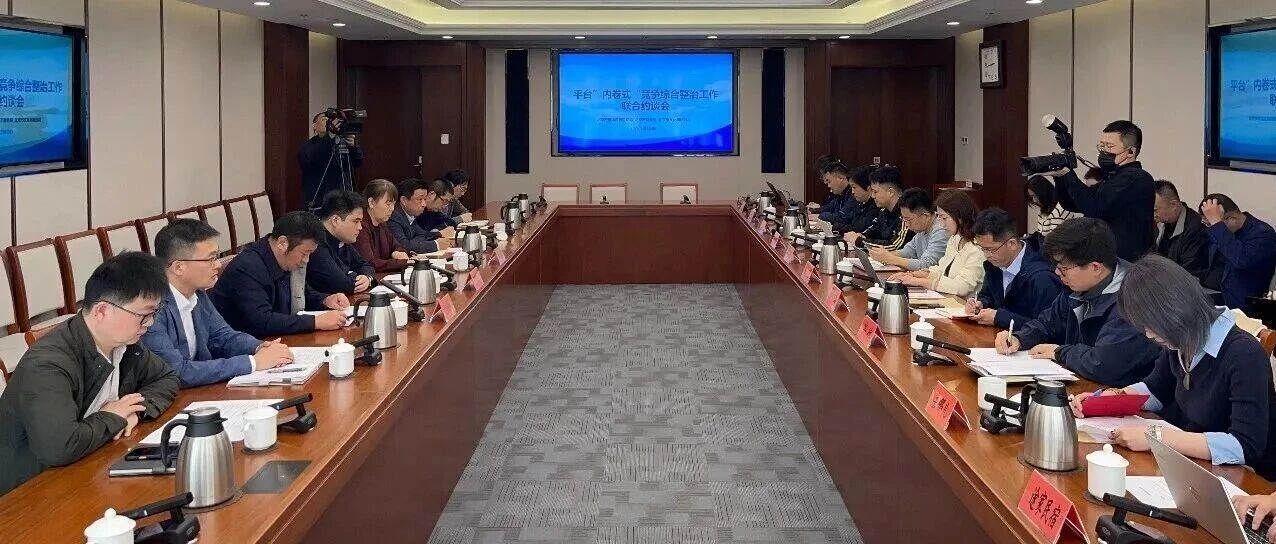
北京三部门约谈12家平台企业
券商中国· 2026-03-23 09:16
Core Viewpoint - The article discusses the regulatory actions taken by Beijing's market supervision authorities against various online platforms for engaging in "involutionary" competition practices that harm merchants and consumers, highlighting the need for compliance and fair competition in the market [1][14]. Group 1: Issues Identified - The main issues reported focus on four areas: infringement of merchants' autonomy, unreasonable rules set by platforms, false advertising practices, and shortcomings in compliance management systems [3][6][8][11]. Group 2: Infringement of Merchant Autonomy - Platforms have been found to modify merchant settings without consent, forcing them into promotional activities and dictating pricing, which leads to significant financial losses for merchants [3][4]. - A specific case involves Taobao Flash Sale, where merchants reported unauthorized price changes and promotional listings that resulted in them receiving only a fraction of their original prices, making it impossible to cover costs [4]. Group 3: Unreasonable Rules - Platforms like Ctrip have been criticized for imposing unreasonable rules that increase the operational burden on merchants, such as penalizing hotels for directing customers away from their platform [6][7]. - Ctrip's "cutting customer" rule was deemed unfair, as it penalized hotels for legitimate customer interactions outside the platform, prompting regulatory guidance for rule optimization [7]. Group 4: False Advertising - Instances of misleading advertising were noted, such as third-party train ticket platforms promoting paid services with exaggerated claims of success rates, misleading consumers about the benefits of their offerings [8][9]. - Ctrip's use of misleading "thumbs up" symbols to indicate hotel quality was also flagged, leading to regulatory intervention to eliminate such practices [10]. Group 5: Compliance Management Shortcomings - Several platforms, including Qunar and JD.com, were found to have ineffective compliance management systems, lacking clear responsibilities and failing to implement necessary compliance mechanisms [11][12]. - Regulatory authorities emphasized the need for these platforms to enhance their compliance frameworks to prevent future violations [12]. Group 6: Regulatory Actions and Future Steps - The market supervision authorities issued administrative warnings and mandated platforms to rectify identified issues, emphasizing the protection of merchants' and consumers' rights [14]. - Future actions will include ongoing monitoring of compliance, public reporting of violations, and the establishment of a collaborative mechanism for rule-making to ensure fair competition in the platform economy [14].

携程、去哪儿网、高德、京东、淘宝闪购、美团、飞猪旅行、同程旅行、途家民宿、小猪民宿、抖音、快手被约谈
21世纪经济报道· 2026-03-23 08:32
Core Viewpoint - The article discusses the regulatory actions taken by Beijing's market supervision authorities against various online platforms for engaging in "involutionary" competition practices that harm merchants and consumers [1][16]. Group 1: Issues Identified - The main issues reported focus on four areas: infringement of merchants' autonomy, unreasonable rules imposed by platforms, false advertising practices, and shortcomings in compliance management systems [3][6][11]. Group 2: Infringement of Merchant Autonomy - Platforms have been found to modify merchant settings without consent, forcing them into promotional activities and dictating pricing, which leads to significant financial losses for merchants [3][4]. - For instance, Taobao Flash Sale unilaterally listed products for promotional events, resulting in merchants receiving drastically reduced prices that do not cover their costs [4]. Group 3: Unreasonable Rules - Platforms like Ctrip have been reported to use technical means to enforce minimum pricing, pressuring hotels to comply or face penalties such as reduced visibility on the platform [5][7]. - Ctrip's "cutting customer" rules have been criticized for unfairly penalizing hotels for customer transactions that occur outside the platform, leading to additional financial burdens [7]. Group 4: False Advertising Practices - Third-party ticket sales platforms have been found to engage in misleading advertising, promoting services that falsely claim to enhance ticket purchasing success [8]. - Ctrip's misleading "thumbs up" symbols associated with certain hotels have been flagged for potentially deceiving consumers regarding service quality [9]. Group 5: Compliance Management Shortcomings - Several platforms, including Qunar and JD.com, have been noted for lacking effective compliance management systems, which has resulted in inadequate risk assessment and oversight of promotional activities [12][13][14]. - Regulatory authorities have emphasized the need for platforms to establish robust compliance mechanisms to prevent future violations [16]. Group 6: Regulatory Actions and Future Steps - The market supervision department has issued administrative warnings and mandated platforms to rectify identified issues within a specified timeframe [16]. - Ongoing efforts will focus on deepening the comprehensive rectification of "involutionary" competition, with a commitment to publicize violations and monitor compliance closely [16].

携程、去哪儿网、高德、京东、淘宝闪购、美团、飞猪旅行、同程旅行、途家民宿、小猪民宿、抖音、快手被约谈
财联社· 2026-03-23 08:20
Core Viewpoint - The article discusses the regulatory actions taken by Beijing's market supervision authorities against various online platforms for engaging in "involutionary" competition practices that harm merchants and consumers [1][16]. Group 1: Issues Identified - The main issues reported focus on four areas: infringement of merchants' autonomy, unreasonable rules set by platforms, false advertising practices, and shortcomings in compliance management systems [3][7][9][13]. Group 2: Infringement of Merchant Autonomy - Platforms have been found to modify merchant settings without consent, forcing them into promotional activities and dictating pricing, which leads to financial losses for merchants [3][4]. - For instance, Taobao Flash Sale unilaterally listed merchants' products in promotional events, resulting in significant revenue losses for merchants, with one merchant receiving only 2.58 yuan for a product originally priced at 19.8 yuan [4][5]. Group 3: Unreasonable Rules - Platforms like Ctrip have imposed unreasonable rules that increase the operational burden on merchants, such as penalizing hotels for directing customers away from the platform [7][8]. - Ctrip's "cutting customer" rule was criticized for misclassifying legitimate customer behavior, leading to unfair penalties for hotels [8]. Group 4: False Advertising - Platforms have been accused of misleading consumers through false advertising, such as promoting paid services that falsely claim to enhance ticket purchasing success [9][10]. - Ctrip's misleading "thumbs up" symbol was identified as a tactic to mislead consumers regarding service quality [11]. Group 5: Compliance Management Shortcomings - Several platforms, including Qunar and JD, were found to have ineffective compliance management systems, lacking clear responsibilities and mechanisms to address compliance issues [13][14][15]. - Regulatory authorities have mandated these platforms to enhance their compliance frameworks and rectify identified issues [15][16]. Group 6: Regulatory Actions and Future Steps - The market supervision departments have issued administrative warnings and set deadlines for platforms to rectify their practices, emphasizing the protection of merchants' and consumers' rights [16]. - Future actions will include ongoing monitoring of compliance and the establishment of a multi-party consultation mechanism to ensure fair practices in platform operations [16].
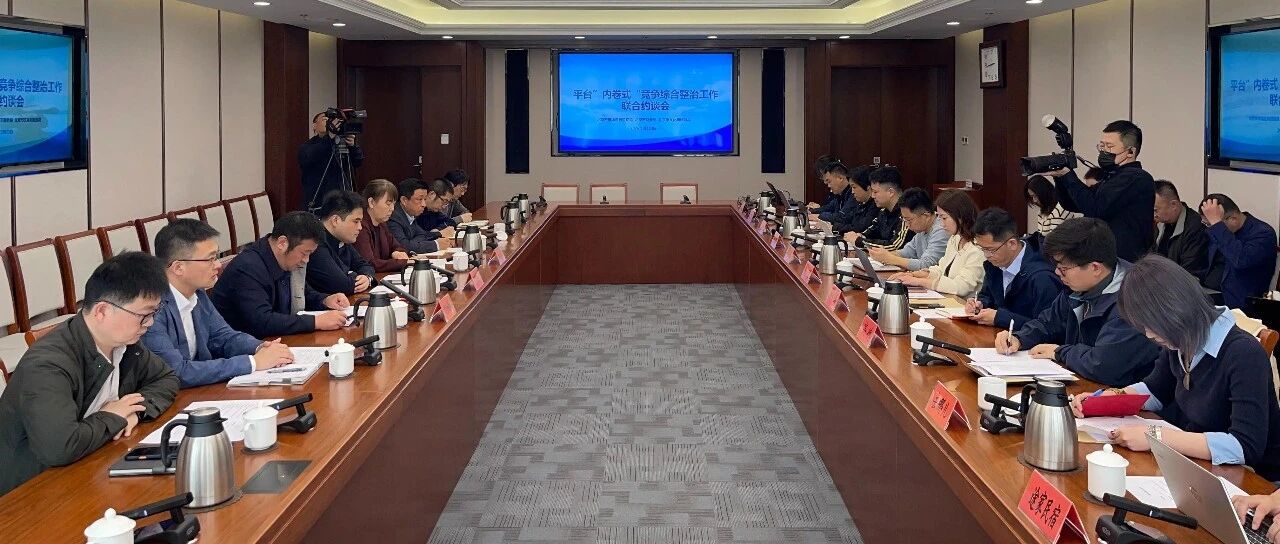
【转|太平洋传媒-AI 视频深度】模型加速迭代,工具和 IP 价值凸显
远峰电子· 2026-03-22 11:57
Group 1: Core Insights - The article emphasizes that since 2025, both domestic and international video models have accelerated in performance, achieving L3 short film content production capabilities, thus pushing the global film industry into an AI popularization phase [6][4]. - AI's penetration rate in the film industry remains in single digits, indicating significant growth potential as models and video tools continue to evolve [6][4]. - AI video tools are highlighted as the core value of the industry chain, with IP companies expected to benefit significantly from this wave, leading to a revaluation of content asset value [6][5]. Group 2: Video Models - Internationally, video models have achieved breakthroughs in physical simulation and fidelity, with VE0 3 leading globally, while domestic models focus on controllability, multi-modal interaction, and local adaptation [8][11]. - The current video models support L3 short film content creation and are in a rapid technological iteration phase, with significant advancements in controllability, aesthetic style, and physical simulation [11][8]. - The article outlines the evolution of AI video models, categorizing it into three phases: technology diffusion, DiT architecture popularization, and rapid technological iteration since 2025 [11][12]. Group 3: Film Industry Applications - AI tools are increasingly empowering film production, with AI in content creation for animated dramas reaching 50%-80%, leading to explosive growth in supply, where AI animated dramas now account for over 70% [4][5]. - The transition from "AI + live-action" to fully AI-produced live-action dramas is noted, with rapid success seen in headliner works like "Zhan Xiantai," which surpassed 100 million views in just six days [4][5]. - The article states that while AI animation films have already been implemented, live-action films are still in the early stages, with AI significantly reducing costs and compressing production cycles [4][5]. Group 4: AI Video Tools and IP Companies - AI video tools are identified as the main vehicle for transforming model capabilities into actual productivity, with a collaborative development model involving video models, IP, and third-party tool companies [5][6]. - Companies with technological advantages in AI video tools are expected to leverage their creative capabilities and platform ecosystems to produce high-quality video content [5][6]. - IP companies, possessing vast videoizable content libraries, are anticipated to fully benefit from the maturation of AI video tools [5][6].




中央网信办:短视频含AI生成等内容应标尽标
21世纪经济报道· 2026-03-21 08:26
Group 1 - The article highlights the inconsistency in content labeling standards for short videos across various platforms, leading to public misinformation and disruption of social order [1] - The Central Cyberspace Administration of China is guiding major platforms like Douyin, Kuaishou, Tencent, Xiaohongshu, Bilibili, and Weibo to standardize short video content labeling, resulting in the removal of over 37,000 misleading videos and the handling of more than 3,400 accounts in the past month [1] - Major platforms have begun optimizing the short video content labeling function, making it easier for users to label content directly on the video publishing page [1] Group 2 - There is a plan to standardize the types of labels used for short video content, making labeling a mandatory step in the video publishing process to encourage user participation [3] - The initiative includes a phased approach to retroactively label existing short video content, aiming for comprehensive compliance with labeling requirements [3]




腾讯、快手、阿里、百度,集体大跌
Di Yi Cai Jing· 2026-03-19 08:37
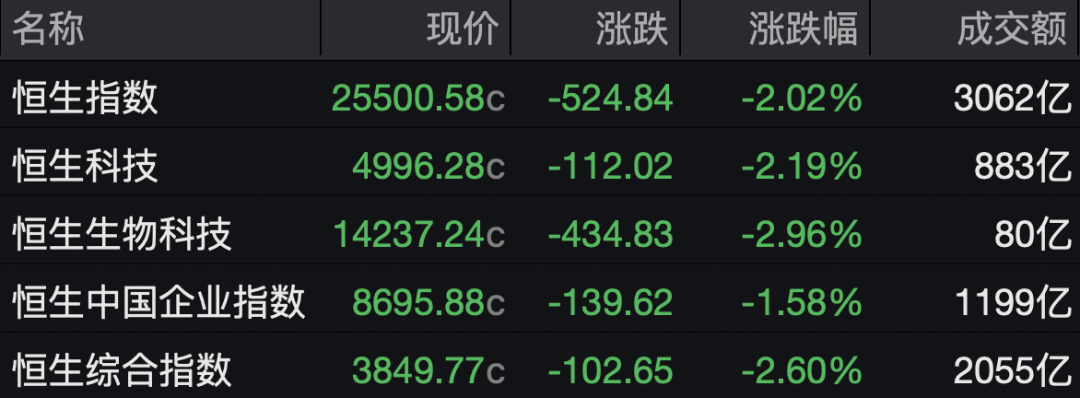
Market Overview - The Hong Kong stock market experienced a significant decline on March 19, with the Hang Seng Index dropping by 2.02% and the Hang Seng Tech Index falling by 2.19% [1][7] - Southbound capital recorded a net inflow of over 26 billion HKD [1] Index Performance - Hang Seng Index closed at 25,500.58, down 524.84 points, with a trading volume of 306.2 billion HKD [2][7] - Hang Seng Tech Index ended at 4,996.28, down 112.02 points, with a trading volume of 88.3 billion HKD [2][7] - Hang Seng Biotech Index fell by 2.96%, closing at 14,237.24 with a trading volume of 8 billion HKD [2][7] - Hang Seng China Enterprises Index decreased by 1.58%, closing at 8,695.88 with a trading volume of 119.9 billion HKD [2][7] - Hang Seng Composite Index dropped by 2.60%, closing at 3,849.77 with a trading volume of 205.5 billion HKD [2][7] Major Stock Movements - Major tech stocks saw significant declines, with Tencent Holdings and Kuaishou both dropping over 6%, and Alibaba falling over 4% [2][7] - Other notable declines included Huahong Semiconductor and Bilibili, both down over 5%, and Baidu and SMIC, both down over 3% [2][7] Specific Stock Performance - Tencent Music fell by 8.05% to 41.12 HKD [3][8] - Tencent Holdings decreased by 6.81% to 513.00 HKD [3][8] - Kuaishou dropped by 6.19% to 55.35 HKD [3][8] - Alibaba fell by 4.14% to 132.00 HKD [3][8] - MiniMax saw a significant drop of 13.89% to 1,066.00 HKD, while Zhiyuan fell by 11.25% to 659.00 HKD [4][9] Sector Performance - The large model concept stocks experienced a pullback, with MiniMax and Zhiyuan leading the declines [4][9] - The non-ferrous metal sector also faced substantial losses, with the WanGuo Gold Group dropping over 19% [5][10] - Other companies in the non-ferrous metal sector, such as Lingbao Gold and Long Resources, also saw declines exceeding 10% [5][10] New Listings - Lantu Automotive's stock fell by 13.2% on its first trading day, closing at 6.51 HKD per share [6][11]
沪指一度失守4000点,黄金股大跌,亚太股指集体飘绿
21世纪经济报道· 2026-03-19 07:22
Market Overview - Major Asia-Pacific stock indices collectively declined, with the Shanghai Composite Index falling below the 4000-point mark for the first time since January 5, and the Nikkei 225 index dropping over 3% [1] - The Shanghai Composite Index closed down 1.39%, while the Shenzhen Component Index and the ChiNext Index fell over 2%, and the Growth Enterprise Market Index dropped over 1% [3] Sector Performance - The sectors that experienced the largest declines included non-ferrous metals, petrochemicals, fertilizers, lithium mining, and rare earths, with several stocks hitting the daily limit down [3] - Gold stocks saw significant drops, with Zhongjin Gold, Zijin Mining, and Shandong Gold all declining over 7% [3][4] Notable Stock Movements - Specific stocks that fell sharply include Zhongjin Gold (down 7.80% to 26.70), Zijin Mining (down 7.45% to 32.32), and Shandong Gold (down 7.04% to 40.65) [4] - Conversely, sectors such as CPO, coal, and oil & gas saw gains, with Mingpu Guangci and Lanyan Holdings hitting the daily limit up [5] Hong Kong Market - The Hang Seng Index and the Hang Seng Tech Index both fell over 2%, with tech stocks like Tencent Music and Kuaishou dropping significantly [5] Economic Indicators - The U.S. Federal Reserve decided to maintain the federal funds rate target range at 3.5% to 3.75%, aligning with market expectations, while indicating potential future rate cuts [6] - Concerns were raised regarding rising energy prices potentially increasing overall inflation, with uncertainty about the duration and impact of these effects [6] Commodity Prices - Silver prices plummeted, with Shanghai silver dropping over 10%, and gold prices falling below $4800 [7]




华尔街大空头罕见看多,中东王爷来救场,恒生科技可以布局了吗?
私募排排网· 2026-03-19 03:33
Core Viewpoint - The article discusses the recent performance of the Hang Seng Technology Index, highlighting significant adjustments and the potential for investment opportunities amidst market volatility [2][4]. Group 1: Recent Adjustments - The Hang Seng Technology Index has experienced two major adjustments since October 2025, with a maximum cumulative drawdown exceeding 25% [2][8]. - The first adjustment occurred from October 2, 2025, to November 21, 2025, driven by factors such as the U.S. government shutdown, hawkish signals from the Federal Reserve, and concerns over the profitability of AI cloud services [8]. - The second adjustment in February 2026 was attributed to intensified competition in internet consumption and regulatory pressures, impacting major tech platforms [8]. Group 2: Valuation Insights - As of March 17, 2026, the rolling price-to-earnings ratio (PE-TTM) of the Hang Seng Technology Index has dropped to approximately 20.93 times, indicating it is cheaper than 85% of the time since its inception [11][12]. - Comparatively, the dynamic PE of the ChiNext Index is around 41 times, and the NASDAQ is about 39 times, showing that the Hang Seng Technology Index is significantly undervalued [12]. - Michael Burry, known as the "big short" investor, suggests that the index's decline is more a result of sentiment and valuation compression rather than a collapse in the underlying fundamentals [14]. Group 3: Capital Flows - Domestic investors have been increasingly buying into the Hong Kong stock market, with net inflows from mainland investors reaching 1,298.6 billion RMB in 2025, significantly higher than the 747 billion RMB in 2024 [16][18]. - Since the October 2025 adjustment, mainland funds have predominantly been net buyers, with a record single-day net purchase of over 32.8 billion RMB on March 9, 2026 [18]. - International investors, influenced by geopolitical tensions, are also seeking refuge in Hong Kong stocks, enhancing market liquidity [20]. Group 4: AI Narrative - The Hang Seng Technology Index comprises 30 stocks across various sectors, including semiconductors, electric vehicles, and internet giants, which are facing both risks and opportunities from the AI narrative [22][25]. - Recent advancements in AI applications are prompting a reassessment of traditional internet companies, as they transition from high spending to monetization of AI technologies [25]. Group 5: Market Concerns - Despite positive indicators, there are concerns regarding profit pressures on companies like Meituan and Alibaba due to competition, which may impact their earnings [26]. - The rise of non-index giants like ByteDance is diverting user engagement and advertising revenue from traditional internet companies, posing growth challenges [27]. - Geopolitical issues, particularly in the Middle East, could affect global liquidity and inflation, impacting the performance of Hong Kong stocks [28]. Group 6: Investment Strategies - Given the current valuation, capital flow dynamics, and industry expectations, the Hang Seng Technology Index presents a favorable risk-reward profile for investors [29]. - For those unfamiliar with the Hong Kong market, investing through mutual funds that focus on Hong Kong stocks may be a viable strategy [29][30].




快手正式入局处方药销售,闯入医药电商深水区,需做好内容流量与医药监管平衡
Sou Hu Cai Jing· 2026-03-18 20:36
Core Insights - Kuaishou has officially opened a channel for prescription drug sales, targeting specific categories and recruiting qualified pharmaceutical merchants, marking a significant expansion into the pharmaceutical sector after OTC drugs, medical devices, and health products [2] - The entry into prescription drugs is selective, focusing on chronic disease areas such as cardiovascular, respiratory, and digestive systems, which have stable online demand and high user engagement [2] - The timing aligns with the upcoming implementation of the revised Drug Administration Law in February 2026, which will regulate third-party platforms for drug transactions, establishing clear responsibilities for platform operators [3] Industry Context - The Chinese pharmaceutical e-commerce landscape is dominated by giants like Alibaba Health and JD Health in B2C, and Meituan and Ele.me in O2O instant retail, creating a competitive environment for new entrants like Kuaishou [3] - The consumption logic of pharmaceuticals contrasts with the impulse-driven model of interest-based e-commerce, posing challenges for Kuaishou in gaining traction in this market [3] Governance Challenges - Kuaishou faces ongoing governance issues within its pharmaceutical vertical, with concerns over gray market activities disguised as health education, leading to the sale of counterfeit products [4] - The platform is actively working to combat these issues, having reported significant efforts in 2024 to tackle black and gray market activities, including collaboration with law enforcement to address related crimes [4] Market Opportunities - The fastest-growing category within prescription drugs is chronic disease management, which aligns well with Kuaishou's strengths in short video and live streaming for patient education [4] - Pharmaceutical companies are considering establishing official flagship stores on Kuaishou, not just for sales but to enhance brand recognition and engage with targeted users through content [5] - Kuaishou's entry into prescription drugs may redefine the dynamics of user engagement, shifting from a traditional model of "goods finding people" to "people finding goods" as users may regularly purchase medications based on content engagement [5]