
SINO BIOPHARM(01177)

Search documents
出发前就约了四五十家公司洽谈!“全球医药行业春晚”的中国面孔:参会者背景更多元,肿瘤药不再是“独宠”
Mei Ri Jing Ji Xin Wen· 2026-01-15 13:56
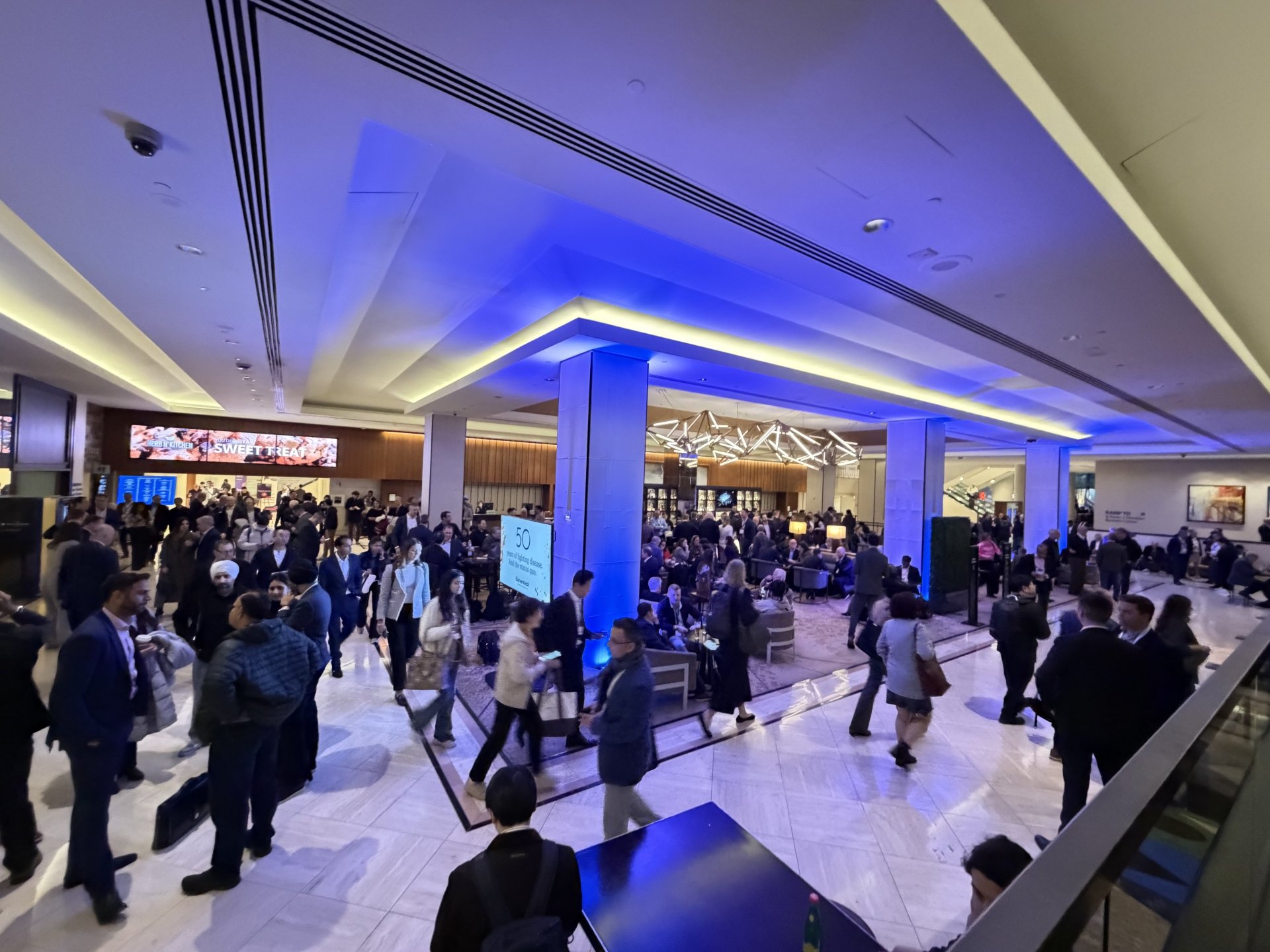
Core Insights - The 44th J.P. Morgan Healthcare Conference (JPM) is a significant event in the global healthcare sector, attracting over 8,000 participants, with a strong representation from biotechnology and pharmaceutical companies [1][3] - Chinese pharmaceutical companies are increasingly participating in JPM, focusing on collaboration and showcasing their innovative pipelines, particularly in the context of a booming merger and acquisition landscape in the industry [1][4] Group 1: Conference Overview - The conference is recognized as a "barometer" for development and investment in the pharmaceutical sector, featuring industry leaders and innovators discussing trends and opportunities [3] - Key areas of focus at this year's conference include biotechnology and pharmaceuticals, which account for 35% and 33% of participating companies, respectively [3] Group 2: Chinese Pharmaceutical Companies - At least 30 Chinese pharmaceutical companies are participating, with several being regular attendees, indicating a growing presence in the global market [4][5] - Notable Chinese companies presenting include BeiGene, Zai Lab, and Legend Biotech, with significant advancements in their clinical pipelines being highlighted [4] Group 3: Investment Trends - Investors are increasingly interested in the integration of AI in pharmaceuticals and how multinational companies are addressing patent cliffs and BD strategies [4][5] - The perception of Chinese pharmaceutical companies is shifting from mere asset providers to co-creators of global pharmaceutical innovation, reflecting their growing capabilities [9] Group 4: Company Innovations - Companies like China Biologic Products are undergoing significant innovation transformations, aiming for over 50% of their revenue from innovative products by 2025 [7] - Yuyuan Pharmaceutical, previously seen as a generic drug company, is transitioning to focus on nucleic acid and peptide innovative drugs, indicating a strategic shift in their business model [8]




中金:维持中国生物制药“跑赢行业”评级 目标价8.9港元
Zhi Tong Cai Jing· 2026-01-15 08:41
Group 1 - The core viewpoint of the report is that China Biologic Products (01177) maintains a target price of HKD 8.9 and an "outperform" rating, with adjusted net profit forecasts for 2025 and 2026 remaining at RMB 4.47 billion and RMB 4.92 billion respectively, and a new forecast for 2027 introduced at RMB 5.42 billion [1] - The company announced a 100% acquisition of Hejia Bio for a consideration of RMB 1.2 billion, which focuses on the siRNA sector, particularly in the areas of metabolic diseases, cardiovascular diseases, and neurological disorders, with a core platform that has competitive advantages [1] - The report highlights that existing therapies in the chronic disease field generally have limitations in efficacy, safety risks, and low patient compliance, indicating a significant unmet clinical need [1] Group 2 - The acquisition is expected to help China Biologic Products build a next-generation cardiovascular treatment innovation pipeline and enhance its layout in the metabolic disease sector [1] - The company's established R&D system and sales channels are anticipated to facilitate the efficient clinical advancement and subsequent commercialization of Hejia Bio's products, leading to potential synergistic benefits for both parties [1]

中金:维持中国生物制药(01177)“跑赢行业”评级 目标价8.9港元
智通财经网· 2026-01-15 08:35
Core Viewpoint - CICC maintains a target price of HKD 8.9 for China Biologic Products (01177) and a "outperform industry" rating, with adjusted net profit forecasts for 2025 and 2026 remaining at RMB 4.47 billion and RMB 4.92 billion respectively, and introducing a forecast of RMB 5.42 billion for 2027 [1] Group 1 - The company announced a 100% acquisition of Hejia Bio for RMB 1.2 billion [1] - Hejia Bio focuses on the siRNA sector, particularly in the areas of weight loss metabolism, cardiovascular, and neurological diseases, with a core platform that has competitive advantages [1] - The existing therapies in the chronic disease field generally have limitations in efficacy, safety risks, and low patient compliance, indicating a significant unmet clinical need [1] Group 2 - The acquisition is expected to help China Biologic Products build a next-generation cardiovascular treatment innovation pipeline and enhance its layout in the weight loss metabolism field [1] - The company's established R&D system and sales channels are likely to facilitate the efficient clinical advancement and subsequent commercialization of Hejia Bio's products, leading to potential synergistic benefits for both parties [1]
大行评级|花旗:中生制药收购赫吉亚提升创新能力及对外授权潜力 评级“买入”
Ge Long Hui· 2026-01-15 05:32
Group 1 - The core viewpoint of the article is that China Biopharmaceutical has announced the acquisition of private biotech company Hygieia, which specializes in small interfering RNA (siRNA) drugs, with a maximum base consideration of 1.2 billion yuan [1] - This acquisition will enable China Biopharmaceutical to establish a new generation of cardiovascular innovation pipeline and strengthen its presence in weight management and metabolic disease sectors, while also expanding into the chronic disease management market [1] - The report suggests that this acquisition enhances China Biopharmaceutical's innovation capabilities and licensing potential, further solidifying its position as a leader among Chinese innovative pharmaceutical companies [1] Group 2 - The target price for China Biopharmaceutical is set at 10.8 Hong Kong dollars, with a "buy" rating assigned [1]
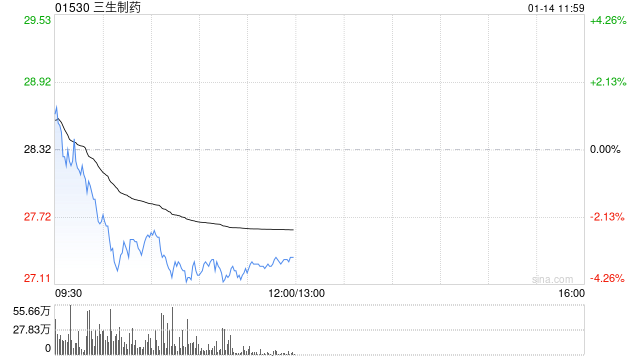
招银国际:料创新药出海趋势长期将延续 推荐买入中生制药、药明合联(02268)等
Xin Lang Cai Jing· 2026-01-14 04:15
Group 1 - The MSCI China Healthcare Index has increased by 11.8% year-to-date, outperforming the MSCI China Index by 9.1% [1][4] - The pharmaceutical industry has seen significant growth, attributed to the valuation correction in Q4 of the previous year and strong allocation willingness from institutional investors at the beginning of the year [1][4] - Looking ahead to 2026, the trend of innovative drugs going overseas is expected to continue, with a focus on the clinical progress and data validation of pipelines that have already gone abroad [1][4] Group 2 - The estimated market size for patented drugs in China is approximately 300 billion to 400 billion RMB, accounting for about 25% to 35% of total drug sales in China [1][4] - Among this, domestically developed innovative drugs represent about one-third, translating to approximately 100 billion to 130 billion RMB [1][4] - The company recommends buying shares in Sanofi (01530), Genscript (02273), WuXi AppTec (02268), and China National Pharmaceutical Group (01177) [1][4]
招银国际:料创新药出海趋势长期将延续 推荐买入中生制药、药明合联等
Zhi Tong Cai Jing· 2026-01-14 03:42
Group 1 - The MSCI China Healthcare Index has increased by 11.8% year-to-date, outperforming the MSCI China Index which rose by 9.1% [1] - The pharmaceutical industry has seen significant growth, primarily due to the valuation adjustments from the fourth quarter of last year and strong allocation intentions from institutional investors at the beginning of the year [1] - The trend of innovative drugs going overseas is expected to continue until 2026, with a focus on the clinical progress and data validation of pipelines that have already gone abroad [1] Group 2 - The current market size of patented drugs in China is estimated to be between 300 billion to 400 billion RMB, accounting for approximately 25% to 35% of total drug sales in China [1] - Among this, domestically developed innovative drugs represent about one-third, translating to approximately 100 billion to 130 billion RMB [1] - The company recommends buying shares of three pharmaceutical firms: 3SBio (01530), Genscript Biotech (02273), WuXi AppTec (02268), and China National Pharmaceutical Group (01177) [1]
招银国际:料创新药出海趋势长期将延续 推荐买入中生制药(01177)、药明合联(02268)等
智通财经网· 2026-01-14 03:38
Group 1 - The MSCI China Healthcare Index has increased by 11.8% year-to-date, outperforming the MSCI China Index which rose by 9.1% [1] - The pharmaceutical industry has seen significant growth, primarily due to the valuation correction in the fourth quarter of last year and strong allocation willingness from institutional investors at the beginning of the year [1] - The trend of innovative drugs going overseas is expected to continue until 2026, with a focus on the clinical progress and data validation of pipelines that have already gone abroad [1] Group 2 - The current market size of patented drugs in China is estimated to be between 300 billion to 400 billion RMB, accounting for approximately 25% to 35% of total drug sales in China [1] - Among this, domestically developed innovative drugs represent about one-third, translating to approximately 100 billion to 130 billion RMB [1] - The company recommends buying shares of three pharmaceutical firms: 3SBio (01530), Genscript Biotech (02273), WuXi AppTec (02268), and China National Pharmaceutical Group (01177) [1]
手握300亿扫货 中国生物制药再并购
Jing Ji Guan Cha Wang· 2026-01-14 02:39
Core Viewpoint - China National Pharmaceutical Group (China Biopharmaceutical) announced a full acquisition of innovative drug company Hejiya Biopharmaceutical for 1.2 billion yuan, marking its second acquisition in a year [2][3] Group 1: Acquisition Details - The acquisition of Hejiya Biopharmaceutical is valued at 1.2 billion yuan, with a market-to-research ratio of 18.75 times based on Hejiya's projected R&D expenditure of approximately 64 million yuan for 2024 [5] - Hejiya Biopharmaceutical focuses on the development of small nucleic acid drugs, a hot area in innovative pharmaceuticals, with its lead clinical pipeline targeting lipoprotein(a) [4][5] - The acquisition aligns with China Biopharmaceutical's strategy to focus on major chronic diseases and oncology, as stated by the chairman, Xie Qirun [5] Group 2: Company Background and Financials - China Biopharmaceutical has a history of acquisitions, including a notable 950 million USD acquisition of Lixin Pharmaceutical in 2025, which set a record for traditional Chinese pharmaceutical companies acquiring innovative firms [3] - The company has significant cash reserves, with over 300 billion yuan in total assets, making it one of the most financially robust pharmaceutical companies in China [5] - Following the announcement of the acquisition, China Biopharmaceutical's stock price rose by 3.76%, reaching 7.17 HKD per share, with a total market capitalization of 134.5 billion HKD [6]

大行评级|瑞银:中生制药管理层对凝血因子VIIa入选医保目录感乐观 评级“买入”
Ge Long Hui· 2026-01-14 02:33
Group 1 - UBS report indicates that the management of China Biopharmaceutical requires more time to finalize the guidance for its out-licensing (BD) business development this year [1] - Management is optimistic about the inclusion prospects of coagulation factor VIIa in the 2025 National Medical Insurance Drug List negotiations [1] - Penpulimab has successfully entered the medical insurance directory for the first time; anlotinib has been approved for expansion to first-line treatment of soft tissue sarcoma without any price reduction, while Yilishu benefits from an expanded reimbursement scope [1] Group 2 - UBS currently assigns a "Buy" rating to the company with a target price of HKD 12.2 [1]
中国生物制药再涨超5% 前瞻战略收购小核酸药企赫吉亚 将加速慢病领域创新布局
Zhi Tong Cai Jing· 2026-01-14 01:52
Group 1 - China Biopharmaceutical (01177) shares rose over 5%, currently up 4.92% at HKD 7.24, with a trading volume of HKD 303 million [1] - The company announced a full acquisition of Hejiya, with the deal set to close on January 13, 2026, for a maximum base price of RMB 12 million, payable in cash and shares [1] - Hejiya specializes in the research and development of small interfering RNA (siRNA) innovative drugs, focusing on chronic diseases such as metabolic disorders, cardiovascular diseases, and neurological conditions [1] Group 2 - Hejiya has developed a differentiated delivery platform with independent intellectual property rights, featuring the MVIP (Multi-Valent Import Platform), which is the first clinically validated liver-targeted delivery platform capable of "one injection per year" for long-lasting treatment [2] - This platform addresses adherence issues in chronic disease treatment, which is a significant challenge in the industry [2]