BYD(01211)

Search documents
知情人士:仰望汽车自动驾驶解决方案供应商是Momenta,不是卓驭
Di Yi Cai Jing· 2025-12-30 13:03
Core Viewpoint - Zhuoyu, formerly known as DJI Automotive, celebrated its 10th anniversary and announced partnerships with over 50 mass-produced models and more than 30 upcoming models, including BYD's high-end brands Yangwang U8 and U9 [2] Group 1 - Zhuoyu's collaboration includes over 50 mass-produced models and more than 30 models set to be produced soon [2] - The Yangwang U8 and U9, which are part of BYD's high-end market strategy, have an official price exceeding 1 million yuan [2] - A source close to BYD indicated that the autonomous driving solutions for the Yangwang brand are provided by Momenta, not Zhuoyu [2]


China's EV market slows as price war deepens and overseas push accelerates
Invezz· 2025-12-30 11:05
Core Insights - China's electric vehicle (EV) market is experiencing a downturn in 2025, with sales declining among major players due to intense competition and changing market dynamics [1] Sales Performance - Sales momentum weakened throughout the year, with Tesla's China sales dropping by 7.4% year-on-year from January to November, while BYD reported a 5.1% decline during the same period [2] - BYD's sales saw a significant drop of 26.5% in November compared to the previous year [2] - Newer entrants, such as models powered by Huawei software and vehicles from Xiaomi, recorded sales increases of over 90% in November, indicating a shift towards tech-driven competitors [3] Market Concentration - The top 10 manufacturers now account for approximately 95% of China's new energy vehicle market, a significant increase from 60-70% just two to three years ago [4] - Analysts anticipate further consolidation as consumers favor well-known brands amid increasing price pressures [4] Price Competition - Aggressive discounting has become prevalent, with significant price cuts reported, such as a 432,000 yuan reduction on the Mercedes-Benz EQS EV [5] - UBS predicts that the price war will persist for years, with potential policy changes in 2026 that could negatively impact growth [5] Sales Growth Forecast - UBS forecasts that China's EV sales growth rate may halve next year from around 20% in 2025, indicating a highly saturated market [6] - New energy vehicles accounted for 59.4% of new passenger car sales in November, suggesting limited room for further rapid expansion [6] International Expansion - Slowing domestic demand is prompting Chinese automakers to accelerate their overseas expansion, where profit margins are typically higher [8] - Geely reported that its EV exports quadrupled in the first half of the year, contributing to total vehicle exports of 184,000 [8] - BYD is also expanding internationally, with a new factory in Hungary set to increase production in 2026 and over 131,000 cars exported in November alone [9] Foreign Competition - Analysts expect intensified competition in Europe from Chinese manufacturers and battery makers, which may pressure US automakers and Tesla [9] - Volkswagen has established joint ventures with Xpeng and Horizon Robotics, delivering over 17 million vehicles in China in the first three quarters of 2025, marking an 8.5% year-on-year increase [10]


揭晓!2025国际汽车十大新闻!
Zhong Guo Qi Che Bao Wang· 2025-12-30 10:55
Group 1 - The global automotive industry is undergoing significant transformation and challenges, with electric and intelligent vehicle transitions accelerating, particularly for Chinese automakers who leverage technological advantages to penetrate global markets [2] - Traditional automotive powerhouses, especially in Germany, are facing severe pressures, including a wave of layoffs and the European Union's withdrawal of the "ban on combustion engines" [2][3] - Trade tensions and market fluctuations, such as the U.S. imposing tariffs on imported vehicles, are reshaping the global automotive landscape [4] Group 2 - Chinese automakers are increasingly focusing on overseas markets as a key growth engine, with exports expected to exceed 7 million vehicles in 2025, marking a historical high [6] - Significant investments and local production facilities are being established in regions like Latin America and Southeast Asia, with Brazil and Thailand becoming strategic hubs for Chinese automotive companies [6] Group 3 - The European Union has retracted its 2035 policy to ban the sale of new combustion engine vehicles, adjusting its emissions target to a 90% reduction from 2021 levels, allowing for a mix of vehicle types to remain in the market [8] - This policy shift is influenced by various factors, including the slow adoption of electric vehicles and pressure from major automotive manufacturers [8] Group 4 - Many multinational automotive companies are scaling back their electric vehicle ambitions in favor of hybrid technologies due to challenges such as high battery costs and insufficient infrastructure [10] - Companies like Honda and Ford are adjusting their strategies to focus more on hybrid models while delaying electric vehicle launches [10] Group 5 - 2025 is recognized as a pivotal year for humanoid robots, with significant advancements leading to mass production and integration into the automotive industry [12] - Major automotive companies are collaborating with robotics firms to enhance manufacturing efficiency through automation [12] Group 6 - Tesla's sales have been adversely affected by CEO Elon Musk's political involvement, leading to a decline in global sales figures [14] - In Europe, Tesla's sales dropped by 28% year-on-year, while in the U.S., sales fell by 23%, attributed to an aging product lineup and the cancellation of purchase subsidies [14] Group 7 - The German automotive industry is experiencing a "layoff wave," with employment numbers reaching a new low since 2011, driven by the transition to electric vehicles and competitive pressures [16] - Major companies like Volkswagen and Ford are planning significant job cuts, reflecting the industry's struggles amid rising costs and declining traditional vehicle sales [16] Group 8 - The hydrogen fuel cell vehicle market is facing significant challenges, with a decline in hydrogen stations and high costs hindering commercialization efforts [17] - Major automakers are withdrawing from hydrogen projects, indicating a shift in focus towards more viable alternatives [17] Group 9 - The commercialization of Robotaxi services is accelerating, with numerous projects being launched globally, particularly in major cities [19] - Companies like Waymo and various Chinese firms are expanding their Robotaxi operations, marking a significant step towards the integration of autonomous vehicles into everyday transportation [19] Group 10 - The Russian automotive market is in decline, with new car sales dropping by 19% year-on-year, largely due to increased taxes and tariffs on imported vehicles [20] - The shift in policy aims to promote local manufacturing, but the transition is causing supply chain disruptions and rising vehicle prices [20]

CBL International Facilitates Xiaomo Port's First LNG Bunkering for BYD in Shenzhen
Globenewswire· 2025-12-30 10:38
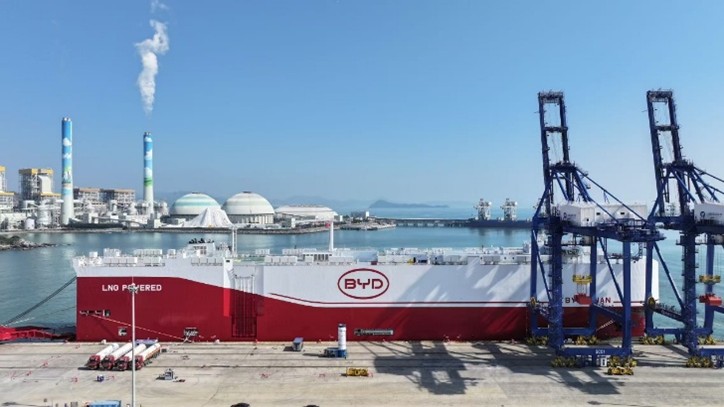
Core Insights - CBL International Limited has successfully completed Xiaomo Port's first LNG bunkering operation for BYD, marking a significant step in supporting maritime decarbonization efforts [2][3]. Company Overview - CBL International Limited, listed on NASDAQ as BANL, is a marine fuel logistics company established in 2015, focusing on providing comprehensive bunkering services across 65 major ports globally [5]. - The company is recognized for its expertise in coordinating complex fuel logistics transactions and serves nine of the world's top twelve container liner companies [4]. Industry Context - The global shipping industry is increasingly focused on decarbonization, with LNG emerging as a mainstream clean energy source that can reduce greenhouse gas emissions by approximately 20% and lower fuel costs by 25%-30% [3]. - This initiative aligns with international regulations such as FuelEU Maritime and the IMO 2030/2050 targets, promoting a transition towards cleaner energy solutions in maritime operations [3].

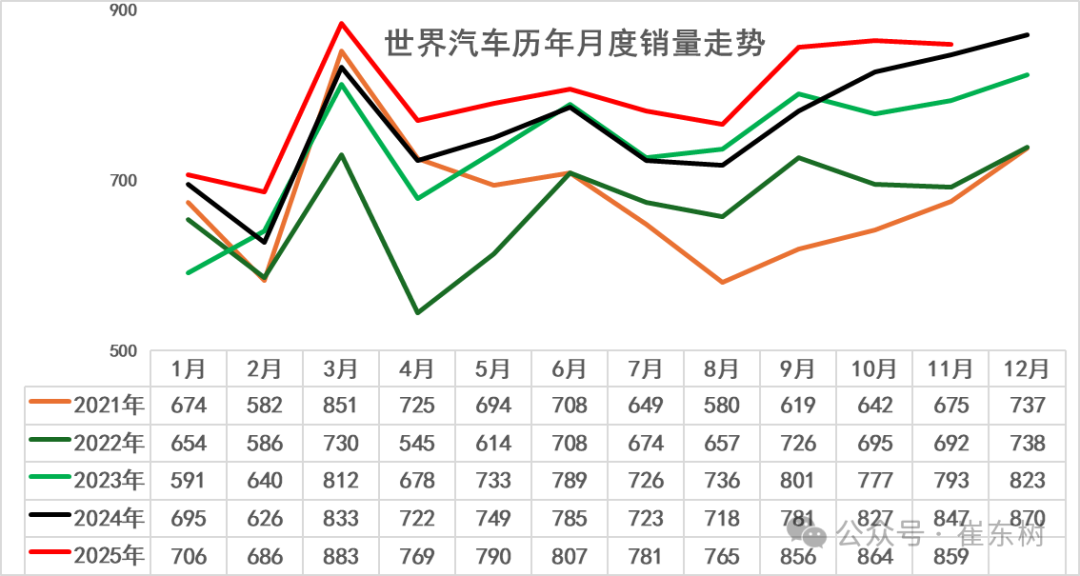
崔东树:11月中国占世界汽车份额回升至40%
智通财经网· 2025-12-30 09:28
Core Insights - Global automotive sales reached 8.59 million units in November 2025, showing a year-on-year increase of 1% and a month-on-month increase of 1% [1][3] - The automotive market in China and the US is experiencing relative slowdowns, contributing to the overall deceleration in global sales growth [1][3] - For the period from January to November 2025, global sales totaled 87.66 million units, reflecting a year-on-year growth of 6% [1][3] Global Market Performance - In the first eleven months of 2025, global automotive sales grew by 6%, with China contributing 31.08 million units, an increase of 11% [1][12] - The US automotive market saw sales of 15.18 million units, up 2%, while India and Japan reported increases of 5% and 3%, respectively [1][12] - Germany's sales remained stable at 2.89 million units, showing no change from the previous year [1][12] China's Market Share - China's share of the global automotive market rose to 40% in November 2025, an increase of 1 percentage point from the previous year [1][11] - By the end of 2025, China's market share is projected to reach 35.4%, up 1.2 percentage points compared to the same period last year [1][11] - The Chinese automotive market is expected to maintain its leading position, with significant contributions to global sales growth [1][11] Company Performance - Among the top 10 global automotive companies, three are Chinese: BYD ranked 6th, Geely 8th, and Chery 10th, indicating strong performance and market share growth [1][21] - The electrification trend is causing some international automotive brands to decline, while Chinese companies are gaining market share [1][21] - The overall performance of Chinese automotive companies has exceeded expectations, leading to a significant increase in their global market presence [1][21]


“龙哥讲电车”等账号侵权比亚迪,200万判赔落地!比亚迪维权再亮剑
和讯· 2025-12-30 09:23
Group 1 - BYD's legal victory against malicious online defamation highlights the severity of legal repercussions for such actions, with a court ruling mandating the cessation of infringement and a compensation of 2 million yuan [1] - The company has been actively combating black public relations, with previous cases resulting in significant compensation awards, including 313,800 yuan for defamation against the Fangchengbao model and 2,018,700 yuan for over 300 false claims by "Long Zhu - Ji Che" [1][2] - BYD's brand and public relations manager emphasized the company's zero tolerance for malicious defamation while welcoming objective reporting and constructive criticism [1] Group 2 - Since 2021, BYD has implemented a reward mechanism for reporting black public relations, increasing the reward range from 50,000 to 1 million yuan to 50,000 to 5 million yuan, demonstrating a proactive approach to legal and technical defenses [2] - The electric vehicle industry has become a hotspot for online black public relations, with some media outlets engaging in a gray industry chain that includes malicious editing and evidence fabrication [2] - Regulatory bodies and industry stakeholders have responded positively to corporate legal actions, with initiatives from the Central Cyberspace Administration to address online chaos in the automotive sector, leading to the shutdown of several non-compliant accounts [2]
雷军:跨年直播现场拆车
证券时报· 2025-12-30 09:07
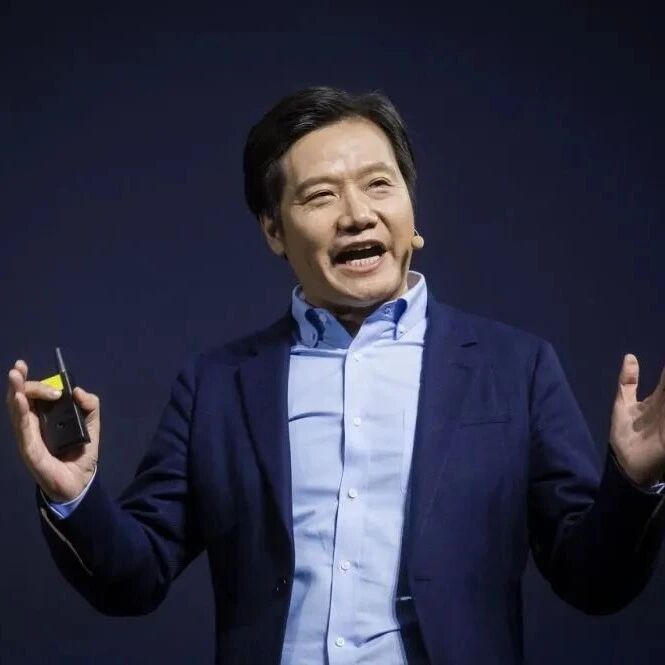
雷军最新预告。 12月30日,雷军发布微博,预告其将于12月31日晚举行跨年直播,并将在直播中现场拆车。" 前几天我在网上看过一个拆SU7视频,很多 人建议拆拆YU7。这次直播,我请工程师现场拆车,一边拆车一边聊,我们一起来场硬核跨年! " 去年12月31日晚,雷军在跨年直播中立下flag:明年交付目标为30万辆。雷军表示:"可能很多朋友们不太了解车厂,很多车企可能干了十 几年销量都没有超过30万辆。哪怕今天干得最出色的车厂比亚迪,也是用了10年时间才过30万辆,所以过30万辆绝对不是一个轻松的指 标。" 而由于SU7销售的火爆以及产能提升,仅仅过去3个多月,今年3月18日,小米汽车宣布,2025年全年交付目标提升至35万辆。 版权声明 证券时报各平台所有原创内容,未经书面授权,任何单位及个人不得转载。我社保留追 究相关 行 为主体法律责任的权利。 转载与合作可联系证券时报小助理,微信ID:SecuritiesTimes END 据小米汽车12月2日公布的最新数据,自2024年4月3日以来,小米汽车累计交付已超过50万辆。11月交付量持续超过4万辆,2025年的交 付量已超过了年初设定全年目标——35万辆。 ...

【新能源周报】新能源汽车行业信息周报(2025年12月22日-12月28日)
乘联分会· 2025-12-30 08:39
Industry Information - The 2025 Globalization and Sustainable Development Forum for the automotive industry released three key industry consensus points, emphasizing the integration of electric intelligence with ESG responsibilities, the importance of safety and user value in smart vehicles, and the necessity of sustainable development as a core requirement for the automotive industry [7] - Wuhan's 14th Five-Year Plan suggests accelerating the development of emerging industries such as embodied intelligence, high-end chips, quantum technology, and brain-computer interfaces [8] - As of November 2025, the total number of electric vehicle charging infrastructure in China reached 19.322 million, a year-on-year increase of 52.0%, with public charging facilities accounting for 4.625 million [9][10] - The total investment for the EVE Energy headquarters and Jin Yuan Robot AI Center project is approximately 1 billion yuan, focusing on sodium battery products and AI robotics [12] - Guangzhou aims to create a trillion-level smart connected new energy vehicle industry cluster as part of its 14th Five-Year Plan [13] - The "Shenzhen-Hong Kong Automotive Fast Pass Plan" has been officially implemented, streamlining the import process for electric vehicles [14] - The National Energy Administration is promoting the construction of charging piles in rural areas to support the growth of electric vehicles [15] - Huawei's ADS MAX 4.1 upgrade significantly enhances the experience in urban congestion scenarios [16] - The first batch of L3-level autonomous driving vehicle special license plates has been issued in Beijing, marking a milestone in the commercialization of autonomous vehicles [16] - By 2026, over 10,000 charging guns will be built in highway service areas across the country [16] - The National Energy Administration reported a 60.2% year-on-year increase in electricity consumption for charging and swapping services in November 2025 [18] - The first automotive intelligent chassis testing report was released, with BYD's Yangwang U7, NIO ES8, and Zhijie R7 recognized as benchmark models [20] - Hunan's electric vehicle exports exceeded 10 billion yuan for the first time, with a year-on-year growth of 105.3% [22] - Guangzhou's new energy vehicle production increased by 22.6% in the first 11 months of 2025 [22] - A total investment of 7.47 billion yuan was signed at the Ningde lithium battery new energy industry promotion conference, with an expected annual output value of 12.14 billion yuan [27] - The annual export of new energy vehicles from the Xiangyang Comprehensive Bonded Zone exceeded 10,000 units for the first time, marking a 350% year-on-year increase [27] - Inner Mongolia's Chifeng City has built 3,453 charging piles during the 14th Five-Year Plan period [29] Policy Information - The Guizhou Qiannan Prefecture government issued a plan for high-quality energy industry development from 2025 to 2027, focusing on expanding charging infrastructure [30] - The Henan Sanmenxia government released a plan for the construction of charging facilities in residential areas [31] - The Jiangsu province is adjusting its electric vehicle charging fee subsidy policy for 2026 [32] - The National Development and Reform Commission emphasized the need to regulate competition in the new energy vehicle, lithium battery, and photovoltaic industries to avoid "involution" [23][24]




中国巴士风靡东南亚,“曾经我们用日本和欧洲品牌,现在情况已大不相同”
Guan Cha Zhe Wang· 2025-12-30 08:28
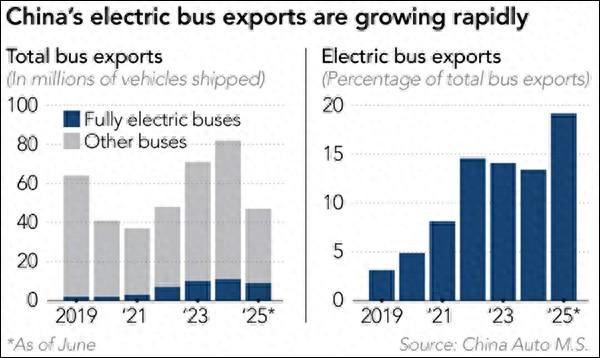
Core Insights - Indonesian public transport company has successfully integrated electric buses into its fleet, with a significant shift from traditional fuel sources to electric vehicles, highlighting the growing acceptance and preference for electric buses among drivers and operators [1] - Chinese electric vehicle manufacturers, particularly BYD, are rapidly expanding their presence in Southeast Asia, capitalizing on the region's increasing demand for electric buses as part of broader decarbonization strategies [1][2] Group 1: Market Trends - In 2024, China is expected to export over 15,000 new energy buses, marking a 25% year-on-year increase, with BYD, Yutong, and Suzhou Jinlong leading the market [2] - By the first half of 2025, China is projected to export approximately 9,000 pure electric buses, a staggering 124% increase compared to the previous year, indicating a robust growth trajectory in the electric bus sector [4] Group 2: Regional Developments - In Indonesia, BYD is collaborating with local company VKTR to establish an electric bus and truck assembly plant, aiming to deliver 50 buses by the end of December and an additional 30 by early 2026 [4] - Malaysia has already deployed at least 146 electric buses, with plans to significantly increase this number in the coming years, reflecting a strong commitment to electric vehicle adoption [5] - Singapore has awarded contracts for electric buses to Chinese manufacturers, with plans to procure over 2,000 electric buses by 2030, further demonstrating the region's shift towards electric public transport [6] Group 3: Local Manufacturing and Policy - VKTR has achieved 40% localization of bus components, qualifying for government incentives aimed at promoting electric vehicle production [4] - The Philippines has enacted legislation requiring government agencies to ensure that at least 5% of their vehicles are electric, which is expected to boost the adoption of electric buses in the country [6] Group 4: Challenges and Perceptions - Despite the positive outlook for Chinese electric buses in Southeast Asia, concerns have been raised regarding cybersecurity risks associated with these vehicles, as highlighted by accusations from European countries [8] - Yutong has denied allegations of remote control risks, emphasizing the technical safeguards in place to protect critical safety systems [9]
大厂“抢人”战,从涨薪开始
投中网· 2025-12-30 07:58
Core Viewpoint - The recent salary increase wave among major companies, including ByteDance, JD.com, BYD, and CATL, reflects a strategic shift in the competitive landscape, moving from cost-cutting to talent acquisition in response to market pressures and the AI talent war [5][7][24]. Group 1: Salary Increases and Company Strategies - JD.com announced that 92% of its employees will receive full or excess year-end bonuses, with total bonus investment increasing by over 70% year-on-year [5][7]. - ByteDance plans to increase its bonus investment by 35% and salary adjustment budget by 1.5 times, raising both the lower and upper limits of salary packages [18][21]. - BYD and CATL have also implemented salary increases for their large workforce, indicating a broader trend in the automotive sector [5][7]. Group 2: Historical Context and Market Dynamics - The current salary increase trend is reminiscent of the rapid expansion period in the Chinese internet industry around 2015, where companies aggressively raised salaries to attract talent [9][14]. - In contrast to previous years, where year-end bonuses were significantly higher, the current environment has seen a decline in bonus amounts, reflecting the changing dynamics of the internet industry [16][17]. - The competitive pressure among major companies has intensified, with JD.com reporting a 54.7% year-on-year decline in net profit despite record revenue, highlighting the challenges faced by these firms [17]. Group 3: Talent Acquisition in the AI Era - The competition for top talent in AI and related fields has escalated, with companies like ByteDance and Xiaomi actively recruiting skilled professionals, sometimes offering double salaries [24][26]. - The shift towards AI technology is prompting companies to invest heavily in talent acquisition as a strategic move to secure their future in a rapidly evolving market [26][27]. - Major firms are not only focusing on high-end technical talent but also on stabilizing their large base of frontline employees, recognizing their importance in maintaining operational efficiency [28][29].