
PSBC(01658)

Search documents
邮储银行党委传达学习中央经济工作会议精神
Xin Lang Cai Jing· 2025-12-12 14:01
Core Viewpoint - The meeting of the Postal Savings Bank of China emphasized the importance of aligning with the central government's economic work directives for 2026 and the "14th Five-Year Plan" period, focusing on the "eight key tasks" for the upcoming year [1][5]. Group 1: Central Leadership and Economic Work - The meeting highlighted that the centralized and unified leadership of the Party is fundamental to effective economic work, urging the bank to strengthen its adherence to Party leadership and enhance political awareness and execution [2][6]. - The bank is encouraged to maintain confidence in its financial work and align its performance metrics with the central government's economic tasks for 2026 and the "14th Five-Year Plan" [2][6]. Group 2: Strategic Focus and Development Goals - The meeting called for a deep understanding of the significant achievements during the "14th Five-Year Plan" period and the necessity to adhere to the "five musts" for economic work under new circumstances, focusing on steady progress and quality improvement [3][7]. - The bank is tasked with reinforcing its core retail business while developing a second growth curve, aiming to meet diverse financial needs of the public and the real economy [3][7]. - There is a strong emphasis on supporting domestic demand, enhancing consumption, and increasing the provision of consumer loans [3][7]. - The bank is directed to optimize financial supply in key areas, ensuring resources are allocated to major strategies and sectors needing support, while also improving the technology finance service system [3][7]. Group 3: Implementation and Commitment - The meeting stressed the importance of implementation, urging the bank to unite closely around the Party's leadership and to contribute effectively to the success of the "14th Five-Year Plan" [4][8]. - The bank is encouraged to maintain a proactive and determined approach, focusing on practical results to support the national economic agenda [4][8].

青岛:科技金融深度融合破解科创企业融资难题
Zhong Guo Jin Rong Xin Xi Wang· 2025-12-12 12:53
Group 1 - The core viewpoint of the articles highlights the importance of stable and sufficient financial support for technology-driven companies to achieve growth and innovation [1][2] - Qingdao Botai Automotive Parts Co., Ltd. received a comprehensive credit line of 90 million yuan from Postal Savings Bank, which is crucial for expanding its smart production line and entering the new energy vehicle components market [1] - The company is recognized as a high-tech enterprise and has successfully integrated its self-developed products into the supply chains of several mainstream automotive manufacturers [1] Group 2 - Qingdao is actively working to become a leading modern industrial city by deeply integrating technology and finance to address the financing challenges faced by innovative enterprises [2] - Local government departments are collaborating with banks and venture capital institutions to optimize various financial tools, such as "Technology Credit Pass," intellectual property pledge financing, and technology achievement transformation funds [2] - The establishment of venture capital fund clusters focused on hard technology is effectively stimulating innovation and providing strong momentum for high-quality economic development in Qingdao [2]
超两千亿元!国有大行“红包雨”来临 派发时间较去年提前
Nan Fang Du Shi Bao· 2025-12-12 12:10
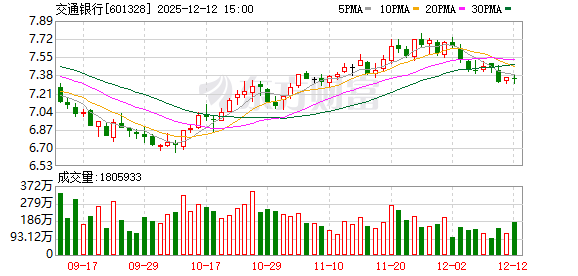
Core Viewpoint - The major state-owned banks in China are set to distribute over 200 billion yuan in cash dividends for the mid-term of 2025, reflecting a stable dividend policy amidst regulatory encouragement for increased shareholder returns [2][3][6]. Group 1: Dividend Announcements - Bank of Communications announced a cash dividend of 0.1563 yuan per share (including tax), with the A-share dividend date expected on December 25, 2025 [2][3]. - China Construction Bank declared a cash dividend of 0.1858 yuan per share, totaling approximately 486.05 billion yuan, with the payment date on December 11, 2025 [3][5]. - Bank of China announced a cash dividend of 0.1094 yuan per share (pre-tax), amounting to 352.50 billion yuan, also payable on December 11, 2025 [3][5]. - Industrial and Commercial Bank of China and Agricultural Bank of China will distribute dividends on December 15, 2025, with amounts of approximately 503.96 billion yuan and 418.23 billion yuan, respectively [3][5]. - Postal Savings Bank plans to hold a meeting on December 19, 2025, to discuss a proposed dividend of 1.230 yuan per 10 shares, totaling 147.72 billion yuan [3][5]. Group 2: Overall Dividend Trends - The total mid-term dividend amount for the six major state-owned banks is projected to reach 2046.57 billion yuan, remaining stable compared to the previous year [4][6]. - Among 42 A-share listed banks, 26 have announced mid-term dividends, with a total of 2646.22 billion yuan, reflecting a 2.45% increase from last year [6]. - The dividend payout ratio for these banks is maintained around 30%, indicating a consistent approach to shareholder returns [4][6]. Group 3: Regulatory Influence - Recent regulatory changes, including the revised guidelines from the China Securities Regulatory Commission, aim to simplify the mid-term dividend process and encourage companies to increase dividend frequency [6]. - The "New Nine Policies" introduced in April 2024 emphasize enhancing the stability and predictability of dividends, promoting multiple distributions within a year [6].




超两千亿元!国有大行“红包雨”来临,派发时间较去年提前
Nan Fang Du Shi Bao· 2025-12-12 11:59
Core Viewpoint - The major state-owned banks in China are set to distribute over 200 billion yuan in cash dividends for the 2025 interim period, reflecting a stable dividend payout compared to the previous year [2][4]. Group 1: Dividend Announcements - Bank of Communications announced a cash dividend of 0.1563 yuan per share, with the A-share payout date expected on December 25, 2025 [2][3]. - China Construction Bank declared a cash dividend of 0.1858 yuan per share, totaling approximately 486.05 billion yuan, with the payout date on December 11, 2025 [3][5]. - Bank of China will distribute a cash dividend of 0.1094 yuan per share, amounting to 352.50 billion yuan, also on December 11, 2025 [3][5]. - Industrial and Commercial Bank of China plans to distribute a cash dividend of 0.1414 yuan per share, totaling about 503.96 billion yuan, on December 15, 2025 [3][5]. - Agricultural Bank of China will issue a cash dividend of 0.1195 yuan per share, amounting to 418.23 billion yuan, on December 15, 2025 [3][5]. - Postal Savings Bank intends to distribute a cash dividend of 1.230 yuan per 10 shares, totaling 147.72 billion yuan, with a meeting scheduled for January 12, 2026 [3][5]. Group 2: Overall Dividend Trends - The total interim dividend amount for the six major state-owned banks is projected to reach 2046.57 billion yuan, remaining stable compared to the previous year [4][6]. - The number of A-share listed banks announcing interim dividends has increased, with 26 out of 42 banks declaring dividends, totaling 2646.22 billion yuan, a 2.45% increase from last year [6]. - The dividend payout dates for this year are significantly earlier than last year, with some banks advancing their payout dates by over a month [4][6].

邮储银行发布“AI2ALL”数字生态 党委委员杨西琳首次亮相
2 1 Shi Ji Jing Ji Bao Dao· 2025-12-12 09:29
Core Viewpoint - Postal Savings Bank of China (PSBC) is focusing on digital transformation and the integration of artificial intelligence (AI) into its operations, aiming to enhance efficiency and customer service through the launch of its "AI2ALL" digital ecosystem [1][2]. Group 1: Digital Transformation and AI Integration - PSBC held a digital finance conference themed "Opening the Digital Postal Savings i∞ Era," where the bank's president emphasized the importance of technology as the primary productivity force in the banking industry [1]. - The "AI2ALL" digital ecosystem aims to elevate AI capabilities from single-point applications to an organic, symbiotic digital ecosystem, enhancing both internal efficiency and external customer engagement [1][2]. - The bank is implementing intelligent tools across all operational processes, including front, middle, and back offices, to achieve refined management and improved organizational efficiency [2]. Group 2: Marketing and Risk Management Innovations - In the front office, PSBC is utilizing intelligent profiling to enhance precision in marketing, shifting from broad marketing strategies to personalized services [2]. - In the middle office, the bank is developing intelligent credit review tools to balance business growth with risk management, transforming expert knowledge into model-driven decision-making [2]. - The back office is seeing improvements in employee capabilities through intelligent data analysis tools, making data analysis accessible to all staff [2]. Group 3: Organizational Changes and Strategic Focus - The bank has appointed Yang Xilin as the Financial Market Business Director, indicating a strategic shift to strengthen its financial market operations alongside its retail business [3][4]. - PSBC has identified "financial markets" as one of its five differentiated growth areas, aiming to enhance its capabilities and innovate within this sector [3]. - The chairman of PSBC has stated the intention to strengthen corporate finance and diversify intermediary business while promoting the professional development of subsidiaries [3].
邮储银行提速“效能革命”:近四万网点如何寻路盈利厚度
Hua Er Jie Jian Wen· 2025-12-12 08:10
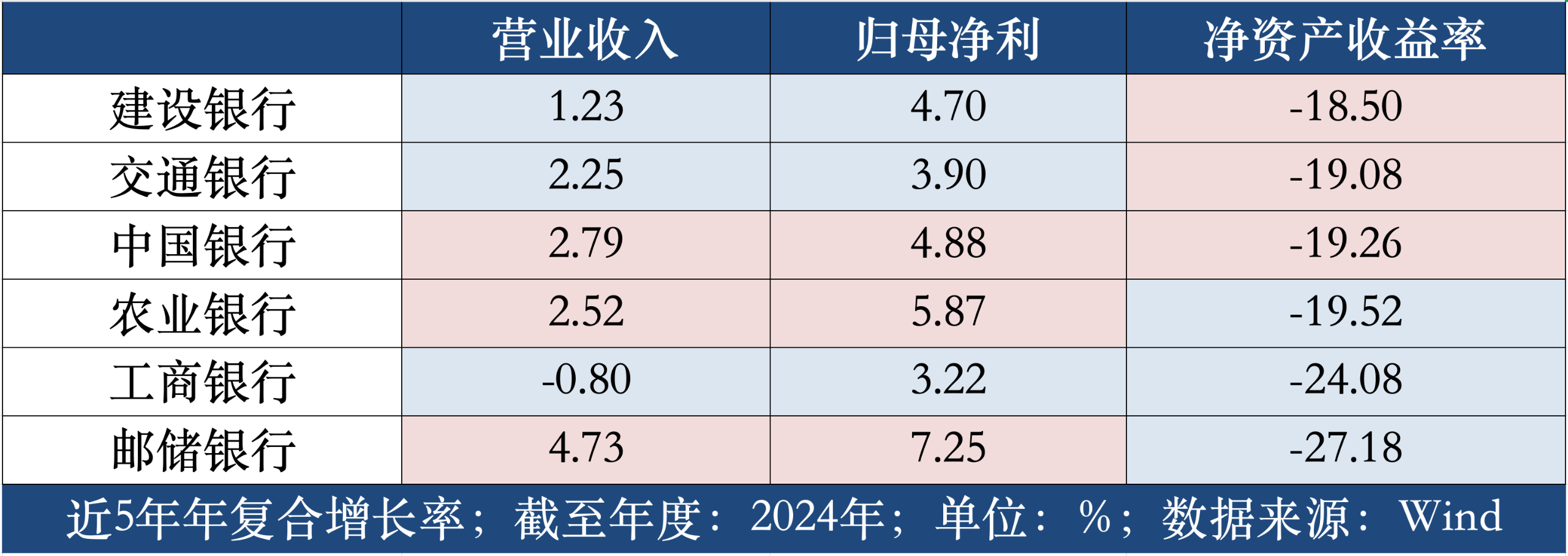
Core Viewpoint - Postal Savings Bank is undergoing significant structural changes, focusing on enhancing its financial market operations and improving overall efficiency amid a challenging economic environment [1][16]. Group 1: Management Changes - The appointment of Yang Xilin as a member of the company's party committee and potential financial market business director indicates a shift towards prioritizing financial market operations [1]. - This change reflects the bank's intention to diversify its focus beyond retail banking [1]. Group 2: Branch Network Adjustments - In 2023, Postal Savings Bank closed 265 branches and opened 65 new ones, leading the six major banks in both closures and openings [2]. - This strategy signifies a rapid internal resource reallocation while addressing the need to convert its extensive network in lower-tier markets into profitability [2]. Group 3: Financial Performance - For the first three quarters, Postal Savings Bank reported revenues of 265.08 billion yuan and net profits of 76.562 billion yuan, with year-on-year growth rates of 1.82% and 0.98%, respectively, ranking fourth among the six major banks [3]. - The bank's revenue contributions are primarily from interest income (79.41%), followed by fee-based income (8.71%) and investment income (11.94%) [3]. Group 4: Key Operational Metrics - The bank maintains a high asset and liability growth rate of 8.9% and 8.64%, respectively, with a loan growth rate of 8.68%, the highest among the six major banks [4]. - It boasts a net interest margin of 1.68%, leading the sector, and an asset quality with a non-performing loan ratio of 0.94%, the best among its peers [4]. Group 5: Market Position and Challenges - Despite strong operational metrics, Postal Savings Bank's market valuation remains limited, with its A-share growth in single digits year-to-date, lagging behind peers like ICBC and CCB [6]. - The bank's primary challenge lies in operational efficiency rather than fundamental growth, as indicated by its negative return on equity of -27.18%, the lowest among the six major banks [7]. Group 6: Efficiency and Cost Management - The bank's revenue per employee and profit per employee rank fifth and sixth among the six major banks, respectively, indicating room for improvement in efficiency [8]. - The reliance on a high proportion of agency branches (80%) poses challenges in terms of operational efficiency and cost management, with significant expenses related to agency fees [9][10]. Group 7: Strategic Initiatives - Postal Savings Bank is implementing a two-pronged channel strategy, focusing on self-operated branches in high-capacity cities while extending its reach in lower-tier markets through agency branches [11][12]. - The bank is also enhancing its digital capabilities and adjusting agency fee structures to improve net interest margins and overall efficiency [13][14]. Group 8: Future Outlook - The bank aims to strengthen its financial market and asset management operations under the leadership of Yang Xilin, with a focus on improving asset utilization and overall efficiency [16]. - The success of these reforms in translating unique channel advantages into tangible profitability remains to be seen [16].
邮储银行发布“AI2ALL”数字生态
Zhong Zheng Wang· 2025-12-12 07:55
Core Viewpoint - Postal Savings Bank of China (PSBC) is launching its "AI2ALL" digital ecosystem, emphasizing the transformative role of technology in the banking sector and its commitment to enhancing financial services for the real economy [1][3]. Group 1: Digital Ecosystem and AI Integration - The "AI2ALL" digital ecosystem aims to enhance internal efficiency and external outreach by integrating AI capabilities across various service segments [1][2]. - PSBC has identified nearly 260 application scenarios for large models within the "AI2ALL" framework, showcasing its extensive approach to AI integration [1][2]. Group 2: Infrastructure and Technological Foundations - PSBC has established a robust foundation in three key areas: data, computing power, and algorithms, including a five-tier data architecture and the first domestic super-node intelligent computing cluster in the financial sector [2]. - The bank employs a dual approach of external model integration and internal model development, utilizing advanced models like Baidu's "Wenxin Yiyan" and its proprietary "Youzhi" model [2]. Group 3: Service Enhancement and Customer Engagement - Intelligent tools are implemented across all processes, enhancing front, middle, and back office operations, with personalized marketing and improved risk control through smart models [2]. - The bank has innovated its service delivery by adopting a human-machine collaboration model, enabling seamless service across physical and digital channels [2]. Group 4: Future Vision and Commitment - PSBC is committed to its "financial for the people" mission, focusing on deepening the "digital postal savings" strategy and creating meaningful financial services that benefit a wide range of customers and partners [3].
邮储银行数字金融大会发布“AI2ALL”数字生态及手机银行11.0
Zhong Guo Jing Ji Wang· 2025-12-12 05:41
Core Insights - Postal Savings Bank of China (PSBC) is advancing its digital finance strategy with the launch of the "AI2ALL" digital ecosystem, showcasing its commitment to integrating technology into financial services [1][2] Group 1: Digital Finance Strategy - PSBC has been implementing its "Digital Postal Savings" strategy, hosting annual digital finance conferences to present its latest achievements [2] - The theme of the 2025 conference is "Opening the Digital Postal Savings i∞ Era," reflecting the bank's continuous evolution in digital finance [2] - The bank emphasizes its mission of serving the real economy while optimizing financial supply and enhancing service experiences [1][2] Group 2: AI Integration - The "AI2ALL" initiative aims to elevate AI capabilities from mere technical support to a core engine for business innovation [2] - PSBC has identified nearly 260 application scenarios for large models based on the "AI2ALL" digital ecosystem [2] - The bank's AI capabilities are designed to enhance efficiency internally and improve customer outreach externally [2][3] Group 3: Operational Efficiency - PSBC is applying intelligent tools across all operational processes, enhancing management precision and organizational effectiveness [3] - The bank utilizes smart profiling for targeted marketing, intelligent models for risk control, and smart analytics for employee skill enhancement [3] - PSBC's mobile banking app version 11.0 ranked second in overall evaluation in the latest digital banking survey, with user experience leading the industry for three consecutive years [3]
邮储银行登封市支行开展反洗钱宣传活动
Huan Qiu Wang· 2025-12-12 05:06
同时,工作人员利用客户等候间隙,用通俗易懂的"家常话"解读"客户尽职调查""大额交易报告"等核心 概念,结合"出租银行卡获利反获刑""虚假投资背后的洗钱陷阱"等真实案例,直观揭示洗钱犯罪的隐蔽 性、危害性。 近日,邮储银行登封市支行以"全民反洗钱,护航新生活"为主题,创新开展"网点阵地宣传+周边商户延 伸推广"双向联动活动,让反洗钱知识走进千家万户,筑牢金融安全民生防线。 作为宣传主阵地,该支行营业大厅精心营造浓厚宣传氛围:LED 屏滚动播放"远离洗钱陷阱,守护财产 安全""不出租出借个人银行账户"等醒目标语;窗口柜台、客户等候区整齐陈列宣传折页,内容涵盖反 洗钱基础知识、典型案例解析、维权途径指引等,方便客户随时取阅学习。 来源:环球网 此次宣传活动通过网点服务与户外推广的有机结合,显著提升了周边公众对反洗钱工作的认知度、警惕 性和参与度。下一步,邮储银行登封市支行将以此次活动为契机,持续深化"厅堂+户外"宣传模式,将 反洗钱宣传深度融入日常金融服务各环节,引导社会各界共同参与反洗钱工作,携手营造安全、健康、 有序的金融生态环境。 为扩大宣传覆盖面,该支行工作人员主动走出网点,深入周边商户、沿街商铺开展延伸 ...
邮储银行正式发布“AI2ALL”数字生态,开启全域智能、生态共生的数字金融新纪元
Cai Jing Wang· 2025-12-12 03:17
Core Insights - The release of the "AI2ALL" digital ecosystem marks a new era in the digital transformation of Postal Savings Bank of China, emphasizing its strategic layout and innovative practices in artificial intelligence [1][8] Group 1: Strategic Layout and AI Integration - Postal Savings Bank has been advancing its "Digital Postal Savings" strategy and deepening its "AI+" initiatives, achieving significant breakthroughs in financial technology, evidenced by winning the People's Bank of China Financial Technology Development Award for three consecutive years [2] - The "AI2ALL" digital ecosystem focuses on four value dimensions: broad customer base, deep customer experience, multi-model scenarios, and micro-detail innovation, planning nearly 260 AI application scenarios to integrate AI capabilities throughout banking operations and customer service [2] Group 2: Internal Efficiency and Employee Empowerment - The bank actively involves employees in the implementation of intelligent applications, collecting innovative ideas and process optimization suggestions to enhance core areas such as precise marketing and risk compliance [3] - In front-office services, the bank has developed intelligent marketing tools that utilize AI technology to achieve personalized outreach, covering over 54 million clients in wealth management marketing, with a conversion rate of 36.2% for personal loan marketing [3] Group 3: Risk Management and Operational Efficiency - In the middle-office risk control area, the bank has created intelligent loan review tools that standardize the review process, achieving an accuracy rate of 98% in image classification and 92% in key information extraction [4] - The intelligent analysis tools in the back office enhance employee capabilities, allowing for data extraction and analysis in just three minutes, with a result adoption rate of 95% [4] Group 4: Customer Experience Enhancement - The bank has redefined customer service touchpoints by integrating AI into various channels, including mobile banking and offline branches, to continuously optimize products and services based on user feedback and data insights [5] - The "process is response" model in offline services has improved operational efficiency by 40%, significantly enhancing customer service experiences [5] Group 5: Remote and Online Service Innovations - The bank's remote service innovations include intelligent outbound calling that enhances customer interaction and emotional connection, responding to customer needs in 1.8 seconds with highly human-like voice responses [6] - The upgraded mobile banking version 11.0 redefines digital financial services, offering personalized features and a dual protection mechanism for high-risk transactions, achieving a top user experience ranking for three consecutive years [7] Group 6: Future Outlook - The launch of the "AI2ALL" digital ecosystem signifies a systematic deployment and large-scale application of the "Digital Postal Savings" strategy, indicating a shift towards a fully intelligent and symbiotic ecosystem in financial services [8]
