
LI AUTO-W(02015)

Search documents
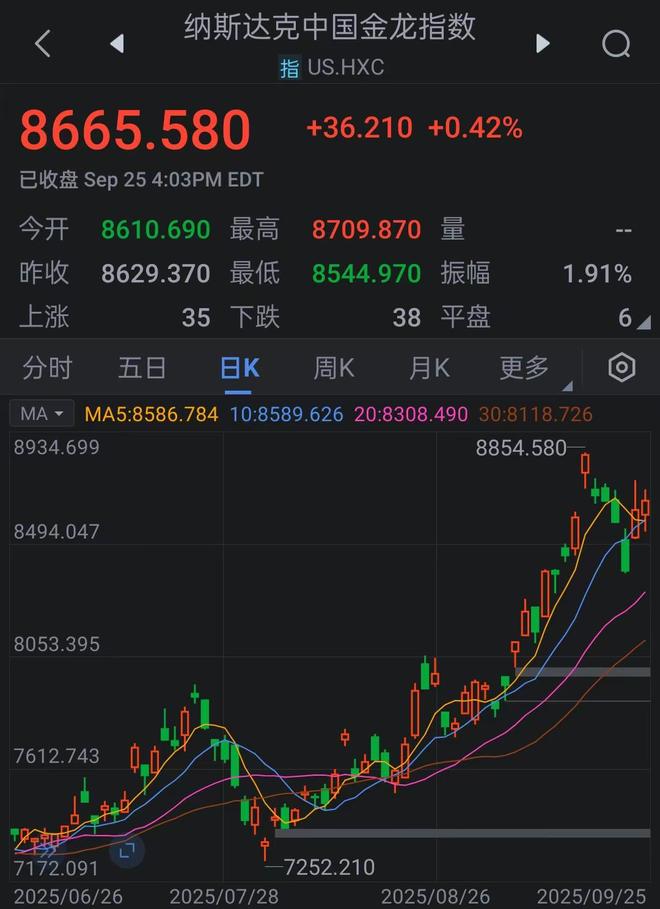
热门中概股周四多数上涨
Xin Lang Cai Jing· 2025-09-25 20:13
Group 1 - The majority of popular Chinese concept stocks rose on Thursday, with the Nasdaq Golden Dragon China Index increasing by 0.4% [1] - JD.com saw an increase of nearly 1%, while Baidu and Li Auto rose over 1% [1] - Xpeng and NIO experienced gains of over 4%, whereas Trip.com fell by more than 1% [1]


又做“冰箱彩电大沙发”?就算冒险,小米也要做一款运动型YU7
2 1 Shi Ji Jing Ji Bao Dao· 2025-09-25 15:24
Core Insights - The article discusses the internal debate within Xiaomi regarding its strategy in the automotive sector, particularly in response to the success of the Li Auto L9 and the design trends in the SUV market [2] Group 1: Company Strategy - Xiaomi is contemplating whether to follow the trend set by competitors like Li Auto or to carve out its own unique path in the automotive industry [2] - The company recognizes that if it produces a similar large-space SUV, it may not have a competitive edge, leading to the decision to innovate instead [2] Group 2: Product Development - Xiaomi has decided to develop a sporty SUV that is visually appealing and practical for family use, a move considered risky as typically only luxury brands venture into this segment [2]

小米雷军:不少车厂就摸着理想过河也干得不错
Mei Ri Jing Ji Xin Wen· 2025-09-25 12:02
Core Viewpoint - Lei Jun, founder and CEO of Xiaomi Group, highlighted the significant success of Li Auto's L9 in launching large space extended-range SUVs, indicating a new market trend that other manufacturers are following [1] Company Strategy - Xiaomi's YU7 is considered a crucial product, sparking intense debate within the company about whether to follow industry trends or carve out a unique path [1] - The company recognizes the intense competition in the large space SUV market, with many manufacturers expected to release similar models, leading to a saturated market [1] Market Analysis - Lei Jun pointed out that the demand for large space SUVs is limited, especially among families with multiple children, suggesting that the market may not support the influx of new models [1] - Despite the popularity of SUVs, user feedback indicates that many owners primarily drive alone, prompting Xiaomi to consider a different approach for their vehicle offerings [1]
理想汽车“食言”寻顶流,易烊千玺能否撬动年轻市场
Qi Lu Wan Bao Wang· 2025-09-25 10:44
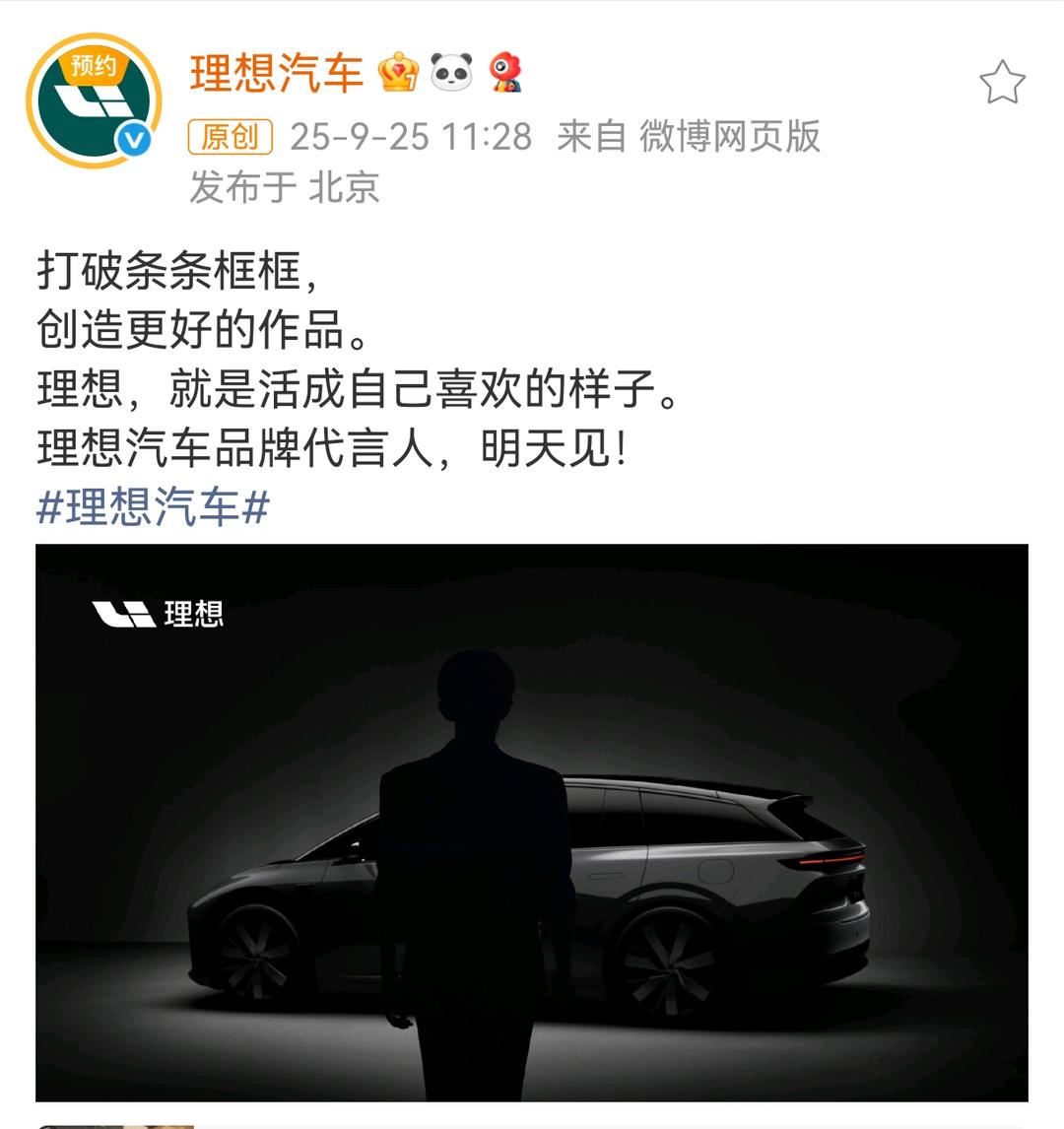
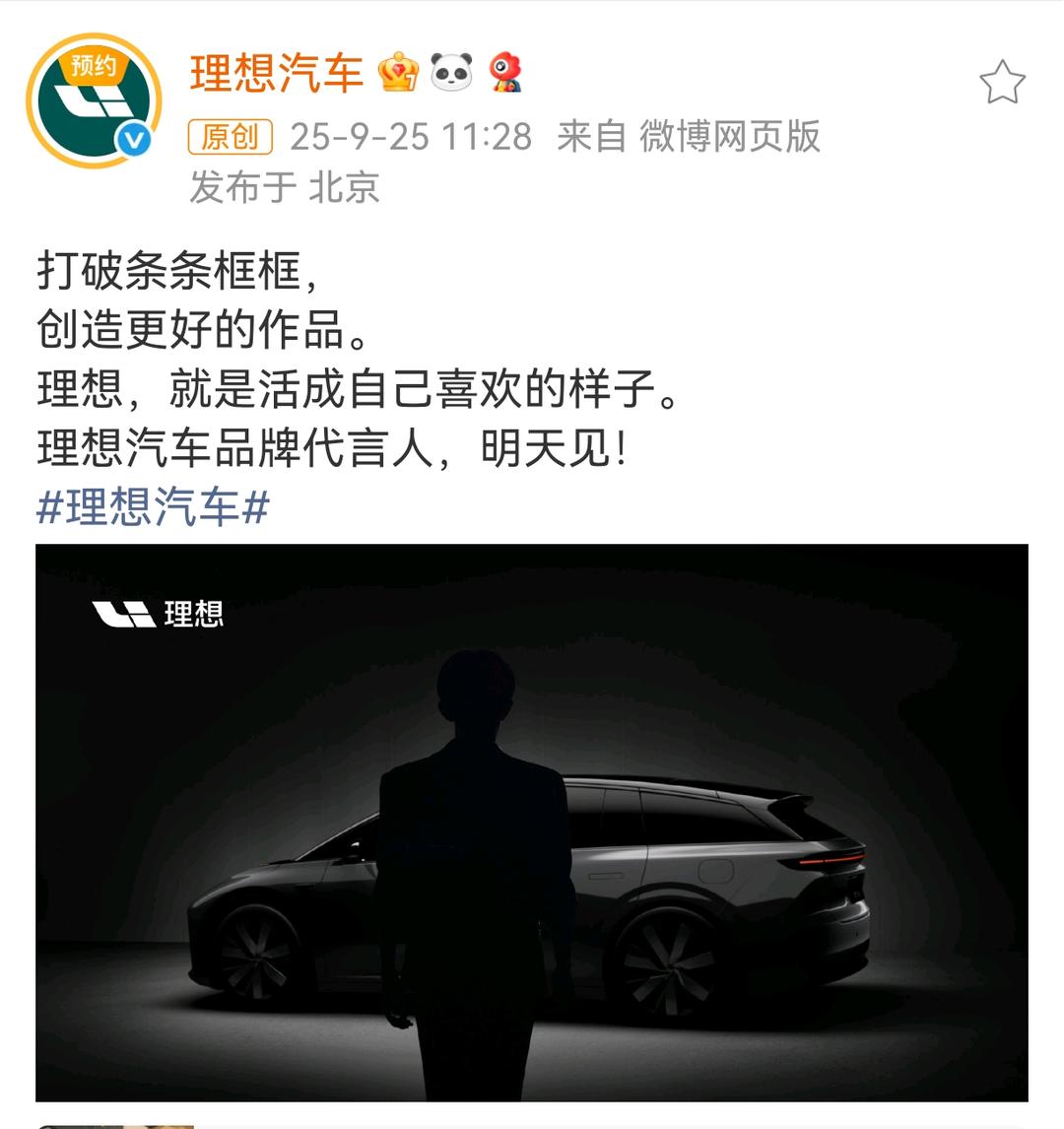
Core Insights - Li Auto has shifted its marketing strategy by signing a brand ambassador, Yi Yangqianxi, for the first time, indicating a strategic adjustment in response to intense market competition [2][5][9] - The launch of the Li Auto i6, a new electric SUV, is positioned to attract younger consumers, marking a significant shift from the brand's previous focus on middle-aged families [5][6] Group 1: Marketing Strategy - The announcement of Yi Yangqianxi as a brand ambassador coincided with the i6's launch, generating significant online buzz and reaching nearly 40 million views on Weibo [2][5] - Li Auto's CEO, Li Xiang, previously stated a policy of not hiring brand ambassadors, making this decision noteworthy in the context of the company's evolving marketing approach [2][5] - The collaboration with Yi Yangqianxi aligns with the brand's goal to appeal to a younger demographic, leveraging his influence across various age groups [5][9] Group 2: Product and Sales Goals - The Li Auto i6 is priced between 250,000 to 300,000 yuan and features advanced technology such as an 800V high-voltage platform and fast charging capabilities [6] - Li Xiang has set ambitious sales targets for the i6, aiming for monthly sales of 9,000 to 10,000 units, contributing to an overall target of 18,000 to 20,000 units for all electric models [6][10] - The i6's success is critical as it faces competition from established models like the AITO M7 and Tesla Model Y, testing Li Auto's ability to transition from a high-end to a more mainstream market [10] Group 3: Market Position and Future Outlook - Li Auto aims to capture a 10% share of the pure electric vehicle market, with the i6 being pivotal in this strategy [9] - Analysts suggest that a more aggressive pricing strategy could enhance the i6's market competitiveness, potentially lowering the price range to 200,000 to 250,000 yuan [9] - Despite recent sales declines, there is optimism regarding Li Auto's future, particularly with the acceleration of high-voltage electric products in the latter half of the year [9][10]
理想汽车:制定供应商退出机制|2025华夏ESG实践供应链履责案例
Hua Xia Shi Bao· 2025-09-25 10:37
Company Overview - Li Auto, established on July 1, 2015, is a Chinese manufacturer of new energy smart vehicles headquartered in Shunyi, Beijing, specializing in the design, research, manufacturing, and sales of luxury smart electric vehicles [2] - The company is a pioneer in the commercialization of range-extended electric vehicles in China and was listed on the NASDAQ on July 30, 2020, followed by a secondary listing on the Hong Kong Stock Exchange on August 12, 2021 [2] Supply Chain Management - Li Auto categorizes all suppliers into five categories: strategic suppliers, preferred suppliers, qualified suppliers, limited suppliers, and eliminated suppliers, to enhance the efficiency and precision of supplier management [3] - The company conducts quarterly performance evaluations of suppliers based on quantifiable assessment criteria and regularly updates evaluation standards to improve the standardization and refinement of supply chain management [3] ESG Initiatives - Li Auto incorporates ESG assessments as a key condition for potential supplier admission, evaluating suppliers on professional certifications, compliance, energy conservation, and waste management during the product industrialization development phase [5] - The company has established a supplier exit mechanism for those with significant integrity issues, concealment behaviors, or safety incidents, placing them on an elimination list [5] - In 2024, Li Auto's Changzhou branch and Beijing base received "Green Supply Chain Management Enterprise" certification through optimized green manufacturing and environmental protection supply chain management processes [5] Supplier Quality and Training - In 2024, Li Auto conducted partner empowerment projects through online, offline, and specialized formats, aiming to enhance supplier quality and industrial capabilities, with over 1,000 supplier participations [6] - The company tailored training content based on strategic development needs and supplier quality performance, helping suppliers improve overall quality levels while ensuring a more robust and reliable supply chain [6] - Li Auto performed on-site improvements and capability enhancements for over 10 suppliers, focusing on key management areas such as quality systems, critical characteristics, statistical process control, and production line error-proofing [6] Expert Commentary - Li Auto demonstrates outstanding performance in supply chain responsibility, actively fulfilling its supply chain obligations, with its production base recognized as a national-level green supply chain management enterprise, setting a benchmark for sustainable development in the automotive manufacturing industry [7]

果然财评|理想汽车“食言”寻顶流,易烊千玺能否撬动年轻市场
Qi Lu Wan Bao· 2025-09-25 09:55
Core Insights - Li Auto has shifted its marketing strategy by signing a brand ambassador, Yi Yangqianxi, which marks a significant change from its previous stance of not hiring celebrity endorsements [2][5] - The launch of the Li Auto i6 is positioned to attract younger consumers, aligning with the brand's new strategic direction [5][9] - The i6 is set to be a key model for Li Auto, with ambitious sales targets and features aimed at enhancing its market competitiveness [6][10] Group 1: Marketing Strategy - The announcement of Yi Yangqianxi as a brand ambassador coincides with the i6's launch, creating a strong buzz and engagement on social media [2][5] - This partnership is expected to leverage Yi Yangqianxi's influence across various age groups, particularly appealing to the Z generation and young adults [5][9] - Previous successful endorsements by Yi Yangqianxi, such as with BMW, indicate his potential impact on Li Auto's brand visibility and sales [6][9] Group 2: Product and Sales Strategy - The Li Auto i6 is positioned as a large five-seat pure electric SUV, priced between 250,000 to 300,000 yuan, featuring advanced technology and spacious design [6][10] - The CEO has set a sales target of 9,000 to 10,000 units per month for the i6, contributing to an overall goal of 18,000 to 20,000 units for all pure electric models [6][10] - Analysts suggest a more aggressive pricing strategy for the i6 to enhance its competitiveness in the market [9]
【重磅深度】2025年主流车企城市NOA试驾报告—9月上海篇
东吴汽车黄细里团队· 2025-09-25 09:45
Core Viewpoint - 2025 is a pivotal year for automotive intelligence, initiating a three-year cycle that will drive domestic electrification penetration rates to achieve a leap of 50%-80%+, reshaping the vehicle landscape [4][12]. Group 1: Industry Trends - The leading intelligent driving manufacturers have successfully implemented urban NOA experiences, including complex scenarios like roundabouts and U-turns, while enhancing high-level functions such as parking and scene understanding [4][12]. - The report includes both large-sample centralized road tests and small-sample in-depth road tests, evaluating the intelligent driving experiences of ten manufacturers, including XPeng, NIO, and Tesla, across various dimensions [5][12]. Group 2: Performance Improvements - Compared to Q1 2025, Q3 2025 saw improvements in intelligent driving capabilities across all manufacturers, with narrowing absolute gaps. The first-tier manufacturers achieved full-scene NOA and continued to optimize user experience [6][12]. - New entrants in self-research have shown impressive intelligent driving performance, with expectations for significant iterations in the next six months, potentially leading to substantial changes in overall experience [7][12]. Group 3: Specific Manufacturer Insights - XPeng, Huawei, and Li Auto remain in the first tier, with XPeng's self-developed Turing chip achieving 2250 TOPS of effective local computing power, enhancing driving logic [7][12]. - NIO and Xiaomi have rapidly caught up to near-first-tier levels, transitioning from "usable" to "well-usable" experiences, with NIO's world model exceeding expectations and Xiaomi enhancing complex scenario handling capabilities [8][12]. Group 4: Road Test Results - XPeng's average total takeover count was 1.51, indicating excellent overall performance, particularly in roundabout capabilities and efficiency [46][49]. - The average takeover count for the Huawei ADS-equipped vehicle was 0.60, with high scores in stability and comfort during driving [50][52]. - Li Auto's average takeover count was 1.47, demonstrating strong performance in roundabout scenarios and overall driving stability [53][56]. - NIO's average takeover count was 2.03, with good performance in roundabouts and a generally smooth driving experience [57][60]. - Xiaomi's average takeover count was 1.94, showing stable performance and the ability to handle complex scenarios effectively [60][62].


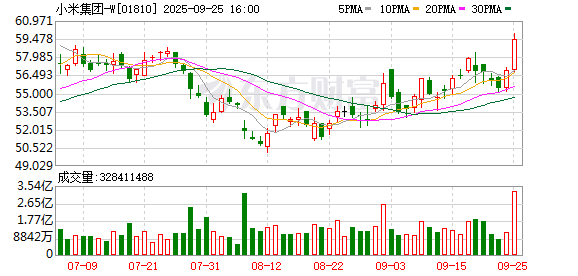
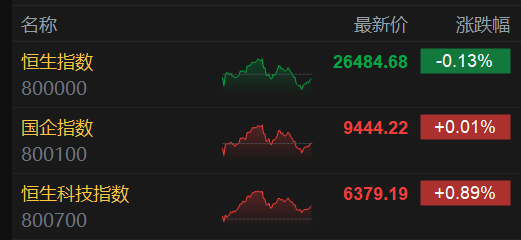
港股收评:恒指跌0.13%,内银股弱势,铜业股强势领涨,中国大冶有色金属涨25%,紫金矿业再创新高,小米涨4.48%
Ge Long Hui· 2025-09-25 08:54
Group 1 - The Hong Kong stock market saw mixed performance with the Hang Seng Technology Index slightly down by 0.13%, while the National Enterprises Index rose marginally by 0.01% [2] - The Hang Seng Technology Index experienced a peak increase of 2% during the trading session before closing with a minor decline [2] Group 2 - Major technology stocks generally maintained an upward trend, with Xiaomi rising by 4.48%, JD.com by 3.46%, and Baidu by 2.33% [4] - Automotive stocks collectively increased, with Chery Automobile seeing a significant rise of nearly 14% on its first trading day, while other companies like Li Auto, NIO, and BYD also posted gains [4] - Copper prices surged due to supply tightness following an accident at the world's second-largest copper mine, leading to strong performances in the copper sector, with China Daye Non-Ferrous Metals soaring by 25% [4]


车企2025上半年:传统车企底蕴犹在,“五界”急需上量,造车新势力挣扎在盈亏线上
Sou Hu Cai Jing· 2025-09-25 08:10
Core Insights - The automotive industry is experiencing a significant performance divergence among companies in the first half of 2025, with some achieving growth in both revenue and net profit, while others face declines in both metrics [1][4]. Revenue and Profit Performance - Among 16 A/H share listed automotive companies, 11 reported revenue growth, and 9 achieved profitability, with over half of the companies being profitable [1][4]. - BYD leads the industry with revenue of 371.281 billion yuan, a year-on-year increase of 23.3%, and a net profit of 15.511 billion yuan, up 13.79% [3][4]. - Traditional automakers like Geely, Great Wall, and SAIC maintained net profits above 6 billion yuan, but all experienced approximately 10% declines in net profit [1][4][5]. - The overall automotive industry revenue reached 509.17 billion yuan, a year-on-year increase of 8%, while costs rose by 9% to 447.8 billion yuan, resulting in a profit of 24.44 billion yuan, up 3.6% [4]. Company-Specific Insights - Geely's revenue grew by 27% to 150.285 billion yuan, but net profit fell by 13.9% to 9.29 billion yuan, attributed to a previous asset sale in 2024 [4][5]. - Great Wall's revenue was 92.335 billion yuan, a slight increase of 0.99%, with net profit declining by 10.21% to 6.337 billion yuan [5]. - Changan, Dongfeng, and GAC faced performance pressures due to challenges in joint ventures, with Changan's revenue down 5.25% to 72.691 billion yuan and net profit down 19.09% to 2.291 billion yuan [5][6][7]. - GAC reported a revenue decline of 7.95% to 42.166 billion yuan and a net loss of 2.538 billion yuan, a significant drop of 267.39% [7]. New Energy Vehicle Collaborations - Companies collaborating with Huawei on the "Five Realms" brand, particularly Seres, have shown significant performance improvements, with Seres achieving a net profit increase of 81.03% to 2.941 billion yuan [8][9]. - Other companies like BAIC Blue Valley and Jianghuai faced challenges, with Jianghuai's revenue down 9.1% to 19.36 billion yuan and a net loss of 777 million yuan, marking a 356.89% decline [9]. Emerging Players Performance - Among the new energy vehicle startups, Li Auto continues to lead with a revenue of 56.17 billion yuan, down 2%, and a net profit of 1.743 billion yuan, up 2.8% [13][14]. - Xpeng and NIO reported revenues of 34.09 billion yuan and 31.043 billion yuan, respectively, with Xpeng showing a significant growth of 132.51% [13][14]. - Leap Motor achieved its first half-year profit of 33 million yuan, while NIO and Xpeng continue to struggle with profitability [13][14]. Market Trends and Future Outlook - The overall market is seeing a shift towards high-end models, with Seres' high-end models leading sales in their respective price segments [8]. - Companies are focusing on cost control and operational efficiency to improve profitability, with NIO implementing a comprehensive cost reduction plan [14].




9月上海篇:2025年主流车企城市NOA试驾报告
Soochow Securities· 2025-09-25 07:19
Investment Rating - The report does not provide specific investment recommendations for individual companies or suppliers in the intelligent driving sector [4][9]. Core Insights - 2025 is identified as a pivotal year for automotive intelligence, with a projected increase in domestic electrification penetration rates to 50%-80% over the next three years, leading to a reshaping of the automotive landscape [4]. - Major intelligent driving manufacturers have successfully implemented complex urban NOA (Navigation on Autopilot) experiences, enhancing high-level functionalities such as parking and scene understanding [4]. - The report evaluates the intelligent driving experiences of ten manufacturers, including XPeng, NIO, and Tesla, through both large sample and small sample road tests, focusing on various dimensions such as scene implementation and comfort [4][9]. Summary by Sections Road Test Overview - The report includes both large sample concentrated road tests and small sample deep road tests to assess the performance of intelligent driving systems [8][27]. - The large sample tests involved approximately 50 participants testing various models along a standardized route, while the small sample tests were conducted by the same evaluators under similar conditions [9][27]. Intelligent Driving Models Tested - The models tested in September 2025 include XPeng P7, NIO ES8, and Tesla Model 3, among others, with specific versions noted for each [10][11]. Performance Evaluation - Compared to Q1 2025, Q3 2025 shows improvements in intelligent driving capabilities across all manufacturers, with a narrowing gap between the leading and following manufacturers [4]. - The report highlights that new entrants in the self-research sector are showing promising performance, with significant iterations expected in the coming months [4]. Specific Model Insights - XPeng's XOS 5.7.7 demonstrated excellent performance with an average takeover frequency of 1.51 times, showcasing strong capabilities in complex scenarios [34]. - The NIO ES8 with cedar model achieved an average takeover frequency of 2.03, indicating robust performance in urban environments [43]. - Tesla's FSD version 13.2 recorded a higher average takeover frequency of 5.73, suggesting areas for improvement in its intelligent driving capabilities [49]. Technical Developments - The report notes advancements in hardware and software across various manufacturers, with many now utilizing self-developed chips and algorithms [26][24]. - Specific improvements in driving comfort and efficiency were reported, with some models achieving significant enhancements in user experience metrics [22].