NAYUKI(02150)

Search documents
库迪将取消全场9.9元,肯德基、麦当劳、瑞幸、奈雪的茶集体涨价
21世纪经济报道· 2026-01-31 03:56
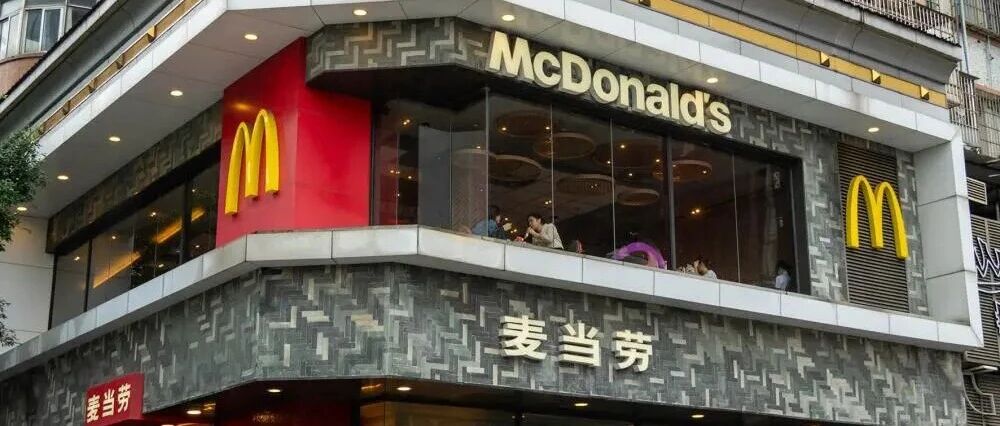
Core Viewpoint - The article discusses the recent price adjustments made by major fast-food and beverage brands in response to rising operational costs and competitive pressures in the delivery market, indicating a shift in pricing strategies across the industry [1][5][14]. Price Adjustments - KFC has raised the prices of its delivery products by an average of 0.8 yuan while keeping dine-in prices unchanged, citing the need to respond to operational cost changes [5][9]. - McDonald's has also increased the prices of some menu items by 0.5 to 1 yuan, with delivery prices adjusted accordingly [9]. - Other brands like Salvia and Luckin Coffee have followed suit, with price increases ranging from 1 to 2 yuan for certain items, often through indirect methods such as eliminating discounts [5][9]. Market Dynamics - The article highlights the impact of the intense competition in the delivery market, which has led to a "price war" that is reshaping the competitive landscape, with new entrants continuously driving prices lower [5][13]. - The rising costs of raw materials, as indicated by a 4.4% increase in fresh fruit prices, are also contributing to the need for price adjustments among these brands [10][11]. Consumer Behavior - The shift in pricing strategies may alter consumer perceptions, as many have become accustomed to lower prices due to previous promotional activities, potentially leading to resistance against higher prices [13][14]. - The reliance on delivery services has increased significantly, with KFC's delivery sales growing by 33% year-on-year, accounting for 51% of its restaurant revenue [9]. Strategic Adjustments - Many smaller brands are adopting more discreet pricing strategies to avoid direct price hikes, focusing on high-margin meal bundles to improve delivery profitability [13][14]. - The article suggests that the adjustments in pricing are part of a broader strategy to regain pricing power and reduce dependency on delivery channels, which have been detrimental to profit margins [14].



库迪将取消全场9.9元,肯德基、麦当劳、瑞幸、奈雪的茶、蜜雪冰城集体涨价
2 1 Shi Ji Jing Ji Bao Dao· 2026-01-31 02:36
Core Viewpoint - The recent price adjustments by major fast-food chains like KFC and McDonald's, along with various coffee and tea brands, reflect a response to rising operational costs and the competitive pressures of the takeaway market [1][2][3] Price Adjustments - KFC China announced a slight price increase of 0.8 yuan for its delivery products while keeping dine-in prices unchanged, citing operational cost changes as the reason [1][3] - Other brands, including McDonald's and various tea brands, have also raised prices by 1-2 yuan, often through indirect methods like eliminating discounts [1][3][4] Market Dynamics - The competitive landscape has shifted due to an intense price war in the takeaway sector, leading to a "mixed battle" environment where prices continue to drop, potentially harming overall industry profitability [2][7] - KFC's delivery sales grew by 33% year-on-year, accounting for 51% of its restaurant revenue, indicating a significant reliance on the delivery segment [3] Cost Pressures - Rising raw material costs are a contributing factor to the price increases, with the Consumer Price Index (CPI) rising by 0.8% in December 2025, and fresh fruit prices increasing by 4.4% [4][6] - The price of lemons, a key ingredient for many beverages, rose by 28.3% from April to June 2025, coinciding with increased demand from takeaway services [6] Strategic Adjustments - Smaller brands are adopting more discreet pricing strategies to cope with the competitive pressures, often increasing the prices of high-margin combo meals to improve profitability [7][8] - The industry is witnessing a shift towards reducing reliance on takeaway channels, with brands adjusting their pricing structures and enhancing dine-in experiences to balance profitability [8]
麦当劳肯德基相继调价 背后是外卖成本压力?
2 1 Shi Ji Jing Ji Bao Dao· 2026-01-31 01:11
Core Insights - The article discusses the recent price adjustments made by major fast-food chains like KFC and McDonald's, as well as various coffee and tea brands, primarily targeting delivery services to cope with rising operational costs [1][2]. Price Adjustments - KFC China announced a price increase of 0.8 yuan on delivery products while keeping dine-in prices unchanged, citing operational cost changes as the reason [1][2]. - McDonald's also raised prices on certain menu items by 0.5 to 1 yuan, with delivery prices adjusted accordingly [2]. - Other brands like Salvia, Nayuki, and Luckin Coffee have also increased their prices, typically by 1 to 2 yuan, to balance costs and profits [1][2]. Market Dynamics - The competitive landscape has shifted due to an intense delivery price war, which has altered the profit margins for many restaurants [1][4]. - The increase in raw material costs, as indicated by a 0.8% rise in the Consumer Price Index (CPI) and a 4.4% increase in fresh fruit prices, is contributing to the need for price adjustments [3][4]. Impact on Smaller Brands - Smaller businesses are adopting more discreet and flexible pricing strategies compared to larger chains, which can afford to raise prices openly [5][6]. - Many small brands are experiencing significant profit reductions, with some reporting a 60% decrease in net profits due to low-price subsidies [6]. Long-term Implications - The ongoing price adjustments reflect a broader trend of brands reassessing their reliance on delivery channels and seeking to improve in-store experiences [7]. - The adjustments may help the industry move away from a low-price competition model, fostering a healthier market environment as subsidy pressures ease [7].

阿洛酮糖获批半年静悄悄?生产商:2026年或是应用爆发年
Xin Lang Cai Jing· 2026-01-20 05:57
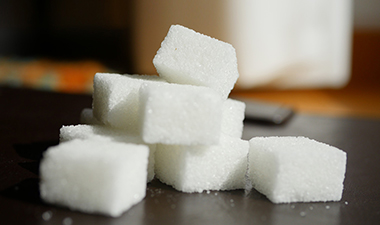
Core Viewpoint - The article discusses the rising interest and potential of D-allohexose (D-阿洛酮糖) as a sugar substitute in the food and beverage industry, highlighting its approval as a new food ingredient and the contrasting dynamics between production and consumer market adoption [1][5][21]. Production Dynamics - Major food and beverage companies are actively seeking to test D-allohexose, which is seen as a promising sugar alternative due to its low caloric content and ability to participate in the Maillard reaction [1][3]. - Following its approval on July 2, 2025, there was a significant surge in market interest, with a 4985% increase in the WeChat index for D-allohexose and notable stock price increases for related companies [1][3]. - Production capacity is rapidly expanding, with companies like Baolingbao and Jinhe Industrial planning to increase their annual production capacities to tens of thousands of tons [9][10][11]. Market Adoption - Despite the production enthusiasm, the consumer market remains relatively quiet, with only a few products incorporating D-allohexose, such as Naixue's tea and a probiotic drink from Youyi C [4][12]. - The slow market adoption is attributed to the lengthy process of product development and the high cost of D-allohexose compared to traditional sugars, which limits its immediate application in consumer products [14][15][21]. Cost and Production Challenges - The cost of D-allohexose remains a significant barrier, with prices ranging from 20,000 to 24,000 yuan per ton, compared to 6,000 yuan for white sugar [15][17]. - The production methods for D-allohexose, including fermentation and enzymatic conversion, present technical challenges that contribute to its higher costs [18][19]. Regulatory and Market Position - D-allohexose is classified as a new food ingredient rather than a food additive, allowing for broader applications across various food categories, unlike other sweeteners that are limited to specific uses [23][26]. - The article suggests that D-allohexose may find its initial applications in high-end markets where consumers are less price-sensitive and more focused on health benefits [21][22].



“最热闹的地方都不一定能赚到钱了”,茶饮离规模天花板还有多远?
3 6 Ke· 2026-01-16 03:23
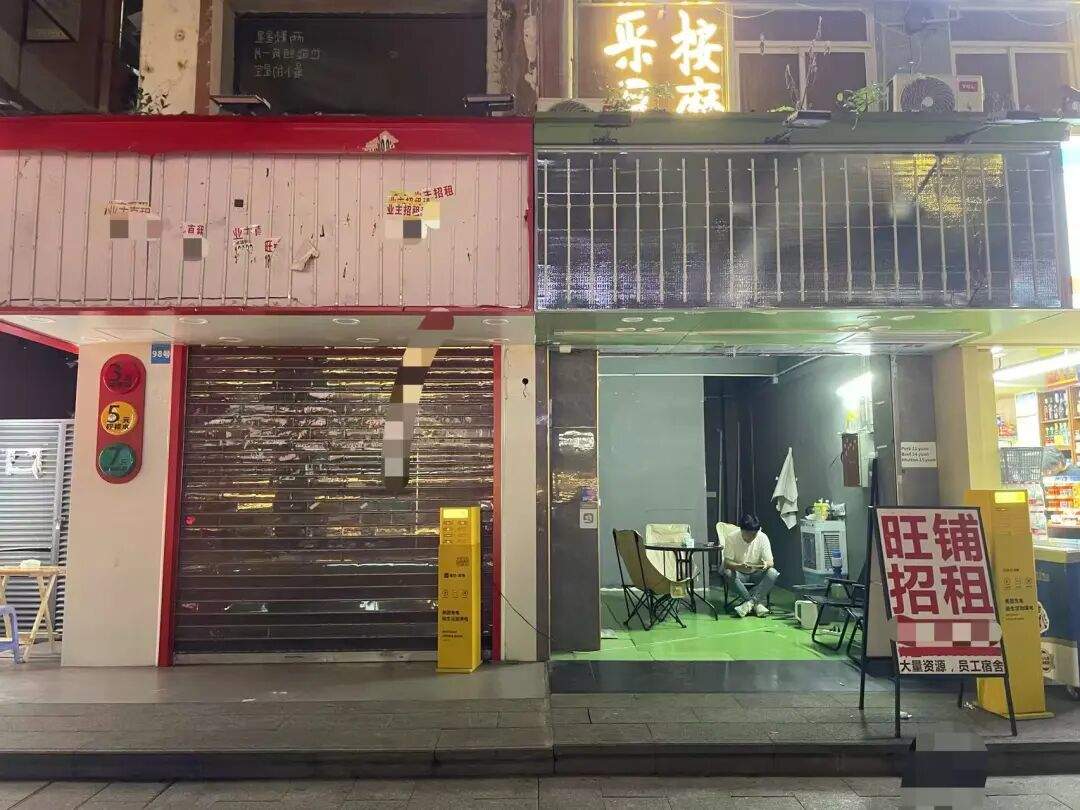
Core Insights - The tea beverage industry is experiencing a significant shift from rapid growth to intense competition, with many brands struggling to maintain profitability as the market approaches saturation [2][11][24]. Industry Overview - The tea beverage market has seen a surge in the number of listed companies, with brands like Gu Ming, Mi Xue Ice City, and Ba Wang Tea Sister joining the ranks, bringing the total to six publicly traded companies [2]. - Mi Xue Ice City has expanded to an impressive 47,000 global stores, while Gu Ming has become the second tea brand to reach 10,000 stores [2]. - The market growth rate is projected to slow down significantly, with an expected increase of only 6.4% in 2025, compared to over 20% in previous years [11]. Market Dynamics - The competition has intensified, leading to a phenomenon where many stores are closing or struggling to find tenants, with rental prices dropping by 30% in some areas without attracting new businesses [10][11]. - The average density of tea beverage stores is high, with one store for every 700 people in the target demographic of 15-35 years old [11]. Financial Performance - Major tea brands have reported substantial revenue growth, with Mi Xue Group achieving a revenue increase of 39.3% to 14.87 billion yuan and Gu Ming's revenue rising by 41.2% to 5.66 billion yuan [15][17]. - Despite overall revenue growth, many franchisees are experiencing declining profit margins due to increased competition and the impact of the delivery service wars [20][21]. Delivery Wars Impact - The fierce competition among delivery platforms has led to significant spending, with approximately 65 billion yuan burned in the third quarter alone, benefiting tea brands through increased order volumes [13][14]. - However, the profitability of individual stores is under pressure, as the shift towards delivery often results in lower profit margins compared to in-store sales [20][21]. Investment Trends - Investors are increasingly adopting a speculative approach, focusing on new brands with the potential for high returns, while established brands are seen as less profitable [24][25]. - The emergence of new brands and trends, such as Thai milk tea, is driving interest among franchisees, who are eager to capitalize on the next big opportunity [27][28]. Consumer Behavior - The delivery wars have changed consumer habits, with a growing preference for ready-to-drink beverages, which may have long-term benefits for the industry [23]. - However, there are concerns that the price sensitivity created by heavy discounting during the delivery wars could persist even after subsidies are reduced [21].

茉酸奶收购酸奶罐罐,成为行业“新发展”缩影
Mei Ri Jing Ji Xin Wen· 2026-01-08 13:48
Group 1 - The acquisition of the yogurt brand "酸奶罐罐" by "茉酸奶" reflects the ongoing capital restructuring in the ready-to-drink tea and coffee industry, as the market transitions from high growth to a phase of stock competition [1] - In 2025, key events in the tea and coffee market included several brands going public and the rise of instant retail platforms, which significantly impacted sales but also created challenges for franchisees [1][3] - The market size of the new-style tea market reached 374.93 billion yuan in 2025, growing by 5.7% year-on-year, indicating a slowdown compared to previous years [7] Group 2 - The intense subsidy war initiated by instant retail platforms led to a significant increase in transaction volume but a decrease in average order value, with tea and coffee market consumption growing by 39.2% and 42.6% respectively, while average prices fell by 16.3% and 10.7% [3] - Franchisees are becoming more cautious in their investments, focusing on prime locations, cost control, and partnering with leading brands, as the market becomes increasingly competitive [7][8] - The trend of product homogenization continues, with fewer collaborations between brands and IPs, indicating a need for differentiation and stability in supply chains [8][10]
奈雪的茶(02150) - 截至二零二五年十二月三十一日止月份之股份发行人的证券变动月报表
2026-01-05 10:43
股份發行人及根據《上市規則》第十九B章上市的香港預託證券發行人的證券變動月報表 截至月份: 2025年12月31日 狀態: 新提交 本月底法定/註冊股本總額: USD 250,000 第 1 頁 共 10 頁 v 1.1.1 致:香港交易及結算所有限公司 公司名稱: 奈雪的茶控股有限公司 呈交日期: 2026年1月5日 I. 法定/註冊股本變動 | 1. 股份分類 | 普通股 | 股份類別 | 不適用 | | 於香港聯交所上市 (註1) | | 是 | | | --- | --- | --- | --- | --- | --- | --- | --- | --- | | 證券代號 (如上市) | 02150 | 說明 | | | | | | | | | | 法定/註冊股份數目 | | | 面值 | | 法定/註冊股本 | | | 上月底結存 | | 5,000,000,000 | | USD | | 0.00005 USD | | 250,000 | | 增加 / 減少 (-) | | | 0 | | | USD | | 0 | | 本月底結存 | | | 5,000,000,000 | USD | | 0. ...
元旦消费市场迎来 “开门红” 餐饮场景热度集中释放
Zheng Quan Shi Bao Wang· 2026-01-05 09:40
Group 1: Overall Market Performance - The consumer market experienced a "good start" during the 2026 New Year's holiday, with a significant increase in restaurant scene activity [1] - 58.1% of surveyed restaurants reported stable or increased customer traffic on New Year's Day, while 69.6% saw stable or increased takeaway orders [1] - Daily average consumption in dine-in restaurants during the holiday increased by 19% compared to the same period in 2025 [1] Group 2: Specific Company Performance - The group behind "Xiabuxiabu" reported over 20 million yuan in revenue from its "Coucou" stores during the holiday, with a customer flow of 140,000 and a peak daily revenue exceeding 8 million yuan [2] - "Xiabuxiabu" brand stores nationwide saw a total net sales exceeding 30 million yuan, with a year-on-year growth of over 30% and a peak daily revenue surpassing 10 million yuan [2] - "Xibei" restaurants attracted around 500,000 customers during the holiday, with no impact from subsidy cessation on overall customer flow [2] Group 3: New Tea Beverage Sector - "Nayuki" tea outlets experienced a sales increase of over 700% compared to pre-holiday levels, with some stores recording single orders exceeding 1,000 cups [3] - "Nayuki" tea's overseas locations, including in New York and Bangkok, became popular among local tourists, with the New York store generating nearly 40,000 USD (approximately 279,000 yuan) in sales over three days [3] - "Moli Naibai" brand sold nearly 1.9 million cups on New Year's Eve and continued strong sales with 1.53 million cups sold on New Year's Day, with some stores seeing sales growth close to 300% [3]

奈雪解锁泰国第三城,星巴克入局美妆市场
3 6 Ke· 2025-12-30 02:56
Industry Overview - In November, a total of 30 chain tea brands monitored by Yilan Commercial reported 134,300 stores, with a net increase of 498 stores after opening 3,190 and closing 2,692 [1] - Among these, brands like Hu Shang A Yi and Gu Ming showed significant growth, with net increases of 231 and 190 stores respectively [1] - Tims Coffee and Grid Coffee are also expanding, with new stores set to open by the end of the year [1] New Store Openings - New flagship stores are being launched, such as Mixue Ice City in Hangzhou, which invested nearly 8 million yuan and covers approximately 700 square meters [2] - Other brands like Nayuki and WILLchá are also expanding internationally, with new openings in Thailand and Japan [2] Product Launches - Various tea and coffee brands have introduced new products, including CoCo's new tapioca peach gum dessert and Nayuki's cherry series [3] - Sales performance has been strong, with one brand's yogurt drink series surpassing 200 million cups sold [3] Collaborations and Promotions - Collaborations between brands are yielding positive results, such as Heytea's partnership with Pop Mart leading to long queues and rapid sales [5] - Other brands are also engaging in promotional activities, with some facing consumer backlash over product sizes and caffeine content [5] Corporate Developments - Starbucks appointed Anand Varadarajan as the new CTO, bringing extensive experience from Amazon [6] - The company is also enhancing its marketing team with a new senior manager from Elf Cosmetics [6] Financial Insights - Hextar Industries Berhad is divesting from its fertilizer business to focus on expanding its food and beverage retail operations, particularly Luckin Coffee in Malaysia [7] - Starbucks anticipates a busy day for gift card sales on December 24, expecting over $60 million in new card reloads [7] - The company's unredeemed gift card balance reached $1.8 billion, an increase from the previous year [7]

奈雪的茶败走平价市场
Ge Long Hui· 2025-12-26 17:52
Core Insights - The article highlights the significant presence of milk tea brands in lower-tier markets, with a notable absence of high-end tea brands like Nayuki and Heytea in these areas [2][3] - Nayuki has faced challenges in penetrating the lower-tier market and has decided to shut down its sub-brand Taigai due to lack of profitability [4][5] Group 1: Market Trends - The lower-tier market has seen a surge in milk tea brands such as Mixue, Gu Ming, and Cha Bai Dao, while high-end brands like Nayuki and Heytea are rarely mentioned [2][3] - Nayuki's attempts to enter the lower-tier market through sub-brands have not been successful, leading to a focus on its main brand [4][7] Group 2: Nayuki's Strategy - Nayuki announced the closure of its Taigai sub-brand, which had only 7 operational stores left, indicating a drastic decline from its peak of over 800 stores [5][19] - The company has previously closed another sub-brand, Pear Mountain, which targeted price-sensitive consumers, indicating a pattern of struggling with lower-tier market strategies [5][7] Group 3: Competitive Landscape - Nayuki's market presence is significantly lower than that of Heytea, which has 3,326 stores compared to Nayuki's 1,505 [9][11] - The differences in brand strategy and market approach between Nayuki and Heytea are evident, with Heytea focusing on product innovation and collaborations to maintain consumer interest [11][12] Group 4: Challenges in Lower-Tier Markets - High-end tea brands face challenges in lower-tier markets due to higher price points and complex supply chains, making it difficult to attract price-sensitive consumers [18][19] - Nayuki's high franchise fees and operational requirements create barriers for expansion into lower-tier markets, limiting its growth potential [19][20]