PING AN OF CHINA(02318)

Search documents
中国平安,熬过来了
Hu Xiu· 2026-01-07 10:19
Core Viewpoint - China Ping An's stock price has surged above 70 yuan, reaching a market capitalization of over 1.3 trillion yuan, marking a new high since March 2021 and a 160% increase from its low in October 2022 [1][3]. Stock Performance - The stock price of China Ping An has shown significant recovery, nearing its historical high of 82.60 yuan, with a 25% increase in the fourth quarter of 2025 compared to the third quarter [1][4]. - Morgan Stanley has included China Ping An in its core recommendation list, raising the target price for A-shares from 70 yuan to 85 yuan [5]. Market Sentiment - Despite ongoing disputes with Huaxia Happiness, the stock continues to rise, indicating strong market support and investor confidence [6][7]. - The A-share market has seen substantial inflows, with nearly 100 billion yuan invested in the CSI A500 ETF, of which China Ping An is a significant component [7]. Fundamental Changes - The insurance sector, represented by companies like China Ping An, has outperformed traditional industries such as liquor, which face declining demand [8][9]. - China Ping An has focused on enhancing its core financial and healthcare services, shifting away from loss-making technology ventures [10][11]. Investment Strategy - The company has increased its investments in stable, high-dividend stocks, particularly in the banking sector, while reducing exposure to real estate [12][26]. - China Ping An's investment strategy emphasizes a balanced approach with a focus on fixed income, equities, and alternative assets, including gold [22][26]. Financial Performance - In the first three quarters of 2025, China Ping An reported a net profit of 1,328.56 million yuan, with an 11.47% growth rate, the lowest among major insurers [18]. - The company has improved its investment performance, with a non-annualized comprehensive investment return of 5.4% and a net investment return of 2.8% [21]. Premium Growth - China Ping An has demonstrated strong growth in both life and property insurance premiums, with a 11.7% increase in insurance business revenue in the first three quarters of 2025 [28]. - The company has successfully enhanced its distribution channels, particularly through the bancassurance model, which has seen a 171% increase in new business value [30]. Competitive Position - China Ping An is recognized as one of the most competitive companies in the insurance sector, with strong capabilities in product development, distribution, and technology application [37]. - However, it faces challenges in maintaining a competitive edge over other leading insurers, as its performance does not significantly exceed industry averages [38]. Future Outlook - The stock price of China Ping An may continue to rise, driven by market sentiment and the overall performance of the insurance sector, but it may not achieve independent growth due to reliance on broader market trends [41][42]. - The company is well-positioned to benefit from the aging population and increasing demand for insurance products, although growth rates may stabilize at moderate levels [36].


持股达20%!平安人寿举牌农业银行H股
Bei Jing Shang Bao· 2026-01-07 07:45
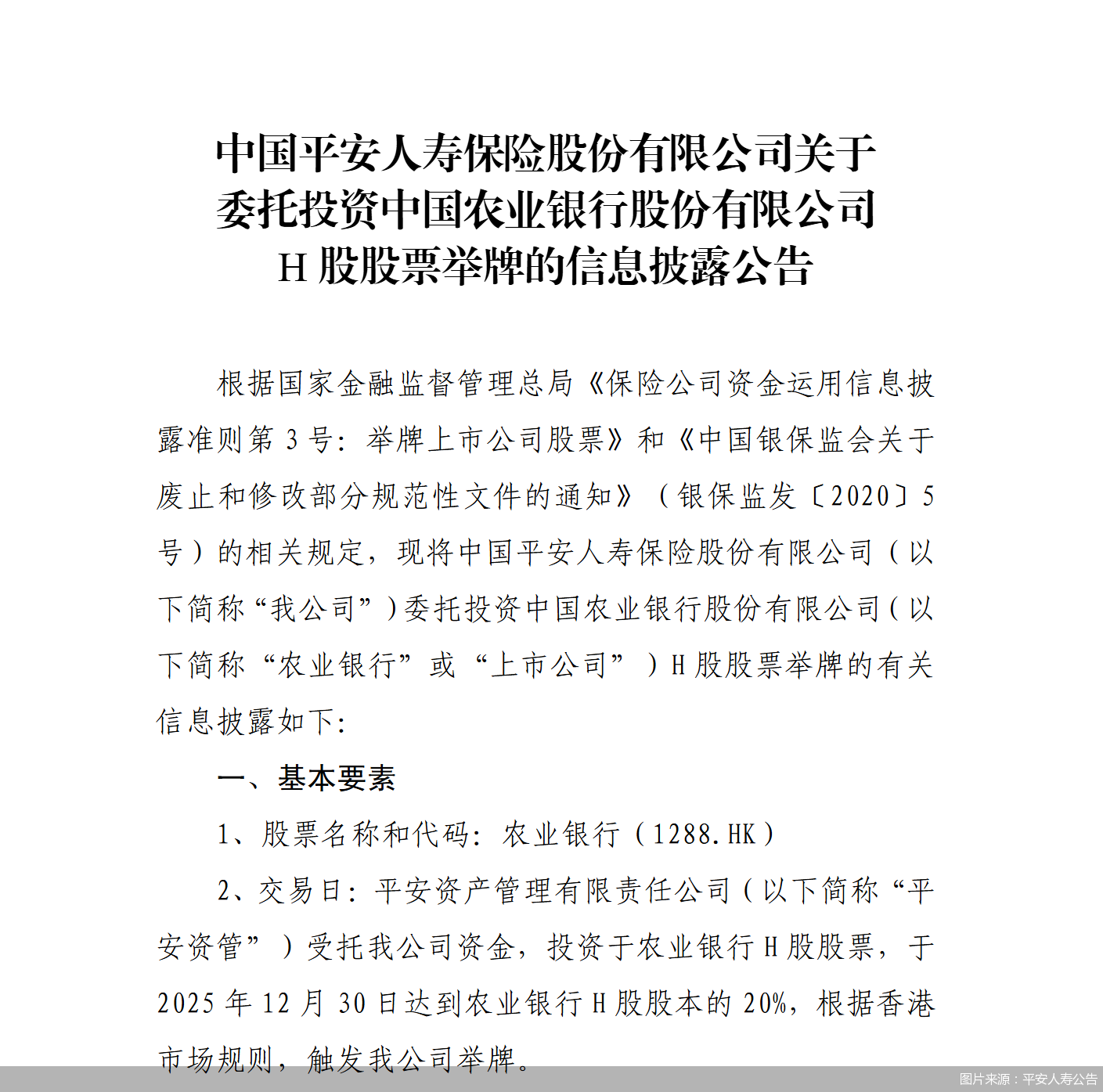
北京商报讯(记者 李秀梅)1月7日,中国平安人寿保险股份有限公司(以下简称"平安人寿")公告表示,平安资管受托平安人寿资金,投资于农业银行H股 股票,于2025年12月30日达到农业银行H股股本的20%,根据香港市场规则,触发平安人寿举牌。 ...


【窩輪透視】中國平安超買信號響起,窩輪槓桿效應如何把握?
Ge Long Hui· 2026-01-07 06:05
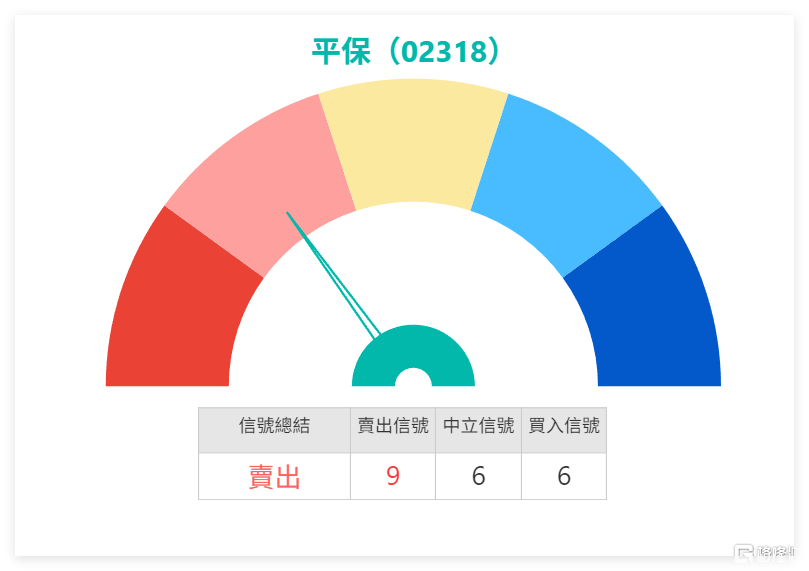
Core Viewpoint - China Ping An (02318) shows signs of overbuying, with a significant increase in trading volume and price movement, indicating potential short-term volatility and the need for caution among investors [1][3]. Technical Analysis - On January 5, 2026, China Ping An's stock closed at 68.6 HKD, up 2.69%, with a trading volume of 5.521 billion HKD. The current price is 71.25 HKD, with resistance levels at 71.9 HKD and 74 HKD, and support levels at 64.3 HKD and 60.9 HKD. The probability of further price increase is estimated at 50%, with a 5-day volatility of 7.8% [1]. - The RSI indicator is at 75, indicating an overbought condition, and the technical summary suggests a "strong sell" signal with a strength of 9, highlighting the potential for a price correction [1]. Sector Performance - On the same day, insurance stocks collectively performed well, with AIA Group (01299) closing at 83.9 HKD (up 0.72%), China Life (02628) at 29.82 HKD (up 3.40%), and China Pacific Insurance (02601) and New China Life (01336) rising by 4.03% and 5.34%, respectively. However, all these stocks also showed strong sell signals technically [1][3]. Derivative Products Analysis - The performance of related warrants has been notable, with two warrants linked to China Ping An showing a 7% increase shortly after the stock's movement, while a Morgan Stanley bull certificate rose by 8% [3]. - The leverage effect of warrants is significant, allowing investors to achieve higher returns even with minor stock price movements. The sensitivity of warrants to stock price changes is influenced by the distance between the exercise price and the current stock price [5]. Selected Products and Recommendations - Three potential products are highlighted for investors: 1. Morgan Stanley Bull Certificate (61191) with a leverage of 9.1 times and a recovery price of 61 HKD, providing a safety margin against price corrections [6]. 2. UBS Bull Certificate (61015) with the lowest premium and a leverage of 8.6 times, suitable for moderate risk investors seeking stable returns [6]. 3. Bank of China Call Warrant (21992) with a leverage of 9.6 times and an exercise price of 76.93 HKD, offering significant appreciation potential if the stock breaks through resistance [6]. Investment Strategy - Investors holding related warrants are advised to set reasonable profit-taking levels to avoid losses from potential stock corrections. New investors are recommended to avoid chasing high-priced products and instead focus on those with lower premiums and reasonable leverage [5][6].
星展集团研究部:将中国平安保险(集团)股份有限公司目标价从72.00港元上调至85.00港元
Xin Lang Cai Jing· 2026-01-07 05:52
星展集团研究部:将 中国平安 保险 (集团)股份有限公司目标价从72.00港元上调至85.00港元。 ...
进击的保险:不只是交易“开门红”,长债2%关口与重返1倍P/EV
Hua Er Jie Jian Wen· 2026-01-07 05:08
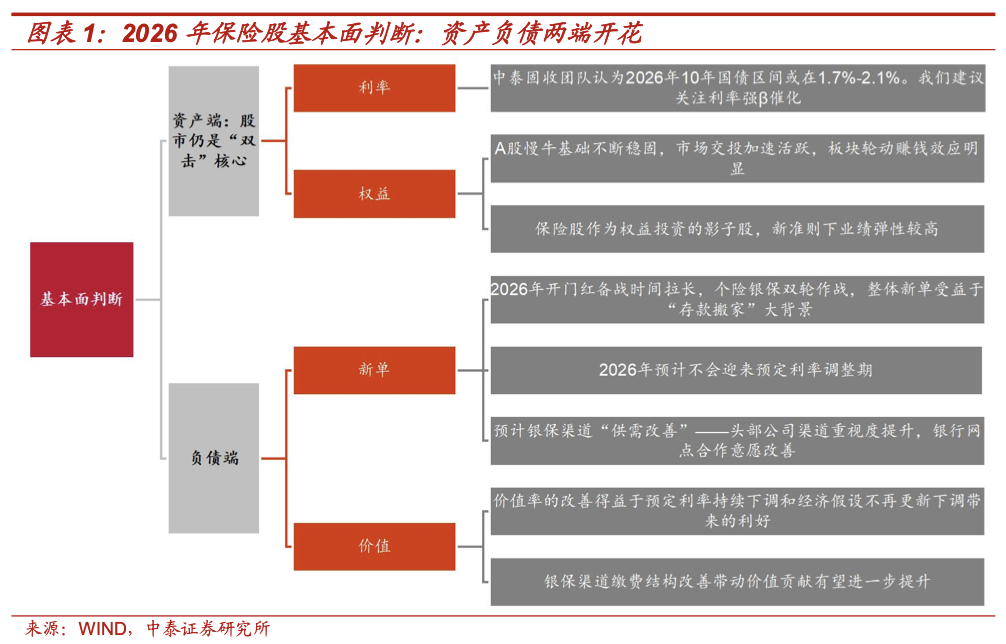
Core Viewpoint - The insurance sector experienced a significant rise of over 6% on January 5, 2026, with Xinhua Insurance and China Pacific Insurance reaching historical highs, driven by a cyclical logic of improved expectations, rising long-term interest rates, and reinforced profit elasticity since December 2025 [1] Group 1: Market Performance and Expectations - The current stock prices reflect an optimistic outlook for the "opening red" period of 2026, with Q1 2026 expected to be a peak for value and profit growth [2] - The average new business growth rate for listed insurance companies in Q1 2026 is projected to be 30%, with bancassurance and individual insurance growth rates at 50% and 20% respectively [2] - The low base from 2025 for individual insurance and the increasing focus on bancassurance channels by leading companies are expected to drive growth in new business [2] Group 2: Interest Rates and Valuation - The significance of long-term interest rates breaking the 2.0% mark is highlighted, with market expectations showing divergence on future trends [3] - If long-term rates exceed 2.0%, it could lead to a gradual approach of P/EV valuations towards 1x, benefiting insurance stock valuations [3] - The 10-year government bond yield is anticipated to range between 1.7% and 2.1% in 2026, with a favorable environment for insurance stock valuations due to improving credit spreads and term spreads [3] Group 3: Business Value and Growth Projections - The internal value (EV) credibility is gradually recovering, with expectations of a return to growth in EV for listed insurance companies from 2025 to 2027, averaging 10.6%, 10.9%, and 10.8% respectively [4] - The new business value (NBV) growth rates are projected at 34.7%, 21.7%, and 10.0% for the same period, indicating a positive outlook for the sector [4] - The insurance companies are expected to improve profitability through refined management of liability costs and benefit from upward catalysts in the asset side [4] Group 4: Strategic Recommendations - Investment in cyclical insurance stocks with strong performance support is recommended, as 2026 is expected to see growth in new business and value alongside continued management of liability costs [4] - The focus on bancassurance channels and the improvement in payment structures are likely to enhance value contributions from these channels [6]


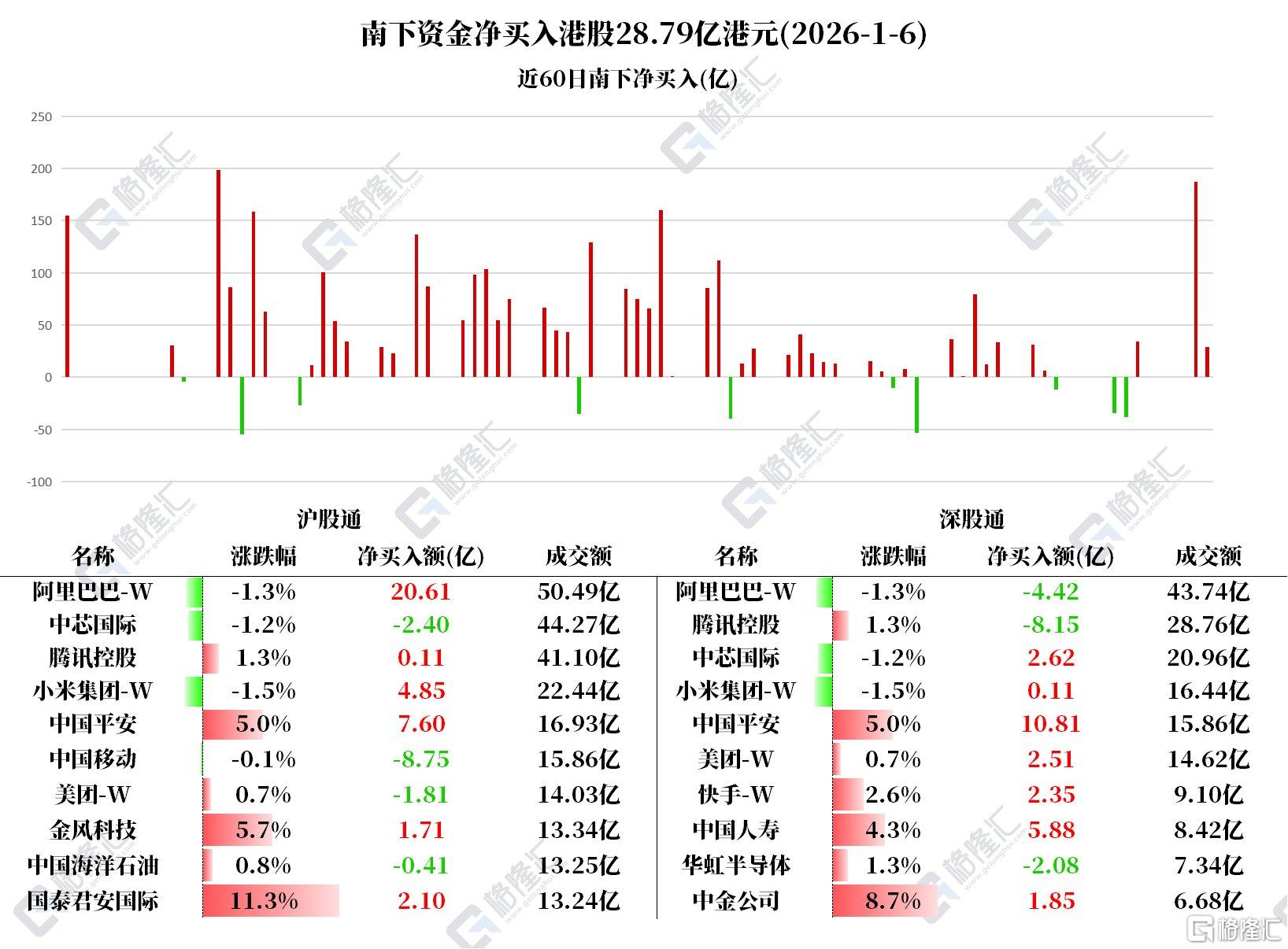
资金动向 | 北水买入港股逾28亿港元,加仓中国平安、阿里
Ge Long Hui· 2026-01-07 04:50
Group 1 - Recent net purchases include China Ping An at 1.84 billion, Alibaba-W at 1.619 billion, China Life at 0.588 billion, Xiaomi Group-W at 0.496 billion, and Kuaishou-W at 0.234 billion [1] - Continuous net selling of Tencent Holdings has reached 5.66576 billion HKD over the past 7 days, while net buying of SMIC has totaled 1.5339 billion HKD over the last 4 days [1] - China Ping An's earnings forecast has been raised by Shenwan Hongyuan Research, maintaining a "buy" rating with a target price of 93.8 CNY per share, indicating a potential value reassessment in the insurance sector [5] Group 2 - Alibaba-W has been highlighted in a New York Times report for its AI model that aids in early detection of pancreatic cancer, showcasing its innovative capabilities [5] - Xiaomi Group-W announced a buyback of 3.9 million Class B ordinary shares, costing approximately 149.7 million HKD [6] - Goldwind Technology has disclosed its ownership of 4.1412% of Blue Arrow Aerospace through a wholly-owned subsidiary, as per its IPO prospectus [6]

气象指数保险为特色农业撑起“防护盾”
Jin Rong Shi Bao· 2026-01-07 02:44
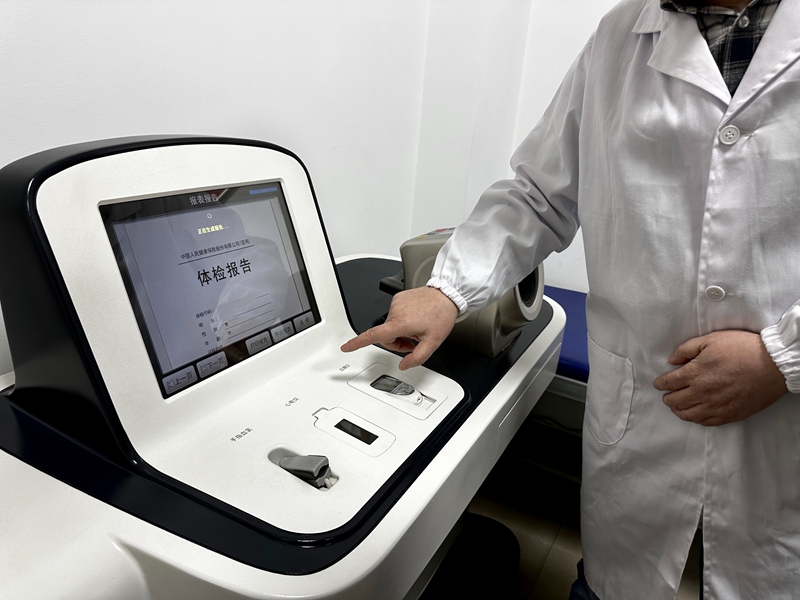
Core Insights - The introduction of weather index insurance for navel orange farmers in Zigui County, Hubei, has significantly mitigated the risks associated with low temperatures and adverse weather conditions, allowing farmers to cultivate with greater confidence [1][2] - The insurance model has transformed the approach of farmers from being reactive to proactive in managing weather-related risks, thus supporting rural revitalization and the development of specialty agriculture [2] Group 1: Weather Index Insurance - The weather index insurance launched by Ping An Insurance in collaboration with local government agencies provides automatic compensation based on predefined low-temperature thresholds, enhancing the efficiency of claims processing [1][2] - In the 2025 low-temperature disaster, the insurance company completed the claims process within 3 hours for inspections and 5 days for damage assessment, achieving a compensation rate of 157% [2] Group 2: Regional Adaptation and Impact - Ping An Insurance has tailored its risk protection solutions to local agricultural characteristics, such as tea and olive production in Fujian, addressing the unique challenges faced by farmers in mountainous regions [3] - The introduction of the "weather index + geographical indication" insurance model in Fujian has provided over 38.93 million yuan in risk coverage for local agricultural products, significantly reducing frost damage losses [3] Group 3: Broader Agricultural Insurance Innovations - Ping An Insurance has developed specialized insurance products for various agricultural sectors across different regions, including apple and bamboo shoot insurance, thereby strengthening the agricultural safety net [3]
健康险风险减量能否破局
Jin Rong Shi Bao· 2026-01-07 02:25
Core Insights - The insurance industry is transitioning from traditional financial compensation models to a customer-centric service model, driven by aging populations and diverse health needs [1][2] - The establishment of health management companies is becoming a standard configuration in health insurance, with companies like Renbao Health and China Pacific Insurance leading the way [2][3] - Health management services are essential for sustainable development in health insurance, focusing on proactive risk reduction and customer engagement [5][6] Group 1 - Renbao Health's health management subsidiary was officially established in Beijing, aiming to integrate health management services as a key method for risk reduction [1] - In the first half of 2025, Renbao Health's health management services generated revenue of 159 million yuan, serving over 4.8 million customers, reflecting a year-on-year growth of 21.4% [2] - The integration of health management services into insurance products is becoming standard, even for basic insurance offerings [2][3] Group 2 - Major insurance companies are enhancing their core business through health management, with China Pacific Insurance focusing on high-end customer needs in health management and rehabilitation [3][5] - The shift from passive claims to active health management is crucial for the health insurance sector, aiming to lower claim rates and improve customer retention [5][6] - The low user awareness and service utilization rates present significant challenges for the industry, despite the recognized importance of health management [6][7] Group 3 - Regulatory guidance has been issued to promote the integration of health insurance and health management, emphasizing a new health service guarantee system [7] - Artificial intelligence (AI) is seen as a key solution to enhance health management efficiency and effectiveness, with applications in personalized health interventions [8] - The deep integration of AI technology into health management services is expected to address challenges in service delivery and improve overall health outcomes [8]
险企开门红数据向好,行业迎资产负债双向改善阶段
Jin Rong Jie· 2026-01-07 01:00
Core Viewpoint - The individual insurance sector has shown strong performance in new policy premium growth, with leading companies like China Life, Ping An, Taikang, and Xinhua experiencing a growth rate of 40-60% in new individual insurance premiums as of January 1, 2026 [1][2] Market Environment - The continuous decline in bank deposit rates and the scarcity of medium to long-term deposit supply have made insurance products more attractive as low-risk savings alternatives, leading to a "deposit migration" effect [1] - A significant amount of fixed-term deposits will mature in 2026, further enhancing the appeal of insurance products [1] Product Structure - The introduction of a dynamic adjustment mechanism for the guaranteed interest rate in 2025 has led to a rapid rise in participating insurance products, which combine guaranteed returns with floating dividends [1] - From September to December 2025, participating insurance products accounted for 46% of newly launched life insurance, becoming a core driver of new policy growth [1] Policy Environment - The "reporting and operation integration" policy in the life insurance sector has curbed vicious price competition, shifting the focus of industry competition towards value-added services [1] - Regulatory adjustments have reduced the risk factors associated with equity investments for insurance companies, laying a foundation for improvements in the asset side of the industry [1] Future Outlook - The liability side of insurance companies is expected to maintain high prosperity, with strong demand for participating and savings-type insurance continuing [1] - The asset side is anticipated to benefit from a slow bull market in equities, with institutions predicting that new equity allocations by insurance funds in A-shares could reach between 300 billion to 770 billion yuan in 2026 [1] - The industry is entering a phase of "dual resonance" development on both the liability and asset sides [1]
十年首现,沪指连续站稳关键位置!高盛:建议高配中国股票
Mei Ri Jing Ji Xin Wen· 2026-01-06 22:55
Market Overview - The A-share market opened strongly in 2026, with the Shanghai Composite Index surpassing 4000 points for the first time since 2016, closing above 4020 points for two consecutive trading days [1][2] - Analysts are optimistic about the market's ability to maintain this level, with many institutions predicting a potential upward trend towards 4500 points in the near future [3][21] Institutional Insights - Major brokerage firms have expressed bullish sentiments, with predictions for the Shanghai Composite Index to reach levels as high as 5000 points, reminiscent of the 2015 bull market [2][3] - Foreign investment banks like Goldman Sachs and JPMorgan have forecasted annual increases of 15% to 20% for Chinese stocks in 2026 and set target points for major indices [2][3] Sector Performance - The insurance sector has shown significant strength, with major companies like China Ping An and New China Life reaching historical highs, contributing to market stability at the 4000-point level [13][18] - The insurance sector's performance is attributed to its role as a stabilizing force in the market, benefiting from rising stock prices and favorable regulatory conditions [18][19] Fund Flows - Insurance companies have increased their equity investments significantly, with a reported 37.46 trillion yuan in total funds, marking a 16.5% year-on-year growth [19][20] - The influx of long-term capital from insurance funds is expected to enhance market stability and investor confidence, creating a positive feedback loop for further investment [19][22] Trading Activity - Margin trading has seen a gradual increase, with the total margin balance reaching 2.56 trillion yuan by January 2026, reflecting a steady recovery rather than a speculative surge [23][24] - The current trading environment is characterized by a cautious yet optimistic approach from investors, contrasting sharply with the rapid growth seen during the 2015 bull market [23][24]