
PING AN OF CHINA(02318)

Search documents
年内险资向私募股权基金出资已超千亿元
Zheng Quan Ri Bao· 2025-12-26 02:01
Core Insights - Insurance capital has significantly increased its investment in private equity funds, with a total contribution of 109.76 billion yuan as of December 19, marking a 55.85% increase compared to the previous year [1] Group 1: Investment Trends - The top five insurance institutions in private equity investment for 2025 are China Pacific Life Insurance Co. (205.99 billion yuan), Ping An Life Insurance Co. (150 billion yuan), Sunshine Life Insurance Co. (114.88 billion yuan), AIA Group (106.75 billion yuan), and PICC Capital (100 billion yuan) [2] - Life insurance companies contributed the most to private equity funds, totaling 88.53 billion yuan, a year-on-year increase of 57.05%, while insurance asset management companies contributed 17.98 billion yuan, a significant increase of 231.12% [3] Group 2: Regulatory Environment - Recent regulatory changes have encouraged insurance capital to increase equity allocations, such as raising the limit on single venture capital fund investments from 20% to 30% of the fund's paid-in capital [2] - The regulatory framework has also enhanced the tolerance for short-term volatility, promoting long-term investment strategies among insurance companies [2] Group 3: Investment Strategy - Insurance companies prefer growth funds, with nine out of the top ten funds being growth-oriented, as they align with the need for stable cash flow and lower investment risk [4] - The focus on private equity funds is seen as a long-term strategic choice, particularly for life insurance companies, which are expected to continue increasing their allocations in this area [5][6] Group 4: Sector Focus - The investment strategy will likely target sectors aligned with national strategic directions, particularly in hard technology, healthcare, and green energy, reflecting a commitment to supporting high-quality economic development [6]


“长钱”叙事下的险资
Shang Hai Zheng Quan Bao· 2025-12-26 02:01
Group 1 - The core narrative of insurance capital is shifting towards "long money," characterized by more precise asset-liability matching, diversified investment channels, and extended investment horizons, which are expected to persist for a long time [1] - Regulatory policies are guiding this shift by loosening restrictions on insurance capital investments, encouraging long-term investments in the capital market [2][6] - As of Q3 2025, the balance of stock investments for life and property insurance companies has increased by approximately 50% and 30% respectively compared to the beginning of the year [2] Group 2 - Insurance capital is increasingly focusing on gold investments as a new area of interest, with the wealth storage function of gold regaining importance amid global macro uncertainties [3] - The OCI strategy, which emphasizes long-term dividend returns over short-term price differences, has led to a record number of approximately 40 equity stakes taken by insurance capital this year [4] - The new "National Nine Articles" has transformed dividend requirements from regulatory guidance to rigid constraints, enhancing the market environment for stable dividend targets [4] Group 3 - Long-term investment philosophy is becoming a core criterion for talent selection within insurance institutions, emphasizing the importance of a shared long-term investment vision among team members [5] - The investment strategy is evolving from a generic approach to a more refined asset-liability matching strategy, necessitated by changes in liability characteristics and the development of floating yield products [6][7] - A dynamic asset-liability matching mechanism is being established to adapt to the characteristics of floating yield products and market conditions, ensuring investment returns effectively cover liability costs [7]

“第一代保险代理人”吴晋江:走在持续创业的路上|我们的四分之一世纪
Sou Hu Cai Jing· 2025-12-25 14:16
Core Insights - The article highlights the evolution of the insurance industry in China over the past 30 years, focusing on the journey of a prominent insurance agent, Wu Jinjian, who has witnessed the industry's transformation from its nascent stage to a more professional and refined phase [3][4][18]. Group 1: Industry Evolution - The insurance market in China has experienced significant growth since its inception, particularly after China's accession to the WTO in 2001, which led to a surge in residents' wealth and increased acceptance of insurance products [6][10]. - Between 2014 and 2019, the number of insurance agents in China rose dramatically from 3.25 million to a peak of 9.12 million, reflecting the industry's rapid expansion during that period [15]. - The traditional "human sea tactics" approach to insurance sales has become less effective due to market changes and increased competition, prompting a shift towards more specialized and service-oriented models [18][19]. Group 2: Professionalization and Service Innovation - The role of insurance agents has evolved from mere salespeople to planners for risk management and wealth preservation, emphasizing the need for comprehensive service capabilities [27][34]. - Wu Jinjian's experience illustrates the importance of adapting to new marketing strategies, including the integration of new media and technology to engage with clients and enhance service delivery [28][30]. - The introduction of the "insurance + healthcare" strategy by Ping An Group aligns with the industry's trend towards providing integrated services that address clients' diverse needs [26][27]. Group 3: Changing Consumer Perceptions - There has been a notable shift in consumer attitudes towards insurance, with an increasing desire for products that serve as tools for wealth protection and transfer, particularly in the context of an aging population and heightened health awareness [34][35]. - The COVID-19 pandemic has acted as a catalyst for this change, leading to greater acceptance of insurance as a means of managing health and financial risks [34]. Group 4: Philanthropy and Social Responsibility - Wu Jinjian has initiated a charity fund aimed at supporting youth education, reflecting a broader trend among high-net-worth individuals in China to engage in philanthropy and contribute to societal needs [31][33]. - The changing wealth perspectives among affluent individuals indicate a growing interest in using their resources for social good, which may influence future insurance product offerings and marketing strategies [33].



股价连刷高点,保险股正走向资负共振的价值修复
第一财经· 2025-12-25 13:34
Core Viewpoint - The insurance sector in A-shares has shown significant strength this year, with multiple stocks reaching new highs, driven by external policy benefits and internal asset-liability resonance [3][5][10]. Group 1: Performance Overview - As of December 25, the A-share insurance sector index closed at 1554.89 points, the highest since April 2021 [5]. - The insurance sector has outperformed other financial sectors, with a year-to-date increase of 30.54%, significantly higher than the banking sector's 11.74% and the overall non-bank financial sector's 13.74% [5][8]. - From September of last year to now, the insurance sector has seen a cumulative increase of 58.7% [5]. Group 2: Individual Stock Performance - Notable stocks such as China Pacific Insurance and Ping An have reached new price highs, with China Pacific touching 43 CNY per share and Ping An reaching 71.98 CNY per share [7][8]. - Year-to-date, New China Life and Ping An have recorded price increases of 50% and 40%, respectively, leading the sector [8]. Group 3: Policy and Market Drivers - The rise in insurance stock prices is attributed to a combination of policy support and asset-liability resonance [10][11]. - Regulatory policies have positively impacted both the asset and liability sides of the insurance business, with new guidelines promoting the development of health insurance and improving underwriting profitability in non-auto insurance [11]. - The asset side has benefited from increased investment in A-shares, with insurance companies' stock investments rising to 3.62 trillion CNY, an increase of 1.19 trillion CNY from the previous year [12]. Group 4: Future Outlook - Analysts predict that the insurance sector will enter a golden development period starting in 2026, driven by synchronized improvements in asset and liability conditions [13][15]. - The demand for insurance products remains high, and regulatory support is expected to continue, leading to improved profitability and valuation for insurance companies [15][16]. - The P/EV valuation for major insurance companies is currently low, ranging from 0.6 to 0.8, with expectations for gradual recovery towards 1.0 by 2026 [16].


保障如何既“普”且“惠”?解析平安人寿广东普惠保险样本
Nan Fang Du Shi Bao· 2025-12-25 12:44
普惠新速度,民生新温度。 "保险的口碑是'赔'出来的。"相关监管部门亦曾多次要求保险公司做到"应赔尽赔、能赔快赔",提升保 险服务的质量和效率。平安人寿广东分公司深刻践行这一要求,以数字化转型为支撑,打造出"111极速 赔""直赔服务""重疾先赔"三大特色服务品牌,彻底颠覆传统理赔模式,让普惠保障真正落地见效。 "一句话报案、一键上传、一分钟审核"——这并非口号,而是客户K先生的真实体验。2025年5月,金 先生意外扭伤,通过"平安金管家"APP语音报案仅用30秒;后续申请理赔,从提交材料到赔款到账,全 程仅耗时51秒。据平安人寿广东分公司工作人员介绍,这一高效体验背后,是AI技术的深度应用。报 案环节引入"AI理赔机器人"实现语音智能识别,申请环节支持材料自动分类归档,审核环节完成案件智 能录入与理算扣费,全流程数字化处理大幅压缩理赔时间,解决了传统理赔材料繁琐、耗时较长的行业 痛点。 对于患者而言,住院的经济压力不仅来自疾病本身,也来自垫付资金的压力。平安人寿广东分公司推出 的直赔服务,通过与医院系统直连,实现了"出院即结算"。2025年9月,投保了"平安福"系列产品的孟 先生在珠海市人民医院出院时,医保 ...
前瞻2026┃股价连刷高点,保险股正走向资负共振的价值修复
Di Yi Cai Jing Zi Xun· 2025-12-25 12:44
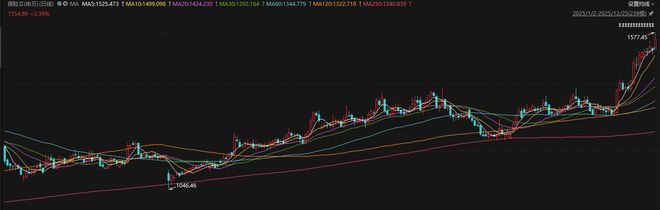
Core Viewpoint - The insurance sector in A-shares has shown significant strength this year, with multiple stocks reaching new highs, driven by external policy benefits and internal asset-liability resonance [1][2][6]. Performance Summary - As of December 25, the A-share insurance sector index closed at 1554.89 points, the highest since mid-April 2021 [2]. - The insurance sector has increased by 30.54% this year, outperforming the banking sector's 11.74% and the overall non-bank financial sector's 13.74% [2]. - From September of last year to now, the cumulative increase in the A-share insurance sector has reached 58.7% [2]. Individual Stock Performance - On December 25, China Pacific Insurance reached a new high of 43 CNY per share, while Ping An Insurance hit 71.98 CNY per share, the highest since March 2021 [4]. - New China Life Insurance also reached a new high of 73.45 CNY per share on December 23 [4]. - Year-to-date, New China Life and Ping An have recorded increases of 50% and 40%, respectively, leading the sector [4]. Policy Support and Asset-Liability Resonance - The rise in insurance stock prices is attributed to the highlighting of their allocation value, supported by policy backing and asset-liability resonance [6]. - Regulatory policies have been favorable, with recent guidelines promoting high-quality development in health insurance and improving profitability in non-auto insurance [7]. - The asset side has seen increased investment in A-shares by large state-owned insurance companies, with a significant rise in stock investments [8]. Future Outlook - Analysts predict that the insurance sector will enter a golden development period starting in 2026, driven by synchronized improvements in asset and liability sides [10]. - The demand for insurance products remains high, and regulatory policies are expected to continue to support the sector, leading to potential valuation recovery [10][12]. - The P/EV (price to embedded value) ratio for major listed insurance companies is currently low, ranging from 0.6 to 0.8, with expectations for gradual recovery towards 1.0 by 2026 [12].
《奇迹》背后,总有“平安”守护
Zhong Guo Jin Rong Xin Xi Wang· 2025-12-25 09:38
Core Viewpoint - The article highlights the spirit of perseverance and innovation embodied by the "Niu" sculpture in Shenzhen, representing the dedication of individuals and companies like China Ping An in contributing to the city's development and the well-being of its people [1][5]. Group 1: Company Overview - China Ping An has evolved into a comprehensive financial group with full licenses, safeguarding the lives and properties of the people, and focusing on areas such as pension finance and inclusive finance [7][9]. - As of June 2023, China Ping An has served nearly 247 million customers, indicating that approximately one in six Chinese individuals chooses Ping An, reinforcing the brand's deep-rooted presence in the insurance market [8]. Group 2: Innovation and Technology - The development of the "Yak Insurance" product showcases the integration of technology and finance, with real-time monitoring capabilities for livestock, reflecting China Ping An's commitment to innovation [6][7]. - China Ping An has over 3,000 scientists and more than 21,000 top technology talents, with a total of 53,521 patent applications, demonstrating its strong focus on technological advancement [7]. Group 3: Social Responsibility and Market Adaptation - China Ping An is adapting to changing consumer needs, particularly in the aging population and pension industry, by optimizing service structures and continuously launching innovative initiatives [9]. - The company plays a crucial role in supporting small and micro enterprises through inclusive finance, addressing their financing challenges and contributing to their growth [9].
保险基本面梳理 110:加强资产负债匹配,利好长期健康发展-20251225
Changjiang Securities· 2025-12-25 09:00
Investment Rating - The report maintains a "Positive" investment rating for the insurance sector [12]. Core Insights - The current valuation of A/H shares in the insurance sector reflects ongoing concerns about "interest spread losses" in the medium to long term. However, under a new analytical framework, the insurance industry's interest spread is expected to improve continuously in the medium to long term. The recent strong growth in liabilities and the "deposit migration" logic suggest that the stabilization and expansion of interest spreads may accelerate, leading to a quicker recovery in valuations. The report continues to favor the insurance sector, recommending specific stocks such as New China Life, Ping An Insurance, China Life, and China Pacific Insurance [2][9]. Summary by Sections Regulatory Changes - The report discusses the background of new regulations, highlighting changes in the external environment, policies, and accounting standards that necessitate new asset-liability management requirements. The "National Ten Measures" for insurance in 2024 emphasizes the need for stronger asset-liability linkage supervision. Additionally, the implementation of new accounting standards in 2026 will significantly impact the effects of interest rate fluctuations on assets and liabilities, raising the bar for asset-liability management [6][7]. New Regulatory Requirements - The new regulations introduce long-term assessments with clear quantitative indicators. For property insurance companies, three regulatory indicators must be met: a coverage ratio of settled funds ≥ 100%, an income coverage ratio ≥ 100%, and a liquidity coverage ratio under stress scenarios ≥ 100%. For life insurance companies, four indicators are required: an effective duration gap not exceeding ±5 years, a comprehensive investment income coverage ratio ≥ 100%, a net investment income coverage ratio ≥ 100%, and a liquidity coverage ratio under stress scenarios ≥ 100% [8][17]. Long-term Outlook - The report expresses optimism about the long-term healthy development of the insurance industry and the potential for valuation recovery. It notes that the current valuation of A/H shares still reflects concerns about medium to long-term "interest spread losses." However, with the anticipated improvement in interest spreads and the strong growth in liabilities, the process of stabilization and expansion is expected to accelerate, leading to a faster recovery in valuations [9][2].
固定收益点评:分红险复兴,如何影响保险配置偏好?
Guohai Securities· 2025-12-25 08:05
1. Report Industry Investment Rating No relevant content provided. 2. Core Viewpoints of the Report - The report addresses the asset allocation characteristics of dividend - paying insurance and the impact of its transformation on the bond market [4][10] - In 2025, the transformation of dividend - paying insurance became an industry trend, with significant growth in scale. The income of ordinary dividend - paying insurance of six listed insurance companies in the first half of 2025 reached 157.7 billion yuan, a year - on - year increase of 12%, and its proportion in total life insurance income rose from 15% at the end of 2024 to 16.3% [5][11] - The rapid expansion of dividend - paying insurance meets the needs of both clients and insurance companies. For clients, it offers "certainty of guaranteed return + elastic dividend expectation"; for insurance companies, it helps prevent interest spread losses and reduces the impact of investment asset prices on financial statements [5][14][15] - Compared with ordinary life insurance, the asset allocation logic of dividend - paying insurance is more return - oriented, increasing the allocation of high - volatility assets [5] - The growth rate of insurance companies' bond allocation scale may slow down marginally, and their preference for equities will continue. In terms of specific bond types, insurance companies may increase trading demand for ultra - long - term treasury bonds and allocation demand for secondary perpetual bonds while maintaining the allocation of ultra - long - term local government bonds [5][20][22] 3. Summary by Directory 3.1 Dividend - paying Insurance Transformation Initiation - In 2025, major listed insurance companies placed dividend - paying insurance at the core of their products, driving it to dominate new business. The income of dividend - paying insurance of six listed insurance companies in the first half of the year increased significantly [11] - Each major insurance company has taken measures to promote dividend - paying insurance. For example, China Ping An focused on dividend - paying products, and China Pacific Insurance optimized its product structure with increased dividend - paying insurance new - policy premium [12] 3.2 Reasons for the Rapid Increase in Dividend - paying Insurance Scale - Client side: In the context of low - interest rates and expected stock market improvement, the "certainty of guaranteed return + elastic dividend expectation" of dividend - paying insurance meets clients' demand for more elastic returns [5][14] - Insurance company side: It can prevent interest spread losses and reduce the impact of investment asset price fluctuations on financial statements [5][15] 3.3 Differences in the Asset Allocation Logic of Dividend - paying Insurance - Accounting mechanism: Dividend - paying insurance uses the "floating fee method" for measurement, allowing its liability - side price to be linked to the asset - side. It has a return smoothing mechanism, giving its account a higher risk tolerance [5][16][17] - Business transformation: Higher and stable investment returns are crucial for attracting customers, fulfilling dividend promises, and promoting successful transformation [17] 3.4 Impact on the Bond Market - Overall bond demand: The growth rate of insurance companies' bond allocation scale may slow down marginally, and their preference for equities will continue. In the first three quarters of 2025, the proportion of equity assets in insurance companies' new investments increased from 10.4% in 2024 to 39.9%, while the proportion of bonds decreased from 72.2% to 57.1% [20] - Specific bond types: Insurance companies may increase trading demand for ultra - long - term treasury bonds and allocation demand for secondary perpetual bonds while maintaining the allocation of ultra - long - term local government bonds [22]

保险股上涨,证券保险ETF年内涨超15%,保险证券ETF年内涨超11%
Ge Long Hui· 2025-12-25 06:26
Core Viewpoint - The insurance and securities sectors are experiencing significant growth, with the Securities Insurance ETF up over 15% and the Insurance Securities ETF up over 11% year-to-date, driven by strong performances from major companies in the industry [1][2]. Group 1: ETF Performance - The Securities Insurance ETF tracks the CSI 300 Non-Bank Financial Index, with 61.4% of its components being securities and 37.7% being insurance [3]. - The Insurance Securities ETF follows the CSI 800 Securities Insurance Index, with 73.8% of its components in securities and 25.6% in insurance [4]. Group 2: Industry Outlook - According to a recent report by CICC, the life insurance industry is expected to enter a golden development period by 2026, with a more positive trend in liabilities, shifting the investment logic from "seeking revaluation of existing businesses" to "valuing growth capabilities" [4]. - The current surge in the insurance sector is attributed to the expansion of asset under management (AUM) and the recovery of interest rate spreads, enhancing the certainty of investment returns [4]. - The insurance sector is seen as being in a critical window for performance and valuation recovery, supported by favorable policy and market conditions, with leading companies strengthening their advantages [4]. Group 3: Securities Firms - West Securities believes that there is a mismatch between profitability and valuation in the brokerage sector, indicating potential for future recovery [4]. - Guojin Securities highlights four themes for 2026: increased market activity from resident deposit migration, enhanced resilience and reduced volatility in capital markets, opportunities in direct financing for innovative enterprises, and ongoing mergers and acquisitions in the brokerage industry [5]. - Huatai Securities notes that the market remains active with daily trading volumes around 1.7 trillion yuan and financing balances stabilizing at 2.48 trillion yuan, indicating a favorable environment for brokerage value recovery [6].
