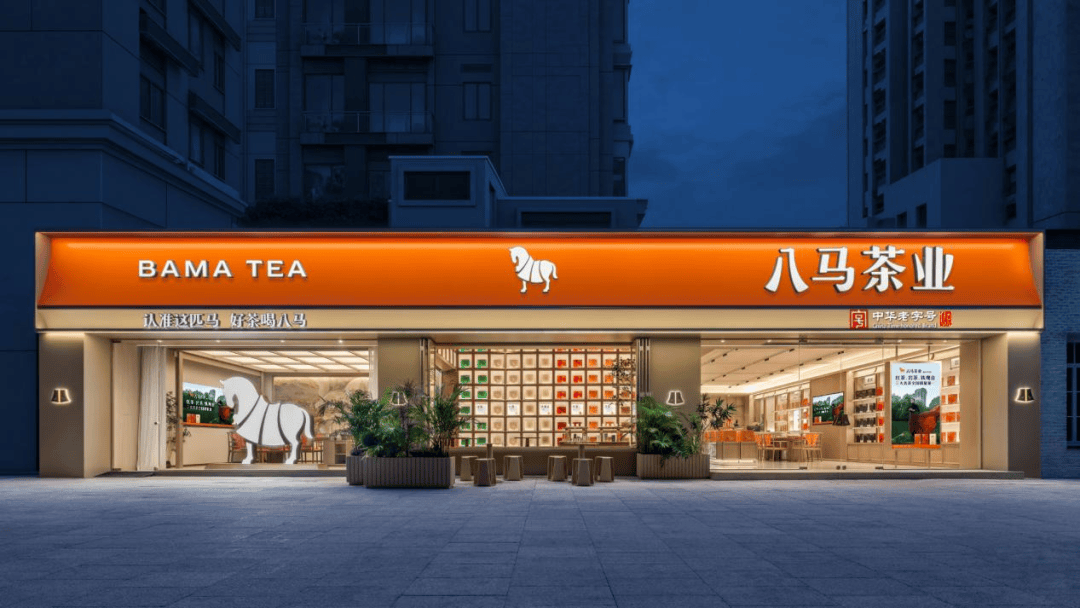
BAMA TEA(06980)

Search documents
79亿港元市值,“福建商帮”跑出的八马茶业
Bei Jing Shang Bao· 2025-10-28 12:39
Core Viewpoint - Eight Horses Tea's IPO has received an overwhelming response, with a subscription rate of 2680.04 times and raised a net amount of HKD 390 million for expanding production facilities [3][4]. Company Overview - Eight Horses Tea was established in 1997 and has developed a comprehensive sales system combining direct sales, franchising, and online and offline channels [3]. - The company has a strong digital presence, empowering its retail stores through digital tools [3]. Financial Performance - Revenue projections for Eight Horses Tea from 2022 to the first half of 2025 are approximately CNY 1.818 billion, CNY 2.122 billion, CNY 2.143 billion, and CNY 1.063 billion respectively [3]. - Net profit for the same periods is expected to be around CNY 166 million, CNY 206 million, CNY 224 million, and CNY 120 million [3]. - The company's gross profit margins are relatively high, with rates of 53.3%, 52.3%, 55.0%, and 55.3% for the respective years [3]. Market Position and Strategy - Eight Horses Tea aims to address the "having categories but lacking brands" issue in the Chinese tea industry by implementing a "cultural elevation" strategy [7]. - The company has established a complete product matrix covering various tea types and related products, with its core brand "Eight Horses" leading in sales for several categories [7]. - The company has maintained a leading position in sales revenue for major tea categories, including Tieguanyin, Wuyi Rock Tea, and black tea [7]. Ownership and Governance - The controlling shareholders of Eight Horses Tea are members of the Wang family, with a combined voting power of 55.90% at shareholder meetings [5]. - The company has connections with the "Fujian business group," enhancing its market presence and credibility [6]. Industry Context - The traditional tea industry in China faces challenges in standardization, professionalization, branding, capitalization, and scaling [8]. - The choice to list on the Hong Kong Stock Exchange is attributed to its flexible listing process and higher acceptance of tea companies [4].

热烈祝贺北大汇丰EMBA校友所在企业港股上市!
Sou Hu Cai Jing· 2025-10-28 12:07
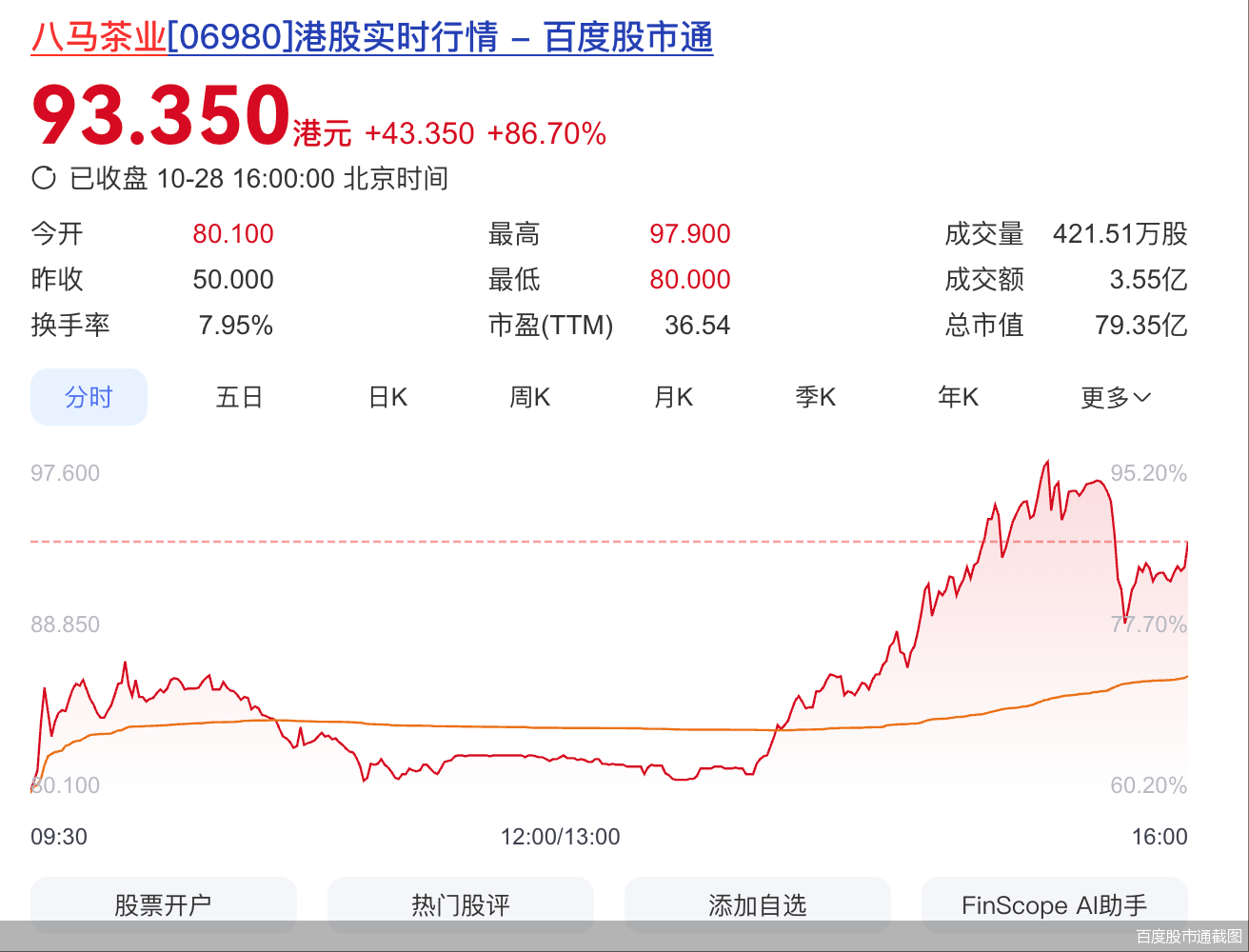
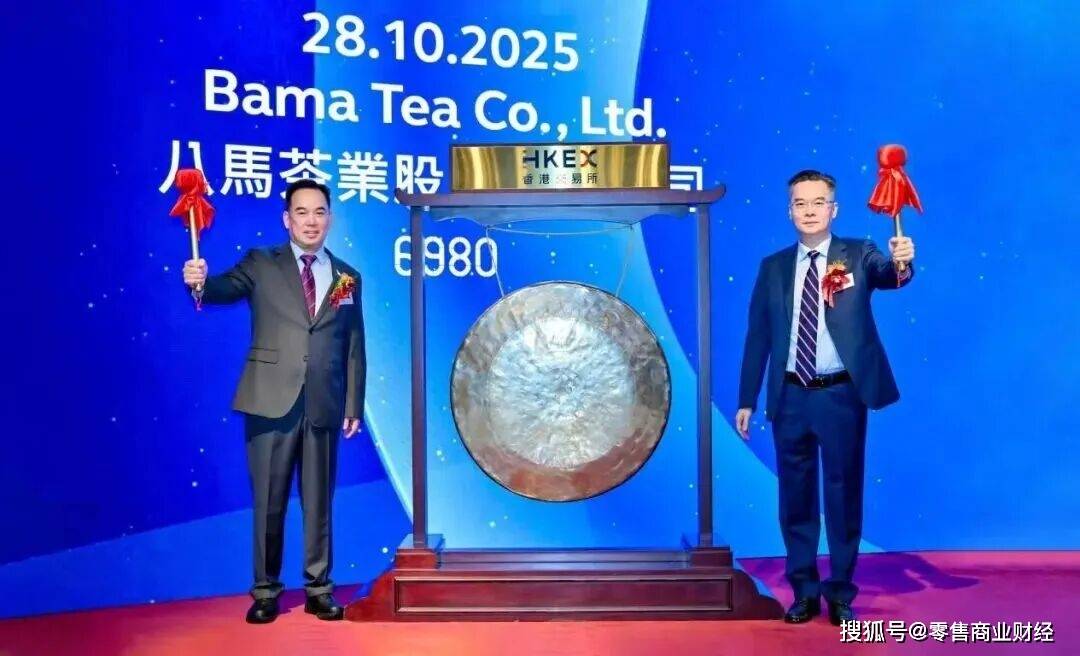
Core Insights - Eight Horses Tea Co., Ltd. officially listed on the Hong Kong Stock Exchange on October 28, 2023, marking a significant milestone in its capital journey [1][6] - The company issued shares at HKD 50.00 each, with the closing price on the first trading day reaching HKD 93.35, representing an increase of 86.7% and a total market capitalization of HKD 7.935 billion [1][6] - Eight Horses Tea has established itself as a leading brand in China's high-end tea industry, with a network of 3,716 offline stores across all provinces in mainland China [5][6] Company Development - Founded in 1997 by Wang Wenli and his brothers, Eight Horses Tea started from a small shop in Shenzhen and has grown into a major player in the tea industry [5] - The successful listing is the culmination of a 12-year process of capital evolution, transitioning from the New Third Board to multiple attempts at A-share listings, and finally to the main board of the Hong Kong Stock Exchange [6][8] - The company plans to use the funds raised from the IPO for expanding production bases, upgrading its brand, and exploring overseas markets, with a goal of adding approximately 1,000 smart stores in the next three years [6] Industry Impact - The listing of Eight Horses Tea signifies a crucial step for the traditional tea industry in China towards capitalization and internationalization, enhancing the global presence of Chinese culture [8] - The success of Eight Horses Tea serves as an inspiration for other Chinese brands committed to quality and innovation, showcasing the potential for traditional industries to thrive in modern markets [8][10]

八马茶业港股上市;农夫山泉钟睒睒第四次成为中国首富
Sou Hu Cai Jing· 2025-10-28 11:50
Group 1: Baima Tea Industry - Baima Tea has officially listed on the Hong Kong Stock Exchange, with its shares opening 60% above the issue price at HKD 80 per share, and rising over 70% by 10 AM [1] - The company raised a total of HKD 450 million from the global offering of 9 million shares, netting approximately HKD 390 million after deducting listing expenses [1] - The funds will be used to expand the sales network, improve supply chain efficiency, and enhance brand promotion [1] Group 2: Meituan - Meituan has launched a nationwide social security subsidy program for all delivery riders, providing pension insurance subsidies [3] - Starting in November, riders can choose to pay social security in their registered or working locations, with additional benefits for family care and education [3] - The program aims to cover over one million riders and their families [3] Group 3: Nongfu Spring - Nongfu Spring's founder Zhong Shanshan has become China's richest person for the fourth time, with a net worth of CNY 530 billion, an increase of CNY 190 billion [4] - The company's revenue for the first half of 2025 reached approximately CNY 25.622 billion, a year-on-year increase of 15.56%, with net profit rising by 22.16% to CNY 7.622 billion [4] - The tea beverage segment has surpassed bottled water in revenue for the first time [4] Group 4: Guoquan - Guoquan reported a net increase of 361 stores in Q3, bringing the total to 10,761, a 98% year-on-year increase [4] - The company expects revenue between CNY 1.85 billion and CNY 2.05 billion, representing a year-on-year growth of 13.6% to 25.8% [4] - Core operating profit is projected to be between CNY 65 million and CNY 75 million, a year-on-year increase of 44.4% to 66.7% [4] Group 5: Three squirrels - Three Squirrels reported Q3 revenue of CNY 2.281 billion, an 8.91% year-on-year increase, but net profit attributable to shareholders fell by 56.79% [6] Group 6: Yanjinpuzi - Yanjinpuzi announced Q3 revenue of CNY 1.486 billion, a 6.05% year-on-year increase, with net profit rising by 33.55% to CNY 232 million [6] Group 7: Pupu Supermarket - Pupu Supermarket is set to open a new store in Quanzhou, increasing its total in the city to seven, while also planning to expand its kitchen business to Xiamen [6] Group 8: Qian Dama - Qian Dama has been included in the "2025 Guangdong Province Top 100 Private Enterprises" list, ranking 94th, and also made it to the "Top 50 Private Service Enterprises" at 35th [8] Group 9: Taobao - Taobao has launched 2.1 million new products globally for this year's Double Eleven, with offerings in five languages across 20 countries [8] Group 10: Walmart - Walmart has officially entered the South African market, planning to open its first stores by the end of the year and launching a mobile shopping app [9] Group 11: Suning - Suning reported that Guiyang, Chengdu, and Changsha are the top three cities for winter appliance consumption, with sales growth of 150%, 110%, and 87% respectively [10] Group 12: JD Fresh - JD Fresh will open its first store in Shijiazhuang in December, marking a significant expansion in the North China region [12] Group 13: Gree Electric - Gree Electric's sales with JD are expected to exceed CNY 20 billion again this year, with a focus on expanding sales across all product categories [14] Group 14: Meituan Health - Meituan has launched a "Health Double Eleven" event featuring special medical foods, responding to a nearly 40% increase in related searches [15] Group 15: Shanghai Jahwa - Shanghai Jahwa reported a revenue of CNY 4.961 billion for the first three quarters of 2025, a 10.8% increase, with net profit rising by 149.1% [17] Group 16: Cainiao - Cainiao is delivering automated sorting centers to multiple courier companies globally, preparing for the upcoming shopping festivals [18] Group 17: Kidswant - Kidswant reported Q3 revenue of CNY 2.438 billion, a 7.03% year-on-year increase, with net profit rising by 28.13% [19] Group 18: Tao Xiaopang - Tao Xiaopang's new store in Zhengzhou achieved sales of CNY 2.27 million on its opening day, with a strong focus on community consumption [20]



昇望基金产业赋能见成效|所投企业八马茶业成功上市
Xin Lang Cai Jing· 2025-10-28 11:49
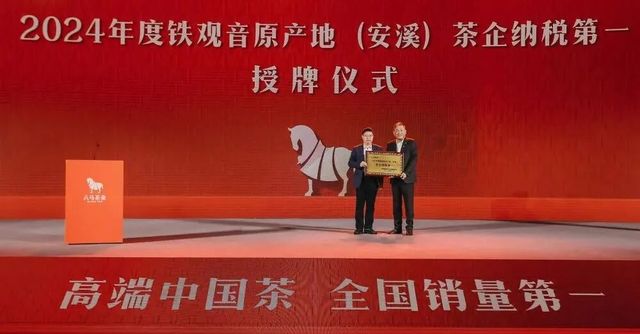
Core Viewpoint - The successful listing of Baima Tea on the Hong Kong Stock Exchange marks a significant milestone for the Chinese tea industry, reflecting strong investor confidence in leading enterprises within this sector [1][18]. Group 1: Listing Performance - Baima Tea's dark trading prior to its official listing saw a peak increase of 100%, with the opening price on the listing day at 80.1 HKD, representing a 60.2% increase and a market capitalization exceeding 7.195 billion HKD [1][2]. - The company achieved a record oversubscription of 2,684 times during the public offering, attracting 120 billion HKD in subscription funds, setting a new record for tea companies in Hong Kong [2]. Group 2: Market Position and Financial Performance - Baima Tea is recognized as the leading enterprise in the high-end tea market in China, holding the top position in various categories, including oolong and black tea, with over 3,700 retail stores nationwide [2][3]. - The company's revenue for 2022, 2023, 2024, and the first half of 2025 was 1.818 billion, 2.122 billion, 2.143 billion, and 1.063 billion CNY respectively, with net profits of 166 million, 206 million, 224 million, and 120 million CNY [3]. Group 3: Brand and Cultural Influence - Baima Tea possesses a national intangible cultural heritage status for its "Tieguanyin production technique" and has established a strong brand presence internationally through participation in significant diplomatic and cultural events [5][9]. - The brand has been ranked first in customer satisfaction among tea chain brands in China for three consecutive years, indicating its strong market recognition [5][7]. Group 4: Technological and Supply Chain Innovations - The company utilizes IoT technology to create a "smart tea garden," enabling real-time monitoring of environmental conditions to optimize cultivation processes [9]. - Baima Tea has implemented a fully automated production line and is a key player in the national industrial internet framework, ensuring comprehensive traceability in its supply chain [9]. Group 5: Investment Strategy and Future Outlook - The investment strategy focuses on the potential of the tea industry, emphasizing brand development, channel efficiency, and technological advancements to capture growth opportunities [15][17]. - Baima Tea's approach to integrating culture, channels, and technology positions it as a leader in overcoming the challenges of brand recognition in the tea sector [17][18].
十二年长跑终撞线:深度解析八马茶业港股上市之路与未来棋局
Sou Hu Cai Jing· 2025-10-28 11:44
Group 1 - The Hong Kong Stock Exchange marked a significant milestone for the Chinese tea industry with the listing of Baima Tea Co., Ltd., recognized as the "first high-end Chinese tea stock" [2] - The public offering was met with an extraordinary response, achieving a subscription rate of 1920 times, with total frozen funds reaching 86.4 billion HKD [2] - On its debut, Baima Tea's stock opened at 86.5 HKD, a 73% increase from the issue price of 50 HKD, with its market capitalization briefly exceeding 7.3 billion HKD [2]

高端中国茶第一股”八马茶业上市背后的“三重护城河
Mei Ri Jing Ji Xin Wen· 2025-10-28 11:29
Core Viewpoint - Eight Horses Tea Co., Ltd. has officially listed on the Hong Kong Stock Exchange, marking a significant milestone as the "first high-end Chinese tea stock" and demonstrating its strong market position in a highly fragmented industry [2][14]. Company Overview - Eight Horses Tea has established itself as a leading player in the Chinese tea market, with a national chain scale and high-end brand influence, overcoming structural challenges in a market with over 1.6 million enterprises [2][3]. - The company has achieved a remarkable oversubscription of 2,680.04 times for its public offering, pricing its shares at HKD 50, and saw a first-day increase of 73%, reaching HKD 86.5, with a market capitalization of nearly HKD 7.3 billion [2][14]. Market Position - Eight Horses Tea ranks first in the number of tea chain stores nationwide and leads in revenue in the high-end tea market, oolong tea market, and black tea market [3][5]. - The company has successfully addressed the traditional issue of "having categories but no brands" in the tea industry, particularly excelling in the sales of three major tea categories: black tea, rock tea, and Tieguanyin [5][8]. Competitive Advantages - The company's core competitiveness is driven by three key elements: product quality, distribution channels, and technology, creating a flywheel effect that enhances its market position [6][8]. - Eight Horses Tea's rich heritage of nearly 300 years in tea production, combined with its commitment to high-quality raw materials, provides a unique competitive edge [7][8]. Retail Network - The company has built a robust network of over 3,700 chain stores across the country, utilizing a "direct sales + franchise" model to achieve significant scale and create strong channel barriers [9][11]. - Eight Horses Tea has implemented a rigorous franchisee selection and training system, ensuring high operational standards across its stores [9][12]. Technological Innovation - The company is addressing the non-standardization challenge in traditional tea production through significant investments in smart, digital, and information-based production lines, establishing industry-leading "super factories" [13]. - Eight Horses Tea actively participates in setting industry standards, having led or participated in the formulation of over 20 national tea industry standards [13]. Future Growth Strategy - The funds raised from the IPO will be strategically allocated to expand the channel network, enhance supply chain and smart factory upgrades, and promote brand building and international outreach [15][16]. - The company aims to leverage its market position to become a flagship brand for Chinese tea globally, particularly targeting Southeast Asia and countries involved in the Belt and Road Initiative [15][16]. Market Outlook - The Chinese tea market is projected to reach RMB 135.3 billion by 2029, positioning Eight Horses Tea favorably for future growth amid increasing competition [16].
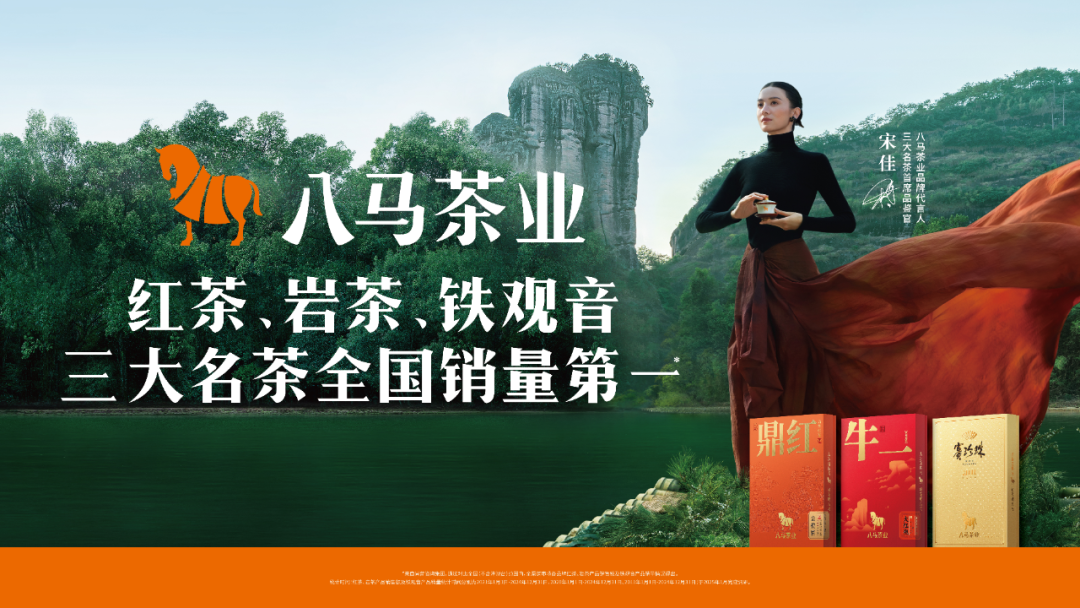
八马茶业上市首日报收93.35港元/股,涨幅86.7%
Cai Jing Wang· 2025-10-28 10:40
Core Viewpoint - Baima Tea Industry was listed on the Hong Kong Stock Exchange on October 28, with a significant first-day performance, closing at HKD 93.35 per share, reflecting a rise of 86.7% and a total market capitalization of HKD 7.935 billion [1] Group 1 - Baima Tea Industry's initial public offering (IPO) took place on October 28 [1] - The stock price increased by 86.7% on its first trading day [1] - The total market capitalization of Baima Tea Industry reached HKD 7.935 billion [1]
八马茶业港交所正式上市 首日大涨86%
Zhong Guo Jing Ying Bao· 2025-10-28 10:36
Core Viewpoint - Baima Tea Industry (6980.HK) successfully listed on the Hong Kong Stock Exchange on October 28, with a significant first-day increase of 86.7% in share price [1] Group 1: Company Overview - Baima Tea Industry ranked first in the high-end tea market in China according to Frost & Sullivan's report, and also leads in the oolong tea and black tea segments [1] - The management team is predominantly composed of family members of the controlling shareholders, with significant positions held by the Wang brothers and their relatives [1] Group 2: Financial Performance - The company's revenue for 2022, 2023, and 2024 is projected to be approximately 1.818 billion, 2.122 billion, and 2.143 billion yuan respectively, with corresponding net profits of 166 million, 206 million, and 224 million yuan [2] - In the first half of 2025, Baima Tea's revenue was 1.063 billion yuan, a decrease of approximately 57 million yuan compared to the same period last year, with net profit also declining by 26 million yuan to 120 million yuan [2] Group 3: Franchise System - As of June 30, 2023, Baima Tea had 3,585 offline stores, of which 3,341 were franchise stores, indicating that a significant portion of revenue is generated from franchisees [2] - The franchise system showed signs of contraction, with a decrease in the number of franchisees from 1,252 in 2024 to 1,228 in the first half of 2025 [2]
“高端中国茶第一股”八马茶业上市背后的“三重护城河”
Mei Ri Jing Ji Xin Wen· 2025-10-28 10:34
Core Viewpoint - Eight Horses Tea Co., Ltd. has officially listed on the Hong Kong Stock Exchange, marking a significant milestone as the "first high-end Chinese tea stock" and demonstrating its strong market presence and growth potential in a highly fragmented industry [1][3]. Company Overview - Eight Horses Tea has established itself as a leading player in the Chinese tea market, with a national chain scale and high-end brand influence, overcoming structural challenges in a market with over 1.6 million enterprises [3][4]. - The company achieved an oversubscription of 2,680.04 times during its public offering, pricing its shares at HKD 50, and saw a first-day trading surge of 73%, reaching HKD 86.5, with a market capitalization of nearly HKD 7.3 billion [3][4]. Competitive Advantages - Eight Horses Tea has a leading position in multiple segments, including being the top-ranked company in high-end tea, oolong tea, and black tea markets by revenue [4][6]. - The company has successfully addressed the traditional issue of "having categories but no brands" in the tea industry, particularly excelling in the three major tea categories: black tea, rock tea, and Tieguanyin [6][7]. Quality and Brand Strategy - The company emphasizes a "quality first" philosophy, focusing on both "quality tea" and "quality stores" as foundational elements [7][9]. - Eight Horses Tea has over 3,700 chain stores nationwide, creating a strong retail network that enhances customer experience and satisfaction, ranking first in customer satisfaction for tea chain stores for three consecutive years [9][10]. Distribution and Channel Strategy - The "direct + franchise" model has enabled Eight Horses Tea to achieve significant scale and establish strong channel barriers, with 3,716 offline stores as of the latest report [10][11]. - The average annual sales per franchise store exceeded HKD 2 million, with a growing number of franchisees achieving high sales performance [10][11]. Technological Innovation - The company has invested in smart, digital, and information-based production lines, establishing industry-leading "super factories" that enhance production efficiency and ensure consistent tea flavor [11][12][14]. - Eight Horses Tea actively participates in setting industry standards, having led or participated in the formulation of over 20 tea industry standards, which helps modernize quality control [12][14]. Future Growth Plans - The funds raised from the IPO will be strategically allocated to expand the channel network, upgrade supply chains and smart factories, and enhance brand building and international promotion [15][16]. - The company aims to solidify its market position and accelerate industry consolidation, targeting a market size of RMB 135.3 billion by 2029 [16].
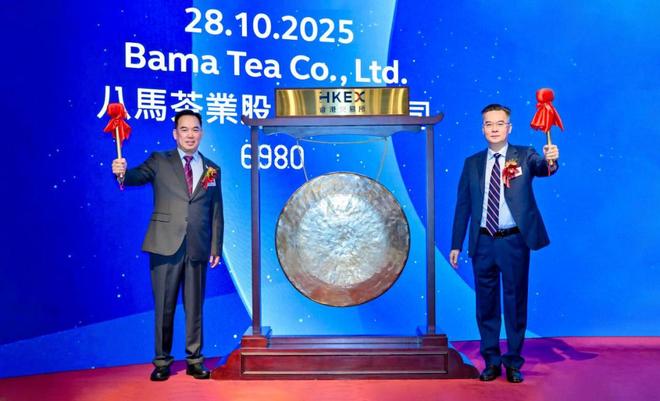
八马茶业IPO:敲得开的港股门,打不破的次元壁|国潮风云
Sou Hu Cai Jing· 2025-10-28 10:16
Core Insights - Baima Tea Co., Ltd. has successfully listed on the Hong Kong Stock Exchange, raising approximately HKD 450 million with a market capitalization of HKD 72.25 billion as of the latest trading price of HKD 85 per share [2][3] - The journey to IPO has been challenging for Baima Tea, with multiple attempts to list on different exchanges since 2013, facing regulatory hurdles and market conditions that were not favorable for traditional tea companies [2][3][4] - The capital market shows a preference for new-style tea beverage companies over traditional leaf tea producers, indicating a broader trend in consumer preferences [3][5] Company Overview - Baima Tea is a national chain brand engaged in the research, design, standard output, and retail of various tea products, including Oolong, black, red, green, and white teas, as well as tea-related products [7] - The company claims to be the largest tea supplier in China by the number of chain stores and holds leading sales positions in several tea categories, including Tieguanyin [7][9] - The high-end tea market in China is growing, with a projected increase from RMB 890 billion in 2020 to RMB 1,353 billion by 2029, reflecting a compound annual growth rate (CAGR) of approximately 5.6% [7] Financial Performance - Baima Tea's revenue for 2022, 2023, and 2024 was RMB 18.18 billion, RMB 21.22 billion, and RMB 21.43 billion, respectively, with a noticeable slowdown in growth rates [12][20] - The company reported a decline in revenue of 4.2% in the first half of 2025, attributed to decreased sales in offline channels and increased administrative expenses [13] - The gross profit margin has shown an upward trend, with figures of 53.3%, 52.3%, 55.0%, and 55.3% over the reporting periods [16] Market Dynamics - The Chinese tea market is highly fragmented, with over 1.6 million companies involved in tea planting, production, and distribution, leading to a competitive landscape where the top five companies hold only about 5.6% market share [9][33] - Baima Tea's market share in the high-end tea segment increased from approximately 1.1% in 2020 to 1.7% in 2024, indicating a gradual improvement in its competitive position [9] - The offline sales channel remains dominant, accounting for over 70% of Baima Tea's total revenue, while online sales are growing but still represent a smaller portion of overall sales [36] Strategic Initiatives - The company has initiated a multi-brand strategy, launching sub-brands like "Xiaoma Tea Fun" and "Wanshan Red" to target younger consumers and diversify its product offerings [40][42][43] - Baima Tea has established a strong membership system, which is crucial for maintaining customer loyalty and driving sales in the high-end tea market [21] - The company is focusing on digital transformation and smart production to enhance operational efficiency and product innovation [21]