
BAMA TEA(06980)

Search documents
八马茶业成功登陆港交所,上市后面临哪些机遇和挑战?
Sou Hu Cai Jing· 2025-10-29 08:49
Core Viewpoint - The successful listing of Baima Tea on the Hong Kong Stock Exchange marks a significant step towards standardization and branding in the fragmented Chinese tea industry, which consists of over 1.6 million companies [1][4]. Company Overview - Baima Tea officially listed on the Hong Kong Stock Exchange on October 28, with an initial stock price increase of 86.7%, closing at HKD 93.35 per share and achieving a market capitalization of HKD 7.935 billion [2][3]. - The company plans to use the raised funds, totaling up to HKD 450 million, for supply chain enhancements, brand building, and international expansion [2][6]. Financial Performance - Baima Tea's revenue for 2022, 2023, and 2024 is projected at CNY 1.818 billion, CNY 2.122 billion, and CNY 2.143 billion, respectively, with net profits of CNY 166 million, CNY 206 million, and CNY 224 million [3]. - In the first half of the current year, Baima Tea reported a revenue of CNY 1.063 billion, a year-on-year decline of approximately 4.2%, and a net profit of CNY 120 million, down about 17.8% [3]. Market Position - Baima Tea holds the largest number of tea chain stores in China, with 3,716 offline stores, of which over 90% are franchise stores [5][4]. - The company ranks first in the high-end tea market, oolong tea market, and black tea market in China by revenue [4]. Business Model - The company operates on a dual-channel model of direct sales and franchising, with franchise stores accounting for 3,482 of its total stores [5]. - The gross profit margin for franchise channels is approximately 46%, significantly lower than the 78.2% margin for direct sales [5]. Future Opportunities and Challenges - Baima Tea aims to strategically invest in expanding its channel network, upgrading its supply chain, and enhancing brand recognition, particularly in Southeast Asia and countries involved in the Belt and Road Initiative [6]. - The company faces challenges due to its heavy reliance on the franchise model, which may weaken control over retail channels and lead to potential brand dilution [7].


三百年制茶世家的资本答卷:八马茶业上市背后的三重飞轮
Bei Ke Cai Jing· 2025-10-29 06:31
Core Viewpoint - Eight Horses Tea, known as the "first high-end Chinese tea stock," has officially listed on the Hong Kong Stock Exchange, demonstrating strong market demand with an oversubscription of 2,680.04 times and a first-day closing surge of 86.7% to HKD 93.3, resulting in a market capitalization of nearly HKD 8 billion [2][22]. Group 1: Market Position and Business Model - Eight Horses Tea has established itself as a leading player in the fragmented Chinese tea market, which consists of over 1.6 million companies, with the top five players holding only about 5.6% market share in the high-end tea segment as of 2024 [2][3]. - The company has achieved the highest number of tea chain stores in China and ranks first in revenue in the high-end tea market, oolong tea market, and black tea market [3]. Group 2: Competitive Advantages - Eight Horses Tea has successfully overcome the traditional challenges of the tea industry, characterized by "variety without brand," particularly in the three major tea categories: black tea, rock tea, and Tieguanyin, where it has established significant revenue leadership [8]. - The company’s core competitive advantages are driven by three key elements: product quality, channel strategy, and technological innovation [8][12]. Group 3: Product Quality and Brand Strategy - The company emphasizes a "quality first" philosophy, ensuring high-quality tea through stringent standards and a commitment to authentic production origins, which has led to high premium pricing and stable repurchase rates [9][11]. - Eight Horses Tea has built a network of over 3,700 chain stores across all provinces in mainland China, creating a strong brand presence and customer experience [11]. Group 4: Channel Strategy - The unique "direct sales + franchise" model has enabled Eight Horses Tea to achieve significant scale and establish strong channel barriers, with 3,716 stores nationwide as of the last report [12][13]. - The company supports franchisees through centralized procurement and logistics, enhancing operational efficiency and benefiting franchise partners [13]. Group 5: Technological Innovation - Eight Horses Tea is addressing the non-standardization challenge in the traditional tea industry by investing in smart, digital, and information-based production lines, including a leading "super factory" [14][17]. - The company has actively participated in setting industry standards, converting traditional practices into modern quality control metrics, which is crucial for scaling operations and enhancing profitability [17]. Group 6: Future Growth and Strategic Plans - The successful listing is seen as a lever for deeper integration within the Chinese tea industry, with funds raised aimed at expanding channel networks, upgrading supply chains, and enhancing brand recognition both domestically and internationally [18][22]. - The company plans to target Southeast Asia and countries along the "Belt and Road" initiative for international market expansion, aiming to elevate Chinese tea culture globally [22].
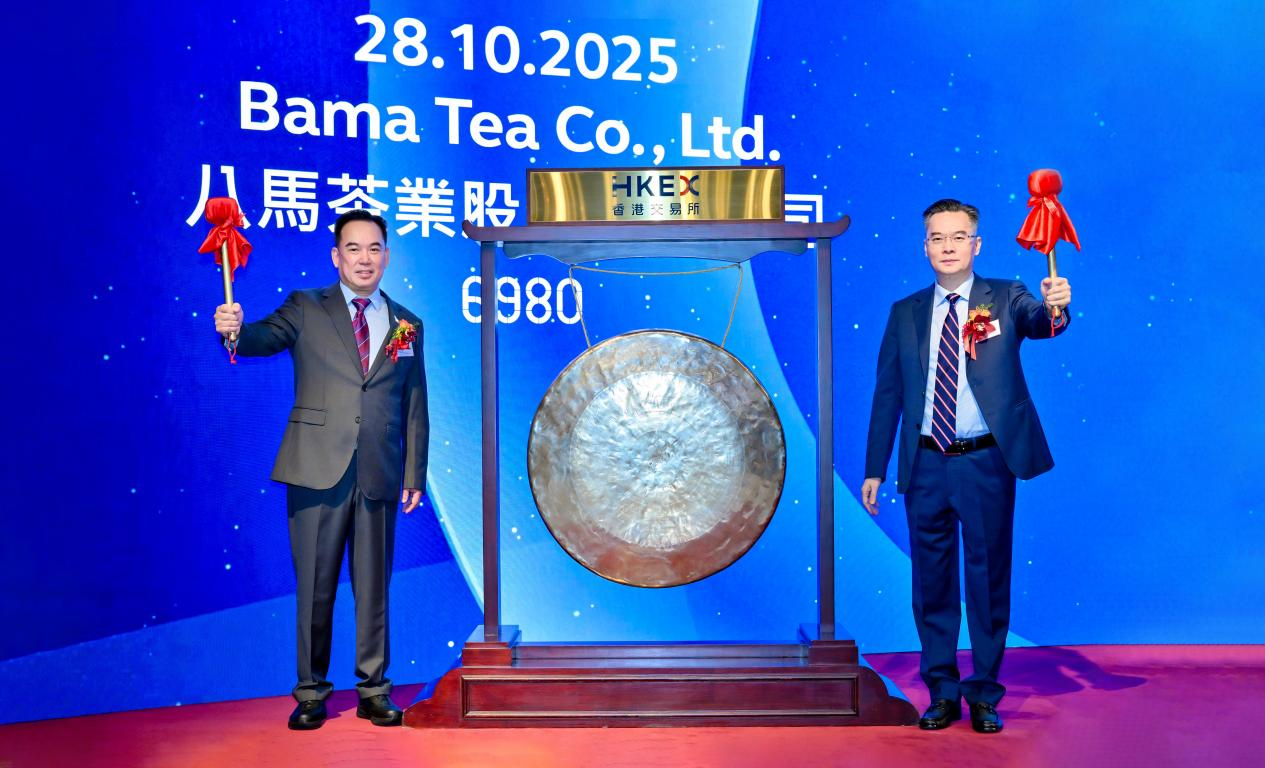
八马茶业成功登陆港交所 上市首日股价大涨86.7%
Sou Hu Cai Jing· 2025-10-29 06:28
Core Viewpoint - The successful listing of Baima Tea on the Hong Kong Stock Exchange marks a significant step towards standardization and branding in the fragmented Chinese tea industry, which consists of over 1.6 million companies [1][4]. Company Overview - Baima Tea officially listed on the Hong Kong Stock Exchange on October 28, with an initial stock price increase of 86.7%, closing at 93.35 HKD per share and achieving a market capitalization of 7.935 billion HKD [3]. - The company plans to use the raised funds, totaling up to 450 million HKD, to enhance supply chain capabilities, brand development, and international expansion [3][7]. Financial Performance - Baima Tea's revenue for 2022, 2023, and 2024 is projected to be 1.818 billion, 2.122 billion, and 2.143 billion CNY, respectively, with net profits of 166 million, 206 million, and 224 million CNY [3]. - In the first half of the current year, Baima Tea reported a revenue of 1.063 billion CNY, a year-on-year decline of approximately 4.2%, and a net profit of 120 million CNY, down about 17.8% [3]. Market Position - Baima Tea holds the largest number of tea chain stores in China, with 3,716 offline stores, of which 3,482 are franchise stores, accounting for over 90% of its outlets [5][6]. - The company ranks first in the high-end tea market, oolong tea market, and black tea market in China by revenue [4]. Business Model - The company operates on a dual-channel model of direct sales and franchising, with franchise channels having a gross margin of approximately 46%, significantly lower than the 78.2% margin from direct sales [5][6]. - Baima Tea has implemented centralized procurement and logistics to support franchisees, enhancing operational efficiency and reducing costs [6]. Future Opportunities and Challenges - The company aims to strategically invest in expanding its channel network, upgrading supply chains, and enhancing brand recognition, particularly in Southeast Asia and Belt and Road Initiative countries [7]. - While the franchise model allows for market penetration, it may weaken the company's control over retail channels, potentially harming brand image and pricing strategies [8].

八马茶业上市:500亿亲家圈子,难掩酒热茶凉的资本脸色
Sou Hu Cai Jing· 2025-10-29 01:59
Core Viewpoint - Eight Horses Tea's debut on the Hong Kong Stock Exchange marked a significant milestone after a 12-year journey, reflecting the challenges faced by the traditional tea industry in capitalizing on market opportunities [1][3][15] Group 1: Company Overview - Eight Horses Tea opened at HKD 80, a 60% increase from its IPO price of HKD 50, with a trading volume of HKD 106 million on its first day, reaching a market capitalization close to HKD 7.2 billion [1] - The company was founded by the Wang brothers and initially focused on Tieguanyin tea, later expanding to cover six major tea categories [3][4] - The company faced multiple setbacks in its attempts to go public, including failed applications to various stock exchanges due to regulatory challenges and market conditions [3][4][5] Group 2: Industry Challenges - The Chinese tea industry has struggled with capital market integration, characterized by low standardization and high dependency on natural conditions, which complicates profitability and predictability [16][20] - The tea market is fragmented, with over 160,000 tea companies and a lack of dominant brands, making it difficult for any single company to achieve significant market share [11][12][20] - The traditional tea sector's reliance on physical retail channels contrasts with the more established brand and distribution models seen in the liquor industry, leading to a cautious approach from investors [17][18] Group 3: Governance and Business Model - Eight Horses Tea's governance structure is heavily influenced by family ties, raising concerns about potential conflicts of interest and decision-making diversity [7][9] - The company has established a complex network of alliances through familial connections with other businesses, which provides both support and scrutiny in the capital market [7][8] - The reliance on a franchise model for 92% of its stores raises questions about the sustainability of its business model, especially given recent declines in new store openings and purchasing volumes [12][18] Group 4: Market Position and Future Outlook - Despite aspirations to become the "Moutai of tea," Eight Horses Tea faces significant challenges in scaling and profitability compared to the liquor industry, where Moutai enjoys a dominant market position [11][12] - The company's revenue for 2024 is projected to exceed CNY 2 billion, but this is still significantly lower than the revenue generated by leading liquor brands [11][12] - The capital market's preference for innovative and high-growth companies poses a challenge for traditional tea enterprises, which often struggle to meet modern investor expectations [18][20]
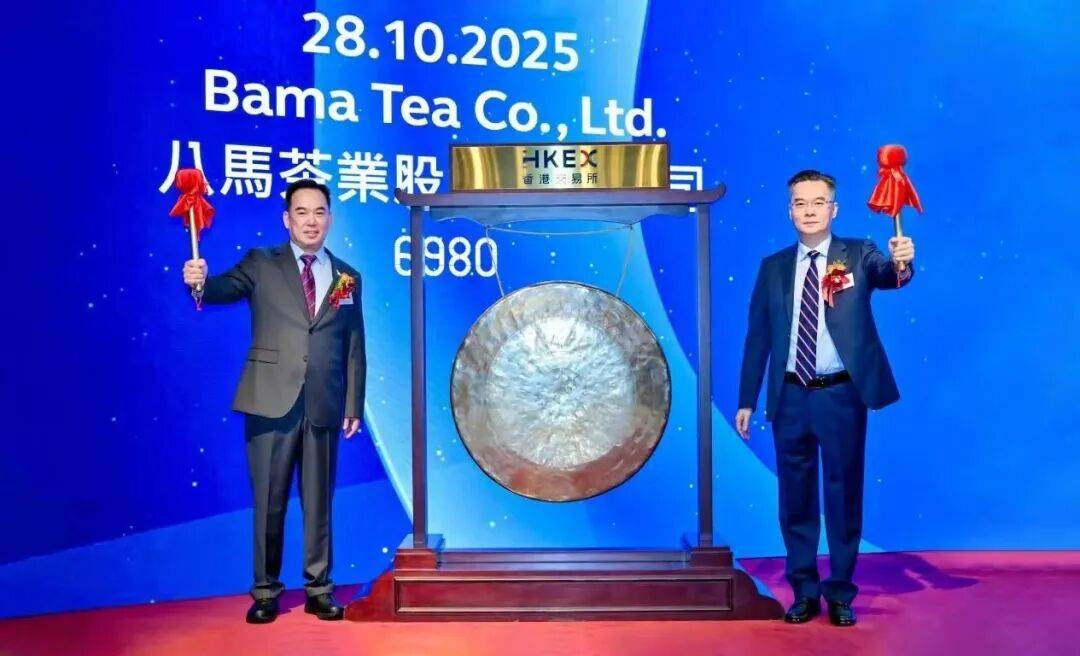
八马茶业港交所敲钟,传统茶企资本化破冰
Nan Fang Nong Cun Bao· 2025-10-29 01:00
Core Viewpoint - Baima Tea has successfully listed on the Hong Kong Stock Exchange, marking a significant milestone for traditional tea companies in capital markets, reflecting the challenges faced by the industry in capitalizing compared to the new tea beverage sector [2][3][5]. Group 1: Company Overview - Baima Tea officially listed on the Hong Kong Stock Exchange on October 28, becoming one of the few traditional tea companies to successfully enter the capital market in recent years [2][3]. - The stock price peaked at 97.9 HKD per share, with a total market capitalization approaching 8 billion HKD [3]. - The company has faced multiple setbacks in its attempts to go public, including failed listings on the Shenzhen Stock Exchange and the New Third Board, as well as withdrawal of IPO applications in A-shares [8][9][10]. Group 2: Industry Context - The traditional tea industry is struggling to capitalize, with no traditional tea companies successfully listed on A-shares to date [20]. - In contrast, the new tea beverage sector has seen a surge in listings, with companies like Nayuki and others rapidly entering the market from 2021 to 2025 [22][24]. - New tea beverage companies have adopted standardized production processes and digital operations, allowing for rapid expansion and alignment with capital market preferences [26][30]. Group 3: Future Plans - Baima Tea aims to become the world's leading tea company, with plans to open 1,500 new stores over the next three to five years as part of its "thousand cities, ten thousand stores" initiative [35][41]. - The company intends to enhance its online sales channels and improve operational digitalization, as well as expand its production facilities to strengthen supply chain capabilities [42].

打造“高端中国茶第一股” 八马茶业登陆港股
Mei Ri Shang Bao· 2025-10-29 00:03
Core Viewpoint - Baima Tea's successful IPO on the Hong Kong Stock Exchange marks a renewed trend of tea companies listing in Hong Kong, with the stock surging 86.70% on its first trading day, closing at 93.35 HKD per share [1][2]. Group 1: IPO Details - Baima Tea's IPO was oversubscribed nearly 2000 times, setting a record in the Hong Kong tea industry, with a total margin loan of 872.54 billion HKD [2]. - The company issued 9 million H-shares at an offering price of 50 HKD per share, aiming to raise 450 million HKD [2]. - The stock opened at a high of 100 HKD during the dark pool trading, reflecting a 100% increase before closing at 89.4 HKD, a rise of 78.8% [2]. Group 2: Company Background - Baima Tea is a former New Third Board company that delisted in 2018 and has since sought to expand its market presence through a Hong Kong listing [4]. - The company has received backing from notable investors, including IDG Capital and Tian Tu Capital, indicating strong institutional interest [3]. Group 3: Market Position and Performance - As of 2024, Baima Tea ranks first in China's high-end tea market with a market share of 1.7%, and also leads in the oolong and black tea segments [7]. - The company operates over 3,500 offline retail stores, making it the largest tea enterprise in China by store count [6]. - Financial performance shows revenue growth of 16.8% and 1.0% for 2023 and 2024, respectively, with net profit growth of 24.0% and 9.0% [7]. However, a decline in revenue and net profit is projected for the first half of 2025, with decreases of 4.2% and 18.0% respectively, due to weak external demand [7].
八马茶业正式登陆港交所 加速全球化布局
Zheng Quan Ri Bao Zhi Sheng· 2025-10-28 17:08
Core Viewpoint - Baima Tea Co., Ltd. has successfully listed on the Hong Kong Stock Exchange, raising a maximum of HKD 450 million, reflecting strong market confidence in the high-end Chinese tea industry [1][2] Group 1: Listing and Market Performance - Baima Tea plans to issue 9 million H-shares, with 90% for international sale and 10% for public offering, achieving an oversubscription of 2,680.04 times in the public offering, setting a new record for tea companies in Hong Kong [1] - The stock closed at HKD 93.35 on its first trading day, representing an increase of 86.7% from the issue price, with a total market capitalization of HKD 7.935 billion [1] Group 2: Business Strategy and Fund Utilization - The company will allocate 35% of the raised funds for expanding production bases, 20% for enhancing brand value and product portfolio, 15% for optimizing offline networks, 10% for digital operations, 10% for acquisitions in the tea industry, and 10% for working capital [2] - Baima Tea's focus on capacity expansion, digital operations, and brand enhancement is expected to strengthen its competitive advantage in the market [2] Group 3: Market Expansion and Global Strategy - The company plans to expand its overseas market presence, initially targeting Southeast Asia and countries involved in the Belt and Road Initiative, with future plans to enter the European and American markets [3] - Leveraging international capital and investor networks, Baima Tea aims to enhance its global brand recognition and accelerate local channel development and product customization strategies [3]
首日涨幅86.7% 八马茶业12年IPO修成正果
Bei Jing Shang Bao· 2025-10-28 16:40
Core Viewpoint - Baima Tea's successful listing on the Hong Kong Stock Exchange marks a significant milestone for the Wang family, with shares opening at 80.1 HKD, a 60.2% increase from the issue price of 50 HKD, and closing at 93.3 HKD, reflecting an 86.7% rise, amidst challenges in the fragmented tea market [1][2]. Group 1: Company Overview - Baima Tea, established in 1997, has developed a comprehensive sales system combining direct sales, franchising, and both online and offline channels, leveraging digital tools for operational efficiency [2][4]. - The company primarily engages in the research, design, standard output, and retail of various tea products, including six major categories of Chinese tea and related products [4]. - The Wang family, as the controlling shareholders, holds a combined voting power of 55.9% in Baima Tea, indicating strong family governance [4]. Group 2: Financial Performance - Baima Tea's projected revenues for 2022 to 2025 are approximately 1.818 billion, 2.122 billion, 2.143 billion, and 1.063 billion CNY, respectively, with net profits of about 166 million, 206 million, 224 million, and 120 million CNY [2]. - The company's gross profit margins are relatively strong, with figures of 53.3%, 52.3%, 55%, and 55.3% for the same periods [2]. Group 3: Market Position and Challenges - The Chinese tea market remains highly fragmented, with over 1.6 million companies involved in tea cultivation, production, and distribution, leading to a market share of only 5.6% for the top five companies by sales revenue [6]. - Baima Tea's market share in the high-end tea segment has increased from approximately 1.1% in 2020 to 1.7% in 2024, indicating growth despite the competitive landscape [6]. - The company faces challenges such as potential franchisee attrition and the need for digital supply chain upgrades to enhance profitability [6][7]. Group 4: Strategic Initiatives - The chairman of Baima Tea has proposed a "cultural elevation" strategy to transform tea from a mere agricultural product into a cultural entity, aiming to enhance brand recognition and consumer engagement [5]. - The company is also focusing on developing sub-brands to cater to diverse consumer preferences, particularly targeting younger demographics [6]. Group 5: Market Sentiment and Future Outlook - The initial public offering (IPO) was met with overwhelming demand, achieving a subscription rate of 2680.04 times, raising 3.9 billion HKD for expansion purposes [2][3]. - The strategic choice to list on the Hong Kong Stock Exchange is attributed to its flexible listing process and higher acceptance of tea companies, which may enhance Baima Tea's international brand influence [3].
八马茶业港股上市AB面:资本热捧股价狂涨86%,但业绩却增不动了,加盟商也在减少
Sou Hu Cai Jing· 2025-10-28 14:53
Core Points - Eight Horses Tea has successfully completed its IPO after 13 years of efforts, with shares starting trading on October 28, 2023, and experiencing a significant price increase of 86.70% by the end of the trading day [2][4] - The company raised approximately HKD 390 million through the global offering, with a total of 9 million shares issued, of which 90,000 shares were available for public offering in Hong Kong, resulting in a subscription rate of 2,680.04 times [2][5] Company Overview - Founded in 1997 by the Wang brothers, Eight Horses Tea has developed a comprehensive product matrix covering various types of tea and related products, with tea sales accounting for 86.5% to 90.2% of total revenue from 2022 to the first half of 2025 [5][6] - According to a report by Frost & Sullivan, Eight Horses Tea ranks first in the Chinese tea market by the number of tea chain stores and also leads in the high-end tea market by sales revenue [5] Market Position and Challenges - The IPO's positive reception is attributed to the overall increased interest in domestic tea brands following the listing of other companies like Mixue Ice Cream [4] - Despite being a leading player, Eight Horses Tea faces challenges in expanding its market share, as it holds only 1.7% of the high-end tea market, with the top five players collectively holding just 5.6% [8][11] Financial Performance - The company has invested heavily in marketing, spending approximately HKD 875 million on advertising over three and a half years, yet its revenue growth has been modest, with 2023 revenue growth slowing to single digits [9][12] - In the first half of 2025, the company reported a revenue decline of about 4.2% year-on-year, with net profit decreasing by approximately 17.8% [12][13] Franchise and Distribution Challenges - Eight Horses Tea's sales heavily rely on franchise stores, which accounted for about 50% of total revenue from 2022 to the first half of 2025 [13][14] - The growth of franchise numbers has slowed significantly, with a net increase of only 50 franchisees in 2024 and a decrease of 24 in the first half of 2025 [14][16] - Legal challenges from former franchisees may further complicate the company's operational landscape [16]
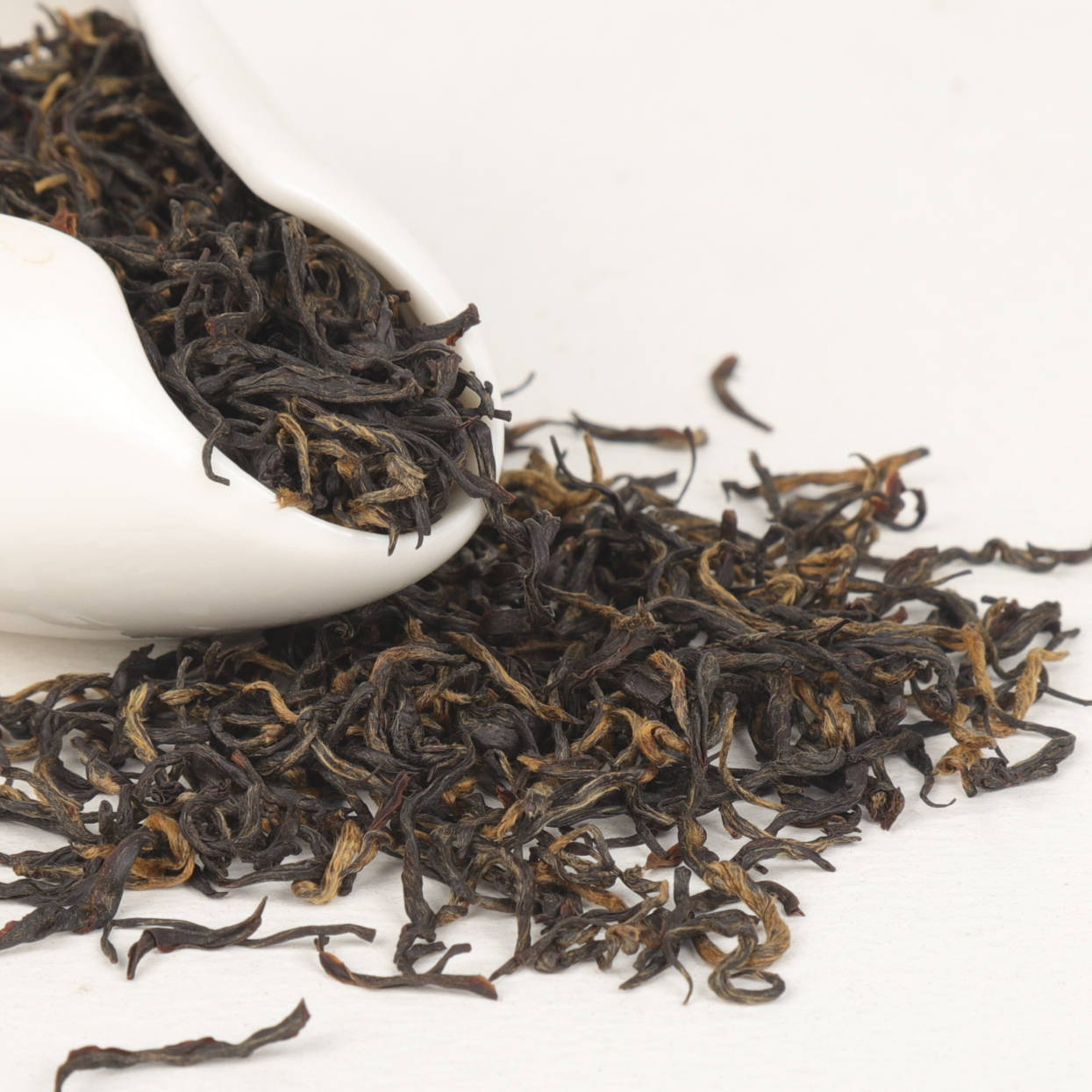
上市首日股价高涨86.7% “高端中国茶第一股”八马茶业叩开港交所大门
Zheng Quan Ri Bao Wang· 2025-10-28 12:43
Core Insights - Baima Tea's successful listing on the Hong Kong Stock Exchange marks a significant step for the Chinese tea industry in connecting with international capital markets [1][2][3] - The company raised a total of HKD 450 million by issuing 9 million H-shares, with an oversubscription rate of 2680.04 times for the public offering, setting a new record for tea companies in Hong Kong [1][3] - Baima Tea's stock price surged by 86.7% on its first trading day, closing at HKD 93.35, resulting in a market capitalization of HKD 7.935 billion [1][3] Company Overview - Baima Tea is recognized as a leading high-end tea brand in China, with a comprehensive product range that includes various types of tea and related products [3][4] - The company has established a strong market position, ranking first in the high-end tea market and leading in categories such as Oolong and black tea [4][5] - Baima Tea operates 3,716 offline stores, making it the top tea chain brand in China, with online sales accounting for 35% of its revenue [4][5] Financial Strategy - The company plans to allocate 35% of the raised funds for expanding production facilities, 20% for enhancing brand value, and 15% for optimizing offline networks [3][4] - Additional funds will be used for digital operations, acquisitions in the tea industry, and general working capital [3][4] Market Position and Brand Strength - Baima Tea's brand value reached CNY 31.359 billion in 2024, and it has been listed among China's top 500 brands for nine consecutive years [5] - The company has strengthened its market credibility by attracting strategic investors such as IDG Capital and Tian Tu Capital, enhancing its influence in the capital market [5][6] Global Expansion Plans - Baima Tea aims to expand its overseas market presence, having already held tasting events in over 30 countries [6][7] - The company plans to leverage international capital to accelerate its global strategy, focusing on localizing channels and customizing products for foreign markets [6][7]