BIDU(09888)

Search documents
热门中概股盘前多数走高,金山云涨超7%


Mei Ri Jing Ji Xin Wen· 2026-01-27 09:56
Core Viewpoint - The majority of popular Chinese concept stocks experienced an increase in pre-market trading on January 27, with notable gains in several companies [1] Group 1: Stock Performance - Kingsoft Cloud saw a rise of over 7% [1] - Bilibili increased by nearly 4% [1] - Baidu and Pony.ai both rose by over 2% [1] - Alibaba experienced a gain of over 1% [1]
热门中概股盘前多数走高 金山云涨超7%
Mei Ri Jing Ji Xin Wen· 2026-01-27 09:54
Core Viewpoint - Most popular Chinese concept stocks saw an increase in pre-market trading, indicating positive market sentiment towards these companies [1] Group 1: Stock Performance - Kingsoft Cloud experienced a rise of over 7% [1] - Bilibili increased by nearly 4% [1] - Baidu and Pony.ai both saw gains of over 2% [1] - Alibaba rose by more than 1% [1]
QuestMobile:文心助手成中国用户量最大的AI应用
Ge Long Hui· 2026-01-27 08:36
QuestMobile发布《2025中国互联网价值榜》,百度App文心助手在"AI赛道用户规模NO.1应用榜"中名 列第一,"企业App AI升级成效Top榜"中排名第二。此前,据海外权威媒体《华尔街日报》称,百度 App文心助手月活用户数已突破2亿,与豆包、千问形成国内三大AI超级入口。据悉,文心助手是百度 App推出的AI智能助手,依托文心大模型和"百度猎户座"AI引擎,实现了搜索与AI的深度重构,是集深 度思考、多模态交互与全场景服务于一体的全能搭子。 ...
为AI入口焦虑,腾讯百度预备豪掷15亿
Xin Lang Cai Jing· 2026-01-27 07:45
Core Viewpoint - The competition among major internet companies in China is intensifying as Tencent and Baidu re-enter the Spring Festival red envelope battle, with Tencent offering 1 billion yuan in cash and Baidu 500 million yuan, marking a shift in strategies from user acquisition to AI integration and ecosystem development [3][23]. Group 1: Company Strategies - Tencent will launch a Spring Festival campaign on February 1, distributing 1 billion yuan in cash through its Yuanbao app, with individual red envelopes reaching up to 10,000 yuan [3][23]. - Baidu's cash red envelope activity will run from January 26 to March 12, allowing users to share in 500 million yuan, with a maximum reward of 10,000 yuan [3][23]. - The red envelope strategies reflect a significant change in the competitive landscape, moving from user acquisition to AI-driven engagement [3][23]. Group 2: Market Dynamics - The domestic AI application market is becoming increasingly competitive, with major players like ByteDance's Doubao, Tencent's Yuanbao, and Alibaba's Qianwen leading in active user engagement [3][24]. - Tencent's Yuanbao app has risen to second place in the Apple App Store's free app rankings, indicating a strong market presence [4][24]. - The competition has evolved from focusing solely on model capabilities to a broader contest for application and ecosystem integration [7][28]. Group 3: AI Integration and User Engagement - Tencent is leveraging its social media strengths to enhance user participation through viral sharing features, reminiscent of Pinduoduo's growth strategy [6][26]. - Baidu's Wenxin Assistant, which integrates AI capabilities, aims to enhance user interaction and engagement, with over 200 million monthly active users [9][28]. - Both companies are exploring new AI-driven social features to deepen user engagement, moving beyond traditional chatbot functionalities [7][27]. Group 4: Historical Context and Future Outlook - Tencent's previous success with WeChat red envelopes in 2015 set a high benchmark, but analysts express skepticism about replicating that success in the current saturated market [17][39]. - Baidu's earlier missteps in AI commercialization have led to a challenging position, with its Wenxin Yiyan product struggling to maintain user engagement [10][32]. - The upcoming Spring Festival marketing efforts are seen as essential for both companies to regain momentum in a rapidly evolving digital landscape [20][42].




腾讯百度春节撒钱抢AI用户,10亿5亿红包大战打响
Sou Hu Cai Jing· 2026-01-27 07:23
Core Viewpoint - The competition between Tencent and Baidu during the Spring Festival highlights their strategies to leverage cash red envelopes as a means to attract users and enhance their AI applications, with Tencent offering 10 billion yuan and Baidu 5 billion yuan in cash rewards [2][4][12]. Group 1: Tencent's Strategy - Tencent, as the originator of the Spring Festival red envelope concept, aims to utilize its social media platforms, WeChat and QQ, to drive traffic to its AI application, Yuanbao [5][8]. - The company is under pressure to compete with ByteDance and Alibaba in the AI sector, as they have successfully attracted millions of active users [8][10]. - Tencent's approach involves high incentives and social engagement to reshape user habits, with the 10 billion yuan red envelope serving as a strategic investment in user acquisition [9][10]. Group 2: Baidu's Response - Baidu's quick response to Tencent's initiative indicates a renewed confidence in its AI capabilities, having previously faced criticism for its slower reaction in the AI race [12][16]. - The company has established a comprehensive AI ecosystem, integrating its technology from foundational chips to applications, which positions it competitively against global giants like Google and Microsoft [16][17]. - Baidu's recent formation of a personal super-intelligent business group reflects its commitment to scaling AI applications and addressing market skepticism regarding its revenue generation capabilities [17][18]. Group 3: Industry Dynamics - The ongoing "red envelope war" is not limited to Tencent and Baidu, as other players like ByteDance and Alibaba are expected to join the competition, leveraging the Spring Festival as a critical marketing opportunity [19][20]. - The historical context suggests that while cash incentives can drive short-term user engagement, long-term success will depend on product quality and user experience [26]. - This competition is seen as a collective bet by major tech companies on establishing a dominant entry point into the AI era, with the potential to accelerate AI adoption among the general public [26][27].
文心App扩大群聊功能内测
Bei Jing Shang Bao· 2026-01-27 06:11
Group 1 - The core point of the article is that Baidu's Wenxin App has launched the industry's first "multi-user, multi-Agent" group chat feature, which is currently in internal testing [1] - Users can upgrade to the latest version of the app to check for the group chat entry and experience the new feature [1] - The group chat function allows multiple AI roles, such as "group chat assistant," "personal assistant," and "health manager," to be activated within the same chat, aiming to enhance problem-solving and result delivery [1] Group 2 - The AI assistants in the group chat can understand context and accurately judge the timing for intervention without users needing to mention it [1] - The response time for the AI assistants is achieved in seconds, and the answers provided are described as being "smarter" [1]
谁能接住马化腾的红包?
Sou Hu Cai Jing· 2026-01-27 06:08
Group 1 - The core viewpoint of the article is that the domestic AI industry in China is expected to undergo three major changes in 2026: significant technological investment, intense competition differentiation, and market segmentation [1][30]. - The competition among major internet companies is intensifying, with Tencent, Baidu, and ByteDance engaging in a "red envelope war" during the Spring Festival, reminiscent of past marketing battles [3][6][7]. - Tencent announced a cash giveaway of 1 billion yuan through its Yuanbao app, while Baidu and ByteDance also made significant marketing moves, indicating a shift from pure model competition to application and entry competition [7][21]. Group 2 - In 2025, major companies are heavily investing in AI, with ByteDance's capital expenditure expected to reach 300 billion yuan, while Alibaba plans to invest 380 billion yuan over three years, setting a record for domestic AI spending [14][15]. - The competitive landscape is characterized by a "Warring States" model, with major players like ByteDance, Alibaba, Tencent, and Baidu each having distinct strengths and strategies [17][20]. - The article highlights that the current competition is not just about AI models but also encompasses the entire ecosystem from cloud services to applications, with companies like Alibaba focusing on creating a comprehensive application ecosystem [21][24].

红包大战打响!2026春节后,中国AI助手将迎来"iPhone时刻"?
Hua Er Jie Jian Wen· 2026-01-27 05:43
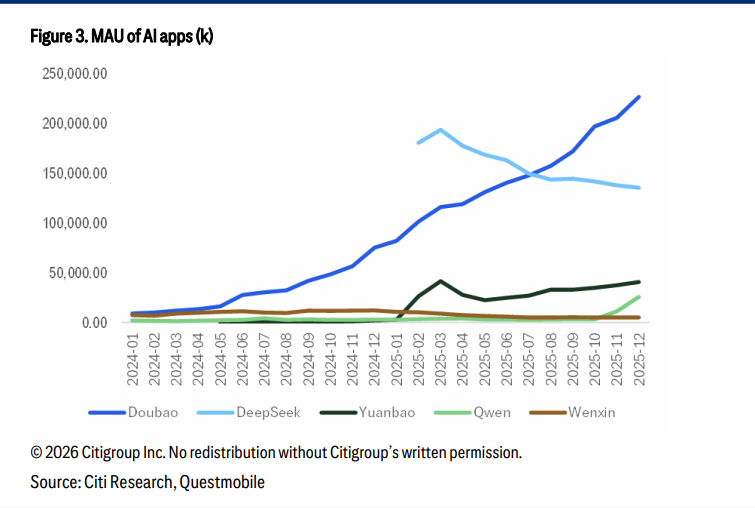
当红包再次成为中国互联网公司的"核按钮",这一次,被点燃的不是支付,而是AI助手。 据追风交易台,随着2026年春节临近,中国互联网巨头围绕AI助手的流量争夺,正在迅速升温。腾讯、百度率先 宣布大规模现金红包补贴,阿里、字节跳动被市场普遍预期将加入战局。一场以"春节红包"为引爆点的AI入口之 争,已经悄然打响。 花旗在最新研报中指出,这并非一次简单的春节促销,而更像是中国AI助手迈向全民级应用拐点的重要验证窗 口。 从"红包拉新"到"AI入口争夺",这一次逻辑彻底变了 春节红包并不新鲜。 从微信支付、支付宝到短视频平台,过去十年,几乎每一轮互联网流量重构,都会伴随春节补贴大战。但花旗强 调,2026年的不同之处在于:争夺的核心标的,已经从"应用"升级为"AI时代的流量入口"。 在花旗看来,AI助手具备三个此前应用不具备的特征: 这也是为什么,2026年被花旗定义为"AI聊天机器人流量争夺战全面升级的一年"。 春节红包只是形式,真正被验证的是"使用习惯" 从已披露的信息看,各家打法已经明显分化: 花旗指出,春节红包的本质,并不是补贴金额,而是"强制用户形成AI使用路径"。只要用户在7—10天高频使用 中形成依赖 ...
都Agent时代了,AI大战还要靠春节发红包?
3 6 Ke· 2026-01-27 05:41
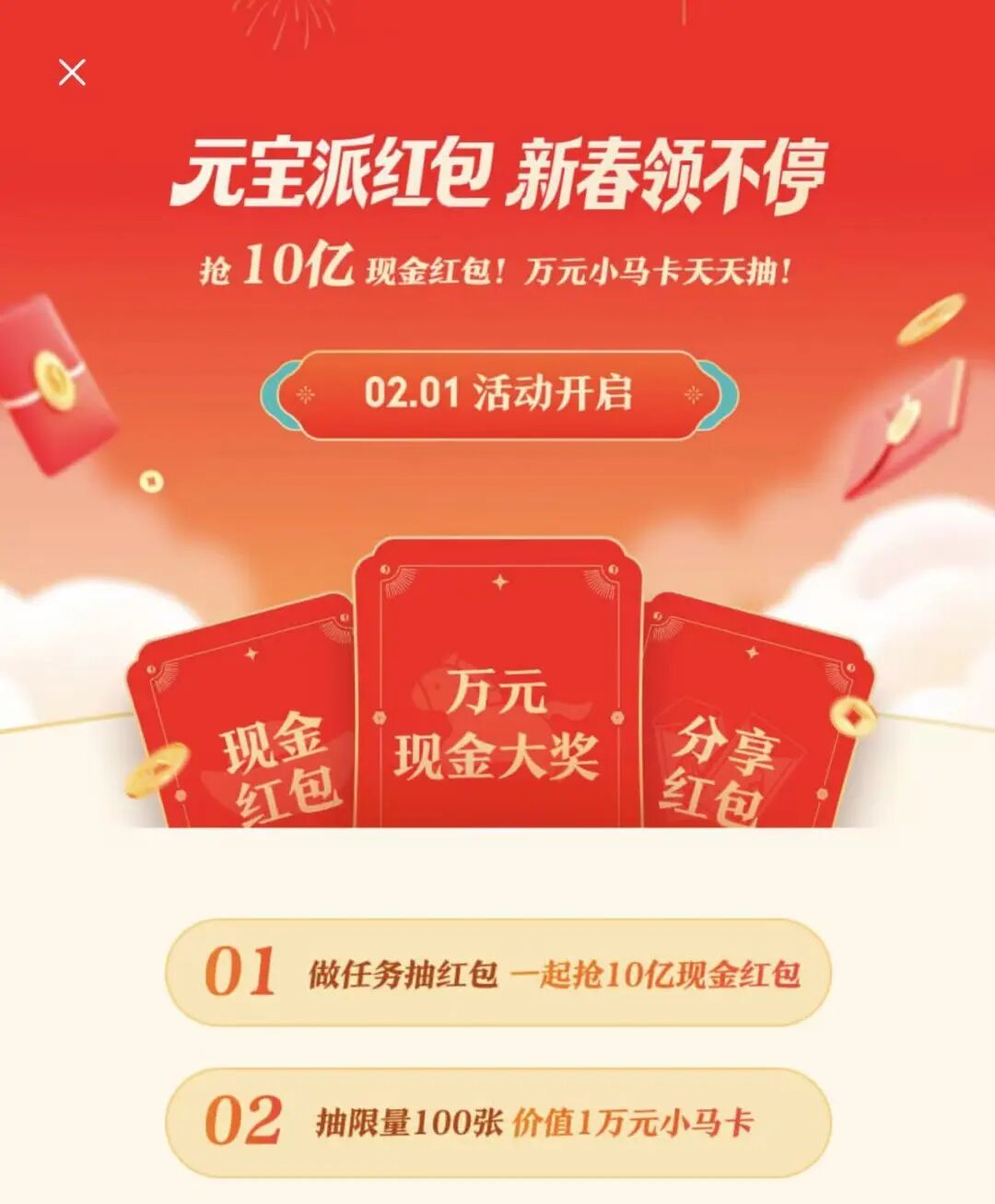
红包能撑开多大的AI入口? 2026年AI圈的年味,在腊八节前后被腾讯和百度拉高。1月25日,腾讯元宝和百度文心先后宣布,要在这个春节分别发出10亿、5亿现金红包,单个红包 最高可得10000元。 双方的玩法有着明显差异:腾讯以优势的"社交裂变"为特色,用户除了可以自己领取红包,还可以分享红包到微信、QQ好友和社群。同时,元宝还在灰 度测试社交类产品元宝派,腾讯董事会主席马化腾称,这本来是绝密的项目。 图注:元宝红包活动 唐辰截图 百度则联动北京广播电视台春晚,并推出三种核心玩法:看视频领钱、前1000名集齐稀有卡得万元、通过文心助手猜口令。其特征就是和"AI深度绑定", 提升投入产出比。 这种"撒钱抢人"的戏码,在移动互联网时代并不陌生,它们的意图也很明显,希望在春节黄金窗口期实现用户规模与心智的跨越式增长。 但让人唏嘘的是,AI已经进入Agent时代,新一轮超级AI入口的争夺,红包还是那个熟悉的"老演员",成为各家圈定用户的最佳杠杆。尽管打法各异,所 有参与者的核心目标却高度一致。 腾讯的紧迫感 腾讯是春节红包玩法的"鼻祖"。微信支付在2015年凭借春晚"摇一摇"和5亿红包,在移动支付上撕开一道口子,并改 ...
大模型厂商为何越来越需要证明自己?
3 6 Ke· 2026-01-27 04:04
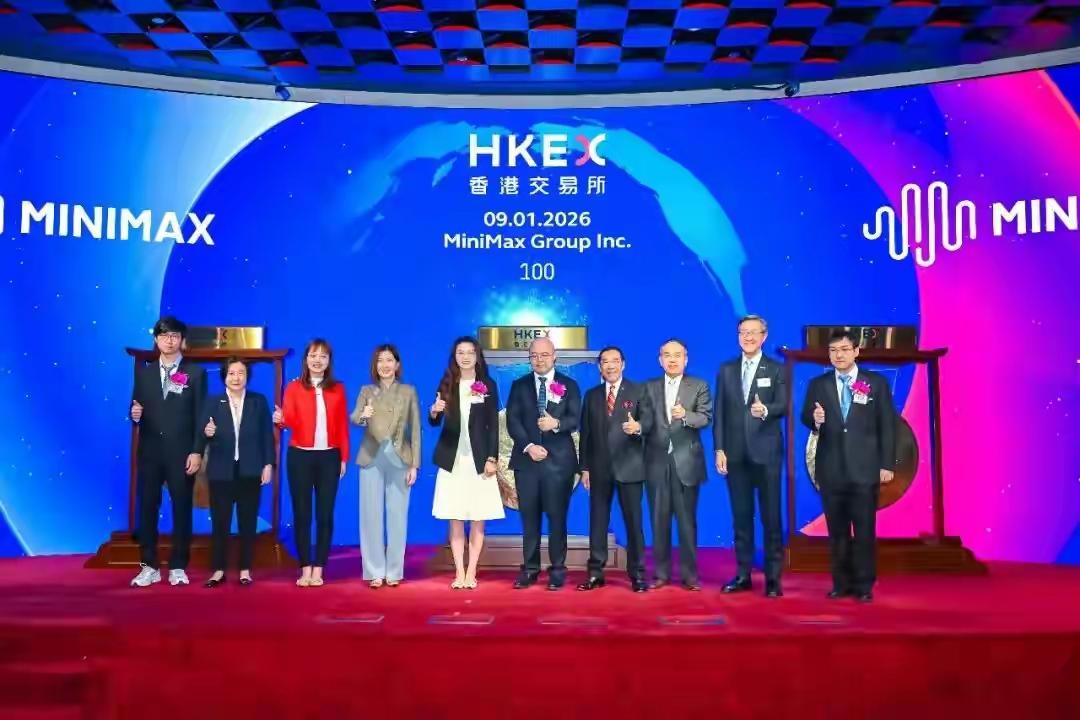
Core Insights - The AI industry is entering a phase where proving commercial value is crucial for players in the market, with significant capital expenditures expected in the coming years [1] - The competition is shifting from merely having advanced models to integrating chips, cloud services, models, and real applications into a cohesive ecosystem [1] - The trend of monetization in the large model sector is driven by technological maturity and capital cycles, with companies now focusing on profitability [2][3] Industry Trends - The AI sector is witnessing a transformation from "burning money for growth" to a focus on revenue and profit, as evidenced by the successful IPOs of companies like Zhizhu and Minimax [5][8] - Major companies are enhancing their AI monetization capabilities, with Baidu reporting over 50% year-on-year growth in its AI business revenue [6][5] - The market is becoming more discerning, with a decline in funding for AI startups, particularly in the large model sector, indicating a shift towards companies with clear commercialization paths [8][12] Competitive Landscape - The competitive dynamics are evolving, with a clear distinction emerging between companies that can deliver practical solutions and those that cannot [12][14] - The industry is expected to undergo a significant restructuring by 2026, with three tiers of companies emerging: ecosystem giants, vertical leaders, and technology specialists [13][14] - Companies lacking core competencies are likely to be eliminated, while those with technological barriers and commercial capabilities will gain more resources [14] Market Opportunities - The future of the large model industry will focus on practical applications, with AI becoming an essential part of production and daily life [14][16] - Key attractive sectors include AI hardware, digital services, and commercial aerospace, which are expected to see renewed growth and opportunities [16]