BABA(09988)

Search documents
当Token成为新石油:恒生科技指数,正在变成全球大模型的“算力定价权”
美股研究社· 2026-02-28 11:38
Core Viewpoint - The capital market rewards technologies that are scalable, affordable, and capable of forming network effects, especially in the context of artificial intelligence (AI) [2] Group 1: Market Dynamics - The AI industry's value anchor is shifting from "supply-side computing power monopoly" to "demand-side token consumption" [3] - Recent data shows that Chinese models have surpassed American models in token usage, with 51.6 trillion tokens compared to 27 trillion tokens in a week [5] - The price disparity in token consumption is significant, with Chinese models averaging $0.3 per million tokens compared to $5 for American models, indicating a drastic cost structure difference [6] Group 2: Business Model Transformation - The gap in model capabilities has compressed from three years to seven months, while the cost difference remains substantial, leading to a shift in business logic [7] - Companies are increasingly prioritizing affordable and scalable deployments over the most advanced models, impacting IT budget allocations [7] - The market's reaction includes a 5% drop in NVIDIA's stock due to challenges to its high-margin GPU business, while Tencent and Alibaba saw a 3% rebound as increased token usage opens up new commercial opportunities [7] Group 3: Index Evolution - The Hang Seng Technology Index is evolving from a "policy battleground" to a "token barometer" for global large models [3][11] - Unlike the NASDAQ, which represents AI producers, the Hang Seng Technology Index reflects model applications, usage scale, and distribution capabilities [15] - The index's future potential lies in becoming a "token index," indicating the penetration of AI technology in real commercial scenarios [16] Group 4: Investment Implications - The capital narrative is shifting from investing in GPU capacity to investing in usage frequency and platform distribution [17] - The price elasticity of tokens suggests that as costs decrease, token consumption could increase exponentially, transforming AI from a luxury to a necessity [17] - Companies controlling significant traffic and token consumption will gain pricing power, making the Hang Seng Technology Index's components critical for future cash flow [21] Group 5: Conclusion - The AI industry's measurement standard is transitioning from "computing power supply" to "token consumption," marking a paradigm shift [23] - The Hang Seng Technology Index may become a key indicator of the global large model landscape, reflecting the dynamics of cost and scale in AI applications [24]


千问豆包春晚“巷战”,谁是最大“流量赢家”?
Xin Lang Cai Jing· 2026-02-28 01:36
Core Insights - The integration of AI into the Chinese New Year celebrations has become a significant trend, with major companies like ByteDance, Alibaba, and Tencent launching various AI-driven initiatives to engage users and enhance their experiences during the holiday season [1][3] Group 1: AI Initiatives and User Engagement - ByteDance's "Doubao New Year" activity allowed users to generate New Year greetings for a chance to win prizes, while Alibaba's Qianwen launched "Super Treat Cards" for shopping and social activities [1] - Tencent's Yuanbao introduced a "New Year Moments" feature, distributing 1 billion red envelopes to recreate the excitement of past WeChat red envelope campaigns [1] - On New Year's Eve, Doubao's AI interactions reached 1.9 billion, generating over 50 million new avatars and 100 million greetings [1] Group 2: AI in Entertainment and Cultural Integration - The Spring Festival Gala showcased AI prominently, with various platforms using AI to enhance performances and engage audiences [3][4] - The CCTVs Spring Festival Gala incorporated AI technology, such as see dance 2.0, to innovate traditional performances, while other platforms like Bilibili and NetEase also hosted AI-themed events [3][6] - AI's role in cultural presentations was highlighted by the "Hehua Shen" program, which creatively integrated AI with traditional themes, although it faced criticism for inaccuracies in cultural representation [5][4] Group 3: Audience Reception and Market Dynamics - Despite the excitement around AI, there are concerns about the quality and authenticity of AI-generated content, with some viewers expressing dissatisfaction with the perceived lack of human touch in performances [8][11] - The competition among platforms to leverage AI for user engagement is intensifying, with each platform adopting different strategies to attract and retain users [8][10] - Music platforms like Tencent Music and NetEase are exploring AI as a potential new narrative direction amidst challenges in user growth and content monetization [8][9] Group 4: Future Outlook and Challenges - The long-term success of AI in the entertainment industry will depend on its ability to enhance human creativity and maintain a balance between technology and authentic human experiences [9][10] - The industry's focus on integrating AI into production processes aims to improve efficiency while addressing audience demands for genuine, relatable content [10][11] - As AI continues to evolve, its impact on the cultural landscape will require careful consideration of both technological advancements and the preservation of human elements in creative expressions [9][11]



2026AI应用系列深度报告(一):AI应用重塑流量生态,推动营销需求趋势向上
ZHONGTAI SECURITIES· 2026-02-28 00:25
Investment Rating - The report maintains an "Overweight" rating for the industry [3] Core Insights - The AI applications are reshaping the traffic ecosystem, driving upward trends in marketing demand [5][6] - The industry is entering a new phase characterized by the competition for AI super entry points, with a focus on integrating into the core AI ecosystem [7][26] - The marketing budget is expected to expand significantly as companies compete for AI traffic, transitioning from seasonal to year-round high investment [6][7] Summary by Sections Industry Overview - The industry comprises 130 listed companies with a total market capitalization of 1,921.714 billion yuan and a circulating market value of 1,778.846 billion yuan [1][3] Key Recommendations - **Tencent Holdings**: With over 1.1 billion daily active users on WeChat, it is positioned to build an unreplicable competitive barrier in the AI entry point market. The company has a solid cash flow and a high safety margin in valuation, with AI business expected to open a second growth curve [5] - **Alibaba-W**: The integration of cloud infrastructure and e-commerce creates a full-chain advantage in AI. The rapid commercialization of its AI initiatives has shown a 59% month-on-month increase in daily active users, indicating a strong commitment to AI application promotion [6] - **MINIMAX-WP**: As a leading domestic AI native manufacturer, it is expected to benefit significantly from the reconstruction of the traffic landscape in the AI era, with high growth elasticity [6] - **Focus on Marketing Demand**: The shift in traffic dynamics will lead to a substantial increase in marketing budgets, with leading companies poised to benefit [6][7] Marketing Trends - The report highlights the significance of the Spring Festival marketing as a critical battleground for traffic competition, with major companies launching billion-yuan AI marketing campaigns [7][48] - The competition for user attention during the Spring Festival is crucial for establishing brand presence and driving user engagement [48] Industry Evolution - The report outlines three phases of the internet traffic landscape: 1. The information-driven aggregation media era (1997-2007) 2. The function-driven platform media era (2007-2023) 3. The intention-driven agent media era, which is emerging as AI applications become mainstream [9][27] - By the end of 2025, the user base for Gen AI is projected to reach 602 million, with a penetration rate of 42.8%, comparable to the mobile internet penetration rate in 2015 [24]

智通ADR统计 | 2月28日





智通财经网· 2026-02-27 23:41
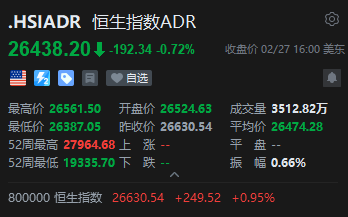
Market Overview - US stock indices experienced a decline on Friday, with the Hang Seng Index ADR closing at 26,438.20 points, down 192.34 points or 0.72% from the Hong Kong close [1] - The highest price for the ADR was 26,561.50, while the lowest was 26,387.05, with a trading volume of 35.1282 million [1] Major Blue-Chip Stocks - Most large-cap stocks fell, with HSBC Holdings closing at HKD 145.765, down 1.04% from the Hong Kong close [2] - Tencent Holdings closed at HKD 513.995, down 0.77% from the Hong Kong close [2] Stock Performance Summary - Tencent Holdings (00700) latest price: HKD 518.000, up 1.17% with an ADR price of USD 65.700, down 0.77% [3] - Alibaba Group (09988) latest price: HKD 142.900, down 0.07% with an ADR price of USD 144.110, down 1.38% [3] - HSBC Holdings (00005) latest price: HKD 147.300, up 1.59% with an ADR price of USD 93.160, down 1.04% [3] - Other notable stocks include AIA Group (01299) up 2.48%, and NetEase (099999) up 2.40% [3]
AI入口争夺战:APP之后?千问这个动作值得关注
格隆汇APP· 2026-02-27 15:10
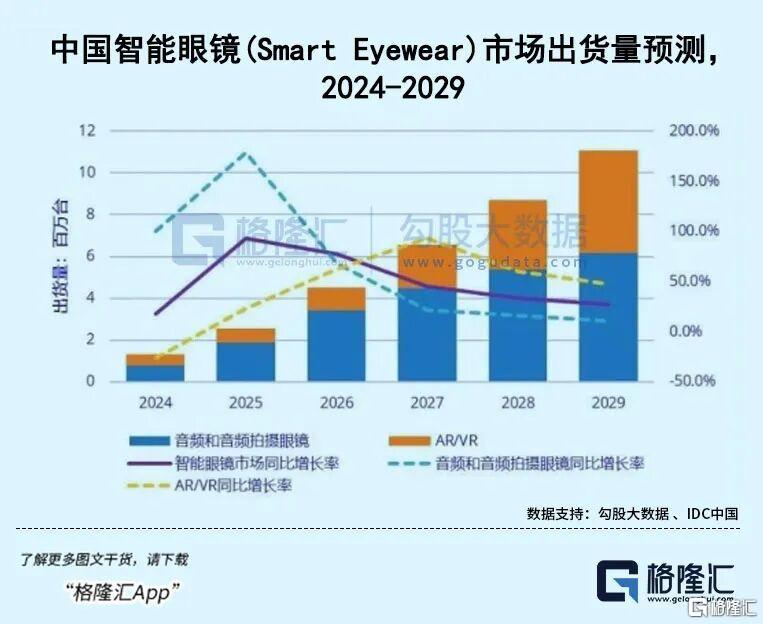
Core Insights - The article discusses Alibaba's strategic move to expand its AI assistant "Qianwen" into hardware, including the upcoming launch of AI glasses and other devices, marking a shift from app-based interactions to physical world integration [2][9][10]. Group 1: AI Hardware Market Trends - The AI hardware market is experiencing rapid growth, with predictions indicating that China's smart glasses market will reach 4.508 million units by 2026, representing a year-on-year increase of 77.7% [6]. - Major tech companies are investing heavily in AI hardware, with Meta's Ray-Ban series capturing over 70% of the smart glasses market and Google re-entering the space with Android XR [5][6]. Group 2: Alibaba's Unique Positioning - Alibaba's approach to AI hardware is characterized by its integration with the "Qianwen + Alibaba ecosystem," allowing users to perform various tasks seamlessly, such as ordering food or booking hotels [10][12]. - The upcoming AI glasses will feature visual recognition capabilities that connect directly to commercial services, enhancing user experience by eliminating the need to use a smartphone [12][16]. Group 3: Multi-Modal Interaction and Service Delivery - Alibaba's strategy emphasizes "multi-entry" capabilities, allowing users to interact with AI through various hardware forms, thus reducing reliance on a single app for service access [18]. - The company aims to enhance its "strong service delivery" capabilities by bridging the gap between understanding user intent in the digital realm and real-world scenarios, which is crucial for effective AI assistance [15][16]. Group 4: Future Implications - The integration of AI with hardware is seen as a key to unlocking new levels of user interaction, where AI can understand and respond to physical world cues, thus creating a more immersive experience [16][19]. - The article suggests that Alibaba's current initiatives may redefine human-computer interaction in the AI era, positioning the company for potential value reassessment in the coming decade [19].
默茨访华杭州行:强脑科技韩璧丞亮相中德企业交流活动
Xin Lang Cai Jing· 2026-02-27 14:24
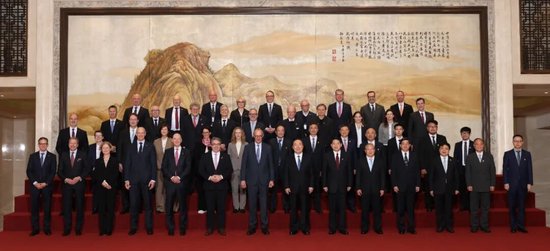
Group 1 - German Chancellor Merz visited Hangzhou, where a delegation of nearly 30 German economic representatives engaged with 10 Chinese companies from sectors such as artificial intelligence, brain-computer interfaces, humanoid robots, and new energy vehicles [1][3][11] - The German representatives included major companies like BMW, Mercedes-Benz, Siemens, Adidas, and DHL, while Chinese representatives showcased firms like Zhejiang's Chint Group, Geely, Alibaba, and emerging tech companies like BrainCo and Yushu Technology [3][13] Group 2 - The collaboration between China and Germany is evolving from traditional manufacturing to deeper integration in soft ecosystems, with Zhejiang aiming to establish itself as a global advanced manufacturing hub [4][14] - In the automotive sector, there is a multi-dimensional cooperation where German car manufacturers leverage their brand and mechanical advantages, while Chinese companies excel in core components for new energy vehicles and smart cockpit technologies [5][15] - The partnership extends beyond automotive to traditional sectors like chemicals, with calls for reinventing cooperation methods to adapt to a rapidly changing world [6][15] Group 3 - Companies like BrainCo and Yushu Technology represent a new wave of collaboration, focusing on future industries such as non-invasive brain-computer interface technology, with significant revenue coming from the German market [6][16] - DHL's CEO highlighted China's rapid advancements in logistics robotics and technology innovation, indicating strong partnerships with local developers [6][16] - The current development strategies of China and Germany align closely, emphasizing pragmatic cooperation for mutual benefit, particularly in green energy transitions [9][18]



2月27日南向资金追踪:盈富基金、恒生中国企业、南方恒生科技净买入额居前,分别为83.85亿港元、24.82亿港元、20.39亿港元



Jin Rong Jie· 2026-02-27 13:25
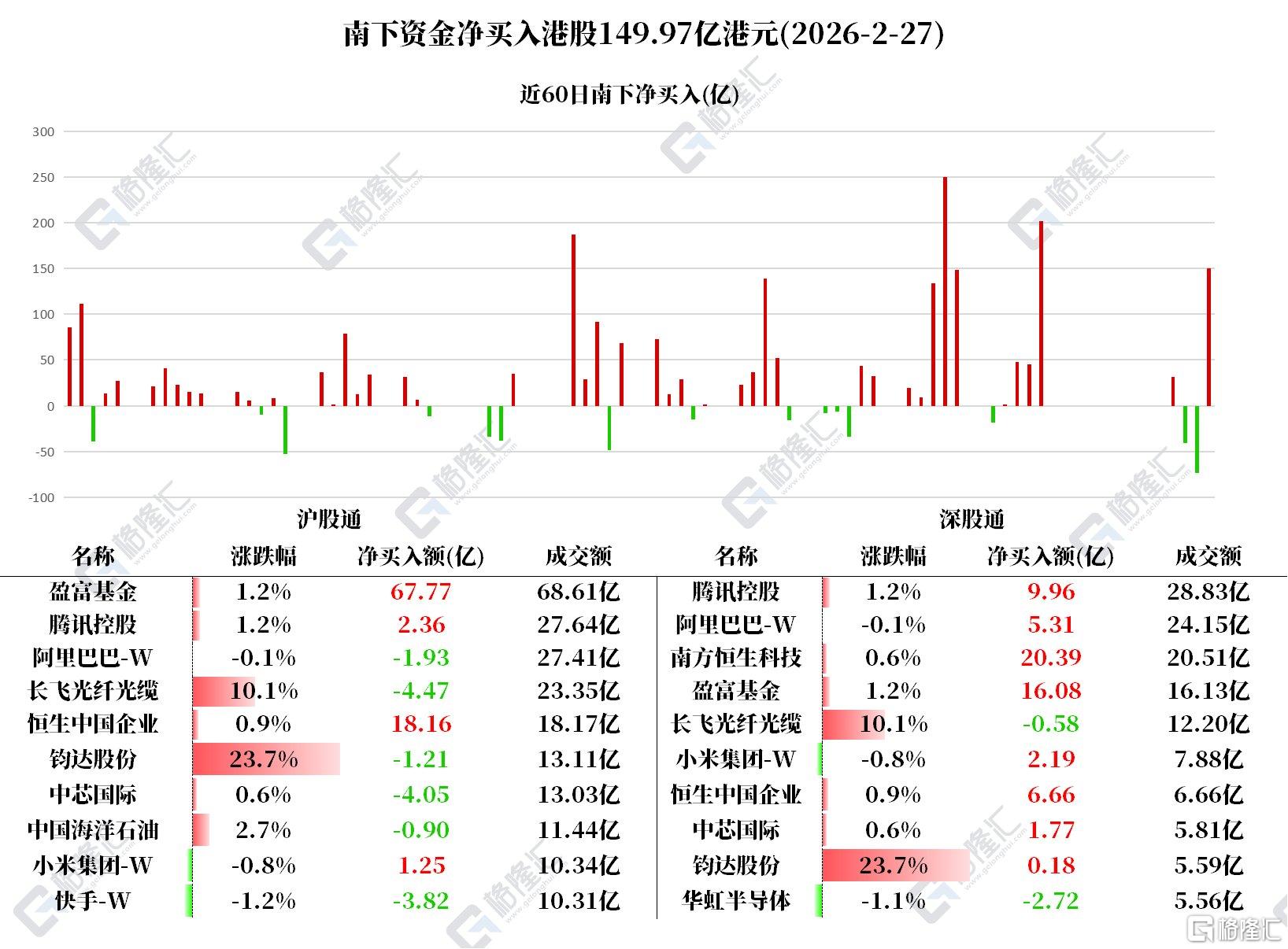
Market Overview - The Hang Seng Index increased by 0.95%, closing at 26,630.54 points, with a total market turnover of 288.42 billion HKD [1] Southbound Trading Data - The net purchases in southbound trading included: - Tracker Fund of Hong Kong (盈富基金) with a net buy of 8.385 billion HKD - Hang Seng China Enterprises Index (恒生中国企业) with a net buy of 2.482 billion HKD - Southern Hang Seng Technology Index (南方恒生科技) with a net buy of 2.039 billion HKD [1][2] - The net sales in southbound trading included: - Yangtze Optical Fibre and Cable (长飞光纤光缆) with a net sell of 0.505 billion HKD - Kuaishou Technology (快手-W) with a net sell of 0.382 billion HKD - Hua Hong Semiconductor (华虹半导体) with a net sell of 0.272 billion HKD [1][2] Individual Stock Performance - Key stocks with significant net buy amounts: - Tracker Fund of Hong Kong: 8.474 billion HKD, closing price at 26.90 HKD, with a change of +1.20% - Hang Seng China Enterprises: 8.282 billion HKD, closing price at 90.92 HKD, with a change of +0.87% - Southern Hang Seng Technology: 8.051 billion HKD, closing price at 5.03 HKD, with a change of +0.60% [2] - Key stocks with significant net sell amounts: - Yangtze Optical Fibre and Cable: 5.556 billion HKD, closing price at 148.80 HKD, with a change of +10.06% - Kuaishou Technology: 3.031 billion HKD, closing price at 62.85 HKD, with a change of -1.18% - Hua Hong Semiconductor: 1.475 billion HKD, closing price at 96.75 HKD, with a change of -1.12% [2]
资金动向 | 北水连续6日净买入小米,抛售快手、中芯国际
Ge Long Hui A P P· 2026-02-27 12:28
Group 1: Market Movements - Net purchases included 8.385 billion in Yingfu Fund, 2.482 billion in Hang Seng China Enterprises, 2.039 billion in Southern Hang Seng Technology, 1.232 billion in Tencent Holdings, 0.343 billion in Xiaomi Group-W, and 0.338 billion in Alibaba-W [1] - Net sales included 0.505 billion in Changfei Optical Fiber, 0.381 billion in Kuaishou-W, 0.272 billion in Huahong Semiconductor, 0.228 billion in SMIC, and 0.103 billion in Junda Co. [1] - Southbound funds have recorded net purchases in Xiaomi for six consecutive days, totaling 3.56896 billion HKD [1] Group 2: Stock Performance - Yingfu Changjin saw a 1.2% increase with a net purchase of 6.777 billion, while Tencent Holdings also increased by 1.2% with a net purchase of 0.236 billion [4] - Alibaba-W experienced a slight decrease of 0.1% with a net sale of 0.193 billion, while Southern Hang Seng Technology had a net purchase of 1.816 billion with a 0.9% increase [4] - Changfei Optical Fiber saw a significant increase of 10.1% despite a net sale of 0.447 billion [4] Group 3: Company Developments - Alibaba-W's AI assistant "Qianwen" is entering the AI hardware market, planning to launch various AI hardware products globally, including AI glasses at the 2026 Mobile World Congress [5] - Kuaishou-W reported record high daily active users (DAU) during the 2026 Spring Festival, driven by activities like "Shake the Fortune Tree" [6] - Xiaomi Group-W repurchased 2.832 million B shares for approximately 99.997 million HKD [7] - SMIC is expected to maintain high capital expenditure in 2026, with optimistic revenue growth guidance and a Q1 sales revenue forecast to remain stable [7][8]

从红包大战烧至AI硬件:千问将发布AI眼镜
Di Yi Cai Jing· 2026-02-27 12:27
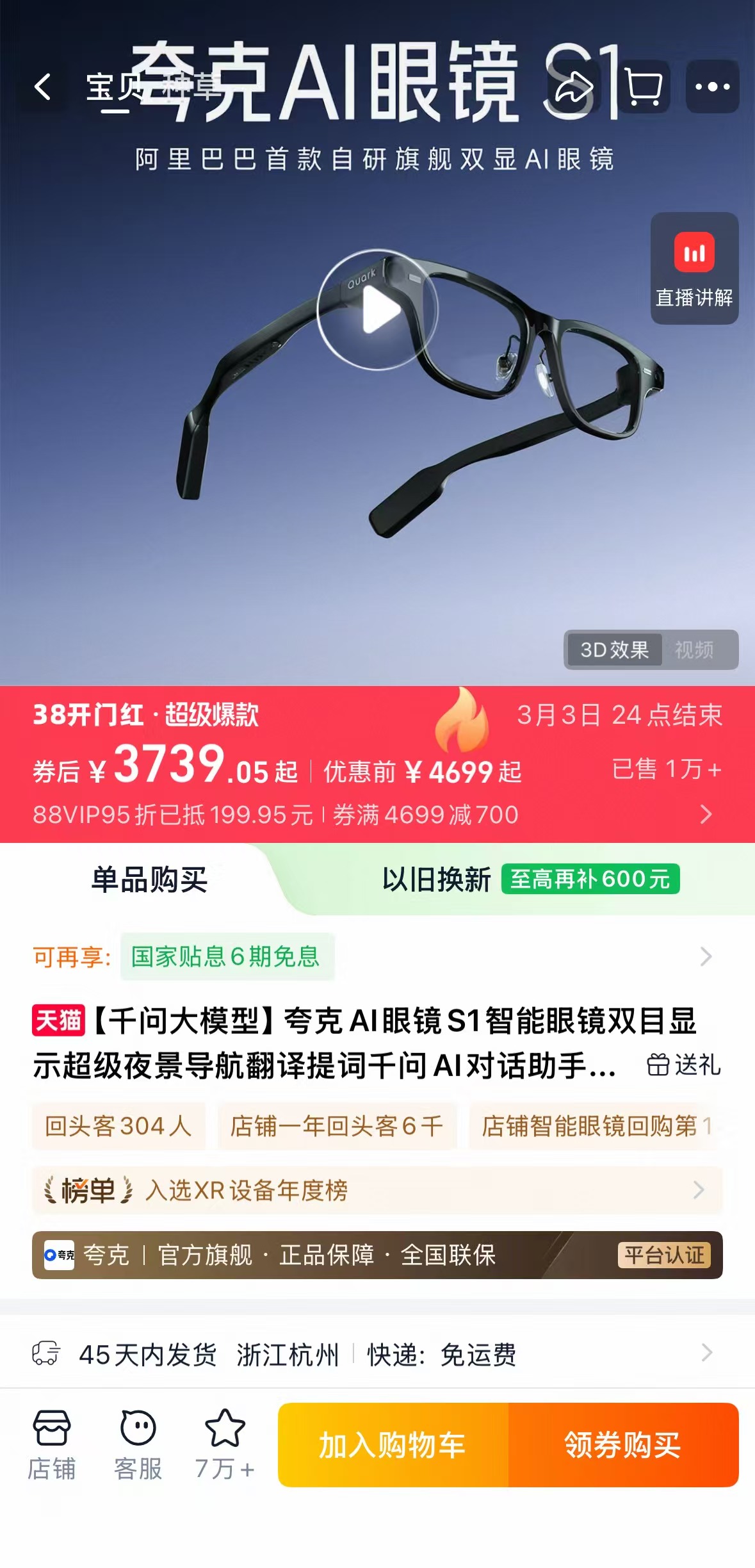
Group 1 - The core viewpoint of the articles revolves around Alibaba's entry into the AI hardware market with its personal AI assistant "Qwen," which aims to create a seamless integration of AI across various devices, including AI glasses, rings, and headphones [1][2][3] - Alibaba's strategy focuses on establishing a native AI entry point for consumer interactions, shifting its emphasis back to the Qwen app after initial attempts with other AI applications did not yield significant results [2][3] - The launch of Qwen AI glasses is seen as a pivotal move to enhance user experience and expand Alibaba's ecosystem into the physical world, with the glasses designed to integrate functionalities like food delivery and ride-hailing [3][4] Group 2 - The current competitive landscape for AI glasses indicates that while major companies are entering the market, significant investment in talent, marketing, and user experience is required to stand out [4][7] - IDC forecasts that global smart glasses shipments will exceed 23.7 million units by 2026, with China's market expected to surpass 4.9 million units, suggesting a potential for substantial growth [4] - Sales data shows that despite some models like the Quark AI glasses S1 achieving high sales, the overall market for AI glasses remains in its infancy, with total sales for top models only around 130,000 units [7][8]
AI入口争夺战:APP之后?千问这个动作值得关注
Ge Long Hui· 2026-02-27 12:18
Group 1 - The core idea of the article is that Alibaba's AI assistant "Qianwen" is transitioning from a digital application to a multi-device hardware ecosystem, marking a strategic shift in AI competition from app-centric to hardware integration [1][8][20] - Qianwen plans to launch its first AI glasses at the 2026 Mobile World Congress, with additional products like AI rings and headphones to follow, indicating a significant expansion of its product line [1][8] - The rapid growth of Qianwen is highlighted by its performance during the Spring Festival, where it achieved 200 million orders through voice commands and reached 73 million daily active users [1][10] Group 2 - The AI competition is evolving from a focus on app development to a multi-entry approach, where hardware plays a crucial role in enhancing user interaction with AI [2][4][8] - Major tech companies are investing heavily in AI hardware, with predictions indicating that the smart glasses market in China will reach 4.508 million units by 2026, growing by 77.7% [5][8] - Qianwen's strategy emphasizes the integration of AI capabilities into physical devices, allowing for seamless interaction without the need for a smartphone [12][18] Group 3 - Qianwen's unique selling proposition lies in its ability to connect visual recognition with commercial applications, enabling users to interact with their environment through voice commands and visual cues [12][18] - The combination of "multi-entry" and "strong execution" capabilities positions Qianwen to effectively understand and act upon user intentions in both digital and physical realms [15][20] - The hardware strategy allows Qianwen to capture multi-modal information, enhancing its understanding of user context and improving service delivery [17][18] Group 4 - Alibaba's approach with Qianwen signifies a shift in how AI can integrate into daily life, moving beyond mere app usage to becoming an essential part of user interactions with the world [20][21] - The focus on building a comprehensive service network through hardware and AI capabilities suggests a long-term vision for redefining human-computer interaction [21]