CM BANK(600036)

Search documents
银行差异化应对“黄金征税”新政,黄金理财风向有变
Sou Hu Cai Jing· 2025-11-06 10:02
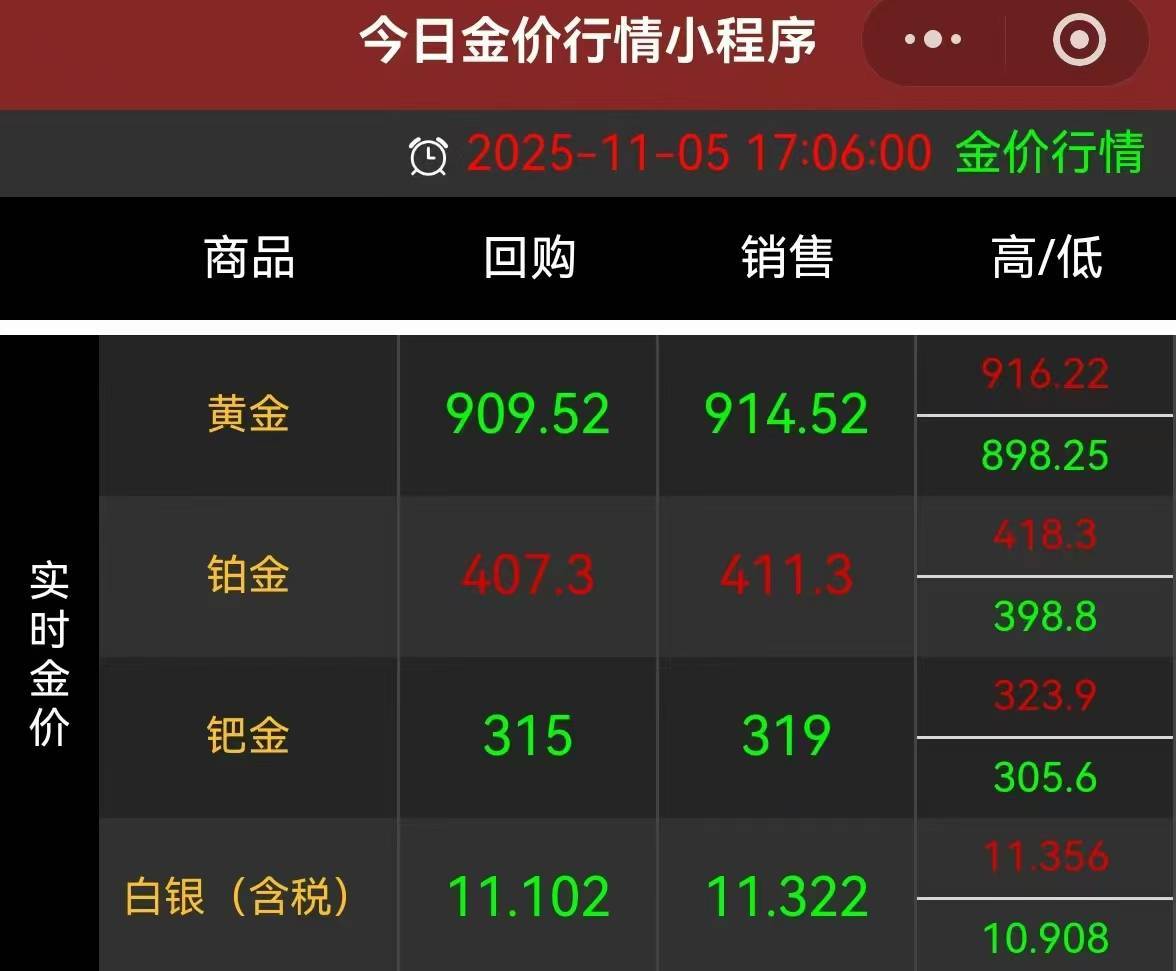
Core Viewpoint - The new gold tax policy, effective from November 1, 2025, distinguishes between "investment" and "non-investment" uses of gold, leading to significant adjustments in banking operations and investor behavior [1][2]. Group 1: Impact on Banking Operations - Major banks have temporarily suspended certain gold-related services, such as招商银行's "金生利" and工商银行's gold accumulation services, in response to the new tax policy [1][3]. - The new tax policy allows for VAT exemption on standard gold transactions through designated exchanges, while non-investment uses will incur a reduced VAT of 6% [2]. Group 2: Changes in Investor Behavior - Investors are shifting towards more rational investment strategies, with banks advising clients to limit gold investments to about 10% of their portfolios and to adopt a long-term holding approach [4]. - The demand for gold has surged, leading to increased prices and longer delivery times for gold products, with some banks adjusting their pricing strategies accordingly [3][4]. Group 3: Alternative Investment Products - With restrictions on physical gold, banks are promoting "paper gold" products, which allow for virtual trading of gold without the need for physical delivery, providing a more flexible investment option [6][9]. - "Paper gold" includes various forms such as gold accounts, gold ETFs, and gold futures, which offer advantages like low transaction costs and high liquidity [9].




香港青年山西行:促双向交流拓务实合作
Zhong Guo Xin Wen Wang· 2025-11-06 09:51
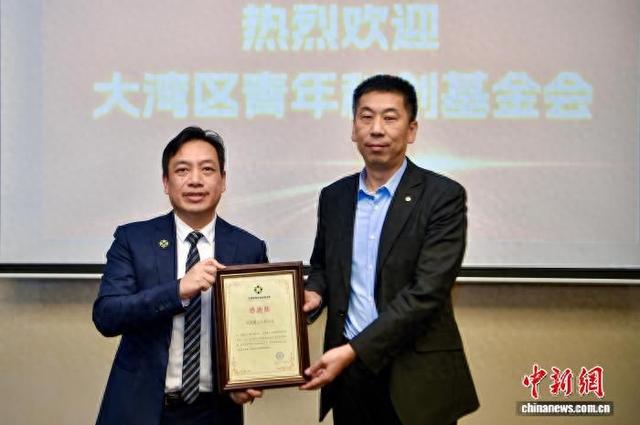
Group 1 - The Hong Kong Greater Bay Area Youth Innovation and Entrepreneurship Foundation (青创会) recently concluded the "Shanxi Historical and Cultural Innovation Exploration Tour" in Taiyuan, Shanxi, with over 40 Hong Kong youths participating in activities including a wealth management course and a mud wall painting experience [1][3] - The event included a closing ceremony where representatives from the Shanxi Overseas Friendship Association and the China Merchants Bank Taiyuan Branch welcomed the exchange group, emphasizing ongoing financial public welfare and social responsibility projects [1] - The president of 青创会, Lin Zhi, highlighted the importance of this tour in allowing Hong Kong youths to experience Shanxi's historical and cultural richness, and expressed the foundation's commitment to fostering long-term cooperation between Shanxi and Hong Kong youth [3] Group 2 - Participants engaged in hands-on cultural experiences, such as mud wall painting, under the guidance of professional instructors, which enhanced their knowledge and involvement [3] - Youth representatives from Hong Kong shared their experiences, noting the significance of quality preservation at the "World's Best Vinegar" park and witnessing the blend of ancient methods with modern practices at the Xinghua Village Fenjiu Distillery [3] - The exchange program aimed to strengthen national identity among participants, with commitments to share Shanxi's stories upon returning to Hong Kong, thereby promoting greater understanding of Shanxi among more Hong Kong youths [3]
山西省工商联联合招商银行太原分行举办“创优金融服务 助力民企转型”交流对接活动
Sou Hu Cai Jing· 2025-11-06 03:17
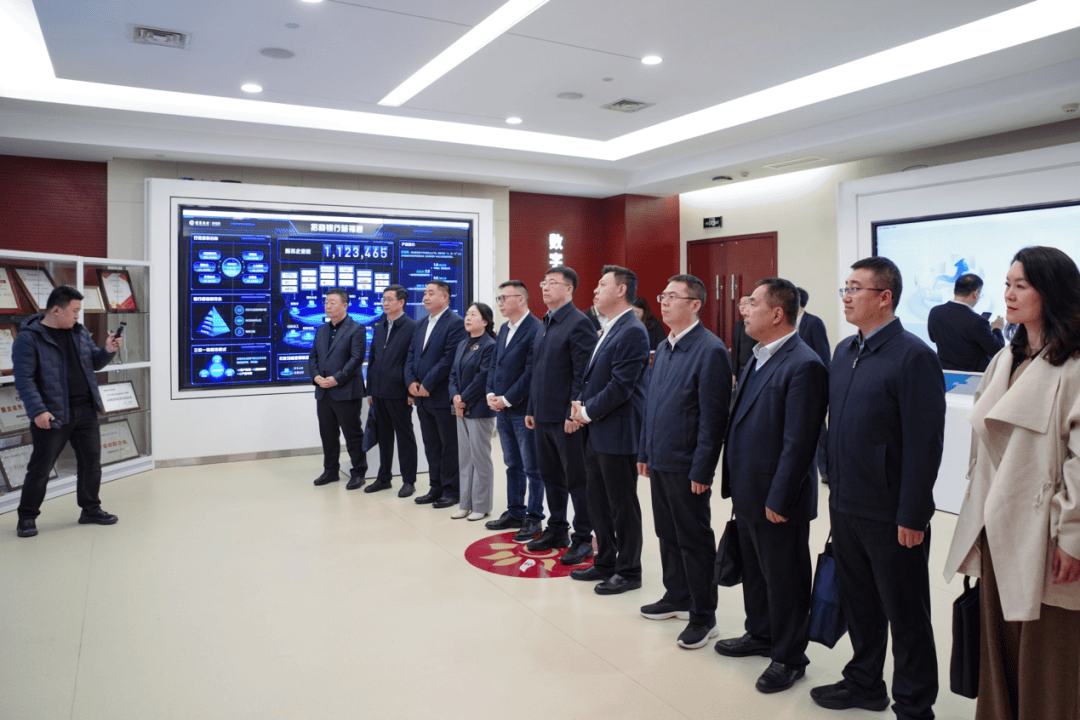
Core Insights - The event highlighted the commitment of the Shanxi provincial government to support the high-quality development of the private economy, emphasizing the implementation of policies to enhance financing for private enterprises [4] Group 1: Financial Support and Services - China Merchants Bank Taiyuan Branch introduced its comprehensive financial service solutions tailored to the needs of private enterprises and business associations [2] - The bank aims to innovate service models based on the comprehensive needs of Shanxi private entrepreneurs, leveraging financial technology to provide "full-cycle, all-dimensional" financial services [4] Group 2: Government and Financial Institution Collaboration - The provincial government has established a coordinated inter-departmental meeting system to support the development of the private economy, focusing on addressing financing challenges faced by private enterprises [4] - The event served as a platform for effective communication and deep cooperation between banks and private enterprises, enhancing mutual understanding and collaboration [5] Group 3: Future Directions - The Shanxi Provincial Federation of Industry and Commerce is committed to continuing the development of a "syndicate" service mechanism to provide inclusive financing services for private enterprises [4] - Participants expressed a desire for a regular communication mechanism to inject new momentum into the high-quality development of the Shanxi private economy [5]
招商银行邓仁杰董事任职资格获核准,曾任招商公路及招商港口董事长
Sou Hu Cai Jing· 2025-11-06 02:47
Group 1 - The core point of the article is the approval of Deng Renjie as a non-executive director of China Merchants Bank, effective from October 30, 2025, until the end of the 13th Board of Directors [2] - Deng Renjie, born in February 1970, holds a master's degree in international law from Dalian Maritime University and currently serves as the deputy general manager of China Merchants Group [2] - His previous roles include chairman of several subsidiaries and significant positions within China Merchants Group, indicating a strong background in management and leadership [2] Group 2 - China Merchants Bank reported its Q3 2025 financial results, showing a total operating income of 251.42 billion yuan, a year-on-year decrease of 0.51% [3] - The bank's net profit attributable to shareholders was 113.77 billion yuan, reflecting a year-on-year increase of 0.52% [3] - The basic earnings per share for the bank stood at 4.43 yuan [3]

守护老年金融安全,共建幸福美好生活
Bei Jing Shang Bao· 2025-11-06 02:46
Core Insights - The article highlights the initiatives taken by China Merchants Bank's Beijing branch to enhance financial services for elderly clients through various community activities and educational programs aimed at improving financial literacy and risk awareness [1][4]. Group 1: Community Engagement Activities - The bank has organized multiple special events for elderly clients, integrating financial education with cultural experiences to foster a sense of warmth and care [1]. - A health seminar was held at the Wanquan River branch, where elderly participants engaged in gentle exercises and learned about wellness practices, creating a warm and interactive atmosphere [2]. - The Xiong'an branch collaborated with a community service center to conduct an interactive anti-fraud knowledge campaign, attracting over 50 elderly participants and utilizing engaging performances to convey important safety information [2]. Group 2: Financial Education and Awareness - The Lize Business District branch hosted a themed event focusing on financial safety, where a lecture on common financial risks faced by the elderly was conducted, using real-life examples to illustrate potential scams [3]. - Participants received informative brochures on anti-fraud measures, enhancing their understanding of financial safety [3]. - The bank aims to continue providing diverse and regular services tailored to the needs of elderly clients, ensuring they receive secure and enriching financial services [4].
翻遍9家银行财报,我发现行业洗牌的秘密藏在这些数字里
3 6 Ke· 2025-11-06 02:03
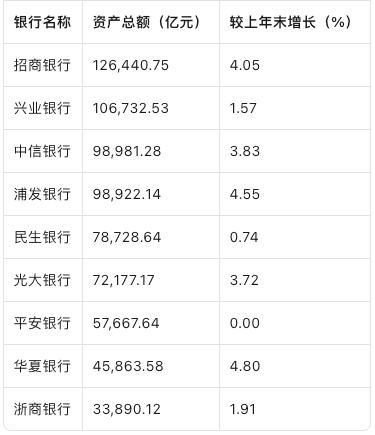
Core Insights - The overall performance of the nine listed joint-stock banks in China showed a decline in both revenue and net profit for the first three quarters of the year, with total operating income at 1.12 trillion yuan, down 2.56% year-on-year, and net profit at 406.1 billion yuan, down nearly 1% [1][3] Group 1: Performance Overview - Among the nine banks, four experienced declines in both revenue and net profit, while some banks managed to achieve growth in both metrics [1][4] - The top joint-stock banks by asset size are China Merchants Bank (12.64 trillion yuan), Industrial Bank (10.67 trillion yuan), and CITIC Bank, with Shanghai Pudong Development Bank showing the fastest growth rate at 4.55% [1][2] Group 2: Revenue and Profit Analysis - Only Minsheng Bank and Shanghai Pudong Development Bank reported year-on-year revenue growth, with increases of 6.74% and 1.88%, respectively; the remaining seven banks saw revenue declines, with Ping An Bank experiencing the largest drop at 9.8% [3][4] - In terms of net profit, only four banks, including Shanghai Pudong Development Bank, reported growth, with the latter achieving a 10.21% increase, making it the leader in profit growth among joint-stock banks [4] Group 3: Net Interest Income and Margin - Net interest income, a key indicator of banks' operating income, showed mixed results, with only three banks reporting growth; China Merchants Bank led with 160.04 billion yuan, up 1.74% [5][6] - The net interest margin (NIM) faced pressure, with most banks experiencing declines; China Merchants Bank maintained the highest NIM at 1.87%, while CITIC Bank saw the largest drop of 16 basis points [7] Group 4: Asset Quality and Risk Management - The non-performing loan (NPL) ratio improved for most banks, with China Merchants Bank having the lowest NPL ratio at 0.94% [9][10] - However, the provision coverage ratio decreased for seven banks, with Ping An Bank showing the largest decline of 21.11 percentage points; Shanghai Pudong Development Bank's coverage ratio increased by 11.08 percentage points, indicating enhanced risk mitigation [10][11]





沪深300ETF中金(510320)开盘涨0.89%
Xin Lang Cai Jing· 2025-11-06 01:41
Group 1 - The core point of the article highlights the performance of the CSI 300 ETF managed by CICC, which opened at 1.252 yuan with a gain of 0.89% [1] - The major holdings of the CSI 300 ETF include companies like CATL, Kweichow Moutai, and Ping An, with respective opening price changes of +0.33%, +0.70%, and +0.05% [1] - The fund's performance benchmark is the CSI 300 Index return, with a total return of 24.28% since its inception on April 16, 2025, and a recent one-month return of -0.14% [1] Group 2 - The fund is managed by CICC Fund Management Co., with Liu Chongjin as the fund manager [1] - Other notable stock performances include China Merchants Bank down by 0.35%, Zijin Mining unchanged, and Midea Group also unchanged [1] - New Yi Sheng and Zhongji Xuchuang saw significant gains of +2.00% and +2.30% respectively, while Changjiang Electric Power decreased by 0.11% [1]




债市成拖累?多家银行非息收入承压,央行重启国债买卖有何利好
Xin Lang Cai Jing· 2025-11-06 00:38
Core Viewpoint - The bond market's volatility has significantly impacted the non-interest income and overall revenue growth of listed banks in China during the first three quarters of the year [1][3][7]. Group 1: Non-Interest Income Decline - Among 42 A-share listed banks, 24 reported a year-on-year decline in non-interest income, with 8 banks experiencing a drop in net investment income [1][2]. - For instance, China Merchants Bank reported a 4.23% decrease in non-interest net income, primarily due to reduced bond and fund investment returns [3][4]. - Ping An Bank's revenue fell by 9.8%, influenced by declining loan rates and market volatility affecting non-interest income [3]. Group 2: Fair Value Changes - The significant drop in fair value changes has also been a major factor in revenue growth decline, with China Merchants Bank reporting a cumulative loss of 8.827 billion yuan in fair value changes for the first three quarters [4]. - Other banks like Everbright Bank and Huaxia Bank also reported losses in fair value changes, amounting to 4.982 billion yuan and 4.505 billion yuan, respectively [4]. - Analysts noted that fair value changes are highly influenced by bond market fluctuations, with smaller banks being more affected due to a higher proportion of FVTPL assets [4]. Group 3: Future Outlook and Central Bank Actions - The People's Bank of China announced the resumption of government bond trading operations, which is expected to help lower bond yields and benefit banks' non-interest income [11][12]. - Some bank executives expressed uncertainty about future non-interest income growth due to ongoing market volatility, suggesting that the bond market may remain in a fluctuating state [9][10]. - Analysts believe that the resumption of government bond trading will provide a safety net for the bond market, potentially stabilizing yields and supporting both bond and equity markets in the long term [12][13].


招商银行获平安资管增持620.95万股
Ge Long Hui· 2025-11-06 00:05
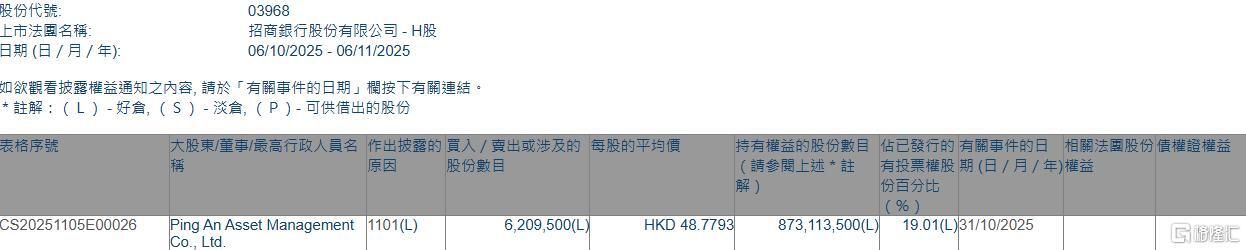
Group 1 - Ping An Asset Management Co., Ltd. increased its stake in China Merchants Bank (03968.HK) by acquiring 6,209,500 shares at an average price of HKD 48.7793 per share, totaling approximately HKD 303 million [1][3] - Following this acquisition, Ping An Asset Management's total shareholding in China Merchants Bank rose to 873,113,500 shares, increasing its ownership percentage from 18.88% to 19.01% [1][2]
五家银行跻身绿色信贷“万亿俱乐部” 绿色债券存量规模近2万亿
2 1 Shi Ji Jing Ji Bao Dao· 2025-11-05 23:42
Core Insights - Green finance has transitioned from an optional choice to a mandatory requirement for the banking industry, serving as a new engine for strategic transformation and a blue ocean market for future growth [1] - The balance of green financing at Industrial Bank has reached nearly 2.5 trillion yuan, with green loans exceeding 1 trillion yuan and a non-performing loan rate of only 0.57% [1] - The People's Bank of China and other departments have issued a unified policy framework for green finance, effective from October 1, 2025, to standardize various financial products [2] Group 1: Green Credit Growth - As of the end of 2024, the total balance of green credit among 42 A-share listed banks exceeded 27 trillion yuan, reflecting a year-on-year growth of approximately 20% [3] - State-owned banks dominate the green credit market, with the six major state-owned banks accounting for over 21 trillion yuan, representing 77.6% of the total [3] - Industrial Bank's green loan balance has risen to 1.08 trillion yuan, joining the "trillion club" [3] Group 2: Performance and Sector Focus - The average growth rate of green credit for A-share listed banks in 2024 was 20.6%, a slowdown from approximately 28% in 2023, yet leading institutions maintained strong growth [4] - The focus of green credit issuance is concentrated in four key areas: clean energy, green transportation, energy conservation and environmental protection, and green buildings [4] - The Yangtze River Delta, Guangdong-Hong Kong-Macau Greater Bay Area, and Chengdu-Chongqing Economic Circle are identified as core regions for green credit [4] Group 3: Product Innovation - A-share listed banks are deepening innovation in green financial products, creating a multi-dimensional product system that includes loans, bonds, asset securitization, insurance, and carbon finance [5] - Sustainable Development Linked Loans (SLL), carbon emission rights pledge financing, and environmental rights collateral loans are gaining traction [5] - Industrial Bank has launched the first green loan with biodiversity protection insurance, while Bohai Bank introduced a green loan linked to data center energy efficiency [6] Group 4: Broader Financial Tools - The issuance of green bonds has expanded, with the cumulative issuance of labeled green bonds in 2024 surpassing 4 trillion yuan [6] - Banks are actively participating in green wealth management and fund products, enhancing investor engagement through innovative offerings [6] - Carbon finance tools are transitioning from pilot programs to broader applications, with various banks introducing carbon emission rights pledge financing products [6] Group 5: Future Directions - The banking industry is expected to continue innovating green financial products to support sustainable economic development, moving beyond traditional green credit [7] - The development of ESG-linked loans and financing models using carbon emission rights as collateral will be explored [7] - These innovations will not only assist in achieving national carbon reduction goals but also cultivate new growth momentum for banks [7]