Bank Of Jiangsu(600919)

Search documents
信用卡“缩量”背后:加速出清不良谋转型
Zhong Guo Jing Ying Bao· 2025-08-29 19:16
Core Insights - The credit card business of banks is undergoing a significant contraction, with a shift from expansion to value reconstruction, indicating a transformation in the industry [1][5][7] Group 1: Industry Trends - The overall credit card loan scale is declining across multiple banks, despite some growth in personal loan business [1][2] - Many banks are closing credit card centers, signaling a move towards a more refined and high-value development phase [1][4] - The total number of credit cards and combined credit and loan cards has decreased, with a notable drop of 6 million cards in Q2 compared to the previous quarter [4][9] Group 2: Bank Performance - CITIC Bank reported a credit card issuance of 126 million cards, with a loan balance of 458.45 billion yuan, but a 12.54% decline in transaction volume and a 14.61% drop in business revenue [2] - Ping An Bank's credit card receivables decreased by 9.2% to 394.87 billion yuan, with a significant drop in the number of active credit card users [3] - Smaller banks like Jiangsu Bank and Chongqing Bank also reported declines in credit card loan scales, with reductions of 7.51% and 10.23% respectively [3][4] Group 3: Strategic Shifts - Banks are focusing on improving asset quality and risk management, with CITIC Bank emphasizing a shift from scale to quality in its credit card business [5][6] - The trend of integrating credit card and consumer loan products is emerging, with banks like Chongqing Bank adapting their strategies to maintain competitiveness [6][9] - Experts suggest that the future of credit card business will focus on high-end customer needs and basic customer demands, moving away from merely acquiring new customers [7][8]






红包雨来了!8家上市银行拟中期分红超200亿元
Guo Ji Jin Rong Bao· 2025-08-29 15:18
Core Viewpoint - The mid-term dividend plans for listed banks in A-shares for 2025 have been announced, indicating a positive trend in the banking sector's profitability and dividend distribution capacity [1][3][8] Summary by Category Dividend Announcements - As of August 29, 2023, eight A-share listed banks have disclosed their mid-term dividend amounts and ratios, with a total dividend amount exceeding 20 billion yuan [1][3] - China CITIC Bank announced the largest mid-term dividend of 10.461 billion yuan, distributing 1.88 yuan per 10 shares, which accounts for 30.70% of its net profit attributable to ordinary shareholders [3][4] - Shanghai Bank and Huaxia Bank have also increased their dividend ratios compared to last year, with Shanghai Bank at 32.22% and a total dividend of approximately 4.263 billion yuan, while Huaxia Bank plans to distribute 1.591 billion yuan at a ratio of 15.18% [3][4] First-Time Dividends - Four banks, including Changshu Bank, Ningbo Bank, Su Nong Bank, and Zhangjiagang Bank, are implementing their first mid-term dividends [1][3] - Changshu Bank will distribute 0.15 yuan per share, totaling 0.497 billion yuan, which is 25.27% of its net profit [4] - Ningbo Bank plans to distribute 3 yuan per 10 shares, amounting to 1.981 billion yuan, representing 13.41% of its net profit [4] Future Dividend Trends - Experts suggest that the ongoing economic recovery will enhance the overall operating environment for banks, potentially leading to increased profitability and higher dividends in the future [1][7] - Regulatory emphasis on improving dividend levels is expected to support this trend, particularly for state-owned banks, which can bolster market confidence through substantial dividends [7][8] - Long-term dividend sustainability appears strong, as banks are improving their profitability and asset quality, reducing reliance on external financing for capital [8]





上海多家银行房贷细则落地,新增二套房利率最低3.09%
2 1 Shi Ji Jing Ji Bao Dao· 2025-08-29 13:27
Core Viewpoint - Shanghai's housing market has introduced new mortgage interest rate pricing mechanisms, eliminating the distinction between first and second home loans, aiming to optimize the real estate policy and stimulate market activity [2][3]. Group 1: New Mortgage Policies - Multiple banks in Shanghai have released announcements regarding the optimization of commercial personal housing loan interest rate pricing mechanisms, aligning with the recent government notification [2]. - The new policy states that the specific interest rate for each customer's commercial personal housing loan will be determined based on the Shanghai market interest rate pricing self-discipline mechanism, along with the bank's operational status and customer risk profile [2][4]. Group 2: Existing Loan Adjustments - For existing loans, banks will continue to follow the previous year's guidelines, allowing adjustments for certain second home loans that exceed the average interest rate of newly issued loans by more than 30 basis points [3]. - The weighted average interest rate for newly issued commercial personal housing loans in China was reported at 3.09% for Q2 2025, a decrease of 2 basis points from Q1, indicating potential for lower rates for second home loans in Shanghai [3][4]. Group 3: Regulatory Framework - The central bank's adjustments include four main points, notably the removal of the distinction between first and second home loan interest rates and the emphasis on banks to adhere to market conditions and government regulations [3][4]. - Banks are required to ensure compliance with the new policies, providing adequate communication and support to borrowers regarding their rights and the implications of the new interest rate structures [4].





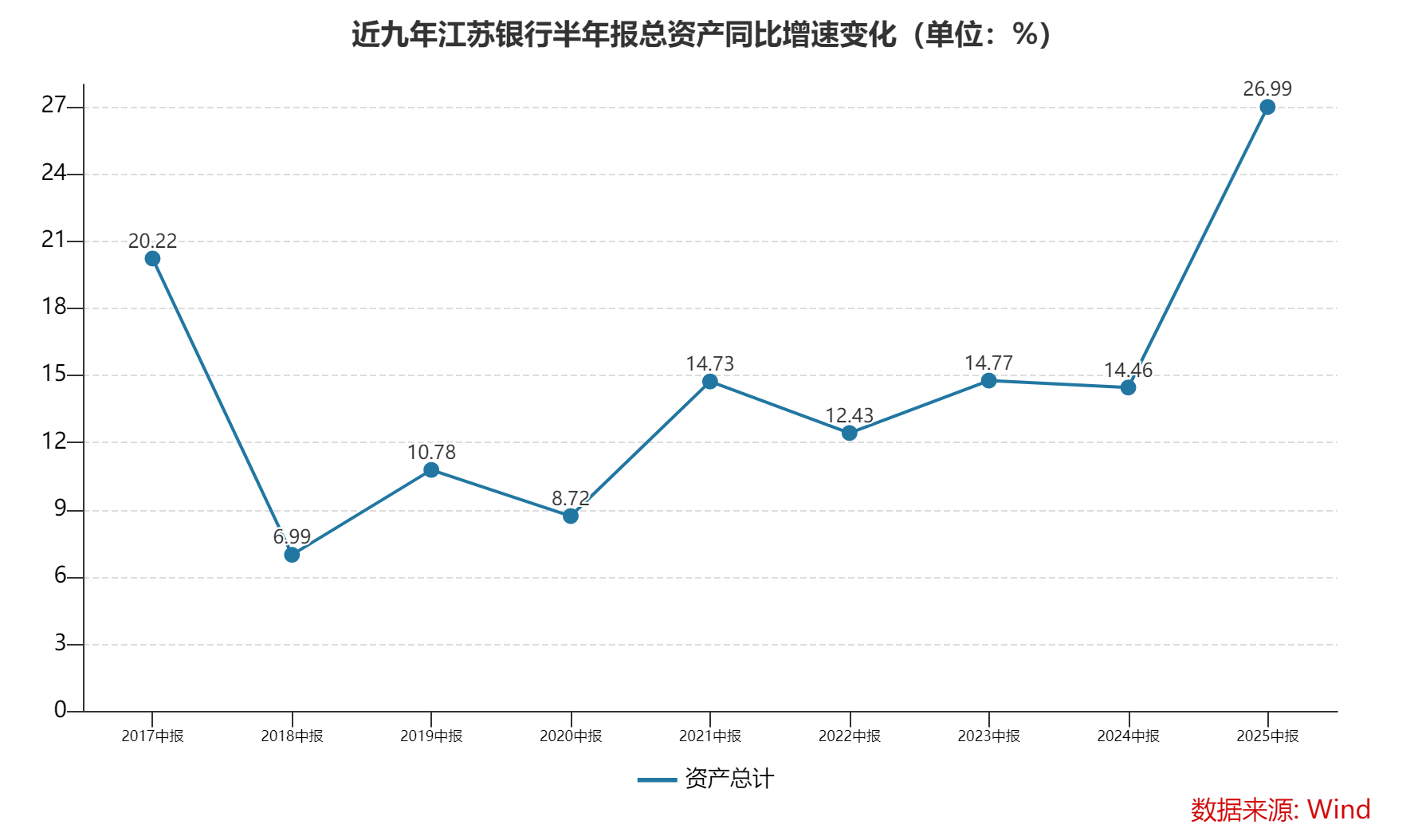
上海多家银行房贷细则落地,新增二套房利率最低3.09%
21世纪经济报道· 2025-08-29 12:42
Core Viewpoint - The article discusses the recent adjustments to the housing loan interest rate pricing mechanism in Shanghai, which aims to optimize the real estate policy and enhance market stability [2][4]. Group 1: New Housing Loan Policies - The new pricing mechanism for commercial personal housing loans no longer distinguishes between first and second homes, allowing for a more unified approach to interest rates [3][4]. - The specific interest rate for each customer's loan will be determined based on the Shanghai market interest rate pricing self-discipline mechanism, along with the bank's operational conditions and customer risk profiles [3][4]. Group 2: Existing Housing Loan Adjustments - Existing housing loans will continue to follow the guidelines established in October of the previous year, allowing for adjustments in the interest rates of certain second-home loans based on market conditions [3][4]. - If the interest rate increase for existing loans exceeds 30 basis points above the average rate of newly issued loans, borrowers can apply for a rate adjustment [3][4]. Group 3: Market Context and Implications - As of July, the weighted average interest rate for newly issued commercial personal housing loans in China was 3.09%, a slight decrease from the previous quarter, while the 5-year LPR was 3.5% [3]. - For second-home owners in Shanghai, applying for a loan after September 1 could result in a minimum interest rate of 3.09%, aligning with first-home rates, while existing loans at 3.45% could potentially be reduced to 3.36% [3].
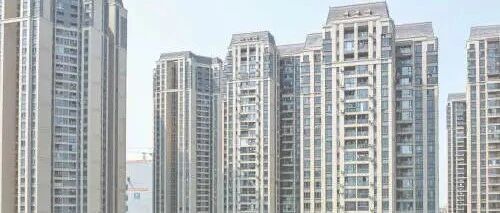
上海多家银行房贷利率细则落地 新增二套房贷利率最低3.09%
Xin Lang Cai Jing· 2025-08-29 12:13
8月25日上海市六部门联合印发《关于优化调整本市房地产政策措施的通知》。8月29日晚间,有中国银 行、农业银行、建设银行、招商银行、平安银行、光大银行、北京银行、江苏银行、南京银行等多家银 行上海市分行通过官方微信公众号发布《关于优化调整商业性个人住房贷款利率定价机制的公告》,各 家银行《公告》内容一致。新增方面,在利率定价机制安排上,各行不再区分首套住房和二套住房。每 位客户商业性个人住房贷款的具体利率水平,将根据上海市市场利率定价自律机制要求,并结合本行经 营状况、客户风险状况等因素合理确定。对于上海二套房业主来说,如果在9月1日以后申请房贷,最低 利率有望达到3.09%,与首套房房贷利率保持一致。而存量房贷利率为3.45%的二套房贷款可申请降低 房贷利率至3.36%。这与人民银行上海市分行此前发布的调整要求相一致。(21财经) ...
新增二套房贷利率最低3.09%!上海多家银行房贷利率细则落地
2 1 Shi Ji Jing Ji Bao Dao· 2025-08-29 11:46
Core Viewpoint - Shanghai's housing market has introduced new mortgage interest rate pricing mechanisms, eliminating the distinction between first and second home loans, aiming to optimize the real estate policy in the city [1][4]. Group 1: New Mortgage Policies - The new mortgage interest rate pricing mechanism will no longer differentiate between first and second homes, with rates determined based on the Shanghai market interest rate self-discipline mechanism and individual bank conditions [2][4]. - For new loans, the specific interest rate will be set according to market conditions and customer risk profiles [2][4]. Group 2: Existing Loan Adjustments - Existing loan policies will continue to follow the adjustments made in October of the previous year, allowing for the adjustment of interest rates on certain second home loans if they exceed the average new loan rate by 30 basis points [2][3]. - The minimum interest rate for second home loans applied after September 1 is expected to align with the first home loan rate at 3.09%, while existing loans at 3.45% could be reduced to 3.36% [3]. Group 3: Regulatory Framework - The central bank's adjustments include guidelines for banks to ensure compliance with market order and to provide clear communication regarding the new policies to borrowers [4]. - Banks are expected to enhance their pricing autonomy while maintaining consistency in mortgage pricing across the sector [4].
一周银行速览(8.22—8.29)
Cai Jing Wang· 2025-08-29 11:42
Regulatory Voice - The People's Bank of China, the Financial Regulatory Administration, and the National Forestry and Grassland Administration jointly issued a notice to support high-quality development in forestry, proposing 15 specific measures across five areas, including financial services for collective forest rights reform and enhancing financial support for strategic forestry initiatives [1] Industry Focus - Several small and medium-sized banks have announced a reduction in RMB deposit rates, with decreases ranging from 10 to 20 basis points, including adjustments to the 3-year fixed deposit rates by banks such as Jiangsu Bank and Nanjing Bank [2] Personal Pension Products - The ninth batch of personal pension financial products was released, with two new products added by China Post Investment Management, bringing the total to 37 products supported by the registration center. The new products are primarily fixed-income investments, focusing on bonds while including a small portion of equity and derivative assets [3] Corporate Dynamics - Zhejiang International Trade Group and Zhejiang Oriental Financial Holding Group have increased their shareholding in Hangzhou United Bank to 6.06% and 3.94%, respectively, following the approval of share transfers by the Zhejiang Regulatory Bureau [4] - Shengjing Bank announced plans to delist from the Hong Kong Stock Exchange, with Shengjing Financial Holdings and its concerted parties proposing a cash offer to acquire all issued H-shares for HKD 2.967 billion and domestic shares for CNY 3.929 billion [5] - Three banks in Sichuan, namely Chengdu Bank, Chengdu Rural Commercial Bank, and Sichuan Bank, are planning to jointly establish a wealth management company, with preparations already underway [6] - Jilin Rural Commercial Bank has been approved to commence operations, marking the establishment of the 11th provincial-level rural commercial bank in China [7]


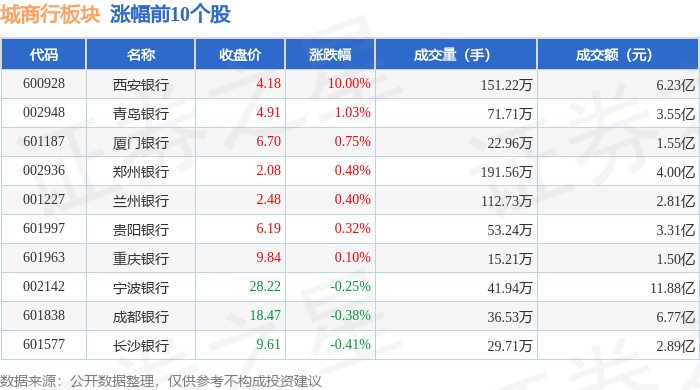
城商行板块8月29日跌0.92%,苏州银行领跌,主力资金净流出17.93亿元
Zheng Xing Xing Ye Ri Bao· 2025-08-29 08:48
Market Overview - The city commercial bank sector experienced a decline of 0.92% on August 29, with Suzhou Bank leading the drop [1] - The Shanghai Composite Index closed at 3857.93, up 0.37%, while the Shenzhen Component Index closed at 12696.15, up 0.99% [1] Individual Stock Performance - Xi'an Bank saw a significant increase of 10.00%, closing at 4.18, with a trading volume of 1.51 million shares and a transaction value of 623 million yuan [1] - Qingdao Bank and Xiamen Bank also reported slight increases of 1.03% and 0.75%, respectively [1] - Conversely, Suzhou Bank experienced a decline of 2.40%, closing at 8.12, with a trading volume of 744,000 shares and a transaction value of 612 million yuan [2] Capital Flow Analysis - The city commercial bank sector had a net outflow of 1.793 billion yuan from institutional investors, while retail investors saw a net inflow of 913 million yuan [2] - The capital flow data indicates that retail investors are showing interest in the sector despite the overall decline [2] Detailed Capital Flow by Stock - Xi'an Bank had a net inflow of 99.76 million yuan from institutional investors, while it faced a net outflow of 42.89 million yuan from retail investors [3] - Hangzhou Bank also saw a net inflow of 61.29 million yuan from institutional investors, but retail investors withdrew 35.94 million yuan [3] - In contrast, Qilu Bank experienced a significant net outflow of 62.93 million yuan from institutional investors, while retail investors had a net inflow of 35.68 million yuan [3]


江苏银行下半年资产规模是否继续秉持高速扩张思路?行长首度回应
Bei Ke Cai Jing· 2025-08-29 08:41
Core Viewpoint - Jiangsu Bank is focused on high-quality development and aims to optimize its asset structure while maintaining stable profits and ensuring capital adequacy in the second half of 2025 [4][6]. Financial Performance - As of June 30, 2025, Jiangsu Bank's core Tier 1 capital adequacy ratio is 8.49%, which reflects a 0.13 percentage point increase from the first quarter of 2025 due to healthy business growth and dividend payouts to investors [5]. Strategic Focus - The bank's management emphasizes internal growth and aims to continue expanding its asset scale while ensuring that the capital adequacy ratio meets regulatory requirements [4][5].
江苏银行半年赚超200亿,下半场态势如何走?谁是关键
Nan Fang Du Shi Bao· 2025-08-29 06:32
Core Viewpoint - Jiangsu Bank reported a revenue of 44.864 billion yuan and a net profit of 21.06 billion yuan for the first half of 2025, marking year-on-year growth of 7.8% and 8.5% respectively, indicating a dual increase in both revenue and net profit [2][3][7]. Financial Performance - Revenue for the first half of 2025 reached 44.864 billion yuan, up 7.8% from 41.625 billion yuan in the same period of 2024 [4]. - Net profit was 21.06 billion yuan, reflecting an increase of 8.49% compared to 19.411 billion yuan in the first half of 2024 [4]. - Interest income rose to 32.939 billion yuan, a significant increase of 19.1% year-on-year, while net interest margin was 1.78%, down 0.08 percentage points from the end of the previous year [3][4]. Loan Structure - As of mid-2025, corporate loans amounted to 16.3 trillion yuan, a growth of 23.3% year-on-year, making up 66.9% of total loans [5]. - Retail loans stood at 695.5 billion yuan, with a modest increase of 3.07% [5]. - The growth in corporate loans was primarily driven by demand from the government sector, particularly in leasing services, infrastructure, and manufacturing [5]. Fee and Commission Income - Net fee and commission income for the first half of 2025 was 3.186 billion yuan, up 5.15% from the previous year [5][6]. - Notable increases were seen in credit commitment fees (up 19.25%) and custodial fees (up 12.03%), while agency fees declined by 10.82% [5][6]. Investment Performance - Investment income faced pressure, with net investment income decreasing by 1.54% to 7.96 billion yuan, and fair value losses of 226 million yuan [10]. - Credit impairment losses surged by 48.2% to 10.815 billion yuan, indicating challenges in the investment environment [10]. Capital Adequacy and Asset Management - Jiangsu Bank's core Tier 1 capital adequacy ratio was 8.49%, down 0.63 percentage points from the end of the previous year [11]. - The bank's financial investment assets grew by 23.4% year-on-year, reaching 18.8 trillion yuan, significantly outpacing total asset growth [11][12]. - The bank's return on equity (ROE) has been declining, with a year-on-year increase in risk-weighted assets outpacing the growth in ROE [11].