PETROCHINA(601857)

Search documents
石化化工行业2026年3月投资策略:推荐原油、天然气价格上行及地缘政治驱动的投资方向
Guoxin Securities· 2026-03-05 09:58
Core Insights - The report recommends investment directions driven by rising crude oil and natural gas prices, as well as geopolitical factors, particularly following military actions in the Middle East that have disrupted energy supplies [1][16] - The report highlights the impact of the Iran-Israel conflict on global energy markets, with significant price increases in European natural gas and potential profit recovery opportunities for domestic chemical sectors [1][16] Supply Side - Since June 2025, fixed asset investment in the chemical raw materials and products manufacturing industry has turned negative, with capital expenditures in basic chemicals and most sub-sectors declining for several consecutive quarters, indicating the end of the industry expansion cycle [2][17] - The "anti-involution" policy aims to eliminate low-price competition and promote the exit of backward production capacity, with industries such as pesticides, petrochemicals, and organic silicon already following suit [2][17] - Approval for new chemical production capacity is expected to tighten, accelerating the exit of high-energy-consuming and high-polluting small-scale backward production capacities [2][17] Demand Side - Traditional demand is expected to recover moderately due to global central banks entering a rate-cutting cycle and fiscal policy stimulus [2][17] - Emerging demand from industries such as renewable energy and AI continues to drive growth in key chemicals and materials [2][17] - China's chemical product sales account for over 40% of the global market, and with the dual drivers of overseas capacity reduction and domestic demand recovery, Chinese chemical companies are expected to continue increasing their global market share [2][17] Macro and Chemical Product Prices - In February 2026, China's comprehensive PMI output index was 49.5%, indicating a slight decline, with manufacturing PMI at 49.0% [3][18] - The China Chemical Product Price Index (CCPI) reported 4027 points, a 2% decrease month-on-month, indicating structural differentiation in chemical prices [3][18] - International oil prices have significantly increased due to geopolitical tensions, with WTI and Brent crude futures prices rising by 11.4% and 12.3% respectively by March 4, 2026 [3][18] Key Industry Research - Oil and Gas: February oil prices surged due to geopolitical tensions, with Brent averaging $69.4 per barrel and WTI at $64.4 per barrel, reflecting a significant increase [3][23] - Fluorochemicals: The industry is expected to maintain high prosperity due to the tight supply-demand balance and rising prices of mainstream refrigerants [3][19] - Phosphate Chemicals: The demand for phosphate rock is expected to increase due to energy storage applications, reinforcing its scarcity and maintaining high prices [3][19] - Potash: The global potash market is characterized by oligopoly and resource scarcity, with prices expected to recover moderately [3][19] Investment Portfolio - Recommended companies include China National Petroleum Corporation, CNOOC, Yara International, Dongyue Group, New Chemical Materials, and Chuanheng Co., which are positioned to benefit from the current market dynamics [3][22]



暴跌!油气股狂欢要退潮了?
格隆汇APP· 2026-03-05 09:36
Core Viewpoint - The article discusses the recent surge in stock prices of China's major oil companies, referred to as the "Three Oil Giants," amid escalating geopolitical tensions in the Middle East, particularly the conflict involving Iran and the potential closure of the Strait of Hormuz, a critical oil shipping route [2][10][56]. Group 1: Stock Performance - In just three trading days, China National Petroleum Corporation (CNPC) and China National Offshore Oil Corporation (CNOOC) saw their stock prices rise nearly 20%, while Sinopec's stock increased by almost 15% [3]. - Smaller oil companies like Qianeng Huanxin and Tongyuan Petroleum have experienced significant price increases, with some stocks doubling in value [6][13]. - The stock price of Qianeng Huanxin surged from around 17 yuan to 53 yuan, marking a short-term increase of approximately 200% [13]. Group 2: Geopolitical Impact - The recent conflict in the Middle East has led to a spike in oil prices, which in turn has driven up the stock prices of oil companies [9][11]. - The closure of the Strait of Hormuz could impact global oil supply, with over 20% of liquefied natural gas and more than 84% of transiting crude oil relying on this route [10]. - Historical parallels are drawn to past geopolitical events, such as the 2019 drone attacks on Saudi oil facilities, which similarly caused oil prices to surge and led to significant stock price increases for smaller oil companies [20][21]. Group 3: Market Dynamics - The article highlights the volatility of oil stocks, noting that extreme market conditions can lead to significant price fluctuations, often detached from fundamental performance [57]. - The current market environment is characterized by heightened speculation and risk aversion, with oil stocks becoming a refuge for investors amid broader market adjustments [13][37]. - The article warns that the current surge in oil stock prices may not be sustainable, as it is driven by short-term geopolitical fears rather than long-term fundamentals [65]. Group 4: Long-term Outlook - Despite the short-term volatility, the article suggests that there may be long-term investment opportunities in the oil sector, particularly for companies that can maintain cost advantages and operational efficiency [50][62]. - The article anticipates that as global energy structures evolve and macroeconomic conditions stabilize, there could be a significant turning point for oil prices around 2026 [58][60]. - Companies with integrated operations and technological advancements may benefit from a potential decline in raw material costs, enhancing profitability in downstream sectors [61][63].



2026年“两会”政府工作报告石化化工行业学习体会:聚焦能源及粮食安全与“双碳”,新兴产业与AI赋能化工新格局
EBSCN· 2026-03-05 09:35
Investment Rating - The report maintains an "Overweight" rating for the basic chemical industry [1] Core Insights - The report emphasizes the strategic importance of energy security, food security, carbon peak and neutrality, and the development of emerging industries and AI in the chemical sector [3][4] - It highlights the government's commitment to enhancing energy supply capabilities and achieving a comprehensive production capacity of 5.8 billion tons of standard coal by 2026, up from 4.6 billion tons by the end of the 14th Five-Year Plan [4] - The report discusses the ongoing geopolitical risks affecting energy security, particularly the high dependence on foreign oil and gas, and the role of major state-owned oil companies in ensuring energy supply [5] - It outlines the government's focus on food security, with a target of 1.4 trillion jin of grain production by 2026, which will drive demand for high-quality agricultural inputs [6][7] - The report indicates a shift towards carbon emission control, with a target to reduce carbon emissions per unit of GDP by 3.8% in 2026, marking a significant policy transition towards carbon management [8][9] - It addresses the need for anti-"involution" measures to improve market competition and prevent excessive capacity expansion in the chemical industry [10][11] - The report identifies emerging industries such as integrated circuits, aerospace, and biomedicine as key growth areas, driven by advancements in technology and innovation [11][12] Summary by Sections Energy Security - The government aims to enhance energy supply capabilities, with a target of 5.8 billion tons of standard coal by 2026, reflecting a strong commitment to domestic energy security [4] - Major oil companies are expected to maintain high capital expenditures in exploration and development, benefiting related service companies [5] Food Security - The report emphasizes the importance of food production, with a target of 1.4 trillion jin of grain by 2026, which will increase demand for fertilizers and pesticides [6][7] - The agricultural sector is expected to shift towards higher quality inputs, benefiting companies with strong R&D capabilities [7] Carbon Peak and Neutrality - The report outlines a target to reduce carbon emissions per unit of GDP by 3.8% by 2026, indicating a stricter regulatory environment for high-emission industries [8][9] - The transition to a dual control system for carbon emissions will significantly impact the chemical industry, pushing for cleaner production methods [9] Anti-"Involution" - The government plans to implement measures to curb excessive competition and capacity expansion in the chemical sector, which will favor leading companies [10][11] Emerging Industries - The report highlights the growth potential in sectors like integrated circuits and biomedicine, driven by technological advancements and domestic demand [11][12] - The focus on AI integration in the chemical industry is expected to enhance operational efficiency and innovation [13] Investment Recommendations - The report suggests focusing on major oil companies for energy security, leading agricultural input firms for food security, and top chemical companies for carbon management and anti-involution strategies [14][15]
China Tells Top Refiners to Halt Diesel and Gasoline Exports
Yahoo Finance· 2026-03-05 09:34
Group 1 - China's government has instructed top oil refiners to suspend exports of diesel and gasoline due to disruptions in crude oil supply from the Persian Gulf amid escalating conflict [1][2] - The National Development and Reform Commission (NDRC) has called for an immediate temporary suspension of refined product shipments, reflecting a broader trend in Asia to prioritize domestic needs during the Middle East crisis [2][3] - Refiners were directed to halt new contracts and negotiate cancellations of existing shipments, with exceptions for jet and bunker fuel in bonded storage and supplies to Hong Kong and Macau [3] Group 2 - Major companies involved in fuel exports, such as PetroChina, Sinopec, CNOOC Ltd., Sinochem Group, and Zhejiang Petrochemical Co., typically obtain export quotas from the government, which has not responded to inquiries regarding the recent changes [5] - China employs a quota system for refined product exports, allowing the Ministry of Commerce to select a limited number of large refiners and traders, which serves to balance domestic supply and demand [5][6] - Since the onset of Russia's invasion of Ukraine in 2022, China has frequently reduced export quotas or delayed allocations, indicating a strategy to prioritize internal stability and energy security amid geopolitical volatility [7]

能源ETF广发(159945)开盘跌1.76%,重仓股中国神华跌1.00%,中国石油跌4.46%
Xin Lang Cai Jing· 2026-03-05 02:55
Group 1 - The core viewpoint of the article highlights the performance of the Energy ETF Guangfa (159945), which opened down by 1.76% at 1.506 yuan on March 5 [1] - Major holdings within the Energy ETF include China Shenhua, which fell by 1.00%, China Petroleum down by 4.46%, and China Sinopec down by 2.03% [1] - The fund's performance benchmark is the CSI All Share Energy Index, managed by Guangfa Fund Management Co., with a return of 54.06% since its inception on June 25, 2015, and a return of 17.14% over the past month [1] Group 2 - The article provides specific stock performance details, indicating that Shaanxi Coal Industry dropped by 1.03%, CNOOC by 1.98%, and Yanchang Petroleum by 3.59% [1] - Other notable movements include Jereh's stock rising by 2.07%, while Guohui Energy and Shanxi Coking Coal fell by 3.20% and 1.08%, respectively [1]

隔夜,全线反攻!美国政府承诺稳定原油市场,美防长称美伊冲突可能持续8周甚至更长!华为与比亚迪业相继发布“颠覆性”技术
Jin Rong Jie· 2026-03-05 00:41
Market Overview - US and European markets rebounded, with tech stocks in the US rising over 1% and the VIX index dropping more than 10% [1] - The latest Federal Reserve Beige Book indicates optimistic economic expectations in the US, with moderate growth anticipated in the coming months [1] Oil and Gas Industry - Goldman Sachs raised its forecast for Brent crude oil prices by $10 to $76 per barrel due to disruptions in major export routes caused by the Iran conflict, leading to increased oil storage [2] - The cost of supertankers on the US-Asia route surged to a record high of $29 million [1] - Maersk suspended cargo bookings to and from several Middle Eastern countries, including the UAE and Saudi Arabia, due to ongoing regional conflicts [1][9] Semiconductor Industry - Asian semiconductor manufacturers are expected to increase capital expenditures to over $136 billion in 2026, driven by demand for AI chips and HBM memory, marking a 25% year-on-year increase [12] - Tesla is reportedly negotiating with Samsung to increase the production scale of 2nm AI chips by 50% [12] Robotics and Automation - Xiaomi's founder submitted proposals focusing on humanoid robots, predicting a market size of $5 trillion by 2050, with significant growth expected in industrial and service applications [9] - The humanoid robot industry is entering a critical mass production phase, benefiting companies with manufacturing advantages and supply chain integration [9] Financial Market Dynamics - Southbound capital saw a net outflow of HKD 466 million on March 4, but overall, there has been a net inflow in 27 out of 37 trading days this year, totaling CNY 161.245 billion [5] - The offshore RMB against the US dollar rose to 6.8951, reflecting a gain of 243 points [5] Corporate Developments - Huawei and BYD announced new "disruptive" technologies, with Huawei launching a new generation of laser radar products [5] - Samsung Electronics completed negotiations for DRAM supply prices, with increases of approximately 100% compared to the previous quarter [5]



能源早新闻丨全国人大首场发布会提及国家电网、中石油;生态环境法典是中国第二部以“法典”命名的法律
中国能源报· 2026-03-04 22:33
Key Points - The National People's Congress highlighted investments by State Grid in Portugal and a joint venture between China National Petroleum Corporation and Shell in Australia, emphasizing technology sharing and economic development [2] - The newly introduced Ecological Environment Code is China's second law named as a "code," representing a systematic integration and enhancement of existing environmental laws [2] - A member of the National Committee expressed intentions to promote Chinese products and technologies globally, contributing to the renewable energy sector [3] - The National Energy Administration is advancing rural wind and solar energy development, aiming to enhance electricity supply and promote renewable energy heating solutions [4] - In January, 5,690 new renewable energy projects were registered in China, with 66 wind and 5,618 solar projects, indicating robust growth in the sector [5] - The credit index for Chinese enterprises remained stable at 161.79 in January, reflecting a good credit level across various industries [6] - The Three Gorges South Line lock has commenced its scheduled maintenance for 2026, marking the ninth planned maintenance since its operation began [6] - European economists are concerned that disruptions in Middle Eastern oil and gas supplies could lead to significant inflation and economic downturns [7] - A major oil field in southern Iraq has suspended production due to shipping disruptions caused by the closure of the Strait of Hormuz [7] - The Tarim Oilfield has produced over 500 billion cubic meters of natural gas, playing a crucial role in ensuring national energy security and promoting a low-carbon energy structure [8]


不等了!易方达提前开售油气ETF 公募押注油气行情窗口
经济观察报· 2026-03-04 14:15
Core Viewpoint - The article discusses the surge in oil and gas stocks in the A-share market due to escalating geopolitical tensions in the Middle East, prompting public funds to quickly adjust their product issuance schedules, particularly the early launch of the E Fund National Oil and Gas ETF [2][3][5]. Group 1: Market Response - The E Fund National Oil and Gas ETF announced an adjustment to its fundraising period, moving it up by two trading days to March 5-12, 2026, in response to the strong market performance of oil and gas stocks [3][5]. - The oil and gas sector has seen significant movement, with the oil and gas index rising over 40% since the beginning of 2026, while the broader market indices faced declines [8]. - Major oil companies in China, including Sinopec and PetroChina, experienced stock price fluctuations, with some stocks hitting their daily limit up, reflecting the volatility in the sector [10]. Group 2: Fundraising Dynamics - The rapid adjustment in fundraising schedules by public funds indicates a strategic response to the heightened market interest in oil and gas assets, driven by recent geopolitical developments [5][12]. - The total scale of existing products tracking the National Oil and Gas Index is approximately 91.22 billion yuan, with three ETFs accounting for 90.90 billion yuan, highlighting strong investor demand [5]. - Recent net inflows into oil and gas ETFs reached 54.75 billion yuan in just one week, indicating a strong allocation impulse from investors towards the sector [5]. Group 3: Future Outlook - Analysts express a relatively optimistic view on the future of oil and gas markets, although they caution about short-term risks associated with geopolitical tensions and oil price volatility [12][13]. - The potential for significant supply risks exists if geopolitical conflicts persist and impact production infrastructure, necessitating close monitoring of the situation [12]. - The article emphasizes the need for investors to maintain a focus on fundamental insights and avoid excessive trading based on short-term market emotions [13].
地缘冲突带火化工品行情,恐慌过后谁被抛售?
第一财经· 2026-03-04 14:12
Core Viewpoint - The article discusses the impact of geopolitical tensions, particularly the escalation of the US-Iran conflict and its effects on the chemical industry in China, highlighting a shift from a broad market rally to a phase where performance is increasingly dictated by fundamental factors [4][6]. Group 1: Market Performance - On March 4, the chemical sector experienced a mixed performance after an initial surge, with stocks like Beihua Co. hitting the daily limit up, while others like Chitianhua saw declines [3][6]. - The chemical price index jumped 4.8% over two days, reaching a new high since the second half of 2025, driven by rising oil and gas prices due to supply chain disruptions [6][9]. Group 2: Supply Chain Disruptions - The blockage of the Strait of Hormuz has significantly strained the global chemical supply chain, leading to a rare collective surge in domestic chemical futures, with methanol contracts hitting the daily limit for two consecutive days [6][9]. - Iran has become the second-largest methanol producer globally, and ongoing disruptions could impact energy security in Asia, particularly affecting high-energy-consuming industries [6][9]. Group 3: Market Sentiment and Differentiation - As panic subsides, market differentiation is becoming evident, with some stocks experiencing significant declines while others rise, indicating a shift towards fundamentals over sentiment [8][10]. - The methanol sector has led the recent price increases, but analysts suggest that a potential easing of geopolitical tensions could lead to a market correction [8][10]. Group 4: Inventory and Demand Dynamics - Current methanol inventory levels are relatively high, providing a buffer against immediate supply shortages, even if imports do not recover as expected [9][10]. - The production costs of basic chemical products like styrene are closely linked to oil prices, which have risen due to geopolitical risks, thereby increasing overall production costs [9][10].



五个股票 三个跌停
Datayes· 2026-03-04 12:52
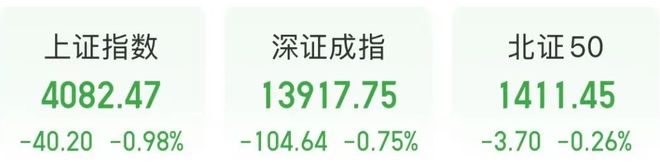
Core Viewpoint - The article discusses the recent fluctuations in the A-share market, particularly focusing on the performance of oil prices, manufacturing PMI, and the impact of geopolitical tensions on various sectors [4][13][30]. Group 1: Oil Market Analysis - Oil prices have shown significant volatility, with a recent increase of approximately 18%, indicating that the market has priced in a 25% to 30% risk of severe supply disruptions [4]. - If the current supply disturbances are short-term, factors such as oversupply and high inventories may lead to a decline in oil prices below current levels [4]. - Historical data suggests that a sustained oil price increase of 50% to 100% over several months is necessary to trigger an economic crisis [7]. Group 2: A-Share Market Performance - As of the market close, China Petroleum's stock price was 13.24 CNY, up 0.68%, with a market capitalization exceeding 21,438.48 billion CNY, regaining the top position over Agricultural Bank [8]. - The A-share market saw a collective decline, with the Shanghai Composite Index dropping by 0.98%, the Shenzhen Component by 0.75%, and the ChiNext by 1.41% [29]. - The trading volume in the market was 23,881.92 billion CNY, a decrease of 7,697.98 billion CNY from the previous day, with over 3,600 stocks declining [29]. Group 3: Manufacturing PMI Insights - The manufacturing PMI for February fell by 0.3 percentage points to 49%, indicating a contraction in the manufacturing sector [13]. - The new export orders index decreased by 2.8 percentage points to 45.0%, suggesting a decline in external demand [13]. - Morgan Stanley noted that despite the seasonal disruptions, infrastructure investment is expected to accelerate in March, supporting GDP growth in Q1 to reach 4.8% to 4.9% [15]. Group 4: Sector Performance and Trends - The electric power equipment, military industry, agriculture, and chemical sectors showed positive performance, while sectors like non-bank financials and transportation faced declines [29][46]. - The military equipment sector is expected to benefit from increased defense spending due to rising geopolitical risks [30]. - The electric power equipment sector is experiencing growth driven by significant investment in transmission infrastructure, with a total of $75 billion in projects approved [29]. Group 5: Price Adjustments and Market Reactions - Lenovo has announced price increases for certain computer products, with some models seeing price hikes exceeding 1,000 CNY [39]. - Samsung has completed negotiations for a 100% price increase in DRAM supply for the first quarter, reflecting a significant rise in demand and costs [39]. - The article highlights the impact of geopolitical tensions on commodity prices, particularly in the context of the Middle East, affecting supply chains and market stability [39].