YONGHUI SUPERSTORES(601933)

Search documents
调改门店覆盖北京9区,朝阳首家“胖永辉”开业
Bei Ke Cai Jing· 2025-12-01 08:09
Group 1 - The core point of the article is that Yonghui Supermarket has successfully transformed its store on Baiziwan Road in Beijing, adopting the "Fat Yonghui" model, which is inspired by the successful practices of another supermarket chain, "Fat Donglai" [1] - The Baiziwan Road store is the first in Chaoyang District and the 18th in the Beijing and surrounding areas to undergo this transformation, indicating a significant expansion of the "Fat Yonghui" model across Beijing [1] - The store has achieved over 80% alignment with the product structure of Fat Donglai, featuring a dedicated section for Fat Donglai's private label products, with a new product ratio exceeding 40% and nearly 20% of products being imported [1] Group 2 - Yonghui's transformation efforts in Beijing are ongoing, with another store in Tongzhou set to open on December 23 after undergoing similar modifications [2]

陕西延安首家永辉超市胖东来模式调改店开业
Zheng Quan Ri Bao Zhi Sheng· 2025-11-30 10:39
Core Insights - The opening of the first Yonghui Supermarket in Yan'an marks a significant milestone in the company's expansion in Shaanxi province, driven by local policies aimed at boosting consumption and establishing Yan'an as a regional consumption center [1][2] Group 1: Store Opening and Strategy - Yonghui Supermarket's new store in Yan'an covers an area of approximately 2,600 square meters and aims to fill the gap in high-quality retail in the region [1] - The store's design focuses on "quality upgrade" and "local characteristics," with 4,786 out of 10,225 existing products optimized and replaced, resulting in a 47% replacement rate [1] - The product structure now meets 80% of the standards set by the "Fat Donglai" model, with an increase in imported goods to 11% and a significant rise in fresh and cooked food offerings [1] Group 2: Future Outlook - The company aims to redefine the shopping experience in the revolutionary old district by providing quality products and warm services, enhancing the local consumer experience [2] - Yonghui Supermarket plans to leverage the "first store economy" to drive consumption upgrades and invigorate commercial vitality in Yan'an [2]
北京朝阳迎首家“胖改永辉” 永辉超市百子湾路店调改开业
Zheng Quan Shi Bao Wang· 2025-11-30 10:11
Core Insights - The article highlights the expansion of Yonghui Supermarket's "Pang Yonghui" model in Beijing, emphasizing its commitment to quality retail and customer-centric approaches [1][3]. Group 1: Store Expansion and Model Implementation - Yonghui Supermarket's Beijing Chaoyang Baiziwan Road store has officially opened, marking the 18th store in the Beijing and surrounding areas to adopt the "Pang Yonghui" model [1]. - The company has successfully transitioned from its first store to a network of 18 stores in Beijing over the past year, indicating a robust growth strategy [1]. Group 2: Product Offering and Quality Focus - The new store features a product structure that aligns with 80% of the offerings found in Pang Donglai stores, including a dedicated area for Pang Donglai's private label products [1]. - The store boasts a new product ratio exceeding 40% and nearly 20% of imported goods, showcasing a diverse and high-quality product range [1][2]. Group 3: Brand Development and Customer Experience - Yonghui's private label system includes the "Yonghui Custom" series, which meets stringent EU standards, and the "Quality Yonghui" series, featuring products that pass 439 safety checkpoints [2]. - The store environment has been optimized with wider main aisles and standardized shelf heights, enhancing the shopping experience [2]. Group 4: Workforce Development and Future Plans - The company is implementing a craftsman plan that offers skill certification for technical positions, with senior technicians receiving monthly subsidies of up to 2,500 yuan [3]. - Yonghui's transformation in Beijing is moving from scale expansion to refined operations, with plans for further store openings, including a new location in Tongzhou on December 23 [3].


商贸零售行业周报:品牌建设+科技美学,谱写国货美妆增长答案-20251130
KAIYUAN SECURITIES· 2025-11-30 07:11
Investment Rating - The investment rating for the retail industry is "Positive" (maintained) [1] Core Views - The retail industry is experiencing a shift towards quality growth and long-term strategies, moving away from reliance on traffic bonuses [25][26] - The industry is focusing on emotional consumption themes, with high-quality companies in sectors like gold jewelry, offline retail, cosmetics, and medical aesthetics being highlighted as investment opportunities [5][29][30] Summary by Sections Retail Market Review - The retail industry index rose by 3.45% during the week of November 24-28, 2025, outperforming the Shanghai Composite Index by 2.05 percentage points [4][13] - The multi-format retail sector showed the highest growth this week, with a 6.18% increase, while the jewelry sector led the year-to-date performance with a 22.11% increase [18][19] Retail Insights: Brand Building and Technological Aesthetics - The 2025 Cosmetics Annual Conference highlighted the importance of brand building and technological aesthetics for domestic beauty brands to achieve growth [25][26] - Companies like Shiseido and Shanghai Jahwa are focusing on quality and profitability, while Elysian Group is transitioning from operational to technological drivers [26][27] Investment Recommendations - **Gold Jewelry**: Focus on brands with differentiated product offerings and consumer insights, recommending companies like Chow Tai Fook and Lao Pu Gold [5][29] - **Offline Retail**: Highlighting companies adapting to trends and exploring AI-enabled cross-border e-commerce, with recommendations for Yonghui Supermarket and Aiyingshi [5][30] - **Cosmetics**: Emphasizing brands that meet emotional value and safety innovation, recommending companies like Maogeping and Proya [5][30] - **Medical Aesthetics**: Targeting differentiated product manufacturers and expanding medical chains, recommending companies like Aimeike and Kedi-B [5][30] Company-Specific Insights - **Chow Tai Fook**: Achieved revenue of HKD 38.986 billion in FY2026H1, with a slight decline in revenue but a stable profit margin [36][37] - **潮宏基 (Chao Hong Ji)**: Reported a revenue increase of 28.4% in Q1-Q3 2025, with a strong performance in Q3 [39][40] - **永辉超市 (Yonghui Supermarket)**: Experienced a revenue decline of 22.2% in Q1-Q3 2025, but is undergoing a transformation towards quality retail [43][44]





延安首家永辉胖东来调改店落户万达广场 首店经济激活消费新引擎
Zhong Zheng Wang· 2025-11-29 08:33
Core Insights - The opening of the first Yonghui Supermarket in Yan'an marks a significant step in enhancing the quality retail strategy in the region, driven by local policies aimed at boosting consumption [1] - The store's design focuses on quality upgrades and local specialties, with a substantial product optimization and introduction of new items to meet consumer demands [1][2] Group 1: Store Features - The Yan'an Wanda Plaza store covers approximately 2,600 square meters and aims to fill the gap in high-quality retail in the area, promoting a "15-minute convenient living circle" [1] - The product assortment has been significantly revamped, with 4,786 out of 10,225 items optimized and 4,963 new selected products added, achieving a 47% replacement rate [1] - The store's product structure now meets 80% of the standards set by the "Fat Donglai" model, with an increase in imported goods to 11% and a notable rise in fresh and cooked food offerings [1] Group 2: Pricing and Promotions - The store implements a "quality and affordable" strategy, ensuring that high-frequency daily goods are offered at reasonable prices, promoting the idea of "quality not expensive" [2] - Seasonal promotions, such as the "Yonghui Hot Pot" theme event, are designed to attract consumers by providing a one-stop shopping experience for hot pot ingredients [2] Group 3: Brand and Service Enhancements - The store features a dedicated area for "Fat Donglai" branded products, allowing local consumers to access these sought-after items conveniently [3] - Yonghui's own brands, including "Quality Yonghui" and "Yonghui Custom," are emphasized to meet quality living needs with competitive pricing [3] - Customer service enhancements include various facilities such as height measurement tools, blood pressure monitors, and custom processing services for meat and seafood, reflecting a commitment to detailed customer care [3]
永辉超市2025年前三季度亏损4.7亿 激进调改与关店拖累短期业绩
Xin Lang Zheng Quan· 2025-11-28 09:19
Core Viewpoint - Yonghui Supermarket is facing a cycle of declining revenue and increasing losses due to large-scale store adjustments and closures, as the retail giant seeks a transformation path [1]. Group 1: Financial Performance - In Q3 2025, Yonghui Supermarket reported a revenue of 12.486 billion yuan, a year-on-year decline of 25.55%, with a net loss of 469 million yuan [1]. - The company has completed adjustments to 222 stores based on the "Fat Donglai model," aiming to achieve economies of scale [1]. Group 2: Strategic Actions - Yonghui Supermarket is implementing a dual strategy of large-scale store adjustments and closing unprofitable stores to stop financial losses [2][3]. - The store adjustments involve significant costs due to renovations, new equipment investments, and asset write-offs, contributing to revenue decline [3]. - The company attributes revenue decline to intense competition in the retail sector, changing consumer habits, and increased demands for shopping experience and product quality [3]. Group 3: Challenges and Risks - The company faces deeper risks during its transformation, including a significantly higher debt-to-asset ratio compared to the industry average, leading to substantial repayment pressure [4]. - Despite high debt levels, the company plans to raise funds through a private placement to continue store adjustments, raising questions about the adaptability of the "Fat Donglai model" for nationwide operations [5][6]. - Yonghui's online business development is relatively conservative, contrasting sharply with the aggressive online competition among current retail giants [7]. - The online business has yet to achieve profitability, and while the company is exploring various innovative models, the profitability framework is still under development [8]. Group 4: Management and Future Outlook - Internal governance issues are a concern, as the company has provided limited disclosure on the specifics and effectiveness of the adjustments, leading to market speculation about the actual progress [8]. - The CEO has acknowledged that the company is in a "deep reform zone" and aims to navigate through this phase within two to three years [8]. - Yonghui's exploration in the traditional retail industry's transformation wave serves as a litmus test for industry development [9].
2024超市关店3037家,从沃尔玛到永辉,传统零售的最后挣扎
Sou Hu Cai Jing· 2025-11-27 08:26
Core Insights - The traditional supermarket industry is facing significant challenges, with major players like RT-Mart, Walmart, and Yonghui closing hundreds of stores, totaling 3,037 closures, averaging 8 stores per day [1][3][25] - Consumer preferences are shifting towards online grocery shopping, with services like Meituan and JD Daojia becoming increasingly popular, leading to a decline in foot traffic at physical stores [5][10][25] - Supermarkets are adapting by transforming stores into fulfillment centers for online orders, but this has resulted in a less appealing shopping experience for customers [7][10][25] Consumer Behavior - Consumers are increasingly reluctant to visit supermarkets due to the inconvenience of travel and long wait times, preferring the convenience of online shopping [3][5] - The perception of supermarkets as a reliable source for fresh produce has diminished, with many consumers now finding online delivery options more appealing [5][10] - Traditional shopping habits are changing, with consumers now focused on efficiency and direct access to desired products rather than browsing [12][15] Supermarket Operations - Supermarkets are reconfiguring their layouts and operations to accommodate online orders, with a significant portion of inventory now designated for online fulfillment [7][10] - The traditional supermarket model, which relied on strategic product placement to encourage impulse buying, is becoming less effective as consumers are more goal-oriented in their shopping [12][15] - Price strategies that once attracted customers are losing effectiveness due to increased price transparency through online comparisons [15][19] Competitive Landscape - New retail formats like Sam's Club and Hema are successfully attracting customers with unique offerings and experiences, such as fresh food and live seafood, contrasting with traditional supermarkets [19][20][25] - Yonghui is attempting to adapt by increasing its online order share and introducing smaller, more focused store formats, but faces challenges in supply chain and digital transformation [23][25] - The retail industry is undergoing a significant transformation, with the survival of traditional supermarkets dependent on their ability to innovate and adapt to changing consumer demands [25][27]

一年消失3037家,传统超市正在消亡
虎嗅APP· 2025-11-25 10:19
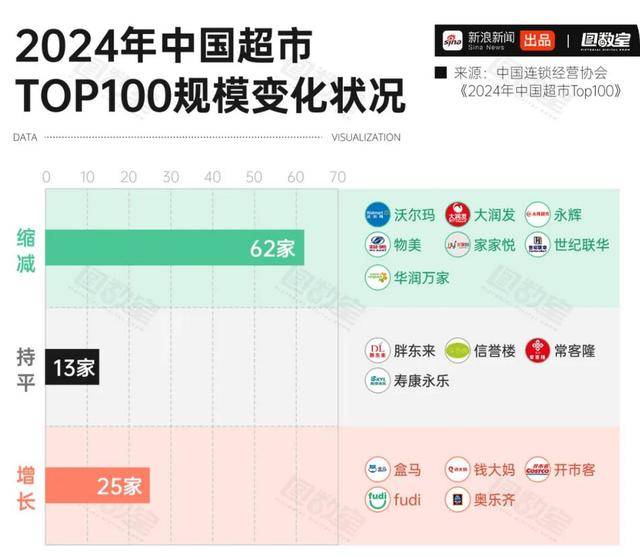
Core Viewpoint - The traditional supermarket industry in China is facing a significant downturn, with 62 major supermarket companies reducing their store count by 3,037 in 2024, indicating a collective struggle against the rise of e-commerce and changing consumer habits [4][7][14]. Group 1: Industry Trends - The market share of traditional supermarkets has declined from 34% in 2019 to 32% in 2024, while the share of e-commerce has increased from 22% to 32% during the same period [15]. - The large hypermarket segment has seen a drastic drop from 19% to 13% in market share, reflecting a shift in consumer preferences towards more efficient shopping options [15]. - The rise of community group buying and specialized stores has further eroded the customer base of traditional supermarkets, which are perceived as inefficient and cumbersome [18][20]. Group 2: Company Performance - Among the top 100 supermarkets in China, 62 companies reduced their store numbers, with only 25 showing growth, highlighting a trend of contraction in the industry [7][9]. - Notable reductions include 1,009 stores by Jibai Holdings, 493 by CR Vanguard, and 234 by Yonghui Superstores, indicating a widespread retreat among major players [9][10][12]. - Yonghui Supermarket's revenue plummeted from 48.7 billion to 29.9 billion yuan, showcasing the financial strain faced by leading companies in the sector [12]. Group 3: Consumer Behavior - Consumers are increasingly opting for convenience, with shopping habits shifting towards online platforms and quick delivery services, diminishing the appeal of large supermarkets [4][15][16]. - The traditional supermarket model is failing to meet modern consumer expectations in terms of efficiency, experience, and value, leading to a decline in foot traffic and sales [20][22]. - The lack of social engagement and unique shopping experiences in traditional supermarkets has resulted in a loss of relevance among younger consumers [20][22].
商超循时开启“火锅季”,凭质价比、一站式购齐战略推高销售转化
Cai Jing Wang· 2025-11-25 10:06
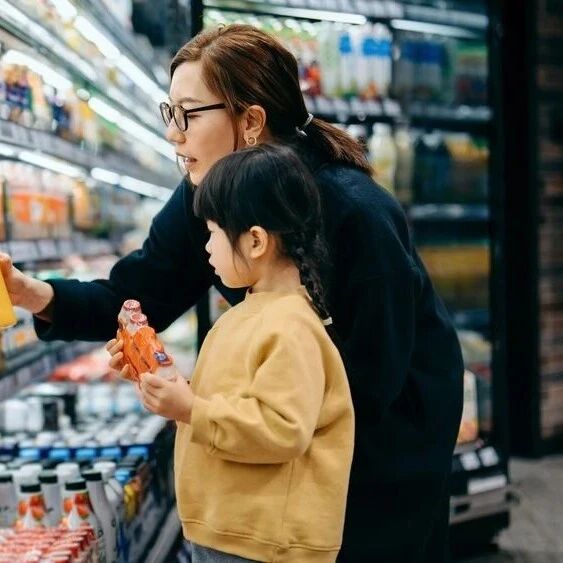
Core Insights - The retail sector is actively promoting the "hot pot season" to capitalize on consumer demand for home dining experiences, with significant sales increases reported by major supermarkets [1][5] - Various supermarkets are focusing on different aspects of the hot pot experience, such as meat products, regional flavors, and one-stop shopping convenience [2][4] Group 1: Sales Performance - Yonghui Supermarket reported over 50% year-on-year growth in sales of beef and lamb products in October, driven by their "Hot Pot Season" campaign [1][5] - Metro's hot pot-related products saw sales increase by nearly 200% compared to the same period last year, highlighting the effectiveness of their promotional strategies [5][6] Group 2: Product Offerings - Zhongbai Supermarket introduced a new autumn and winter meat series, featuring fresh cuts of lamb and a variety of hot pot ingredients [2] - Metro launched over 400 hot pot-related products, covering various regional flavors, including the popular Guizhou sour soup [2][3] Group 3: Consumer Engagement - Supermarkets are enhancing customer experience by offering free tastings, cooking demonstrations, and dedicated hot pot ingredient sections [1][3] - The trend of "lazy economy" is being leveraged, as consumers prefer the cost-effectiveness of preparing hot pot at home compared to dining out [5] Group 4: Marketing Strategies - Discounts and promotions are being utilized, such as Metro's "3 items at 12% off" offer and various limited-time discounts on hot pot ingredients [4] - Supermarkets are creating a one-stop shopping experience by bundling hot pot essentials, including sauces, meats, and vegetables, to attract consumers [4][5]
食品饮料行业2026年度投资策略:新消费内部轮动传统消费底部改善
Yin He Zheng Quan· 2025-11-24 11:23
Investment Rating - The report maintains a "Buy" rating for the food and beverage industry, highlighting several key companies as investment opportunities [3][4]. Core Insights - The food and beverage industry is experiencing internal rotation in new consumption and improvement at the bottom of traditional consumption. The overall performance in 2025 was weak, primarily due to the adjustment in the liquor sector, but the long-term recovery trend for mass consumer goods remains intact [3][8]. - For 2026, structural opportunities are expected to continue, with new consumption showing internal rotation and traditional consumption gradually recovering from the bottom [3][15]. Summary by Sections Industry Overview - In 2025, the food and beverage sector's revenue grew by only 0.1% year-on-year, while profits fell by 14.6%, underperforming compared to the previous year. The industry index ranked last among 31 sub-industries with a decline of 4.8% [8][11]. - The adjustment in the liquor sector is identified as the main factor for the overall weak performance, while the recovery trend for mass consumer goods is expected to persist [8][11]. Soft Drinks - The beverage industry is projected to benefit from a rebound in travel demand in 2026, with a revenue increase of 6.2% in the first half of 2025 compared to the previous year [42][45]. - Cost advantages from declining prices of raw materials like sugar and PET are expected to continue, enhancing profit margins for beverage companies [45][49]. Snacks - The konjac snack sector is experiencing high growth, with companies like Salted Fish and Wei Long achieving significant revenue increases in 2025 [66][67]. - The competitive landscape for konjac products is expected to remain manageable, with established brands likely to maintain their market positions despite new entrants [70][76]. Dairy Products - The dairy sector is anticipated to see a recovery in supply-demand balance, with raw milk prices expected to stabilize in 2026 due to ongoing supply adjustments [38][39]. - Policies promoting consumption are expected to benefit liquid milk and milk powder sales, driving demand improvements [38][39]. Frozen and Condiment Products - The frozen food sector is expected to see performance improvements as competition stabilizes, with a focus on recovery in demand [38][39]. - The condiment sector is also projected to benefit from a gradual recovery in consumer demand [38][39]. Liquor - The liquor industry is still in an adjustment phase but is gradually approaching a bottoming out stage, with supply clearing expected to continue into 2026 [6][25]. - The report suggests that the long-term value of liquor stocks will become more apparent as the market stabilizes [6][25]. Investment Recommendations - Key companies to watch include Dongpeng Beverage, Nongfu Spring, and Moutai in the beverage sector, as well as Wei Long and Salted Fish in the snack sector [6][8].