
PAB(000001)

Search documents
本周聚焦:近期多家银行宣布分红派息
GOLDEN SUN SECURITIES· 2025-06-08 10:58
Investment Rating - The report maintains an "Overweight" rating for the banking sector [7] Core Insights - The average dividend yield for listed banks is 4.14% as of June 6, 2025, with state-owned banks yielding between 4.3% and 5% [2][3] - The dividend payout ratios for several banks have increased compared to 2023, indicating a positive trend in shareholder returns [1][2] - The banking sector is expected to benefit from expansionary policies aimed at stabilizing the economy, which may enhance investment opportunities [3] Summary by Sections Dividend Distribution - As of June 6, 2025, 11 banks have completed their annual dividend distributions, with notable early payouts in April and May, compared to previous years [1] - Some banks have increased their annual dividend payout ratios, such as Ningbo Bank (+6.4%), Xi'an Bank (+7.3%), and others [1] Sector Performance - The banking sector is projected to benefit from government policies aimed at economic stabilization, with specific banks like Ningbo Bank, Postal Savings Bank, and others highlighted as potential investment opportunities [3] - The report emphasizes the stability of bank profits and the long-term value of dividends, making the sector attractive for medium to long-term investments [2] Key Data Tracking - The average daily trading volume for stocks reached 12,089.75 billion yuan, reflecting an increase from the previous week [4] - The balance of margin financing and securities lending increased by 0.13% to 1.81 trillion yuan [4]






“知识就是财富”照进现实,超200亿知识产权ABS行至何处|新产业金融观察③
2 1 Shi Ji Jing Ji Bao Dao· 2025-06-08 04:55
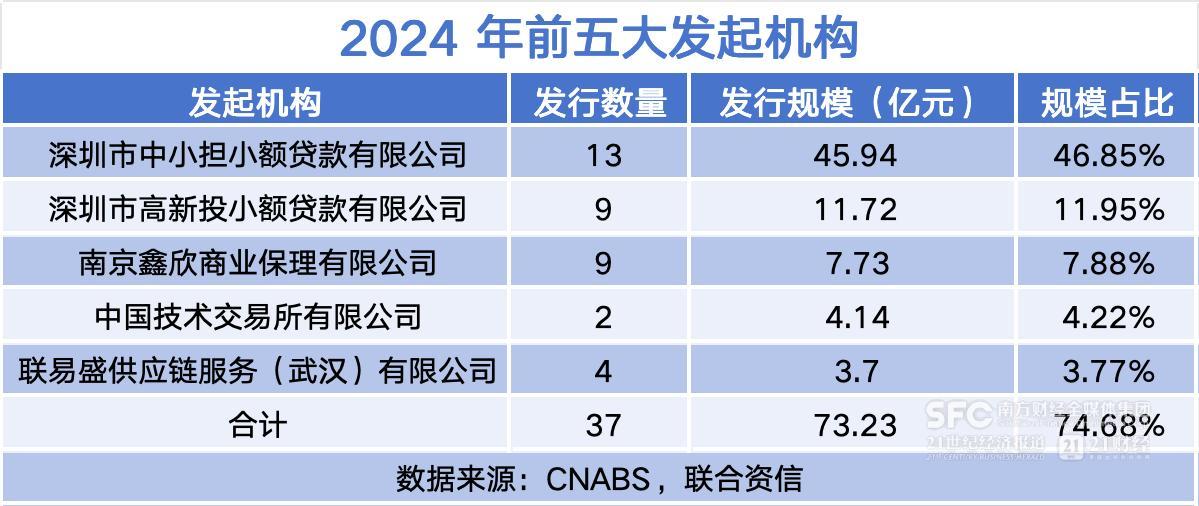
Core Insights - The article discusses the evolution and current state of intellectual property asset-backed securities (ABS) in China, highlighting its significance in financing for small and medium-sized technology enterprises [1][2][10] - It emphasizes the growth of the market, with a cumulative issuance scale exceeding 200 billion yuan by June 2025, and the increasing recognition of intellectual property as a valuable asset [1][10] Market Development - The first intellectual property ABS in China was approved in December 2018, and as of June 5, 2023, at least 12 intellectual property ABS have been issued this year, totaling 1.356 billion yuan [1] - In 2024, the issuance of intellectual property ABS products reached 57, with a total scale of 9.806 billion yuan, marking a year-on-year increase of 25.97% [2] Institutional Concentration - The majority of intellectual property ABS issuers are small loan companies, commercial factoring companies, and financing leasing companies, with a high concentration among the top five issuers, accounting for 74.68% of the total issuance [2][4] - Shenzhen's small loan companies dominate the market, with Shenzhen Zhongxiaodang and Shenzhen Gaoxin Investment holding a combined market share of 58.80% [2][4] Product Characteristics - Intellectual property ABS typically have smaller issuance sizes, around 100 million yuan, and primarily serve smaller enterprises, reflecting a certain degree of inclusive finance [4][8] - The underlying asset types for intellectual property ABS are diversifying, including agricultural IP, new energy vehicle IP, and digital currency IP [5] Financing Channels - The article highlights the exploration of cross-border financing channels for intellectual property ABS, particularly in the Greater Bay Area, allowing companies to leverage their intellectual property for overseas financing [5][6] Operational Standards - The operational model for intellectual property ABS has become more standardized, with established processes for small loan companies to provide funding and guarantee enhancements [7][8] - The Shenzhen model of intellectual property ABS is characterized by state-owned enterprises leading the initiative, government subsidies reducing financing costs, and active market participation [10][12] Market Challenges - Despite the growth, the intellectual property ABS market is still in its early stages, with limited investor recognition and liquidity issues affecting issuance and trading [13][14] - Challenges include the lack of unified standards for intellectual property valuation and the need for improved risk management practices [14][15]



外贸企业抢“出口”
经济观察报· 2025-06-08 04:21
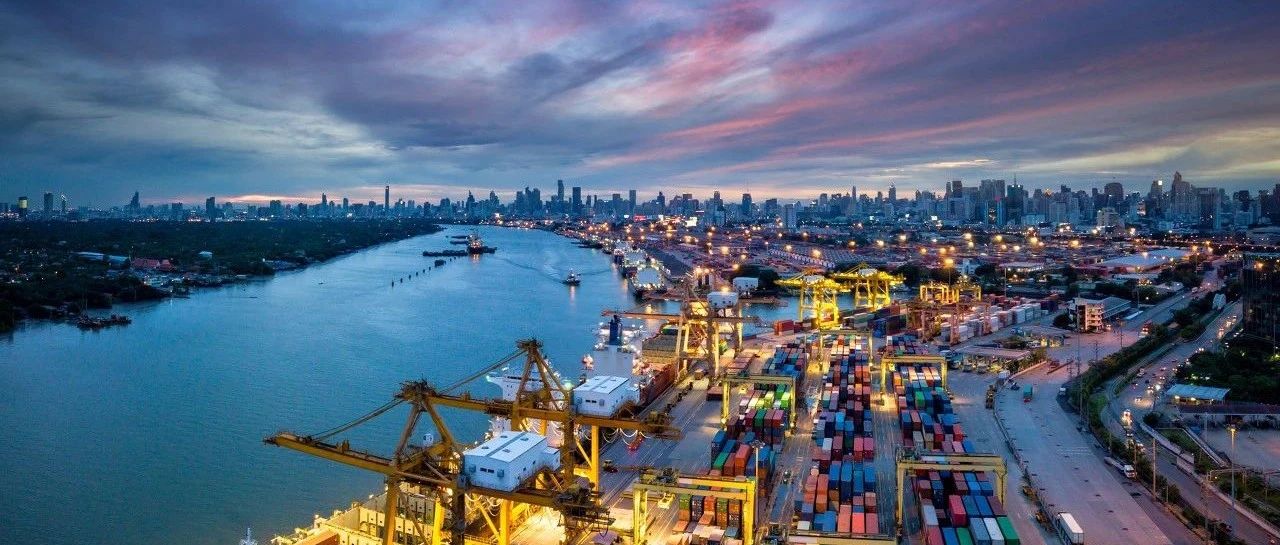
Core Viewpoint - The article discusses the impact of the 90-day tariff adjustment window between China and the U.S. on foreign trade enterprises and banks, highlighting the urgency for companies to deliver products to U.S. ports to avoid higher tariffs and ensure timely payment for loans [1][4][18]. Group 1: Loan Issuance and Trade Dynamics - Banks are now assessing whether foreign trade enterprises can deliver products to U.S. ports within the 90-day window before issuing new foreign trade loans [3][14]. - The recent tariff adjustments have led to a surge in production and shipping activities among foreign trade enterprises, as they aim to fulfill backlog orders during the 90-day window [5][12]. - The efficiency of order delivery to U.S. customers has become a critical factor for banks in determining loan issuance, with banks closely monitoring the progress of enterprises [8][18]. Group 2: Financial Services and Risk Management - State-owned banks are enhancing foreign exchange risk management services for foreign trade enterprises, emphasizing customized financial solutions [3][21]. - There is a growing demand for foreign exchange derivatives to hedge against currency fluctuations, particularly among small and medium-sized foreign trade enterprises [20]. - Banks are adopting a "one enterprise, one policy" approach to tailor financial services based on the specific needs and circumstances of different foreign trade enterprises [21]. Group 3: Market Reactions and Economic Indicators - The manufacturing PMI rose to 49.5% in May, indicating improved export conditions following the tariff reductions, which has encouraged enterprises to expedite production [11][12]. - The container throughput at Shanghai Port increased by 10.2% year-on-year in May, reflecting the heightened activity of foreign trade enterprises striving to secure shipping slots [12]. - The article notes that larger foreign trade enterprises generally have more confidence in meeting the 90-day deadline due to established relationships with shipping companies and robust production capabilities [19].
车贷“高息高返”被叫停?北京部分大行暂停相关业务,多地发布自律公约
Xin Lang Cai Jing· 2025-06-06 00:51
Core Viewpoint - The "high interest high rebate" model for auto loans has been halted in multiple regions, leading to significant changes in the automotive finance landscape [1][2][5]. Group 1: Policy Changes - Major banks in Beijing have confirmed the suspension of the "high interest high rebate" auto loan business, with some banks indicating that this halt began earlier in the year [2][3]. - Various banking associations in regions such as Sichuan and Henan have initiated self-regulatory agreements aimed at curbing high commissions and consumer inducement practices [4][5]. Group 2: Market Impact - The cessation of the "high interest high rebate" model may lead to a temporary loss of customer resources for banks, but it is expected to enhance focus on actual market demands and service quality in the long run [5]. - Despite the suspension of the "high interest high rebate" model, auto loans remain a key focus for many banks, with significant growth reported in auto loan balances [6][8]. Group 3: Financial Performance - As of the end of 2023, the auto loan balance for the Bank of Communications increased by 240.10%, indicating strong demand despite regulatory changes [6]. - Ping An Bank reported a new issuance of personal loans for new energy vehicles amounting to 637.68 billion, reflecting a year-on-year growth of 73.3% [6][8].
大额存单全面进入“1时代”,银行优化负债结构
Di Yi Cai Jing· 2025-06-05 12:13
Core Viewpoint - The interest rates for large certificates of deposit (CDs) have significantly decreased, entering the "1.x" era, prompting banks to adjust their offerings and investors to reconsider their asset allocation strategies [1][2][5] Interest Rate Adjustments - Major state-owned banks have lowered their rates for 1-year and 2-year large CDs to 1.2%, with 3-year rates at 1.55%, while some banks have even suspended longer-term products [1][2] - The average interest rate for 3-year large CDs across major banks has dropped to a range of 1.55% to 1.75%, down approximately 80 basis points compared to the same period in 2024 [2][5] - Smaller banks have also reduced rates, with some 3-year CDs dropping from 2.6% to 2.4%, reflecting a broader trend of declining interest rates [2][4] Competitive Landscape - The interest rate advantage of large CDs over traditional fixed deposits has narrowed, with rates for similar terms only slightly higher or even equal [3][4] - Money market funds are becoming increasingly attractive, with yields approaching those of large CDs, while having a much lower investment threshold [3][4] Impact on Bank Profitability - The decline in large CD rates is a response to the pressure on banks' net interest margins, which have been affected by lower loan pricing and high-cost deposits [5][6] - As of the first quarter of 2025, the net interest margin for commercial banks fell to 1.43%, a decrease of 9 basis points from the previous quarter [5][6] Strategic Adjustments - Banks are actively managing their liabilities by reducing the issuance of long-term large CDs to alleviate pressure on their interest margins [6] - This strategy not only aims to enhance banks' interest income but also creates room for further reductions in loan rates, fostering a positive cycle for the real economy [6]
主力动向:6月5日特大单净流入51.70亿元
Zheng Quan Shi Bao Wang· 2025-06-05 09:05
Market Overview - The net inflow of large orders in the two markets reached 5.17 billion yuan, with 27 stocks seeing net inflows exceeding 200 million yuan, led by Xue Ren Co. with a net inflow of 681 million yuan [1] - The Shanghai Composite Index closed up 0.23% today, with a total of 2,026 stocks experiencing net inflows and 2,591 stocks seeing net outflows [1] Industry Analysis - Among the 10 industries with net inflows, the electronics sector led with a net inflow of 3.27 billion yuan, followed by the communications sector with 2.86 billion yuan [1] - The pharmaceutical and biological industry had the highest net outflow, totaling 3.398 billion yuan, followed by the non-ferrous metals sector with a net outflow of 751 million yuan [1] Individual Stock Performance - Xue Ren Co. had the highest net inflow of 681 million yuan, with a closing price of 13.06 yuan and a price increase of 7.31% [2] - Sanwei Communication ranked second with a net inflow of 561 million yuan and a price increase of 10.01% [2] - Stocks with net inflows exceeding 200 million yuan saw an average increase of 7.15%, outperforming the Shanghai Composite Index [2] Notable Stocks with High Net Inflows - The top stocks with significant net inflows include: - Xue Ren Co. (681 million yuan, 7.31% increase) - Sanwei Communication (561 million yuan, 10.01% increase) - Zhongji Xuchuang (537 million yuan, 5.73% increase) [2][3] Notable Stocks with High Net Outflows - The stocks with the highest net outflows include: - Lepu Medical (260 million yuan, -6.31% decrease) - Zhongke Jin Cai (188 million yuan, 3.79% increase) - Ping An Bank (185 million yuan, -1.44% decrease) [4]


平安银行上海分行成功识别新型电诈手法,堵截超大金额电信诈骗资金
Xin Lang Cai Jing· 2025-06-05 03:46
Core Viewpoint - The incident highlights the effective response of Ping An Bank's Shanghai branch in preventing a significant financial loss for a customer through prompt action and collaboration with law enforcement [1][2] Group 1: Incident Overview - On May 28, Ping An Bank's Shanghai branch identified unusual account activity involving an elderly customer attempting to make large transfers to overseas accounts, leading to the activation of an emergency response [1] - The branch's financial manager, Zhou Junqi, recognized the potential fraud risk and quickly initiated the emergency protocol, resulting in the protection of over 3.8 million yuan within 10 minutes [1] Group 2: Fraud Techniques - The fraudsters employed new tactics, including inducing the customer to download a special app that blocked all external communications, isolating the customer from police and bank contact [1] - They also used a method requiring the customer to perform actions in front of a mirror, circumventing facial recognition security measures to facilitate the transfer of funds [1] Group 3: Institutional Response - The successful handling of the incident reflects the professionalism and risk awareness of Ping An Bank's employees, aligning with the bank's customer-centric service philosophy [2] - The bank aims to enhance its anti-fraud awareness and service quality, contributing to broader financial security in society [2]
“高息高返”车贷模式多地叫停 优惠购车背后银行利润承压
Di Yi Cai Jing· 2025-06-04 13:04
Core Viewpoint - The "high interest high rebate" model for auto loans is being phased out across multiple regions in China, with banks suspending this practice due to regulatory pressures and profitability concerns [1][3][5]. Group 1: Policy Changes - Several regions, including Sichuan and Henan, have seen local banking associations issue self-regulatory agreements targeting high rebates [1][5]. - Major banks such as ICBC, CCB, and BOC have begun notifying dealers to halt the "high interest high rebate" model, which has been prevalent in the market [3][5]. - The adjustment in policy is expected to lead to a significant reduction in bank subsidies for car purchases, impacting the overall cost for consumers [2][3]. Group 2: Market Impact - Consumers previously benefited from lower costs through the "long loan short repayment" model, which allowed early repayment without penalties [3][6]. - The new policies may require consumers to repay loans for a longer period before being eligible for penalty-free early repayment, potentially increasing their overall costs [2][6]. - The shift away from high rebates is anticipated to lead to a more stable and sustainable relationship between banks and auto dealers, reducing market distortions [4][7]. Group 3: Industry Dynamics - The "high interest high rebate" phenomenon arose from banks' need to attract customers in a competitive market, often leading to unsustainable practices [4][5]. - The current economic environment has made the continuation of high rebate models untenable, prompting banks to seek alternative strategies for customer acquisition [4][7]. - Analysts suggest that while the immediate impact may result in some loss of customer resources, the long-term focus will shift towards enhancing service quality and product offerings [6][7].
主力动向:6月4日特大单净流入44.13亿元
Zheng Quan Shi Bao Wang· 2025-06-04 12:38
Market Overview - The net inflow of large orders in the two markets reached 4.413 billion yuan, with 16 stocks seeing net inflows exceeding 200 million yuan, led by Lepu Medical with a net inflow of 381 million yuan [1][2] - The Shanghai Composite Index closed up 0.42% today, with a total of 2,162 stocks experiencing net inflows and 2,424 stocks seeing net outflows [1] Industry Performance - Among the 20 industries with net inflows, the electronics sector led with a net inflow of 1.963 billion yuan and an index increase of 1.17%, followed by non-bank financials with a net inflow of 1.319 billion yuan and a 0.99% increase [1] - The automotive industry experienced the highest net outflow of 1.336 billion yuan, followed by defense and military with a net outflow of 1.017 billion yuan [1] Individual Stock Performance - Lepu Medical topped the list of net inflows with 381 million yuan, followed by Dongfang Caifu with 339 million yuan [2] - Stocks with net inflows exceeding 200 million yuan saw an average increase of 7.11%, outperforming the Shanghai Composite Index [2] - Notable stocks with significant net outflows include Zhangqu Technology with a net outflow of 427 million yuan, and Qianhong Pharmaceutical and Yunnei Power, both with net outflows of 251 million yuan [2][4] Detailed Stock Data Top Net Inflow Stocks | Code | Name | Closing Price (Yuan) | Change (%) | Net Inflow (Billion Yuan) | Industry | |------|--------------|----------------------|------------|----------------------------|-----------------| | 300003 | Lepu Medical | 14.11 | 19.98 | 0.381 | Medical Biology | | 300059 | Dongfang Caifu | 20.94 | 1.36 | 0.339 | Non-bank Finance | | 002657 | Zhongke Jin Cai | 26.14 | 10.02 | 0.332 | Computer | | 002342 | Juyi Suojun | 6.37 | 10.02 | 0.310 | Machinery | | 688256 | Hanwujing | 607.50 | 1.95 | 0.309 | Electronics | [2] Top Net Outflow Stocks | Code | Name | Closing Price (Yuan) | Change (%) | Net Outflow (Billion Yuan) | Industry | |------|--------------|----------------------|------------|-----------------------------|-----------------| | 300315 | Zhangqu Technology | 5.39 | -6.26 | -0.427 | Media | | 002550 | Qianhong Pharmaceutical | 9.01 | 5.50 | -0.251 | Medical Biology | | 000903 | Yunnei Power | 4.68 | -4.10 | -0.251 | Automotive | [4]



平安银行: 2024年年度权益分派实施公告
Zheng Quan Zhi Xing· 2025-06-04 10:06
证券代码:000001 证券简称:平安银行 公告编号:2025-028 优先股代码:140002 优先股简称:平银优 01 平安银行股份有限公司 2024 年年度权益分派实施公告 本公司及董事会全体成员保证信息披露的内容真实、准确、完整,没有虚假记载、误导 性陈述或重大遗漏。 平安银行股份有限公司 2024 年年度权益分派方案已获 2025 年 5 月 23 日召 开的本公司 2024 年年度股东大会审议通过,现将权益分派事宜公告如下: 一、股东大会审议通过利润分配方案等情况 本次实施的权益分派方案为:以公司现有总股本 19,405,918,198 股为基数, 向全体股东每 10 股派 3.6200 元人民币现金(含税;扣税后,通过深股通持有股 份的香港市场投资者、境外机构(含 QFII、RQFII)以及持有首发前限售股的个 人和证券投资基金每 10 股派 3.2580 元;持有首发后限售股、股权激励限售股及 无限售流通股的个人股息红利税实行差别化税率征收,本公司暂不扣缴个人所得 税,待个人转让股票时,根据其持股期限计算应纳税额【注】;持有首发后限售 股、股权激励限售股及无限售流通股的证券投资基金所涉红利税, ...