FINANCIAL STREET(000402)

Search documents
一图全景勾勒资本市场改革新图景!吴清金融街年会详解四大举措
2 1 Shi Ji Jing Ji Bao Dao· 2025-10-29 00:03
21世纪经济报道 记者 崔文静 开篇 》》 改革号角再吹响 清晰路线图指明方向 在全球格局与科技创新深刻变化的今天,不失时 机深化改革,才能在不确定的环境中赢得主动、 赢得未来!10月27日,证监会主席吴清在2025 金融街论坛年会开幕式上的这番坚定表态,为资 本市场"十五五"高质量发展之路定下基调。 在党的二十届四中全会胜利闭幕、谋划未来五年 的关键时点,吴清系统阐述了以投融资综合改革 牵引高质量发展的四大关键举措。同日,《 合格 境外投资者制度优化工作方案 》与《关于加强资 本市场中小投资者保护的若干意见 》两份重磅文 件正式落地,一套内外兼修、标本兼治的改革组 合拳全面亮相,释放出坚定不移推进制度型开放 和强化投资者保护的强烈信号,为下一阶段资本 市场发展绘制了清晰的行动路线图。 举措一 》》 纵深推进板块改革,增强多层次 市场体系的包容性和覆盖面 127111: 针对不同发展阶段、不同类型企业,构建覆盖全 生命周期、功能互补的现代化资本市场体系。 "1+6"政策成效显著,科创成长层于10月28 日迎来首批新注册企业上市,支持"更早、更 小、更新"的硬科技企业。 创业板 即将启动深化改革,设置更契合新兴 ...



发布重磅政策,回应热点关切,金融街论坛有力信号提振市场预期
Huan Qiu Shi Bao· 2025-10-28 22:39
Core Insights - China will continue to crack down on domestic virtual currency operations and speculation while further optimizing the management system for the digital renminbi [1][2] - The People's Bank of China (PBOC) announced the resumption of public market government bond trading operations, indicating a positive shift in the bond market [2] - The 2025 Financial Street Forum attracted over 400 guests from more than 30 countries, highlighting global interest in China's financial policies and reforms [1][3] Monetary Policy - The PBOC maintains a supportive monetary policy stance, utilizing various tools to ensure liquidity and support economic recovery [2] - Future monetary policy will continue to focus on moderate easing, providing short, medium, and long-term liquidity arrangements [2] Financial Market Reforms - The China Securities Regulatory Commission (CSRC) has initiated reforms for the Sci-Tech Innovation Board, aiming to set more suitable listing standards for emerging industries [3] - The PBOC plans to introduce nine new policies to enhance cross-border trade facilitation and optimize foreign exchange management for new trade entities [3] International Cooperation - The forum emphasized China's role as a major global economic player, contributing to global trade resilience and rules [3][4] - International financial leaders noted improvements in China's financial market depth and liquidity, enhancing access for international investors [3] Future Development Goals - The "14th Five-Year Plan" outlines the construction of a comprehensive macro-prudential management system, which is a dynamic and collaborative process [5] - The National Financial Regulatory Administration will focus on supporting key strategic areas and enhancing the financial system's adaptability and competitiveness [5]
构建中国特色现代金融体系——来自2025金融街论坛年会的报道
Jing Ji Ri Bao· 2025-10-28 22:23
Group 1: Macro-Prudential Management - The importance of macro-prudential management has been emphasized, especially after the 2008 financial crisis, highlighting that the stability of individual financial institutions does not guarantee overall financial system stability [2] - China has been proactive in establishing a macro-prudential policy framework since 2008, with ongoing enhancements to the monitoring and assessment systems for systemic financial risks [2][3] - The People's Bank of China (PBOC) plans to split the Macro-Prudential Assessment (MPA) into two parts: one focusing on monetary policy execution and the other on macro-prudential and financial stability assessments [2] Group 2: Financial Risk Prevention - Key measures will be taken to strengthen risk prevention in important institutions and sectors, including enhanced supervision of systemically important banks and insurance companies [3] - The PBOC aims to improve the monitoring of leverage levels and liquidity risks in financial institutions to prevent the accumulation of market risks [3] - A focus on real estate financial management will be maintained, with the establishment of a comprehensive analytical framework for real estate finance [3] Group 3: Financial Sector Development - The "14th Five-Year Plan" has achieved significant results in mitigating financial risks, with a commitment to advancing the construction of a financial powerhouse during the "15th Five-Year Plan" period [5] - The goal is to enhance the adaptability of the financial system to the economy, promoting a new model of financial services that balances direct and indirect financing [5] - Continuous reforms and opening-up measures are essential for enhancing the dynamism and vitality of the financial sector, with a focus on differentiated development among various financial institutions [5] Group 4: High-Level Opening-Up - New policies will be introduced to enhance cross-border trade facilitation, expanding pilot programs and optimizing foreign exchange management for trade [8] - The PBOC aims to strengthen the regulatory framework for foreign exchange, utilizing advanced technologies for better monitoring and risk prevention [9] - China's foreign trade is projected to reach a historical high of over $33 trillion this year, with significant growth in foreign exchange market transactions and cross-border capital flows [9]
2025金融街论坛|当银发潮遇上科技革命 养老金如何解题“长钱长投”
Bei Jing Shang Bao· 2025-10-28 18:13
Core Viewpoint - The intersection of the aging population and technological revolution is leading to a historic redefinition of the role of pensions, emphasizing the need for long-term investment strategies to support innovation and economic development [1][2]. Group 1: Pension Role and Investment Strategy - Pensions are designed for long-term stability and should not engage in short-term speculation; they must act as long-term investors to support the real economy [2][4]. - The aging population in China is increasing the pressure on pensions to maintain value, with the proportion of people aged 65 and above reaching 15.6% and expected to rise to 26% by 2050 [1][2]. - The current technological revolution and industrial transformation require substantial long-term capital to support sectors like artificial intelligence, renewable energy, and biomedicine [2][3]. Group 2: Investment Opportunities and Challenges - The rapid development of new technologies offers significant returns for pension investments, necessitating a focus on innovative investment products [3][4]. - Pensions must transition from being merely financial capital to strategic capital that supports technological advancement while also sharing in the returns from innovation [4][6]. - Establishing a long-term assessment mechanism is crucial for pensions to adapt to the high upfront costs and delayed returns typical of technology companies [4][5]. Group 3: Risk Management and Market Support - Risk management for pensions should shift from focusing on short-term volatility to a comprehensive dynamic risk control system that emphasizes long-term value realization [5][6]. - The development of financial instruments that align with long-term capital needs, such as long-term bonds and infrastructure REITs, is essential for matching pension durations [6]. - Enhancing transparency and information disclosure for technology companies will improve asset pricing and market conditions for pension investments [6][7].
“具身天工2.0”人形机器人亮相金融街论坛 北京人形加速推动具身智能从“演示可行”迈向“商用可靠”
Zheng Quan Ri Bao· 2025-10-28 18:12
Core Insights - The humanoid robotics industry is transitioning from "active" to "user-friendly," entering a critical window for commercial reliability over the next 3 to 5 years [1] - The "Embodied Tian Gong 2.0" robot showcased at the forum highlights the integration of future technology and industry [1] Group 1: Industry Trends - The industry is experiencing three major trends: 1. Technology is evolving from "function realization" to "intelligent usability," focusing on generalized intelligence that allows robots to understand and adapt to uncertain environments [1] 2. Scenarios are moving from "concept validation" to "commercial implementation," with humanoid robots being adopted in sectors like industrial manufacturing and logistics to address labor shortages and high-risk environments [2] 3. An "open-source collaboration" ecosystem is driving rapid industry development, with the company leading efforts to open-source platforms and establish industry standards [2] Group 2: Company Developments - Beijing Humanoid Robotics Innovation Center is the first full-stack technology company in China for humanoid intelligent hardware and software [2] - The "Embodied Tian Gong 2.0" robot features industrial-grade upper limb load capacity and a flexible lower limb system, achieving international leading energy efficiency metrics [2] - The "Embodied Tian Gong" series has made significant breakthroughs, with the "Embodied Tian Gong 2.0" robot successfully operating in the Foton Cummins engine factory since September 2025, completing autonomous tasks in a real production environment [2]
2025金融街论坛|政策“搭台”科技“唱戏”,金融暖消费有新招
Bei Jing Shang Bao· 2025-10-28 14:44
Core Viewpoint - The current consumer market in China is experiencing deep empowerment from financial forces, driven by multiple initiatives such as fiscal interest subsidy policies, technological transformation of financial institutions, and innovation in consumer financial products, which promote a healthy cycle of consumption [1][3]. Group 1: Policy Impact - The implementation of the personal consumption loan fiscal subsidy policy is seen as a significant boost for the consumer finance industry, recognizing its role in the inclusive financial system [3]. - The policy allows consumer loan companies to be designated as key processing institutions, with loans benefiting from an annualized 1% fiscal subsidy [3]. Group 2: Consumer Segmentation - The focus is shifting from merely providing financial products to enhancing financial health, addressing the specific needs of different consumer groups such as "credit white households" and new citizens [4]. - Ant Financial aims to help consumers overcome barriers to consumption by offering services like a maximum 41-day interest-free period for urgent expenses [4]. Group 3: Technology and Consumer Protection - AI technology is being utilized to enhance consumer protection capabilities, with the introduction of a multi-dimensional AI customer service assistant that improves service efficiency and customer satisfaction [7]. - The AI technology also aids in fraud prevention, achieving over 98% accuracy in identifying financial fraud [7]. Group 4: ESG Development - The integration of technology and finance is opening new avenues for ESG development, with financial institutions playing a crucial role in promoting sustainable practices [8]. - Ant Financial's initiatives, such as the "Little Red Flower" feature in Huabei, encourage responsible consumption and contribute to the company's sustainable development [8].
2025金融街论坛|变局下的国际金融治理新路径
Bei Jing Shang Bao· 2025-10-28 14:30
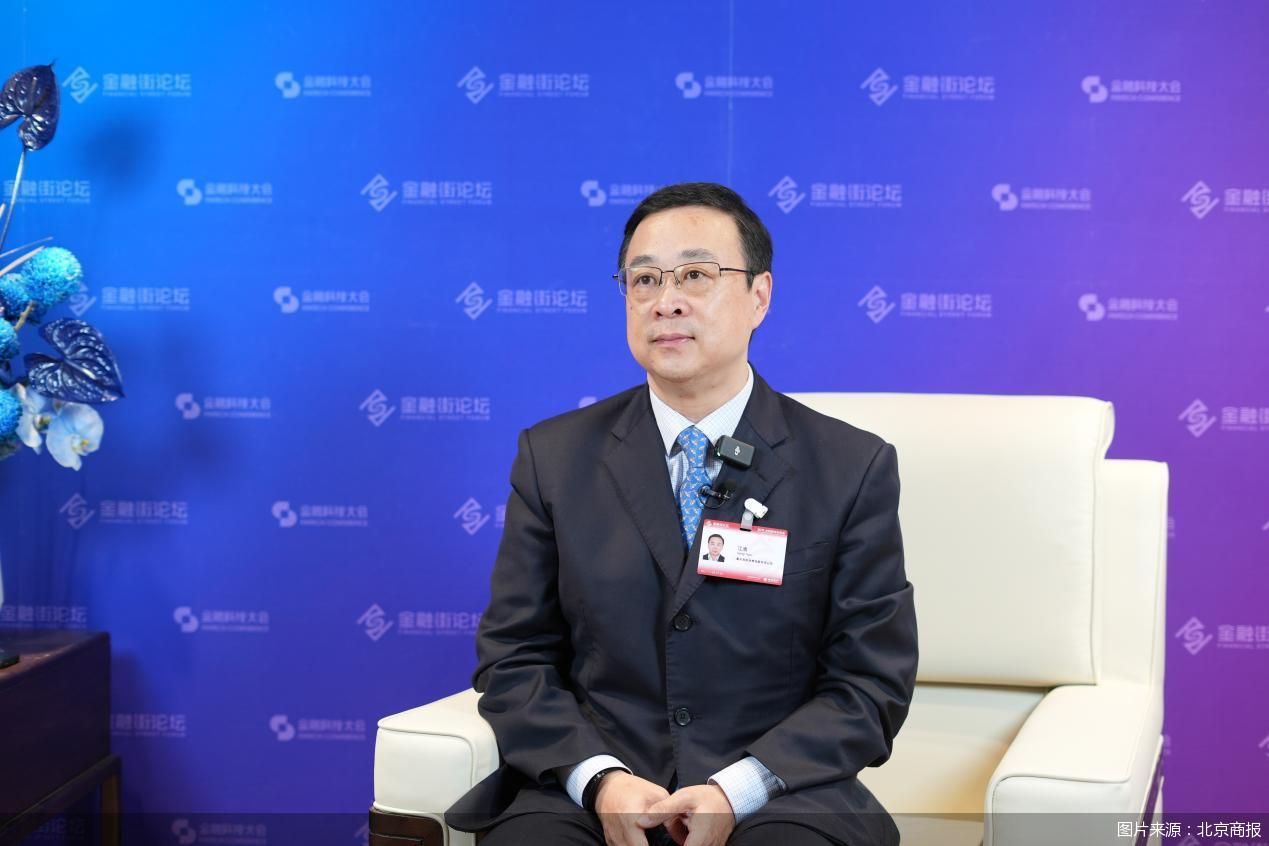
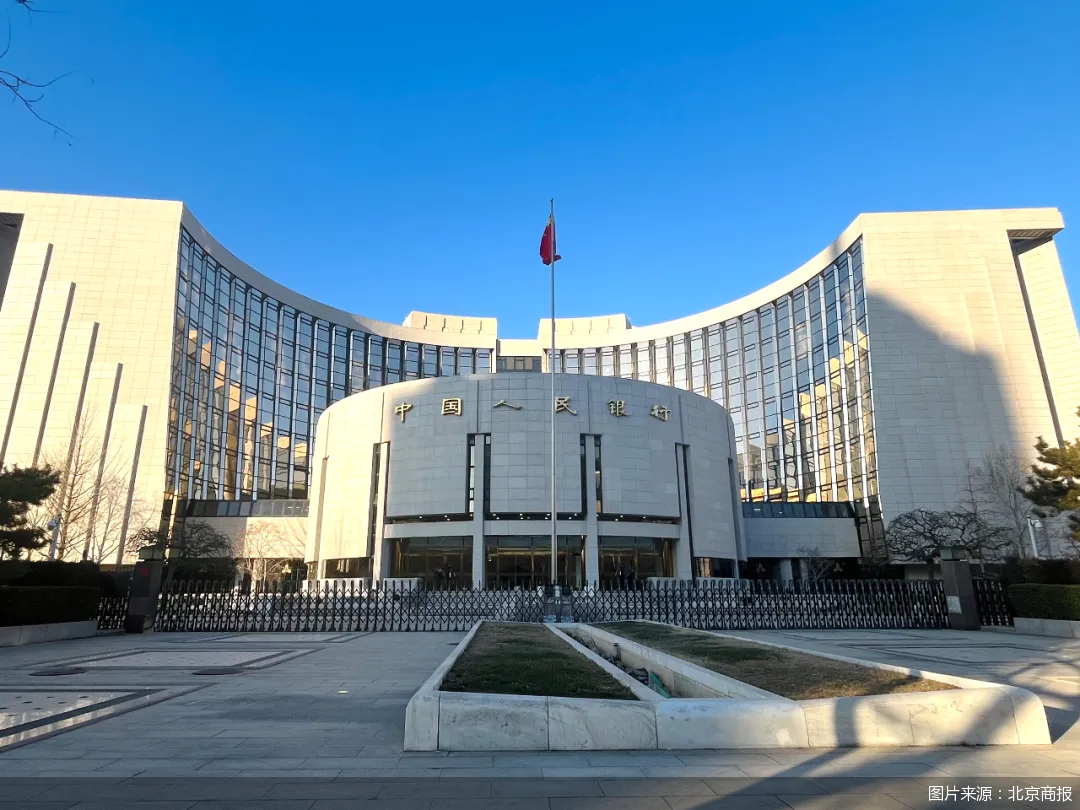
Core Viewpoint - The article emphasizes the urgent need for countries to engage in international financial governance and cooperation to maintain a rules-based international economic and financial order amidst rising global economic uncertainties [1][3]. Group 1: International Financial Governance - The current global economic landscape is characterized by unilateralism, which poses a challenge to the multilateral trade and governance systems [1]. - The People's Bank of China (PBOC) hosted a forum titled "International Financial Governance and Cooperation in Changing Circumstances" during the 2025 Financial Street Forum, highlighting the importance of global financial governance [1][3]. - Lu Lei, Deputy Governor of the PBOC, stressed that "cooperation for win-win outcomes" is a common theme for countries to address shared challenges, advocating for enhanced policy coordination and experience sharing [3]. Group 2: China's Role in Global Financial Governance - Yi Gang, former Governor of the PBOC, articulated China's contributions to international financial governance, emphasizing the need for China to continue participating in rule-making processes [3]. - Since the reform and opening-up, China has achieved significant economic growth and has become a core member of international financial governance, contributing to the construction of a global financial safety net [3][4]. - China's efforts include promoting reforms in the International Monetary Fund (IMF), leading sovereign debt coordination, and optimizing foreign exchange reserve management [3]. Group 3: Emerging Risks and Regulatory Cooperation - Yuyuan Wen, President of the Hong Kong Monetary Authority, discussed the new changes and risks in the global financial system, highlighting the importance of central banks and regulatory agencies sharing experiences and enhancing cooperation [4]. - He suggested that international organizations should coordinate global central banks and regulatory bodies to monitor emerging financial risks, such as non-bank financial intermediaries and digital assets [4]. - Liu Yuanchun, President of Shanghai University of Finance and Economics, pointed out that the core driving forces behind the transformation of international financial governance are economic and political structural changes, as well as technological revolutions [5].
2025金融街论坛|破解承保难题!千亿新能源车险赛道待寻良方
Bei Jing Shang Bao· 2025-10-28 14:23
Core Insights - The rapid development of new energy vehicle insurance is a significant topic of discussion, with over 40 million new energy vehicles insured in China, indicating a burgeoning market worth hundreds of billions [1][3] - The expected insurance premium for new energy vehicles is projected to reach approximately 200 billion yuan this year, with a growth rate exceeding 30% [1][3] Industry Growth Potential - New energy vehicle insurance is becoming a crucial growth area for the insurance industry, driven by a rapidly expanding market [4] - The trend towards smart technology is influencing insurance practices, necessitating a shift from traditional models to new pricing and risk assessment methods based on driving data [4] Challenges in the Market - Despite the promising outlook, the overall underwriting situation for new energy vehicle insurance is expected to be in a loss state by 2024, highlighting underlying concerns [5] - The average risk cost for new energy vehicle insurance is approximately 2.2 times that of traditional fuel vehicles, while the premiums are only 1.7 times higher, indicating a significant pricing and risk level disparity [6] Factors Contributing to High Risk - The higher accident and claim rates for new energy vehicles are attributed to a greater proportion of operational vehicles and new models, leading to increased risk exposure [6] - Insufficient historical data for new brands and models complicates risk pricing, while rapid technological advancements outpace traditional pricing models [6] Future Development Directions - Industry experts suggest three potential pathways for overcoming challenges: accelerating the development of smart, dedicated insurance products, leveraging data to reduce risks, and creating an intelligent interactive ecosystem for new energy vehicles [7] - Collaboration between insurance companies and automotive manufacturers is being encouraged by regulatory bodies to enhance risk assessment and reduce costs across the vehicle lifecycle [7] Long-term Outlook - In the medium to short term, as vehicle ages increase and operational vehicles become saturated, risk rates may stabilize or decline [8] - However, long-term uncertainties remain due to various influencing factors in the market [8]

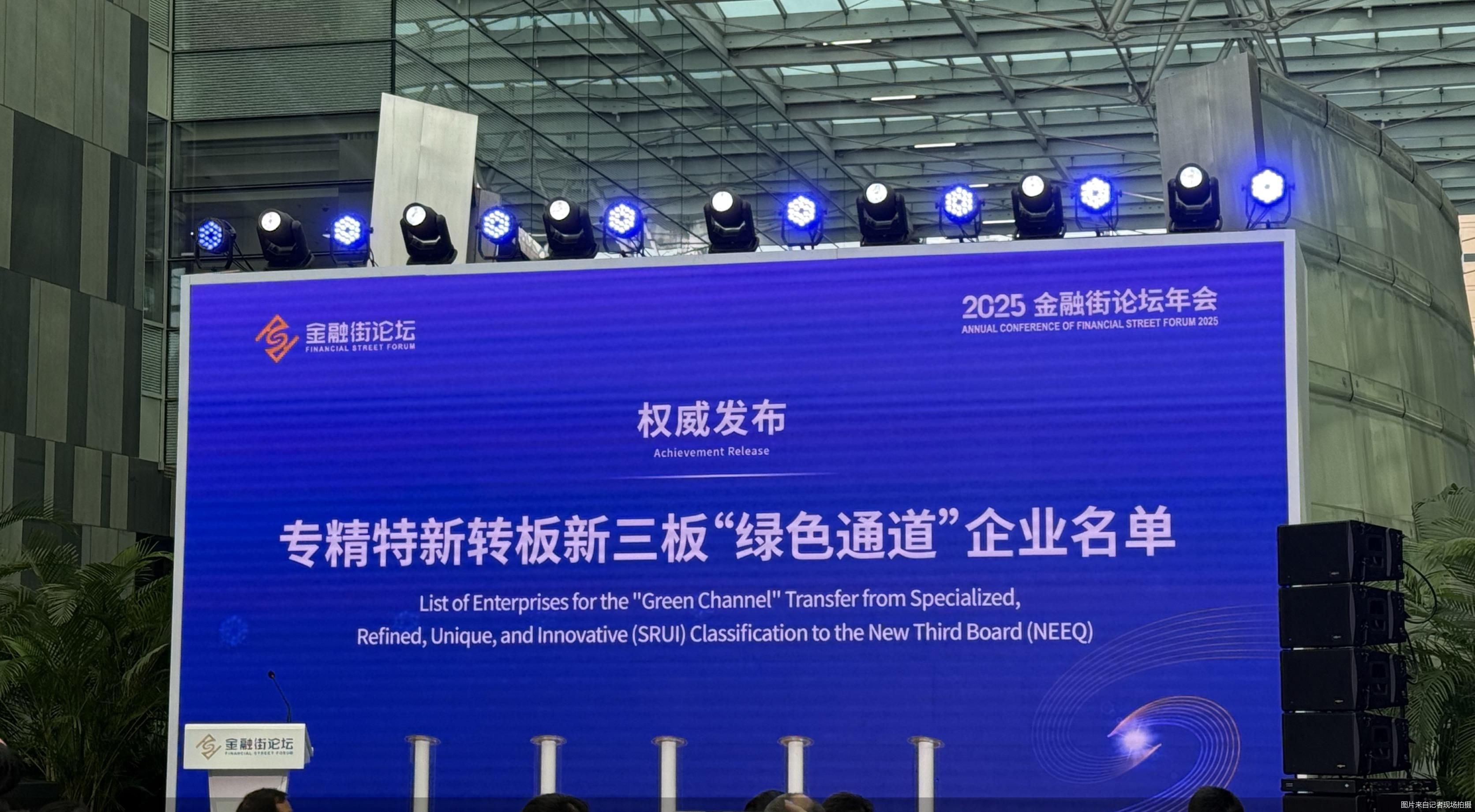
2025金融街论坛|146家!专精特新转板新三板“绿色通道”企业名单发布
Bei Jing Shang Bao· 2025-10-28 14:11
Core Insights - The 2025 Financial Street Forum annual meeting highlighted the launch of initiatives aimed at supporting small and medium-sized enterprises (SMEs), including the release of a list of 146 "specialized, refined, distinctive, and innovative" companies eligible for a "green channel" to transition to the New Third Board [1][4] Group 1: Policy and Market Developments - The China Securities Regulatory Commission (CSRC) is focused on enhancing capital market services for SMEs, with a specific emphasis on supporting high-quality SMEs to list on the New Third Board [1] - As of September 2023, 186 companies have utilized the green channel for application, with 91% being specialized and innovative enterprises, averaging revenues of over 530 million and net profits of 54 million [5] - The proportion of specialized and innovative SMEs among new A-share listings reached 79.5% from January to September 2023 [4] Group 2: Initiatives and Support Mechanisms - The green channel significantly reduces the application and review time for eligible companies, enhancing listing efficiency [6] - The Ministry of Industry and Information Technology launched the "Financial and Taxation Connection" section on the China SME Service Network, integrating AI technology to assist SMEs with tax risk prevention and compliance management [6] - Various regional equity markets are collaborating to support the transition of specialized and innovative companies to the New Third Board, showcasing the first results of this initiative [4][6]
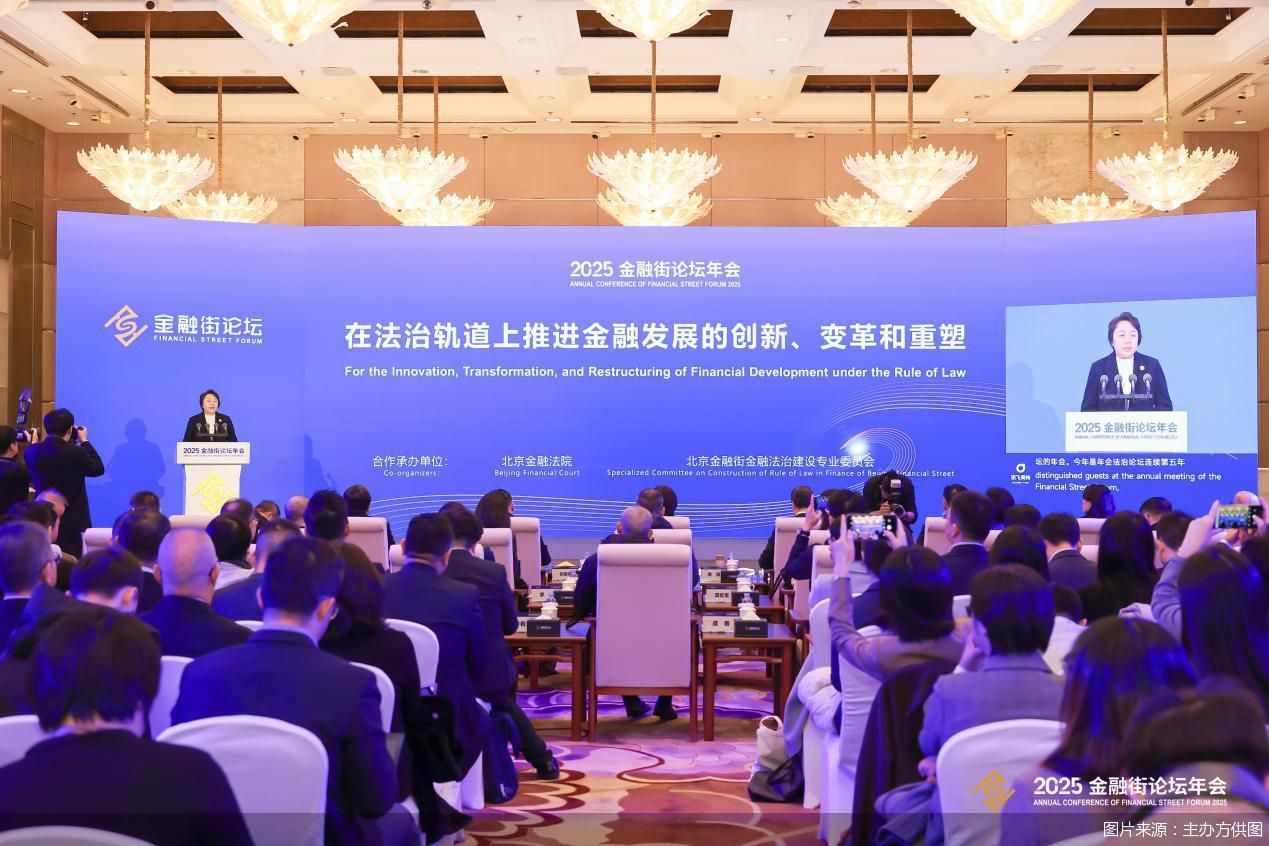
2025金融街论坛|优化营商环境,以法治助力涉外金融发展
Bei Jing Shang Bao· 2025-10-28 14:04
Core Viewpoint - The forum emphasizes the importance of legal frameworks in promoting financial development and addressing challenges in cross-border finance, highlighting the need for a robust legal environment to support China's modernization efforts [1][3]. Group 1: Legal Framework and Financial Development - Legal frameworks are essential for global cooperation, risk prevention, and inclusive growth, serving as a foundation for resilient global financial governance [3]. - Beijing has established itself as a leading financial hub in China, with the highest indicators in terms of financial institutions, personnel, and total assets [3]. - The establishment of various financial platforms in Beijing has facilitated innovative cross-border financial services, benefiting 107 multinational corporations [3]. Group 2: Cross-Border Financial Services - High-quality cross-border financial services are crucial for China's ongoing dual-opening strategy, with banks playing a key role in providing these services [4]. - The State Administration of Foreign Exchange is implementing reforms to enhance banks' cross-border settlement services while ensuring risk prevention [4]. - Regulatory measures are being strengthened to combat illegal activities in the foreign exchange sector, including the revision of foreign exchange management regulations [4]. Group 3: Collaborative Legal Efforts - The establishment of a specialized financial judiciary is necessary to support high-quality financial development and provide stable legal guarantees for market participants [5]. - Systematic risk prevention is a core function of financial law, emphasizing the need for collaborative governance to optimize the financial ecosystem [5]. - Hong Kong's legal framework serves as a reference for Beijing, enhancing the legal standards for cross-border financial activities [6]. Group 4: International Cooperation and Knowledge Sharing - Hong Kong can act as a financing platform for enterprises based in Beijing, providing insights and expertise for financial legal service talent development [6]. - The forum included discussions on facilitating cross-border investment and financing, as well as legal protections for multinational securities financing [6].