
LZLJ(000568)

Search documents
白酒双节行情记:名酒需求回暖 价格普遍低于往年
2 1 Shi Ji Jing Ji Bao Dao· 2025-09-26 00:21
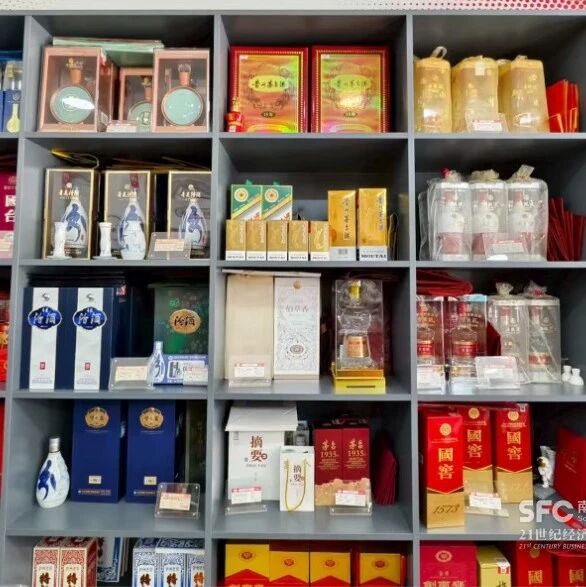
Core Insights - The demand for high-end liquor has been declining, leading to a significant drop in sales for many liquor retailers, particularly during the second quarter of the year [1][2] - Despite a recent uptick in inquiries and orders, the overall sales volume and prices of high-end liquor remain lower than in previous years, with many retailers reporting a double-digit decline in orders for the upcoming holidays [1][9] - Marketing strategies among liquor brands are diversifying, with a focus on mid-range products and promotional activities to stimulate sales during the holiday season [4][7] Group 1: Market Trends - Retailers have observed a noticeable increase in inquiries and orders for high-end liquor in the last two weeks, particularly for brands like Moutai and Wuliangye, primarily for gifting and gatherings [2][3] - The overall sales of high-end and mid-range liquor are still below last year's levels, with many retailers relying on lower-priced products to maintain revenue [1][5] - The price of Moutai has seen slight fluctuations, with retail prices ranging from 1900 to 2000 yuan, but overall, prices have not significantly rebounded from earlier declines [5][6] Group 2: Brand Strategies - Major liquor brands are intensifying their marketing efforts for the upcoming Mid-Autumn Festival and National Day, with companies like Wuliangye and Moutai launching various promotional campaigns [4][7] - There is a notable price stabilization for certain high-end products, such as Guojiao 1573, which has maintained a consistent wholesale price, contrasting with the fluctuating prices of other brands [7][8] - The competitive landscape is shifting, with brands like Wuliangye and Guojiao 1573 experiencing different pricing strategies, reflecting their unique market positioning and sales focus [7][8] Group 3: Consumer Behavior - The majority of recent purchases are for gatherings or banquets, with many consumers opting for smaller quantities rather than bulk purchases, indicating a cautious approach to spending [5][9] - Retailers report that customers are increasingly price-sensitive, with many opting for promotions and discounts available through online platforms [6][10] - The overall sentiment among retailers is one of caution, with expectations that this year's holiday sales will not match the previous year's performance [9]




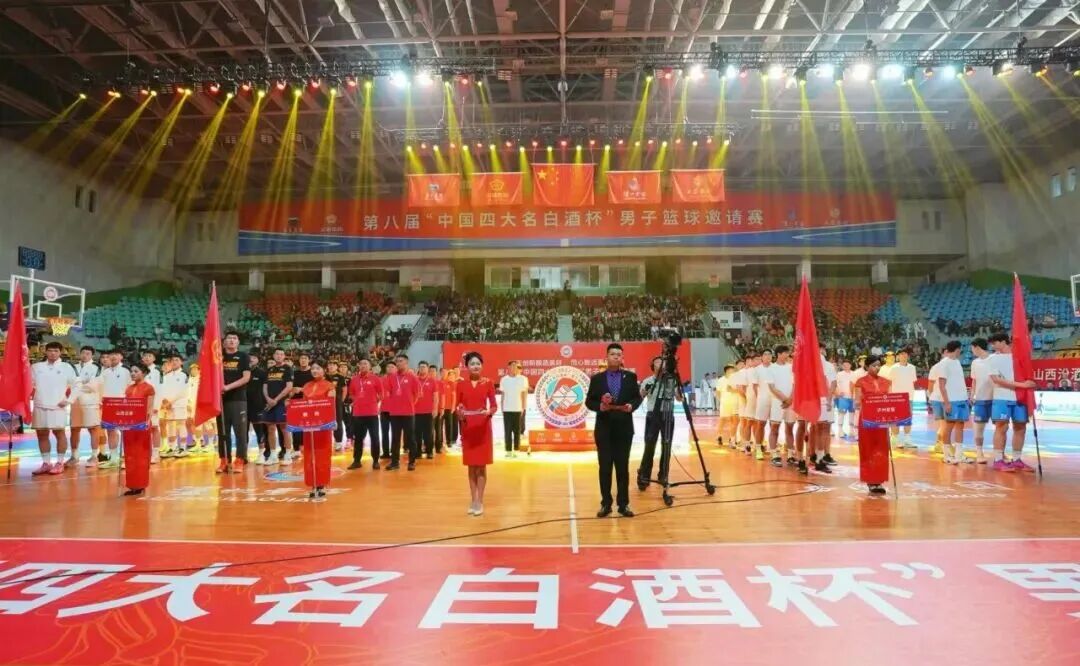
第八届中国“四大名白酒杯”男子篮球邀请赛盛大开幕
Qi Lu Wan Bao· 2025-09-25 14:01
Core Viewpoint - The eighth "China's Four Famous Liquor Cup" men's basketball invitational tournament emphasizes collaboration and innovation among the four major liquor brands, aiming to foster a community for mutual development and promote the high-quality growth of the Chinese liquor industry [1][5][17]. Group 1: Event Overview - The tournament is hosted by Moutai Group, Fenjiu Group, Luzhou Laojiao, and Xifeng Group, with the theme "Upholding Tradition and Innovation to Brew a Better Future" [1]. - The opening ceremony featured notable leaders from the four liquor companies and local sports officials, highlighting the importance of the event [3]. - The tournament includes six high-level matches over three days, showcasing the competitive spirit and skills of the participating teams [12]. Group 2: Leadership Insights - Leaders from the four major liquor companies discussed the structural changes and opportunities in the Chinese liquor industry during a pre-event meeting [14]. - Moutai's chairman emphasized the importance of enhancing product quality and cultural heritage to promote the internationalization of Chinese liquor [15]. - Fenjiu's chairman highlighted the need for the industry to embrace youthfulness and technological innovation to adapt to changing consumer trends [15]. - Luzhou Laojiao's chairman called for collaboration to build a healthy market ecosystem and promote the unique stories of Chinese liquor [15]. - Xifeng's chairman stressed the importance of maintaining quality and exploring diverse styles of Chinese liquor while fostering a spirit of cooperation [15]. Group 3: Cultural Significance - The tournament, first held in 1987, aims to blend sportsmanship with industry spirit, creating a blueprint for collaborative development [17]. - The event serves as a platform for the four major liquor brands to strengthen their bonds and drive the industry forward through shared values and cooperation [17].


白酒双节行情记:名酒需求回暖 价格普遍低于往年 |双节看消费
2 1 Shi Ji Jing Ji Bao Dao· 2025-09-25 11:41
Core Insights - The demand for high-end liquor has been declining, leading to a significant drop in sales for many liquor retailers, particularly in the context of the upcoming Mid-Autumn Festival and National Day [1][3][6] - Recent weeks have shown a slight recovery in liquor sales, but overall prices for high-end and mid-range liquors remain lower than in previous years, with some retailers reporting a double-digit decline in orders compared to last year [1][3][6][14] Sales Trends - Liquor sales have seen a noticeable increase in the last two weeks, particularly for well-known brands like Moutai and Wuliangye, driven by gift-giving and social gatherings [1][3][4] - Despite the uptick in sales, the prices of high-end liquors have not significantly rebounded, with many products still priced lower than during the same period last year [1][3][6][14] Marketing Strategies - Liquor companies are focusing more on marketing for the Mid-Autumn Festival and National Day, with various promotional activities being launched both online and offline [6][7] - Major brands like Wuliangye and Moutai are collaborating with media events to enhance visibility and drive sales during the festive season [6][7] Pricing Dynamics - The pricing strategies among different brands have diverged, with some brands maintaining stable prices while others are offering discounts to stimulate sales [10][12] - The price gap between major brands has narrowed, particularly between Wuliangye and Guojiao 1573, indicating a shift in market dynamics [10][12] Inventory Management - Retailers are cautious about stocking high-end liquors due to fluctuating prices and uncertain demand, often limiting their inventory to a few cases [9][14] - The trend of purchasing smaller quantities has become prevalent, with customers opting to buy only what they need for immediate consumption rather than stocking up [9][14] Market Outlook - Despite recent improvements in sales, the overall sentiment in the market remains cautious, with expectations that this year's festive sales will not match last year's performance [14] - Increased competition from online platforms and promotional activities is further complicating the market landscape for traditional liquor retailers [14]
双节名酒量价回升,飞天茅台本周微涨
21世纪经济报道· 2025-09-25 11:08
Core Viewpoint - The demand for high-end liquor has declined significantly, leading to a cautious market environment where brands are adjusting their strategies to cope with lower sales and price sensitivity [4][10][14]. Group 1: Market Trends - Recent months have seen a noticeable decline in the demand for high-end liquor, with many retailers relying on lower-priced options to maintain sales [4][10]. - As the Mid-Autumn Festival and National Day approach, there has been a slight recovery in liquor sales, but overall sales remain below last year's levels, with some retailers reporting a double-digit percentage drop in orders [6][12][14]. - The prices of high-end liquor are generally lower than in previous years, with many brands experiencing only slight price increases recently [5][10][14]. Group 2: Consumer Behavior - The majority of recent liquor purchases are for gatherings or banquets, with customers typically buying only a few bottles at a time rather than bulk orders [10][12]. - Retailers have noted that customers are increasingly price-sensitive, leading to a cautious approach in inventory management, with many stores limiting their stock of high-end liquor [12][14]. Group 3: Brand Strategies - Major liquor brands are focusing on marketing strategies for the upcoming holidays, with companies like Moutai and Wuliangye launching promotional campaigns [8][9]. - There is a noticeable divergence in pricing strategies among brands, with some maintaining stable prices while others are more aggressive in discounting to stimulate sales [11][14]. - The competitive landscape is intensifying, with online platforms frequently offering promotions that challenge traditional retail sales [15].
泸州老窖(000568) - 关于2021年限制性股票激励计划预留部分第二个解除限售期解除限售股份上市流通的提示性公告
2025-09-25 11:03
证券代码:000568 证券简称:泸州老窖 公告编号:2025-41 关于 2021 年限制性股票激励计划预留部分第二个解 除限售期解除限售股份上市流通的提示性公告 本公司及董事会全体成员保证信息披露的内容真实、准确、完整, 没有虚假记载、误导性陈述或重大遗漏。 特别提示: 1.公司2021年限制性股票激励计划预留部分第二个解除限售期 符合解除限售条件的激励对象为45名,可解除限售的限制性股票数量 为100,900股,占公司目前总股本的0.0069%。 2.本次可解除限售的限制性股票上市流通日为2025年9月29日。 泸州老窖股份有限公司(以下简称"公司")于 2025 年 9 月 16 日 召开第十一届董事会十五次会议,审议通过了《关于 2021 年限制性 股票激励计划预留部分第二个解除限售期解除限售条件成就的议案》。 根据公司《2021 年限制性股票激励计划(草案)》(以下简称"激励计 划"或"《激励计划》")的规定,公司办理了限制性股票激励计划预 留部分第二个解除限售期符合解除限售条件的 45 名激励对象共计 100,900 股限制性股票的解除限售事宜。具体情况如下: 一、本次激励计划已履行的程序 1. ...
解读成渝地区双城经济圈上市公司品牌价值:川酒领跑榜单 成都近4年增量拿下“双冠”
Mei Ri Jing Ji Xin Wen· 2025-09-25 09:23
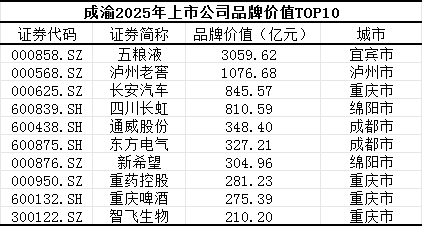
Core Insights - The Chengdu-Chongqing economic circle has seen its GDP grow from less than 6.3 trillion yuan in 2019 to 8.7 trillion yuan in 2024, marking a significant increase in its contribution to the national economy from 6.3% to 6.5% [1][2] Company Insights - Wuliangye tops the brand value rankings in the Chengdu-Chongqing region with a brand value of 305.96 billion yuan, followed by Luzhou Laojiao at 107.67 billion yuan, and Changan Automobile at 84.56 billion yuan [2][3] - The top ten companies in the Chengdu-Chongqing region have shown a significant increase in brand value, with the beverage industry leading the way [6][8] Industry Insights - The beverage industry has seen a brand value increase of 117.02 billion yuan over the past four years, while the automotive industry has surpassed 100 billion yuan in brand value, reaching 123.15 billion yuan in 2025 [6][8] - The equipment industry has doubled its number of listed companies over the past four years, indicating a shift towards high-tech upgrades and successful industry transfers from the eastern regions [12]


解读成渝地区双城经济圈上市公司品牌价值:川酒领跑榜单,成都近4年增量拿下“双冠”
Mei Ri Jing Ji Xin Wen· 2025-09-25 09:04
Core Insights - The Chengdu-Chongqing economic circle has seen its GDP grow from less than 6.3 trillion yuan in 2019 to 8.7 trillion yuan in 2024, marking an increase in its share of the national economy from 6.3% to 6.5% [1] - The brand value of listed companies in the Chengdu-Chongqing region has significantly increased, with Wuliangye and Luzhou Laojiao leading the rankings [2][3] Company Insights - Wuliangye (000858.SZ) ranks first with a brand value of 305.96 billion yuan, followed by Luzhou Laojiao (000568.SZ) at 107.67 billion yuan, and Changan Automobile (000625.SZ) at 84.56 billion yuan [2][3] - The beverage industry in the Chengdu-Chongqing region has seen a brand value increase of 117.02 billion yuan over the past four years, making it the highest among all industries [6][8] Industry Insights - The automotive industry in the region has surpassed a brand value of 100 billion yuan, reaching 123.15 billion yuan in 2025 [6][8] - The equipment industry has doubled the number of listed companies over the past four years, indicating a significant growth in this sector [8][10] - The agricultural sector has experienced a decline in brand value, primarily due to the shift of Tongwei Co., Ltd. (600438.SH) from agriculture to the equipment sector [6][8] Regional Insights - Chengdu has the highest increase in both the total brand value of listed companies and the number of companies listed over the past four years [4][5] - The Chengdu-Chongqing region serves as a strategic support for the Yangtze River Economic Belt and is a key demonstration area for the country's new urbanization efforts [2]

泸州老窖近十年首现业绩双降
YOUNG财经 漾财经· 2025-09-25 08:35
Core Viewpoint - Luzhou Laojiao has experienced a decline in both revenue and net profit for the first time in nearly a decade, indicating significant challenges in the current market environment and internal operational issues [3][5][15]. Financial Performance - In the first half of 2025, Luzhou Laojiao reported revenue of 16.454 billion yuan, a year-on-year decrease of 2.67%, and a net profit of 7.663 billion yuan, down 4.54% [4][7]. - The second quarter saw a further decline, with revenue of 7.1 billion yuan, down approximately 8% year-on-year, and a net profit of 3.073 billion yuan, down about 11% [4][5]. - The company's liquor revenue was 16.397 billion yuan, a decrease of 2.62%, while other income fell by 14.68% to 56.56 million yuan [6][7]. Product Performance - Luzhou Laojiao's high-end liquor segment generated revenue of 15.048 billion yuan, down 1.09%, accounting for 91.45% of total revenue, while other liquor sales dropped 16.96% to 1.35 billion yuan [6][7]. - The sales volume of high-end liquor increased by 13.33% to 24,100 tons, but the price per ton decreased by approximately 12.72% [8]. - The company faced challenges in maintaining its high-end market position while competing in the mid and low-end segments, which are under significant pressure [8][19]. Cost and Profitability - The costs of raw materials, labor, and manufacturing increased significantly, with raw material costs rising by 10.07%, labor costs by 14.53%, and manufacturing costs by 7.32% [9][10]. - Despite a reduction in sales expenses by 6.86%, the overall gross margin for liquor decreased by 1.47 percentage points to 87.18%, with net profit margin declining by 0.9 percentage points to 46.6% [12][14]. Market Environment - The Chinese liquor industry is undergoing a transformation from "volume competition" to "value creation," with significant changes in consumer preferences and market dynamics [5][17]. - Luzhou Laojiao's management highlighted four key shifts in consumer behavior: a focus on quality over quantity, a preference for personalized and lower-alcohol products, a restructured consumption environment, and the integration of online and offline sales channels [17][18]. Strategic Initiatives - To adapt to market changes, Luzhou Laojiao plans to enhance its product offerings by developing lower-alcohol products and expanding into new consumption scenarios [18]. - The company aims to strengthen its marketing strategies and improve its digital marketing capabilities to better reach consumers [18][19]. - Luzhou Laojiao is also focusing on penetrating lower-tier markets and diversifying its product range to create a more resilient business model [17][19].
连续七日“吸金”累计超1.5亿元,食品饮料ETF天弘(159736)盘中获净申购1800万份,机构:食品饮料板块有望估值和业绩双提升
2 1 Shi Ji Jing Ji Bao Dao· 2025-09-25 07:18
Core Viewpoint - The Tianhong Food and Beverage ETF (159736) is experiencing active trading and has seen significant net inflows, indicating strong investor interest in the food and beverage sector amid positive market signals and upcoming consumption events [1][2][3]. Group 1: ETF Performance - As of September 25, the Tianhong Food and Beverage ETF (159736) showed a slight decline of 0.55% with a trading volume exceeding 24 million yuan and a premium/discount rate of 0.18% [1]. - The ETF has recorded a net subscription of 18 million units, reflecting strong demand from investors [2]. - The ETF has seen a continuous net inflow of funds for seven consecutive trading days, accumulating over 150 million yuan [3]. Group 2: Composition and Holdings - The Tianhong Food and Beverage ETF closely tracks the CSI Food and Beverage Index, which includes stocks from the beverage, packaged food, and meat industries [3]. - Major holdings in the ETF include leading companies such as Kweichow Moutai, Yili Group, Wuliangye, Shanxi Fenjiu, Luzhou Laojiao, and Haitian Flavoring & Food [3]. Group 3: Market and Consumption Trends - Recent reports indicate a positive outlook for the liquor market, with Moutai's management noting a significant recovery in terminal sales as the traditional double festival approaches [4]. - Various promotional activities are being launched to stimulate consumption, including a 10 million yuan tourism consumption voucher initiative in Haikou [3].


白酒板块午盘下跌 贵州茅台微跌0.07%
Bei Jing Shang Bao· 2025-09-25 05:10
Core Viewpoint - The overall market showed a slight increase with the Shanghai Composite Index rising by 0.16% to 3859.62 points, while the liquor sector experienced a decline, indicating mixed performance in the industry [1] Industry Summary - The liquor sector index closed at 2259.28 points, down by 0.45%, with 16 liquor stocks experiencing declines [1] - Key liquor companies reported the following stock prices: - Kweichow Moutai at 1441.03 CNY, down 0.07% - Wuliangye at 122.00 CNY, up 0.30% - Shanxi Fenjiu at 194.28 CNY, down 0.17% - Luzhou Laojiao at 130.50 CNY, down 1.07% - Yanghe Brewery at 68.76 CNY, down 0.51% [1] Company Insights - Tianfeng Securities noted that liquor companies have begun preparations for the upcoming double festival, although the overall consumption environment remains under pressure [1] - The report highlighted a slight downward trend in the short-term prices of core high-end liquor, suggesting that better value propositions may stimulate sales [1] - Future focus will be on the recovery of the banquet market during the double festival [1]