WLY(000858)

Search documents
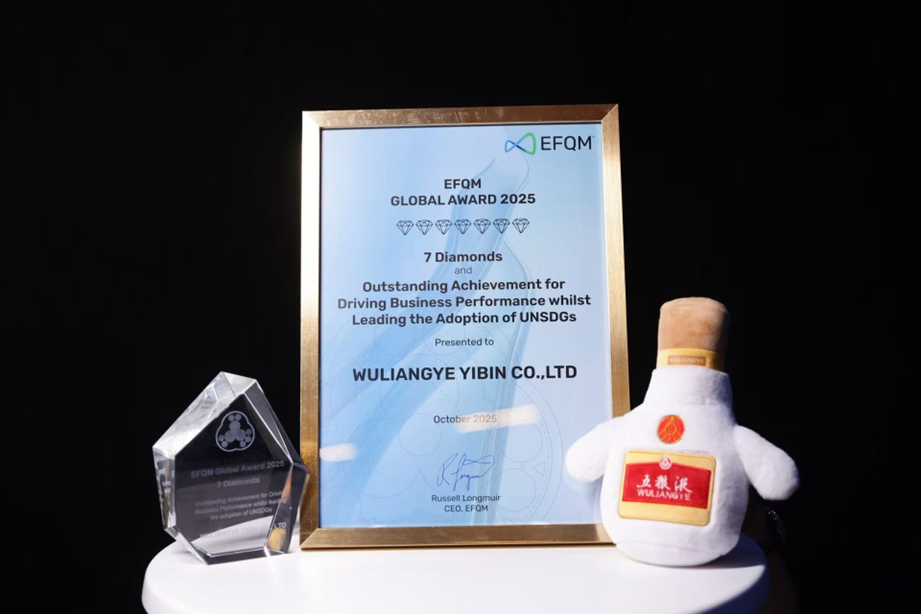
荣膺EFQM全球奖 五粮液以“可持续”语言创造中国白酒全球表达新范式
Xin Hua Cai Jing· 2025-10-19 13:15
Core Insights - Wuliangye has been awarded the highest level certification (Seven Diamonds) of the 2025 EFQM Global Award, marking the highest score for a Chinese company since the award's inception [1][2] - The company integrates the "Harmony and Beauty" concept into its global sustainable development agenda, showcasing its commitment to coexistence with nature and the modernization of Chinese liquor culture [1][4] Group 1: Award Recognition - The EFQM Global Award is one of the highest honors in quality management, alongside the Deming Prize and the Baldrige Award, with ratings ranging from Three Diamonds to Seven Diamonds [2] - Wuliangye's achievement of the Seven Diamonds certification reflects its excellence in quality management and operational strategy [2][4] Group 2: Quality Management and Innovation - Since the 1980s, Wuliangye has pioneered comprehensive quality management in the industry, embedding quality management principles into its corporate strategy and operations [4] - The EFQM assessment highlighted Wuliangye's outstanding performance in five areas: corporate culture based on "Harmony and Beauty," leading ecological system construction, alignment of strategy and performance indicators, balancing tradition and innovation, and promoting scalable development with an ESG focus [4][5] Group 3: Sustainable Development Initiatives - Wuliangye has established an integrated quality management system from "seed to wine," becoming the only company to win the highest honor in China's quality management field five times [5] - The company has initiated the construction of a "zero-carbon liquor enterprise" and created the industry's first national green factory, advancing green initiatives and carbon reduction [5][8] Group 4: Economic and Social Impact - Wuliangye's development model has generated over 300 billion yuan in output value and stabilized employment for 300,000 people, demonstrating its significant impact on regional economic development [8] - The company has invested nearly 3 billion yuan in support funds, benefiting over 1 million people, and has created a replicable model for social progress through industrial revitalization [8] Group 5: Cultural Exchange and Global Engagement - Wuliangye's participation in the EFQM conference reflects its efforts to blend Chinese "Harmony" wisdom with global modernization concepts, promoting cultural dialogue [9][10] - The company actively engages in high-level international platforms, aiming to reshape the narrative of Chinese liquor and enhance cultural exchange [10] Group 6: Future Outlook - Wuliangye plans to continue its commitment to the "Harmony" philosophy, driving management innovation and industry upgrades to lead the Chinese liquor sector towards higher quality and sustainability [10]



食品饮料行业本周资金流出榜:5股净流出资金超亿元
Zheng Quan Shi Bao Wang· 2025-10-19 13:11
Market Overview - The Shanghai Composite Index fell by 1.47% this week, with only four industries showing gains, led by the banking and coal sectors, which rose by 4.89% and 4.17% respectively [1] - The food and beverage industry ranked third in terms of weekly gains [1] Fund Flow Analysis - Total net outflow of main funds from both markets reached 301.749 billion yuan this week, with only two industries experiencing net inflows: banking (24.19 billion yuan) and coal (2.67 billion yuan) [1] - The electronic industry saw the largest net outflow, totaling 70.079 billion yuan, followed by the power equipment sector with a net outflow of 41.692 billion yuan [1] Industry Performance - The food and beverage sector increased by 0.86% this week, despite a net outflow of 378 million yuan in main funds [3] - Within the food and beverage sector, 49 out of 124 stocks rose, with notable increases from Kweichow Moutai (11.08%), Miaokelando (8.52%), and Guifaxiang (6.90%) [3] - Conversely, 71 stocks declined, with Jinzi Ham, Yangyuan Beverage, and Zhuangyuan Pasture experiencing significant drops of 17.80%, 16.56%, and 14.06% respectively [3] Top Stocks in Food and Beverage - Kweichow Moutai led the net inflow with 680 million yuan, followed by Luzhou Laojiao (204 million yuan) and Wuliangye (198 million yuan) [3] - The top outflow stocks included Jinzi Ham (-186 million yuan), Yangyuan Beverage (-171 million yuan), and Zhuangyuan Pasture (-135 million yuan) [4]



五粮液集团发布致消费者告知书 公布46家非授权店铺名单
Xin Lang Cai Jing· 2025-10-19 12:45
Core Viewpoint - Wuliangye Group has identified unauthorized stores selling its products on various online platforms, which disrupts normal sales order and poses risks to consumer rights [1] Group 1: Company Actions - The company released a notice to consumers listing 46 unauthorized stores across platforms like Douyin, JD.com, Kuaishou, Meituan, Pinduoduo, and Tmall [1] - Wuliangye Group recommends consumers purchase products through official channels listed on its website to ensure authenticity and quality [1] Group 2: Consumer Guidance - Consumers are advised to request invoices and purchase receipts to facilitate future verification of product authenticity [1] - The notice emphasizes the importance of buying from authorized sources to avoid potential risks associated with unauthorized sales [1]
EFQM七钻认证背后:五粮液用千年“和美”哲学,在欧洲讲述“可持续的卓越”
Tai Mei Ti A P P· 2025-10-19 12:15
Core Insights - Wuliangye has achieved significant recognition at the EFQM Global Awards in Spain, receiving the highest rating of seven diamonds and a special award for excellence in sustainable development, showcasing its commitment to sustainable practices across economic, environmental, and social dimensions [2][4][11] - The company hosted a themed forum titled "Harmony and Terroir: Brewing Sustainable Excellence," promoting the integration of Eastern brewing wisdom with Western cultural values, and launched the "Harmony and Terroir" initiative to foster cross-cultural dialogue on sustainability [2][4][12] - Wuliangye's global outreach, exemplified by its "Harmony Global Tour," has expanded to 17 countries, emphasizing its commitment to internationalization and cultural exchange [12][20] Company Achievements - Wuliangye has been recognized as a model of sustainable brewing, adhering to the philosophy of "Harmony between Heaven and Man," and employing traditional solid-state fermentation methods that align with natural processes [4][6][9] - The company has developed a comprehensive quality management system over 25 years, achieving numerous national quality honors and establishing itself as a leader in the Chinese liquor industry [11][20] - The recent launch of the 29° Wuliangye "First Sight" product in Europe reflects the company's strategy to cater to modern consumer preferences for lighter, smoother beverages while maintaining its signature flavor profile [14][16] Cultural and Environmental Integration - The concept of "terroir" is central to Wuliangye's identity, emphasizing the harmonious relationship between local resources, community, and economic activities, which is essential for producing high-quality spirits [9][10] - The unique terroir of Yibin, characterized by its favorable climate and rich soil, has been recognized by UNESCO as an ideal region for producing premium distilled spirits, contributing to Wuliangye's distinctive flavor [9][10] - Wuliangye's commitment to sustainability is evident in its innovative practices, which include environmentally friendly designs and recognition from international design awards [16][18] Future Directions - Wuliangye aims to continue its global journey by promoting its "Harmony Global Tour," focusing on cultural confidence and quality assurance while fostering sustainable practices [20] - The company plans to engage in future international events, including the 2026 FIFA World Cup, to further enhance its global brand presence and connect with diverse audiences [16][20]

酒博会来了
Chang Jiang Ri Bao· 2025-10-19 01:13
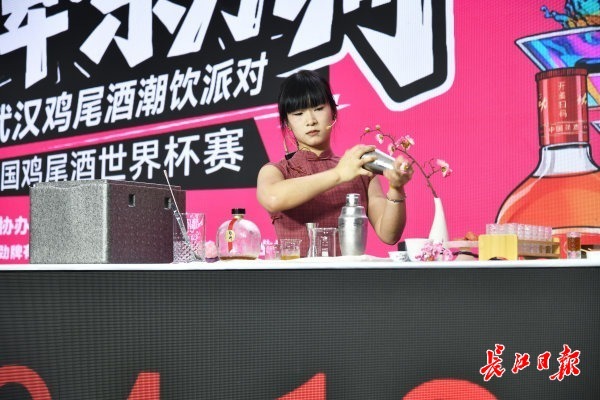
Core Points - The 23rd China International Wine Expo was held in Wuhan, marking its first appearance in the city, attracting global wine industry enterprises [1] - Major Chinese liquor companies such as Moutai, Wuliangye, Yanghe, Fenjiu, and Luzhou Laojiao participated in the event [5] - A cocktail mixing competition was held on-site, drawing numerous bartenders to showcase their skills [3] Company Highlights - Moutai, Wuliangye, Yanghe, Fenjiu, Luzhou Laojiao, and Jian Nan Chun were among the leading Chinese liquor companies present at the expo [5] - The participation of these industry leaders indicates a strong interest and investment in the wine market [1] Industry Insights - The event serves as a significant platform for networking and showcasing innovations within the global wine industry [1] - The cocktail mixing competition highlights the growing trend and interest in mixology, which may influence consumer preferences and market dynamics [3]


以“和美”之韵演绎时代新声五粮液亮相第二十三届中国国际酒业博览会
Xin Lang Cai Jing· 2025-10-18 21:10
Core Insights - The 23rd China International Wine Expo focuses on high-quality development in the liquor industry, aiming to explore new consumption markets and innovative opportunities for growth [2] - Wuliangye showcased its brand with a theme of "Harmony and Beauty," featuring a youthful design and interactive tasting experiences to attract younger consumers [1][2] - The launch of the "Wuliangye/Wine Expo Series: Years of Golden Flow" co-branded liquor has become a highlight, emphasizing the brand's heritage and innovation [1] Company Highlights - Wuliangye's exhibition at the Wine Expo is a tribute to its thousand-year heritage and a forward-looking exploration of the industry's future development paths [1] - The company emphasizes its commitment to ecological and green development, having been recognized in the 2024 ESG list for its outstanding contributions to environmental governance [1] - Wuliangye aims to upgrade product categories, consumer experiences, and quality standards, bridging traditional practices with modern trends [1] Industry Developments - The event serves as a platform for discussing the liquor industry's high-quality development goals and directions [2] - The launch of the 2025 National Rational Drinking Promotion Week and the 2025 China Liquor Industry ESG Forum highlights the industry's focus on sustainability and responsible consumption [1]
食品饮料行业周报:秋糖热度平淡,继续关注高股息品种-20251018
Shenwan Hongyuan Securities· 2025-10-18 14:38
Investment Rating - The report maintains a cautious outlook on the industry, suggesting that the liquor sector is in a bottoming process while food companies should seek structural opportunities from the bottom up [6][8]. Core Views - The liquor industry is expected to experience a prolonged period of inventory digestion, with pressure on third-quarter reports anticipated to continue into the first quarter of 2026. The report emphasizes that stock price recovery may precede fundamental improvements [6][7]. - For consumer goods, the report highlights the potential for structural growth driven by new consumption trends, recommending companies with strong long-term competitive advantages [6][8]. Summary by Sections 1. Weekly Industry Insights - The food and beverage sector outperformed the market, with a weekly increase of 0.86%, while the liquor segment rose by 1.78%. The sector ranked third among 31 sub-industries [5][29]. - Key stocks that performed well included Kweichow Moutai and Qingdao Beer, while stocks like Jinzi Ham faced significant declines [5]. 2. Market Performance by Sector - The report indicates that the liquor sector is facing significant adjustment pressures, with high channel inventories and weak demand expected to persist into the next year. The report anticipates that the sales performance during the 2026 Spring Festival will be under pressure due to high base effects from 2025 [7][29]. - The consumer goods sector is viewed positively, particularly in dairy and beer, with recommendations for stocks like Yili and Yanjing Beer, while also noting potential competition in the snack and beverage segments [8][29]. 3. Key Company Updates - Moutai's bottle price is reported at 1750 RMB, down 15 RMB week-on-week, while Wuliangye's price remains stable at approximately 830 RMB. The report notes that the autumn sugar and wine fair had a subdued atmosphere, reflecting ongoing market challenges [7][19]. - The report highlights significant profit growth for companies like Chenguang Biotech, with a projected net profit increase of 344.05% to 401.55% year-on-year for the first three quarters of 2025 [9][10]. 4. Valuation Metrics - As of October 17, 2025, the food and beverage sector's dynamic PE is reported at 19.74x, with a premium rate of 24%. The liquor sector's dynamic PE stands at 18.33x, with a premium rate of 15% [19][28]. 5. Sectoral Excess Returns - The food and beverage industry outperformed the Shenwan A index by 4.44 percentage points during the period from October 13 to October 17, 2025, with various sub-sectors showing different levels of performance [29][30].

五粮液荣获EFQM全球奖七钻
Xin Lang Cai Jing· 2025-10-18 14:05
Core Insights - Wuliangye has been awarded the highest level certification of "Seven Diamonds" at the 2025 EFQM Global Award, recognizing its excellence in performance management and sustainable development [1] - The company also received the "United Nations Sustainable Development Goals Implementation and Corporate Performance Excellence Award," highlighting its commitment to sustainability [1] - This recognition positions Wuliangye as a benchmark for sustainable performance among Chinese enterprises, providing a model for others to follow [1] Summary by Categories - **Awards and Recognition** - Wuliangye received the "Seven Diamonds" certification at the EFQM Global Award [1] - The company was also honored with a specific award for its efforts in sustainable development [1] - **Sustainability and Performance Management** - The awards signify Wuliangye's outstanding performance in sustainability and management practices [1] - The recognition serves as a demonstration of best practices for other Chinese companies aiming for sustainable performance [1]
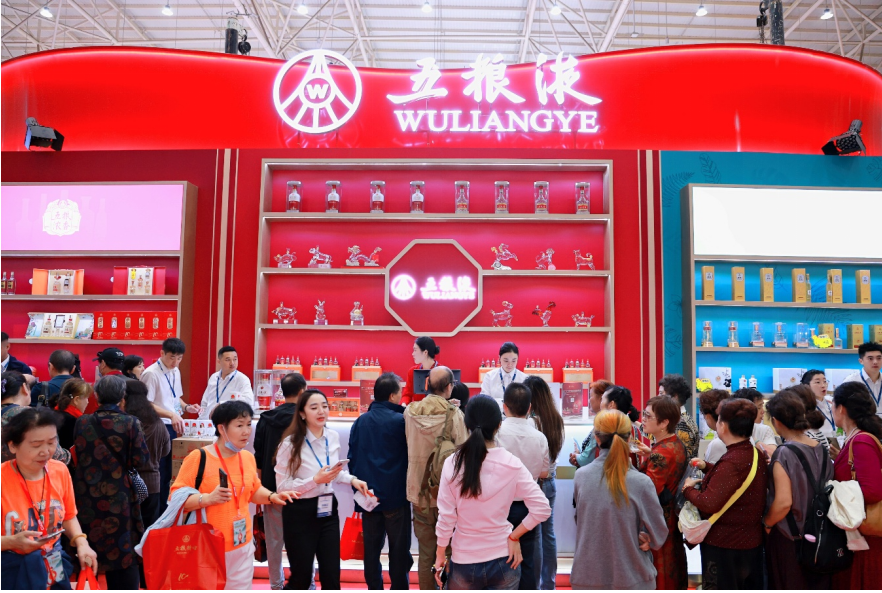
五粮液参展第二十三届中国国际酒博会
Zhong Jin Zai Xian· 2025-10-18 09:59
Core Viewpoint - The 23rd China International Wine Expo, hosted by the China Alcoholic Drinks Association, showcased Wuliangye's core products, highlighting its ancient brewing techniques and the unique charm of "Great Nation's Strong Aroma" [1][2]. Group 1: Event Overview - The expo, themed "World Famous Wines, Shared Glory," featured over 500 enterprises from 28 countries and regions, integrating product trading, information services, technical exchanges, investment promotion, and comprehensive services across the entire industry chain [2]. - Wuliangye launched the co-branded product "Wuliangye·Years of Golden Flow" during the event, which received positive consumer feedback [12][15]. - The event served as a significant platform for global wine industry exchange and cooperation, focusing on promoting consumption and benefiting people's livelihoods [11]. Group 2: Wuliangye's Presentation - Wuliangye's exhibition showcased its rich historical heritage and brand vitality, with a high-end, stylish booth that reflected both tradition and innovation [5][9]. - The exhibition featured a variety of core products, including the first to eighth generations of Wuliangye, classic series, and cultural creative products, attracting significant attention from attendees [7][9]. - The booth design included engaging elements like 3D visuals and tasting stations for low-alcohol products, enhancing consumer interaction and experience [9][10]. Group 3: Awards and Recognition - Wuliangye's products received accolades at the "Heaven and Man in Harmony: World Fine Wine Cultural and Creative Product Competition," winning gold and bronze awards in various categories [2][5]. Group 4: Market Impact - The expo provided a convenient channel for consumers to access high-quality alcoholic products, meeting the demand for premium white wines and injecting new vitality into the liquor market [15].
五粮液斩获2025年EFQM全球奖(七钻)最高级别认证 以东方智慧领航可持续发展
Zheng Quan Shi Bao Wang· 2025-10-18 09:00
Core Insights - Wuliangye has achieved the highest score in the history of Chinese enterprises at the EFQM Global Award, receiving the prestigious "Seven Diamonds" certification, which represents the highest honor in the EFQM excellence recognition system [1][4][10] - The award signifies international recognition of the quality management and sustainable development practices of Chinese liquor companies, enhancing Wuliangye's global brand image [3][4] Group 1: Award Significance - The EFQM Global Award is one of the three major quality awards globally, alongside the Deming Prize and the Baldrige Award, and is recognized for its rigorous evaluation framework [4] - Only 14 out of over 200 participating companies received awards this year, highlighting Wuliangye's exceptional management level [4] Group 2: Excellence Practices - Wuliangye's success is attributed to its outstanding practices across five dimensions: corporate culture, strategic alignment, ecosystem leadership, balance of tradition and innovation, and ESG-oriented development [5] - The company has integrated a "Harmony" culture into its operations, which is deeply embedded in its organizational DNA [5] - Wuliangye actively promotes sustainable practices aligned with the United Nations Sustainable Development Goals (UNSDGs), establishing itself as a leader in the industry [5][6] Group 3: Sustainable Development Initiatives - The company has implemented initiatives for green production, energy conservation, pollution reduction, and carbon neutrality, becoming the first in the industry to create a national green factory [6][7] - Wuliangye emphasizes the interdependence of environmental, economic, and social factors in achieving sustainable development [7] Group 4: International Expansion and Cultural Promotion - During its recent event in Spain, Wuliangye showcased its "Harmony" culture and engaged in cultural exchanges, enhancing its brand presence in the European market [9][10] - The company launched the "Harmony·Terroir Initiative," calling for global cooperation in ecological protection and sustainable practices within the brewing industry [9] Group 5: Future Outlook - Wuliangye aims to continue its commitment to quality and innovation, driving management and industry upgrades while enhancing the global presence of Chinese brands [10]