
Haige Communications(002465)

Search documents
广州海格通信集团股份有限公司关于2025年年度业绩预告的提示性公告
Shang Hai Zheng Quan Bao· 2026-01-14 18:49
关于2025年年度业绩预告的提示性公告 本公司及董事会全体成员保证信息披露的内容真实、准确和完整,没有虚假记载、误导性陈述或重大遗 漏。 经广州海格通信集团股份有限公司(以下简称"公司")财务部门初步测算,受行业客户调整及周期性波 动影响,以及创新业务的持续加大投入等原因影响,预计2025年年度公司归属于上市公司股东的净利润 为负值,公司2025年年度经营业绩将出现亏损。 登录新浪财经APP 搜索【信披】查看更多考评等级 证券代码:002465 证券简称:海格通信 公告编号:2026-007号 广州海格通信集团股份有限公司 特此公告。 广州海格通信集团股份有限公司 董 事 会 2026年1月15日 公司将严格遵循《深圳证券交易所股票上市规则》等相关规定,加快推进财务核算工作,尽快披露2025 年年度业绩预告。最终财务数据请以公司正式披露的2025年年度报告为准。 公司指定的信息披露媒体为《中国证券报》《证券时报》《证券日报》《上海证券报》和巨潮资讯网 (www.cninfo.com.cn),有关公司信息均以在上述媒体刊登的信息为准。敬请广大投资者理性投资, 注意投资风险。 ...

多家A股公司 预计盈利翻倍!2只“大牛股” 业绩大幅下滑!
Zheng Quan Shi Bao Wang· 2026-01-14 15:42
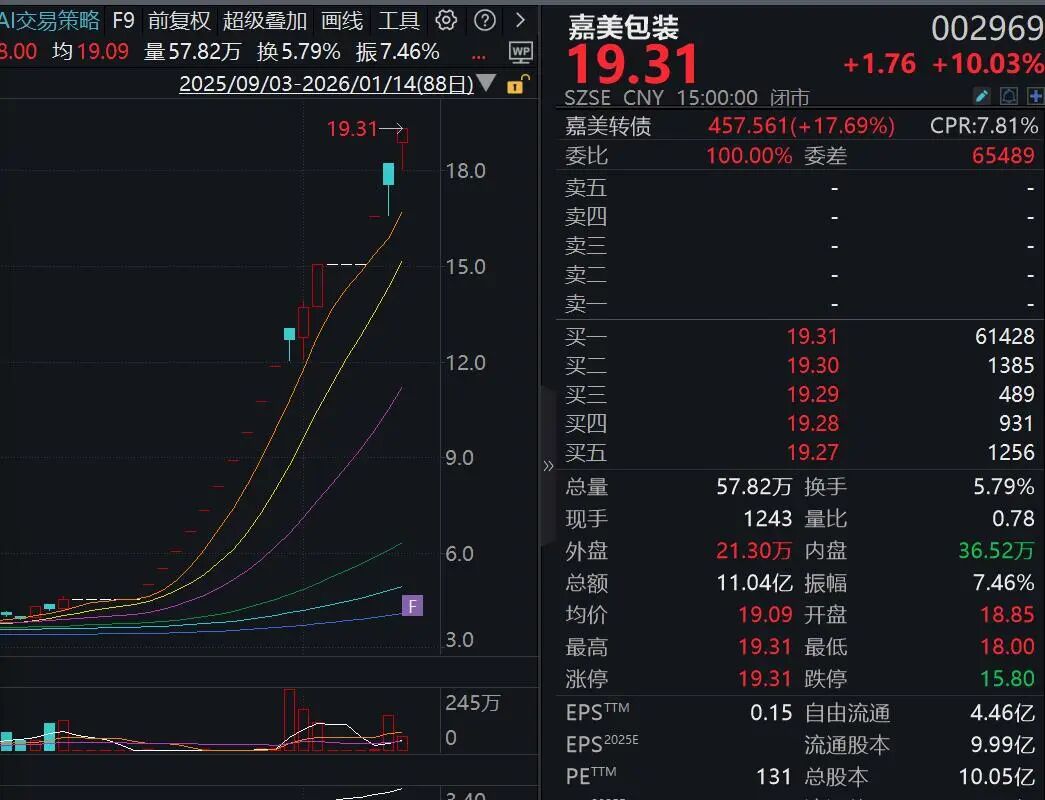
Group 1: Earnings Forecasts - Over 40 A-share companies disclosed their earnings forecasts or reports for 2025 on January 14, including popular stocks like Jiamei Packaging and Haige Communication [1] - Jinhaitong is expected to achieve a net profit of 160 million to 210 million yuan in 2025, representing a year-on-year increase of 103.87% to 167.58% [1] - Yonghe Co. anticipates a net profit of 530 million to 630 million yuan, with a year-on-year growth of 110.87% to 150.66% [2] Group 2: Industry Trends - The refrigerant industry is expected to maintain a high level of prosperity in 2025, with smooth production and sales connections, leading to increased revenue and gross margin [2] - The semiconductor packaging and testing equipment sector is experiencing sustained demand growth, contributing to Jinhaitong's performance [1] Group 3: Performance Declines - Jiamei Packaging forecasts a net profit of 85.437 million to 104 million yuan for 2025, a decline of 43.02% to 53.38% year-on-year, attributed to a "small year" in the beverage industry [3] - Haige Communication expects to report a net loss for 2025 due to industry client adjustments and increased investment in innovative businesses [6]


涨停复盘:今日全市场共108只股涨停,连板股总数19只,AI应用概念股利欧股份9天6板、省广集团4连板!
Jin Rong Jie· 2026-01-14 11:43
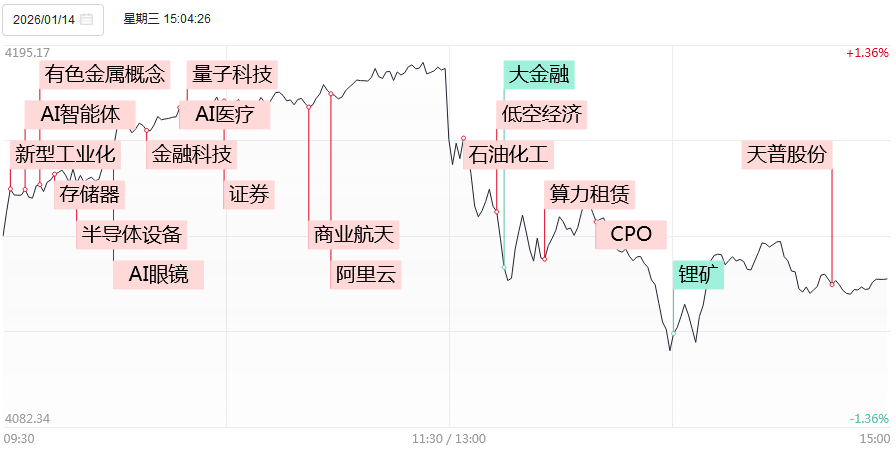
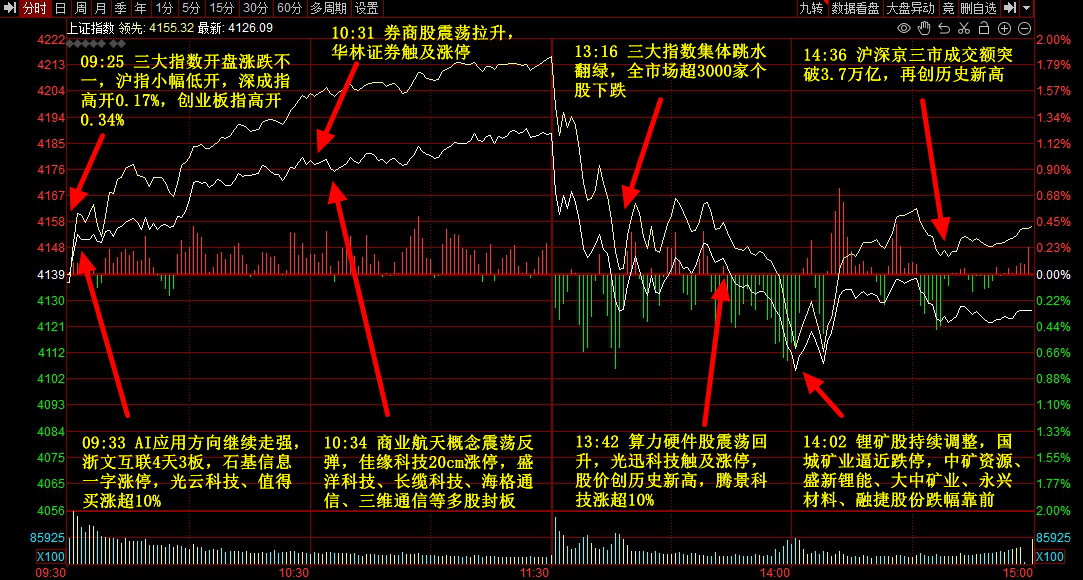
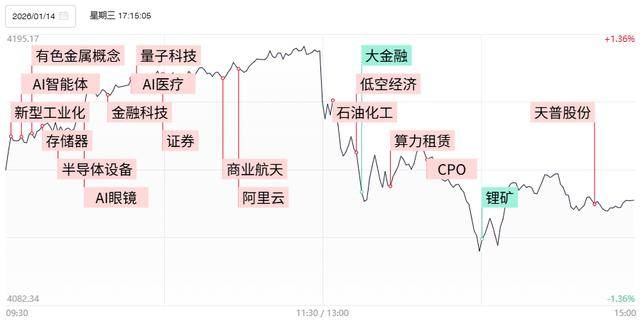
Market Overview - The market experienced a pullback after an initial rise, with the Shanghai Composite Index closing down 0.31% at 4126.09 points, while the Shenzhen Component Index rose 0.56% to 14248.60 points, and the ChiNext Index increased by 0.82% to 3349.14 points [1] - The total trading volume in the Shanghai and Shenzhen markets reached 3.94 trillion yuan, an increase of 290.4 billion yuan from the previous trading day, marking the third consecutive day of exceeding 3.5 trillion yuan [1] Sector Performance - AI application concepts surged, with over twenty constituent stocks hitting the daily limit, including Liou Co., which achieved six consecutive limit-ups in nine days, and other notable stocks like Shengguang Group and Xinhua Net [1] - The computing hardware sector saw a significant rise, with Guangxun Technology hitting a daily limit and reaching a new high [1] - The semiconductor sector also performed well, with Yaxiang Integration hitting a daily limit and achieving a historical high [1] - The commercial aerospace sector showed localized activity, with Haige Communication achieving three consecutive limit-ups and other stocks like Datang Telecom and Jiayuan Technology also hitting daily limits [1] Stock Performance - A total of 102 stocks hit the daily limit across the market (excluding ST and delisted stocks), with 19 stocks achieving consecutive limit-ups and a 63% limit-up rate [1] - Key focus stocks included Jiamei Packaging, which had 14 limit-ups in 19 days, and Youbang Ceiling, which achieved 8 limit-ups in 10 days [1] Hot Topics 1) AI Applications: Institutions indicate that domestic large models have entered a systematic layout and ecological construction phase, suggesting rapid development opportunities for AI applications [11] 2) Commercial Aerospace: CCTV reports that China's application for 203,000 satellite frequency resources is a long-term strategic action, expected to profoundly change the digital lives of millions [11] 3) Alibaba Concepts: Alibaba Cloud has released a multimodal interaction development kit, pre-setting over ten agents and tools for various life and work efficiency applications [11] 4) Automotive Industry Chain: The Ministry of Industry and Information Technology emphasized that 2026 marks the beginning of the "14th Five-Year Plan," presenting significant opportunities for the development of smart connected new energy vehicles [12]


主力资金丨5股尾盘获主力资金大手笔抢筹
Zheng Quan Shi Bao Wang· 2026-01-14 11:16
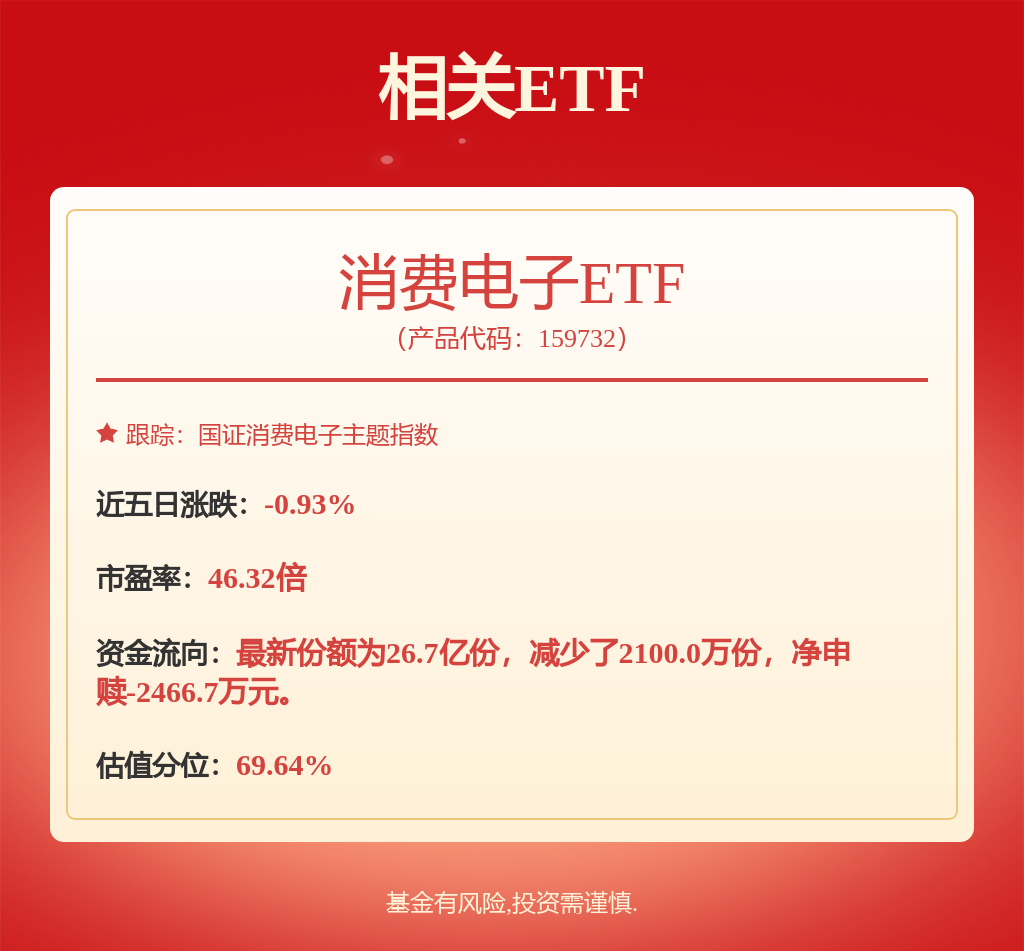
Group 1 - The core point of the article highlights that on January 14, the main funds in the Shanghai and Shenzhen markets experienced a net outflow of 504.74 billion yuan, with the ChiNext board seeing a net outflow of 210.18 billion yuan and the CSI 300 index stocks a net outflow of 154.4 billion yuan [1] - Among the 17 primary industries, the computer industry had the highest increase, rising by 3.42%, while the banking and real estate sectors saw declines exceeding 1% [1] - Ten industries experienced net inflows of main funds, with the computer industry leading at a net inflow of 46.7 billion yuan, followed by non-bank financials and telecommunications with inflows exceeding 11 billion yuan each [1] Group 2 - In individual stock performance, the automotive parts company Shanzi Gaoke had the highest net inflow of main funds at 21.18 billion yuan, with a trading volume of 128.48 billion yuan and a turnover rate of 24.14% [2] - PCB concept stock Hu Dian shares saw a net inflow of 13.28 billion yuan, ranking second, while AI financial stock Lakala had a net inflow of 12.91 billion yuan [2] - The article also notes that over 250 stocks had net outflows exceeding 1 billion yuan, with 10 stocks seeing outflows over 10 billion yuan [3] Group 3 - The article mentions that leading sectors for net outflows included robotics, electricity, and wind power, with each seeing outflows exceeding 21 billion yuan [4] - Hai Ge Communication experienced a net outflow of 14.3 billion yuan, with the company announcing expected losses for the 2025 fiscal year [4] - The tail-end trading session saw a net outflow of 54.14 billion yuan, with the CSI 300 index stocks experiencing a net outflow of 49.52 billion yuan [5]





海格通信1月14日龙虎榜数据
Zheng Quan Shi Bao Wang· 2026-01-14 10:44
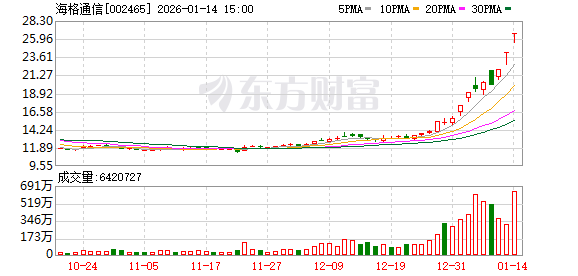
海格通信今日涨停,全天换手率25.91%,成交额170.05亿元,振幅4.72%。龙虎榜数据显示,深股通净 卖出2.40亿元,营业部席位合计净卖出3.39亿元。 深交所公开信息显示,当日该股因日涨幅偏离值达9.35%上榜,深股通净卖出2.40亿元。 证券时报·数据宝统计显示,上榜的前五大买卖营业部合计成交40.54亿元,其中,买入成交额为17.38亿 元,卖出成交额为23.16亿元,合计净卖出5.78亿元。 具体来看,今日上榜的营业部中,深股通为第三大买入营业部及第二大卖出营业部,买入金额为2.93亿 元,卖出金额为5.33亿元,合计净卖出2.40亿元。 资金流向方面,今日该股主力资金净流出14.34亿元,其中,特大单净流出12.10亿元,大单资金净流出 2.24亿元。近5日主力资金净流入1.44亿元。 融资融券数据显示,该股最新(1月13日)两融余额为26.22亿元,其中,融资余额为25.89亿元,融券余 额为3335.24万元。近5日融资余额合计增加6.65亿元,增幅为34.56%,融券余额合计增加461.19万元, 增幅16.05%。(数据宝) 海格通信1月14日交易公开信息 | 买/ | 会员营业部名 ...
A股五张图:“牛市要素”齐全了
Xuan Gu Bao· 2026-01-14 10:36
Market Overview - The market experienced a "bull market characteristic" day with significant movements in various sectors, particularly AI applications and financial stocks, leading to multiple stocks hitting the daily limit up [3] - The Shanghai Composite Index closed down 0.31%, while the Shenzhen Component and ChiNext Index rose by 0.56% and 0.82%, respectively, indicating mixed market performance overall [3] Trading Volume - The total trading volume reached a historical high, exceeding 3.9 trillion yuan, with notable large sell orders from major stocks during the closing auction [4] Sea Grid Communication - Sea Grid Communication saw a strong opening with a significant buy order of over 3 billion yuan, driven by notable market players, leading to a rapid price increase [6][7] - The stock's performance was influenced by the presence of prominent investors, including Chen Xiaoqun, who contributed to its price surge [7][10] Debonair Shares - Debonair announced plans to withdraw from A-share listing, offering a cash option to dissenting shareholders at 19 yuan per share, representing a 35.3% premium over the last trading price [14][15] - The stock opened with a large buy order, indicating strong investor interest, despite previous failed privatization attempts [14][15] 6G Concept - The 6G sector saw collective gains, with stocks like Sanwei Communication and Dongfang Communication achieving multiple consecutive limit ups, driven by recent satellite applications and innovations [17][19] - The sector's growth is supported by the need for low-orbit satellite resources, which are essential for the development of 6G networks [20] Alibaba Concept - Stocks related to Alibaba experienced significant increases, with several achieving consecutive limit ups, spurred by Alibaba's strong performance in the US and Hong Kong markets [24][25] - The launch of the Qianwen app, which has rapidly gained user traction, further fueled interest in Alibaba-related stocks [25][26]
晚间公告|1月14日这些公告有看头
Di Yi Cai Jing· 2026-01-14 10:21
Key Points - The article summarizes important announcements from various companies, highlighting stock price fluctuations and financial forecasts [2][3][4][5][6][7][8][9][10][11][12][13][14][15][16][17][18][19][20][21][22] Group 1: Stock Price Fluctuations - Shangwei New Materials warns that if its stock price continues to rise, it may apply for a trading suspension due to significant deviations from its fundamentals [2] - Guangyun Technology indicates that its stock price has significantly diverged from market trends, and it may apply for a trading suspension if prices rise further [3] - Zhuoyi Information reports a cumulative price increase of over 100% in ten trading days, indicating severe abnormal fluctuations [5] - Aobang Ceiling states that its stock price has deviated significantly from its fundamentals, and it may apply for a trading suspension if prices rise further [8] Group 2: Financial Forecasts - Dayou Energy expects a net loss of 1.7 billion yuan for 2025 [13] - CITIC Bank projects a net profit of 70.618 billion yuan for 2025, a year-on-year increase of 2.98% [14] - CITIC Securities anticipates a net profit of 30.051 billion yuan for 2025, a year-on-year increase of 38.46% [15][16] - Hu Silicon Industry forecasts a net loss between 1.28 billion and 1.53 billion yuan for 2025 [17] - Huazheng New Materials expects a net profit of 260 million to 310 million yuan for 2025, indicating a turnaround from losses [18] - Jinyu Group anticipates a net loss between 900 million and 1.2 billion yuan for 2025 [19] - Kinghaitong expects a net profit of 160 million to 210 million yuan for 2025, a year-on-year increase of 103.87% to 167.58% [19] - Qu Mei Home anticipates a net loss of 75 million to 110 million yuan for 2025, with a narrowed loss margin [20] - The Robot company expects a net loss for 2025 [21] Group 3: Major Contracts - China Electric Power Construction has signed a contract for a seawater desalination project in Iraq, valued at approximately 17.193 billion yuan [21]






今日这些个股异动 主力抛售电力设备、电子板块



Di Yi Cai Jing· 2026-01-14 10:01
Volatility - Today, 43 stocks in the A-share market experienced a fluctuation of over 20% [1] - Stocks such as Shifeng Precision, Meideng Technology, and Landi Information had the highest volatility [1] Turnover Rate - A total of 77 stocks in the A-share market had a turnover rate exceeding 30% today [1] - Leading stocks in turnover rate included Tianlong Group, Kuntai Co., and Huaren Health [1] Main Capital Flow - Main capital today saw a net inflow into sectors such as computer, non-bank financials, and telecommunications, while experiencing a net outflow from power equipment, electronics, and defense industries [1] - Stocks with the highest net inflow of main capital included Shanzi Gaoke (2.118 billion), Hudian Co. (1.328 billion), Lakala (1.291 billion), Huasheng Tiancai (0.928 billion), and Torse (0.840 billion) [1] - Stocks with the highest net outflow of main capital included Sanhua Intelligent Control (2.607 billion), TBEA (2.509 billion), Goldwind Technology (2.165 billion), Haige Communication (1.430 billion), and Changying Precision (1.339 billion) [1]
焦点复盘沪指午后跳水一度逼近4100点,商业航天概念分化持续,半导体设备股卷土重来
Sou Hu Cai Jing· 2026-01-14 09:56
| 连板数 | 晋级率 | 2025-1-14连板股分布图 | | | --- | --- | --- | --- | | 4进5 | 1/3=100% | 直真科技(商业航天+AIDC+AI应用) | | | 3进4 | 4/8=50% | 三维通信(商业航天+AI应用+量子科技) | 省广集团(AI应用) | | | | 利欧股份 (AI应用) | 美年健康(AI应用) | | 2进3 | | 友邦吊顶(实控人变更) | 博菲电气(核电+化工) | | | | 德龙汇能(实控人变更) | 明牌珠宝(黄金概念+光伏) | | | 9/16=56% | 三江购物(零售+阿里概念) | 新华网(AI应用) | | | | 海格通信(脑机接口+商业航天) | 人民网 (AI应用) | | | | 金隅集团(商业航天+核电) | | | 1进2 | 16/138=11% | 新里程(AI医疗) | 海王生物(创新药) 国际医学(脑机接口) | | | | 外服控股(AI应用) | | | | | 三变科技 (IDC电源) | | | 其他涨停 | | 嘉美包装19天14板(实控人变更) | 银河电子8天7板(商业航 ...


海格通信(002465.SZ):2025年年度经营业绩将出现亏损
Ge Long Hui A P P· 2026-01-14 09:30
格隆汇1月14日丨海格通信(002465.SZ)公布,公司财务部门初步测算,受行业客户调整及周期性波动影 响,以及创新业务的持续加大投入等原因影响,预计2025年年度公司归属于上市公司股东的净利润为负 值,公司2025年年度经营业绩将出现亏损。 ...