BYD(002594)

Search documents
比亚迪加入、马年“金融战”再开打!超二十家汽车品牌力推七年低息贷款
Xin Lang Cai Jing· 2026-02-25 07:28
Group 1 - Multiple automotive brands have launched "seven-year low-interest loan" financial policies since the beginning of the Year of the Rabbit, with BYD offering daily payments as low as 29 yuan [1] - Nearly ten automotive brands have introduced "seven-year low-interest loan" policies in February alone, including brands like Chery, Jietu, and NIO, with the total exceeding twenty brands when considering January and February [1] - Tesla was the first to introduce a limited-time ultra-long-term car purchase plan in China, offering annual interest rates below 1% for Model 3 and Model Y, reflecting banks' confidence in Tesla's product reliability [1] Group 2 - Following Tesla, companies like Geely, Xiaomi, and Li Auto quickly adopted similar financial strategies, with Dongfeng Nissan even offering an "eight-year ultra-long-term low-interest" plan [2] - In addition to financial policies, various promotional activities have emerged in the automotive market, such as GAC Honda's significant discount on the Accord, showcasing a trend of aggressive marketing strategies [2] - The introduction of seven-year low-interest loans has become a favored promotional tool among mainstream automakers, helping to stimulate orders and capture market share while maintaining a respectable pricing strategy [2]




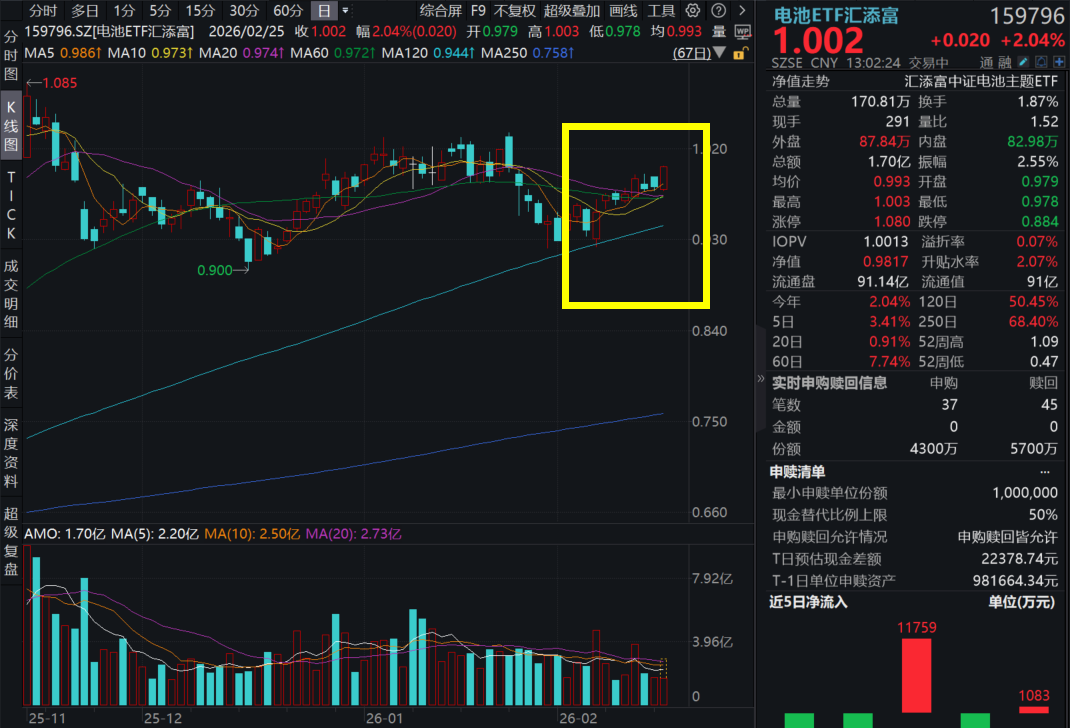
碳酸锂期货大涨超5%,什么情况?电池板块急拉,阳光电源涨超2%,电池ETF汇添富(159796)飙涨超2%,储能内卷模式有望转变?
Xin Lang Cai Jing· 2026-02-25 05:29
Core Viewpoint - The A-share market continues its strong performance with the Shanghai Composite Index rising over 1%, and the battery ETF Huatai (159796) experiencing a surge of over 2% as it aims for consecutive gains [1] Group 1: Battery ETF Performance - The battery ETF Huatai (159796) sees most of its constituent stocks rising, with Greeenmei up over 4%, and other companies like Sungrow Power, EVE Energy, and Tianci Materials increasing by over 2% [3] - The top ten constituent stocks of the battery ETF include significant players such as Sanhua Intelligent Control, Sungrow Power, and CATL, with varying performance and estimated weights in the index [4] Group 2: Lithium Carbonate Market - Lithium carbonate futures contracts have surged over 5%, reaching a peak of over 170,000.00 yuan, driven by market sentiment and supply-demand dynamics [5] - Recent rumors regarding the suspension of lithium ore exports from Zimbabwe have raised market concerns, although the actual impact remains to be verified [7] Group 3: Battery Production and Sales - In January, China's production and sales of power and energy storage batteries saw significant year-on-year growth, with total production reaching 168.0 GWh, a 55.9% increase year-on-year [8] - The sales volume for power batteries was 102.7 GWh, accounting for 69.0% of total sales, while energy storage batteries reached 46.1 GWh, showing a remarkable 164.0% year-on-year increase [8] Group 4: Solid-State Battery Developments - BYD has announced advancements in sulfide solid-state batteries, which are expected to achieve breakthroughs in battery life and fast charging, with small-scale production anticipated by 2027 [8] - The solid-state battery sector is gaining momentum, with optimistic statements from major companies indicating positive progress in technology [8] Group 5: Energy Storage Market Outlook - The energy storage market is expected to see significant growth, with projections indicating over 60% growth in 2026, driven by strong demand and supportive policies [9] - The domestic energy storage market has completed substantial orders, indicating robust demand despite concerns over rising lithium carbonate prices [9] Group 6: Investment Strategy in Battery Sector - The battery sector's fundamentals and technological catalysts are expected to support strong stock performance, suggesting that investors may consider index investments to capture opportunities [10] - The battery ETF Huatai (159796) is highlighted for its significant exposure to the energy storage segment and solid-state battery technology, making it a favorable choice for investors [10][12]





专家共话广东“新春第一会”:“两业协同”下智能经济怎么干
Nan Fang Du Shi Bao· 2026-02-25 03:29
Core Viewpoint - The Guangdong High-Quality Development Conference emphasizes the coordinated development of manufacturing and service industries as a key direction for industrial upgrading and economic growth in the province [1] Group 1: Opportunities and Challenges of "Two-Industry Coordination" - Guangdong has three main advantages: a solid manufacturing base with complete industrial chains in electronics, home appliances, and equipment manufacturing; a vibrant private economy with strong digitalization willingness; and a high degree of openness as a frontier of reform and opening up [2][3] - Current challenges include insufficient penetration of productive services into manufacturing, a mismatch between high-end service supply and manufacturing upgrade needs, and a lack of tight coordination among different regions in Guangdong [2] Group 2: Key Technologies and Policy Adaptation - The main bottlenecks for technologies like low-altitude economy, autonomous driving, and embodied intelligence transitioning from labs to daily life are not technical maturity but rather institutional adaptability and scenario openness [4] - Key policy adaptations include establishing a "negative list + sandbox regulation" mechanism, creating large-scale demonstration corridors in key cities, clarifying accident responsibilities, and establishing a compliant data circulation framework [4] Group 3: Talent Introduction and Support - Guangdong's annual absorption of over one million college graduates provides essential talent support for AI ecosystem construction, technology transfer, and service innovation [5][6] - Continuous inflow of talent, especially in basic research and technical application, is crucial for long-term support of AI ecology and service innovation in Guangdong [6][7] Group 4: AI Empowerment and Economic Restructuring - AI is reshaping production and service models across various industries, with core application scenarios including digital twin factories, smart quality inspection, predictive maintenance, and flexible production in advanced manufacturing [8] - To help small and medium-sized enterprises perceive the value of AI, lightweight and low-cost AI SaaS tools should be promoted, along with subsidies for technological upgrades and policies to lower digital transformation barriers [8] Group 5: Transition from "Scientific Content" to "Economic Value" - Guangdong's "scientific content" is evident in high policy precision, strong innovation practices among leading enterprises, and an active talent ecosystem [9] - The key path to converting "scientific content" into "economic value" involves building an AI industry innovation alliance, improving the "listing and hanging" mechanism for technology transfer, and creating a talent hub for AI [9][10]
中国汽车给欧洲市场普及插混
3 6 Ke· 2026-02-25 03:26
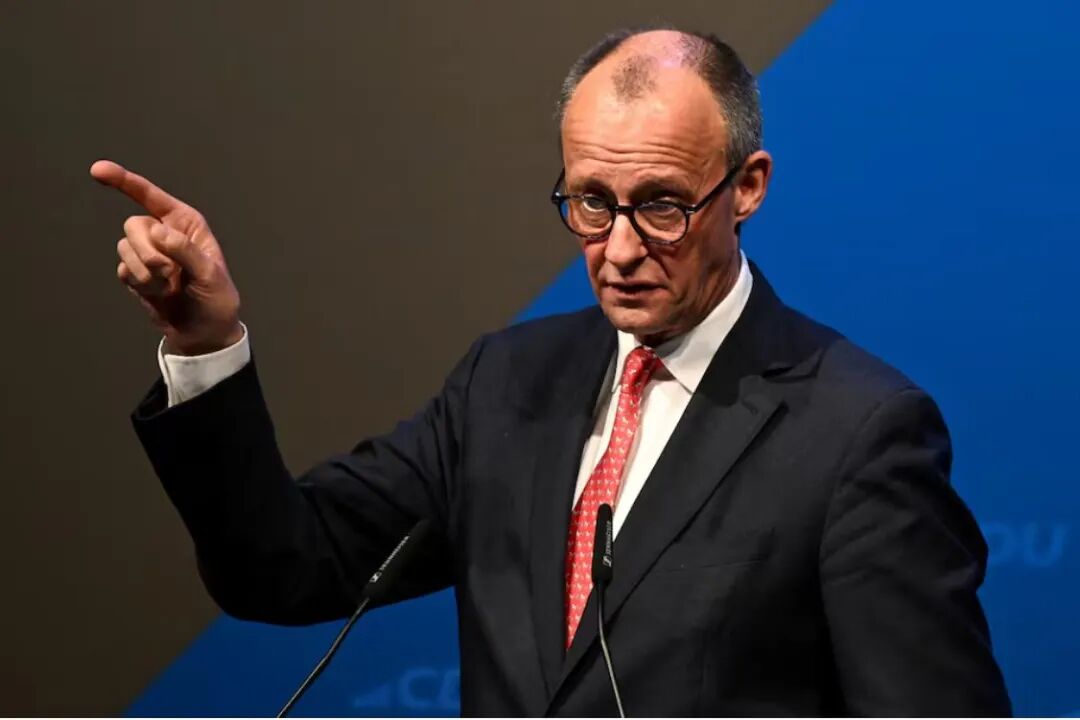
Core Insights - The article discusses the significant shift in the automotive trade dynamics between Germany and China, highlighting the decline of German car exports to China and the rise of Chinese automotive brands in the European market [1][7][11]. Group 1: Trade Dynamics - German car exports to China are projected to drop below €14 billion by 2025, a decrease of nearly 50% from nearly €30 billion three years ago [3][7]. - In January, Chinese automotive brands saw an 80% year-on-year increase in sales in Europe, capturing a market share of 7.4%, nearly double from a year prior [3][9]. - The demand structure in the Chinese market is changing, with local brands rapidly improving their product offerings in the new energy vehicle sector, which is squeezing the market share of German automakers [7][9]. Group 2: Market Performance - BYD has become the best-selling Chinese automotive brand in Germany, with January sales reaching 2,069 units, a 1000% increase year-on-year [9][12]. - The overall European market saw a 3.6% decline, while Chinese brands' sales surged, indicating a significant competitive shift [9][10]. - The sales of plug-in hybrid vehicles (PHEVs) from Chinese brands accounted for 29% of their total sales in Europe in January, up from 11% the previous year [12][18]. Group 3: Strategic Responses - German automakers are adapting by enhancing local R&D capabilities and forming partnerships, such as Volkswagen's investment in XPeng and collaborations with Horizon Robotics [18][20]. - The decision-making cycle for German car manufacturers is longer, typically taking 3-5 years for new models, while Chinese companies can iterate in about 18 months, creating a competitive disadvantage for German firms [20][21]. - German Chancellor Merz's visit to China aims to negotiate for more time for the German automotive industry to adjust to these changes [21][23]. Group 4: Future Outlook - The interaction between the Chinese and European automotive industries is evolving from a one-way technology transfer to a two-way technology flow, which could foster mutual technological advancements [23]. - The competitive landscape is shifting, with both sides needing to adapt to the changing market dynamics and consumer preferences [6][23].
当方向盘交给AI,会发生什么
2 1 Shi Ji Jing Ji Bao Dao· 2026-02-25 02:50
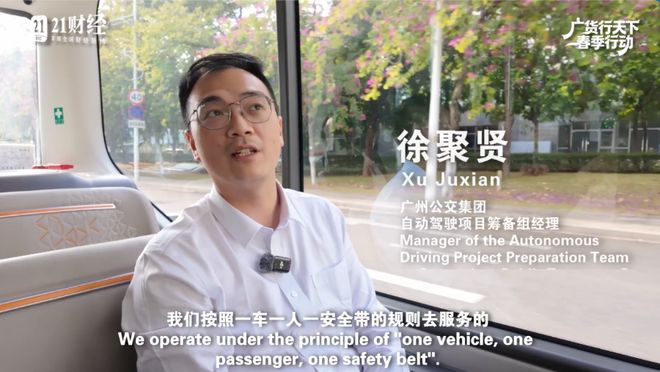
Core Insights - The article discusses the transformative impact of AI on urban transportation in Guangdong, highlighting the integration of autonomous driving technology and smart traffic management systems [1][2][17] - It emphasizes the collaboration between advanced manufacturing and modern services to create a new intelligent economy, enhancing safety and efficiency in urban transport [1][17] Group 1: AI Integration in Transportation - AI has been deeply integrated into transportation in Guangdong, with autonomous buses and smart traffic systems improving the flow and safety of urban transport [2][5] - The implementation of AI-driven traffic management during the 15th Games in Guangzhou resulted in zero errors, complaints, or accidents, showcasing the effectiveness of the system [9][11] Group 2: Challenges and Future of Autonomous Driving - Despite the current success, concerns remain about accountability in case of AI decision-making errors during autonomous driving [7] - Experts predict that the year 2026 will mark a significant milestone for the large-scale application of autonomous driving technology, with continuous advancements expected in the next three to five years [17][20] Group 3: Economic and Social Implications - The rise of autonomous public transport may lead to the reorganization of job roles, with traditional driving positions evolving into safety monitoring roles [13][15] - The shift towards AI in transportation is expected to reduce the number of vehicles on the road, thereby transforming urban infrastructure and reducing parking needs [15][17] Group 4: Global Impact and Market Expansion - Companies like BYD have surpassed Tesla in electric vehicle sales, indicating a growing global presence for Chinese smart transportation solutions [17][18] - The expansion of companies like XPeng into new markets reflects the international demand for AI-driven transportation solutions, contributing to the global output of China's smart traffic ecosystem [18][17]

比亚迪王朝首款B级纯电SUV宋Ultra EV内饰亮相:支持前排座椅放倒
Feng Huang Wang· 2026-02-25 02:45
凤凰网科技讯 2月25日,比亚迪(002594)王朝网销售事业部总经理路天公开了王朝首款B级纯电SUV ——宋Ultra EV的内饰。 据悉,本月早些时候,比亚迪汽车官方还发布了宋Ultra EV的官图。新车号称"以简驭繁",在外观上东 方美学与当代设计融合,辅以悬浮式车顶,兼具姿态和科技感。 另外,在工信部今年1月发布的第403批《道路机动车辆生产企业及产品公告》新产品公示中,宋Ultra 首次现身。新车长宽高分别为4850×1910×1670mm、轴距2840mm,搭载峰值功率270kW单电机和磷酸 铁锂电池。 从图片来看,宋Ultra EV内饰简洁、偏年轻化,方向盘采用两辐式设计,车内配备一块悬浮式中控屏和 一块仪表屏,仪表屏左侧和中控屏下方的空调出风口预计支持手动调节方向。 新车中央扶手处配有双手机无线充电板、置物杯架等,并设置有物理按键和旋钮。宋Ultra EV的轴距为 2840mm,支持前排座椅放倒,宣称"前后排座椅秒变双人大床"。 ...
300ESGETF华夏(159791)开盘跌0.09%
Xin Lang Cai Jing· 2026-02-25 01:40
300ESGETF华夏(159791)业绩比较基准为沪深300ESG基准指数收益率,管理人为华夏基金管理有限 公司,基金经理为张金志,成立(2022-02-24)以来回报为11.40%,近一个月回报为0.33%。 声明:市场有风险,投资需谨慎。本文基于第三方数据库自动发布,不代表新浪财经观点,任何在本文 出现的信息均只作为参考,不构成个人投资建议。如有出入请以实际公告为准。如有疑问,请联系 biz@staff.sina.com.cn。 来源:新浪基金∞工作室 2月25日,300ESGETF华夏(159791)开盘跌0.09%,报1.114元。300ESGETF华夏(159791)重仓股方 面,贵州茅台开盘涨0.22%,中际旭创跌0.72%,宁德时代涨0.48%,招商银行跌0.10%,中国平安涨 0.31%,美的集团涨0.96%,长江电力涨0.12%,紫金矿业涨0.20%,兴业银行涨0.11%,比亚迪涨 0.02%。 ...





中国银河证券:节后多款旗舰新能源产品有望陆续上市,汽车市场消费有望回暖
Mei Ri Jing Ji Xin Wen· 2026-02-25 00:31
Group 1 - The core viewpoint of the article indicates that domestic automobile sales in China have experienced a temporary decline due to the traditional Spring Festival consumption lull and the impact of policy withdrawal [1] - The report anticipates a recovery in market demand following the Spring Festival, as production and work resumption progresses in an orderly manner [1] - The upcoming Beijing Auto Show, scheduled from April 24 to May 3, is expected to stimulate market activity as automakers prepare to launch flagship new models in the first half of 2026 [1] Group 2 - Several new models are expected to be launched, including the Li Auto L9 Livis, Xpeng GX, BYD Datang, Xiaomi YU7 GT, new SU7, AITO M6, Wey V9X, Zhiji V9, and Zeekr 8X [1] - The influx of new vehicle supply is likely to drive a rebound in market demand, with the penetration rate of new energy vehicles expected to hit a bottom and then recover [1]

美股全线受挫,微软特斯拉暴跌,软件外包云计算领跌,中概股小跌
Sou Hu Cai Jing· 2026-02-24 23:55
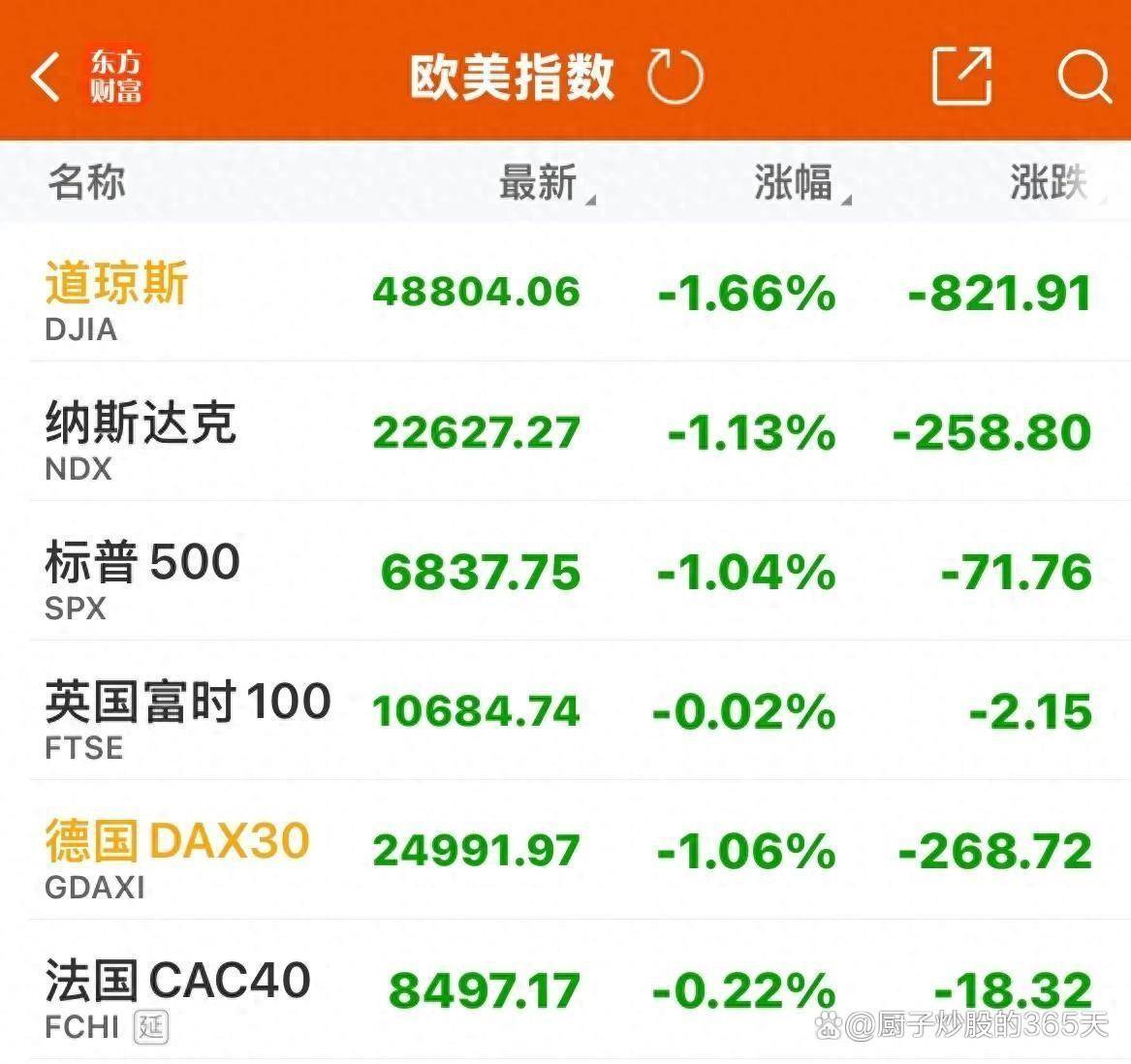
Market Overview - On February 24, 2026, U.S. stock markets experienced a significant drop, with all three major indices falling over 1%. The Dow Jones Industrial Average dropped by 821.91 points, closing at 48,804.06, a decline of 1.66%. The S&P 500 fell by 71.76 points to 6,837.75, down 1.04%. The Nasdaq Composite also declined by 258.80 points, closing at 22,627.27, a drop of 1.13% [1][2]. Sector Performance - The software services, information technology services, and financial sectors were heavily impacted, while precious metals and non-ferrous metals sectors showed resilience, indicating a shift of funds from high-risk assets to traditional safe havens like gold. The price of gold reached a critical level of $5,200 per ounce, with a daily increase of over 2% [2]. Company-Specific Impact - International Business Machines Corporation (IBM) faced a catastrophic decline, with its stock price plummeting by 13.15%, marking its largest single-day drop since March 2020. This decline was attributed to advancements in artificial intelligence, particularly a new capability from the startup Anthropic that modernizes the COBOL programming language, which is crucial for many legacy systems [3][4][5]. AI Disruption - The introduction of AI tools like Claude Code threatens traditional business models reliant on outdated technologies, as they can significantly reduce the time and resources needed for modernizing legacy systems. This has raised concerns about IBM's future, as it is a major provider of COBOL systems [5][6]. Broader Technology Sector Trends - Other major tech companies also saw declines, with Microsoft down 3.21%, Tesla dropping over 3%, and Amazon falling 2.30%. However, Nvidia and Apple managed to stay slightly positive, indicating a selective investment approach within the tech sector [8][9]. Chinese Stocks Performance - The Nasdaq Golden Dragon China Index fell by 0.95%, showing resilience compared to U.S. indices. However, individual stocks exhibited significant volatility, with declines in cloud computing and online travel sectors. Notably, NIO, a Chinese electric vehicle company, surged by 4.34% due to strong operational data [10][22]. Global Market Reaction - European markets followed the U.S. trend, with major indices like the DAX and CAC40 closing lower. The global market exhibited interconnectedness, with panic selling in the U.S. quickly affecting European stocks [13].




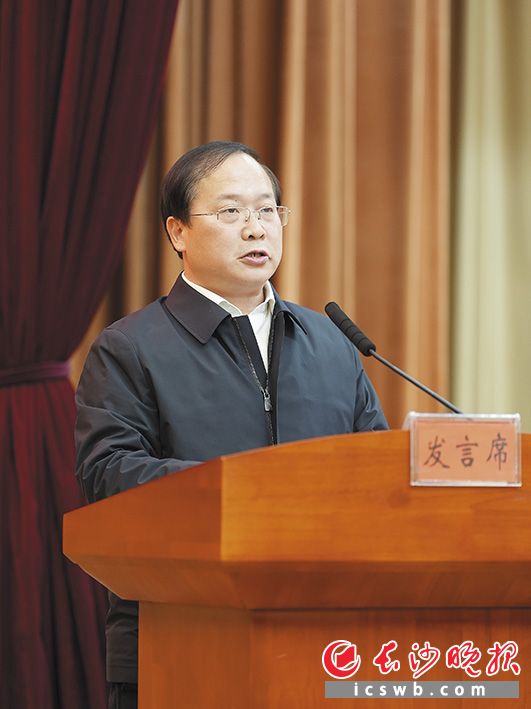
锚定目标任务,坚定信心乘势而上
Chang Sha Wan Bao· 2026-02-24 23:46
Group 1 - Changsha is focusing on building "three high grounds" to accelerate high-quality development in 2026 [1] - Liuyang aims to become a leader in county-level economy by implementing the "three highs and four new" strategy, achieving significant project investments and industrial growth [3][4] - In 2025, Liuyang introduced 166 new projects with a total investment of 42.5 billion yuan, including two projects over 10 billion yuan [3] Group 2 - Changsha Economic Development Zone attracted 126 projects with a total investment of 54.69 billion yuan in 2025, including three projects over 10 billion yuan [7] - The zone aims for an 8.35% increase in industrial output value and a 9.9% increase in public budget revenue in 2025 [7] - The zone is focusing on emerging industries like artificial intelligence and has established several innovation centers [7][8] Group 3 - BYD's contribution to Changsha's automotive industry is significant, with 2025 sales of 2.257 million electric vehicles, marking a global sales leadership [11] - BYD has established six major bases in Changsha, providing over 60,000 jobs and achieving over 100 billion yuan in revenue for four consecutive years [11] - In 2025, BYD exported 82,000 vehicles from Changsha, a 135% increase year-on-year, showcasing the city's role in the company's growth [11] Group 4 - BYD plans to leverage its technological and manufacturing advantages in conjunction with Changsha's resources to enhance its global presence and brand strength [12] - The company aims to contribute to the acceleration of Changsha's automotive industry and support the creation of a significant advanced manufacturing hub in the country [12]