BMW(BMWYY)

Search documents
欧盟彻底失望了,没等来中方更多稀土,先收到一份加税62.4%通知
Sou Hu Cai Jing· 2025-09-21 03:43
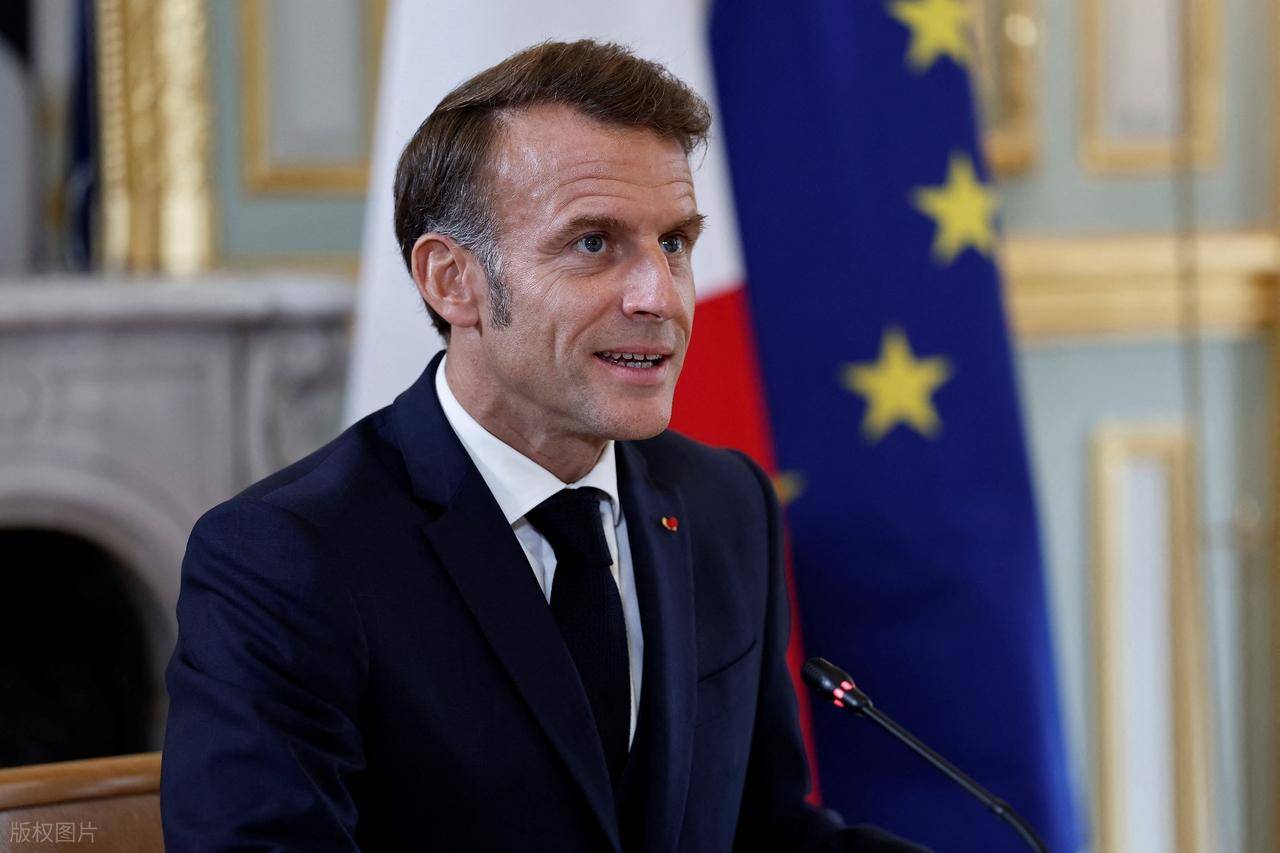
Group 1 - The report from the China-EU Chamber of Commerce highlights that despite the agreement reached at the China-EU summit in July to expedite rare earth export approvals, China's strict control over rare earths remains unchanged, leading to ongoing supply chain tensions for European companies [2][10] - China dominates the global rare earth supply chain, contributing approximately 69% of rare earth element production and controlling over 90% of refining capacity, which allows its policy adjustments to have a rapid impact on global manufacturing [3] - The EU's concerns about supply chain disruptions were publicly expressed by its ambassador to China, who urged China to resolve rare earth magnet export issues, but China's response included maintaining a 43% anti-dumping tax on EU stainless steel products for five years [7][19] Group 2 - The actual effects of the China-EU rare earth agreement are limited, as the approval process for rare earth exports has become more stringent, with a reported 70% reduction in the quantity of rare earths received by European companies and extended approval times from weeks to months [10] - The EU faces a dilemma regarding rare earths, as it restricts domestic mining for environmental reasons while simultaneously demanding unconditional supply guarantees from China, leading to widespread criticism of its trade policies [13] - The EU's efforts to reduce dependency on China through the "Critical Raw Materials Act" and the identification of 47 strategic projects are progressing slowly, with alternative suppliers from countries like India and Australia facing technical and cost challenges [15]

多家跨国巨头纷纷推出“氢新计划”,背后有何玄机?
Huan Qiu Wang Zi Xun· 2025-09-19 06:58
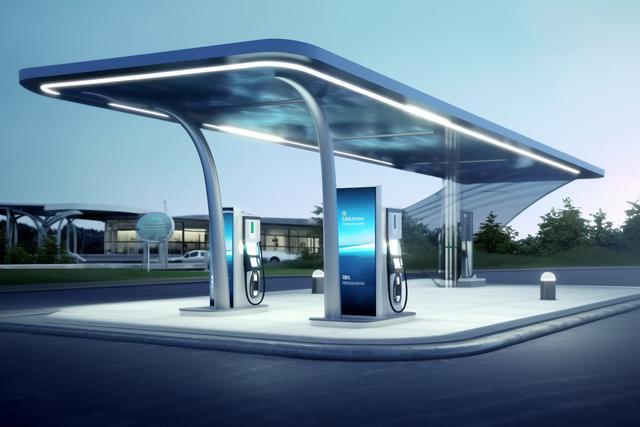
Core Viewpoint - The automotive industry is increasingly focusing on hydrogen fuel cell technology as a strategic pivot towards sustainable energy solutions, with major companies like Renault, BMW, and Toyota unveiling new hydrogen initiatives at the 2025 Munich Auto Show [2][4]. Group 1: Hydrogen Fuel Cell Developments - Renault showcased the Embleme hydrogen fuel cell concept car, which boasts a range of 1000 kilometers and features lightweight materials and a low drag coefficient of 0.25 [3]. - BMW plans to launch commercial hydrogen fuel cell vehicles by 2028, collaborating with Toyota to reduce overall fuel cell technology costs [3][4]. - Toyota has initiated the "TOKYO H2" project in partnership with the Tokyo government, aiming to introduce hydrogen fuel cell vehicles into the taxi market [3]. Group 2: Strategic Considerations - The shift towards hydrogen fuel cell vehicles is seen as a response to the limitations of relying solely on electric vehicles, particularly concerning lithium resource constraints [5][6]. - Hydrogen energy is recognized for its high energy density, with 1 kilogram of hydrogen equating to approximately 3 kilograms of gasoline, making it a viable alternative for automotive power [6]. - The development of hydrogen fuel cell vehicles is central to the future of clean energy transportation, as it supports a diversified energy structure [6]. Group 3: Competitive Landscape - The competition in the automotive sector is intensifying, with hydrogen fuel cell technology offering a chance for companies to reshape market dynamics [8]. - If hydrogen technology plans are successfully implemented, significant cost reductions in hydrogen production are anticipated by 2035, allowing companies to reduce dependency on battery manufacturers [8]. - The transition to hydrogen energy is expected to transform the entire industry, with predictions indicating that hydrogen could meet 18% of global energy demand by 2050, with transportation accounting for 30% of that [8]. Group 4: Infrastructure and Future Outlook - The development of hydrogen fuel cell vehicles faces challenges, particularly in infrastructure such as hydrogen refueling stations [9]. - Countries are addressing these challenges by enhancing infrastructure and integrating renewable energy projects to lower hydrogen costs [9]. - Experts believe that a dual approach of "electric and hydrogen" technologies is essential for the sustainable development of the automotive industry [9].

宝马集团董事长齐普策:中国已成为汽车产业创新策源地
Cai Jing Wang· 2025-09-18 21:57
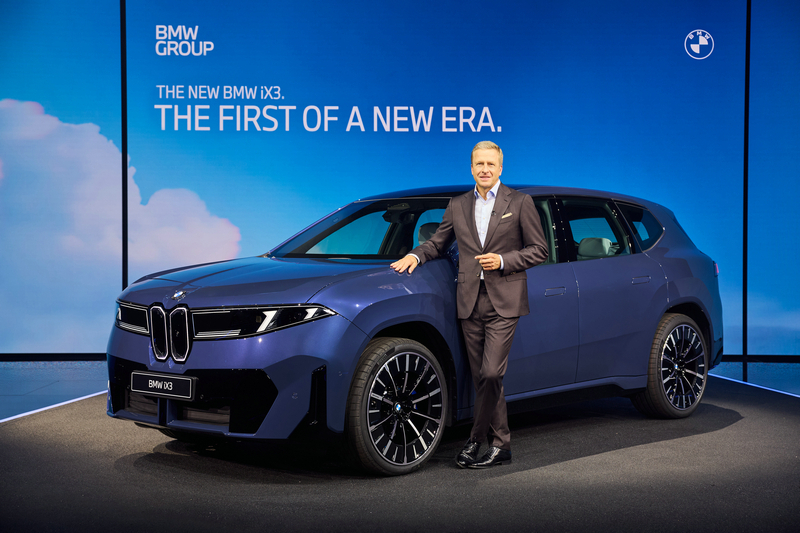
Group 1 - The core viewpoint is that China has become a significant source of innovation in the automotive industry, as stated by BMW Group Chairman Zipse during the 2025 Munich Auto Show [1] - BMW Group will continue to strengthen cooperation with Chinese partners, focusing on the future development in electrification and intelligence [1]
中德深度合作驱动宝马全球创新——访宝马集团董事长齐普策
Xin Hua Wang· 2025-09-18 12:08
Core Viewpoint - China has become a significant source of innovation for the automotive industry, and BMW is committed to deepening cooperation with Chinese partners in electrification and intelligence [1][4]. Group 1: Electric Vehicle Development - BMW's new generation electric vehicle, the iX3, was globally launched at the Munich Auto Show and will have a long-wheelbase version released in China in 2026, with a range exceeding 900 kilometers and ultra-fast charging capabilities [1][4]. - The iX3 is described as the most "localized" BMW to date, reflecting the company's long-term commitment to the Chinese market [1][4]. - BMW's electric vehicle deliveries reached 318,900 units in the first half of the year, marking an 18.5% year-on-year increase, with China playing a crucial role in this growth [4]. Group 2: Strategic Partnerships - BMW collaborates with Chinese suppliers like CATL and EVE Energy, emphasizing a highly specialized and growth-oriented partnership that supports its electrification transformation [1][4]. - In the realm of smart technology, BMW is working with Chinese tech companies such as Alibaba and Huawei to advance digital interaction and navigation assistance features [3][4]. Group 3: Global Strategy and Market Position - China is viewed as a critical strategic market for BMW, with the company having made significant investments in its operations there, totaling approximately 116 billion RMB since 2010 [4]. - BMW has established four major R&D innovation centers and three software companies in China, employing over 3,000 R&D personnel, making it the largest R&D team outside Germany [4]. - The company maintains a balanced global presence but recognizes China's unique importance, as evidenced by multiple visits by the chairman in a single year [3][4]. Group 4: Future Outlook - BMW aims to continue deepening its engagement in the Chinese market, focusing on technological innovation and green transformation, while developing products that meet local demands [6]. - The company advocates for free trade and fair cooperation, opposing high tariffs on electric vehicles exported from China to Europe, emphasizing the importance of global collaboration for future success [6].
【快讯】每日快讯(2025年9月18日)
乘联分会· 2025-09-18 11:06
Domestic News - The Ministry of Industry and Information Technology is soliciting public opinions on the mandatory national standard for "Intelligent Connected Vehicles Combination Driving Assistance System Safety Requirements," aiming to enhance safety in the intelligent connected vehicle industry [6] - The Ministry of Commerce has announced the establishment of five industry standardization technical committees, including those for the automotive circulation and resource recovery industries [7] - The Horgos Port in Xinjiang has achieved a record high in automobile exports, with 258,000 vehicles exported from January to August 2025, marking an 8.5% year-on-year increase, including 102,000 electric vehicles, which saw a 45.2% increase [8] - Dongfeng Group has formed a new joint venture with local state-owned assets in Xiangyang, with a registered capital of 8.47 billion RMB, focusing on the development and sales of intelligent vehicles [9] - Leap Motor has announced the restart of its automobile manufacturing plans in Europe, with plans to launch two new models to meet market demand starting in 2026 [10] - GAC International has launched the AION UT in Indonesia, with prices ranging from 32.5 to 36.3 million Indonesian Rupiah (approximately 140,600 to 157,000 RMB) [11] - Hello Robotaxi has received strategic investment from Alibaba, indicating a deepening collaboration in the fields of intelligent driving models and commercializing Robotaxi services [12] - CATL's sodium-ion battery can provide over 500 kilometers of pure electric range, with a density of 175Wh/kg, meeting over 40% of the domestic passenger vehicle market demand [13] International News - South Korea's electric vehicle sales from January to August 2025 reached 142,456 units, a 48.4% increase from 95,998 units in the same period last year, with electric vehicles accounting for 12.7% of new registrations [15] - Japan's exports to the U.S. have declined for five consecutive months, with an August drop of 13.8% due to decreased exports of automobiles and machinery [16] - BMW will begin production of the iX3 model in Hungary next month, with the first mass-produced vehicle expected to roll off the line by the end of 2025 [17] - Waymo has received permission to test its autonomous taxi service at San Francisco International Airport, with plans to gradually roll out commercial services [18] Commercial Vehicles - FAW Jiefang has been nominated for the fifth China Quality Award for its "12347-E2E Excellent Operation Quality Management Model," highlighting advancements in quality management within the commercial vehicle sector [20] - JD Automotive and ZF have signed a memorandum to deepen their strategic cooperation in the commercial vehicle aftermarket, aiming to create an efficient and intelligent service ecosystem [21] - China National Heavy Duty Truck Group showcased nine core products at the Liangshan Special Vehicle Exhibition, emphasizing its leadership in the transition to new energy and intelligent vehicles [22] - Qingling Group has had three products selected as major industrial technology innovation products in Chongqing, showcasing advancements in hydrogen fuel cell and specialized vehicle technology [23][24]






多家跨国巨头纷纷推出“氢新计划”,背后究竟有何玄机?
Zhong Guo Qi Che Bao Wang· 2025-09-18 03:14
Core Viewpoint - The automotive industry is increasingly focusing on hydrogen fuel cell technology as a viable alternative to traditional electric vehicles, with major companies like Renault, BMW, and Toyota leading the charge towards commercialization and scaling of hydrogen vehicles [4][5][7]. Group 1: Industry Developments - Renault showcased its Embleme hydrogen fuel cell concept car at the 2025 Munich Auto Show, featuring a range of 1000 kilometers and a drag coefficient of 0.25 [6]. - BMW plans to launch a commercial hydrogen fuel cell vehicle by 2028, in collaboration with Toyota, aiming to reduce overall fuel cell technology costs [6]. - Toyota has initiated the "TOKYO H2" project with the Tokyo government, introducing hydrogen fuel cell vehicles into the taxi market, and has launched the new Mirai model with a range of 850 kilometers and a 10% reduction in energy consumption [6]. Group 2: Strategic Considerations - Industry experts believe that hydrogen fuel cell vehicles are becoming a strategic focus for major automakers as they transition towards low-carbon and zero-carbon solutions [7]. - The shift towards hydrogen is seen as a response to the limitations of relying solely on electric vehicles, particularly concerning lithium resource constraints [8]. - Hydrogen's high energy density and potential for zero-carbon production through renewable energy make it an attractive alternative for sustainable transportation [8]. Group 3: Competitive Landscape - The competition in the automotive sector is intensifying, with hydrogen fuel cell technology offering a unique opportunity for companies to reshape market dynamics [10]. - If hydrogen technology plans are successfully implemented, significant cost reductions in hydrogen production could occur by 2035, allowing companies to establish a vertically integrated system from energy production to vehicle manufacturing [10]. - The transition to hydrogen is expected to transform the entire industry, with predictions indicating that hydrogen could meet 18% of global energy demand by 2050, with transportation accounting for 30% of that [10]. Group 4: Infrastructure and Challenges - The development of hydrogen fuel cell vehicles faces challenges, particularly in infrastructure, such as the lack of hydrogen refueling stations [11]. - Some regions are addressing these challenges by enhancing infrastructure and integrating renewable energy projects to supply green hydrogen [11]. - Experts emphasize the need for a diversified technological approach, advocating for a dual system of electric and hydrogen technologies to ensure sustainable development in the automotive sector [11]. Group 5: Future Outlook - Hydrogen fuel cell vehicles are positioned at the forefront of the automotive industry's energy transition, with new plans from major companies redefining future transportation energy systems [12]. - Maintaining an open technological perspective and fostering a collaborative industry ecosystem will be crucial for companies to gain a competitive edge in the global market [12].

荣耀Q2在欧洲市场出货量同比提升42%,跻身前四;宝马将于下月在匈牙利德布勒森工厂启动iX3量产丨智能制造日报
创业邦· 2025-09-18 03:09
Group 1 - Huawei has announced price reductions for three flagship smartphone models, with the Mate X6 seeing a maximum drop of 2000 yuan, the Pura 80 series by 1500 yuan, and the Mate 70 series by 1000 yuan [2] - BMW will begin mass production of the iX3 electric vehicle at its new factory in Debrecen, Hungary, starting in late October, with the first vehicle expected to roll off the production line by the end of 2025 and sales commencing in March 2026 [2] - Honor's shipment volume in the European market increased by 42% year-on-year in Q2, making it the fastest-growing Chinese smartphone brand and placing it among the top four [2] Group 2 - According to IDC, China's smart glasses market is projected to reach a shipment volume of 2.846 million units by 2025, representing a year-on-year growth of 116.4%. Audio and audio-capturing glasses are expected to account for 2.202 million units, growing by 183.2%, while AR/VR device shipments are forecasted to reach 644,000 units, a growth of 19.8% [2]
都市车间|百年积淀,东方破局——BBA的中国反击答卷
Qi Lu Wan Bao· 2025-09-18 02:32
Core Viewpoint - The traditional luxury car giants BBA (Benz, BMW, Audi) are launching a counterattack in 2025 against the backdrop of the global electric vehicle wave, focusing on technological innovation and localization strategies to reclaim market share and redefine luxury [1][5]. Group 1: Technological Advancements - Audi's collaboration with Huawei has led to significant improvements in intelligent driving capabilities, with the Q6L e-tron featuring Huawei's smart driving system and the A5L fuel vehicle incorporating Huawei's ADS 2.0 [2]. - BMW is integrating the HarmonyOS ecosystem to enhance AI voice interaction, making its smart cockpit more attuned to Chinese users [2]. - Mercedes-Benz is partnering with local autonomous driving company Momenta to accelerate the commercialization of advanced driving technologies [2]. - BMW's sixth-generation cylindrical battery will have a 20% increase in energy density and is set to be produced in Shenyang by 2026; Mercedes-Benz is developing solid-state batteries with an expected 80% increase in range; Audi's PPE platform supports 800V fast charging, allowing for a 370 km charge in just 10 minutes [2]. Group 2: Product Strategy - Mercedes-Benz has launched the pure electric CLA with L2++ autonomous driving and an 800V platform targeting the 500,000 yuan market, while the ultra-luxury "pure electric G-Class" is priced at 2.17 million yuan [3]. - BMW is discontinuing inefficient fuel vehicles like the 1 Series to focus resources on electrification, with new generation models integrating AI and smart voice interaction set to be trial-produced in Shenyang by 2026 [3]. - Audi is expanding its market presence through partnerships to establish 10 lightweight outlets, resulting in a 40% increase in order volume, and the A5L Sportback with Huawei's smart driving is priced at 235,900 yuan [3]. Group 3: Localization Strategy - China, as the largest automotive market, is the core battleground for BBA's counterattack, with increased R&D investments and localized strategies [4]. - Mercedes-Benz's Shanghai R&D center focuses on developing the MB.OS system tailored for the Chinese market; BMW's local team leads the digital experience for new generation models; Audi's "oil-electric co-prosperity" strategy integrates its century-old manufacturing heritage with Huawei's smart technology [4]. Group 4: Market Dynamics - Despite initial successes, the competition remains fierce, with new entrants like Li Auto and NIO challenging traditional luxury brands through intelligent features and competitive pricing [5]. - BBA's counterattack is characterized by a blend of traditional manufacturing and emerging technologies, with collaborations yielding strong synergies [5]. - The parallel strategy of fuel and electric vehicles allows BBA to maintain market presence while exploring future opportunities, indicating a potential pivotal moment in reshaping the luxury car industry [5]. Group 5: Future Outlook - The luxury car market may enter a new era of "new and old integration," where traditional giants innovate while new players grow, collectively shaping the industry's future [6].
德国的世界第一,正在批量阵亡
投资界· 2025-09-17 08:21
Core Viewpoint - The article discusses the concept of "invisible champions," which refers to small and medium-sized enterprises that dominate niche markets but remain largely unknown to the general public. These companies focus on high-quality, specialized products and do not seek to expand their visibility or go public [4][9]. Group 1: Definition and Characteristics of Invisible Champions - The term "invisible champion" was introduced by German scholar Hermann Simon in 1990, describing companies that hold a leading position in a niche market with strong technical and product capabilities [9][10]. - Invisible champions typically exhibit unique characteristics: they are often rooted in small towns, have low employee turnover, and focus on highly specialized products that are difficult to replicate [9][10]. - According to Simon's criteria, invisible champions are defined as being among the top three in their niche globally, having annual revenues not exceeding 5 billion euros, and being relatively unknown to the public [10]. Group 2: The Landscape of Invisible Champions in Germany - Germany is home to nearly half of the world's invisible champions, with around 3,000 such companies globally, while China has fewer than 100 [10]. - The article highlights examples of German invisible champions, such as Wanzl, which dominates the global market for shopping carts with over 50% market share, and Körber, a leader in high-speed cigarette manufacturing machines [13][14]. - The strength of Germany's manufacturing sector is attributed to its high-value, technology-intensive industries, which have been cultivated over decades [15][17]. Group 3: Current Challenges Facing Invisible Champions - Recently, many German invisible champions, particularly in the automotive sector, have faced significant challenges, including bankruptcies and layoffs among major manufacturers [20][24]. - Factors contributing to these challenges include rising costs due to geopolitical tensions, such as the Ukraine conflict, and a shrinking labor force as the baby boomer generation retires [26][27]. - The rise of China's automotive industry has also impacted German suppliers, as Chinese companies increasingly opt for local suppliers with competitive pricing and quality [26][27].