
Alphabet(GOOGL)

Search documents
AI巨头们开抢实习生,月薪12.8万
36氪· 2026-01-05 09:19
Group 1 - The competition for AI talent has intensified, now extending to internships, with major companies offering salaries comparable to full-time positions [3][4] - Companies like OpenAI, Anthropic, Meta, and Google DeepMind are now offering internships with salaries reaching up to $18,300 per month, indicating a shift from traditional low-paying intern roles [5][19] - Anthropic's fellowship program aims to accelerate AI safety research, with over 80% of past participants publishing papers, highlighting the focus on impactful research [8][10] Group 2 - OpenAI's residency program allows participants to work on cutting-edge AI projects for six months, with a monthly salary of $18,300 and potential for full-time employment afterward [14][19] - Google offers a rolling application process for research roles with salaries ranging from $113,000 to $150,000 annually, emphasizing the importance of early applications [24][25] - Meta provides various research internships with salaries between $7,650 and $12,000 per month, focusing on advanced topics like neural rendering and natural language processing [26][30] Group 3 - Aspiring AI professionals are encouraged to specialize in areas like large models or AI safety, producing tangible results such as open-source projects or research papers to enhance their competitiveness [31][32] - The high salaries offered by these programs come with the expectation of strong capabilities and the ability to handle high-pressure work environments [33]




Amazon and Google Redesign Shopping Around AI Judgment
PYMNTS.com· 2026-01-05 09:00
Amazon's AI Initiatives - Amazon is leveraging generative and agentic AI to enhance online shopping by simplifying product discovery and evaluation, addressing the challenge of choice among hundreds of millions of items [1][3] - The company has introduced AI-driven search tools that interpret customer intent using various signals, aiming to expedite decision-making in complex product categories [3][4] - New conversational interfaces, such as the shopping assistant Rufus and the "Buy for Me" service, allow customers to delegate parts of their shopping journey, reflecting a strategy of embedding AI throughout the shopping experience [4][5] Google's Perspective on Agentic AI - Google Cloud emphasizes that retail is entering a new phase of agentic AI adoption, which mimics human decision-making by understanding context and reasoning [5][6] - The shift to agentic AI enhances discovery and personalization, impacting not only customers but also employees by augmenting their roles and allowing them to focus on human interactions [6][7] - Successful implementation of agentic AI relies on organizational readiness, including process redesign and workforce upskilling, rather than just technical capabilities [7] Global Trends in Retail AI - Tata Consultancy Services (TCS) argues that retail must transition from traditional AI to agentic AI to remain competitive, framing it as a structural redesign of operations [8][10] - TCS advocates for a model of smaller, specialized AI agents that autonomously manage tasks like pricing and inventory, rather than relying on large AI platforms [9][10] - The strategic advantage of agentic AI lies in its ability to manage complexity at scale, with use cases such as proactive cart recovery and real-time supply chain management [10][11]


Claude Code 一小时「复刻」谷歌一年成果,那一年能读完五年半的博士吗?
机器之心· 2026-01-05 08:54
Core Insights - The article discusses the significant impact of AI tools like Claude Code, Gemini, and ChatGPT on productivity and learning curves in engineering and education, suggesting that these tools can drastically reduce the time required to complete projects and learn new skills [1][6]. Group 1: AI Tools in Engineering - Engineers at major tech companies, including Google, have reported that using AI tools has significantly shortened project completion times, with one engineer stating that a task that took a year could now be done in just one hour using Claude Code [2][4]. - The emergence of AI coding tools has led to a shift in the learning curve for new employees, reducing the time needed to familiarize themselves with large codebases from months to just days [6]. Group 2: AI Tools in Education - The article highlights a debate on the role of AI in education, with some arguing that AI can streamline the research process for students, allowing them to grasp complex academic papers more quickly [9][10]. - However, there are concerns that while AI can accelerate learning, it may not foster the same depth of understanding and critical thinking that traditional methods encourage [11][12]. Group 3: Future of Education - The discussion raises questions about the relevance of traditional higher education in light of AI advancements, suggesting that skills such as curiosity and the ability to collaborate with AI may become more important than years of experience [12]. - The ongoing debate reflects a broader societal shift regarding the value of time spent in education versus the skills and knowledge acquired [11][12].

1人1假期,肝完10年编程量,马斯克锐评:奇点来了
3 6 Ke· 2026-01-05 08:52
Core Insights - The emergence of programming agents has significantly increased productivity among engineers, with many expressing that they can accomplish years of work in a matter of months using these tools [1][4][5] - Prominent figures in the tech industry, including David from Midjourney and Elon Musk, have acknowledged the transformative impact of these programming agents, suggesting that we have entered a new era of technological advancement [2][4] Group 1: Industry Impact - David, the founder of Midjourney, noted that he completed more programming projects during the recent holiday than in the past decade, highlighting the rapid advancements in AI coding tools [1] - Rohan Anil, an engineer at Anthropic, claimed that with the help of programming agents like Claude's Opus, he could compress six years of work into just a few months [5][6] - Jaana Dogan, a chief engineer at Google, echoed similar sentiments, stating that the programming agent could generate complex solutions in a fraction of the time it took her team to develop them [7][9] Group 2: Performance Metrics - The latest LiveBench benchmark tests revealed that Claude 4.5 Opus achieved the highest scores across various categories, including coding and mathematics, indicating its leading position in AI programming tools [12][13] - Claude 4.5 Opus scored 79.65 in coding and 94.52 in mathematics, outperforming competitors like GPT-5.1 Codex Max and Gemini 3 Pro Preview [13] Group 3: Competitive Landscape - There is a growing trend among tech companies to adopt and experiment with various programming agents, with some engineers at Google using competitors' tools, which has raised eyebrows in the industry [9][11] - Meta has reportedly mandated its engineers to use its own programming agent, Llama 4, indicating a competitive push within the sector [11] Group 4: Emerging Products - Domestic programming agent products are also entering the market, with ByteDance's TRAE China version SOLO being made fully available for free, reflecting the increasing competition in the AI coding space [17]

英伟达:三十年未有之大变局
新财富· 2026-01-05 08:33
Core Insights - Google is actively engaging small cloud service providers that rely on renting Nvidia chips, encouraging them to host Google's TPU processors in their data centers [2] - Nvidia has acquired core assets of the startup Groq for $20 billion, marking a significant strategic move to eliminate potential challengers in the AI computing supply chain [2][22] - Google's TPU project has evolved over a decade, transitioning from internal use to a market-facing chip supplier, with ambitious production plans for the coming years [12][14] Google's Strategy - Google has established a clear strategy to transition from a closed ecosystem to a market-facing chip supplier, with projected TPU production reaching 8 million units from 2023 to 2026 [14] - The company plans to produce 12 million TPUs in 2027 and 2028, indicating a rapid expansion that could position it as a major competitor to Nvidia [15] - Google's TPU production is expected to generate significant revenue, with potential sales of 1 million units in 2027 translating to approximately $26 billion in new revenue [15] TPU Development and Performance - The TPU's evolution has been marked by significant performance improvements, with the latest versions (TPU v6 and v7) nearing parity with Nvidia's flagship products [11] - The TPU's design philosophy focuses on optimizing performance for specific tasks, utilizing 8-bit integer calculations to reduce power consumption and costs [6] - The TPU's success has led to its integration across Google's services, processing billions of inference tasks daily [6] Competitive Landscape - Nvidia's response to Google's strategy includes the release of NVLink Fusion technology, allowing for a more inclusive ecosystem that integrates third-party CPUs and custom AI accelerators [17] - The competitive dynamics are shifting, with Google aiming to provide AI solutions bundled with its software stack, while Nvidia maintains a stronghold through its established CUDA ecosystem [16][17] - The acquisition of Groq by Nvidia is seen as a defensive move to secure talent and technology that could threaten its dominance in the inference market [19][22] Market Implications - The rapid increase in TPU production could position Google as a formidable competitor to Nvidia in the AI chip market, potentially reshaping the competitive landscape [15][16] - The success of Google's TPU will depend on its ability to build a robust developer ecosystem comparable to Nvidia's, which has been established over many years [16] - The interest from leading AI companies in Google's TPU indicates a potential shift in the market, as these companies seek cost-effective solutions for their computing needs [16]

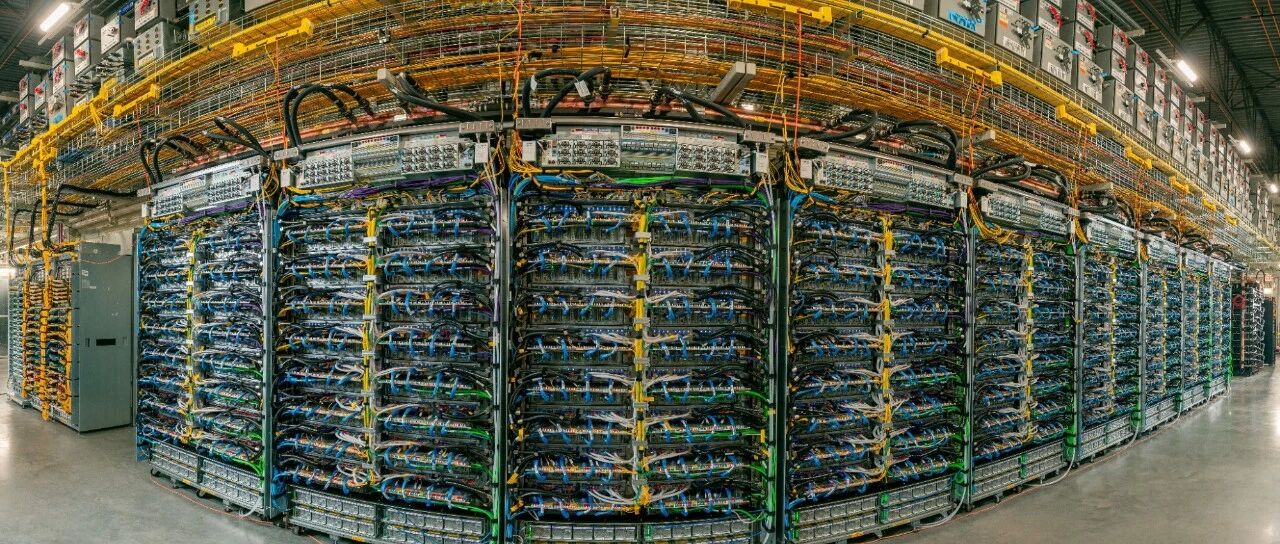
谷歌430万颗TPU暴击CUDA护城河,Meta“割肉”助攻
3 6 Ke· 2026-01-05 07:20
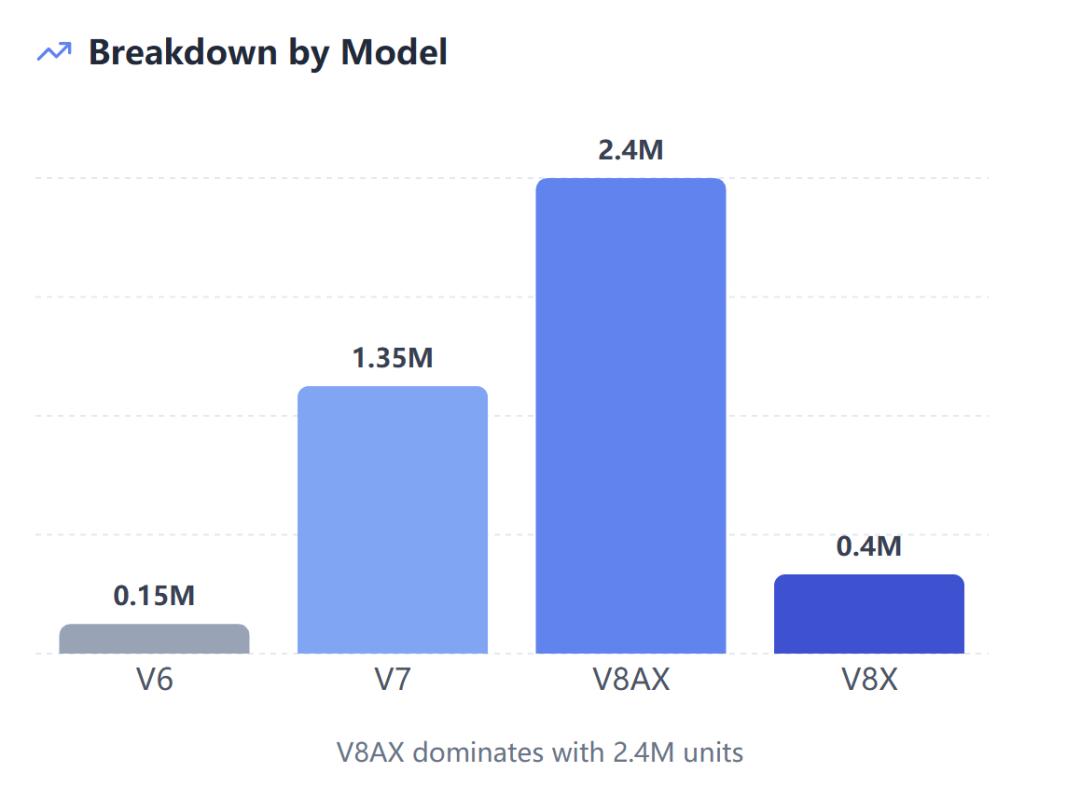
该项研究将谷歌2026年的TPU产能数据更新如下: Meta腾出CoWoS排产「让路」,加上台积电的积极扩产,2026年谷歌把TPU的「算力水龙头」拧到最大,预期产能飙升至430万颗,猛攻英伟达CUDA护 城河。 430万颗! 谷歌2026年的TPU最新产能数据曝光。 该数据来自Global Semi Research(全球半导体研究)最新的一项独立研究。 2026年TPU总产能将达到430万颗;按型号拆分V6为15万颗,V7为135万颗,V8AX为240万颗,V8X为40万颗。 其中,V8AX和V8X总计280万颗,占比约65%。 这表明谷歌在产能布局上,将优先保障新一代TPU(可能用于Gemini模型或云服务)的产能,而V6/V7为库存或低端市场,可能用于过渡或特定应用。 该研究指出,谷歌TPU产能原本仅略高于300万颗,此次增长到430万颗主要来自两大因素: 第一,Meta下调了自研芯片产量,并将释放出来的CoWoS产能转向TPU制造;Meta也希望通过此举锁定/确保TPU供应; 第二,台积电扩充CoWoS产能,新增产能预计将于2026年8月投产。 这430万颗TPU芯片,395万颗(92%)由台积电代 ...
谷歌 Gemini API 负责人自曝:用竞品Claude Code 1小时复现自己团队一年成果,工程师圈炸了!
AI前线· 2026-01-05 07:18
Core Insights - A senior Google engineer revealed that Anthropic's Claude Code was able to replicate a system that her team had spent a year developing in just one hour, highlighting the rapid advancements in AI programming capabilities [3][12]. Group 1: AI Programming Capabilities - The engineer, Jaana Dogan, described how she provided a brief problem statement to Claude Code, which generated a system closely resembling their year-long effort in just one hour [3][5]. - Dogan emphasized that while Claude Code is impressive, it is still not perfect and requires continuous iteration and refinement [7]. - The rapid evolution of AI programming tools has led to significant improvements in quality and efficiency, surpassing expectations for 2024 [9]. Group 2: Industry Reactions and Perspectives - The engineering community has shown polarized reactions to AI coding agents, with some expressing skepticism about the true capabilities of AI in programming [7][14]. - Concerns were raised that the efficiency gains from AI might lead companies to reduce workforce rather than reallocate engineers to higher-level tasks [17]. - Dogan's public praise for a competitor's product has sparked discussions about potential shifts in the industry and the nature of competition [12][13]. Group 3: Google and Anthropic Relationship - Google is a significant investor in Anthropic, holding approximately 14% of its shares and has invested around $3 billion in total [20][21]. - A partnership agreement between Google and Anthropic includes a commitment to provide up to 1 million TPU units, valued at hundreds of billions, to enhance AI capabilities [21]. - Dogan noted that the industry is not a zero-sum game, and acknowledging competitors' achievements can drive motivation and innovation [22].

金融时报:美政府反垄断大案接连受挫 正输掉拆分科技巨头之战
Feng Huang Wang· 2026-01-05 07:13
Core Viewpoint - The U.S. government's efforts to break up major tech giants are facing significant challenges, with recent antitrust cases against companies like Google and Meta encountering judicial resistance [2][3]. Group 1: Judicial Challenges - U.S. federal enforcement agencies have struggled to convince judges to order the divestiture of core business segments from tech giants, such as Google's Chrome browser and Meta's Instagram [2]. - Despite some landmark rulings recognizing illegal monopolistic practices, judges are often reluctant to impose the most severe remedies, such as forced breakups or annulments of mergers long after they have been completed [3]. - The ongoing antitrust cases against Apple and Amazon remain unresolved, raising questions about the government's approach to curbing the power of tech giants [3]. Group 2: Impact of AI and Market Dynamics - The rapid pace of technological change, particularly in AI, has created higher barriers for antitrust regulators, complicating their efforts to challenge large tech companies [5]. - In a notable ruling, a judge determined that Google's substantial investments in exclusive agreements maintained its illegal monopoly in the internet search market, but rejected the request to divest Chrome or Android, citing the threat posed by AI advancements [5]. - The judge's decision was influenced by the emergence of generative AI, which he noted could significantly impact Google's $200 billion annual revenue from search [5]. Group 3: Judicial Caution and Complexity - Courts exhibit caution regarding structural remedies for companies valued in the trillions, preferring to mandate behavioral corrections rather than enforce breakups [7]. - Judges emphasize the need for moderation in crafting remedies, referencing the complexities involved in reviewing intricate business arrangements [7]. - Concerns about the practicality of enforcing forced divestitures have been raised, with judges questioning the feasibility of such measures [7].

1人1假期,肝完10年编程量!马斯克锐评:奇点来了
量子位· 2026-01-05 07:04
Core Insights - The article discusses the significant advancements in programming agents, highlighting their impact on productivity and efficiency in software development [2][3][6]. Group 1: Programming Agents Impact - Midjourney founder David expresses that his programming projects during the holiday season surpassed those of the past decade, indicating a transformative shift in productivity due to programming agents [3][4]. - Elon Musk comments on the emergence of programming agents, stating, "We have entered the Singularity," reflecting a consensus among tech leaders about the profound changes brought by AI [5][6]. - Rohan Anil, an engineer at Anthropic, claims that with programming agents like Claude's Opus, he could compress six years of work into just a few months, showcasing the efficiency gains possible with these tools [9][15]. Group 2: Performance Metrics - The latest LiveBench benchmark results show Claude 4.5 Opus leading in various categories, including coding and reasoning, with scores of 79.65 in coding and 94.52 in mathematics, indicating its superior performance among AI models [23][24]. - Other models, such as GPT-5.1 Codex Max and Gemini 3 Pro Preview, follow behind, with Claude consistently outperforming them in agentic coding tasks [24]. Group 3: Industry Reactions and Developments - Greg Brockman notes that Anthropic has achieved what OpenAI aimed for but could not, emphasizing the practical utility of their tools [25][26]. - Boris Cherny, a developer of Claude Code, shares insights on how to effectively utilize the programming agent, highlighting its user-friendly setup and capabilities [28][29]. - The competitive landscape is evolving, with ByteDance's TRAE China version SOLO being made freely available, indicating a growing interest in programming agents within the industry [31][32].

人工智能公司加大力度挑战谷歌在浏览器市场的主导地位
Xin Lang Cai Jing· 2026-01-05 05:42
据英国金融时报,顶尖人工智能公司正加大力度挑战谷歌在浏览器市场的主导地位,公司押注这一前沿 技术将改变人们上网的方式。OpenAI和 Perplexity最近几个月都推出了自己的网页浏览器,而微软也在 其Edge浏览器中推出了Copilot AI工具,使用户可以在浏览内容的同时向聊天机器人提问。这些发展标 志着过去二十年来全球浏览器市场的最大变化,同时也是科技公司在人工智能领域争夺竞争优势的最新 战场。 ...
