LI AUTO(LI)

Search documents
SunCar Announces First Half 2025 Financial Results
Globenewswire· 2025-10-27 20:05
Core Insights - SunCar Technology Group Inc. reported a 9% increase in total revenue to $222.3 million for the first half of 2025, compared to $203.1 million in the same period of 2024 [5][8] - The company achieved a significant increase in EV insurance premiums, which rose by 111.3% to $697.6 million, up from $330.2 million year-over-year [5][8] - SunCar's net loss decreased to $5.5 million in the first half of 2025, a substantial improvement from a net loss of $60.1 million in the prior year [5][8] Financial Performance - Total revenue for the first half of 2025 was $222.3 million, reflecting a 9% increase from $203.1 million in the first half of 2024 [5][8] - Adjusted EBITDA for the first half of 2025 was $2.5 million, down from $6 million in the prior year [5][8] - The company reported a net loss of $5.5 million for the first half of 2025, compared to a net loss of $60.1 million in the same period of 2024 [5][8] Business Highlights - SunCar deepened collaborations with major EV manufacturers, including Tesla, Xiaomi, and NIO, enhancing its insurance offerings and user experience [5][6][9] - The integration of ByteDance's Doubao large language model into SunCar's platform is expected to enhance its AI-driven digitalization efforts [4][5] - The company has initiated innovative auto services projects in partnership with China ZheShang Bank and Shanghai Rural Commercial Bank, expanding its service offerings [5][9] Market Position - SunCar ranked first in China for auto insurance premiums tailored to EV owners, indicating a strong market presence in the growing EV insurance sector [5][8] - Revenue from auto eInsurance services increased by 33% to $97.8 million, driven by strong partnerships with emerging EV OEMs [5][8] - Technology services revenue grew by 11% to $24.3 million, reflecting increased adoption of SunCar's enterprise software tools [5][8] Strategic Outlook - The company is prioritizing profitability and cash generation, withdrawing its previous full-year revenue guidance of $521 million to $539 million [14] - SunCar aims to focus on accounts and partnerships that enhance margins and long-term value, positioning itself for sustainable growth [14]





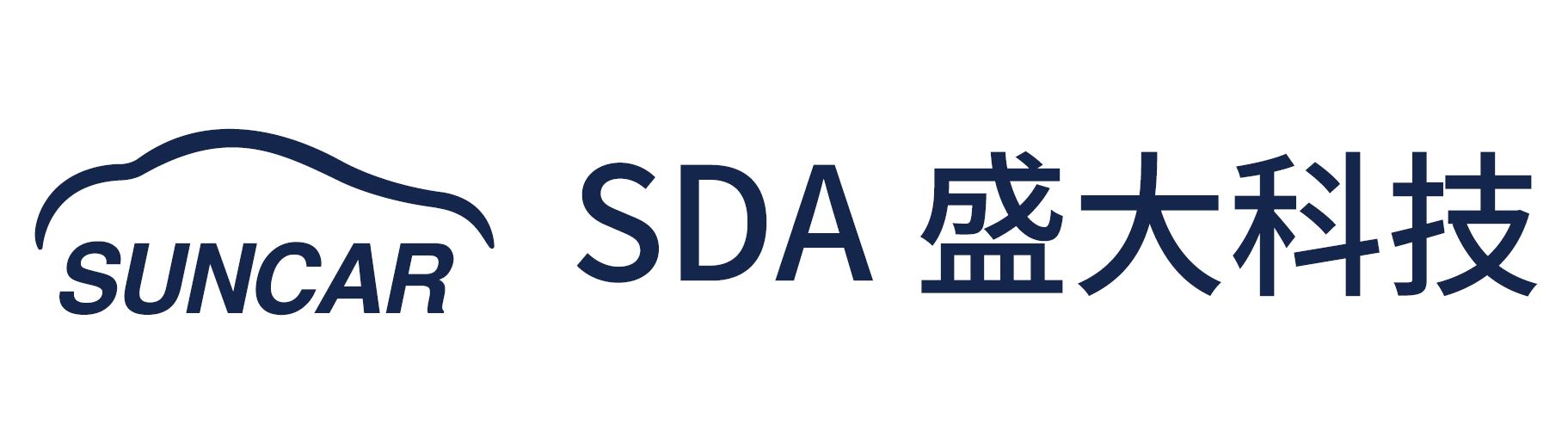
地平线HSD的确值得理想留意
理想TOP2· 2025-10-27 13:50
Core Viewpoint - The article discusses the comparative performance of Horizon's HSD technology and Li Auto's VLA system, highlighting the strengths and weaknesses of both in terms of autonomous driving capabilities and user experience [1][2]. Group 1: Performance Comparison - Horizon's HSD engineering vehicle demonstrated superior auxiliary driving capabilities compared to Li Auto's L7 VLA as of October 2025, although there is a possibility that mass production vehicles may not perform as well as engineering prototypes [1]. - During a 1.5-hour test drive around West Lake in Hangzhou, the HSD vehicle showed high levels of comfort and smoothness, with no need for manual speed adjustments, contrasting with the frequent adjustments required in the Li Auto VLA [2]. - Feedback from multiple testers indicated that the A model of Horizon's HSD performed well, while the B model was considered average, attributed to differences in chip computing power and collaboration between the two companies [2]. Group 2: Limitations and Challenges - Horizon's team acknowledged that the HSD system performs poorly in extreme weather, non-standard scenarios, and complex situations, indicating that it is not yet fully reliable for autonomous driving [3]. - The team also noted that the transition from auxiliary driving to full autonomy can sometimes lead to subpar experiences, particularly in scenarios requiring navigation adjustments [3]. - The integration of HUD and vehicle interfaces is crucial for the overall driving experience, with some design choices being counterintuitive, which could affect user satisfaction [3]. Group 3: Community Engagement - There is an invitation for deeper discussions regarding Li Auto's operational status and long-term fundamentals, emphasizing a focus on practical business insights rather than technical discussions [4].
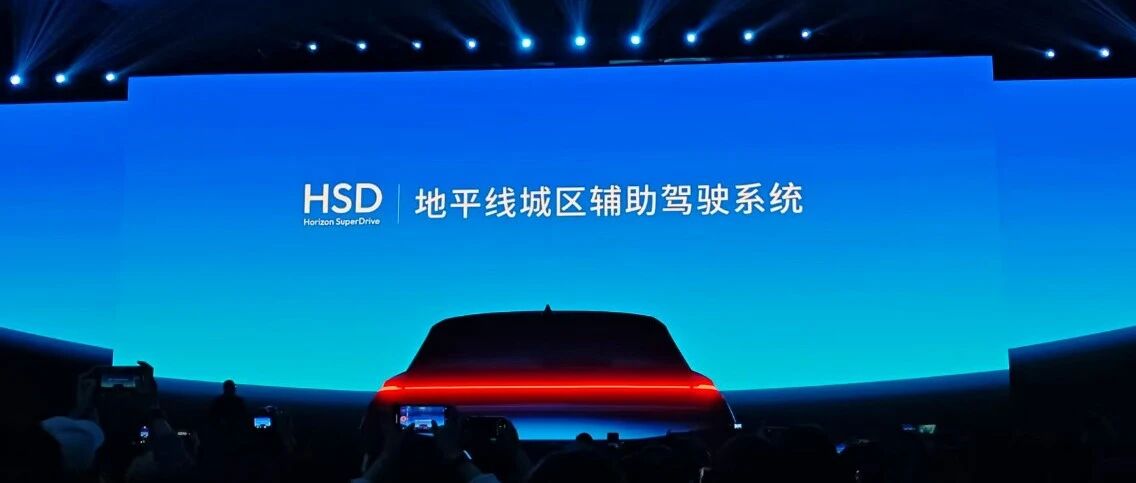
对话理想星环OS架构负责人黄震:自研不是我们的口号
雷峰网· 2025-10-27 10:35
Core Viewpoint - The article discusses how Li Auto initiated the self-research of its operating system, Star Ring OS, focusing on methodologies like "goal orientation" and "high execution power" to achieve this goal [5][6]. Group 1: Self-Research of Operating System - Li Auto's open-source initiative for its operating system at the beginning of the year is described as a groundbreaking move [4]. - The Star Ring OS project began in 2021 and has grown to nearly 200 team members by 2023 under CTO Xie Yan's management [5]. - By the end of 2024, Star Ring OS will have undergone eight iterations and validated 2 million lines of code in the Li L9 Max model [5]. - The chip adaptation cycle has been reduced from an industry average of 180 days to 28 days, with adaptation costs lowered by 75% [5]. Group 2: Team Structure and Methodology - The operating system team consists of software architects and software development engineers, emphasizing a matrix organizational structure to balance technical focus and industry application [10][11]. - The team is composed entirely of experienced hires from major companies, with no fresh graduates [11]. - The integration of the IPD (Integrated Product Development) process has been a significant focus, with the operating system team leading its implementation [17][18]. Group 3: Market Position and Competitive Landscape - Li Auto's self-research in operating systems is not considered late compared to other new forces in the automotive industry, as most companies were still in the early stages [15]. - The pursuit of self-research is fundamentally about differentiation, starting from application software to system and chip development [13][14]. - The operating system's self-research was partly driven by external pressures, such as chip supply shortages, which created a clear value proposition for self-research in vehicle control systems [25][26]. Group 4: Future Goals and Open Source - The team aims to enhance the operating system's performance, cost, tools, and development efficiency, transitioning from the initial phase (0-1) to further development (1-10) [60][61]. - The decision to open-source Star Ring OS was made in February, with the first version released by the end of April [58][59].

南向资金 | 中芯国际获净买入11.43亿港元
Di Yi Cai Jing· 2025-10-27 09:59
Group 1 - The net inflow of southbound funds today amounted to 2.873 billion HKD [1] - The top three stocks with net inflows were SMIC, Tencent Holdings, and Hua Hong Semiconductor, with net purchases of 1.143 billion HKD, 1.03 billion HKD, and 986 million HKD respectively [1] - On the other hand, Alibaba-W, Li Auto-W, and Xiaomi Group-W experienced net outflows of 1.985 billion HKD, 813 million HKD, and 117 million HKD respectively [1]



【深度分析】2025年9月份全国新能源市场深度分析报告
乘联分会· 2025-10-27 08:42
Overall Market - The overall market for passenger vehicles in China includes ICE (Internal Combustion Engine), BEV (Battery Electric Vehicle), and PHEV (Plug-in Hybrid Electric Vehicle) [4] - In the first nine months of 2025, the total production and sales of vehicles reached approximately 17 million units, with a significant increase in the share of new energy vehicles (NEVs) [5][9] - The market share of NEVs in the overall market has been steadily increasing, reaching 52.1% by September 2025 [8][13] Submarket Analysis - The new energy vehicle market is segmented into cars, MPVs, and SUVs, with significant growth observed across all categories [4][27] - In the first nine months of 2025, NEV sales reached approximately 8.87 million units, showing a year-on-year growth of 24.4% [10][27] - The penetration rate of NEVs in the overall market is projected to continue rising, indicating a shift in consumer preference towards electric vehicles [10][13] Export Market - The export market for vehicles, including both complete vehicles and CKD (Completely Knocked Down) kits, has shown robust growth, with NEVs accounting for a growing share of exports [14][18] - In 2025, the export volume of NEVs is expected to reach approximately 3.99 million units, reflecting a significant increase compared to previous years [14][18] - The penetration rate of NEVs in the export market has also improved, reaching 40.7% in the first nine months of 2025 [20] Manufacturer Performance - BYD remains the leading manufacturer in the NEV segment, with wholesale sales of 3.22 million units in the first nine months of 2025, representing a market share of 30.8% [22][23] - Other notable manufacturers include Geely and Changan, with significant year-on-year growth in both wholesale and retail sales [22][23] - Tesla's performance has shown a decline in wholesale sales, indicating increased competition in the NEV market [22][23] Vehicle Type Segmentation - The retail sales of different vehicle types (sedans, MPVs, SUVs) indicate a strong preference for SUVs in the NEV category, with sales reaching 1.13 million units in the first nine months of 2025 [26][27] - The overall market for fuel vehicles has seen a decline, with a notable drop in sales across all categories, while NEVs continue to gain traction [26][27] - The growth in NEV sales is accompanied by a decline in traditional fuel vehicle sales, highlighting a significant market shift [26][27]


上海一理想MEGA行驶中起火!车企称人员安全离车,正调查
Nan Fang Du Shi Bao· 2025-10-27 08:35
Core Viewpoint - A vehicle fire incident involving a Li Auto MEGA in Shanghai's Xuhui District has raised concerns, with no collision reported prior to the fire [2] Company Response - Li Auto confirmed that all passengers safely exited the vehicle and that the company has dispatched personnel to the scene to handle the situation [2] - The company is cooperating with the fire department's investigation and will take further actions based on the investigation results [2] Incident Details - Eyewitness videos show flames emerging from the bottom of the Li Auto MEGA while it was in motion, leading to a complete vehicle fire [2] - After the fire was extinguished, the vehicle was left as a charred shell [2]
回暖明显,9月湖南新能源乘用车新车上险排行榜发布
Chang Sha Wan Bao· 2025-10-27 07:56
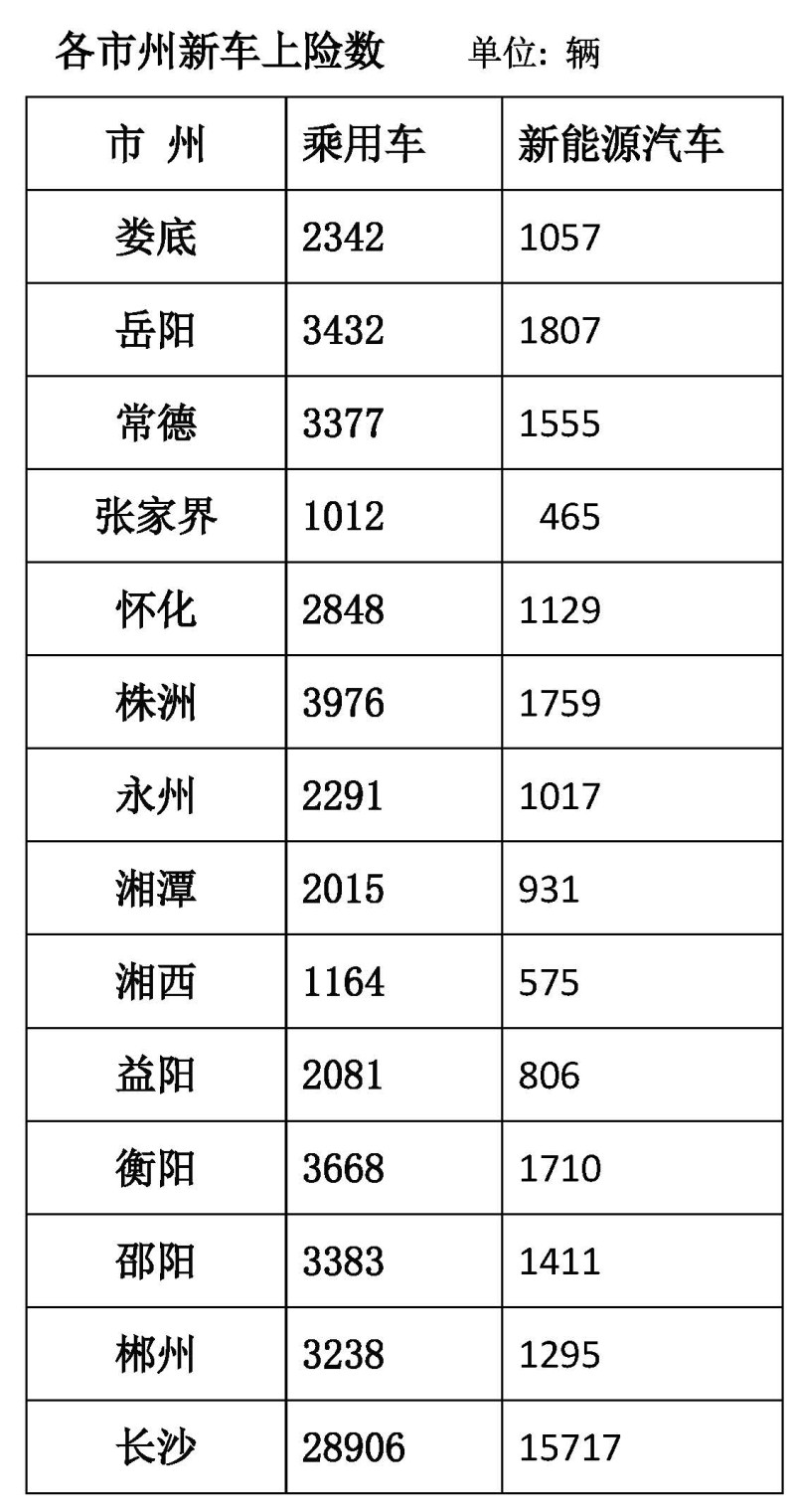
Core Insights - The data released by the Hunan Automobile Association indicates a significant increase in new car registrations in September 2023, with a total of 63,733 vehicles registered, marking a 29.21% increase from August. Among these, 31,225 were new energy vehicles (NEVs), reflecting a 28.16% rise [1][3]. Group 1: Overall Market Performance - Hunan's new car registration volume in September reached 63,733 units, with NEVs accounting for 31,225 units, resulting in a penetration rate of 48.99% for NEVs in the province, nearing the national average [3]. - Changsha led the province with 28,906 new car registrations and 15,717 NEVs, significantly outpacing other cities [3]. Group 2: City-Level Performance - The top three cities for new car registrations in September were Changsha, Zhuzhou, and Hengyang, with respective figures of 28,906, 3,976, and 3,668 units [3]. - Notably, Yueyang achieved a NEV penetration rate of 52.65%, making it one of the two cities in Hunan with over 50% penetration, alongside Changsha [3]. Group 3: Brand and Model Insights - In the fuel vehicle segment, brands like Toyota, Honda, Nissan, and Volkswagen continue to dominate, with Japanese brands showing a clear advantage [4]. - The Wuling Hongguang MINI topped the NEV registration list with 1,524 units, indicating strong consumer preference for this compact model [4][5]. - BYD had seven models in the top 16, all priced under 100,000 yuan, highlighting the brand's focus on affordable vehicles while indicating a need for improvement in higher-value segments [4]. Group 4: Emerging Trends - Xiaomi's YU7 and SU7 models gained traction, with YU7 surpassing SU7 in registrations, reflecting the brand's expanding production capacity despite recent safety concerns affecting its reputation [9]. - The introduction of the Cao Cao 60 model, with 280 registrations, suggests a potential shift in the ride-hailing market, challenging established brands like BYD and Aion [9].

Tesla Rival Xpeng To Enter 3 New European Countries, Targets Cambodia Amid Global Expansion - XPeng (NYSE:XPEV)
Benzinga· 2025-10-27 06:56
Group 1 - Xpeng Inc. is expanding into new markets in Europe and Asia, specifically entering Estonia, Lithuania, Latvia, and Cambodia [1][2] - The company has established a global sales and service network covering over 49 countries and regions [2] - Xpeng will manufacture vehicles in Europe through a partnership with Magna International Inc. at a facility in Austria [3] Group 2 - Several Chinese automakers, including Xiaomi and Li Auto, are also expanding into Europe, with Xiaomi establishing an R&D center in Germany [4] - Tesla has experienced a 25% drop in sales in Italy, indicating a downward trend in several global markets [6] - BYD Co. Ltd. has become the largest overseas market player in the UK, selling 11,271 vehicles in September 2025, a significant increase from 1,150 units in the same month of 2024 [7] Group 3 - Xpeng scores well on the Momentum metric but has poor Growth metrics, with a favorable price trend in the medium and long term [8]
“技术+量产”十年深耕智驾路,易航智能从“非著名”走向“实力派”
Zhong Guo Jing Ji Wang· 2025-10-27 04:18
Core Insights - The article highlights the journey of Yihang Intelligent, a relatively unknown autonomous driving company, which has successfully navigated the challenges of the industry over the past decade by focusing on practical solutions rather than chasing trends [1] Group 1: Company Background - Yihang Intelligent was founded by four technology enthusiasts and has adopted a dual strategy of "full-stack technology + engineering mass production" to establish a foothold in the autonomous driving sector [1] - The company initially faced skepticism from investors due to its lack of high-profile founders and prestigious academic endorsements [3] Group 2: Key Milestones - In 2016, Yihang completed a critical road test from Changchun to Beijing, which led to investment from Li Auto and secured its first mass production project, the Li ONE [3][4] - Yihang took over the full development of the Li ONE project after the original supplier exited the autonomous driving business, demonstrating its commitment to in-house development [4] Group 3: International Expansion - Yihang gained recognition in the European market through a partnership with Renault, overcoming initial skepticism regarding its technology [6] - The company successfully passed rigorous testing for its Automatic Emergency Braking (AEB) system, achieving a five-star rating from the European New Car Assessment Programme (ENCAP) [7] Group 4: Recent Developments - Yihang developed the high-level Navigation Assisted Driving (NOA) feature for the SAIC Maxus G90, marking it as the first MPV in China to feature NOA [8][9] - The company secured significant funding during a challenging period for the industry, indicating strong investor confidence in its technical capabilities and market potential [9]
技术+量产”十年深耕智驾路,易航智能从“非著名”走向“实力派
Zhong Guo Jing Ji Wang· 2025-10-27 04:08
Core Insights - The article highlights the journey of Yihang Intelligent, a relatively unknown autonomous driving company, which has successfully navigated the challenges of the industry over the past decade by focusing on practical solutions rather than chasing trends [1] Group 1: Company Background and Strategy - Founded by four technical youths, Yihang Intelligent has adopted a dual strategy of "full-stack technology + engineering mass production" to establish a foothold in the fluctuating autonomous driving market [1] - The company initially focused on L2 level mass production, contrasting with many competitors pursuing the more ambitious L4 level [4] - Yihang's founder, Chen Yuhang, emphasized the importance of survival and securing funding during the company's early days [4] Group 2: Key Milestones - A pivotal moment for Yihang occurred in 2016 when they successfully completed an autonomous driving test from Changchun to Shenyang, which led to investment from Li Auto and the acquisition of their first mass production project, the Li ONE [4][5] - Yihang took over the full development responsibility for the Li ONE project after the original supplier exited the autonomous driving business, reinforcing their commitment to in-house development [5] - The Li ONE became the best-selling model in the domestic new energy vehicle market priced above 300,000 yuan, validating Yihang's engineering capabilities [5] Group 3: International Expansion - Yihang's experience with the Li ONE opened doors for collaboration with international automakers, including Renault, which initially expressed skepticism about the capabilities of a Chinese startup [6] - The company successfully passed rigorous testing for its Automatic Emergency Braking (AEB) system, which helped dispel doubts and facilitated entry into the European market [6][7] - Yihang's AEB system achieved a five-star rating from the European New Car Assessment Programme (ENCAP), marking a significant achievement for a domestic autonomous driving solution [7] Group 4: Recent Developments - Yihang was invited by SAIC to develop advanced Navigation Assisted Driving (NOA) features for the Maxus G90, becoming the first MPV in China to implement such technology [9][10] - The project was completed ahead of schedule, showcasing Yihang's ability to compete with larger companies in the industry [10] - Following the success of the G90 project, Yihang secured significant funding, including a C-round investment led by BAIC and strategic investment from Horizon Robotics, indicating strong market confidence in their capabilities [10]