LI AUTO(LI)

Search documents
2025年全国汽车以旧换新补贴申请量突破1000万份,欣旺达推出新一代固态电池 | 投研报告
Zhong Guo Neng Yuan Wang· 2025-10-27 01:27
Group 1 - The automotive sector underperformed the broader market this week, with the CSI 300 index rising by 3.24% while the automotive sector increased by 2.92%, ranking 10th among A-share Shenwan first-level industries [2] - The SW passenger vehicle index rose by 0.63%, with Jianghuai Automobile and BAIC Blue Valley leading the gains [2] - The SW commercial vehicle index increased by 3.00%, with King Long Automobile and Dongfeng Motor leading the gains [2] - The SW automotive parts index saw a rise of 4.04%, with Biaobang Co. and Aolian Electronics leading the gains [2] Group 2 - Key industry news includes: 1. The number of applications for the national vehicle trade-in subsidy exceeded 10 million by 2025 [2] 2. In September, the monthly delivery volume of functional unmanned vehicles in Shenzhen surpassed 1 million [2] 3. Xinwangda launched a new generation solid-state battery with an energy density of 400 Wh/kg [2] 4. New Stone Technology completed over $600 million in Series D financing [2] 5. The "Energy-saving and New Energy Vehicle Technology Roadmap 3.0" was released [2] 6. SAIC Volkswagen and Neura Robotics are developing cognitive robotic systems for automotive manufacturing [2] 7. CATL plans to establish over 2,500 chocolate battery swap stations by 2026 [2] 8. Qijing's first model is scheduled for launch in mid-next year [2] 9. Meituan's unmanned vehicles have achieved large-scale deployment in Shenzhen [2] 10. Pony.ai and Stellantis are collaborating to develop L4 autonomous vehicles for promotion in Europe next year [2] 11. Leju Robotics completed nearly 1.5 billion yuan in Pre-IPO financing [2] Group 3 - Recommendations for vehicle manufacturers include: BYD, Great Wall Motors, Leap Motor, Seres, BAIC Blue Valley, Jianghuai Automobile, Li Auto-W, Xpeng Motors-W, Geely, GAC Group, and Changan Automobile [3] - For commercial vehicles, recommended companies include China National Heavy Duty Truck Group, FAW Jiefang, Weichai Power, Tianrun Industrial, and Foton Motor [3] - In the automotive parts sector, recommended companies include Songyuan Safety, Senqilin, Aikedi, Junsheng Electronics, Zhejiang Xiantong, Fuyao Glass, Bertley, Weichai Power, Wuxi Zhenhua, China Automotive Research, Desay SV, Huguang Co., Shuanghuan Transmission, Songyuan Co., Top Group, Best, Sanhua Intelligent Control, Debang Lighting, Changshu Automotive Trim, New Spring Co., Baolong Technology, Jingzhu Technology, Kabeiyi, Jifeng Co., Shanghai Yanpu, Tenglong Co., Mingxin Xuteng, and Longsheng Technology [3]





部分中概股在美股夜盘走高
Ge Long Hui A P P· 2025-10-27 00:55
Core Viewpoint - Some Chinese concept stocks in the US market saw gains during after-hours trading, with Alibaba and Baidu both rising by 3%, while Li Auto, Xpeng Motors, and Bilibili increased by over 2% [1] Company Performance - Alibaba experienced a 3% increase in after-hours trading [1] - Baidu also saw a 3% rise during the same period [1] - Li Auto, Xpeng Motors, and Bilibili each rose by more than 2% [1]


热门中概股在美股夜盘走高,阿里巴巴和百度均涨3%,理想汽车、小鹏汽车涨超2%。
Mei Ri Jing Ji Xin Wen· 2025-10-27 00:55
Core Viewpoint - Popular Chinese concept stocks rose in the U.S. night trading on October 27, with Alibaba and Baidu both increasing by 3%, and Li Auto and Xpeng Motors rising over 2% [1] Company Summary - Alibaba's stock price increased by 3% during the trading session [1] - Baidu's stock price also saw a rise of 3% [1] - Li Auto's stock price rose by more than 2% [1] - Xpeng Motors experienced a similar increase of over 2% [1]
热门中概股在美股夜盘走高,阿里巴巴和百度均涨3%,理想汽车、小鹏汽车涨超2%
Mei Ri Jing Ji Xin Wen· 2025-10-27 00:48
Group 1 - Popular Chinese concept stocks in the US night market saw gains, with Alibaba and Baidu both rising by 3% [1] - Li Auto and Xpeng Motors experienced increases of over 2% [1]
中国汽车行业:2025 年三季度前瞻及 2026 年展望-China Auto Industry_ 3Q25 preview and expectations into 2026
2025-10-27 00:31
Summary of China Auto Industry Conference Call Industry Overview - **Industry**: China Auto Industry - **Focus**: 3Q25 preview and expectations into 2026 Key Points and Arguments 1. **Sales Forecasts**: - Total Passenger Vehicle (PV) sales are projected to reach 30.59 million units in 2025 and 31.43 million units in 2026, reflecting a year-over-year growth of 7% and 3% respectively [5][6][89] - The sales of New Energy Vehicles (NEVs) are expected to grow significantly, with wholesales reaching approximately 19.06 million units by 2027, representing a compound annual growth rate (CAGR) of 16% from 2023 to 2030 [6][89] 2. **Market Dynamics**: - The market share of Chinese brands in the overall PV industry is anticipated to increase from 65% in 2024 to 80% in the long term, driven by gains in the NEV segment and the adoption of advanced driver-assistance systems (ADAS) [75] - The export of vehicles is projected to continue growing, with a record level of approximately 5.9 million units exported in 2024, and an expected increase to around 6.6 million units in 2025 [83][84] 3. **Pricing Environment**: - Pricing discounts have risen to record highs since Q1 2022, although they have narrowed slightly due to government initiatives aimed at reducing market competition [44][52] - The average discount for domestically made models is around 8%, while imported models see an average discount of 13% [52] 4. **OEM Performance**: - Key OEMs such as BYD, Geely, and SAIC are expected to maintain strong sales volumes, with BYD projected to sell approximately 1.14 million units in 3Q25, despite a slight decline of 3% from the previous quarter [90][91] - Leapmotor is expected to show significant growth, with a 30% increase in sales volume to 174,000 units in 3Q25 [90] 5. **Policy Implications**: - There is a 50% probability that subsidies or some form of stimulus will continue into 2026, with a focus on energy efficiency for NEVs [88] - Historical cycles indicate that government policies, such as tax cuts, have previously led to significant rebounds in auto sales [19][23] Additional Important Insights - **Segment Analysis**: - The NEV segment is expected to dominate future sales, with wholesales projected to reach 12.29 million units by 2025, indicating a strong shift towards electric vehicles [6] - The penetration rate of NEVs in the overall market is expected to rise to 60% by 2030 [6] - **Market Share Trends**: - The top 10 OEMs currently hold 86% of the market share, indicating a highly concentrated market [30][32] - The market share of NEVs is expected to grow significantly, with domestic brands leading the charge [37] - **Challenges**: - The industry faces challenges such as fluctuating demand and pricing pressures, which could impact profitability for some OEMs [54][56] This summary encapsulates the key insights and forecasts regarding the China auto industry as discussed in the conference call, highlighting the expected growth in sales, market dynamics, and the implications of government policies on the sector.



2025年的理想还在不断突破,年度成果一览......
自动驾驶之心· 2025-10-27 00:03
Core Insights - Li Auto has successfully entered the domestic smart driving tier one since the mass production of its end-to-end + VLM dual system last year, maintaining a leading position in both academic work and mass production solutions [3][4] - The company is transitioning from a new energy vehicle brand to an AI enterprise, driven by advancements in embodied intelligence and large models [3] - The VLA driver model, featuring innovative architecture, enhances capabilities in spatial understanding, reasoning, communication, memory, and behavior [3][4] VLA & VLM - ReflectDrive introduces discrete diffusion for reflective vision-language-action models in autonomous driving, aiming for scalable and efficient trajectory generation [8][13] - OmniReason establishes a temporal-guided framework for VLA, emphasizing causal reasoning in diverse driving scenarios [11][16] - LightVLA presents a differentiable token pruning framework to enhance efficiency in VLA models, achieving significant reductions in computational load while improving success rates [14][17] - DriveAgent-R1 focuses on human-like driving decisions, introducing a hybrid thinking architecture that adapts to complex environments [19] End-to-End Trajectory Generation - World4Drive is an open-source VLA dataset covering diverse driving scenarios across 148 cities in China, ensuring high-quality and representative data [21][25] - TransDiffuser enhances trajectory generation through a novel end-to-end framework that integrates multimodal driving intentions without relying on perception annotations [23][26] World Models - RLGF proposes a reinforcement learning framework for generating driving videos, addressing geometric distortion issues in autonomous driving [29][34] - GeoDrive innovatively incorporates 3D point cloud rendering into the generation paradigm, improving spatial consistency and controllability [40] Other Innovations - TokenFLEX introduces a unified training framework for dynamic visual token inference, enhancing model robustness across varying token counts [50] - RuscaRL addresses exploration bottlenecks in reinforcement learning, promoting independent learning through structured external support [56]

上市车企9月销量:整车销量超218万辆 上汽集团、比亚迪、吉利汽车销量居前三
Xin Hua Cai Jing· 2025-10-26 23:29
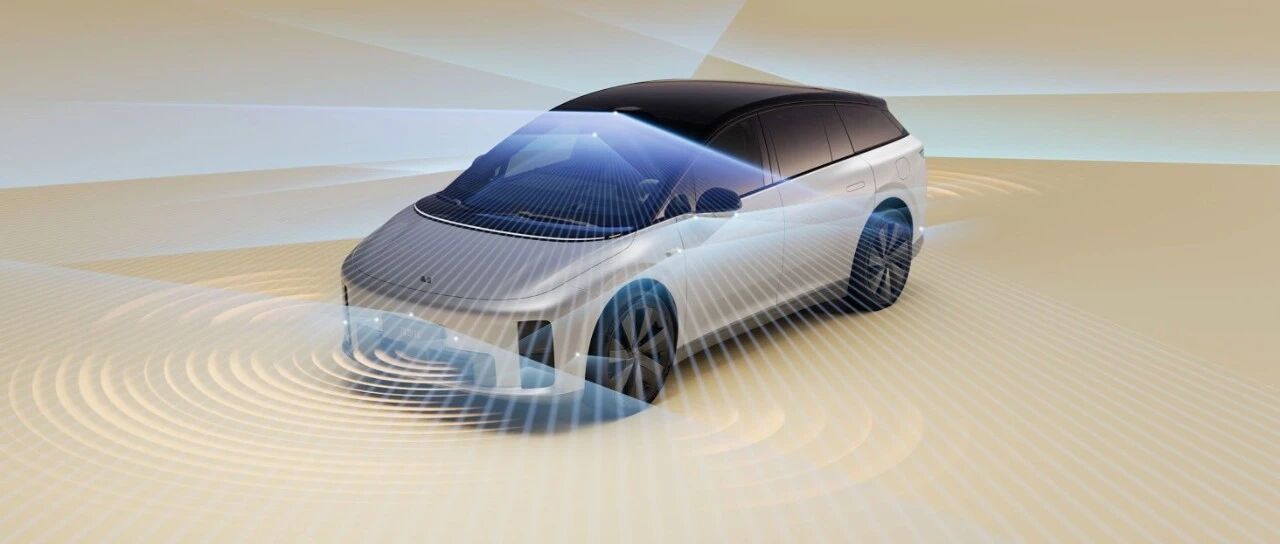
Core Insights - In September 2025, 20 A and H-share listed automotive manufacturers reported a total vehicle sales of 2.1862 million units, representing a year-on-year increase of 15.28% [1] - The total sales of new energy vehicles (NEVs) reached approximately 1.1924 million units, up 21.9% year-on-year, with a penetration rate of about 55.69% [1][6] Vehicle Sales Overview - The top three manufacturers in total vehicle sales for September were SAIC Motor with 439,777 units, BYD with 396,270 units, and Geely with 273,125 units [4][5] - SAIC Motor's sales increased by 40.39% year-on-year, while BYD's sales decreased by 5.52% [4][5] - Notable growth was observed in Qianli Technology with a year-on-year increase of over 170% in September sales [3][4] New Energy Vehicle Sales - The leading companies in NEV sales for September were BYD with 396,270 units, SAIC Motor with 189,498 units, and Geely with 165,201 units [9] - Qianli Technology and Shuguang Co. saw NEV sales growth exceeding 100% year-on-year, while Li Auto experienced a decline of 36.79% [8][9] - The NEV sales penetration rate increased by 0.69 percentage points compared to August [6] Monthly Sales Trends - Compared to August, companies like Beiqi Blue Valley, Zhongtong Bus, and Jiangling Motors showed significant acceleration in sales growth, while Shuguang Co., Xiaopeng Motors, Dongfeng Group, and Foton Motors experienced a slowdown [1][3] - The overall vehicle sales in September showed a month-on-month increase of 13.63% [1]

重磅|刚刚,汽车零部件行业发生一件大事
汽车商业评论· 2025-10-26 23:07
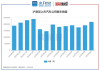
Core Viewpoint - The article discusses the significance of the Lingxuan Award in recognizing innovation in the Chinese automotive parts industry, highlighting its evolution over the past decade and its role in shaping the supply chain amidst the trends of electrification and intelligence in the automotive sector [10][12][50]. Group 1: Overview of the Lingxuan Award - The Lingxuan Award is an annual recognition for contributions in the automotive parts sector, evaluated by procurement and R&D leaders from major automotive companies in China [12][20]. - The award has evolved from filling a gap in the industry to becoming a core reference for supply chain choices among major automotive manufacturers [17][50]. - The award aims to discover cost-effective supply chains, enhance local industry security, and promote the transition to "new automobiles" in the era of electrification and intelligence [17][49]. Group 2: Evaluation Process - The evaluation process for the Lingxuan Award has shifted to a more immersive workshop format, allowing for in-depth discussions among judges from procurement and R&D backgrounds [25][30]. - The final evaluation involved 127 cases, with judges discussing and voting on the most innovative and applicable technologies across various categories [10][38]. - The award ceremony will take place during the WNAT-CES 2025 event in December, showcasing the winners and their contributions [10][20]. Group 3: Industry Trends and Insights - The evaluation revealed that 58% of the cases focused on intelligent cockpits, intelligent driving, automotive software, and chips, indicating a shift towards "software-defined vehicles" [38][41]. - Key trends identified include the emergence of new enterprises as vital players in the supply chain, the need for systematic upgrades in cost, safety, and international adaptability, and the growing importance of "emotional value" in user experience [39][41][48]. - The judges emphasized that cost control is paramount in product evaluation, with a focus on integrated architecture to balance cost reduction and intelligent features [44][45]. Group 4: Future Directions - The Lingxuan Award serves as a platform for self-reflection and collaborative evolution within the automotive supply chain, fostering connections between parts manufacturers and automotive companies [50]. - The participation of new enterprises, which accounted for over 20% of the cases, highlights the infusion of fresh energy and innovative technologies into the local supply chain [49][50]. - The award's ongoing mission aligns with the industry's pressing needs, ensuring that it remains relevant and impactful in the face of rapid technological advancements [49][50].


智能汽车的安全冗余不能只是选择题
Zheng Quan Shi Bao· 2025-10-26 17:41
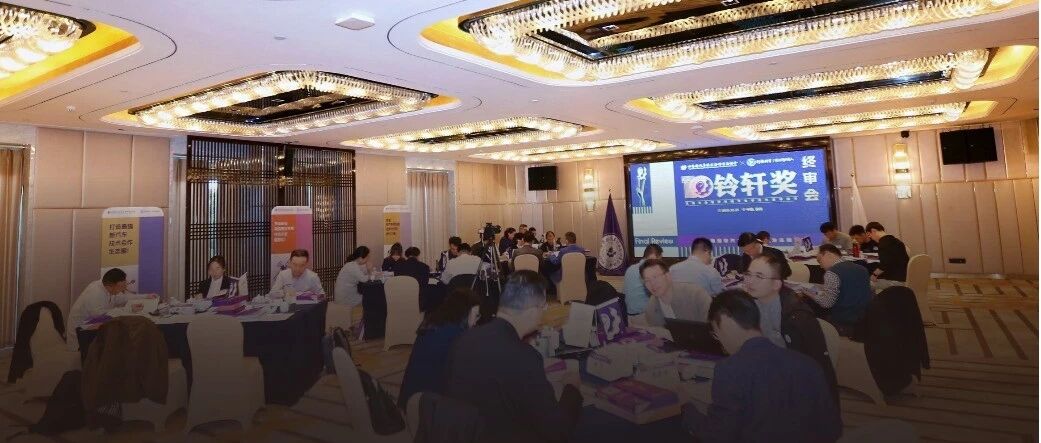
Core Viewpoint - Recent fire incidents involving Xiaomi and Li Auto vehicles have raised significant safety concerns in the electric vehicle market, highlighting the critical need for safety redundancy in automotive design [1][2]. Group 1: Incident Analysis - The fire incident involving Xiaomi's vehicle in Chengdu featured a door that could not be opened, attributed to the lack of effective mechanical redundancy in its semi-hidden door handle design [1]. - Li Auto's MEGA caught fire unexpectedly while driving, bringing the safety of high-priced electric vehicles into question [1]. Group 2: Safety Redundancy Importance - Safety redundancy, derived from engineering and emergency management, is essential for enhancing the overall safety and reliability of vehicles, especially in the context of electric vehicles where fire spread is significantly faster than in traditional fuel vehicles [1][2]. - Current market competition has led some manufacturers to cut costs by reducing critical redundancy features in lower-priced models, shifting safety responsibilities onto consumers [1]. Group 3: Industry Recommendations - The design of features like hidden door handles should not compromise emergency accessibility for aesthetic purposes, and there is a need for robust protective mechanisms for battery systems to ensure safety [2]. - The advancement of technologies such as autonomous driving and smart cockpits must be grounded in solid safety redundancy rather than marketing rhetoric that obscures design flaws [2]. - The transition of China's smart vehicle industry from scale expansion to high-quality development necessitates a focus on safety as a fundamental requirement rather than an optional feature [2].

车企抢占新能源购置税调整“窗口期”
Bei Jing Shang Bao· 2025-10-26 15:50
Core Viewpoint - The automotive industry is actively implementing cash subsidy programs to attract orders as the deadline for the half-reduction of the new energy vehicle purchase tax approaches, with various companies offering solutions to mitigate tax impacts for consumers [1][3][4]. Group 1: Company Actions - Deep Blue Automotive has launched a "cross-year delivery purchase tax cash subsidy plan" to support consumers who lock in orders before the end of the year [1]. - NIO introduced a similar "lock order" plan for its new ES8 model, offering a purchase tax difference subsidy coupon for orders locked by December 31, 2023, which can offset up to 15,000 yuan of the vehicle price [3]. - Other companies like Xiaomi, Li Auto, and Zeekr have also rolled out related subsidy programs, with Li Auto providing cash reductions on the final payment to cover tax differences [3][4]. Group 2: Policy Background - The actions of these companies are influenced by a recent announcement from the Ministry of Finance, State Taxation Administration, and Ministry of Industry and Information Technology, which states that new energy vehicles purchased between January 1, 2024, and December 31, 2025, will be exempt from purchase tax, while those purchased between January 1, 2026, and December 31, 2027, will have a 50% tax reduction [4]. - The maximum tax reduction per vehicle during the half-reduction period is capped at 15,000 yuan, with the current purchase tax calculation formula being 10% of the invoice price divided by 1.13 [4]. Group 3: Market Dynamics - The delivery times for vehicles are extending, prompting companies to offer subsidies to ensure consumers are not burdened by increased tax liabilities due to delayed deliveries [5][6]. - The automotive market is entering a peak sales period as companies aim to boost sales before year-end, with a reported 35.4% increase in customer engagement in early October compared to September [7]. - The implementation of policies such as the vehicle trade-in program and the impending expiration of the purchase tax exemption are expected to significantly enhance consumer purchasing intentions [7].