Luckin Coffee(LKNCY)

Search documents
支付宝推出国内首个“AI付”
第一财经· 2025-09-11 08:20
Core Viewpoint - Alipay launched the first domestic "AI Payment" at the 2025 Inclusion·Bund Conference, in collaboration with Luckin Coffee, enabling a seamless integration of ordering and payment through AI [1] Group 1 - Alipay's AI Payment allows users to interact with an AI ordering assistant to place orders and make payments [1] - The service is available through Luckin Coffee's Alipay mini-program or official app [1]


支付宝推出国内首个“AI付”
Di Yi Cai Jing· 2025-09-11 08:00
Core Insights - Alipay has launched the first "AI Payment" in China, in collaboration with Luckin Coffee, marking a significant advancement in the integration of AI in payment systems [1] Group 1: Company Developments - Alipay introduced the "AI Payment" feature at the 2025 Inclusion·Bund Conference on September 11 [1] - The new feature allows users to interact with an AI ordering assistant through the Luckin Coffee Alipay mini-program or official app to place orders and make payments seamlessly [1] Group 2: Industry Impact - This launch represents a breakthrough in connecting AI technology with the entire ordering and payment process, potentially setting a new standard for digital payments in the food and beverage sector [1]
支付宝推出国内首个AI付
Jing Ji Guan Cha Wang· 2025-09-11 07:55
Group 1 - Alipay announced the launch of the first "AI Payment" in China at the 2025 Inclusion Bund Conference [1] - The service is launched in collaboration with Luckin Coffee, enabling a seamless integration of ordering and payment through AI [1] - Users can interact with the AI ordering assistant via the Alipay mini-program or the official app to complete their orders and payments [1]
星巴克中国出售或10月底敲定
21世纪经济报道· 2025-09-11 07:01
Core Viewpoint - Starbucks is in the final stages of selling its stake in the Chinese market, with potential buyers including Boyu Capital, Carlyle Group, EQT, and Sequoia China, aiming to finalize the deal by the end of October [1][2] Group 1: Stake Sale and Market Position - The key issue in the stake sale is the proportion of ownership that Starbucks will retain, with indications that the company may keep around 30% of the stake while distributing the rest among multiple buyers [2] - Starbucks CEO Brian Niccol emphasized the importance of retaining a significant stake to maintain operational control in China, stating that any deal must align with Starbucks' interests [1][2] Group 2: Operational Flexibility and Growth - Starbucks has shown increased operational flexibility in China, including a partnership with Xiaohongshu (Little Red Book) to enhance community engagement and a price adjustment strategy that has led to significant sales growth in key product categories [5] - In the latest fiscal quarter, Starbucks China reported an 8% year-over-year revenue increase to $790 million (approximately 5.625 billion RMB), marking three consecutive quarters of growth [5] Group 3: Competitive Landscape - The competitive landscape in the Chinese coffee market is intensifying, with Luckin Coffee reporting a 47.1% year-over-year revenue increase to 12.36 billion RMB, significantly outpacing Starbucks [7][8] - As of the end of Q2, Luckin Coffee had 26,206 stores, reflecting a rapid expansion that has created a noticeable gap between it and Starbucks [7][8]

暑期档57起联名,34亿营销费,新茶饮们还“卷”得动吗?
3 6 Ke· 2025-09-11 02:55
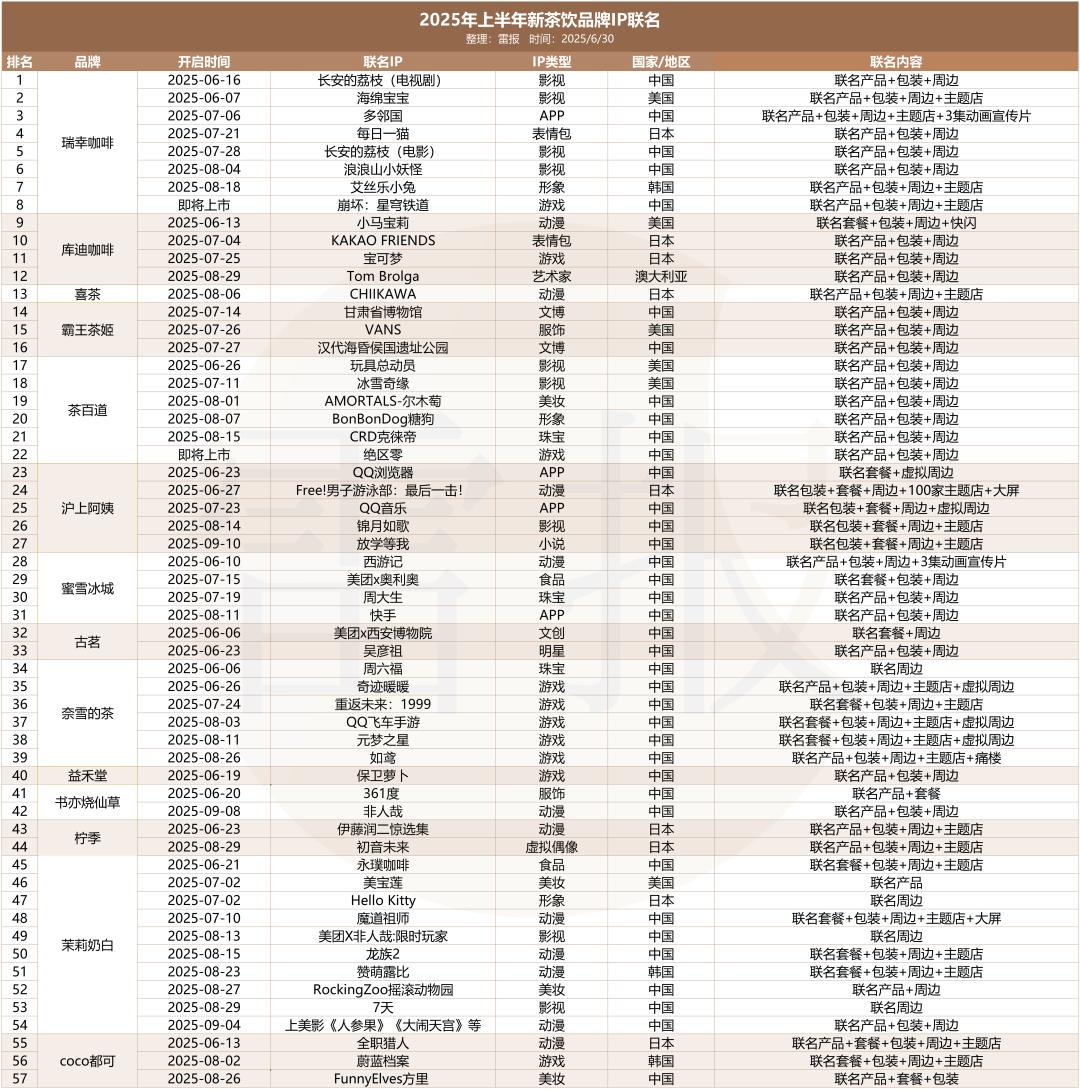
Core Insights - The summer of 2025 sees a continued trend of collaboration in the new tea beverage industry, with brands leveraging various IPs for marketing, indicating a shift towards more strategic partnerships rather than mere quantity [1][2] - Domestic IPs dominate the collaboration landscape, with 38 out of 57 partnerships involving local brands, reflecting a growing preference for local content in marketing strategies [2][3] - The effectiveness of collaborations is increasingly tied to supply chain capabilities and execution, as seen in the contrasting outcomes of different brand partnerships [8][12] Industry Trends - The new tea beverage sector has witnessed 57 IP collaborations in the first half of 2025, with domestic IPs accounting for over two-thirds of these partnerships [2] - High-density collaborations have become standard in the industry, but brands must balance between creating long-term user assets and avoiding excessive competition for collaborations [1][4] - The preference for anime and gaming IPs reflects a strategy to engage younger consumers and enhance brand loyalty through emotional connections [6][10] Marketing Strategies - Marketing expenditures among seven listed new tea brands exceeded 3.4 billion yuan in the first half of 2025, with Luckin Coffee leading at 1.089 billion yuan [12][13] - Despite high marketing costs, five out of seven brands reported a decrease in marketing expense ratios, indicating a shift towards more efficient spending [13][14] - Brands are moving from aggressive spending to more calculated marketing strategies, focusing on the return on investment from collaborations [15][17] Case Studies - Luckin Coffee's collaboration with the language learning app Duolingo resulted in the sale of 9 million cups in the first week, showcasing the potential of effective IP partnerships [1][6] - The partnership between Nayuki and the mobile game "Like a Kite" faced backlash due to supply issues and product quality, highlighting the risks associated with high-profile collaborations [8][10] - Heicha's exclusive collaboration with Chiikawa aimed to create scarcity and enhance perceived value, although it raised concerns about sustaining long-term brand engagement [17]
外卖补贴“散场”,七大品牌550亿元营收背后,茶饮咖啡高增长如何“续杯”?
Mei Ri Jing Ji Xin Wen· 2025-09-10 11:41
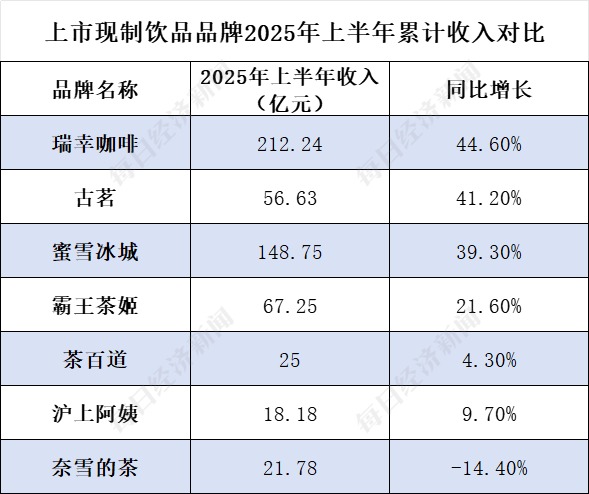
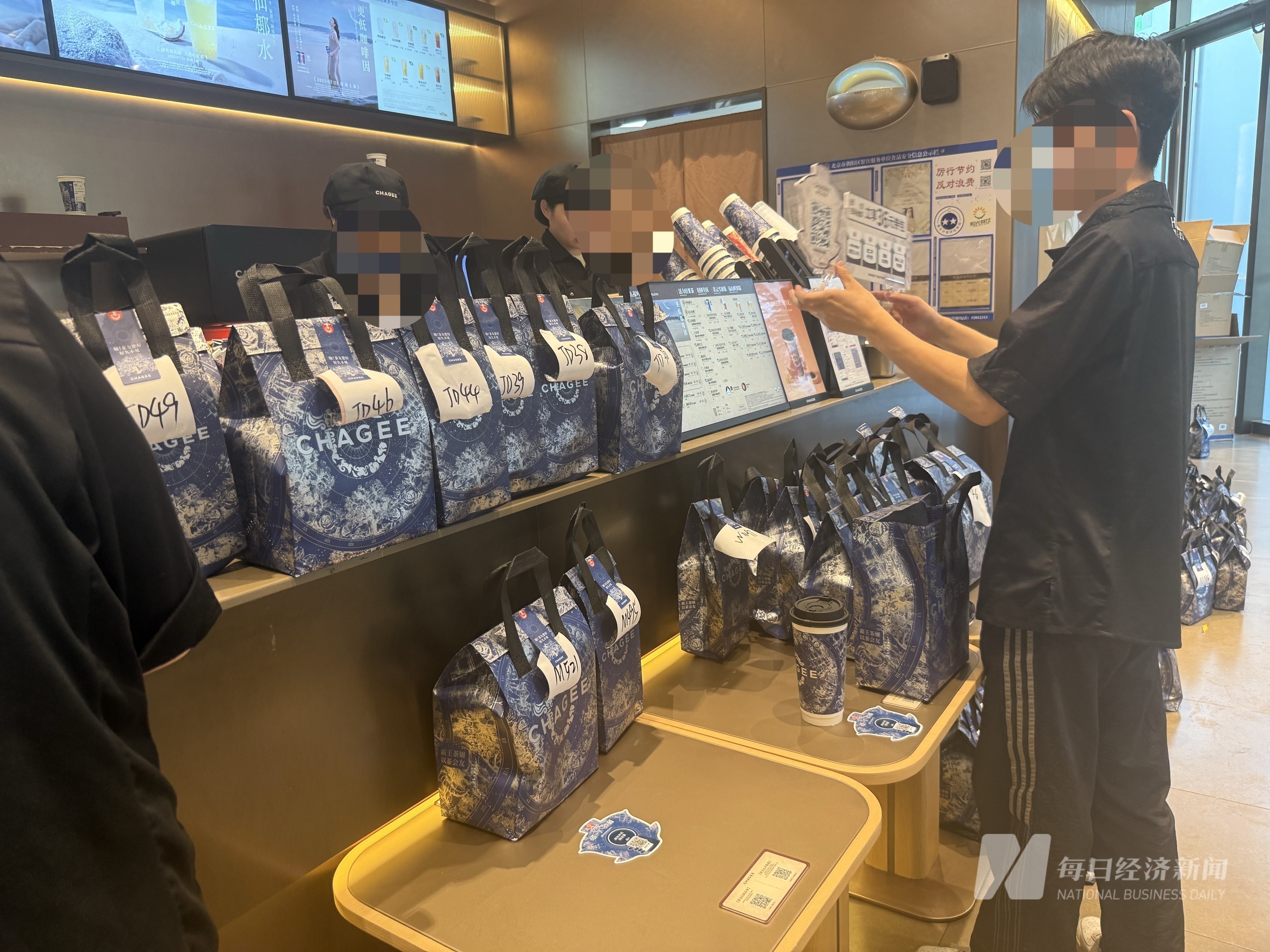
Core Insights - The recent subsidy war among food delivery platforms has significantly impacted the ready-to-drink beverage market, leading to a temporary surge in sales but raising questions about the sustainability of this growth [1][6][9] Industry Overview - The ready-to-drink tea and coffee sector has seen a dramatic price drop, with many brands offering products below 10 yuan due to aggressive subsidies [2][7] - Major brands like Luckin Coffee, Gu Ming, and Mi Xue Bing Cheng reported substantial revenue increases in the first half of 2025, with total revenue reaching 550 billion yuan, a year-on-year increase of 135 billion yuan [1][3][4] Financial Performance - Luckin Coffee reported a net income of 212.24 billion yuan, a 44.6% increase year-on-year, while Gu Ming achieved 56.63 billion yuan in revenue, up 41.2% [3][4] - Other brands also showed growth, with Mi Xue Bing Cheng at 148.75 billion yuan (39.3% increase) and Ba Wang Cha Ji at 67.25 billion yuan (21.6% increase) [4] Market Dynamics - The rapid expansion of store numbers has been a key driver of revenue growth, with Mi Xue Bing Cheng adding over 5,700 stores in the first half of the year [5][8] - The reliance on subsidies has raised concerns about the long-term viability of sales growth, as many brands may struggle to maintain performance without these incentives [5][7] Regulatory Environment - The State Administration for Market Regulation has indicated a focus on monitoring the competitive landscape of the food delivery industry, emphasizing the need for quality service and fair pricing [1][6] - The regulatory body has urged platforms to control subsidies to avoid disrupting the normal pricing structure, which could lead to a decline in consumer demand once subsidies are removed [6][7] Strategic Shifts - Brands are beginning to shift focus towards in-store sales and improving operational efficiency to mitigate the impact of fluctuating delivery orders [8] - There is a growing consensus among leading brands to enhance digital operations and supply chain management to better meet consumer demands and improve profitability [8][9]
产业观察丨外卖补贴“散场”,七大品牌550亿元营收背后,茶饮咖啡高增长如何“续杯”?
Mei Ri Jing Ji Xin Wen· 2025-09-10 11:14
Core Viewpoint - The recent subsidy war among food delivery platforms has significantly impacted the ready-to-drink beverage market, leading to a surge in sales for various brands, but the sustainability of this growth is in question as regulatory scrutiny increases [1][5][9]. Industry Overview - The competition in the ready-to-drink beverage sector intensified during the summer, with major platforms like Meituan, Alibaba, and JD.com engaging in aggressive subsidy strategies, resulting in a chaotic pricing environment where many drinks were sold for as low as a few yuan or even for free [1][5]. - The market regulator has expressed concerns over the impact of these subsidies on the normal pricing system and has called for improved service quality and food safety [1][9]. Financial Performance - In the first half of 2025, seven listed beverage brands reported a combined revenue of 55 billion yuan, an increase of 13.5 billion yuan year-on-year [1]. - Luckin Coffee reported a net income of 21.22 billion yuan, a 44.6% increase year-on-year, while other brands like Gu Ming and Mi Xue Ice City also saw significant revenue growth [6][7]. Growth Drivers - The revenue growth for these brands is attributed not only to subsidies but also to factors such as store expansion and improved single-store efficiency [8]. - Mi Xue Ice City added over 5,700 new stores in the first half of the year, with a significant portion located in lower-tier cities [8][12]. Challenges Ahead - Analysts express skepticism about the sustainability of the sales growth driven by subsidies, suggesting that a return to normal pricing could lead to a sharp decline in order volumes [10][12]. - The heavy reliance on delivery subsidies has raised concerns about the long-term health of franchise operations, as many orders have shifted from dine-in to delivery, impacting profitability [10][12]. Strategic Shifts - In response to the changing landscape, brands are focusing on enhancing in-store dining experiences and optimizing operational efficiency to mitigate the impact of fluctuating delivery volumes [12]. - Companies are also exploring international markets and enhancing digital operations to better understand consumer needs and improve supply chain efficiency [12][13].
茶咖烘焙小火锅面馆成商场新宠:餐饮“四大金刚”如何成调改热门?
Sou Hu Cai Jing· 2025-09-10 05:51
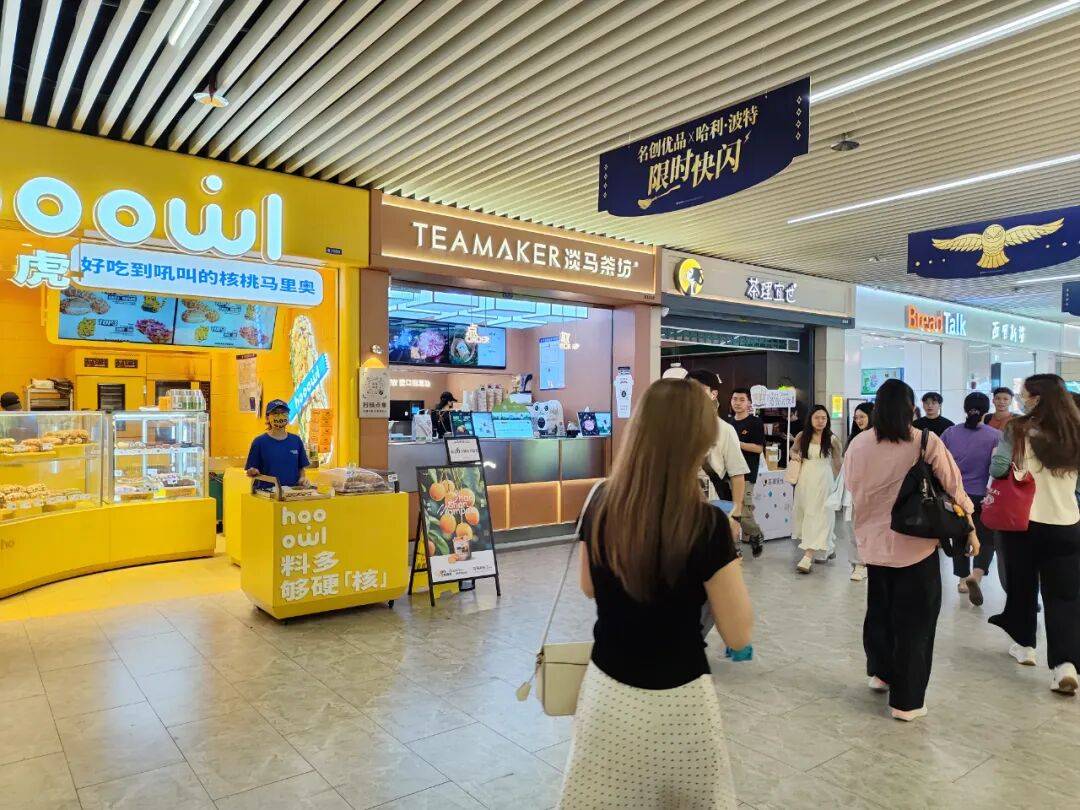
Core Insights - The shift in retail landscape is evident as fast fashion brands like H&M are being replaced by dining establishments such as SHAKESHACK, indicating a broader trend of dining brands taking over retail spaces previously occupied by apparel and beauty brands [1][3]. Retail Landscape Changes - High-end malls, such as Shenzhen's iN City Plaza, have seen a significant transformation, with 50% of their space now occupied by dining brands like Mixue Ice City and Luckin Coffee, reflecting a nationwide trend of retail contraction [3][4]. - In Q2 of this year, dining establishments accounted for 30% of new openings in malls, with high-end malls seeing a ratio of 1.51 for dining openings to closures, highlighting an accelerated shift in retail dynamics [3][4]. Dining Brand Competition - Four main categories—tea and coffee, baking, hot pot, and noodle shops—are intensifying competition within mall dining spaces, with numerous brands clustering in prime locations [3][6]. - New tea brands are frequently appearing in key positions within malls, while baking brands are also expanding their presence, indicating a strategic focus on high-traffic areas [3][6]. Market Pressures and Opportunities - Shopping centers are increasingly reliant on dining brands due to rising vacancy rates, with projections indicating a 27% increase in empty spaces by mid-2025, particularly in tier-three cities [4][6]. - The apparel sector is facing significant challenges, with brands like ZARA reducing their store count from 183 to under 80, and others like GAP and H&M frequently closing stores [4][6]. New Market Entries - Over 120 new commercial projects were launched in the first half of this year, totaling approximately 9 million square meters, indicating a trend of continuous market entry despite existing vacancies [6]. - The restaurant sector is favored for its ability to attract customers, high turnover rates, and stable rental income, making it a preferred choice for mall operators [6][7]. Strategic Value of Malls for Dining Brands - Dining brands are increasingly recognizing the strategic value of mall locations, with 30% of Bawang Tea's stores situated in malls, primarily on the first floor, enhancing brand visibility [6][7]. - The standardized nature of the four main dining categories allows for quick adaptation and brand turnover, reshaping the commercial real estate landscape in China [7].
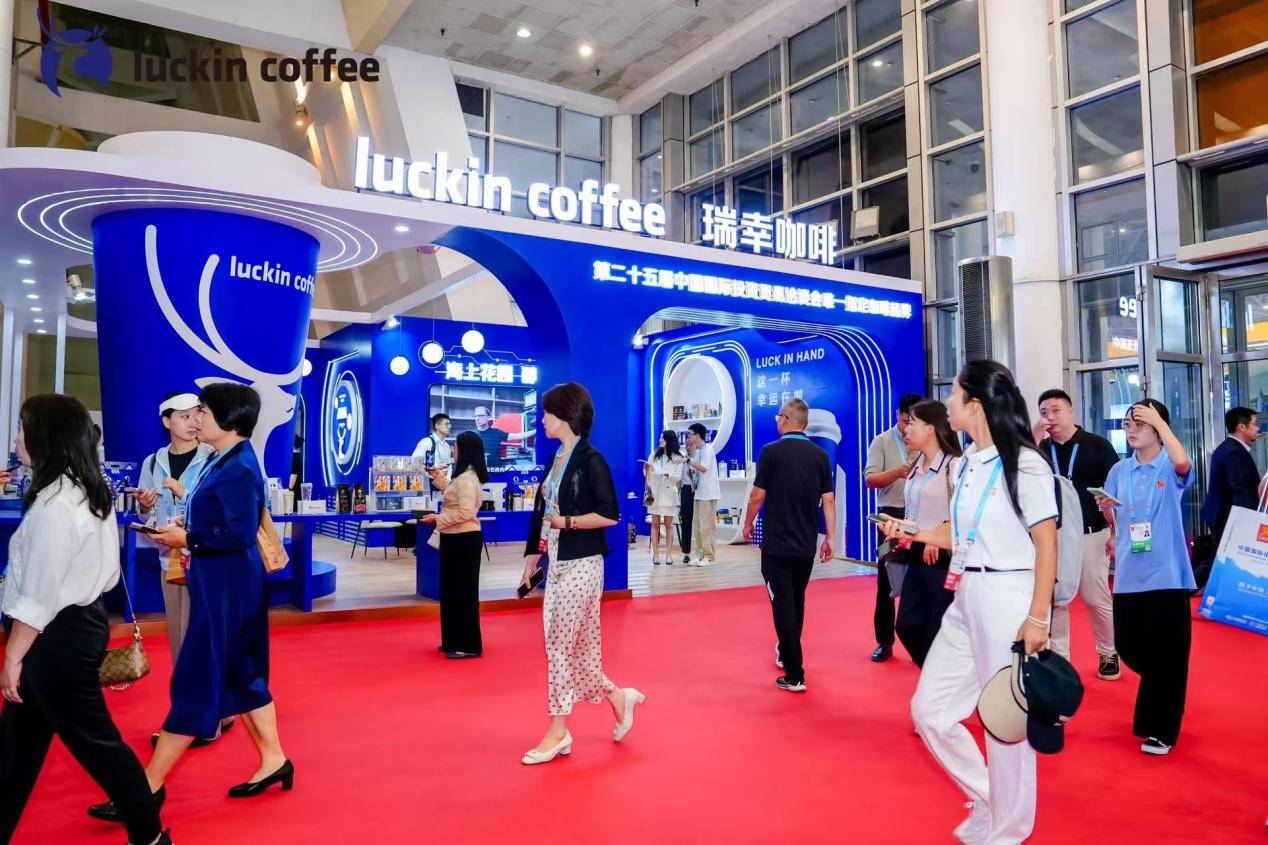
瑞幸咖啡亮相第二十五届中国国际投资贸易洽谈会
Xin Lang Ke Ji· 2025-09-08 05:22
Core Viewpoint - The 25th China International Investment Trade Fair (CIFIT) commenced in Xiamen, with Luckin Coffee serving as the only designated coffee brand, providing high-quality coffee and services to over 80,000 global attendees [1] Group 1: Event Overview - CIFIT is a national-level, international comprehensive exhibition aimed at promoting bilateral investment, organized by the Ministry of Commerce of the People's Republic of China [1] - The event attracted representatives from nearly 100 countries and international organizations, creating a high-end platform for cooperation between Chinese and foreign enterprises [1] Group 2: Company Participation - Luckin Coffee participated in the event as a key enterprise in Xiamen's billion-dollar coffee industry cluster, setting up two pop-up stores and two sponsorship points during the fair [1] - As one of China's largest coffee chain brands, Luckin Coffee currently operates over 26,000 stores domestically [1] Group 3: Industry Insights - Industry analyst Zhu Danpeng noted that Luckin Coffee leverages Xiamen's geographical advantages and industrial foundation to connect with global quality resources in raw materials and production equipment, enhancing its competitive edge [1] - The company's development path of "rooting locally and linking globally" serves as a model for high-quality development through dual circulation, providing a reference for the globalization of local enterprises [1]
用一杯咖啡链接全球 瑞幸咖啡亮相第二十五届中国国际投资贸易洽谈会
Sou Hu Cai Jing· 2025-09-08 04:37
Core Viewpoint - The 25th China International Investment Trade Fair (CIFIT) was held in Xiamen, showcasing the strength of Chinese brands like Luckin Coffee, which served high-quality coffee to over 80,000 global guests, emphasizing its role in connecting local and global markets [1][4]. Company Summary - Luckin Coffee participated as the "exclusive designated coffee brand" at CIFIT, highlighting its strategic positioning and support for Xiamen's development strategy [3]. - The company set up two pop-up stores and two sponsorship points during the event to enhance the coffee experience for international guests [3]. - As one of China's largest coffee chains, Luckin Coffee sources high-quality coffee beans from around the world and operates over 26,000 stores domestically, providing premium coffee products and services [3]. Industry Summary - The CIFIT, organized by the Ministry of Commerce of the People's Republic of China, is a significant international investment event that attracts representatives from nearly 100 countries and international organizations, focusing on global investment trends [1]. - Industry analyst Zhu Danpeng noted that Luckin Coffee leverages Xiamen's geographical advantages and industrial foundation to connect with global resources, enhancing its competitive edge [6]. - The company's approach of "rooting in the local market while linking globally" serves as a model for domestic brands aiming for high-quality development and globalization [6].