
Lilly(LLY)

Search documents
医药行业周报:医保商保双目录发布-20251214
Shenwan Hongyuan Securities· 2025-12-14 13:47
Investment Rating - The report maintains a positive outlook on the pharmaceutical industry, recommending a focus on innovative drugs and sectors with improving performance, such as medical devices and upstream segments [3][4]. Core Insights - The pharmaceutical sector experienced a decline of 1.0% this week, ranking 17th among 31 sub-industries. The overall valuation of the pharmaceutical sector stands at 29.2 times earnings, placing it 10th among the primary industries [2][4][7]. - Key events include Fosun Pharma granting exclusive global rights for its oral GLP-1 drug to Pfizer, with potential total payments reaching $2.085 billion. Additionally, Eli Lilly's GLP-1/GIP/GCGR agonist Retatrutide showed promising Phase III clinical data, achieving a weight loss of 28.7% over 68 weeks [3][14][17]. - The report highlights significant mergers and acquisitions, such as Sobi's acquisition of Arthrosi for $950 million upfront and $550 million in milestone payments, and Zhaoli Pharmaceutical's planned acquisition of a multi-trace element injection asset group for approximately RMB 356 million [3][15][22]. Market Performance - The pharmaceutical index decreased by 1.0% this week, while the Shanghai Composite Index fell by 0.3%. The overall performance of the pharmaceutical sector was ranked 17th among 31 sub-industries [2][4][6]. - The report details the performance of various sub-sectors, with notable declines in medical circulation (-4.2%), offline pharmacies (-4.3%), and blood products (-4.1%), while medical R&D outsourcing saw an increase of 3.7% [7][11]. Recent Key Events - The report discusses recent business developments, including the approval of Shanghai Pharma's new drug, and the change of control at Tailong Pharmaceutical, which will now be under Jiang Pharmaceutical Holdings [20][22]. - It also notes the IPO application of Shiyao Innovation, which was accepted with a market value of RMB 47.9 billion, focusing on health-related sectors and innovative drugs [23]. Company Valuation - The report provides a valuation table for key companies in the pharmaceutical sector, indicating projected earnings per share (EPS) and price-to-earnings (PE) ratios for 2025 to 2027. For instance, Mindray Medical is projected to have a PE of 23 in 2025, while Hengrui Medicine is expected to have a PE of 48 [29].

降低58.4斤!替尔泊肽减重效果超越胃部切除手术
GLP1减重宝典· 2025-12-14 11:44
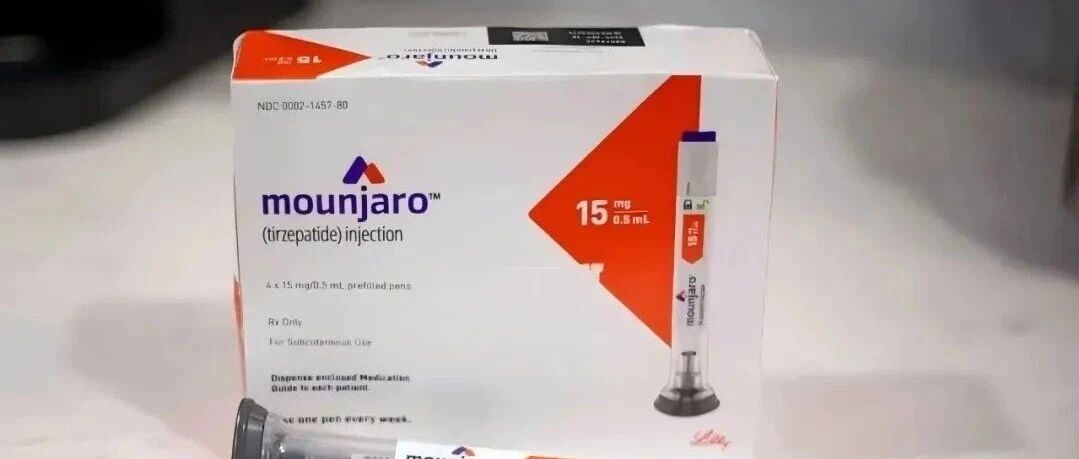
整理 | GLP1减重宝典内容团队 ▍84周的 中国 研究 结果已经公布 ,替尔泊肽帮助患者减去29.2公斤 替尔泊肽通过激活人体内的GIP和GLP-1受体,减少热量摄入,调节食欲,降低体重和体脂,同时调节脂肪的代谢。 2022年5月,替尔泊肽获得美国FDA的批准,每周注射一次,结合饮食控制和运动,有助于改善成人2型糖尿病患者的血糖控制。此外,其在减 重领域的研究也已展开。 2019年,替尔泊肽的SURMOUNT系列III期临床试验启动,包括4项全球研究、1项中国研究和1项日本研究,共招募了超过5000名肥胖或超重患 者。SURMOUNT-1和SURMOUNT-2研究已经取得了积极的结果。 最近公布的SURMOUNT-3研究(NCT04657016)是一项多中心、随机、双盲、平行、安慰剂对照的研究,旨在评估替尔泊肽与安慰剂在 BMI≥30kg/m²或BMI≥27kg/m²且至少有一种合并症的非2型糖尿病成人患者中的减重效果和安全性。 这项研究纳入了来自美国、巴西和阿根廷的806名患者,他们以1:1的比例随机分配到替尔泊肽(15mg或10mg)和安慰剂组。主要的研究终点是 72周时体重相对于基线的降低百分比,以 ...


行业周报:2025国谈结果公布,关注相关公司投资机会-20251214
KAIYUAN SECURITIES· 2025-12-14 07:15
Investment Rating - The investment rating for the pharmaceutical and biotechnology industry is "Positive" (maintained) [1] Core Insights - The 2025 National Medical Insurance Negotiation results were announced, with 114 new drugs added to the medical insurance directory, achieving an overall success rate of 88%, the highest in nearly seven years, with a maximum price reduction of 94 [4][19] - The newly added drugs include monoclonal antibodies, bispecific antibodies, ADCs, siRNA, and small molecules, indicating a strong focus on innovative therapies [19][32] - The commercial insurance directory has added 19 innovative drugs, which, while not reimbursed by medical insurance, receive support for innovative drug applications, enhancing patient access and benefiting the innovative drug industry [5][24] Summary by Sections 1. National Medical Insurance Negotiation Results - The 2025 medical insurance directory added 114 new drugs, with a success rate of 88% and a maximum price reduction of 94% [4][13] - The total number of drugs in the national medical insurance directory reached 3,253, including 1,857 Western medicines and 1,396 traditional Chinese medicines [16][17] - The directory reflects a significant increase in the inclusion of innovative drugs, with 50 of the new additions classified as category 1 innovative drugs [19][21] 2. Commercial Insurance Directory - The commercial insurance directory added 19 innovative drugs, highlighting their clinical value and innovation [24][28] - The directory includes treatments for diseases such as Alzheimer's, rare diseases in children, and other critical conditions, showcasing a focus on addressing unmet medical needs [24][28] - The support for innovative drugs in the commercial insurance directory aims to fill gaps in patient coverage and enhance the overall healthcare system [25][28] 3. Market Performance - In the second week of December, the pharmaceutical and biotechnology sector declined by 1.04%, underperforming the CSI 300 index by 0.96 percentage points [6][34] - The medical research outsourcing sector showed the highest increase, up by 3.69%, while offline pharmacy and medical circulation sectors experienced the largest declines [6][36] 4. Recommended Companies - The report continues to favor innovative drugs and their supply chain, recommending companies such as Sanofi, Innovent Biologics, and others for investment [7][32]



My Top 3 Healthcare Stocks to Buy in 2026
The Motley Fool· 2025-12-13 19:37
Core Viewpoint - The healthcare sector is anticipated to potentially rebound in 2026, with several attractive stocks identified for investment, including AbbVie, Eli Lilly, and Intuitive Surgical. AbbVie - AbbVie is recognized as a reliable dividend payer, boasting 54 consecutive payout increases, qualifying it as a Dividend King [3] - The company reported third-quarter revenue of $15.8 billion, reflecting a 9% increase year-over-year [4] - AbbVie's product portfolio includes key drugs such as Vraylar, Botox Therapeutics, Qulipta, Skyrizi, and Rinvoq, which are expected to drive future growth [6][8] - Skyrizi is projected to become the second best-selling drug globally by 2030, with estimated sales of $26.6 billion [7] Eli Lilly - Eli Lilly's third-quarter revenue reached $17.6 billion, marking a significant 54% year-over-year growth [9] - The company is leveraging tirzepatide, marketed as Zepbound and Mounjaro, to sustain its growth trajectory, alongside promising pipeline candidates like orforglipron [10] - Eli Lilly is diversifying its portfolio, with recent launches in oncology, including Jaypirca for mantle cell lymphoma and Inluriyo for breast cancer [13] - The company's strategic investments in artificial intelligence and other therapeutic areas position it favorably for future growth [14] Intuitive Surgical - Intuitive Surgical faces challenges from tariffs and increased competition, particularly from Medtronic's Hugo system [15] - Despite these challenges, the company maintains a strong economic moat with 10,763 da Vinci systems installed, which creates high switching costs for customers [16] - The da Vinci system has over two decades of clinical evidence supporting its effectiveness, allowing Intuitive Surgical to command significant pricing power [18] - The company is expected to benefit from label expansions and increased procedure volumes, which will enhance revenue and margins over time [19]


Dow Jones Futures Rise; Will AI Rebound Or Drag Down Market? Tesla, Eli Lilly In Buy Areas
Investors· 2025-12-15 03:55
Core Insights - The article discusses the current trends and performance metrics within the investment banking sector, highlighting key financial indicators and market movements. Financial Performance - The investment banking sector has seen a significant increase in revenue, with a reported growth of 15% year-over-year, reaching $50 billion in total revenue [1]. - Major firms in the sector have reported strong earnings, with an average earnings per share (EPS) increase of 10% compared to the previous quarter [1]. Market Trends - There is a notable shift towards digital transformation in investment banking, with firms investing heavily in technology to enhance trading platforms and customer engagement [1]. - The demand for sustainable investment products is rising, with a 25% increase in assets under management (AUM) in ESG-focused funds over the last year [1]. Regulatory Environment - Recent regulatory changes are impacting the operational landscape, with new compliance requirements expected to increase operational costs by approximately 5% for major firms [1]. - The article emphasizes the importance of adapting to these regulatory changes to maintain competitive advantage in the market [1].

可有效预防糖尿病的发生!替尔泊肽可将患病风险降低94%
GLP1减重宝典· 2025-12-13 14:10
Core Insights - Tirzepatide has been shown to reduce the risk of developing diabetes by 94% in prediabetic patients compared to those taking a placebo [3][5] - A study comparing Tirzepatide and Semaglutide indicates that Tirzepatide may be more effective for weight loss in overweight or obese adults [6][14] Group 1: Tirzepatide Efficacy - In a study tracking over 1,000 overweight or obese prediabetic individuals, those taking Tirzepatide lost nearly 20% of their body weight compared to placebo [5] - The drug targets GLP-1 and GIP hormones, helping to regulate blood sugar levels and appetite [5] - Approximately 81.8% of participants on Tirzepatide lost at least 5% of their body weight, compared to 66.5% on Semaglutide, with a risk ratio of 1.76 [11][13] Group 2: Comparative Study Results - The study included 18,386 participants, with an average follow-up of 165 days, and found similar gastrointestinal adverse event risks between both drug groups [8] - Weight loss percentages at different intervals showed Tirzepatide outperforming Semaglutide: 5.9% vs. 3.6% at 3 months, 10.1% vs. 5.8% at 6 months, and 15.3% vs. 8.3% at 12 months [13] - The findings contribute valuable data for understanding the effectiveness of these weight loss medications and may influence future clinical guidelines [14]
Eli Lilly Leads Five Stocks Near Buy Points In Divided Market
Investors· 2025-12-13 13:00
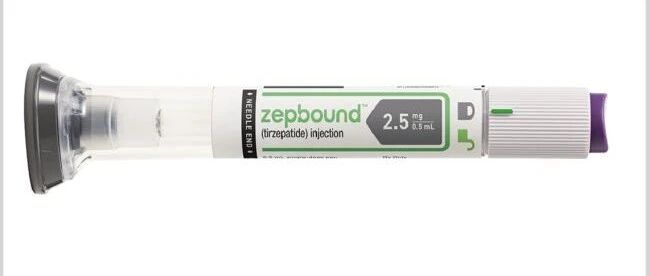
Group 1 - Quantum computing poses a potential threat to cryptocurrency security, raising concerns about a possible "crypto-geddon" [5] - The rotation out of tech stocks has benefited various sectors, including pharmaceuticals, airlines, mining, and retail, with companies like Eli Lilly, Urban Outfitters, and United Airlines showing strength [6] - Urban Outfitters and a gold stock have reached new highs, with record silver prices pushing the mining giant into a buy zone [9] Group 2 - Eli Lilly's stock has risen following the European Medicines Agency's recommendation for its drug Mounjaro to be used in children as young as 10 [11] - The market is currently experiencing a mixed reaction, with tech stocks falling while companies like Eli Lilly and Urban Outfitters gain attention [11] - United Airlines is also showing renewed technical strength, indicating positive market sentiment towards the airline sector [11]

Eli Lilly: The Right Long-Term Strategy
Seeking Alpha· 2025-12-13 09:33
Core Insights - The importance of diversifying viewpoints in stock analysis and investing is emphasized, drawing on the Japanese proverb "他山之石" which highlights the value of multiple perspectives [1] Group 1 - The concept of a "rock" symbolizes foundational knowledge necessary for successful investing [1] - The individual investor aims to cover a wide range of assets to identify the best investment opportunities across different types [1]

My Top 10 Stocks to Buy for 2026
The Motley Fool· 2025-12-13 09:10
Core Insights - The S&P 500 has experienced a strong bull market over the past three years, with gains exceeding 20% in each of the last two years, driven primarily by technology stocks and optimism regarding lower interest rates [2][3] Company Summaries - **Nvidia**: Positioned to benefit from AI infrastructure spending, which could reach trillions over the next five years, and has seen significant earnings growth due to its leadership in AI chip design [5][6] - **Eli Lilly**: Earnings have surged due to its weight loss drug portfolio, particularly Tirzepatide, and the company is advancing its oral weight loss candidate, orforglipron, towards commercialization [6][7][8] - **American Express**: A strong player in the payment card market, benefiting from a high-income customer base, with 64% of new accounts coming from younger customers, indicating future growth potential [9][10] - **CoreWeave**: Experienced a significant stock increase of over 300% since its market launch, focusing on providing AI customers with high-capacity workloads, suggesting strong revenue growth ahead [12][14] - **Viking Therapeutics**: Aiming to enter the billion-dollar weight loss drug market with promising phase 2 and phase 3 trial results for its injectable and oral candidates, respectively [15][16] - **Meta Platforms**: Trading at 26x forward earnings, it is the most affordable among leading tech stocks, with a strong commitment to AI investment and revenue growth [17][19] - **Abbott Laboratories**: A Dividend King with over 50 years of dividend growth, diversified across multiple healthcare sectors, and strong free cash flow [20][22] - **UnitedHealth Group**: The largest U.S. health insurer, addressing rising healthcare costs and increasing its earnings guidance, making it a potential recovery story [23][24] - **Chewy**: An e-commerce leader in pet products with over 80% of net sales from its AutoShip program, indicating strong customer loyalty and profitability [26][27] - **Amazon**: A market giant with a strong growth trajectory in e-commerce and cloud computing, leveraging AI to enhance efficiency and revenue, currently trading at 32x forward earnings [28][30][31]


新版医保明年1月起执行:114种药品杀入目录,百万抗癌药破冰
Guan Cha Zhe Wang· 2025-12-13 04:01
Core Insights - The 2025 National Medical Insurance Drug List has been officially released, adding 114 new drugs, including 50 innovative Class 1 drugs, with a negotiation success rate of 88%, the highest in seven years [1][3] - The first version of the commercial insurance innovative drug list has been introduced, featuring 5 CAR-T cell therapies and 19 high-priced innovative drugs, marking a significant expansion in coverage [1][5] - The adjustment reflects a strategic upgrade in China's medical insurance from "basic coverage" to "basic + high-end coverage," addressing the demand for accessible and affordable innovative drugs [1][9] Drug Additions and Market Impact - The new drug list includes 114 drugs, with 44% being Class 1 innovative drugs, and a total of 3,253 drugs now covered under the insurance [3] - Notable winners include Heng Rui Pharma, which secured 20 new drug approvals, and Eli Lilly, whose drug Tirzepatide has entered the Chinese market, benefiting 140 million diabetes patients [3][4] - The inclusion of CAR-T therapies in the commercial insurance list allows for reimbursement of high-cost treatments, which were previously inaccessible to many patients [5][7] Innovations in Treatment - The new list includes significant advancements in treatments for Alzheimer's disease, with two new drugs targeting amyloid beta accumulation, providing options for over 10 million patients in China [7] - The addition of 13 rare disease drugs fills coverage gaps in four rare disease areas, expanding the total number of rare disease drugs covered to approximately 100 [8] - The adjustment also emphasizes pediatric medications, with a separate review channel for children's formulations, indicating a positive shift in addressing children's healthcare needs [9] Strategic Implications - The 2025 adjustment signifies a shift towards a dual-track medical payment system in China, combining basic medical insurance with commercial insurance to meet both fundamental and advanced healthcare needs [9] - The rapid inclusion of innovative drugs into the insurance system reflects a decade of progress in China's pharmaceutical landscape, transitioning from rare domestic innovations to a robust pipeline of new therapies [9]
