NIO(NIO)
Search documents
事关降息、缩表!鲍威尔最新发声;核工业西南物理研究院在磁约束核聚变能量导出关键技术领域取得重要进展——《投资早参》
Mei Ri Jing Ji Xin Wen· 2025-10-15 00:08
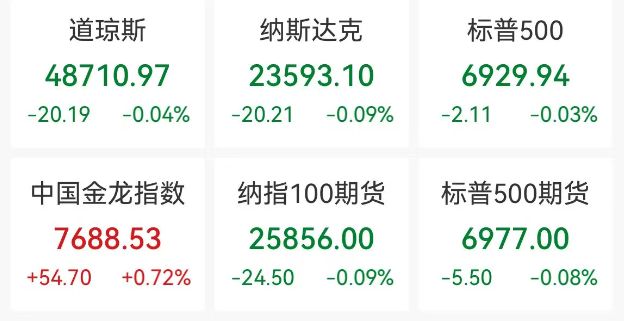
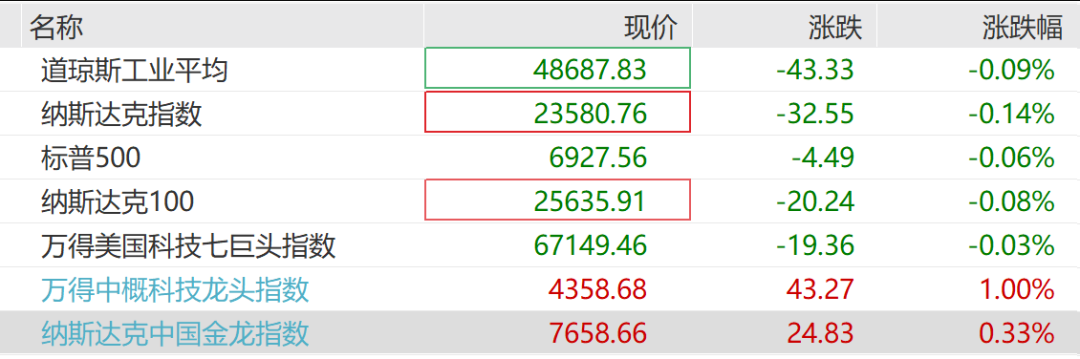
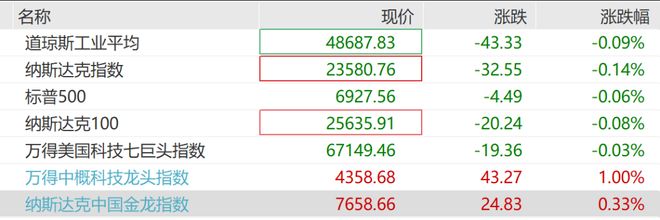
Market Overview - The three major US stock indices closed mixed, with the Dow Jones up 0.44%, the Nasdaq down 0.76%, and the S&P 500 down 0.16%. Major tech stocks mostly declined, with Nvidia down over 4% and Walmart up 5%, reaching a record closing high [1] - The Nasdaq China Golden Dragon Index fell 1.95%, with Chinese concept stocks generally declining, including NIO down over 5% and Baidu down over 4% [1] Federal Reserve Insights - Federal Reserve Chair Jerome Powell warned of further signs of distress in the US labor market, suggesting a potential interest rate cut later this month. He indicated that the risk of job losses has increased, marking the strongest hint yet that the Fed may lower borrowing costs by 25 basis points [1] - Powell also mentioned that the Fed might soon end its long-standing efforts to reduce its balance sheet, known as quantitative tightening, to ensure sufficient liquidity in the financial system [1] Industry Developments - The China National Nuclear Corporation's Southwest Institute of Physics has made significant progress in key technologies for magnetic confinement nuclear fusion energy extraction, establishing a research platform for liquid metal and helium gas coolant systems, which enhances China's engineering verification capabilities [3] - The advancement supports the construction of China's fusion experimental reactor and the ITER project, positioning nuclear fusion as a key focus in global energy strategies [3] - The demand for large-capacity storage products is rising due to AI inference applications, prompting HDD and SSD suppliers to expand their offerings. The HDD market faces a significant supply gap, leading NAND Flash manufacturers to accelerate production of ultra-large capacity SSDs [4][5] - The storage industry is expected to see a recovery driven by limited capacity and unexpected demand, with DRAM prices rising approximately 72% over the past six months [5] - Shanghai's Economic and Information Technology Commission has issued a development plan for the smart terminal industry, emphasizing the need for advancements in AI and computing technologies [6] Company Announcements - Magnetic Valley Technology announced that a shareholder plans to reduce their stake by up to 0.86% of the total share capital [7] - Tianli Lithium Energy disclosed that a shareholder intends to reduce their holdings by up to 3% of the total share capital [7] - Ruyi Group received a notice from the China Securities Regulatory Commission regarding an investigation for suspected information disclosure violations, but operations remain normal [7] - Huayi Technology announced a plan for a shareholder to reduce their stake by up to 3% of the total share capital [8]
智慧车联驶入快车道
Jing Ji Ri Bao· 2025-10-14 22:03
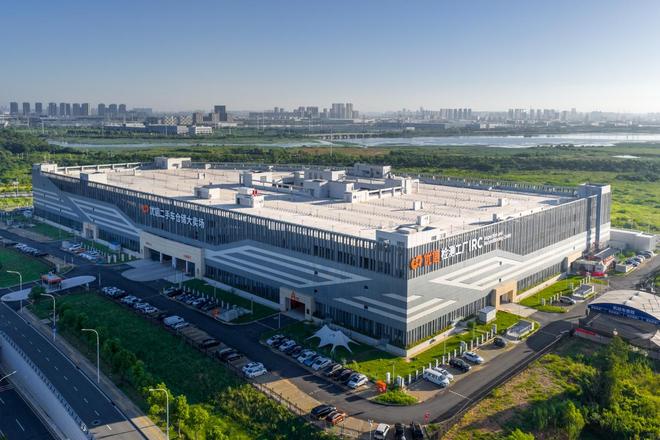
Core Insights - The article highlights the rapid development of smart transportation in China, particularly through the efforts of China Mobile Anhui Company in leveraging advanced technologies like AI, 5G, IoT, and big data to promote smart vehicle connectivity [1] Group 1: Smart Vehicle Connectivity Development - China Mobile Anhui is actively promoting smart vehicle connectivity, focusing on the city of Hefei as a key area for innovation and development [1] - The company is collaborating with local automotive manufacturers and expanding vehicle networking applications to enhance the synergy between vehicles and road networks [1] - The establishment of the first 5G+ vehicle-road collaborative autonomous driving demonstration road in Hefei marks a significant step in China's autonomous driving sector and showcases the deep collaboration between Anhui Mobile and NIO [1] Group 2: Innovations in Manufacturing and Logistics - NIO's manufacturing has achieved high levels of standardization and automation, moving towards more advanced intelligent manufacturing [2] - The introduction of unmanned vehicle transport technology has reduced operational costs and improved traffic efficiency within the manufacturing park [2] - Anhui Mobile has pioneered a comprehensive "roadside perception - cloud scheduling - vehicle execution" solution, enhancing the adaptability of the system to external environments and laying the groundwork for future smart parking, logistics, and intersection management applications [2]
智能驾驶&座舱行业展望
2025-10-14 14:44
Industry and Company Analysis Summary Industry Overview - The smart driving and cockpit industry is experiencing significant collaboration among domestic OEMs, including BYD, Geely, Chery, FAW, Dongfeng, Changan, BAIC, SAIC, and GAC, with China Automotive Intelligent Technology (Tianjin) Co., Ltd. for research and user experience evaluation of intelligent connected vehicles [1][3] - The evaluation system for smart driving performance is based on N-CAP and CICAP standards, combined with consumer subjective evaluations, providing objective and scientific improvement suggestions for automakers [1] Key Companies and Their Performance - **Huawei**: Leading in L3 level autonomous driving with an aggressive strategy. Their ADS system has version differences, with high-end models like the Aito M8/M9 using ADS 4.0, while the M7 uses a downgraded version. Full features require additional payment, but the downgraded version is sufficient for low traffic cities and highways [1][8] - **Xpeng Motors**: Shows slightly lower stability compared to Huawei but performs well in certain scenarios [6] - **Li Auto**: Has a conservative but stable strategy, closely matching Huawei and Xpeng in overall performance [7] - **NIO and Xiaomi**: Positioned in the third tier, with NIO showing limited progress and Xiaomi needing algorithm optimization for better urban performance [7] Technological Developments - **Qualcomm 8,397 Chip**: Expected to be adopted by Li Auto and Xiaomi in 2026, with some traditional manufacturers potentially following suit due to issues with NVIDIA's Sora development [4][15] - **L2 Mandatory Standards**: Implementation is expected to increase compliance costs for automakers by 15%-20%, particularly affecting Xiaomi due to recent accident scenarios [4][17] User Experience Evaluation - The user experience evaluation for smart driving includes fixed-route tests in urban and highway environments, assessing various scenarios such as tunnels and complex intersections. The results are based on both professional evaluations and actual user feedback, ensuring a comprehensive analysis [5][10] Smart Cockpit Interaction - The evaluation of smart cockpit human-machine interaction focuses on usability, safety, creativity, and emotional engagement. New force car companies like NIO, Xpeng, and Li Auto excel in this area, while traditional manufacturers like BYD and Geely are catching up [12][13] - Huawei's HarmonyOS cockpit system is competitive but lacks customization features, leading to product homogenization [13] Future Trends - The future of smart cockpits will focus on five dimensions: visual, auditory, tactile, physiological monitoring, and optoelectronic applications. Key developments include DMS and OMS becoming mandatory standards, enhanced auditory quality, and more natural human-machine dialogue [19] - Touch interaction technology will rely on advancements in holographic technology, which could enable more complex gesture controls [20] Emerging Technologies Impacting Supply Chain - Technologies such as HUD and AR HUD, electronic rearview mirror systems, and smart seating are expected to significantly impact the automotive supply chain. These innovations will drive demand for related components and systems [22][25] Conclusion - The smart driving and cockpit industry is rapidly evolving, with significant advancements in technology and user experience evaluation. Key players like Huawei, Xpeng, and Li Auto are leading the charge, while regulatory changes are reshaping compliance costs and testing requirements. The future will see a focus on enhanced interaction and emerging technologies that will further transform the automotive landscape [1][4][19]
Orion, Nio, Alibaba Group And Other Big Stocks Moving Lower In Tuesday's Pre-Market Session - Alibaba Gr Hldgs (NYSE:BABA), Bit Digital (NASDAQ:BTBT)


Benzinga· 2025-10-14 12:05
Group 1 - U.S. stock futures are lower, with Dow futures falling more than 350 points [1] - Orion SA expects third-quarter adjusted EBITDA to be around $55 million and full-year adjusted EBITDA in the range of $220-$235 million, leading to an 18.6% drop in shares to $5.56 in pre-market trading [1] Group 2 - ENDRA Life Sciences Inc shares fell 19.4% to $6.54 after a previous 25% increase due to $4.9 million in funding commitments [4] - Canaan Inc shares tumbled 11.8% to $1.34 after a 39% jump, despite a maintained Buy rating and $4 price target from Rosenblatt analyst [4] - DBV Technologies SA shares fell 11.8% to $14.48 after gaining around 10% previously [4] - Nanobiotix SA shares tumbled 10.2% to $27.23 after a previous increase of over 28% [4] - Draganfly Inc shares dipped 9.4% to $12.47 after filing for a mixed shelf of up to $200 million [4] - Bitdeer Technologies Group shares fell 9% to $18.61 after a 15% gain [4] - Diginex Ltd shares fell 9% to $23.40 [4] - HIVE Digital Technologies shares dipped 8.1% to $6.21, despite a maintained Buy rating and $10 price target [4] - Oatly Group AB shares fell 7.8% to $13.29 after a 5% gain [4] - Bit Digital Inc shares declined 7.7% to $3.69 after a previous gain of over 6% [4] - Upexi Inc shares fell 7.7% to $5.98 [4] - Sharplink Gaming Inc shares declined 7.1% to $14.98 after adding 5% previously [4] - Nio Inc shares fell 5% to $6.82, influenced by new port fees affecting US-listed Chinese stocks [4] - Alibaba Group Holding Ltd shares declined 4% to $160.20, also impacted by new port fees [4]
美股强势爆发,银行、科技、中概股携手拉升,黄金再创新高
Ge Long Hui· 2025-10-14 04:52
Market Overview - After five consecutive declines, the U.S. stock market rebounded strongly, with all three major indices closing higher: the Dow Jones increased by 1.29%, the Nasdaq rose by 2.21%, and the S&P 500 gained 1.56% [1] Banking Sector - The banking sector experienced a collective reversal, with notable gains including Alliance West Bank up by 5.23%, and other major banks such as Citigroup, Goldman Sachs, Morgan Stanley, JPMorgan Chase, and Zions Bank all seeing increases of over 2% [3] Technology Sector - The technology sector saw a robust performance, highlighted by Tesla's increase of 5.42%, Qualcomm up by 5.33%, Google rising by 3.2%, Nvidia gaining 2.82%, Intel up by 2.34%, and Amazon increasing by 1.71%. Other tech giants like Apple and Microsoft also recorded slight gains [3] Chinese Concept Stocks - Chinese concept stocks opened high and maintained strong performance throughout the day, with the China Golden Dragon Index rising by 3.21%. Notable individual performances included NIO up by 7%, Alibaba increasing by 4.91%, JD.com rising by 4.4%, and XPeng Motors up by 3.38% [3] Gold Market - COMEX gold prices opened lower but surged throughout the day, closing up by 2.34% at $4,130 per ounce. The intraday range saw a low of $4,011.3 and a high of $4,137.2. The current sentiment around gold is mixed, balancing fears of high prices against prevailing trends [3]
汽车行业月报:9月新能源车渗透率升至57.8%,看好四季度销量冲刺提振车市表现-20251014
BOCOM International· 2025-10-14 02:28
Investment Rating - The automotive industry is rated as "Leading" with expectations for strong performance in the upcoming quarter [1]. Core Insights - In September, the penetration rate of new energy vehicles (NEVs) reached 57.8%, indicating a positive outlook for sales in the fourth quarter [1][3]. - The retail sales of passenger vehicles in September reached 2.241 million units, marking a year-on-year increase of 9.2% for the first nine months of 2025 [3]. - The report highlights that domestic brands outperformed the industry, capturing a retail market share of 66.9% in September [3]. Summary by Sections Industry Performance - The retail sales of new energy passenger vehicles in September were 1.296 million units, with a penetration rate of 57.8%, up 5.0 percentage points year-on-year [3]. - The export of passenger vehicles totaled 528,000 units in September, with a significant increase in NEV exports [3]. Company Valuation Overview - Companies such as CATL, BYD, and Xpeng Motors are rated as "Buy" with target prices indicating potential upside [2][11]. - The average price-to-earnings ratio for the covered companies is projected to be 30.9 for FY25E [2]. Investment Recommendations - The report suggests focusing on companies like Xpeng Motors and Geely for their upcoming product launches and internal resource integration [3]. - It is advised to remain cautious as the market may enter a consumption lull after the fourth quarter sales surge [3].
刚刚!中国股票,突传重磅!
券商中国· 2025-10-13 23:38
Core Viewpoint - The article discusses the recent rebound of Chinese assets, particularly in the context of external uncertainties and trade tensions, suggesting that this may present buying opportunities for investors [2][5][10]. Market Performance - On October 13, U.S. stocks saw a significant rise, with the Nasdaq Golden Dragon China Index increasing by over 3%, and various ETFs related to Chinese stocks also showing substantial gains, such as the three-times leveraged FTSE China ETF rising by over 8% [2][4]. - In the Asian trading session, A-shares and Hong Kong stocks initially faced declines but later recovered, with the ChiNext Index and Hang Seng Tech Index narrowing their losses significantly by the end of the trading day [2][4]. Analyst Insights - Analysts from various securities firms indicate that while short-term volatility may increase due to rising trade tensions, the impact of this shock is expected to be less severe than in April of this year, thanks to improved market mechanisms and investor experience [5][6]. - The "TACO trading" strategy is highlighted, suggesting that short-term declines may provide buying opportunities, with historical data indicating strong support levels for the Wind All A Index [5][6]. Foreign Investment Sentiment - UBS reports that if the MSCI China Index drops to 74, it may find strong support, with investors likely to buy on dips, as the index has already risen by 36% since the lows in April [9][10]. - The report emphasizes that the current market conditions differ from April, with a clearer "loose monetary + loose fiscal" policy stance, which is expected to support the market [5][10]. Sector Focus - UBS maintains a "barbell strategy," favoring AI themes, A-share brokers, and high-dividend stocks, while also looking at sectors like photovoltaic, chemicals, and lithium as part of the "anti-involution" theme [11]. - Goldman Sachs has raised its capital expenditure forecasts for Tencent and Alibaba, reflecting confidence in their growth potential, particularly in AI and cloud services [12]. Foreign Capital Inflows - In September, foreign capital inflows into the Chinese stock market rebounded to $4.6 billion, marking the highest monthly inflow since November 2024, indicating a recovery in global investor confidence towards Chinese assets [11].
中国资产大涨!美股收涨,纳指涨超2%!特斯拉涨超5%,市值大增745亿美元!这只美股一夜几乎腰斩,金银飙升
Sou Hu Cai Jing· 2025-10-13 22:44
Market Performance - Major U.S. stock indices closed higher, with the Dow Jones up 1.29%, Nasdaq up 2.21%, and S&P 500 up 1.56% [1] - Popular tech stocks saw significant gains, with Broadcom rising over 9%, Tesla up over 5%, adding approximately $74.5 billion (around 532 billion RMB) to its market value, Google up over 3%, and Nvidia up over 2% [2] Stock Highlights - Notable stock performances included: - Tesla (TSLA) at $435.90, up 5.42% with 7.93 million shares traded - Nvidia (NVDA) at $188.32, up 2.82% with 15.3 million shares traded - Broadcom (AVGO) at $356.70, up 9.88% with 4.59 million shares traded - AMD at $216.42, up 0.71% with 6.29 million shares traded [3] - Other tech stocks such as Apple, Amazon, Microsoft, Oracle, and Meta Platforms also experienced gains, with Apple up 0.97%, Amazon up 1.71%, and Microsoft up 0.60% [4] Sector Performance - The cryptocurrency mining, precious metals, and semiconductor sectors showed strong performance, with Bitfarms up over 28%, Nanwei Semiconductor up over 21%, and Arm up over 11% [4] - Conversely, the tobacco, food, and weight-loss sectors declined, with Beyond Meat down over 48% and General Mills down over 2% [4] Chinese Stocks - The Nasdaq Golden Dragon China Index rose by 3.21%, with significant gains in popular Chinese stocks such as Century Internet up over 10%, NIO up 7%, and Alibaba and JD.com up over 4% [5][6] Economic Indicators - The FTSE A50 futures index rose by 0.17%, closing at 14,830 points [7] - Offshore RMB (CNH) against the USD was reported at 7.1383, appreciating by 70 points from the previous week [7] - International oil prices increased, with WTI crude oil up by $0.59 to $59.49 per barrel, a 1.00% rise, and Brent crude oil up by $0.59 to $63.32 per barrel, a 0.94% rise [7] - COMEX gold futures rose by 3.24% to $4,130 per ounce, and silver futures increased by 7.47% to $50.775 per ounce [7] Upcoming Financial Reports - Major financial institutions including JPMorgan, Goldman Sachs, Citigroup, and Wells Fargo are set to release their Q3 earnings this week, which will be closely monitored for insights into the current economic conditions in the U.S. [7] - The Federal Reserve will also release its Beige Book on the U.S. economic conditions this week, with several officials scheduled to speak [8][9]
中国资产爆发,阿里巴巴涨近6%,蔚来涨7%,美股大涨
2 1 Shi Ji Jing Ji Bao Dao· 2025-10-13 15:39
Core Viewpoint - The U.S. stock market experienced significant gains, with major indices rising sharply, while Chinese assets and precious metals like gold and silver reached new highs [1][3]. Market Performance - As of October 13, the Nasdaq Composite Index rose nearly 2%, while the Dow Jones and S&P 500 indices increased by over 1% [1]. - The Nasdaq China Golden Dragon Index surged over 3%, with notable gains in stocks such as NIO (over 7%), Alibaba (nearly 6%), and Baidu (nearly 5%) [3]. Sector Highlights - The semiconductor sector saw substantial increases, with Nvidia up 2.7%, Broadcom rising over 10%, and TSMC increasing by 7.6% [2]. - Gold prices surpassed $4,100 per ounce, marking a historical high of $4,103.90, with a year-to-date increase of $1,479, or over 56% [4]. Investment Strategies - Analysts suggest a defensive approach in U.S. and Chinese equities, focusing on defensive growth stocks, particularly in healthcare and high-yield non-bank H-shares in China [8]. - Recommendations include reducing long-term U.S. Treasury holdings and increasing inflation-protected securities due to rising inflation risks [8]. Safe-Haven Assets - Gold and silver are benefiting from increased inflows of safe-haven funds amid market volatility, with expectations for gold prices to remain elevated [10]. - Analysts maintain a positive tactical outlook on gold as a hedge against trade uncertainties, with technical support around $4,000 per ounce [10]. Chinese Market Outlook - Despite trade tensions, the Chinese stock market is expected to adapt, supported by policy expectations, potential capital inflows, and advancements in artificial intelligence applications [10].
中国汽车-行业市场份额和利润分配的分散化可能持续至 2025 年第四季度-China Automobiles_ De-consolidation of industry market share and profit distribution likely to continue into 4Q25
2025-10-13 15:12
Summary of Conference Call Notes on the Automotive Industry Industry Overview - The automotive industry is experiencing a de-consolidation of market share and profit distribution, which is expected to continue into 4Q25 [1][2][18] - Domestic passenger vehicle (PV) demand is projected to slow down, with growth rates of +5% year-over-year (yoy) in 3Q25 and a decline of -9% yoy in 4Q25, compared to +11% yoy in 1H25 [1][2] Key Insights Market Dynamics - The capex expansion for auto original equipment manufacturers (OEMs) accelerated to +66% yoy in 2Q25, the highest growth rate since 3Q22, driven by a 13% growth in passenger vehicle production and a 14% increase in wholesale volume [2][9] - The Herfindahl-Hirschman Index (HHI) for domestic new energy vehicle (NEV) retail sales volume decreased to 1,218 in 8M25 from 1,479 in 8M24, indicating a more fragmented market [2] Financial Performance - The total OEM industry EBITDA declined by -1% yoy, with margins decreasing by -0.9 percentage points (pp) yoy. The top two profit-making OEMs saw a decline in EBITDA, while most others improved, suggesting a potential demand/supply imbalance [2][18] - Account payable days for the overall OEM industry shortened by 26 days quarter-over-quarter (qoq) and 5 days yoy, reflecting efforts to relieve suppliers' working capital pressure [2][16] Future Outlook - For 4Q25, expectations include: - Sequential growth in volume due to better seasonality and new model launches [4] - Potential widening of dealer discounts during the peak sales season [4] - Improvement in OEM margins sequentially, offsetting average selling price (ASP) pressure [4] - Gradual reduction in payable days and improved operating cash flow [4] Recent Trends - In 3Q25, market growth slowed due to a high base from the previous year and weaker-than-usual seasonality. NEV penetration increased to 56% from 50% in 1H25, while dealer discounts for NEVs widened [5][6] - The profit distribution among OEMs is becoming less concentrated, with industry leaders facing margin pressure while followers see margin improvements [6][18] Earnings Revisions - GAC's net profit estimates for 2H25/2026/2027 were lowered significantly due to continued market share loss, with a new target price of Rmb4.2, implying a downside of -45% [7] - SAIC's volume estimates were raised by up to 2% for 2H25-2027, but gross margins were lowered, maintaining a target price of Rmb8.8, implying a downside of -48% [7] - Huayu's EPS estimates were raised by 4%-6% due to better-than-expected customer diversification, with a target price increase to Rmb14.6, implying a downside of -29% [7] Additional Insights - The automotive industry is at a critical inflection point where many companies are nearing cash cost levels, indicating potential challenges in adding new capacity or maintaining profitability [19][20] - The overall industry is still above cash cost levels, but margin improvements are becoming increasingly difficult due to ongoing price competition and slowing volume growth [18][42] This summary encapsulates the key points from the conference call, highlighting the current state and future outlook of the automotive industry, along with specific financial performance metrics and earnings revisions for major players.