NIO(NIO)

Search documents
美股翻绿,热门中概股深夜爆发,小鹏涨超7%,钯金暴涨10%
2 1 Shi Ji Jing Ji Bao Dao· 2025-12-26 16:05
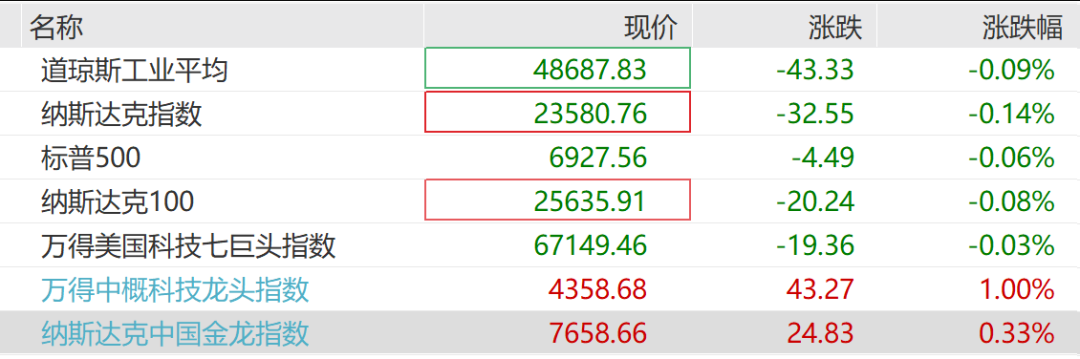
Market Overview - On the first trading day after Christmas, U.S. stock indices opened mixed, with the Nasdaq up 0.14% and the S&P 500 up 0.08%, while the Dow Jones fell 0.03%. However, all three indices dropped later, with the Chinese tech index showing strong performance, rising by 1% [1] Stock Performance - The current prices and changes for major indices are as follows: - Dow Jones Industrial Average: 48687.83, down 43.33, -0.09% - Nasdaq Index: 23580.76, down 32.55, -0.14% - S&P 500: 6927.56, down 4.49, -0.06% - Nasdaq 100: 25635.91, down 20.24, -0.08% - Chinese Tech Index: 4358.68, up 43.27, +1.00% [2] Notable Stocks - Nvidia shares rose nearly 1.5% after the U.S. government allowed the company to sell H200 AI chips to China. Additionally, Nvidia announced a $20 billion acquisition of AI chip startup Groq, marking the largest deal in history [2] - Sidus Space, a space concept stock, initially surged over 40% and has seen a cumulative increase of over 160% this week [2] Chinese Tech Stocks - Chinese tech stocks saw significant gains, with Dingdong Maicai rising over 20%, Xiaopeng up over 7%, and Li Auto up over 2%. Other notable stocks like NIO, Bilibili, Baidu, Alibaba, and JD.com also experienced increases [3][4] Commodity Market - Gold and silver prices continued to rise, with spot gold surpassing $4527 and spot silver reaching $75, marking the highest premium levels since 1980. Copper futures also hit a historical high, with a nearly 2% increase [7][8] Cryptocurrency Market - The cryptocurrency market saw declines, with Bitcoin falling below $87,000 and Ethereum dropping below $3,000. Over 95,000 traders faced liquidation in the past 24 hours [9]




美股翻绿,热门中概股深夜爆发,小鹏涨超7%,理想、蔚来集体上涨,钯金暴涨10%
2 1 Shi Ji Jing Ji Bao Dao· 2025-12-26 15:48
Market Overview - On the first trading day after Christmas, U.S. stock indices opened mixed, with the Nasdaq up 0.14% and the S&P 500 up 0.08%, while the Dow Jones fell 0.03%. However, all three indices dropped later, with the Chinese tech index showing strong performance, rising by 1% [1][2]. Company Highlights - Nvidia shares rose nearly 1.5% after U.S. President Trump announced that the government would allow Nvidia to sell H200 AI chips to China. Additionally, Nvidia's acquisition of AI chip startup Groq for approximately $20 billion set a record for the largest deal ever [2]. - Sidus Space, a space concept stock, initially surged over 40% and had a cumulative increase of over 160% for the week, although it later retreated to a 24% gain [3]. - Chinese tech stocks saw significant gains, with Dingdong Maicai rising over 20%, Xiaopeng up over 7%, and Li Auto and NIO both increasing by over 2% [3][4]. Commodity and Precious Metals - Gold and silver futures prices continued to rise, with spot gold surpassing $4,527 and spot silver reaching $75, marking the highest premium levels since 1980. Copper futures also hit a historical high, with a nearly 2% increase [7][9]. - Palladium experienced a significant increase of 10%, reaching $1,865.13 per ounce [8]. Cryptocurrency Market - The cryptocurrency market saw a decline, with Bitcoin dropping below $87,000 and Ethereum falling below $3,000. Over 95,000 traders faced liquidation in the past 24 hours [10].
新能源汽车中概股普涨 小鹏汽车(XPEV.US)涨近4%
Zhi Tong Cai Jing· 2025-12-26 14:52
Core Viewpoint - The Chinese electric vehicle (EV) stocks experienced a significant rise, with Li Auto making notable strides in international market expansion, while XPeng Motors launched its brand in the Middle East, indicating a robust global growth strategy for these companies [1] Group 1: Li Auto Developments - Li Auto has achieved a key breakthrough in its overseas business expansion, officially entering the markets of Egypt, Kazakhstan, and Azerbaijan after its initial foray into Uzbekistan [1] - This expansion signifies the completion of Li Auto's core market layout across Central Asia, the Caucasus region, and Africa, marking a substantial step in its globalization process [1] Group 2: XPeng Motors Initiatives - XPeng Motors held a grand brand launch event in Doha, Qatar, marking its official entry into the high-end Middle Eastern market [1] - During the event, XPeng showcased the G9 and G6 models and announced the upcoming launch of the P7+ model, aimed at providing local consumers with a wider range of smart mobility options [1] - The event also featured the display of XPeng's flying car, highlighting the brand's forward-looking exploration of future mobility solutions [1]
优信(UXIN.US)盘前涨逾6% 与蔚来资本和Prestige Shine签署5000万美元融资协议
Zhi Tong Cai Jing· 2025-12-26 13:58
Core Viewpoint - Uxin (UXIN.US) shares rose over 6% to $3.80 following the announcement of a $50 million financing agreement with NIO Capital and Prestige Shine [1] Group 1: Financing Agreement - Uxin Group announced a financing agreement on December 26, involving a total investment of $50 million [1] - NIO Capital will invest $20 million, while Prestige Shine will contribute $30 million [1] - The funds will be used to support the launch of 4 to 6 new used car sales locations by 2026 [1] Group 2: Management Commentary - Uxin's founder, chairman, and CEO, Dai Kun, expressed satisfaction with the support from NIO Capital and Prestige Shine [1] - The further investment from existing shareholders reflects their strong confidence in Uxin's strategic direction, business model, and current operational progress [1]

美股异动 | 优信(UXIN.US)盘前涨逾6% 与蔚来资本和Prestige Shine签署5000万美元融资协议
智通财经网· 2025-12-26 13:51
Core Viewpoint - Uxin Group (UXIN.US) announced a $50 million financing agreement with NIO Capital and Prestige Shine, which is expected to support the company's expansion plans in the used car market by establishing 4 to 6 new sales locations by 2026 [1] Financing Details - The financing agreement includes an investment of $20 million from NIO Capital and $30 million from Prestige Shine [1] - The funds will be utilized for the establishment of new used car sales locations [1] Management Commentary - Uxin's founder, chairman, and CEO, Dai Kun, expressed satisfaction with the support from NIO Capital and Prestige Shine, highlighting the confidence of long-term investors in Uxin's strategic direction and business model [1]
蔚来资本、Prestige Shine投资基金5000万美元投资优信 看好超级大卖场模式
Jin Rong Jie· 2025-12-26 13:45
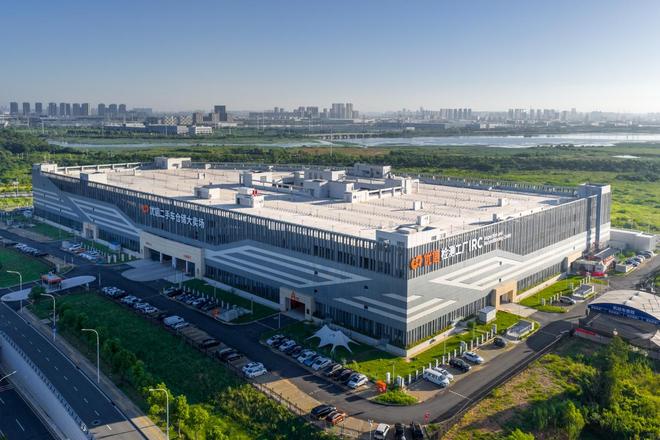
Group 1 - The core point of the article is that Uxin Group has signed a $50 million financing agreement with NIO Capital and Prestige Shine Investment Fund to enhance liquidity and support the expansion of its warehouse-style used car marketplace [1] - NIO Capital is investing $20 million, while Prestige Shine Investment Fund is contributing $30 million [1] - This financing is part of Uxin's overall business and financial planning for 2026, aimed at supporting the establishment of 4 to 6 new marketplaces and optimizing the balance sheet [1] Group 2 - Uxin's warehouse-style used car marketplace in Jinan has begun trial operations, marking the fifth offline warehouse marketplace following Xi'an, Hefei, Wuhan, and Zhengzhou [2] - Uxin has established strategic partnerships with local governments in cities like Tianjin, Guangzhou, and Yinchuan to promote the construction of warehouse marketplaces [2] - Since its strategic transformation in 2020, Uxin has focused on combining offline warehouse-style marketplaces with online national purchases, covering the entire process from vehicle acquisition to sales [4] Group 3 - Each marketplace has an inventory of 1,000 to 3,000 vehicles, all sold by Uxin, with vehicles undergoing 315-point inspections [4] - Uxin offers a "ten-year return guarantee" for vehicles with major accidents, odometer tampering, or water damage, addressing long-standing transparency issues in used car transactions [4] - Uxin's customer net promoter score (NPS) has reached 67, maintaining above 65 for six consecutive quarters, indicating strong customer satisfaction [6] Group 4 - In Q3 2025, Uxin reported a total transaction volume of 15,904 vehicles, a 37.0% quarter-over-quarter increase and a 125.7% year-over-year increase [6] - Retail transaction volume reached 14,020 vehicles, with a 35.0% quarter-over-quarter increase and a 133.5% year-over-year increase, reflecting growth in retail sales, revenue, and profitability [6] - Uxin aims to steadily expand its business scale and create long-term value for shareholders through continuous performance growth [6]
热门中概股美股盘前集体走强
Ge Long Hui A P P· 2025-12-26 13:32
Group 1 - Li Auto and Xpeng Motors saw an increase of over 1% in their stock prices [1] - Bilibili rose by 0.73% [1] - JD.com increased by 0.45% [1] - Pinduoduo experienced a rise of 0.32% [1] - Baidu's stock went up by 0.29% [1] - Alibaba's shares increased by 0.16% [1] - NIO saw a slight increase of 0.02% [1]


L4级自动驾驶卡车龙头来了!蔚来参投!估值猛涨25倍!
Guo Ji Jin Rong Bao· 2025-12-26 08:36
近日,主线科技(北京)股份有限公司(下称"主线科技")在港交所递交招股书,拟在主板上市,国泰海通是独家保荐人。 IPO日报注意到,自动驾驶卡车领头羊主线科技由张天雷创立(他毕业于清华大学,曾参与联合创立百度无人车团队),投资方有蔚来等知名企业和机 构,最新估值高达38.6亿元。 主线科技的解决方案包含三大核心产品:AiTruck(智能卡车)、AiBox(智能终端)、AiCloud(智能云服务)。作为所有解决方案的通用"人工智能虚拟司 机",AiTrucker建立了统一的算法基础,利用物流枢纽的复杂数据加速公司公路物流及城市交通解决方案的鲁棒性。公司的解决方案中使用的车辆主要是自 动驾驶卡车,并辅以其他类型的商用车。主线科技将这些产品战略性地部署在三大核心商业场景:Trunk Port(物流枢纽)、Trunk Pilot(公路物流)、Trunk City(城市交通),依托公司的通用化架构,实现从物流枢纽、公路物流到城市交通的技术复用与无缝连接。 目前,主线科技已累计交付830辆AiTruck及349套AiBox,并获得821套AiTruck及920套AiBox的意向订单。 根据咨询机构弗若斯特沙利文的资料,20 ...
最近的蔚来,让人倒吸一口凉气
雷峰网· 2025-12-25 11:06
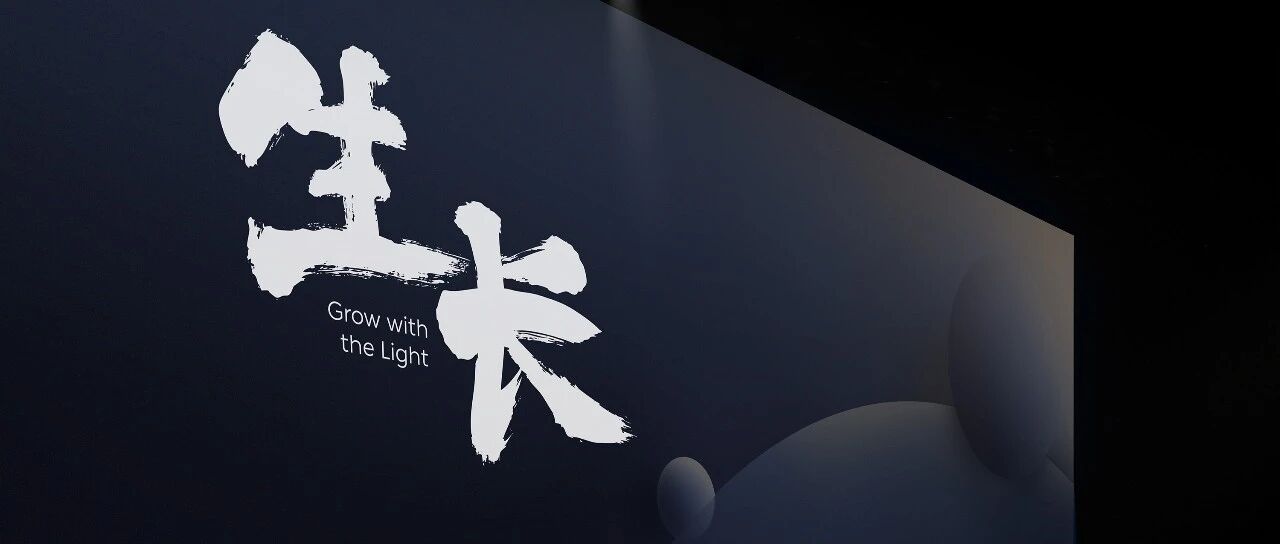
Core Viewpoint - NIO has experienced a remarkable turnaround in 2023, overcoming significant challenges and criticisms to achieve impressive sales and operational efficiency, particularly with the launch of the new ES8 and L90 models [2][11][20]. Group 1: Sales Performance - The new ES8 has achieved over 30,000 deliveries, setting a record for electric vehicles priced above 400,000 yuan, and is on track to reach 40,000 [5][10]. - As of November 30, NIO's cumulative delivery reached 950,000 units, nearing the milestone of one million [6][7]. - In Q3, NIO delivered 87,071 vehicles, a year-on-year increase of 40.8%, while November saw deliveries of 36,275 units, up 76.3% year-on-year [11][12]. Group 2: Organizational Changes - NIO's CEO, Li Bin, has implemented significant organizational changes, focusing on accountability and efficiency through a new CBU mechanism, which divides the company into 12 core operational units [16][18]. - The theme of NIO Day 2023 was "Growth," reflecting the company's transformation and renewed focus on operational effectiveness [15][18]. Group 3: Market Trends and Future Outlook - 2025 is projected to be a pivotal year for NIO, coinciding with a significant increase in consumer acceptance of high-end electric vehicles, as evidenced by a rise in market penetration from 12% to 18% for electric vehicles priced above 300,000 yuan [24][30]. - NIO plans to launch three new models in 2024, aligning with market trends and expanding its product lineup to capture more market share [31][32]. - The company has established a robust charging network with 3,631 battery swap stations, enhancing customer convenience and addressing charging anxiety [31][32].
逃离商场的“特斯拉们”,为何撑不下去了?
商业洞察· 2025-12-25 09:26
以下文章来源于金错刀 ,作者祥燎 金错刀 . 科技商业观察家。爆品战略提出者。 作为新能源汽车行业的标杆,特斯拉有不少 "创举"被同行模仿,结果后来被车主狠狠吐槽,继而 陆续被抛弃或升级。比如取消物理按键,还有 夏天晒得头晕的全景天窗,冬天冻得僵硬的隐形门把 手…… 这一次,轮到了汽车商场店。 2013年,特斯拉在北京开设第一家体验店,地址选在了很有潮流感的侨福芳草地购物中心,开创 了在商场里卖新能源汽车的先河。 后来汽车商场店风靡全国。甚至可以说, 判断 商场 火不火, 过去 看 的是 星巴克和麦当劳的分 布, 现在 要看 有多少新能源 汽车的 门店。 投入最狠的,非蔚来莫属。据报道,北京王府井的东方广场店,蔚来付出的年租金高达 7000 万-8000万元。 作者: 祥燎 来源:金错刀 又一个特斯拉开的 "坏头",快被抛弃了。 ------------------------------ 但风向说变就变,在商场里一掷千金的车企越来越少了。 数据显示, 2024年以来全国购物中心的新能源汽车门店数量同比减少37% , 连特斯拉、小鹏等 头部品牌也在 "撤退"。 车企们为什么集体逃离商场? 特斯拉开的"坏头", ...