
NTES(NTES)

Search documents
女频化、抽卡师、全面出海:AI漫剧的十大趋势
3 6 Ke· 2025-11-27 11:33
Core Insights - The AI animation industry is experiencing a significant transformation, with major platforms investing heavily in AI animation projects and talent acquisition [1][2][4] - AI animation teams, such as Lingju Animation, are achieving unprecedented production efficiency, completing 100 minutes of content in just 22 days at a fraction of traditional costs [1][10] - The market is witnessing a shift towards both male and female-oriented content, with female-targeted narratives beginning to gain traction [5][6][8] - The industry is exploring international markets, particularly in Western fantasy genres, as a potential avenue for growth [14][15] Investment and Support Initiatives - Major companies like Kuaishou, NetEase, Bilibili, and Douyin have launched various support programs for AI animation, including competitions to discover new talent [2][4] - Kuaishou's upgraded investment plan for AI animation includes guaranteed cash support and significant resource allocation [2] Content Trends - Male-oriented themes dominate the AI animation landscape, but there is a growing interest in female-oriented content, as evidenced by the success of titles like "Interstellar Beast World" [5][6][8] - The majority of AI animations are based on existing IPs, which facilitates high production volumes [11][13] Production and Technology - The emergence of new roles, such as "card drawing engineers," is enhancing production efficiency, with skilled engineers significantly reducing costs [10] - The industry is still grappling with the question of monetization, with only 20% of users willing to pay for AI animations [9] Market Expansion and Challenges - The AI animation sector is preparing for international expansion, with Western fantasy genres being particularly appealing to overseas audiences [14][15] - Concerns exist regarding the adaptability of AI animations in diverse markets, especially in regions with different cultural contexts [15] Talent and Location Strategy - Cities like Beijing, Hangzhou, and Chengdu are identified as key locations for AI animation talent, with significant demand for skilled professionals [16][18] - Companies are considering cost-effective locations for team expansion to optimize production expenses [18] IP Development and Brand Collaboration - The potential for monetizing AI animation IPs is vast, with opportunities for cross-industry collaborations and merchandise development [19][21] - Successful collaborations, such as the partnership between a fruit wine brand and the AI animation "You Mountain Spirit," demonstrate the commercial viability of AI animation IPs [21] Competitive Landscape - The market for AI video generation tools is highly competitive, with a significant share held by companies like Ju Rilu [22][24] - The industry is evolving rapidly, with the need for continuous innovation in tools and production methods to maintain market position [22] Future Outlook - The AI animation industry is at a critical juncture, facing challenges related to monetization, international expansion, and IP development [26] - The focus will shift from production speed to understanding user needs and managing IPs effectively [26]

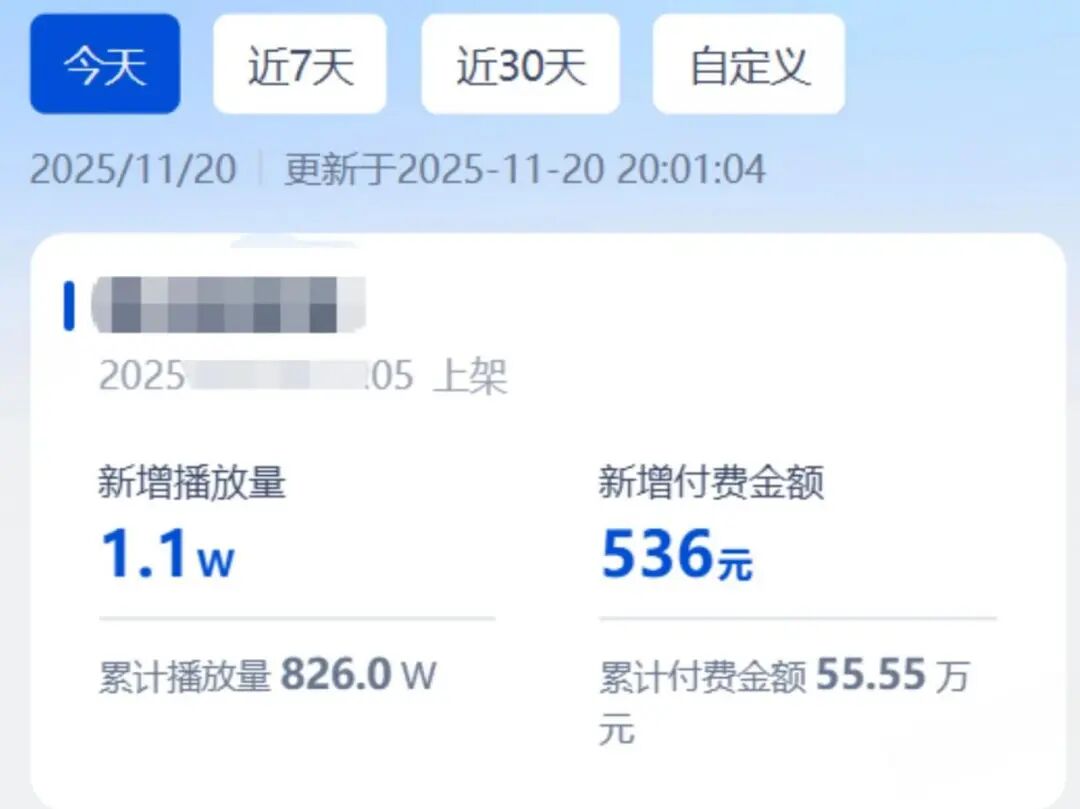
腾讯、阿里、蚂蚁、字节跳动、小米、滴滴……宣布捐款捐物!
Zheng Quan Shi Bao Wang· 2025-11-27 10:13
Core Viewpoint - Multiple companies, including Tencent, Alibaba, Ant Group, ByteDance, Xiaomi, and Didi, have announced donations and support in response to a significant fire incident in Hong Kong, demonstrating corporate social responsibility and community support during emergencies [1][2][3][4]. Group 1: Donations and Support - Ant Group and AlipayHK donated 10 million HKD for emergency relief, transitional housing, and supply of living materials for affected residents [2]. - Alibaba Group initiated a donation plan of 20 million HKD for fire rescue efforts, transitional housing, and emotional support for victims [2]. - Didi donated 10 million HKD for emergency rescue and humanitarian aid, and is coordinating with local authorities for safe transportation and information dissemination [2]. - ByteDance announced a donation of 10 million HKD for emergency relief and community recovery efforts [3]. - NetEase also pledged 10 million HKD to support local emergency relief and community recovery [3]. - The Jack Ma Foundation committed to donating 30 million HKD for economic assistance to affected families and support for emergency personnel [3]. - Xiaomi's Hong Kong Foundation pledged 10 million HKD for medical aid and transitional support for affected residents [3]. - Tencent Charity Foundation announced a donation of 10 million HKD for emergency relief and support for affected residents [3]. Group 2: Additional Contributions - Anta Group announced a total donation of 30 million HKD, including 10 million HKD in cash and 20 million HKD in winter gear for emergency housing and basic living support [4]. - 361° Group pledged 15 million HKD in cash and equipment to support local rescue and housing efforts [4].

腾讯、阿里、蚂蚁、字节跳动、小米、滴滴……宣布捐款捐物!



券商中国· 2025-11-27 09:35
Core Viewpoint - The article highlights the collective response of various companies and organizations to the fire disaster in Hong Kong's Tai Po district, emphasizing their financial contributions and support for emergency relief efforts [1][2][3][4]. Group 1: Company Contributions - Ant Group and AlipayHK donated 10 million HKD for emergency relief, transitional housing, and supply of living materials for affected residents [2]. - Alibaba Group announced an initial donation of 20 million HKD to support disaster relief and subsequent transitional housing, along with mobilizing resources for food and bedding [2]. - Didi donated 10 million HKD for emergency rescue and humanitarian aid, while also facilitating safe transportation for citizens [2]. - ByteDance pledged 10 million HKD for emergency relief and community recovery efforts [3]. - NetEase also committed 10 million HKD to support local emergency rescue and community recovery [3]. - Xiaomi Foundation announced a donation of 10 million HKD for medical aid and transitional living support for affected residents [3]. - Tencent Charity Foundation initiated a donation of 10 million HKD for urgent relief and emotional support for residents [3]. - Anta Group pledged a total of 30 million HKD, including 10 million HKD in cash and 20 million HKD in winter gear for emergency support [4]. - 361° announced a donation of 15 million HKD in cash and equipment to assist local rescue and relief efforts [4]. Group 2: Support Mechanisms - AlipayHK established a dedicated assistance channel on its homepage to facilitate public donations for the relief efforts [2]. - Didi's platform is actively guiding vehicles to avoid disaster areas and disseminating official rescue and assistance information [2]. - Various foundations, including the Ma Yun Public Welfare Foundation, are providing financial aid to affected families and emergency personnel [3].

首批捐款超1亿港元,阿里、腾讯、小米、网易等驰援香港大埔火灾救援
Guo Ji Jin Rong Bao· 2025-11-27 08:32
Core Points - A significant fire occurred in Hong Kong's Tai Po district, prompting widespread concern and support from various organizations and individuals [1] Group 1: Donations and Support Initiatives - Alibaba, led by Jack Ma, donated a total of 60 million HKD, including 30 million HKD from the Jack Ma Foundation for economic aid to affected families and support for firefighters [2] - Tencent Charity Foundation announced a donation of 10 million HKD for emergency relief and support for affected residents [5] - Xiaomi's founder Lei Jun announced a donation of 10 million HKD through the Xiaomi Foundation for fire relief efforts [7] - ByteDance pledged 10 million HKD for emergency rescue and community recovery efforts [9] - NetEase also committed 10 million HKD for emergency relief and community support [11] - Midea Group and Trip.com each announced donations of 10 million HKD for urgent rescue and post-disaster recovery efforts [12][13] Group 2: Emergency Response and Logistics - Alibaba initiated an emergency response mechanism to mobilize essential supplies like food and bedding to the affected area [2] - JD.com was the first to deliver rescue supplies to the scene, coordinating with local councils to provide essential items like water and food [14]
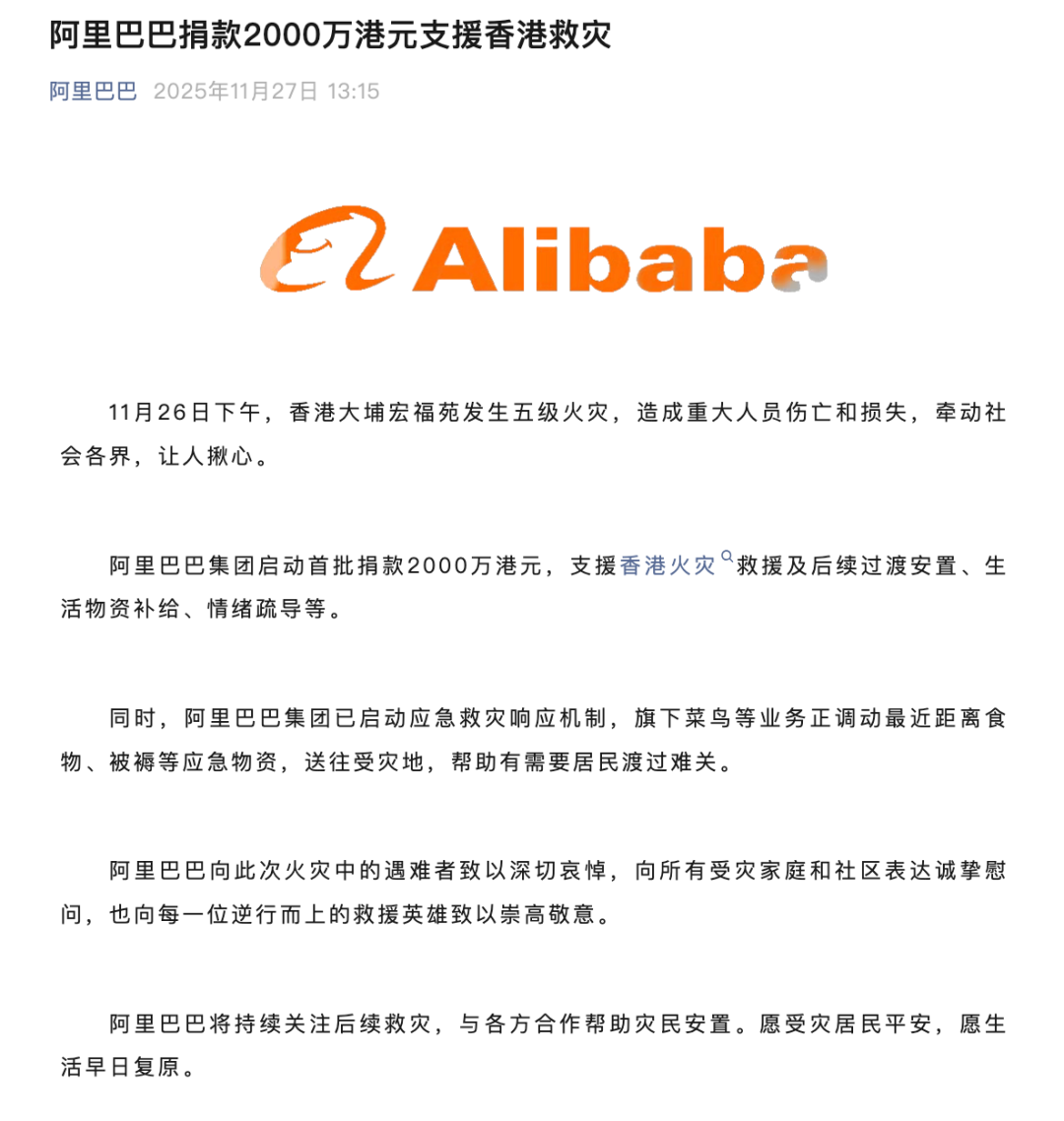
腾讯、网易相继布局,FunPlus死磕这一赛道,潜力如何?
3 6 Ke· 2025-11-27 08:15
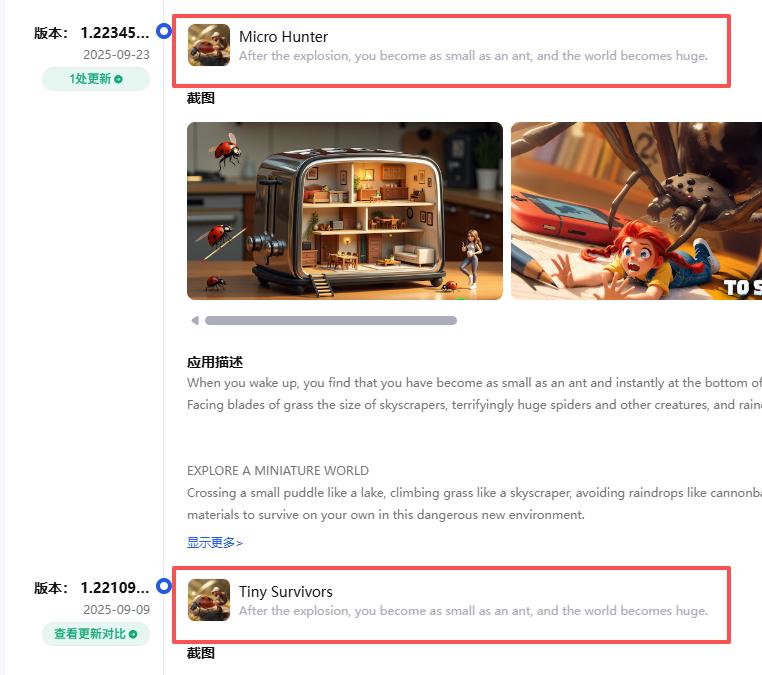
Core Insights - FunPlus has launched its micro-world SLG game "Micro Hunter" in late September, but its market performance has been underwhelming, peaking at 55th in the strategy category in the US [1][2] - The game has undergone extensive testing over three years, indicating FunPlus's commitment to the micro-world theme, which is now attracting attention from major competitors like NetEase and Tencent [1][20] Market Situation - "Micro Hunter" was previously known as "Tiny Survivors" and began small-scale testing in February across several countries, officially rebranding on September 23 [2] - The game has seen a gradual increase in estimated downloads, reaching approximately 717,000 globally by November 23, with a significant portion from Google Play [4][6] Download Performance - Brazil leads in downloads with 113,000, followed by the US with 76,000, while Southeast Asia shows notable interest with three entries in the top ten download regions [6] - The game has generated an estimated revenue of around $550,000, with a peak daily revenue of approximately $13,000 on November 2 [7][9] Advertising Trends - The iOS version of "Micro Hunter" began advertising in October, but the volume of ad materials has since declined, with a peak of nearly 200 ads on October 13 [10] - The target audience for the ads is predominantly male (78%), with the primary age group being 25-34 years old, accounting for 39% of the audience [11][12] Creative Material - The advertising materials focus on the "micro" theme, showcasing the challenges faced by small characters in a larger world, with a mix of animation and voiceover [13][14] - Three main types of creative content have been identified: micro-world exploration, crisis management in gameplay, and character design showcasing [14][16][18] Conclusion - Despite not achieving standout success, "Micro Hunter" reflects FunPlus's long-term investment in the micro-world genre, which has garnered interest from other major players in the industry [20][21] - The micro-world theme is seen as having market potential due to its unique appeal and the growing trend of casual SLG games, although it may not suit all developers [21]
从段永平的万字访谈中,帮你梳理好了他的股票投资体系
雪球· 2025-11-27 08:06
Group 1 - The core idea of the article revolves around investment strategies and methodologies shared by prominent investors like Duan Yongping, emphasizing the importance of understanding company culture, business models, and differentiation in stock selection [5][7][39]. - The article highlights the significance of company culture, stating that a strong culture can guide a company back on track, and changes in culture should prompt investors to reassess their investments [10][18][20][24]. - It discusses the importance of a solid business model, using examples like Buffett's investment in Coca-Cola and Duan's success with NetEase, showcasing the need for deep understanding of the business [25][28][29][31]. Group 2 - Differentiation is emphasized as a critical factor in avoiding price wars and maintaining customer loyalty, with Duan mentioning that products lacking differentiation face significant challenges [32][34][37]. - The article advises investors to limit the number of stocks they invest in, suggesting that understanding a few companies deeply is more beneficial than spreading investments too thin [39][41][44]. - It introduces the concept of "full position" investing, where investors should fully commit to stocks they understand, rather than holding cash that may lose value over time due to inflation [46][48][51]. Group 3 - The article warns against short-term trading, explaining that quantitative trading strategies can make it increasingly difficult for retail investors to profit from market fluctuations [54][56][62]. - It contrasts long-term investing with quantitative trading, suggesting that successful investing is akin to nurturing a growing tree, while quantitative strategies focus on short-term price discrepancies [66][70]. - The article clarifies a common misconception about value investing, stating that while long-term holding is essential, investors should also be prepared to sell if better opportunities arise [72][76].


俄回应“和平计划”:绝无可能作出任何让步;香港大埔火灾已致44人遇难,警方拘捕3人


Sou Hu Cai Jing· 2025-11-27 04:26
Market Overview - US stock market continued its strong performance with major indices rising for four consecutive trading days, driven by a rebound in technology stocks and increased probability of a Federal Reserve rate cut in December [2][4] - The Dow Jones Industrial Average rose by 314.67 points (0.67%) to close at 47,427.12, the Nasdaq Composite increased by 0.82% to 23,214.69, and the S&P 500 climbed 0.69% to 6,812.61 [2] Stock Performance - Notable technology stocks showed mixed results: Tesla and Microsoft rose by 1.7%, Nvidia by 1.3%, while Amazon and Meta declined by 0.2% and 0.45% respectively [3] - Dell surged by 5.8% due to strong demand for AI data center servers, exceeding quarterly earnings expectations [3] - Oracle's stock increased by 4.0%, with Deutsche Bank projecting minimal impact on earnings despite the exclusion of OpenAI-related revenue [3] Economic Indicators - Initial jobless claims fell by 6,000 to 216,000, the lowest level since April, while continuing claims showed an upward trend, indicating a challenging labor market [4] - Durable goods orders rose by 0.5% in September, matching expectations but slowing from August's growth, with weak demand in the civilian aircraft sector offsetting gains in other categories [4] - Retail sales increased by 0.2% in September, a slowdown from the revised 0.6% growth in August [4] Federal Reserve Insights - The Federal Reserve's Beige Book indicated ongoing economic struggles, with low hiring intentions and persistent inflation concerns [4][5] - The CME FedWatch Tool shows an 84.9% probability of a 25 basis point rate cut in December, nearly doubling from the previous week [6] - Recent dovish comments from Fed officials have contributed to market optimism regarding potential rate cuts [6] Sector Highlights - Airline stocks experienced significant gains, with the S&P 1500 Airline Index rising by 3.4%, reflecting positive consumer health indicators ahead of the holiday shopping season [7] - Workday's stock fell over 8% after reporting third-quarter subscription revenue that met expectations [8] Commodity Performance - International oil prices saw slight increases, with WTI crude oil rising by 1.21% to $58.65 per barrel and Brent crude oil up by 1.04% to $63.13 per barrel [9] - Gold prices fluctuated upwards, with COMEX gold futures for November delivery increasing by 0.61% to $4,165.20 per ounce [10]

四连阳!降息预热推动美股主要股指收高
Di Yi Cai Jing Zi Xun· 2025-11-27 00:14
Market Overview - Major U.S. stock indices continued to rise, with the S&P 500 recovering above 6800 points, driven by a rebound in technology stocks and increasing likelihood of a Federal Reserve rate cut in December [1][4] - The Dow Jones Industrial Average rose by 314.67 points (0.67%) to close at 47427.12 points, while the Nasdaq Composite increased by 0.82% to 23214.69 points, and the S&P 500 climbed 0.69% to 6812.61 points [1] Sector Performance - The airline sector saw a significant increase of over 3%, reflecting the start of the holiday travel season, with the S&P 1500 Airline Index soaring by 3.4% [1][5] - Notable technology stocks showed mixed performance, with Tesla and Microsoft up by 1.7%, Nvidia by 1.3%, while Amazon and Meta experienced slight declines [2] Company Highlights - Dell Technologies surged by 5.8% due to strong demand for AI data center servers, exceeding quarterly earnings expectations [2] - Oracle's stock rose by 4.0%, with Deutsche Bank projecting minimal impact on earnings per share even without OpenAI-related revenue [2] - Workday's shares fell over 8% after reporting third-quarter subscription revenue that met expectations [6] Economic Indicators - Initial jobless claims decreased by 6000 to 216,000, the lowest level since April, although continued claims are on the rise, indicating a challenging labor market [3] - Durable goods orders increased by 0.5% in September, aligning with market expectations, but growth slowed compared to August [3] - Retail sales rose by 0.2% in September, a deceleration from the revised 0.6% growth in August [3] Federal Reserve Insights - The Federal Reserve's Beige Book indicated ongoing economic challenges, with low hiring intentions and persistent inflation concerns [3][4] - Market expectations for a 25 basis point rate cut in December have surged to 84.9%, nearly doubling from the previous week [4]

网易-S(09999):游戏出海持续推进,AI多维度赋能业务
Huaan Securities· 2025-11-26 09:08
Investment Rating - The investment rating for the company is "Buy" (maintained) [1] Core Insights - The company achieved revenue of 28.36 billion yuan in Q3 2025, representing a year-over-year increase of 8.2% and a quarter-over-quarter increase of 1.7% [4] - The gross profit for Q3 was 18.18 billion yuan, with a gross margin of 64.1%, an increase of 1.2 percentage points year-over-year [4] - Adjusted net profit reached 9.50 billion yuan, reflecting a year-over-year growth of 26.7% and a net margin of 33.5%, up 4.9 percentage points year-over-year [4] Revenue Breakdown - The gaming and related services revenue for Q3 was 23.3 billion yuan, up 11.8% year-over-year, driven by growth in key titles such as "Fantasy Westward Journey" and "Nirvana in Fire" [5] - The company continues to expand its global gaming footprint, with successful launches of new titles in overseas markets [5] AI and Education Initiatives - The Youdao segment reported revenue of 1.63 billion yuan in Q3, a year-over-year increase of 3.6%, focusing on the "AI + Education" strategy [6] - New AI-enabled hardware and software products have been introduced, enhancing the educational offerings [6] Cloud Music Developments - Cloud Music generated revenue of 1.96 billion yuan in Q3, a slight decline of 1.8% year-over-year, with AI features enhancing user experience [7] - The introduction of the "AI Tuner" feature aims to enrich the platform's content ecosystem [7] Financial Projections - Projected revenues for 2025, 2026, and 2027 are 113.91 billion yuan, 124.63 billion yuan, and 134.92 billion yuan, respectively [8] - Non-GAAP net profits for the same years are expected to be 39.67 billion yuan, 42.26 billion yuan, and 46.08 billion yuan [8] Key Financial Metrics - The company is expected to maintain a gross margin of around 64% over the next few years, with a projected return on equity (ROE) of 24% in 2025 [11] - Earnings per share (EPS) are forecasted to grow from 10.37 yuan in 2024 to 14.29 yuan in 2027 [11]
网易-S(9999.HK):经典游戏表现亮眼 后续储备丰富有望贡献增量
Ge Long Hui· 2025-11-26 04:02
Core Insights - The company reported a revenue of 28.4 billion yuan for Q3 2025, representing an 8.2% year-on-year increase [1] - The net profit attributable to shareholders reached 8.6 billion yuan, a significant growth of 31.8% year-on-year [1] - The gaming segment showed strong performance, with revenue from games and related services amounting to 23.3 billion yuan, up 11.8% year-on-year [1][2] Financial Performance - Q3 2025 revenue: 28.4 billion yuan, up 8.2% YoY [1] - Gross profit: 18.2 billion yuan, up 10.3% YoY [1] - Net profit attributable to shareholders: 8.6 billion yuan, up 31.8% YoY [1] - Non-GAAP net profit: 9.5 billion yuan, up 26.7% YoY [1] - Operating cash flow: 12.9 billion yuan, up 21.7% YoY [1] - Cash reserves at the end of Q3: 153.2 billion yuan [1] Gaming Segment Performance - Classic games performed well, with "Dream of the Red Chamber" achieving a peak of 3.58 million concurrent players [2] - New game launches enriched the product matrix, including "Fate: Stars" topping iOS download charts in multiple regions [2] - Upcoming titles like "Reverse Water Cold" and "Forgotten Sea" are expected to contribute to future revenue [2] Cost and Expenses - Operating costs for Q3 2025 were 10.2 billion yuan, an increase from 9.8 billion yuan in Q2 2025 [3] - Operating expenses also rose to 10.2 billion yuan, driven by increased marketing costs for games [3] Future Outlook - The company maintains a strong investment rating, projecting net profits of 35.1 billion yuan, 38.5 billion yuan, and 42.5 billion yuan for 2025-2027 [3]