
PDD(PDD)

Search documents
8大平台企业签自律公约 六方面划定食安监管“硬红线”
Chang Jiang Shang Bao· 2025-11-10 03:20
Group 1 - The core viewpoint emphasizes the importance of food safety in online transactions and the responsibility of platform enterprises to ensure compliance with safety standards [1][2] - The National Market Supervision Administration has guided eight major online food trading platforms to sign a self-discipline convention aimed at enhancing food safety management [1][2] - The convention outlines six key areas for improvement, including the verification of food production and sales qualifications, monitoring of sales behaviors, and the establishment of a "blacklist" for non-compliant entities [2][3] Group 2 - The administration has reported significant enforcement actions, with 181,000 food safety violations handled and fines totaling 740 million yuan in the first half of 2025 [1][4] - A total of 263.9 million food safety inspections were conducted, resulting in the removal of 69,000 batches of non-compliant products [4] - The regulatory approach includes a combination of supervision, administrative guidance, and accountability measures to enhance the responsibility awareness of platform enterprises [3][4]




拼多多朱政:创新出海业务模式,赋能全球经济发展
Sou Hu Cai Jing· 2025-11-09 12:21
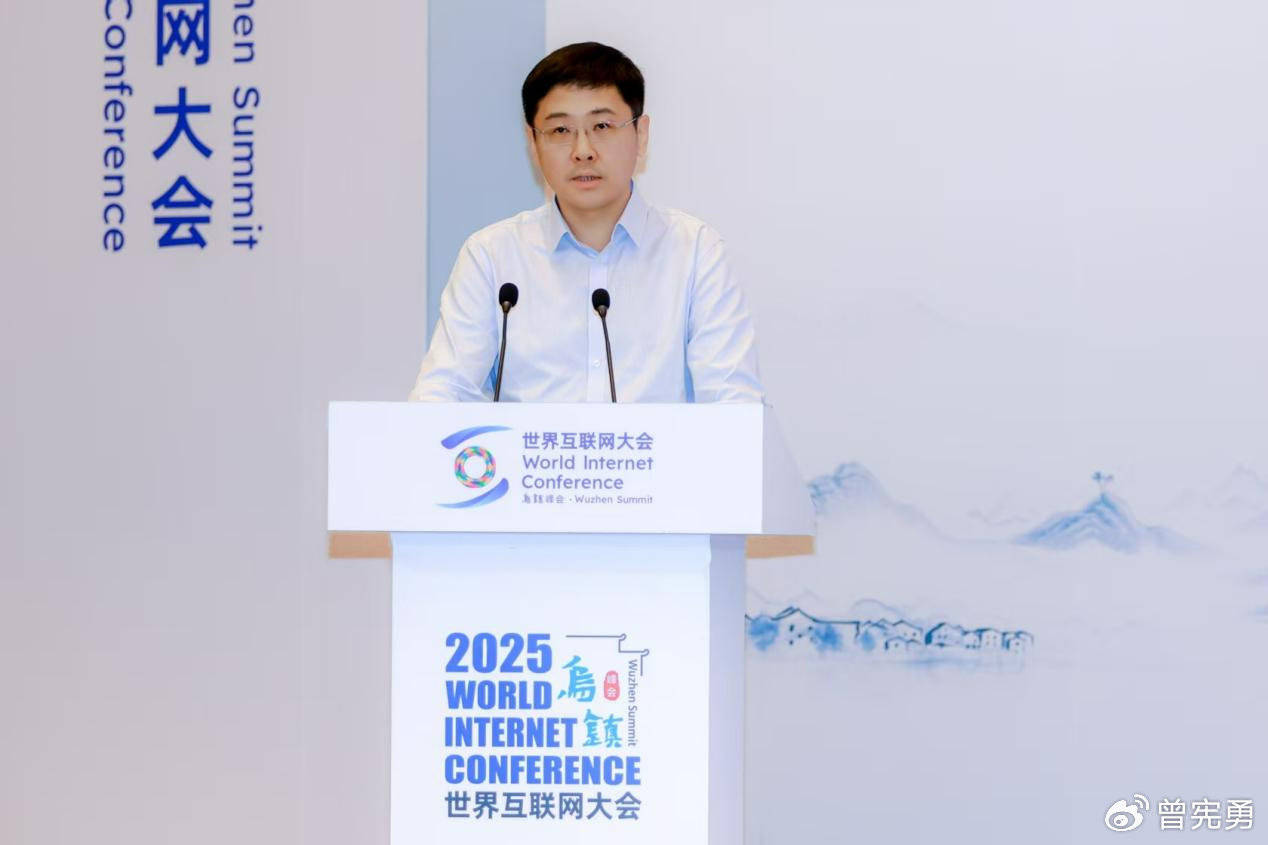
Group 1 - The 2025 Global Development Initiative Digital Cooperation Forum was held on November 8 during the World Internet Conference in Wuzhen [1][3] - The forum was co-hosted by the Cyberspace Administration of China, the National International Development Cooperation Agency, and the China People's Association for Friendship with Foreign Countries, focusing on the theme "Co-create Digital Blueprint, Promote Inclusive Prosperity" [3] - Approximately 150 participants from government, UN agencies, international organizations, research institutions, industry organizations, and enterprises attended the forum [3] Group 2 - Pinduoduo's Chief Development Officer, Zhu Zheng, delivered a keynote speech titled "Innovating Overseas Business Models to Empower Global Economic Development" [3] - Zhu highlighted three aspects: innovating business models to assist Chinese manufacturing in going global, providing quality services to benefit more global consumers, and committing to globalization to inject new momentum into global economic development [3] - Pinduoduo has expanded its cross-border operations to over 100 countries and regions, covering all categories of manufacturing products, with over 10,000 manufacturing enterprises successfully going global and more than 10 million types of products available for sale [3]

8家平台签署食品安全管理自律公约 将设置跨平台“黑名单”
Nan Fang Du Shi Bao· 2025-11-08 20:38
Core Points - The State Administration for Market Regulation has guided eight major e-commerce platforms to jointly sign the "Self-Discipline Convention for Food Safety Management on Third-Party Online Food Trading Platforms" to enhance food safety standards in online transactions [1][2] Group 1: Key Measures - The convention emphasizes the responsibility of platform enterprises in food safety management, focusing on six areas: implementation of food safety management systems, verification of qualifications for food producers and sellers, monitoring of food sales behaviors, sharing of "blacklist" information, collaborative law enforcement, and proactive social supervision [1][2] - Platforms will utilize various verification methods, including government data checks, video verification, location validation, and on-site confirmations to review qualification information [1] - Advanced technologies such as artificial intelligence and big data will be employed to monitor and screen food labels, promotional sales, and consumer reviews comprehensively [1] Group 2: Blacklist System and Reporting Mechanism - The convention proposes a collaborative "blacklist" system for food producers and sellers who commit serious violations, prohibiting them from engaging in online food sales through account changes [2] - It encourages the sharing of blacklist information across platforms to ensure that violations on one platform result in restrictions across all platforms, implementing a "one violation, all networks restricted" policy [2] - A convenient and effective complaint reporting mechanism will be established, featuring a one-click reporting option prominently displayed on platform pages for timely handling of food safety violations [2]
京东、美团等8家平台企业发起食品安全管理自律公约
Zhong Guo Qing Nian Bao· 2025-11-07 13:54
Core Points - The article discusses the signing of a self-discipline convention for food safety management by eight major online food trading platforms in China, aimed at enhancing food safety and responsibility [1][2] - The convention emphasizes the importance of platform enterprises in ensuring food safety and outlines specific measures to address current food safety risks [1] Group 1: Self-Discipline Convention - Eight online food trading platforms, including JD.com, Meituan, Pinduoduo, Douyin, Xiaohongshu, Taobao, WeChat Mini Programs, and Kuaishou, have jointly signed a self-discipline convention for food safety management [1] - The convention focuses on six key areas: implementation of food safety management systems, verification of qualifications for food producers and sellers, monitoring of food sales behaviors, sharing of a "blacklist" for non-compliant entities, collaborative law enforcement, and proactive social supervision [1] Group 2: Specific Measures - Platforms will utilize various verification methods, including government data checks, video verification, and on-site confirmations to assess the qualifications of food sellers [1] - Advanced technologies such as artificial intelligence and big data will be employed to monitor food labeling, promotional activities, and consumer reviews comprehensively [1] - A collaborative "blacklist" system will be established to prevent non-compliant entities from re-entering the market under different accounts, promoting information sharing and cross-platform restrictions [1]
京东、美团、拼多多......市场监管总局指导8家平台企业发起食品安全管理自律公约
第一财经· 2025-11-07 12:34
Core Viewpoint - The article discusses the launch of a self-discipline convention for food safety management among major online food trading platforms in China, aimed at enhancing food safety responsibilities and creating a secure online food consumption environment [1][2]. Group 1: Self-Discipline Convention - The convention is initiated by eight major online food trading platforms including JD.com, Meituan, Pinduoduo, Douyin E-commerce, Xiaohongshu, Taobao, WeChat Mini Store, and Kuaishou E-commerce [1]. - It focuses on addressing current food safety risks in online transactions and emphasizes self-regulation among platform enterprises [2]. Group 2: Key Measures - The convention outlines six key areas for food safety management: implementation of food safety management systems, verification of qualifications for food producers and sellers, monitoring of sales behaviors, sharing of a "blacklist," collaborative law enforcement, and acceptance of social supervision [2]. - Specific measures include using government data verification, video verification, and on-site confirmations to ensure the authenticity of qualification information [2]. - Platforms will utilize AI and big data to monitor food labels, promotional activities, and consumer reviews, taking action against violations such as false advertising and illegal sales [2]. Group 3: Blacklist and Reporting Mechanism - A collaborative "blacklist" system will be established to prevent food producers and sellers from re-entering the market under different accounts, promoting information sharing and cross-platform restrictions [2]. - A convenient complaint and reporting mechanism will be set up, allowing users to report food safety violations easily, with platforms required to address these reports promptly [2]. Group 4: Regulatory Oversight - The State Administration for Market Regulation will supervise and guide platform enterprises to strengthen their awareness of food safety responsibilities through inspections, administrative guidance, and accountability discussions [2].
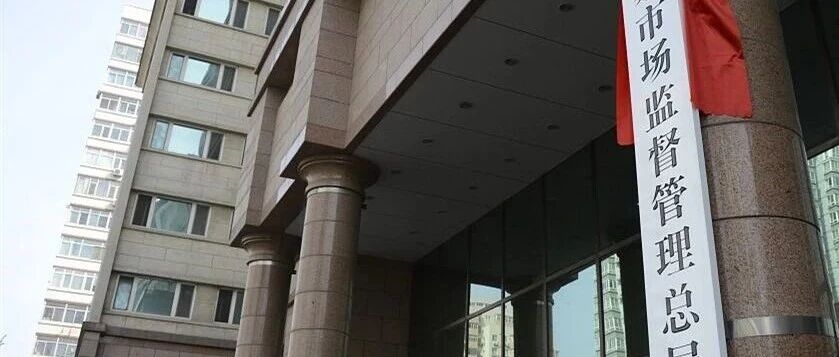
2025福布斯中国内地富豪榜发布:拼多多黄峥以453亿美元财富位列第六名
Xin Lang Ke Ji· 2025-11-07 09:56
Group 1 - The core point of the article is the release of the 2025 Forbes China Mainland Rich List, where Huang Zheng of Pinduoduo ranks sixth with a wealth of 45.3 billion USD [1]
全球要闻:美股重回避险状态纳指跌近2% 马斯克万亿美元“薪酬包”获批
Xin Lang Cai Jing· 2025-11-07 06:44
Market Overview - US stock market showed weakness with all three major indices closing down, with Nasdaq dropping nearly 2% [1][2] - The surge in layoffs in the US, along with concerns raised by OpenAI executives regarding government guarantees for AI companies, heightened market fears [1][3] Layoff Data - In October, US companies announced 153,074 layoffs, a year-on-year increase of 175.3%, marking the highest level in 20 years [4][24] - Total layoffs in the US this year have surpassed 1 million, the highest since the pandemic [4][24] - The current hiring plans are at their lowest level since 2011, indicating a deteriorating job market [4][24] OpenAI Developments - OpenAI's CFO suggested a need for a government-backed ecosystem to support financing for large chip investments, which raised investor concerns about a potential AI bubble [3][25] - OpenAI's CEO clarified that the company does not seek government guarantees for its data center investments and emphasized that if the company fails, it should be allowed to fail [3][25] - The CEO also projected that OpenAI's annual revenue could exceed $20 billion, potentially reaching "hundreds of billions" by 2030 [3][25] Tesla Shareholder Meeting - Over 75% of Tesla shareholders approved Elon Musk's $1 trillion compensation plan, contingent on achieving significant company milestones over the next decade [4][14] - To receive the full compensation, Tesla must reach a market value of $8.5 trillion and deliver 1 million vehicles for Robotaxi services [4][14] AI Chip Developments - Google Cloud announced the release of its seventh-generation TPU, "Ironwood," which boasts over four times the performance of its predecessor [13][24] - This new chip is expected to eliminate data bottlenecks for demanding AI models and is set to be utilized by AI startup Anthropic for its Claude model [24]


A股三大指数低开,存储器板块跌幅居前
Feng Huang Wang Cai Jing· 2025-11-07 01:36
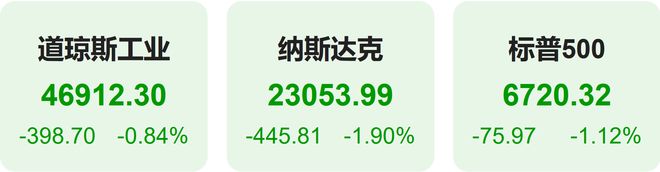
Market Overview - A-shares opened lower with the Shanghai Composite Index down 0.34%, Shenzhen Component down 0.54%, and ChiNext down 0.72% [1] - U.S. stock indices also declined, with the S&P 500 down 1.12% to 6720.32 points, Nasdaq down 1.9% to 23053.99 points, and Dow Jones down 0.84% to 46912.3 points, influenced by signs of a deteriorating job market and misinterpretations of comments from OpenAI executives [2] Chinese Concept Stocks - The Nasdaq China Golden Dragon Index saw mixed results, with Alibaba up 1.69%, JD down 0.28%, Baidu up 3.01%, and NIO down 1.78%. Notably, XPeng Motors surged 9.64% after unveiling its second-generation VLA [3] Sector Insights Robotics Sector - CITIC Securities suggests that the robotics sector is entering a phase of consolidation after significant adjustments in October, with expectations for new catalysts or industry rhythm to support market sentiment. Key developments include Tesla's Optimus mass production orders and prototype releases [4] Power Equipment Sector - Huatai Securities reports a significant performance divergence in the power equipment sector for Q3, with non-UHV main networks showing a 38.2% increase in net profit, while distribution and meter segments faced declines of 23.6% and 28.4%, respectively. The non-UHV segment benefits from strong overseas demand and ongoing domestic infrastructure needs [5] Aluminum Supply - CITIC Securities indicates that global electrolytic aluminum supply and demand will remain balanced over the next three years, contingent on China's production levels and new overseas capacities. Any supply disruptions could lead to price increases due to the current high-profit environment [6] Quantum Computing - CICC highlights that quantum computing is at a critical juncture transitioning from research breakthroughs to commercial applications, with hardware expected to lead in industrialization. The global quantum computing market is projected to grow from $5 billion in 2024 to over $800 billion by 2035, with a CAGR exceeding 55% [8]



OpenAI高管言论引发风暴,AI板块再遭抛售!纳指跌近2%
Xin Lang Cai Jing· 2025-11-07 00:16
Core Viewpoint - The recent comments from OpenAI executives regarding seeking government backing for their investments have sparked significant market reactions, leading to declines in major tech stocks and raising concerns about an "AI bubble" [1][3][6]. Market Reaction - The S&P 500 index fell by 1.12% to 6720.32 points, the Nasdaq Composite dropped by 1.9% to 23053.99 points, and the Dow Jones Industrial Average decreased by 0.84% to 46912.3 points [2]. - Major tech stocks led the decline, with Nvidia down 3.65%, Tesla down 3.5%, and Microsoft experiencing a seven-day losing streak [2][8]. OpenAI's Clarification - OpenAI's CFO Sarah Friar initially suggested the need for a financial ecosystem involving banks, private equity, and federal government support for their chip investments, which was misinterpreted as seeking government guarantees [2][4]. - Following the backlash, both Friar and CEO Sam Altman clarified that OpenAI does not intend to seek government backing for its infrastructure investments and emphasized that if the company fails, it should be allowed to fail [6][7]. Future Projections - Altman projected that OpenAI's annual revenue is expected to exceed $20 billion, potentially reaching "hundreds of billions" by 2030, with plans to launch enterprise-level products and expand into consumer electronics and robotics [6]. - Altman also suggested that the government should establish a "national strategic computing reserve" to sign power procurement agreements for public benefit, rather than to support private companies [6]. Employment Impact - The Challenger report indicated that U.S. employers cut over 150,000 jobs in October, the highest number in over two decades, influenced by cost-cutting measures and the adoption of AI [8].


英伟达↓3.65%、特斯拉↓3.5%、苹果↓0.1%、微软↓1.98%、谷歌↑0.2%、亚马逊↓2.86%、Meta↓2.67%
财联社· 2025-11-06 23:45
Core Viewpoint - The article discusses the recent decline in major tech stocks due to concerns over the U.S. job market and misinterpretations of OpenAI executives' statements regarding government backing for AI investments [1][3]. Group 1: OpenAI's Financial Strategy - OpenAI's CFO, Sarah Friar, indicated the company is seeking a financial ecosystem involving banks, private equity, and federal government guarantees to support its substantial chip investments [2]. - Following public backlash, Friar clarified that OpenAI is not seeking government guarantees for its infrastructure investments, and the term "backstop" was misinterpreted [3][6]. - CEO Sam Altman emphasized that OpenAI does not intend to seek government backing and is prepared to face failure without federal support, while projecting annual revenues to exceed $20 billion and potentially reach "hundreds of billions" by 2030 [6]. Group 2: Market Reactions and Employment Trends - The Challenger report revealed that U.S. employers cut over 150,000 jobs in October, marking the highest number of layoffs in that month in over two decades, influenced by cost-cutting and AI adoption [8]. - The tech sector is experiencing greater labor market risks compared to 2022, as layoffs are not being absorbed by other industries as quickly as before [8]. Group 3: Stock Performance - Major tech stocks saw declines, with Nvidia down 3.65%, Apple down 0.14%, and Microsoft down 1.98%, among others, reflecting the overall market sentiment [9]. - Duolingo, a language learning platform, experienced a significant drop of 25% due to disappointing earnings guidance, while an unnamed food delivery platform fell 17.45% for similar reasons [11]. - Chinese stocks showed mixed performance, with Alibaba up 1.69% and JD down 0.28%, indicating varied investor sentiment in the Chinese market [12].
