
吉利

Search documents
济南将争取国家“人工智能+工业软件”中试基地项目落地建设
Qi Lu Wan Bao· 2026-01-19 02:14
Core Viewpoint - Jinan aims to implement an industrial strong city strategy by 2026, focusing on building a modern industrial system Group 1: Strengthening Advantageous Industries - The city will focus on electronic information, automotive, high-end software, and modern medicine industries, aiming to enhance scale, extend chains, and grow enterprises [2] - In the electronic information sector, Jinan plans to achieve an industry scale of 240 billion yuan by accelerating the construction of semiconductor and micro-display projects [2] - The automotive industry aims for a scale of 180 billion yuan, supporting companies like BYD and Geely in introducing high-end models and promoting collaborative development [2] - The high-end software sector targets a scale of 130 billion yuan, emphasizing the development of industrial software and AI applications [2] - The modern medicine industry, relying on key enterprises, aims for a scale of 52 billion yuan by enhancing various pharmaceutical sectors [2] Group 2: Cultivating Characteristic Industries - Jinan will focus on high-end CNC machine tools, robotics, specialized equipment, steel, advanced materials, and food and bio-manufacturing, aiming to create competitive industrial clusters [4] - The high-end CNC machine tools and robotics sector targets a scale of 55 billion yuan, with key projects like the industrial mother machine park [4] - The specialized equipment industry aims for a scale of 115 billion yuan, with support for leading companies and project expansions [4] - The steel industry will focus on green low-carbon transformation, targeting a scale of 165 billion yuan by developing high-value products [4] - The advanced materials sector aims for a scale of 35 billion yuan, promoting innovation and expansion in chemical and metal materials [4] - The food and bio-manufacturing industry targets a scale of 77.5 billion yuan, supporting innovative development of key enterprises [4]

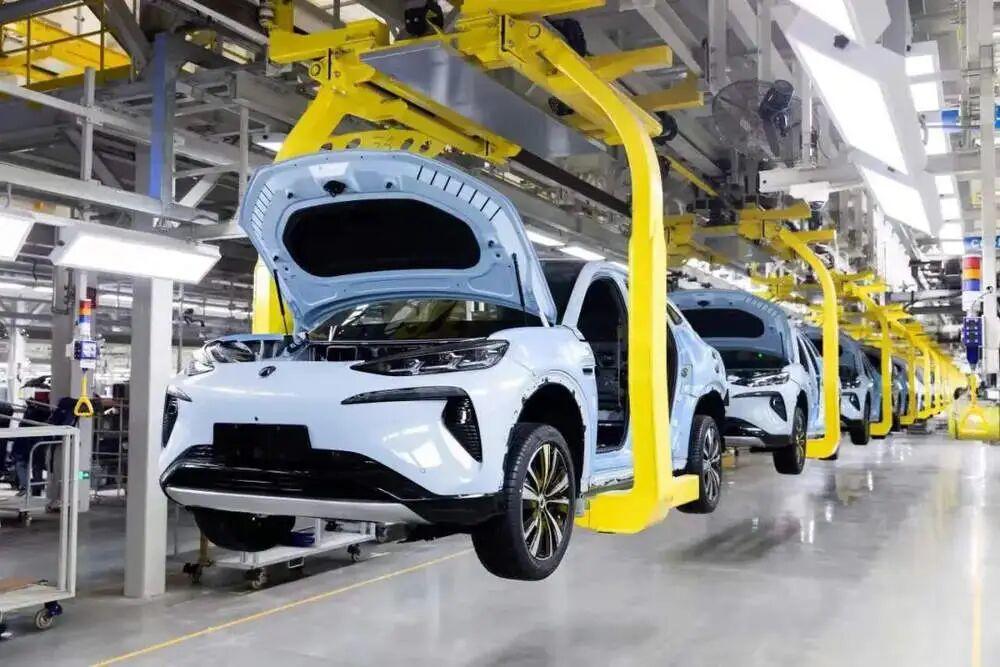
鲁西南崛起智能汽车零部件高地
Qi Lu Wan Bao· 2026-01-18 16:48
Core Insights - The automotive consumption peak around New Year has led to a 40% month-on-month increase in orders for Sanxian Electronics (Heze) Co., Ltd, which operates a 120,000 square meter smart workshop with 40 production lines running at full capacity [1] - The company has invested 1 billion yuan in the project, which covers 100 acres, and aims to deliver 100,000 new energy vehicle wire harnesses in 2024 and 180,000 in 2025 [1] Group 1 - The company has established research and development centers in Beijing, Xi'an, and Shenzhen, with a team that includes members with experience from well-known automotive companies like BYD, Geely, and Volkswagen, positioning itself at the forefront of wire harness design and development in China [2] - The company currently employs over 1,600 people, with more than 90% being local residents, and projects a revenue of 300 million yuan in 2024, 500 million yuan in 2025, and 180 million yuan in the first quarter of 2026 [2] - The local government has played a crucial role in supporting the company by addressing labor shortages and establishing talent supply channels through school-enterprise cooperation [2] Group 2 - The new industrial park will house the group's headquarters and R&D center, aiming to achieve a full industrial chain layout for electronic and electrical components in new energy vehicle smart cockpits, thereby continuously empowering local economic development [2] - The rapid development of Sanxian Electronics reflects the optimization of the business environment and the promotion of industrial upgrades in Jiaocheng, contributing to high-quality regional economic growth [2]
AI应用爆发前夜,大模型等待黎明
Tai Mei Ti A P P· 2026-01-18 12:01
Core Insights - The AI industry continues to gain momentum in 2026, with significant stock performance in the A-share market, particularly in AI application sectors [1] - Minimax has successfully launched on the Hong Kong stock market, achieving a market capitalization exceeding 100 billion [2] - Major tech companies are preparing for an AI application battle, with Alibaba, ByteDance, and Tencent all investing heavily in AI applications [4] Industry Trends - The rapid iteration of large models is evident, with 29 versions released by 11 tech companies in just 206 days, averaging a new version every 7.1 days [7][8] - User demand for AI applications is surging, with Doubao's monthly active users surpassing 200 million and Qianwen APP reaching 30 million in just 23 days [9] - The AI market in China is projected to grow to 993 billion by 2030, with a compound annual growth rate of 35.5% from 2024 to 2030 [10] Investment and Financials - Major companies are significantly increasing their capital expenditures on AI, with Baidu planning 30 to 50 billion, Tencent 70 to 100 billion, and Alibaba potentially increasing its 380 billion investment due to high demand [11] - AI companies are accelerating their IPOs, with multiple firms, including Zhiyuan AI and Minimax, recently listing on the Hong Kong Stock Exchange [12][14] - AI talent is in high demand, with salaries reaching up to one million and companies offering competitive packages to attract top talent [15] Challenges and Market Dynamics - Despite the growth, profitability remains a challenge, with Zhiyuan AI reporting losses exceeding 6.2 billion from 2022 to mid-2025, and Minimax over 8.7 billion from 2023 to Q3 2025 [18] - The competitive landscape remains unchanged as all major internet platforms integrate AI, leading to a potential homogenization of services [19][22] - The cost of using large models is decreasing rapidly, with significant price reductions observed in 2024, which is essential for the explosion of AI applications [27] Future Outlook - The AI industry is expected to experience an application explosion, with companies believing that revenue growth will eventually cover model costs [36] - The survival of companies in the AI sector will determine who defines the future, emphasizing the importance of endurance in the current challenging environment [37]
跨越多地极端环境,浩思动力冬测进行中
Zhong Guo Qi Che Bao Wang· 2026-01-16 12:38
Core Insights - Haosi Power is conducting a winter extreme testing program for its power systems, involving over 200 technical personnel, aimed at enhancing product reliability and stability in extreme environments [1][4] Group 1: Testing Overview - The winter testing commenced in November 2025 in Mohe, Heilongjiang, and will continue until March 2026, covering various high-cold and high-altitude regions [1] - The testing includes models such as Zeekr 9X, Geely Galaxy M9, Smart5, Smart6, Geely Galaxy Starship 7, and Lynk & Co 10 EMP, focusing on 16 key powertrain systems [4] Group 2: Technical Focus - The primary focus of the winter testing is on the intelligent control and low-temperature reliability of power systems, addressing core issues related to winter vehicle performance [4][6] - Key areas of testing include engine calibration, driving performance calibration, functional safety calibration, energy management control, thermal management control, and OBD calibration [4] Group 3: Performance Optimization - In extreme low-temperature conditions of -35°C, the technical team is optimizing the stability of power systems through energy management calibration and real-time monitoring of key performance parameters [6] - The team is also conducting comprehensive tests on various driving scenarios, including starting, acceleration, shifting, turning, and hill driving, to ensure all-encompassing performance coverage [6]

Bernstein:比亚迪2026年电动汽车交付量或达540万辆
Xin Lang Cai Jing· 2026-01-16 09:38
Group 1 - The core viewpoint of the article is that BYD's electric vehicle deliveries are projected to reach 5.4 million units this year, up from 4.6 million units last year, reflecting an 8% year-over-year growth [1] - Despite maintaining a dominant position in China, BYD's market share in the electric vehicle sector has decreased from 30% at the beginning of 2025 to 25% in November, attributed to a relatively flat product cycle and strong competition from companies like Geely, Leap Motor, and Xpeng [1] - This year, BYD aims to revitalize its product cycle through significant upgrades to its electric vehicle platform technology [1] Group 2 - Overseas sales are expected to become an increasingly important driver of profitability, with projected exports reaching 1.05 million units by 2025 [1] - Bernstein maintains an outperform rating on BYD and has set a target price of HKD 130.00, while the stock closed at HKD 99.20 [1]

1.16犀牛财经早报:国内首只千亿级黄金ETF诞生
Xi Niu Cai Jing· 2026-01-16 01:40
Group 1 - The first domestic gold ETF in China has surpassed 100 billion yuan in scale, driven by rising gold prices and continuous investor buying, indicating significant asset allocation value in the current low-interest-rate environment [1] - Domestic power grid investment is expected to exceed 1 trillion yuan per year during the 14th Five-Year Plan, with a projected 40% increase in fixed asset investment by the State Grid Company compared to the previous plan [1] Group 2 - The space photovoltaic concept has gained significant attention in 2026, with multiple companies like JinkoSolar and Trina Solar actively disclosing their development plans, indicating a potential trillion-yuan market [2] - The low-altitude economy is viewed as a long-term endeavor, requiring patience and collaboration across the industry to achieve its full potential [2] Group 3 - China's commercial aerospace industry is growing at over 20% annually, with projections of reaching 7 to 10 trillion yuan by 2030, as various regions compete to establish their presence in this sector [3] - Nickel prices have surged nearly 30% in a month due to supply contraction expectations, with significant implications for the nickel market and its downstream industries [3] Group 4 - The automatic driving industry in China is advancing, with the first L3-level conditional autonomous driving models receiving approval for road testing in designated areas [5] - In 2026, traditional car manufacturers are targeting stable growth rates of 10% to 30%, while new entrants aim for aggressive growth rates of 34% to 67% [5] Group 5 - The electric vehicle sector is witnessing a reshuffle, with companies like Jidu Auto entering restructuring processes, reflecting the competitive landscape of the industry [6] - Star River Power has successfully launched 89 satellites into orbit, marking a significant achievement in the private aerospace sector [6] Group 6 - WuXi Biologics' major shareholder has agreed to sell 150 million shares at a price of 38.52 HKD per share, which will reduce their stake from approximately 12.12% to 8.49% [10] - Kuaishou has issued a total of 6 billion USD in senior notes, with proceeds intended for general corporate purposes [11] Group 7 - Cloud Intelligence plans to place 780,000 new H-shares at a price of 252 HKD per share, indicating ongoing capital-raising efforts [12] - E-Tech's IPO is set to face scrutiny from regulators, highlighting the challenges faced by companies in the automotive electronics sector [13] Group 8 - Luoyang Molybdenum expects a net profit increase of 48% to 54% for 2025, driven by rising product prices and effective cost management [14] - Lio's stock has been suspended for trading due to significant price fluctuations, reflecting the need for regulatory oversight in volatile markets [14] Group 9 - U.S. stock indices rebounded, with significant gains in technology and financial sectors, driven by strong earnings reports from major companies [16] - Commodity prices, including metals and oil, experienced declines after reaching record highs, indicating market volatility [16]
中欧电动汽车反补贴案,突破性进展
21世纪经济报道· 2026-01-15 12:10
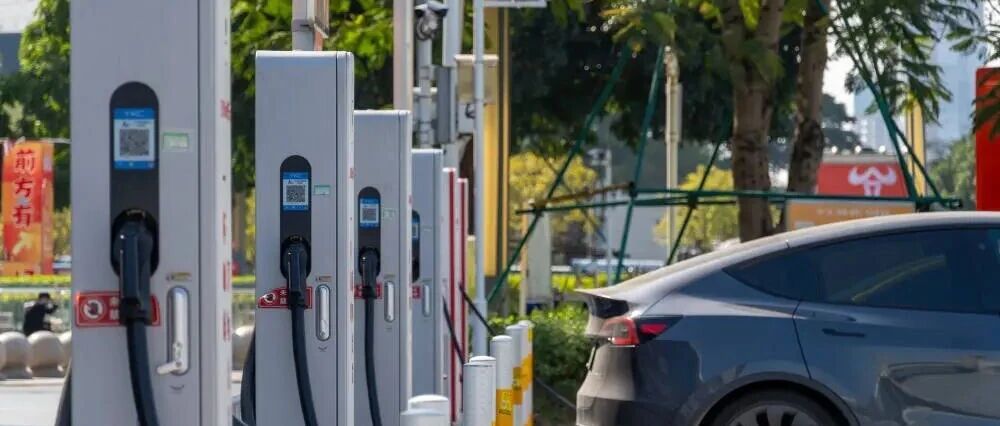
Core Viewpoint - The negotiations regarding the EU's anti-subsidy measures on Chinese electric vehicles have made significant progress, with the EU set to issue guidelines for price commitment applications, allowing Chinese manufacturers to potentially avoid high tariffs by committing to minimum pricing [1][3]. Group 1: Background and Developments - The EU initiated an anti-subsidy investigation into Chinese electric vehicles in October 2023, leading to the imposition of high tariffs starting October 2024, with rates as high as 35.3% for non-cooperating companies [3]. - The recent agreement allows Chinese electric vehicle manufacturers to submit price commitments based on the EU's guidelines, which could replace the anti-subsidy tariffs [3][4]. - The agreement is seen as a "soft landing" for the ongoing trade tensions, with experts noting that it reflects a cooperative outcome between China and the EU [1][4]. Group 2: Market Implications - The new pricing commitments may not significantly alter the selling prices of Chinese electric vehicles in Europe, but they provide a more stable policy environment for long-term operations [4]. - The average selling price of Chinese electric vehicles in Europe is projected to be around €25,000 by 2025, compared to €30,000 for all imported electric vehicles [4]. - Chinese manufacturers have been facing an average price increase of 118% when selling vehicles in Europe compared to domestic prices, but the new agreement could allow for better profit margins [5]. Group 3: Industry Dynamics - The EU's policy aims to prevent aggressive price competition from Chinese manufacturers that could harm local automotive industries, while still allowing for a degree of flexibility in pricing [4][5]. - European automakers, such as Volkswagen and BMW, are expected to benefit from the revised tariff policies, as they have established production facilities in China and can leverage these changes for exports [6][12]. - The collaboration between Chinese and European automakers is anticipated to deepen, with joint ventures and investments in technology and production facilities becoming more common [13].

未拿“准行证”先闯资本市场,小鹏汇天被传秘密递表港股
Guo Ji Jin Rong Bao· 2026-01-15 10:45
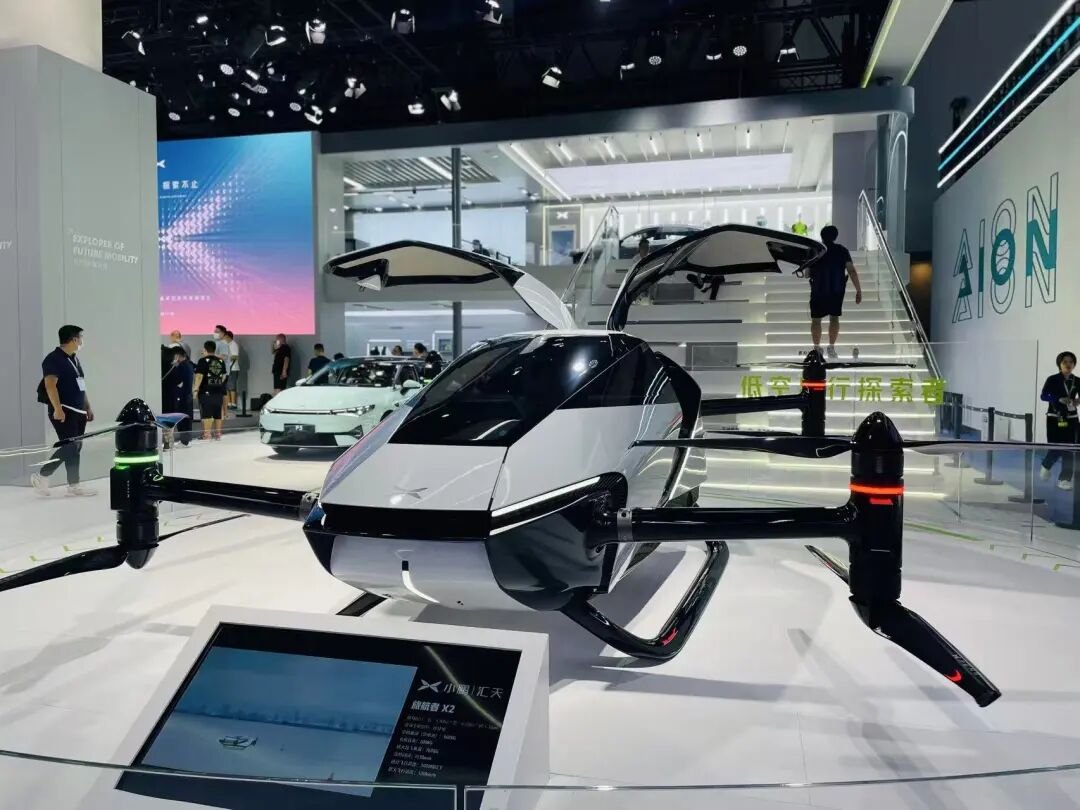
Core Viewpoint - Xiaopeng Motors is accelerating its entry into the capital market with its flying car division, Xiaopeng Huitian, by preparing for an IPO in Hong Kong, reflecting a significant need for funding to support its high R&D costs [1][2][4]. Funding and Financial Needs - Xiaopeng Huitian has reportedly accumulated over $750 million (approximately 5.375 billion yuan) in financing since its rebranding in 2020, but this is insufficient compared to competitors like Joby Aviation and EHang, which have much higher annual R&D expenditures [5][6]. - The company has received loans totaling 6 billion yuan from banks to support its flying car development and manufacturing [6][7]. - The decision to go public is seen as a critical step for Xiaopeng Huitian to secure additional funding for its ambitious projects [8][10]. Market Response and Stock Performance - Following the IPO news, Xiaopeng's stock price in Hong Kong saw significant activity, with a 4.85% increase shortly after the announcement [2]. Regulatory Challenges - Xiaopeng Huitian is currently facing the challenge of obtaining airworthiness certification, which is essential for the production and commercial operation of its flying vehicles [12][13]. - The certification process is complex and lengthy, with no official announcement regarding the completion of the necessary certifications as of January 2026 [14][16]. Competitive Landscape - The flying car market is becoming increasingly competitive, with major players like EHang and Joby Aviation already making strides in commercial operations and regulatory approvals [19][20]. - Xiaopeng Huitian's positioning as a personal flying vehicle contrasts with EHang's focus on urban air mobility, indicating a different market strategy [19]. Future Outlook - The success of Xiaopeng Huitian's IPO and its ability to secure the necessary certifications will be crucial for its future development and market acceptance [21].
上海推“模速智行”行动计划,自动驾驶产业有望迎来加速发展(附概念股)
Zhi Tong Cai Jing· 2026-01-15 01:09
Core Insights - Shanghai has launched the "Mosu Zhixing" action plan to promote high-level autonomous driving, focusing on technology innovation and industrial competitiveness [1][2] - The plan aims to establish public service platforms, including a digital twin training ground for autonomous driving, and expand the open area for autonomous driving to 2,000 square kilometers [1] - The initiative is expected to facilitate the demonstration of L3-level autonomous vehicles and promote their commercial application [2] Industry Development - Shanghai has been proactive in advancing the autonomous driving industry, with previous initiatives such as the 2022 implementation plan for smart connected vehicles and the issuance of road testing licenses for driverless vehicles in 2023 [2] - The action plan includes organized trials for L3-level autonomous taxis and aims to gradually scale up the production and application of L3 vehicles [2] - The demand for advanced autonomous driving components, such as chips and lidar, is anticipated to grow rapidly as the ecosystem expands [3] Company Progress - Several domestic companies, including Changan, BYD, and GAC, have made significant advancements in L3-level autonomous driving, with multiple models receiving road testing permits [4] - Companies like Huawei and GAC have developed solutions and vehicles capable of L3-level autonomous driving, indicating a shift in consumer preferences towards vehicles with advanced driving assistance features [4] - The formal implementation of L3-level autonomous driving regulations is expected to be a key catalyst for industry growth by 2026 [4] Market Opportunities - Companies such as Junsheng Electronics and Seres are actively engaging in strategic partnerships and product launches to enhance their positions in the autonomous driving market [5][6] - The introduction of new Robotaxi services by companies like Cao Cao Mobility marks a significant step towards the commercialization of autonomous driving solutions [6] - The collaboration between ZF and Horizon Robotics to develop L3-level systems is expected to lead to mass production by 2026, highlighting ongoing innovation in the sector [7]
上海推“模速智行”行动计划 自动驾驶产业有望迎来加速发展(附概念股)
Zhi Tong Cai Jing· 2026-01-15 00:14
Group 1 - Shanghai has launched the "Mosu Zhixing" action plan to promote autonomous driving technology innovation and its industrial competitiveness, with a focus on model-driven leadership and application demonstration [1] - The plan aims to establish public service platforms, including a digital twin training ground for autonomous driving, and expand the open area for autonomous driving to 2,000 square kilometers with over 5,000 kilometers of roads [1] - The action plan is expected to provide new support for the development of the autonomous driving industry, including organized smart taxi demonstration operations and pilot projects for L3 autonomous passenger vehicles [2] Group 2 - As of January 14, there are 7,767 companies related to intelligent driving in China, with the East China region accounting for 43.8% of these companies [3] - China holds 51,000 patents related to intelligent driving, with 85.9% being invention patents, indicating a significant growth in both companies and patents in the sector [3] - Nvidia has introduced an open-source AI model platform for autonomous driving, which is expected to enhance the capabilities of autonomous driving systems [3] Group 3 - Several domestic companies, including Changan, BYD, and GAC, have made substantial progress in the L3 autonomous driving field, with multiple models receiving road testing permits [4] - The formal implementation of L3 autonomous driving regulations is anticipated to be a key catalyst for industry development by 2026 [4] - Companies like Aichi Securities believe that automakers with advanced intelligent technology and supply chain control will benefit first from the commercialization of intelligent driving [2] Group 4 - Companies such as Junsheng Electronics and CAOCAO have entered strategic partnerships to develop L4 autonomous driving solutions and digital management platforms [5][6] - The launch of new models by companies like Seres and Leap Motor indicates a competitive landscape in the high-end user market for autonomous vehicles [6][7] - The collaboration between ZF and Horizon Robotics aims to develop L3 intelligent driving systems, with mass production expected in 2026 [7]