山姆会员店

Search documents
通州山姆会员商店正式开工建设 预计2027年开业
Bei Jing Shang Bao· 2025-10-22 04:49
Core Insights - The construction of a Sam's Club member store in Tongzhou District, located in Songzhuang, has officially commenced [2] - The store will cover an area of approximately 56,000 square meters and will include commercial facilities along with supporting infrastructure [2] - The project is expected to open in 2027 and aims to serve the entire Tongzhou area and the eastern part of Beijing [2] - Beijing Tongzhou Investment Development Co., Ltd. is the investment partner for this project, which has been designated as a key project for the city by 2025 [2]

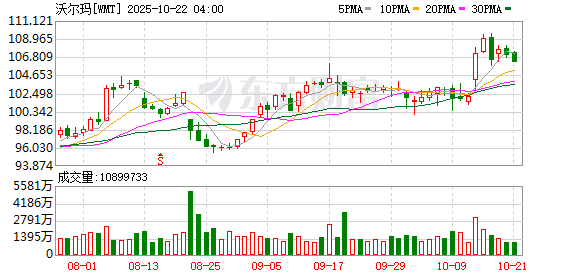
零售巨头转身,自有品牌能否再造大润发?
Guan Cha Zhe Wang· 2025-10-17 09:05
Core Insights - The article discusses the strategic shift of RT-Mart towards private label brands in response to the challenges faced in the retail industry, particularly during a downturn in consumer spending [1][5][6] Group 1: Company Strategy - RT-Mart is launching a "Private Label Festival" in October 2025, featuring nearly 500 private label products across various categories, aiming to balance cost control and quality experience [5][10] - The private label strategy includes two main series: "Super Savings," which focuses on cost-effective products, and "RT-Mart Selection," which emphasizes quality and local specialties [5][10] - The company aims to leverage its supply chain to ensure quality control and competitive pricing, moving away from traditional brand partnerships [10][11] Group 2: Market Context - The traditional supermarket model is under pressure from online platforms and new retail formats, leading to a significant decline in the number of physical stores and sales [6][11] - Consumer behavior has shifted towards value-driven purchasing, with a growing demand for high-quality, cost-effective products [6][11] - The retail industry is transitioning from a "channel dividend" to a "supply chain dividend," necessitating a focus on supply chain integration and brand storytelling [11][16] Group 3: Financial Performance - Financial data indicates a decline in revenue for RT-Mart's parent company, with a drop from approximately 83.66 billion yuan to 71.55 billion yuan between 2023 and 2025 [7][10] - The gross profit also decreased slightly, from 20.58 billion yuan to 17.24 billion yuan during the same period [7] Group 4: Competitive Landscape - RT-Mart faces competition from established private label brands like Walmart's "Great Value" and Sam's Club's "Member's Mark," which have already gained market recognition [13][14] - The rise of hard discount chains and online platforms offering low-priced products poses additional challenges to RT-Mart's market position [14][15] - The company must quickly innovate and adapt to consumer preferences to remain competitive in a crowded market [15][16]

真难!疯狂关店11万家背后,又一巨头退场,为什么都不愿逛商场了
Sou Hu Cai Jing· 2025-10-15 17:27
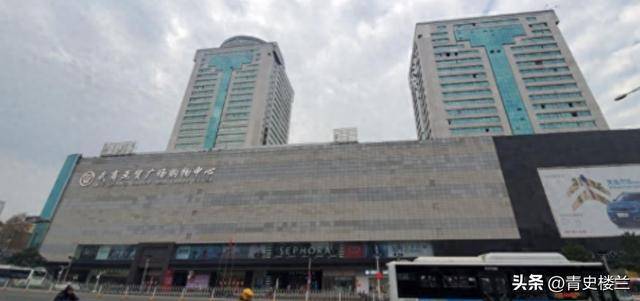
Core Insights - The decline of large shopping malls in China is evident, with notable closures such as the Pacific Department Store in Shanghai and the Wuhan Wushang Yamao Plaza, indicating a broader trend of diminishing foot traffic and consumer interest [1][3][5]. Group 1: Decline of Shopping Malls - The closure of the Wushang Yamao Plaza, which operated for 28 years, highlights a significant issue: a lack of customers, a trend reflected in the closure of 21 large malls nationwide last year [5][11]. - Nationwide average daily foot traffic in shopping centers has plummeted from 47,000 in 2015 to 20,000 in 2023, showcasing a stark decline in consumer engagement [7]. - The oversaturation of shopping malls is evident, with some second and third-tier cities having per capita shopping center space exceeding 2 square meters, which is double that of Japan and South Korea [13]. Group 2: Market Saturation and Competition - The oversupply of shopping malls has led to intense competition, with the Wushang Yamao Plaza surrounded by eight other large shopping centers within a 3-kilometer radius, resulting in a total commercial area exceeding 1.2 million square meters [15]. - A report indicates that the vacancy rate in the industry could reach 9.1% by 2024, surpassing the recognized breakeven point of 5% [17]. Group 3: Impact of E-commerce - The rise of e-commerce has significantly impacted physical retail, with rental costs in Shanghai's Wujiaochang area increasing from 8 yuan per square meter in 2015 to 22 yuan in 2024, a 175% increase [19]. - The average annual labor cost for a retail employee in first-tier cities exceeds 100,000 yuan, which contributes to higher prices for goods in physical stores compared to online alternatives [20]. - Consumers increasingly prefer online shopping for its lower prices and convenience, often using physical stores merely as "free fitting rooms" before purchasing online [22]. Group 4: Strategies for Survival - To survive, shopping malls must create unique experiences rather than just selling products. Successful models like Sam's Club focus on exclusivity rather than low prices, attracting nearly 9 million paying members [25][27]. - The success of stores like Pang Dong Lai is attributed to exceptional service, offering over 60 free value-added services, which enhances customer loyalty and experience [29][31]. - Local cultural engagement, as seen in Tai Sheng Plaza in Linyi, demonstrates a successful strategy of hosting local events to become a community hub rather than just a shopping destination [34]. Group 5: Challenges in Transformation - Many malls mistakenly believe that increasing the proportion of dining options will save them, but this approach is often ineffective as the restaurant industry is highly competitive, with 460,000 restaurants closing or being deregistered in the first quarter of this year [36].
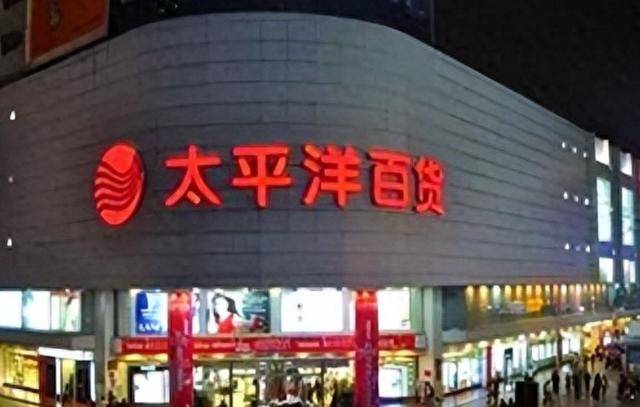
又一巨头倒下!疯狂关店11万家,为什么我们都不愿意逛商场了?
Sou Hu Cai Jing· 2025-10-14 12:35
Core Insights - The retail industry, particularly shopping malls, is facing significant challenges, with a notable decline in foot traffic and increasing closures of large shopping centers across China [1][12][14] Group 1: Decline in Shopping Malls - Wuhan's Wushang Yamao Plaza, a landmark for 28 years, closed due to severe losses from dwindling customer traffic, reflecting a broader trend where 21 large malls shut down in 2022 [1] - National average daily foot traffic in shopping malls dropped from 47,000 in 2015 to 20,000 in 2023, indicating a significant decline in consumer engagement [2][10] - By mid-2025, over 17,000 physical stores closed across various sectors, with projections suggesting a total of 110,000 closures [12] Group 2: Market Saturation and Consumer Behavior - The oversupply of shopping malls is evident, with 447 sampled commercial locations reporting over 9,400 vacant units, leading to an overall vacancy rate of 9.1%, surpassing the 5% breakeven threshold [14] - In Wuhan's Wuchang business district, eight large shopping centers within a 3-kilometer radius contribute to the saturation, making it difficult for individual malls to attract customers [16] - Consumers find shopping malls increasingly monotonous, with similar brand offerings and layouts across different locations, reducing the incentive to visit multiple malls [17] Group 3: Impact of E-commerce - The rise of e-commerce has significantly impacted traditional retail, with online prices often undercutting physical stores, leading to a preference for online shopping [19][21] - The cost disparity between online and offline retail is highlighted, with physical store operational costs rising, such as rental prices in Shanghai's Wujiaochang area increasing by 175% from 2015 to 2024 [27] - Consumers are becoming more price-sensitive, favoring value over brand loyalty, which further challenges traditional retail models [29] Group 4: Successful Adaptations - Some retail formats, like Sam's Club, have thrived by offering unique products and high membership retention rates, with an average annual spending of 13,000 yuan per member, five times that of regular supermarkets [31] - Innovative service models, such as those employed by Pang Donglai, which include extensive customer services, have resulted in high customer loyalty and increased foot traffic [34] - The future of shopping malls lies in transforming them into experiential spaces that focus on social interaction and leisure rather than just retail, as seen in successful examples like Tai Sheng Plaza in Shandong [36][39]
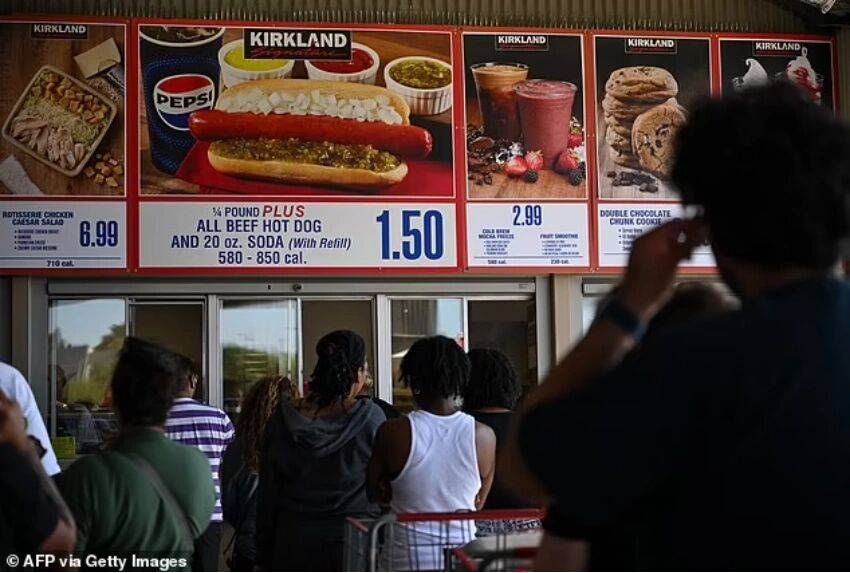
人们越捂紧钱包,越是Costco的顺风盘
Sou Hu Cai Jing· 2025-10-11 10:48
Core Insights - Costco continues to show significant growth despite economic uncertainties, with net sales reaching $269.9 billion and net profit at $8.099 billion for the fiscal year 2025, marking an 8% and 9.9% increase respectively [1][2] - Membership fees contribute significantly to Costco's profitability, accounting for 65.7% of net profit, highlighting its business model as a service provider rather than a traditional retailer [2][3] Membership and Customer Base - The total number of paid members reached 81 million, a 6.3% increase year-over-year, with a high renewal rate of 92.3% in North America and 89.8% globally, indicating strong customer satisfaction [3][4] - Costco's e-commerce segment is the fastest-growing area, with a sales increase of 16.1% year-over-year, attracting a younger demographic [5][6] Premium Membership Strategy - As of Q3 2025, Costco had 37.6 million premium members, representing 47.7% of total paid members and contributing 74.2% of global sales [7][8] - The company has implemented benefits for premium members, such as exclusive shopping hours and discounts on online grocery orders, which have positively impacted sales and member upgrades [8][10] Product Offerings and Brand Loyalty - Costco's iconic $1.50 hot dog and soda combo has remained unchanged for 40 years, symbolizing the company's commitment to value and customer loyalty [11][14] - The Kirkland Signature brand has seen increased penetration, providing members with 15% to 20% more value compared to similar products, which helps mitigate inflationary pressures [11][12] International Expansion and Market Position - Costco is cautiously expanding in China, having opened its seventh store in Nanjing, and is focusing on building relationships with local suppliers to enhance its market presence [15][16] - The company acknowledges the slower pace of international expansion compared to the U.S. market but remains optimistic about future growth opportunities [16][17]

奋进的河南 决胜“十四五”·郑州篇丨融入大市场,有多少条新路
He Nan Ri Bao· 2025-10-09 23:40
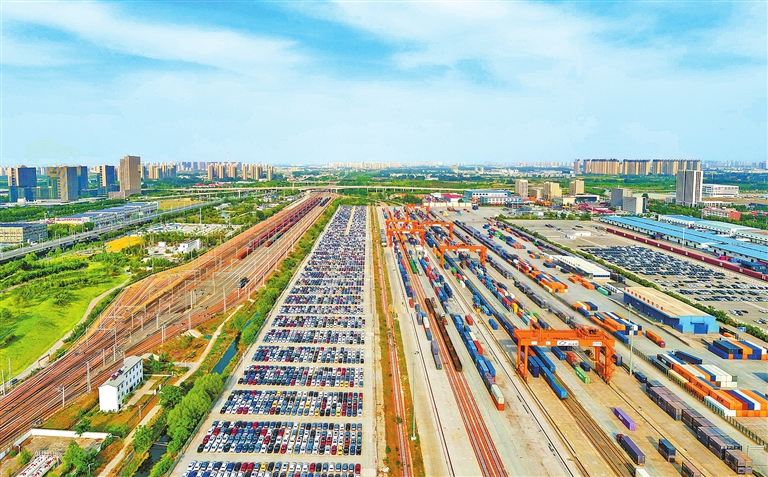
货运繁忙的中铁联集郑州中心站。 记者 聂冬晗 摄 郑州机场。 资料图片 聂冬晗 靳晰 摄 今年1月—8月,郑州市外贸进出口累计完成3634.9亿元,总量、增速均领跑中部城市。 站在中国开放的新坐标上眺望,一个生动的景象正在显现:不沿边、不靠海的郑州,正从传统意义上的陆地 深处,大步走向新时代的开放前沿。 从高空俯瞰郑州—— 这里是承东启西的"中国十字路口"、汇通全球的"世界会客厅"——来自五大洲的货物在此集散,全球先进要 素在此交融,一条条国际物流大通道让不沿边不靠海的内陆城市,一跃成为服务全国、链接全球的开放新潮 地。 这里也是"空中丝绸之路"的重要枢纽,与卢森堡携手打造的"双枢纽"模式,让每一条航迹都是跨越山海的握 手,每一次起降都是联通世界的约定。条条"丝路"拧成一股开放的绳,拉起郑州与世界对话的手。 近年来,郑州对欧盟、东盟等重点市场贸易规模持续攀升,国际消费中心城市建设稳步推进,国际顶奢品牌 相继落子,汇聚万商的气象日益恢宏。 大道笃行,新程广阔。"十四五"以来,郑州市牢记习近平总书记殷殷嘱托,聚焦高质量发展首要任务,抢抓 扩大高水平对外开放机遇,积极融入高质量共建"一带一路"发展主题,以制度型开放 ...
国庆假期依然空荡,这代人为什么不爱逛超市了?
吴晓波频道· 2025-10-05 00:29
Core Viewpoint - Traditional supermarkets are struggling to adapt to changing consumer behaviors and competition from e-commerce, leading to a decline in their market presence and sales [5][9][49]. Group 1: Current State of Supermarkets - Many traditional supermarkets are experiencing a significant drop in foot traffic and sales, with a projected net closure of 687 stores in 2024, a 23.6% increase from 2023 [5][21]. - The market for supermarkets is not shrinking overall, as the total sales are expected to grow by 2.7% in 2024, indicating a market share shift rather than an industry decline [21][22]. - The decline is particularly pronounced among traditional large-format stores, which are caught in a vicious cycle of poor business performance leading to further declines in quality and sales [22][41]. Group 2: Factors Contributing to Decline - Traditional supermarkets are losing their competitive advantages in channels, convenience, and business models due to the rise of e-commerce and instant retail [9][10]. - The shift in consumer preferences towards online shopping and instant delivery services has diminished the appeal of physical supermarkets [12][14]. - Complaints regarding poor service, product quality, and shopping experience have further alienated consumers from traditional supermarkets [16][18]. Group 3: Successful Adaptation Strategies - Membership warehouse models are gaining traction, focusing on quality and efficiency, with Sam's Club achieving a net sales figure of 100.5 billion RMB in 2024, a growth of over 20% [23][24]. - Online transformation into "cloud supermarkets" is being adopted, emphasizing efficiency and reduced operational costs through smaller warehouse setups [26][27]. - The "Pang Donglai" model emphasizes emotional value through superior product offerings and customer service, with significant sales increases reported after adopting this approach [28][31]. - Hard discount models are emerging, focusing on a limited selection of essential products at lower prices, appealing to cost-conscious consumers [32][34]. Group 4: Challenges in Transformation - Significant restructuring efforts can lead to short-term financial pain, as seen with Yonghui's revenue decline of 20% after closing unprofitable stores [41][42]. - The cost advantages of traditional supermarkets are eroding, making it difficult to compete with more agile online models [44][45]. - The transition to an integrated store-warehouse model presents logistical challenges and high operational costs, complicating the adaptation process for traditional supermarkets [42][44]. Group 5: Future Outlook - The future of retail may not hinge on low prices but rather on providing value that justifies higher costs, reflecting a shift in consumer expectations [49][50]. - The evolution of consumer preferences towards quality and emotional value suggests that traditional supermarkets must innovate to remain relevant in a rapidly changing market [49][50].


前置仓将进入“寡头时代”,中小玩家难有机会
3 6 Ke· 2025-09-28 02:33
Core Insights - The article discusses the intense competition in the "instant retail" sector, primarily driven by major platforms like Meituan, Taobao, and JD, marking a shift from mere food delivery to a broader battle for market entry points [1][3] - The emergence of a "duopoly era" in the front warehouse model is highlighted, where the competition has evolved from small players to major corporations, indicating a significant transformation in the industry landscape [3][5] Industry Evolution - The front warehouse model, initially popularized by companies like Daily Fresh, faced challenges due to low margins and high operational costs, leading to significant losses and eventual market exits for some players [5][7] - The industry has bifurcated into two paths: platform-based models like Meituan and JD, which connect retailers without holding inventory, and self-operated models like Dingdong Maicai, which manage their own supply chains [9][11] Financial Performance - Dingdong Maicai reported a GMV of 25.56 billion yuan in 2024, with a 16.3% year-on-year growth, and achieved a net profit of 420 million yuan, marking a significant turnaround [11][13] - Pupu Supermarket also achieved profitability in 2024, with annual revenue around 30 billion yuan, showcasing a successful operational model focused on high-margin daily goods [13][15] Competitive Landscape - The entry of major players into the instant retail space has intensified competition, with significant financial backing allowing them to engage in aggressive pricing strategies that smaller players cannot match [20][22] - The article emphasizes that smaller players are increasingly forced to align with larger platforms to survive, as the competitive landscape shifts towards a model dominated by a few large corporations [22][24] Future Outlook - The retail industry is expected to continue evolving, with the potential for technological advancements, such as automated delivery and smart warehouses, to significantly reduce operational costs and drive growth in instant retail [26] - Trust and efficiency are identified as critical factors for success in the evolving market, with the ultimate winner being the entity that can secure long-term consumer trust [26]




爆火一年,你已经被羽衣甘蓝包围了
3 6 Ke· 2025-09-26 10:33
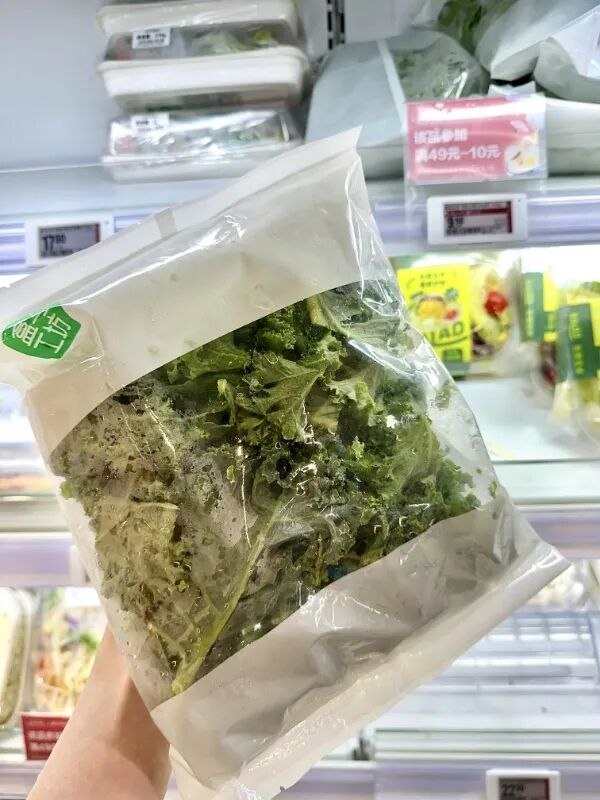
Core Insights - The emergence of kale as a popular ingredient in the beverage industry marks a significant shift in consumer preferences, transforming a previously underappreciated vegetable into a trendy drink option [1][3][12] - The success of kale-based drinks, particularly through the "Super Plant Tea" series by Heytea, demonstrates the effectiveness of innovative product development in driving market trends and consumer engagement [5][13][24] Market Trends - The introduction of kale into tea beverages began in July 2024, with Heytea's "Champion Slimming Bottle" leading the charge, which quickly gained popularity and resulted in over 100 million cups sold within a year [3][12] - The trend has prompted other major tea brands, such as Nayuki and Suge Fresh Tea, to launch their own kale-infused products, indicating a widespread industry response to this new consumer demand [14][19] Consumer Behavior - The shift in consumer perception of kale from a health food to a desirable beverage reflects a growing trend among younger consumers who seek both enjoyment and health benefits in their drink choices [8][22] - The rapid sales growth of kale drinks, with Heytea's initial launch selling over 1.6 million cups in just ten days, highlights the strong market appetite for innovative health-oriented products [5][22] Supply Chain and Production - The rising demand for kale has led to significant changes in its cultivation practices in China, with an increase in domestic production to meet the needs of beverage manufacturers [24][26] - Heytea's commitment to quality has resulted in partnerships with high-standard farming bases to ensure the production of pesticide-free kale, reflecting a trend towards more sustainable and health-conscious sourcing practices [26][28] Industry Impact - The kale trend has not only revitalized the beverage sector but has also influenced retail and food industries, with various brands incorporating kale into their product lines, thus creating a "kale universe" [16][20] - The overall growth of the "Super Plant" category suggests a potential long-term shift in consumer preferences towards health-focused ingredients, positioning kale as a pioneer for future innovations in the beverage industry [28]
爆火一年,你已经被羽衣甘蓝包围了
36氪未来消费· 2025-09-26 10:29
Core Viewpoint - The rise of kale as a mainstream ingredient in the beverage industry represents a significant shift in consumer preferences towards health-oriented products, driven by innovative marketing and product development strategies [4][10][14]. Group 1: Market Introduction and Initial Success - Kale, previously an underutilized vegetable in China, was introduced into the beverage market by Heytea in July 2024, leading to the creation of the "Super Plant Tea" series [4][5]. - Within a year, Heytea's kale-based drinks achieved cumulative sales exceeding 100 million cups, indicating a strong market acceptance and consumer interest [4][10]. Group 2: Consumer Behavior and Marketing Strategy - The success of kale beverages is attributed to a shift in consumer perception, transforming kale from a health obligation to a desirable drink choice through innovative flavor combinations [7][10]. - The marketing strategy effectively linked kale with fitness and health trends, appealing to younger consumers' desire for both enjoyment and health benefits [10][14]. Group 3: Industry Response and Expansion - Following Heytea's lead, other major tea brands quickly introduced kale products, indicating a rapid industry-wide adoption of this trend [17][19]. - By late 2024, kale had become a staple ingredient across various beverage brands, with significant product launches from competitors like Nayuki and Luckin Coffee [17][19]. Group 4: Supply Chain and Agricultural Impact - The popularity of kale has led to a significant increase in its cultivation in China, with prices rising from less than 1 yuan per jin to around 5 yuan per jin due to heightened demand [30][32]. - Companies like Heytea are now engaging in customized planting practices to ensure high-quality kale supply, reflecting a deeper integration into the agricultural supply chain [30][34]. Group 5: Future Trends and Opportunities - The "Super Plant" trend is expected to continue, with kale serving as a gateway for other health-oriented ingredients to enter the mainstream beverage market [28][34]. - The beverage industry's focus on fresh ingredients and quality control is likely to drive further innovation and consumer interest in health-focused products [28][34].