问界

Search documents
“停车难”时代即将终结?
汽车商业评论· 2026-01-02 23:06
Core Insights - The article emphasizes the significant improvements in smart parking experiences compared to the previous year, driven by continuous industry efforts and the introduction of new algorithms and paradigms [4][42]. - The smart parking industry in China is entering a golden period of scaled development, with increased adoption across various vehicle segments [6][5]. Group 1: Industry Trends - The adoption rate of smart parking features in the 40 evaluated models has significantly increased compared to last year [5]. - The smart parking industry is experiencing accelerated technological iteration, expanded functional boundaries, and deepened industry chain collaboration [6]. - The changes are driven by three main factors: technological innovation, integration and enhancement of intelligence capabilities, and the expansion of application scenarios [7]. Group 2: Technological Innovations - Technological innovation is broken down into two core areas: sensors and algorithms [8]. - The introduction of multi-directional solid-state LiDAR sensors has greatly improved vehicle environmental perception and recognition capabilities, enhancing scene adaptability and safety [9]. - Algorithm advancements, such as the introduction of front-fusion BEV perception schemes and end-to-end models, have significantly expanded the horizontal and vertical perception range of parking systems [9][28]. Group 3: Integration and Intelligence - The integration and intelligence enhancement focuses on humanization and smart innovation [10]. - Humanization is achieved through richer environmental perception elements that allow systems to render full environmental information, providing users with progress displays and risk alerts [11]. - Smart innovations, such as multi-modal large models (e.g., VLA), enable synchronized voice control of the intelligent driving system, enhancing user experience [12][30]. Group 4: Application Scenario Expansion - Two major advancements in application scenarios are noted: overseas market expansion and the extension of parking system scenarios [14]. - More automakers are equipping overseas models with parking configurations, indicating a clear trend towards globalization [15]. - The full link from parking space to parking space has been established, significantly enhancing memory parking systems with support for multiple routes and dynamic planning [15][30]. Group 5: Evaluation Framework - The evaluation framework for the smart parking systems includes automatic parking and memory parking as two main categories [31]. - Automatic parking assessments cover space detection, parking efficiency, and human-machine interaction (HMI), with efficiency further detailed into comfort, speed, and reassurance [18][33]. - The first tier of models includes Toyota's Platinum 3X and Avita 07, which excel in performance across multiple dimensions [35]. Group 6: Company Overview - The company, Magic Vision, is a pioneer in applying self-developed AI models in mass production and has successfully delivered intelligent driving products globally [41]. - The evaluation results indicate significant improvements in both automatic and memory parking functionalities compared to last year, attributed to ongoing industry efforts and the introduction of new algorithms [42][44]. - Magic Vision has covered ten chip platforms, enabling it to offer more options to automakers and achieve industry-leading speeds in new model development and algorithm deployment [44].

问界/极氪/岚图/智己2025年交付率出炉,多家创新高
Ju Chao Zi Xun· 2026-01-01 10:19
Group 1 - Multiple automotive brands reported strong market performance for December 2025, with several brands achieving significant sales growth and milestones [2] - Zeekr delivered 30,267 vehicles in December 2025, marking the first time monthly deliveries exceeded 30,000, with total sales surpassing 224,000 units for the year [2] - Lantu Automotive delivered 150,169 new vehicles in 2025, a year-on-year increase of 87%, and expanded its distribution network by adding 11 new stores and 4 user centers in December [2] - Aion BU achieved a record monthly sales of 40,066 vehicles in December 2025, with the i60 model selling over 10,000 units in its first month [2] - SAIC Passenger Cars reported total retail sales of 919,000 vehicles in 2025, a year-on-year growth of over 12%, with a 22% increase in new energy vehicle sales [2] - Aito announced cumulative deliveries of over 970,000 vehicles, with more than 420,000 units delivered in 2025, including significant contributions from models M9, M8, M7, and M5 [2] Group 2 - Zhiji Auto achieved total sales of 81,017 units in 2025, marking a historical high for the brand with four consecutive months of sales exceeding 10,000 units [3]
雷军扬眉吐气:SU7是20万以上轿车第一,YU7是中大型SUV第一
Sou Hu Cai Jing· 2026-01-01 02:59
Core Viewpoint - Xiaomi's automotive division is facing significant public scrutiny and criticism, prompting the company to take legal action against accounts spreading negative commentary. However, the company believes that product performance will ultimately shift public perception [1][3]. Group 1: Legal Actions and Public Perception - Xiaomi has initiated lawsuits against various accounts that have been attacking its car owners, which has led to a noticeable decrease in negative comments on social media posts related to car ownership [1]. - The company recognizes that while legal actions are a defensive measure, a more effective strategy to change public opinion relies on the quality and performance of its products [3]. Group 2: Product Performance and Sales Data - Xiaomi's SU7 model has achieved the highest sales among vehicles priced over 200,000 yuan in the past 12 months, with a total of 247,000 units sold from January to November, and an expected annual total of around 260,000 units [4]. - The YU7 model has also performed well, ranking first in sales among mid-to-large SUVs for four consecutive months, with projected annual sales reaching approximately 150,000 units [5]. - The sales figures indicate that consumers are willing to purchase high-quality products, reinforcing the confidence of Xiaomi's leadership in the automotive market [6].

当渗透率超过50%:中国新能源汽车的“成人礼”与安全“必修课”
Feng Huang Wang· 2025-12-31 14:12
Core Insights - The article highlights China's leading position in the global electric vehicle (EV) market, with significant growth in production and sales figures for November and the first eleven months of the year [1][2] - The focus of the industry is shifting from quantity to quality, emphasizing the importance of safety and technology in EVs, particularly regarding battery safety and advanced driver-assistance systems [2][5] Group 1: Industry Growth and Market Dynamics - In November, China's domestic EV production and sales reached 1.88 million and 1.823 million units, respectively, marking year-on-year growth of 20% and 20.6% [1] - For the first eleven months of the year, production and sales totaled 14.907 million and 14.78 million units, reflecting year-on-year growth of 31.4% and 31.2% [1] - The market share of new energy vehicles in total vehicle sales exceeded 50% for the second consecutive month, reaching 53.2% in November [1] Group 2: Safety and Technological Challenges - The article discusses the safety concerns surrounding hidden door handles in EVs, which are designed to reduce drag and improve range but have sparked controversy [3][4] - Research indicates that hidden door handles can reduce energy consumption at higher speeds, making them a popular choice among manufacturers [3] - The design of hidden door handles has evolved since their introduction, with various technical forms emerging, and their adoption rate in top-selling EV models is projected to reach nearly 60% by April 2025 [4] Group 3: Regulatory and Consumer Responsibility - New regulations require hidden door handles to include mechanical emergency opening mechanisms, reflecting a shift towards ensuring safety while maintaining technological advancement [5] - The article emphasizes the need for consumers to develop a rational understanding of vehicle safety, recognizing that it is a collective responsibility involving design, engineering, and user behavior [5][6] - The importance of driver awareness and responsibility is underscored, with statistics showing that approximately 90% of traffic accidents are attributed to driver behavior [7][8] Group 4: Perceptions of Safety in EVs - Contrary to common beliefs, EVs may possess inherent safety advantages over traditional internal combustion vehicles due to their design and structural features [9][10] - Innovations such as integrated battery structures and advanced manufacturing techniques contribute to the overall safety and stability of EVs [9][10] - The article calls for a reevaluation of safety perceptions, urging drivers to respect speed and understand the unique characteristics of EVs [10][11] Group 5: The Role of Advanced Driver-Assistance Systems - The article discusses the misinterpretation of L2-level driver-assistance systems, which are often mistakenly equated with full automation, leading to safety risks [11][12] - Clear communication from manufacturers regarding the capabilities and limitations of these systems is essential to prevent over-reliance by drivers [12][13] - The need for a comprehensive understanding of shared responsibility between technology and driver behavior is emphasized to enhance safety in the context of advanced driving technologies [14][15]

小米汽车明年拟推4款新车,包含2款增程丨36氪独家
36氪· 2025-12-31 09:20
Core Viewpoint - Xiaomi is set to aggressively enter the family market with a lineup of new vehicles, including two range-extended SUVs, aiming to capture a significant share of the growing range-extended SUV segment in China [4][12][19]. Group 1: Product Launch Plans - In 2026, Xiaomi plans to launch four new vehicles, including a revamped SU7, an SU7 executive version, a five-seat range-extended SUV, and a seven-seat range-extended SUV [6][11]. - The seven-seat range-extended SUV, codenamed "Kunlun," is designed for family use, featuring a large battery with a range of 400-500 kilometers [8][9]. - The SU7 executive version will be a long-wheelbase sedan with enhanced comfort features [10]. Group 2: Market Strategy - The current hot market for range-extended SUVs in China is a strategic focus for Xiaomi, as it aims to address the needs of family users who prioritize space, energy efficiency, and smart features [12][14]. - The range-extended SUV market is expected to see over 15 new models launched by 2025, indicating strong competition [15]. - Xiaomi's entry into this segment is seen as a critical move to expand its market presence beyond its existing customer base, which primarily consists of tech-savvy young users [22]. Group 3: Competitive Landscape - Xiaomi will face established competitors like Li Auto and Aito, which have already built strong brand recognition among family users [23][24]. - Li Auto's L series has achieved over 1 million cumulative deliveries, while Aito has secured multiple sales champions in its segment [23][24]. - Xiaomi has previously disrupted the electric vehicle market by breaking Tesla's dominance, indicating its potential to challenge existing players in the family car market [25]. Group 4: Future Development - The introduction of range-extended SUVs and executive sedans marks a shift in Xiaomi's development strategy from rapid product launches to a more systematic approach focusing on comprehensive capabilities [26]. - The company will need to enhance its supply chain management, brand positioning, and user service to succeed in the competitive family vehicle market [26].
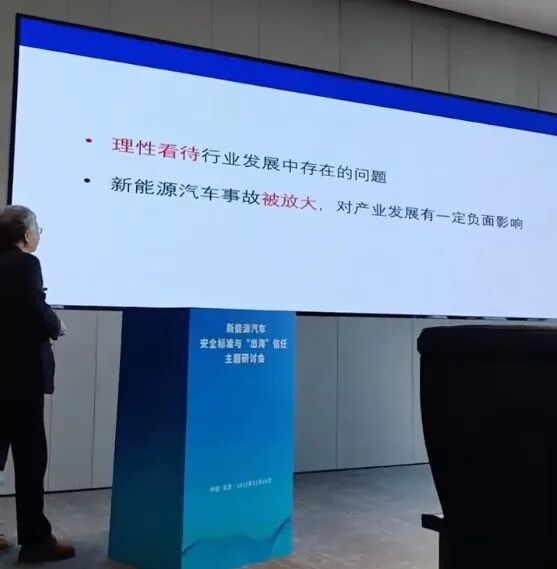
别再冤枉新能源车不安全了,160km/h碰撞坦克也扛不住
3 6 Ke· 2025-12-30 23:57
Core Viewpoint - The perception that electric vehicles (EVs) are less safe than traditional internal combustion engine vehicles is challenged by recent expert opinions and data, indicating that EVs may actually have superior safety features in many scenarios [1][2][5]. Group 1: Safety Comparisons - Experts assert that in crash tests, EVs outperform traditional vehicles, with a significant portion of safety concerns stemming from heightened scrutiny of EV incidents compared to conventional vehicles [2][5]. - Data from the China Insurance Research Institute shows that in 2024 evaluations, only one gasoline vehicle received an excellent safety rating for passenger safety, highlighting the competitive safety performance of EVs [5][6]. - The fire incident rate for EVs has decreased from 0.185% in 2021 to 0.096% in 2023, while gasoline vehicles have a fire rate of approximately 0.15%, suggesting that EVs are statistically safer in this regard [7][9]. Group 2: Misconceptions about Advanced Driving Assistance Systems (ADAS) - The belief that advanced driving assistance systems (ADAS) can fully ensure safety is misleading; drivers remain primarily responsible, especially with Level 2 systems [10][11]. - Many accidents attributed to ADAS failures are actually due to driver errors, such as distraction or improper use of the system [11][14]. - Current ADAS technology covers less than 30% of potential accident scenarios, necessitating driver engagement and awareness [15]. Group 3: Design Features and Industry Standards - The use of hidden door handles in over 10 million vehicles is a common industry design, not a specific brand flaw, and is intended to meet safety requirements [16][20]. - New safety standards are being developed to ensure that hidden door handles can be mechanically opened in emergencies, addressing concerns raised by past incidents [20][22]. - The rapid development of the EV industry presents new safety challenges, but these should not be viewed as inherent flaws; rather, they are part of the maturation process of the technology [23][25]. Group 4: Collaborative Solutions for Safety - The industry must work together—manufacturers should provide accurate information about technology capabilities, regulators need to update safety standards, and consumers should approach safety with a rational mindset [25][26]. - The global market's trust in Chinese EVs is crucial for their international success, and negative perceptions from isolated incidents could hinder this progress [25][26].
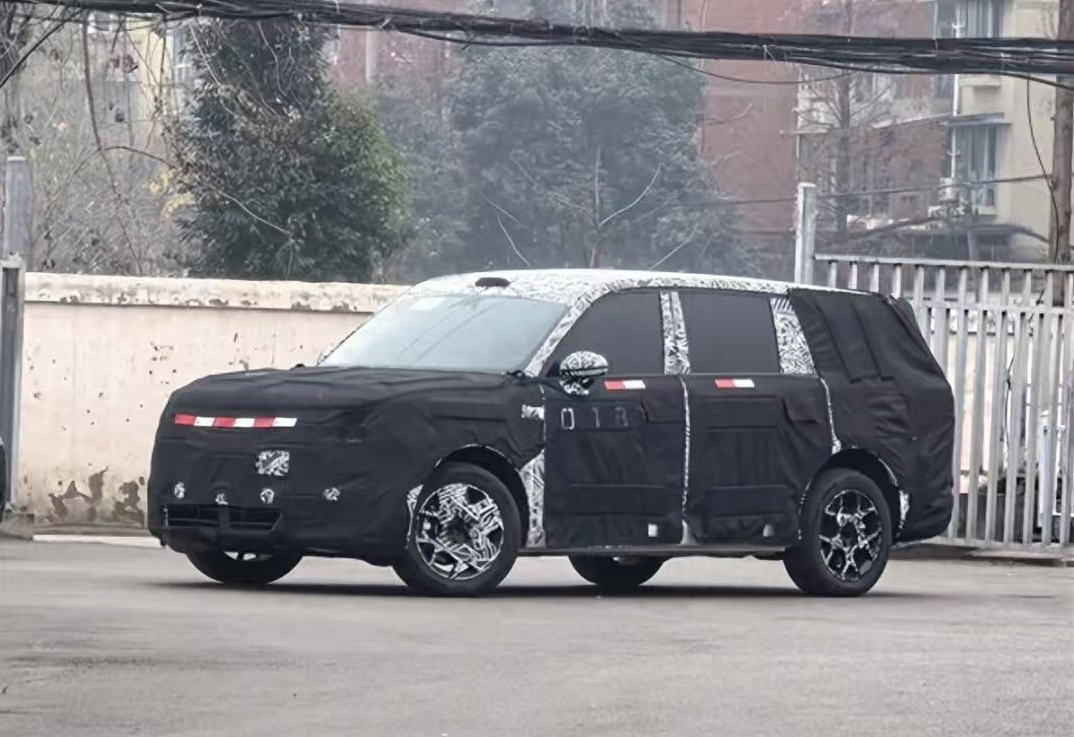
小米明年将推出4款新车,其中2款为增程SUV,挑战理想、问界
Jin Rong Jie· 2025-12-30 14:21
Group 1 - Xiaomi plans to launch four new vehicles in 2026, including two updated versions of the SU7 and two range-extended models, a five-seat SUV and a seven-seat SUV [1] - The range-extended seven-seat SUV, codenamed "Kunlun," aims to compete with models like Li Auto's L9 and Aito's M9, featuring a pure electric range of 400-500 km [1] - The sales of range-extended vehicles have shown a decline, with wholesale sales dropping by 1.9% year-on-year in October, and retail sales decreasing by 7.7% [3] Group 2 - Despite the competition in the range-extended vehicle market, it remains a viable solution for addressing consumer range anxiety, with advancements in technology focusing on longer electric ranges and faster charging [5] - Xiaomi's first model, the SU7, achieved over 200,000 deliveries within 348 days, making it the fastest-selling new energy vehicle to reach this milestone [5] - Xiaomi's automotive division has reached a significant milestone with the production of its 500,000th vehicle, becoming the fastest among new car manufacturers to achieve this [5] Group 3 - Xiaomi's current customer base is primarily composed of its loyal "Mi Fan" community, which may not be sustainable long-term, necessitating a broader audience reach [9] - The market for family-oriented range-extended SUVs is dominated by brands like Li Auto and Aito, indicating that Xiaomi will face intense competition in this segment [9] - Xiaomi's strengths in marketing and understanding consumer pain points may provide a competitive edge in the automotive market [9]
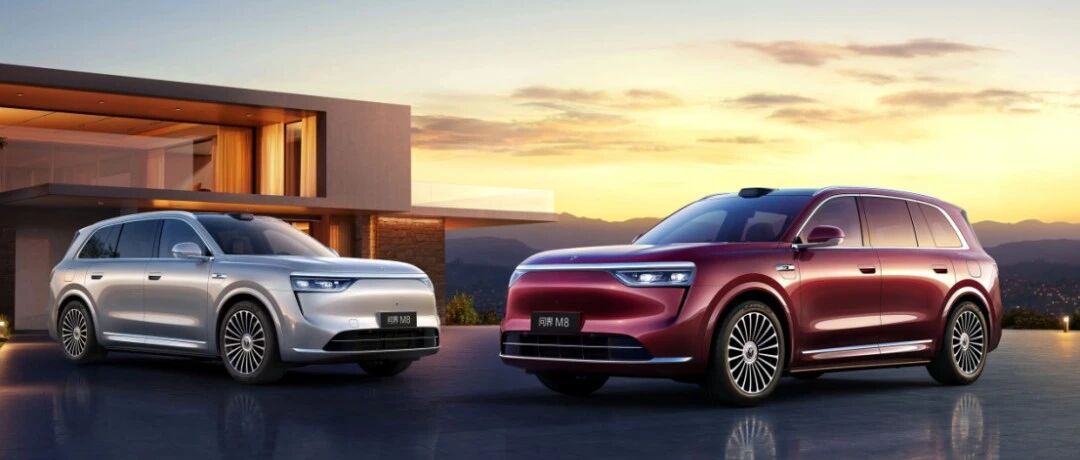
新规则时代的赢家画像:问界的“体系兑现”方法论
凤凰网财经· 2025-12-30 12:43
Core Insights - The automotive industry is undergoing a reconstruction, with a shift in competition dynamics towards smart and electric vehicles, emphasizing comprehensive user experience and service reliability over mere technical specifications [1][2] - A clear industry consensus is forming that the competition in smart electric vehicles has entered a new phase focused on holistic smart experiences and long-term service assurance [2] Group 1: Industry Dynamics - The Chinese automotive market in 2025 is characterized by a dual trend of growth deceleration and structural differentiation, with profit margins and R&D flexibility being squeezed by intensified competition [1] - Consumer decision-making is evolving from a focus on technical specifications to prioritizing comfort, safety, and reliable service throughout the vehicle's lifecycle [1] Group 2: Aion's Success - Aion has emerged as a representative case in the industry, with cumulative deliveries exceeding 900,000 units, showcasing a sustainable growth model rather than relying on short-term trends [2][3] - The launch of the Aion M8 in April 2023 has solidified its position in the 400,000-level market, with over 150,000 units delivered within 200 days [2][3] Group 3: User-Centric Approach - Aion's success is attributed to its ability to transform user insights into systematic engineering solutions, ensuring that every technological innovation meets and exceeds user expectations [4] - The Aion M8 is designed with a focus on comprehensive safety, featuring a full-dimensional collision avoidance system with rapid response capabilities [6][10] Group 4: Service Excellence - Aion emphasizes a holistic service approach, addressing user pain points throughout the vehicle's lifecycle, from delivery to maintenance, enhancing the overall ownership experience [12][14] - Aion's service system has achieved a high satisfaction score of 95.53, significantly surpassing the industry average of 82.67, reflecting its commitment to user-centric service [13][14] Group 5: Market Performance - The Aion M8 has achieved remarkable sales milestones, with over 80,000 pre-orders in its first month and 20,000 units delivered within 45 days, establishing itself as a market phenomenon [16] - The vehicle has received multiple awards and certifications, reinforcing its reputation for safety, health, and environmental standards [18] Group 6: Future Outlook - Aion's strategy for 2026 focuses on deepening its systematic innovation capabilities based on user scenarios, aiming to lead the value competition in the automotive industry and usher in a new era of sustainable user value [20][21]
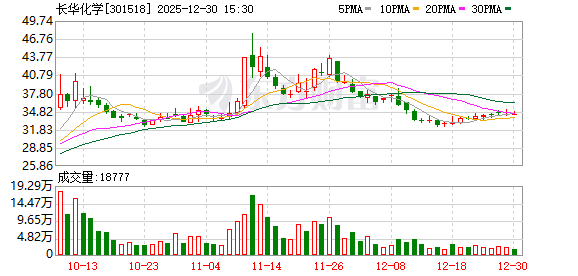
长华化学“磷腈催化剂”技术成果通过评估
Zheng Quan Ri Bao· 2025-12-30 12:40
专家委员会一致认为:该项目成果总体达到国际领先水平。建议进一步扩大生产规模,满足社会需求。 (文章来源:证券日报) 本报讯 (记者陈红)近日,江苏省新质生产力促进中心组织专家对长华化学科技股份有限公司(以下 简称"长华化学")完成的"磷腈催化剂及其制备的低不饱和度高活性聚醚多元醇及应用"项目进行了技术 成果评估。 评估委员会审阅了相关资料,认为长华化学提供的技术资料齐全、规范,符合技术成果评估要求;该成 果以卤化磷、胍类为原料,采用低气味惰性非苯系物为溶剂,设计了新型磷腈催化剂结构并优化了其制 备条件,具有低气味、高纯度及高活性的特性;采用该催化剂制备出聚醚多元醇,具有分子量高、不饱 和度低及高活性的特点;应用于高回弹软质聚氨酯泡沫中,能提升泡沫的回弹性能和降低泡沫的滞后损 失,同时降低泡沫厚度,可达到同样的支撑性和舒适性。 此外,该成果为市场主流的高端新能源汽车座椅轻量化及舒适性提供了优秀的解决方案,形成了长华化 学独有的技术壁垒和产品特色。研究成果已获发明专利4件授权,申请发明专利7件,其中PCT专利1 件。产品已在延锋座椅和巴斯夫等多家下游知名企业得到应用,配套问界和小米等高端新能源汽车智能 座椅。 ...
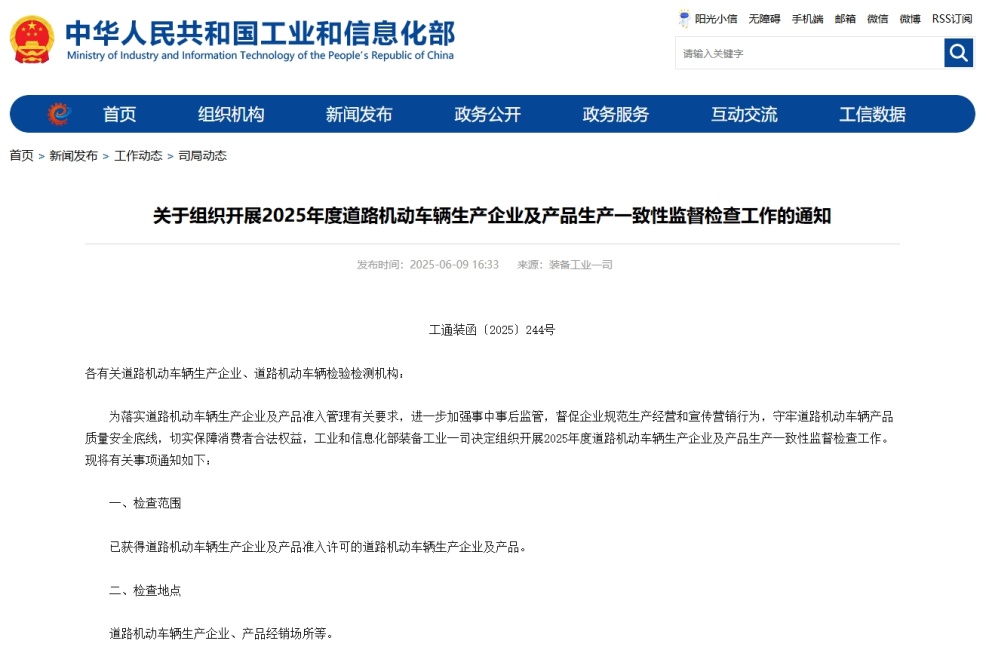
2025汽车大事记:一致性失守威胁产业安全 多部门构建立体监管体系
Zhong Guo Jing Ji Wang· 2025-12-30 02:50
Core Viewpoint - The Chinese automotive market is experiencing intensified "involution" competition, characterized by price wars, chaotic advertising, and quality issues, prompting regulatory bodies to implement measures aimed at ensuring product consistency and promoting high-quality development [1][3][9]. Group 1: Price Wars and Profitability - The price war in the Chinese automotive market has escalated, with 227 models involved in price reductions in 2024, significantly higher than 148 in 2023 and 95 in 2022 [3]. - Over 90% of mainstream automotive brands participated in price cuts, with an average reduction of 15%, and some models seeing discounts exceeding 30% off the official price [3]. - The profit margin for the automotive manufacturing industry dropped to 4.3% in 2024 and further declined to 3.9% in Q1 2025, marking a ten-year low and significantly below the manufacturing average of 5.6% [3]. Group 2: Quality Issues and Consumer Complaints - Complaints regarding quality issues in new energy vehicles, such as "battery faults" and "inaccurate range," reached 13,904 from January to May 2025, marking a historical high and an increase of 7.4% from 2024 and 87.9% from 2023 [4]. - The ongoing price war and reckless technological competition are squeezing reasonable profit margins, adversely affecting product and service quality, which is detrimental to both companies and consumers in the long run [4]. Group 3: Regulatory Measures and Industry Response - The Ministry of Industry and Information Technology (MIIT) announced a consistency supervision check for vehicle production, aiming to regulate the automotive industry and curb the "involution" phenomenon [7][8]. - The regulatory framework includes a multi-dimensional governance system, with the MIIT and other departments implementing measures to ensure production consistency and compliance with safety standards [8]. - The automotive industry is showing signs of stabilizing, with a reduction in the number of models experiencing price cuts from 36 in 2024 to 23 in September 2025, and a slight recovery in profit margins [9][10]. Group 4: Future Outlook - The regulatory interventions are expected to reshape the competitive landscape, guiding resources towards technological innovation and quality improvement, ultimately leading to a transition from "scale first" to "quality leading" in the automotive industry [10].