石药集团

Search documents
靖因药业冲击IPO,聚焦小核酸创新药领域,尚未有产品获批
Ge Long Hui· 2025-11-05 09:24
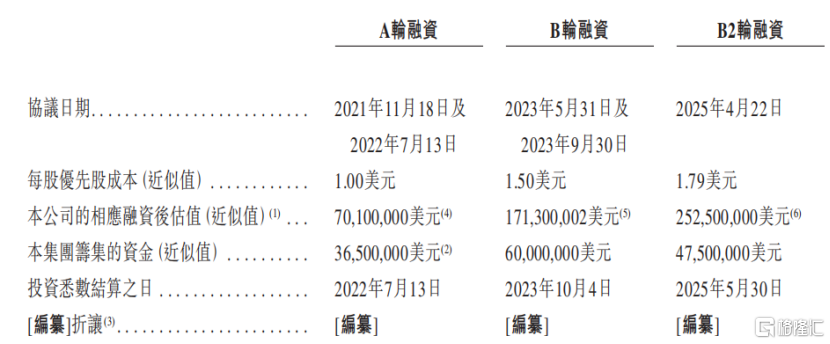
Group 1: Industry Overview - The small RNA drug sector has gained significant attention in recent years, with Alnylam (ALNY) seeing a stock price increase of over 60 times since its IPO, reaching a market capitalization of $55.9 billion [1] - Major pharmaceutical companies like Novartis and Roche are increasing their investments in this field [1] - Several domestic companies in China, including Yuyuan Pharmaceutical, Hengrui Medicine, and others, are also developing small RNA drugs [1] Group 2: Company Profile - Sirius Therapeutics - Sirius Therapeutics, founded in 2021, is a global clinical-stage biotechnology company focused on siRNA therapies for chronic diseases, with a dual headquarters in San Diego and Shanghai [3][8] - The company has completed three rounds of financing, raising approximately $144 million, with major investors including OrbiMed Entities and Creacion Ventures [3] - As of April 2025, the company's post-investment valuation is approximately $253 million [4] Group 3: Product Pipeline - The core product, SRSD107, is a siRNA drug targeting coagulation factor XI, currently in Phase II clinical trials in Europe, with plans for additional trials in China and Australia/New Zealand [16][19] - SRSD216, another key product, targets Lp(a) to lower its levels, addressing a significant unmet need in cardiovascular disease management [22][23] - SRSD384 is a candidate drug targeting obesity, currently advancing towards IND application [17] Group 4: Financial Performance - Sirius Therapeutics has not generated any revenue from product sales, with other income primarily from bank interest and investment returns [24] - The company reported losses of approximately 616 million yuan over two and a half years, mainly due to R&D expenditures [25] - As of June 2025, the company had cash and cash equivalents of 618 million yuan, estimated to sustain operations for 30 months [27] Group 5: Market Potential - The global siRNA therapy market is projected to reach $2.4 billion in 2024, with an expected growth to $50.3 billion by 2040, reflecting a compound annual growth rate of 20.9% [13] - Since the approval of the first siRNA drug, Onpattro, in 2018, significant clinical and commercial validation has been achieved, with seven siRNA products currently approved in major markets [12]

广发中证香港创新药ETF10月份单月跌11% 规模逾200亿
Zhong Guo Jing Ji Wang· 2025-11-05 08:05
Core Insights - In October, the net value return of the GF CSI Hong Kong Innovative Drug ETF (QDII) decreased by 11.61% due to fluctuations in the Hong Kong stock market [1] - The fund's scale reached 24.889 billion yuan, with the top ten holdings including companies like Innovent Biologics, BeiGene, WuXi Biologics, and others [1] - The fund manager, Liu Jie, has over 10 years of experience in managing public funds since 2014 [1] Fund Performance - The GF CSI Hong Kong Innovative Drug ETF (QDII) reported a net value growth rate of -11.61% with a net value of 1.3337 yuan and a total scale of 24.889 billion yuan [2] - The GF CSI Hong Kong Innovative Drug ETF Initiated Link (QDII) C and A also experienced declines of over 11% in October, with net values of 1.3853 yuan and 1.3937 yuan respectively [2] - The largest holding, Innovent Biologics, saw a decline of 9.75% in October, while another major holding, CanSino Biologics, dropped over 19% [1]

大药的诞生,才是医药的未来
Haitong Securities International· 2025-11-05 07:29
Core Insights - The pharmaceutical industry is experiencing a structural change driven by the growth cycles of major products, with significant opportunities emerging in innovative drugs, medical devices, and consumer healthcare [3][6][31] - The demand for pharmaceuticals is expected to improve in 2026, supported by policies encouraging innovation and a recovery in domestic consumption [3][7] - The supply side of the pharmaceutical industry is characterized by high entry barriers due to patent protections and government regulations, which helps maintain a stable competitive environment [4][5] Group 1: Industry Trends - The aging population, urbanization, and changing disease patterns are making the pharmaceutical industry a perpetual growth sector [3] - The global pharmaceutical market has seen rapid expansion from 2009 to 2019, followed by a surge in demand due to COVID-19, and is now entering a phase of recovery and growth [3][6] - The Chinese pharmaceutical industry is expected to gradually produce world-class companies, with increasing recognition of Chinese innovative drug assets by multinational corporations (MNCs) [4][5] Group 2: Investment Opportunities - Opportunities in innovative drugs are highlighted, particularly in oncology, metabolic diseases, and autoimmune diseases, with a focus on next-generation therapies and precision medicine [6][31] - The demand for innovative drugs is expected to remain strong, with policies improving medical insurance payments and the upcoming launch of commercial insurance drug catalogs [7][31] - The medical device sector is anticipated to recover, with a focus on domestic demand and international expansion, particularly in areas with low domestic production rates [7][8] Group 3: Company Performance - Major pharmaceutical companies like Eli Lilly, AbbVie, and AstraZeneca are experiencing significant growth driven by key products, with Eli Lilly's Tirzepatide generating $24.8 billion in sales [12][15] - The report identifies specific companies such as Hengrui Medicine, Hansoh Pharmaceutical, and BeiGene as outperformers in the market, with strong pipelines and global competitiveness [7][8] - The report emphasizes the importance of mergers and acquisitions (M&A) and business development (BD) strategies for MNCs, with China becoming a significant source of projects for top global pharmaceutical companies [22][24]




抗流感药需求激增,每年全球流感季死亡人数最高达65万人
2 1 Shi Ji Jing Ji Bao Dao· 2025-11-05 04:03
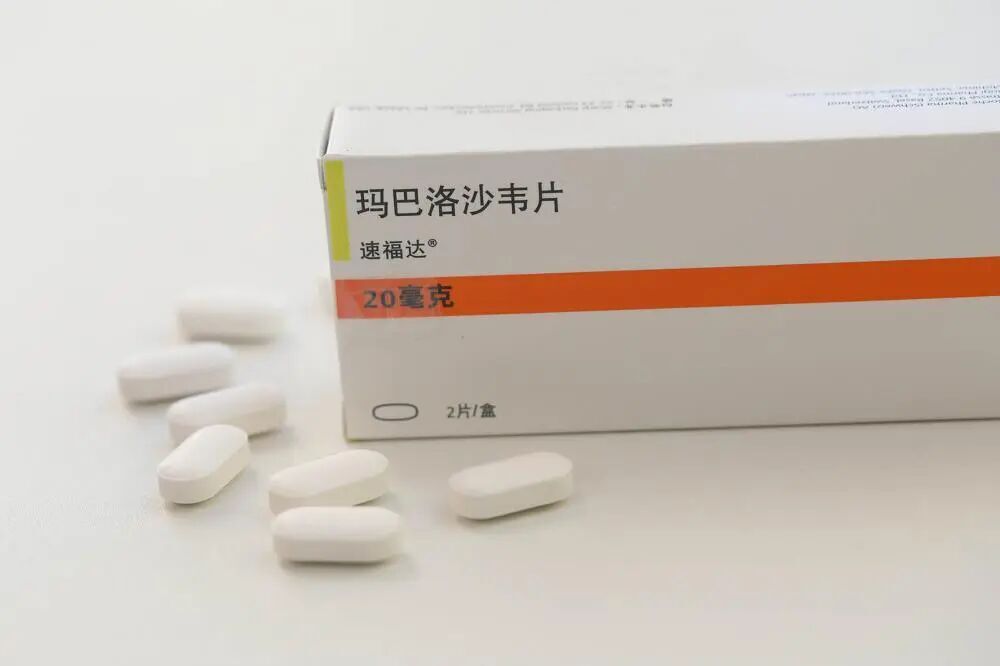
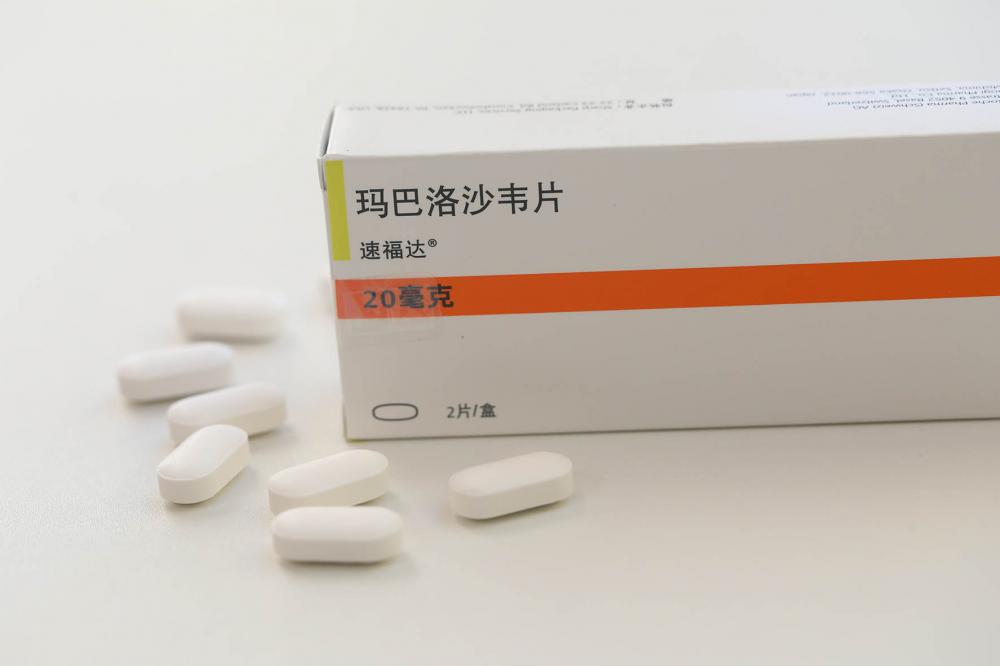
Core Insights - The flu season in the Northern Hemisphere coincides with the peak of outbound travel from China, increasing the risk of flu transmission globally [1][6] - The flu virus can lead to severe health complications, particularly for vulnerable populations such as the elderly, children, pregnant women, and those with underlying health conditions [6][8] - The market for flu medications is becoming increasingly competitive, with multiple drugs approved for use in China, particularly after the expiration of the patent for Oseltamivir in 2016 [2][11] Market Demand - The annual flu season can result in up to 650,000 deaths globally, with an estimated 1 billion cases of seasonal flu each year [6][12] - The demand for flu medications is expected to grow, with the Chinese market for anti-flu drugs reaching 10.74 billion yuan in 2023, a year-on-year increase of 197.51% [13] - Projections indicate that the market size for anti-flu medications in China could reach 26.9 billion yuan by 2028, with a compound annual growth rate of 20.2% from 2024 to 2028 [13] Competitive Landscape - The approval of various flu medications has intensified competition in the market, with nearly 140 product approvals for Oseltamivir alone in China [2][11] - New entrants like Baloxavir marboxil have gained market share, with sales reaching 1.5 billion yuan by 2024, following its approval in 2021 [12][13] - The market is expected to undergo further transformation as new products are approved and potentially included in national insurance schemes, enhancing their market presence [13]

抗流感药需求激增,每年全球流感季死亡人数最高达65万人
21世纪经济报道· 2025-11-05 03:56
Core Viewpoint - The article discusses the increasing risk of influenza transmission due to the overlap of the flu season and the peak of outbound travel from China, highlighting the importance of antiviral treatments and the competitive landscape of flu medications in the market [4][8][10]. Group 1: Influenza Overview - Influenza is an acute respiratory infectious disease caused by influenza viruses, with seasonal outbreaks primarily occurring from October to February in the Northern Hemisphere [4]. - The high season for influenza coincides with the peak of outbound travel from China, raising public health concerns [4][8]. Group 2: Antiviral Treatments - Early antiviral treatment is crucial for influenza cases with severe risk factors, with the greatest benefit seen when treatment is initiated within 48 hours of symptom onset [4][10]. - The main antiviral drugs available in China include neuraminidase inhibitors, RNA polymerase inhibitors, and hemagglutinin inhibitors, with Oseltamivir and Baloxavir Marboxil being the preferred options [5][12]. Group 3: Market Dynamics - The market for influenza medications has become highly competitive, especially after the patent expiration of Oseltamivir in 2016, leading to a surge in generic versions [5][13]. - As of November 2023, there are nearly 140 drug approvals related to Oseltamivir in China, indicating a crowded market [13]. - Baloxavir Marboxil, a second-generation antiviral, has gained market share since its approval in 2021, with sales expected to exceed 1.5 billion yuan by 2024 [13][14]. Group 4: Market Growth Potential - The Chinese market for antiviral medications for influenza was valued at 10.74 billion yuan in 2023, showing a year-on-year growth of 197.51% [14]. - Forecasts suggest a compound annual growth rate of 20.2% from 2024 to 2028, with the market potentially reaching 26.9 billion yuan by 2028 [14].

国家医保局发布消息,首版商保创新药目录即将发布,港股通创新药ETF嘉实(520970)近1周新增规模位居可比基金第一!
Sou Hu Cai Jing· 2025-11-05 03:05
Group 1: Liquidity and Fund Performance - The Hong Kong Stock Connect Innovative Drug ETF managed by Harvest saw an intra-day turnover of 7.76%, with a transaction volume of 76.0143 million yuan [2] - Over the past year, the average daily transaction volume of the ETF reached 116 million yuan [2] - In the past week, the ETF's scale increased by 39.7287 million yuan, ranking first among comparable funds [2] - The latest share count for the ETF reached 1.046 billion shares [2] - The ETF experienced a net inflow of 14.1619 million yuan, with a total of 46.8442 million yuan net inflow over three of the last five trading days [2] Group 2: Valuation and Index Composition - The latest price-to-earnings ratio (PE-TTM) for the index tracked by the ETF is 31.84, which is in the 19.17th percentile over the past three years, indicating a valuation lower than 80.83% of the time in the last three years [2] - As of October 31, 2025, the top ten weighted stocks in the index include WuXi Biologics, Innovent Biologics, BeiGene, and others, collectively accounting for 71.11% of the index [2] Group 3: Policy and Market Outlook - The first version of the commercial insurance innovative drug directory is set to be released, with negotiations for the 2025 National Basic Medical Insurance Drug Directory concluding successfully [3] - A total of 120 domestic and foreign enterprises participated in the negotiations, with 127 drugs outside the directory involved in the bidding process [3] - The innovative drug industry is expected to remain in a golden development period, benefiting from advancements in clinical development and a rich pipeline of innovative drugs [3] - AI drug development and gene therapy technologies are anticipated to bring new breakthroughs in the coming years [3]

美元基金重新“杀”回中国创新药
3 6 Ke· 2025-11-05 02:10
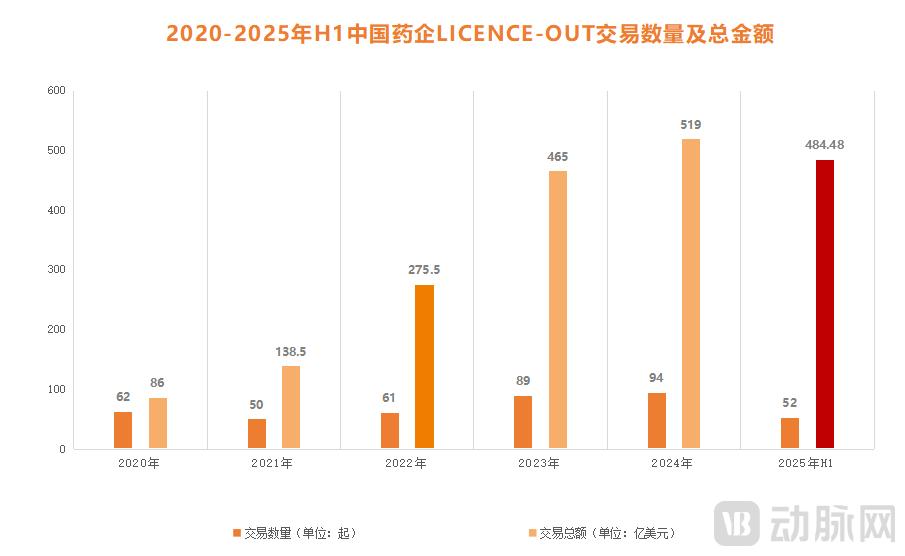
Core Insights - The article highlights the resurgence of US dollar funds in the Chinese innovative drug market, with significant investments and licensing deals indicating a renewed interest in this sector [1][4][5]. Group 1: Investment Trends - In 2025, Heng Rui Medicine completed a licensing agreement with Braveheart Bio for the HRS-1893 project, with an upfront payment of $65 million and a total deal value of up to $1.013 billion, marking the fourth business development (BD) deal for Heng Rui this year, totaling over $15 billion [1]. - In the first half of 2025, the total value of outbound licensing deals for Chinese innovative drugs reached $48.448 billion, nearing the total for the entire year of 2024, with over 80% of these deals involving US dollar funds [4]. - The return of US dollar funds to the Chinese innovative drug market is characterized by a shift from direct investments to more strategic BD transactions, focusing on specific drug pipelines and products rather than entire companies [13][14]. Group 2: Market Dynamics - The article notes that from 2024 to 2030, major pharmaceutical companies in the US and Europe will face a revenue gap of approximately $360 billion due to patent expirations, prompting them to seek acquisitions in the Chinese innovative drug sector to fill this void [9]. - The quality of Chinese innovative drugs has significantly improved, with over 1,250 new drugs entering the research phase in 2024, closely approaching the number in the US [11]. - The competitive landscape has intensified, with not only US dollar funds but also European, Middle Eastern, and East Asian capital increasingly targeting Chinese innovative drug assets, leading to heightened competition for quality investments [12]. Group 3: Strategic Shifts - US dollar funds are transitioning from a broad investment strategy to a more focused approach, emphasizing "certainty first" in their investment decisions, which includes a preference for assets with clear international market potential [13][14]. - The NewCo model is gaining traction, allowing for deeper collaboration between US dollar funds and Chinese innovative drug companies, sharing risks and benefits more equitably [15][16]. - The article suggests that the current environment presents a strategic opportunity for Chinese innovative drug companies to leverage US dollar fund investments while maintaining a focus on original innovation and enhancing the value of their drug pipelines [23][24].
大药的诞生,才是医药的未来:医药行业2026年年度策略
Haitong Securities· 2025-11-05 02:03
Core Insights - The pharmaceutical industry is positioned as a perennial growth sector due to aging populations, urbanization, and changing disease profiles, with a strong recovery expected in 2025 after a downturn from 2022 to 2024, driven by both innovative drugs and medical devices [2][3] - Demand and supply dynamics will remain central to the pharmaceutical industry's research, with innovation cycles and policy adjustments influencing demand growth [2][3] - The supply side is characterized by limited supply and high entry barriers, with increasing participation of Chinese companies in international competition, leading to the emergence of world-class enterprises in the pharmaceutical sector [3][4] Industry Overview - The pharmaceutical industry is expected to see significant growth in 2025, driven by a resurgence in demand for innovative drugs and a recovery in domestic medical device needs, alongside strong external demand [2] - The demand for pharmaceuticals typically fluctuates with innovation and policy cycles, with a notable increase in overseas business development (BD) opportunities anticipated in 2025 [2][5] - The Chinese pharmaceutical sector is increasingly recognized globally, with local companies making strides in various niche markets [3][4] Investment Opportunities - Opportunities in innovative drugs are highlighted, particularly in oncology, metabolic diseases, and autoimmune diseases, with a focus on next-generation therapies and precision medicine [5][29] - The report emphasizes the importance of understanding the supply-demand structure and industry upgrades when conducting detailed research on specific segments within the pharmaceutical industry [4][5] - The report identifies key players and segments for investment, including CXO services, medical devices, and consumer healthcare, with specific companies recommended for increased holdings [6][5] Market Dynamics - The report outlines the competitive landscape among top global pharmaceutical companies, noting significant changes in rankings due to the performance of key products [11][19] - Chinese companies are becoming a major source of projects for multinational corporations (MNCs), with increasing transaction volumes and values in recent years [19][21] - The report discusses the strategic focus of MNCs on acquiring innovative assets and technologies to strengthen their market positions, particularly in oncology and metabolic disease sectors [12][18] Future Trends - The report anticipates breakthroughs in various therapeutic areas, including oncology, metabolic diseases, and autoimmune diseases, with a focus on innovative treatment modalities such as TCE and in vivo CAR-T [29][30] - The small nucleic acid field is expected to accelerate, with significant advancements anticipated in 2026 across multiple indications [29][30] - The report highlights the importance of collaboration and co-development models as a means for Chinese companies to enhance their global competitiveness [25][28]
抗流感药需求激增:市场“厮杀”升级 谁能抢占C位?
2 1 Shi Ji Jing Ji Bao Dao· 2025-11-04 23:04
Core Viewpoint - The flu poses significant public health risks, especially during the peak travel season coinciding with the flu season, necessitating effective antiviral treatments and preventive measures [1][5][7]. Market Demand - The optimization of China's exit and entry policies has led to a surge in outbound travel, with projections indicating over 155 million outbound trips by 2025, contributing to the global spread of flu [5]. - The World Health Organization estimates around 1 billion seasonal flu cases annually, resulting in 290,000 to 650,000 deaths, highlighting the severity of flu outbreaks [5]. - The overlap of the winter-spring travel peak and flu season raises concerns for public health systems, particularly for vulnerable populations [5][6]. Treatment Options - Antiviral treatment is crucial for flu management, with the most effective results achieved within 48 hours of symptom onset [1][7]. - The primary antiviral medications available in China include Oseltamivir and Baloxavir Marboxil, both effective against influenza A and B [1][8]. - The expert consensus emphasizes vaccination as the primary preventive measure against flu, particularly for high-risk groups [7][8]. Competitive Landscape - The flu medication market in China has become increasingly competitive, especially after the expiration of Oseltamivir's patent in 2016, leading to a surge in generic versions [2][9]. - As of November 2025, there are nearly 140 approved products related to Oseltamivir in China, indicating a highly saturated market [9]. - Baloxavir Marboxil, a second-generation flu treatment, has gained market traction since its approval in 2021, with sales expected to exceed 1.5 billion yuan by 2024 [10][11]. Market Growth Potential - The Chinese flu medication market was valued at 10.74 billion yuan in 2023, reflecting a year-on-year growth of 197.51% [11]. - Projections indicate a compound annual growth rate of 20.2% from 2024 to 2028, with the market potentially reaching 26.9 billion yuan by 2028 [11].

持续盘整,银行股涨幅居前,医疗、消费、科技等紧随其后,互联网相对弱势
Ge Long Hui· 2025-11-04 20:23
Group 1 - The Hang Seng Index closed up 0.97% after fluctuating throughout the day, with bank stocks leading the gains, followed by healthcare, consumer, and technology sectors, while the internet sector showed relative weakness [1] - Bank stocks experienced a strong performance, closing up 1.67%, with notable increases from China Construction Bank (up 3.12%), Bank of China (up 2.5%), Industrial and Commercial Bank of China (up 2.49%), Agricultural Bank of China (up 2.03%), and Minsheng Bank (up 2.01%) [3] - The healthcare sector maintained a position above the midline, closing up 0.71%, with significant gains from Kangfang Biotech (up 4.32%), Innovent Biologics (up 3.68%), and 3SBio (up 3.18%) [3] Group 2 - The technology sector initially dropped sharply but rebounded to close up 0.25%, with Xiaomi Group rising 3.52% and Kuaishou and NetEase also seeing gains above 1%, while SMIC fell 2.87% [3]