长安汽车

Search documents
加码本土供应链!欧盟出台新规:电动汽车本土生产比例达70%才能享受补贴【附新能源汽车出口情况分析】
Xin Lang Cai Jing· 2026-02-20 10:22
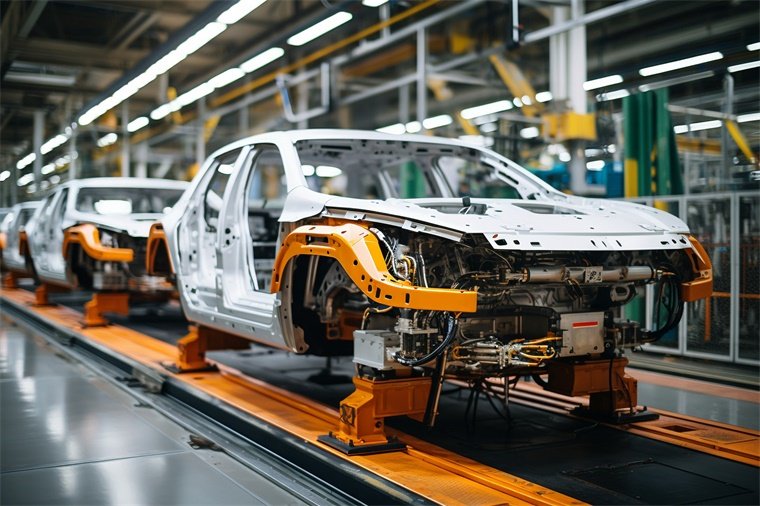
(图片来源:摄图网) 据英国《金融时报》报道,欧盟委员会计划通过即将于2月25日发布的《工业加速法案》,对享受国家购车 补贴或公共采购的电动汽车设定严格的本土化门槛。新规要求电动汽车获得政府补贴需满足70%本土化率的 要求。此举旨在通过行政手段强制提升本地制造比例,以应对中国电动汽车的强势竞争。 截至2025年11月,中国车企在欧盟纯电动汽车市场的占有率已达12.8%,创下历史新高。欧盟此举表面上 是"保护制造业基础",实则是对中国电动车性价比优势的应激反应。自2024年10月起,欧盟已对中国进口电 动汽车征收高额反补贴关税,其中,合作企业平均税率20.7%,不合作企业高达35.3%,叠加原有10%基础关 税,部分企业综合税率接近45%。然而,关税大棒并未阻挡中国车企的步伐,反而促使其灵活调整出口策 略,将重点转向插混车型。据乘联会数据,2025年1-11月中国对欧盟插混车型出口增速高达363%,有效缓 解了关税带来的出口压力。 欧盟的焦虑源于中国新能源汽车产业的全面崛起。中国不仅是全球最大新能源汽车市场,更是全球最大出口 国,自2021年起连续多年保持出口第一大国地位。数据显示,2018-2022年中国新能 ...

陈经:中国汽车,正重塑全球消费者心智
Guan Cha Zhe Wang· 2026-02-20 00:53
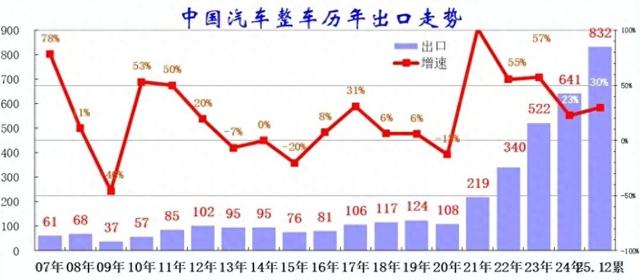
【文/观察者网专栏作者 陈经】 2025年,中国汽车出口增长30%!这个成绩有些意外,仔细分析后,其实是中国汽车综合实力不断提升 的合理发展。 2021年起连续四年高增长之后,2024年中国汽车出口相比2020年翻了6倍之多,基数已经很高,再要高 速增长困难很大。 2025年初,乘联会(中国汽车流通协会乘用车市场信息联席分会)等机构对全年出口增长预测为10%。 这个数字还是比较保守的,乘联会给出了两个较大不利因素:一是俄罗斯市场因俄乌冲突忽然出现"真 空地带",一举成为中国汽车最大出口市场,但2025年因俄政策调整必然要大幅下滑;二是欧洲市场中 国汽车面临关税压力,中欧谈判阻力很大。 果不其然,2025年对俄罗斯汽车出口确实断崖下跌了。2024年对俄出口约114.9万辆,2025年跌至57.9万 辆,大跌49.6%。俄罗斯经济不景气,2025年新车销量跌16.4%至140万辆,市场规模出现萎缩,另外, 俄罗斯还连续上调进口汽车报废税,关闭中亚平行进口灰色渠道,有意控制了中国汽车进口。 2025年,关税战、一些国家针对中国的汽车设置贸易壁垒,新闻影响力很大,让人为中国汽车出口捏把 汗。但中国汽车的全球品牌认知、 ...
五菱独食超3/4份额 凯马第二 奇瑞大涨!1月微卡超4.4万辆增93%
第一商用车网· 2026-02-19 13:30
2025年,微卡市场走出一个"2连增"+"4连降"+"6连增"的走势,全年累计销量接近43万辆,较2024年净减少约4300辆,最终以累计 下降1%收官,颇为遗憾。 2026年,微卡市场表现会比上年更好吗?请看第一商用车网的分析报道。 第一商用车网最新获悉,根据中汽协数据(企业开票数口径,非终端实销口径,下同),2026年1月份,我国卡车市场(含底盘、牵引 车)共计销售32.35万辆,环比去年12月份下降10%,同比增长28%。这其中,微卡市场销售4.45万辆,环比去年12月份下降1%,同 比大增93%,收获"开门红"。算上去年7-12月份的增长,微卡市场这一轮的连增势头已达"7连增",1月份,微卡市场93%的同比增速 比卡车市场整体增速(+28%)高出65个百分点,继续跑赢卡车市场"大盘"。 2026年1月份微型卡车市场销量表(单位:辆) 纵观近五年1月份微卡市场销量及增幅走势图可见,近五年的1月份,微卡市场走出一个增-降-增-增-增的趋势,最近五年微卡市场有 四年以增长的方式开局,其中也包括2026年1月份,4.45万辆的销量在最近五年排在第2位,属于高位水准,比五年最高的2022年1月 份少销售约280 ...
2025年中国基本型乘用车(轿车)产量为1334.6万辆 累计增长8.8%
Chan Ye Xin Xi Wang· 2026-02-19 01:33
上市企业:比亚迪(002594),上汽集团(600104),长城汽车(601633),长安汽车(000625),广汽集团 (601238),一汽解放(000800),东风汽车(600006),北汽蓝谷(600733) 2020-2025年中国基本型乘用车(轿车)产量统计图 数据来源:国家统计局,智研咨询整理 知前沿,问智研。智研咨询是中国一流产业咨询机构,十数年持续深耕产业研究领域,提供深度产业研 究报告、商业计划书、可行性研究报告及定制服务等一站式产业咨询服务。专业的角度、品质化的服 务、敏锐的市场洞察力,专注于提供完善的产业解决方案,为您的投资决策赋能。 相关报告:智研咨询发布的《2026-2032年中国汽车行业市场深度评估及投资机会预测报告》 根据国家统计局数据显示:2025年12月中国基本型乘用车(轿车)产量为122万辆,同比下降8.9%;2025 年1-12月中国基本型乘用车(轿车)累计产量为1334.6万辆,累计增长8.8%。 ...

兴业证券:2026年值得关注的十大产业趋势
智通财经网· 2026-02-18 03:45
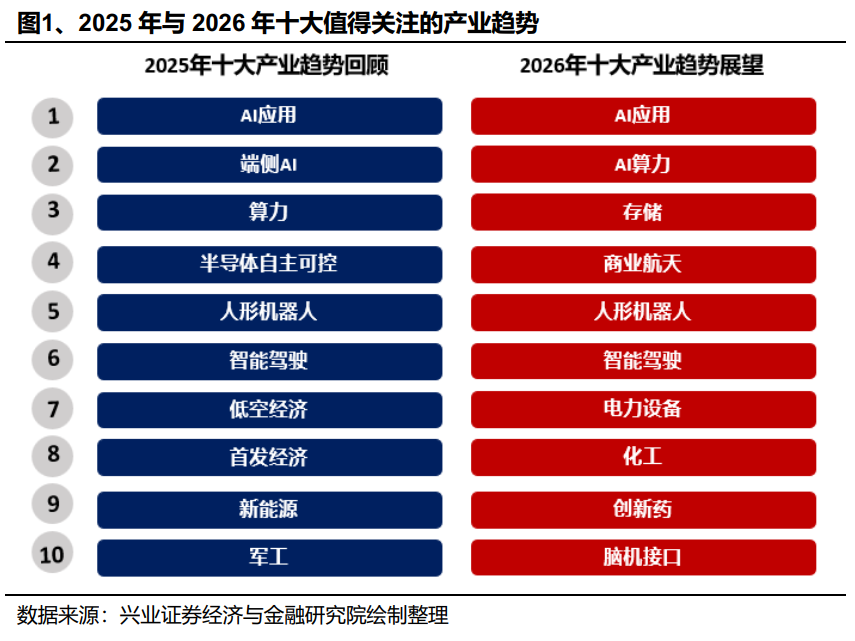
Group 1: AI Applications - The global AI competition is intensifying, with model iterations driving deeper application scenarios, and the focus is on whether significant capital expenditures by tech giants can lead to commercial applications [2][3] - The competitive landscape for AI applications is shifting from dominance by OpenAI to a more multipolar environment, with major players like Google and Meta integrating AI into their ecosystems [3] - In China, AI applications are experiencing a breakthrough, with major tech companies accelerating model iterations and application deployments, leading to a transformation from model landing to scenario monetization [5] Group 2: AI Computing Power - Overseas, major cloud service providers are maintaining high capital expenditures, with a projected increase of 67% in 2026, reflecting a strong demand for AI computing power [7][8] - In China, leading tech companies are increasing capital expenditures and accelerating the iteration of domestic large models, promoting the performance of domestic chips amid tightening supply from foreign sources [9] Group 3: Storage - The demand for storage is entering a new super cycle driven by AI training and inference needs, with AI servers consuming significantly more memory than traditional servers [11][16] - Supply constraints are expected to persist, leading to continued high prices for storage components, as major manufacturers shift production focus to advanced memory types [16] Group 4: Commercial Aerospace - Commercial aerospace is becoming a key battleground in US-China competition, with significant policy support and funding initiatives in both countries to accelerate industry development [19][21] - Domestic companies are achieving breakthroughs in satellite mass production and reusable rocket technologies, transitioning from technical validation to commercialization [22] Group 5: Humanoid Robots - Major overseas companies are ramping up production plans for humanoid robots, benefiting domestic component suppliers, with Tesla aiming for a production capacity of 500,000 units by 2026 [27][30] - Chinese manufacturers are leading in humanoid robot shipments, with significant contracts and production milestones achieved in 2025 [30] Group 6: Intelligent Driving - Domestic policies are expected to facilitate the commercialization of L3 autonomous driving in 2026, with several manufacturers preparing to launch L3 models [32][33] - Tesla's Full Self-Driving (FSD) technology is setting the direction for autonomous driving, with significant advancements in AI capabilities [35] Group 7: Energy Storage - The expansion of AI computing power in North America is driving electricity demand, with domestic power equipment expected to accelerate exports [37][40] - China's "14th Five-Year Plan" includes significant investments in the power grid and energy storage, creating a favorable environment for industry growth [40][43] Group 8: Chemicals - The chemical industry is undergoing a transformation driven by policies aimed at supply-side reform, with a focus on optimizing supply structures and reducing excess capacity [44][47] - New economic sectors are boosting demand for chemical materials, particularly in AI, renewable energy, and robotics, leading to a favorable outlook for new materials [47][48]


长安汽车申请车辆数据自动化测试专利,提升车辆数据测试效率
Jin Rong Jie· 2026-02-18 01:27
天眼查资料显示,重庆长安汽车股份有限公司,成立于1996年,位于重庆市,是一家以从事汽车制造业 为主的企业。企业注册资本991408.606万人民币。通过天眼查大数据分析,重庆长安汽车股份有限公司 共对外投资了120家企业,参与招投标项目5000次,财产线索方面有商标信息3081条,专利信息5000 条,此外企业还拥有行政许可1072个。 声明:市场有风险,投资需谨慎。本文为AI基于第三方数据生成,仅供参考,不构成个人投资建议。 专利摘要显示,本申请提供一种车辆数据自动化测试的系统、方法、设备及介质,涉及汽车测试技术领 域,系统包括:通过指令用例集合和动态数学表达式,计算生成第一数据流的动态表达式配置模块;获 取真实行车数据,并对其进行预处理和重构,生成第二数据流的流量数据回放模块;创建场景用例,并 配置匹配的测试类型和数据来源的场景用例配置模块;创建测试任务,并配置其与场景用例的映射关 系,以及发布测试任务的测试任务配置及管理模块;根据发布的测试任务,获取对应的场景用例及与场 景用例匹配的目标数据流,并将目标数据流封装为测试报文发送至云端的协议封装上报模块;解析测试 报文进行测试生成对应测试结果的云端测试模 ...

特斯拉Cybercab今年4月投产;长安汽车董事长:智能汽车正在学会“思考”丨汽车交通日报
创业邦· 2026-02-17 10:32
Group 1 - The chairman of Changan Automobile, Zhu Huarong, stated that smart cars are developing the ability to "think" like experienced drivers, thanks to real-time data processing and deep learning algorithms [2] - Tesla's CEO Elon Musk reiterated that the Cybercab will enter initial production in April 2026, emphasizing confidence in the aggressive production timeline [2] - Apple is reportedly integrating the AppleTV app into the CarPlay system, allowing users to watch content while parked, requiring an iPhone login for access [2] Group 2 - Leap Motor's second model, the B10, has entered the Australian market, with Stellantis' Rick Clayton claiming it is the most "European-style" SUV from China [2]

长安汽车董事长:智能汽车正在学会“思考”
Zhong Guo Xin Wen Wang· 2026-02-17 04:15
2025年夏天,在重庆一试验场上,中国长安汽车集团董事长朱华荣驾驶智能汽车完成多项性能测试。这 场面向公众的直播演示,生动展现了中国智能汽车的新进展。 "只要时间允许,我几乎每周都会参与试驾体验,每次驾驶都能感受到明显的技术进步。"身为全国人大 代表的朱华荣近日受访称,现在的智能汽车已具备类似"老司机"般的驾驶判断能力,每一次转向、每一 次制动背后,是海量数据的实时处理与深度学习算法的持续优化。这种进步让他真切感受到:智能汽 车,正在学会"思考"。 中新社重庆2月17日电 题:长安汽车董事长:智能汽车正在学会"思考" 作者 梁钦卿 这些年,朱华荣始终在思考一个重要命题:应当为全球消费者提供怎样的智能汽车产品? 资料图:朱华荣(左二)在重庆长安科技园向外来嘉宾介绍长安科技创新情况。(受访者供图) "最初我们认为,替代人工驾驶是终极目标。"他表示,随着研发深入,逐渐认识到智能化的真正方向, 应该是为人类出行提供更高级别的安全保障,"这才是我们应当追寻的答案"。 这一认知转变,折射出中国汽车工业数十年来的发展轨迹。朱华荣说:"改革开放初期,我们主要依靠 引进消化国外技术,如今我们已经能够通过越来越多的海外合作项目, ...

从马斯克到冯德莱恩!2025年车圈大佬还有谁?
电动车公社· 2026-02-16 16:14
Core Viewpoint - The article highlights key figures in the automotive industry who are driving the rapid development of the new energy vehicle sector and shaping its future direction. Group 1: Zhu Jiangming - The Low-Key Leader - Zhu Jiangming is recognized as one of the most low-profile leaders among new energy vehicle companies, focusing on practical results rather than publicity [4][5]. - Under his leadership, Leap Motor has achieved impressive sales, breaking delivery records with over 70,000 units delivered in consecutive months [7][9]. - Zhu emphasizes the importance of sustained effort and warns against complacency, stating that achieving sales leadership is just a step in a long journey [10][12]. Group 2: He Xiaopeng - The Persistent Engineer - He Xiaopeng's company, XPeng, is no longer seen merely as a follower of Tesla, having made significant advancements in areas like flying cars [16][19]. - The competition in the automotive sector is intensifying, particularly in autonomous driving and humanoid robots, where both XPeng and Tesla are focusing their efforts [21][22]. Group 3: Li Bin - Striving for Profitability - Li Bin faces ongoing scrutiny regarding NIO's profitability, yet he remains focused on ensuring the company's survival and success [25][26]. - The launch of the new ES8 model has led to record deliveries, with NIO achieving a historic monthly delivery high of 48,134 vehicles in December 2025 [30][32]. - NIO's financial performance is improving, with expectations of a quarterly profit for the first time [32][34]. Group 4: Wei Jianjun - The Engaged Leader - Wei Jianjun of Great Wall Motors has stepped into the spotlight, actively promoting the company's technologies and participating in public events [36][40]. - His approach has helped enhance the brand's visibility and influence in the market [40]. Group 5: Lei Jun - The Marketing Controversy - Lei Jun's reputation has fluctuated dramatically, with early successes in product launches followed by negative press related to marketing strategies [42][44]. - He defends his focus on technology and product quality, asserting that marketing should not overshadow the core value of the products [45][47]. Group 6: Elon Musk - Transitioning from Politics to Business - Elon Musk's year was marked by significant challenges for Tesla, including backlash from political actions that affected sales [50][52]. - He has since refocused on business, pushing forward with advancements in autonomous driving and robotics [56][57]. Group 7: Li Xiang - The Silent Strategist - Li Xiang has adopted a more restrained public presence, focusing on the company's future direction and management style [59][63]. - He emphasizes the importance of embodied intelligence in future developments, aiming for substantial revenue growth [63]. Group 8: Zhu Huarong - Ambitious Independence - Zhu Huarong's leadership marks a new chapter for Changan Automobile, which has gained independence and is poised for significant growth [64][70]. - The company is expected to leverage its new status to access more resources and enhance its market position [70][72]. Group 9: Zeng Yuqun - The Steady Force - Zeng Yuqun of CATL maintains a strong position in the new energy vehicle market, continuing to innovate with new battery technologies [73][75]. - The company is actively expanding its international presence, particularly in Europe, to solidify its role in the global market [78][80]. Group 10: Ursula von der Leyen - Influential Policy Maker - Ursula von der Leyen's policies significantly impact the automotive industry, affecting both European and Chinese manufacturers [81][84]. - Her decisions regarding emissions regulations and tariffs on Chinese electric vehicles will shape the competitive landscape in the coming years [84][86].


小鹏为什么这么“烦”L3
虎嗅APP· 2026-02-16 13:01
Core Viewpoint - Xiaopeng Motors is shifting focus from L3 to L4 autonomous driving technology, arguing that L3 is a transitional technology that hinders progress due to regulatory constraints and safety concerns [12][20]. Group 1: Industry Context - The Chinese autonomous driving sector is projected to see total investments of 700-750 billion yuan by 2025, a 40% increase year-on-year, while the overall automotive industry's profit margin is only 4.1%, indicating a mismatch between profit growth and R&D investment [3]. - Many automakers are constrained by current regulations, with L3 technology being limited in its operational design domain (ODD), primarily restricted to urban and highway scenarios [8][24]. Group 2: Technological Development - Xiaopeng's GX model is currently undergoing L4 road tests, utilizing a high computing power of 3000 TOPS, which surpasses competitors like Li Auto's new L9 [5][7]. - The L4 technology is being validated through successful commercial trials, with companies like Pony.ai and RoboTaxi demonstrating profitability in specific applications [17][19]. Group 3: Challenges and Considerations - Transitioning directly to L4 from L2 requires substantial data accumulation, as L4 relies on insights gained from L3 operations [23]. - Regulatory frameworks pose significant challenges, as L3's operational limitations are defined by legal and liability considerations, which differ from L4's clearer responsibility structure [24]. - The current L4 implementations face hurdles, including the need for advanced perception systems that can handle diverse environmental conditions, which may not be achievable with a purely vision-based approach [28][30].