
腾讯控股

Search documents
冰火两重天!恒生科技指数大跌近3%,为何国产AI与机器人却逆势狂飙?
Sou Hu Cai Jing· 2026-02-20 13:14
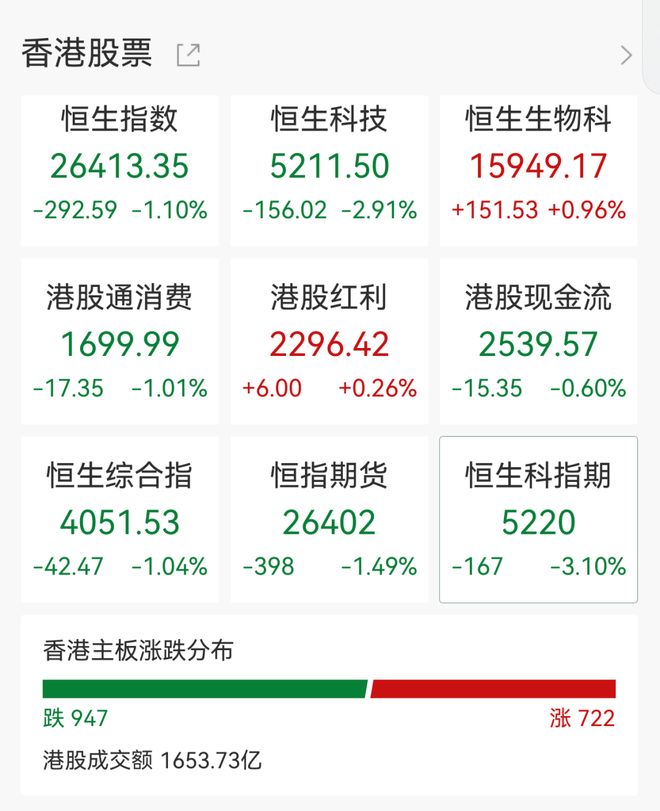
Market Overview - The Hong Kong stock market experienced a significant divergence on the first trading day of the Lunar New Year, with the Hang Seng Index declining by 1.1% and the Hang Seng Tech Index dropping by 2.91%, reaching a new low of nearly 5200 points [1][3] - Internet technology stocks, once highly sought after, became the main contributors to the market decline, with notable drops including Baidu down over 6%, Bilibili down over 5%, Alibaba down nearly 5%, and Tencent down over 2% [3] AI and Robotics Sector - In stark contrast to the decline in internet giants, the domestic AI model sector saw a significant surge, particularly with the "domestic AI dual champions" Zhiyuan and MiniMax, with Zhiyuan's stock price soaring by 42.72% to 725 HKD per share, marking a cumulative increase of over 220% since February [3][5] - The recent launch of Zhiyuan's flagship model GLM-5, which boasts over a 20% performance improvement in programming development scenarios, has garnered strong market interest [5] - The robotics sector also experienced a notable rise, with leading collaborative robot company Yujian increasing by 21.40% and other companies like Sutonju and Ubtech showing impressive gains [7] Market Trends and Insights - The market is witnessing a shift in investment focus from internet platforms, which primarily relied on model innovation, to hard technology sectors driven by technological innovation [7][9] - Analysts from Dongwu Securities highlighted that advancements in core robotic capabilities have been crucial for the sector's recent popularity, with expectations for significant growth as major companies like Tesla and domestic leaders begin large-scale production [7] - According to招商证券, the AI application field is experiencing simultaneous deepening of technological breakthroughs and commercialization competition, supported by the national strategy for artificial intelligence, indicating promising upward potential despite slightly high valuations [9]


两大交易所集中释放利好
2 1 Shi Ji Jing Ji Bao Dao· 2026-02-20 13:07
Market Overview - The Hong Kong stock market opened on February 20, 2023, with the Hang Seng Index closing down by 1.10% and the Hang Seng Tech Index down by 2.91% [1][8] - Despite the overall market decline, several robotics concept stocks rose significantly, indicating a "Spring Festival effect" [3][11] IPO and Market Activity - As of the new year, 24 new stocks have been listed on the Hong Kong Stock Exchange, raising over 87 billion HKD, with 488 companies currently waiting to go public [4][15] - The average daily trading volume in January exceeded 278 billion HKD, reflecting the effectiveness of liquidity enhancement measures [15] Sector Performance - The technology sector faced pressure, with major internet stocks like JD Health, Baidu, Alibaba, and Tencent experiencing declines ranging from 2.06% to 6.27% [9][10] - In contrast, the robotics sector saw notable gains, with stocks such as Yujian up by 21.4%, Sutech up by 9.24%, and Ubtech up by 4.71% [11][12] Gold Market - The Hong Kong gold market also performed well, with gold prices rising to 46,685 HKD per tael, an increase of over 200 HKD from the previous trading day [17][18] - The Hong Kong government aims to establish the city as an international gold trading center, targeting over 2,000 tons in gold storage within three years [16][17] Index Adjustments - The Hang Seng Index will increase its constituent stocks from 88 to 90, adding companies like CATL and Luoyang Molybdenum, effective March 9, 2023 [18][19] - The adjustments in the Hong Kong Stock Connect are expected to lead to significant trading activity, particularly for newly included stocks in the healthcare and technology sectors [19]




马年首个交易日,机器人概念股爆发,智谱暴涨43%,科网股大跌
Mei Ri Jing Ji Xin Wen· 2026-02-20 13:05
Market Overview - The Hong Kong stock market experienced a collective decline on the first trading day of the Lunar New Year, with the Hang Seng Index falling by 1.1% to close at 26,413.35 points, the Hang Seng Tech Index dropping by 2.91%, and the National Enterprises Index decreasing by 1.22% [1] Technology Sector - Most tech stocks saw declines, with Baidu Group down over 6%, Kingdee International and Bilibili down over 5%, Alibaba down 4.91%, NetEase down 4.27%, Xiaomi and SMIC down over 3%, Meituan down 1.58%, and Tencent Holdings down 2.06% [1] Robotics Sector - The robotics sector experienced a surge, driven by the Lunar New Year Spring Festival, with companies like Yujian rising over 21%, Shoucheng Holdings increasing nearly 12%, and Sutech Juchuang up over 9% [1] Oil Sector - Oil-related stocks saw gains, with China Merchants Energy rising by 6.34%, China Petroleum up by 3.7%, and CNOOC increasing by 2.23%. This uptick is attributed to rising international oil prices and concerns over escalating tensions between the U.S. and Iran, particularly in the Middle East oil-producing regions [1] Notable Stock Performance - Zhipu's stock price surged, closing with a gain of 42.72% at 725 HKD, bringing its total market capitalization to 323.2 billion HKD. The stock has seen a cumulative increase of 220.51% since February [1]
港股马年开市现结构性行情,两大交易所集中释放利好
2 1 Shi Ji Jing Ji Bao Dao· 2026-02-20 10:53
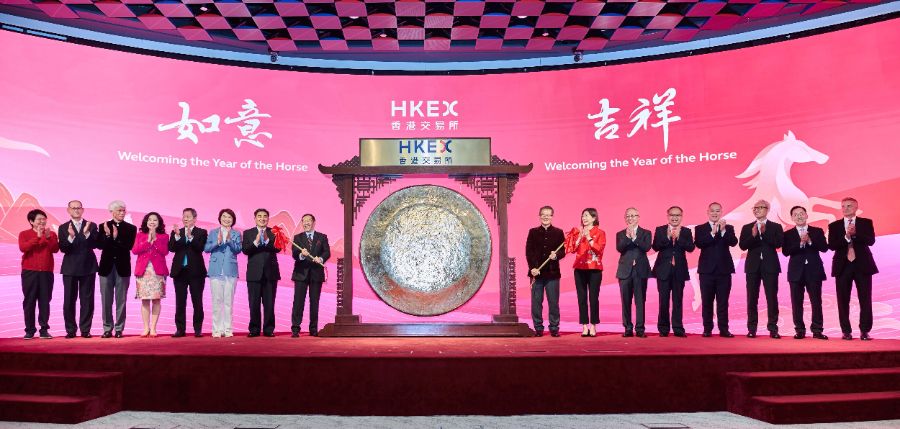
Market Overview - The Hong Kong stock market opened for trading on February 20, 2023, with the Hang Seng Index closing down 1.10% and the Hang Seng Tech Index down 2.91% [1][5] - Despite the overall market decline, several robotics concept stocks rose significantly, driven by the "Spring Festival Gala effect" [1][5] IPO Activity - As of the beginning of the year, 24 new stocks have been listed on the Hong Kong Stock Exchange, raising over 87 billion HKD, with 488 companies currently waiting to go public [1][12] - The average daily trading volume in January exceeded 278 billion HKD, indicating effective liquidity enhancement measures [12] Sector Performance - The technology sector faced pressure, with major internet stocks like Baidu, Alibaba, and Tencent experiencing declines of 6.25%, 4.91%, and 2.06% respectively [5] - In contrast, the robotics sector saw notable gains, with stocks such as Yujian rising by 21.4%, SUTENG by 9.24%, and UBTECH by 4.71% [6][8] Gold Market - The Hong Kong gold market also performed well, with gold prices opening at 46,518 HKD per two taels and closing at 46,685 HKD, marking an increase of over 200 HKD [13] - The Hong Kong government aims to establish the city as an international gold trading center, targeting over 2,000 tons in gold storage within three years [12][13] Index Adjustments - The Hang Seng Index will increase its constituent stocks from 88 to 90, adding companies like CATL and Luoyang Molybdenum, effective March 9, 2023 [16] - The adjustments are expected to influence trading strategies, particularly for stocks that will be included in the Stock Connect program [17]
掌握10万亿美元资产,美国犹太资本巨头,已全面渗透中国
Sou Hu Cai Jing· 2026-02-20 10:23
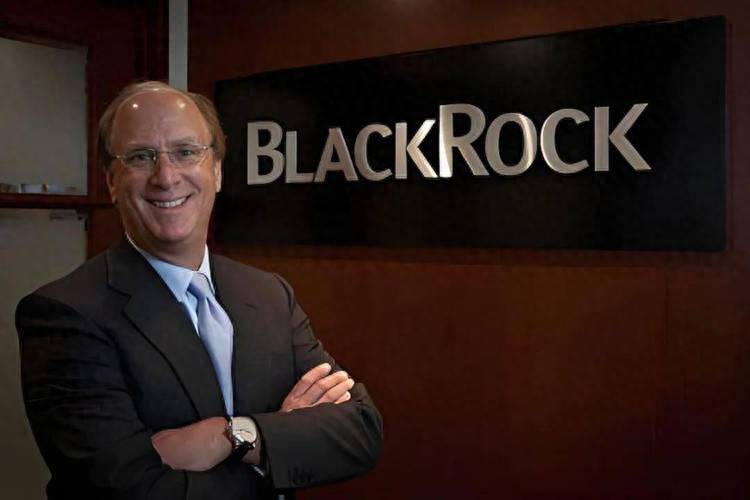
Core Viewpoint - BlackRock, the world's largest asset management company, has established a significant presence in the Chinese market, managing assets worth $300 billion through a complex financial network [2]. Group 1: Investment Strategy and Market Entry - BlackRock made its initial investment in China in 2006 by acquiring a stake in China Bank Fund, marking the beginning of its strategic entry into the market [4]. - Following the removal of foreign ownership limits in April 2020, BlackRock quickly submitted an application to establish a wholly-owned public fund company in August 2020 [4]. - By June 2021, BlackRock became the first foreign institution allowed to set up a wholly-owned public fund in China, showcasing its first-mover advantage [6]. Group 2: Investment Holdings and Influence - As of the end of 2024, BlackRock indirectly holds stakes in over 1,200 Chinese listed companies through more than 200 fund products, creating a network that spans critical sectors of the Chinese economy [10]. - In the electric vehicle sector, BlackRock is the second-largest institutional shareholder of CATL and holds approximately 6.2% of BYD's H-shares, along with significant stakes in other new energy vehicle companies [10][12]. - BlackRock's investments extend across the entire electric vehicle supply chain, from battery manufacturing to vehicle production and charging infrastructure [12]. Group 3: Regulatory Environment and Challenges - A 2024 report from the U.S. Congress highlighted that BlackRock invested billions in several Chinese companies under U.S. sanctions, prompting calls for legislative action to limit such investments [20]. - In response to foreign capital penetration, Chinese regulatory bodies have begun to enhance oversight, particularly concerning investments in critical information infrastructure and data resources [22]. - New regulations introduced in March 2024 emphasize compliance for foreign financial institutions, with a focus on preventing circumvention of regulations through complex financial structures [24]. Group 4: Future Outlook and Strategic Developments - By the third quarter of 2025, BlackRock's asset management scale in China reached $1.225 trillion, reflecting a 12% year-on-year growth despite regulatory pressures [28]. - BlackRock's ongoing expansion in China signifies a broader trend of foreign capital navigating the balance between openness and security in the financial landscape [30].

两大AI龙头,股价创新高
Shang Hai Zheng Quan Bao· 2026-02-20 09:56
Market Overview - The Hong Kong stock market opened on February 20, 2023, with the Hang Seng Index closing at 26,413.35 points, down 1.1%, and the Hang Seng Tech Index at 5,211.5 points, down 2.91% [1][2] - Despite the overall decline, sectors such as AI, humanoid robots, biotechnology, and oil and petrochemicals showed strong performance, indicating a structural market trend [1][4] AI Sector - AI concept stocks continued to rise, with significant gains observed in the afternoon trading session, marking them as a key highlight of the market [4] - Zhizhu and MINIMAX-WP both surpassed a market capitalization of 300 billion HKD, with Zhizhu's stock price increasing by 42.72% to 725 HKD per share and MINIMAX-WP rising by 14.52% to 970 HKD per share [3][7] - The AI industry is entering a critical development phase, transitioning from a focus on computing power infrastructure to a collaborative model involving "computing power + hardware + applications," broadening the investment landscape [6][8] Humanoid Robots - The humanoid robot sector experienced significant growth, driven by the high-profile appearance of robots during the Lunar New Year Gala, with stocks like Yujian and UBTECH showing notable increases [9] - Specific stock performances included Yujian rising by 21.4% to 48.44 HKD, UBTECH increasing by 4.71% to 144.5 HKD, and SUTENG rising by 9.24% to 37.58 HKD [9] Oil and Petrochemicals - The oil and petrochemical sector also performed well, with the Hong Kong oil and petrochemical index rising by 2.39%, driven by geopolitical tensions leading to higher oil prices [12] - Notable stock performances included Jixing New Energy and Zhonggang Petroleum, both rising over 7% [12] Storage Sector - The storage sector showed active performance, with stocks like Lanke Technology and Zhaoyi Innovation experiencing significant gains, indicating a positive market sentiment towards semiconductor hardware [12]

港股20日跌1.1% 收报26413.35点
Xin Hua She· 2026-02-20 09:42
Market Performance - The Hang Seng Index fell by 292.59 points, a decline of 1.1%, closing at 26,413.35 points [1] - The National Enterprises Index decreased by 110.76 points, closing at 8,959.56 points, a drop of 1.22% [1] - The Hang Seng Tech Index dropped by 156.02 points, closing at 5,211.5 points, a decline of 2.91% [1] Blue-Chip Stocks - Tencent Holdings decreased by 2.06%, closing at 522 HKD [1] - Hong Kong Exchanges and Clearing fell by 0.24%, closing at 407.8 HKD [1] - China Mobile increased by 0.13%, closing at 78.5 HKD [1] - HSBC Holdings rose by 0.07%, closing at 134.3 HKD [1] Local Hong Kong Stocks - Cheung Kong Holdings declined by 0.93%, closing at 46.8 HKD [1] - Sun Hung Kai Properties increased by 0.74%, closing at 135.7 HKD [1] - Henderson Land Development rose by 3%, closing at 33.68 HKD [1] Chinese Financial Stocks - Bank of China increased by 0.21%, closing at 4.67 HKD [1] - China Construction Bank rose by 0.37%, closing at 8.04 HKD [1] - Industrial and Commercial Bank of China increased by 0.16%, closing at 6.41 HKD [1] - Ping An Insurance decreased by 0.14%, closing at 70.55 HKD [1] - China Life Insurance fell by 0.47%, closing at 33.56 HKD [1] Oil and Petrochemical Stocks - Sinopec fell by 0.55%, closing at 5.41 HKD [1] - PetroChina increased by 3.7%, closing at 9.52 HKD [1] - CNOOC rose by 2.23%, closing at 25.7 HKD [1]
创盛亚洲投资集团董事长温文浩回顾2025年港股IPO市场
Sou Hu Cai Jing· 2026-02-20 09:39
Market Overview - The IPO market in Hong Kong has shown a strong recovery, leading the global IPO fundraising rankings with a total of HKD 286.71 billion in 2025, a year-on-year increase of 225.9% [4] - The number of new listings reached 119, including 114 IPOs, marking a 62.9% increase compared to the previous year [4] IPO Market Characteristics Issuance Structure - The distribution of IPOs includes 8 super-large (over HKD 10 billion), 4 large (HKD 5-10 billion), 21 medium (HKD 2-5 billion), and 81 small (under HKD 2 billion) offerings, indicating growth across both large and small enterprises [4] Key Data - The Hang Seng Index rose by 27.77% over the year, outperforming major global stock markets, with total trading volume and average daily trading volume reaching historical highs [4] Investment and Intermediary Landscape Investment Institutions - 78.07% of IPOs included cornerstone investors, with total investments reaching HKD 106.60 billion, a record high [4] Intermediary Institutions - Chinese securities firms dominated the underwriting market, with CICC leading with 41 IPOs, followed by CITIC Securities and Huatai International [4] Policy and Filing Dynamics - In 2025, 187 companies completed the filing process for overseas listings, a 19.1% increase year-on-year, with 139 companies listing in Hong Kong, doubling from the previous year [4][5] Market Trend Outlook - The trend of technology companies going public in Hong Kong is expected to continue into the first half of 2026, supported by the influx of capital from both domestic and international sources [4] - The AI boom is driving ongoing interest in IPOs within the technology and semiconductor sectors, while healthcare and consumer sectors remain focal points for the market [4]

节后首日,港股跳水!互联网大厂,集体大跌!
证券时报· 2026-02-20 09:16
Core Viewpoint - The Hong Kong stock market experienced a significant decline on the first trading day after the holiday, with major indices dropping sharply, indicating a bearish sentiment in the market [1][2]. Market Performance - The Hang Seng Index closed at 26,413.35, down 292.59 points or 1.10% [2]. - The Hang Seng Technology Index fell by 2.91% to 5,211.50 points, marking a new low in five months [4]. - The Hang Seng China Enterprises Index decreased by 1.22% to 8,959.56 points [2]. Sector Analysis - Technology stocks faced substantial losses, with major players like JD Health and Baidu dropping over 6%, while Tencent Music and Bilibili fell more than 5% [4][5]. - In contrast, AI applications and certain leading biotech companies saw gains, with some AI stocks like Zhiyuan and MiniMax experiencing significant increases in market capitalization [6]. Cryptocurrency Sector - Cryptocurrency-related stocks surged, with Star Chain Group rising over 122% [8]. - The Hong Kong Monetary Authority is evaluating applications for stablecoin issuer licenses, aiming to issue the first licenses by March [8]. Government Outlook - The Financial Secretary of Hong Kong expressed optimism about the market for the Year of the Horse, noting that historically, three out of four Horse years have seen double-digit percentage increases [9].

逆势暴涨,后悔没看春晚!
Ge Long Hui· 2026-02-20 08:59
Group 1 - The Hong Kong stock market opened the Year of the Horse with a decline, as the Hang Seng Index fell by 1.10% and the Hang Seng Tech Index dropped by 2.91% on the first trading day [1] - Despite the overall market downturn, sectors related to AI and robotics experienced significant gains, driven by high interest from the Spring Festival Gala performances featuring robots [1][12] - The performance of the AI and robotics sectors was notably strong, with some stocks in these categories seeing increases of over 40% [12] Group 2 - International markets showed a mixed response, with U.S. stocks recovering while geopolitical tensions, particularly between the U.S. and Iran, influenced commodity prices, leading to a rise in oil and gold prices [4][7] - The Chinese tourism sector showed robust growth during the Spring Festival, with a projected 5.2 billion domestic trips and an expected tourism revenue exceeding 700 billion yuan, reflecting a 14.6% increase from the previous year [7][8] - The Spring Festival Gala showcased advanced robotics, highlighting the technological progress in humanoid robots, which could enhance their commercial viability and public perception [21][24] Group 3 - The robotics industry is expected to see a surge in demand, with Morgan Stanley predicting a 133% increase in humanoid robot sales in China for 2026, reaching 28,000 units [26] - The focus on AI and robotics during the Spring Festival indicates a shift towards hard technology companies, which are becoming the new commercial leaders [24] - The integration of AI into robotics is seen as a key area for future growth, with China positioned to lead in the development and manufacturing of essential components for these technologies [26]
