宝马

Search documents
品牌没事,经销商倒了是什么经历?
车fans· 2025-07-15 00:29
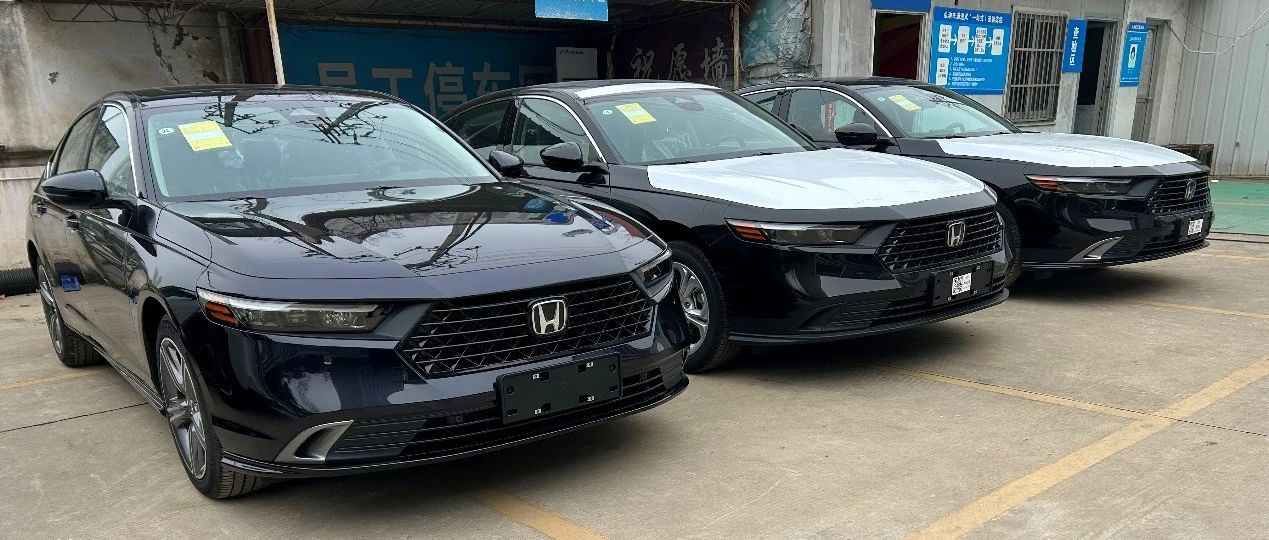
Group 1 - The article discusses the situation of closed dealerships, emphasizing that the reasons for their closure can vary and do not necessarily reflect the health of the associated brands [1] - Several dealerships, including those of Honda and Volkswagen, have experienced closures, often showing similar warning signs such as financial distress and delayed payments to customers and suppliers [4][5] - The article highlights that when dealerships close, customers may receive notifications directing them to other dealerships for service, which can be inconvenient due to distance [5] Group 2 - The article mentions that many dealerships, including Skoda, Peugeot, and Lincoln, have faced closures, with rumors of further closures among brands like BMW and Audi [7][8] - Common indicators of financial trouble in dealerships include delayed vehicle deliveries and requests for employees to pool funds to keep operations running, which often leads to eventual collapse [8] - Employees often face significant challenges, including lack of social security and labor contracts, making it difficult for them to claim their rights when dealerships close [9][10] Group 3 - The article describes how employees are often left without compensation or benefits when dealerships close, with many being forced to leave without receiving their full wages [19][22] - It notes that customers may struggle to retrieve deposits or refunds when dealerships fail, as the management often delays these processes [19] - The article advises potential employees to seek positions in larger, more stable companies to avoid the risks associated with smaller dealerships [13][20]

美股三大指数集体低开,比特币屡创新高
Feng Huang Wang Cai Jing· 2025-07-14 13:42
Group 1: Market Overview - US stock indices opened lower, with the Dow down 0.15%, Nasdaq down 0.01%, and S&P 500 down 0.09% [1] - Chinese concept stocks showed mixed performance, with Kingsoft Cloud up over 9% and NIO up over 5%, while Baidu, Sohu, and Youdao fell over 1% [1] Group 2: Currency and Economic Impact - HSBC warned that the ongoing sell-off of the US dollar may indicate a bubble, with the dollar index dropping over 10% in the first half of the year, the largest decline since 1973 [2] - The dollar has shown slight recovery since July [2] Group 3: Trade and Tariff Effects - Trump's announcement of a 30% tariff on EU imports starting in August has significantly impacted European industries, particularly the German automotive sector, with major manufacturers like Volkswagen and BMW seeing stock declines of 1.9% and 2.1% respectively [3] - French agricultural producers, especially in cheese and wine, have also expressed concerns over the destructive impact of these tariffs [3] Group 4: Energy Sector Dynamics - The energy market is experiencing a shift, with thermal power companies seeing improved profitability due to falling coal prices, while coal companies are facing profit pressure and some are reporting losses [5] - The coal industry is adapting by enhancing coal-electricity joint ventures to stabilize revenue streams [5] Group 5: Agricultural Sector Performance - Dabeinong is expected to turn a profit in the first half of the year, projecting a net profit of 190 million to 250 million yuan, a turnaround from a loss of 156 million yuan in the same period last year [6] Group 6: Autonomous Vehicle Development - Pony.ai has commenced mass production and road testing of its seventh-generation autonomous Robotaxi in Shenzhen, marking a significant step towards its goal of expanding its fleet to 1,000 vehicles by the end of 2025 [7]
汽车行业车企车系跟踪报告:4-5月自主份额升6PP至70%,高端品牌提升显著
Huachuang Securities· 2025-07-14 10:41
Investment Rating - The report maintains a recommendation for the automotive industry [4]. Core Insights - The market share of domestic brands in the automotive sector has increased significantly, reaching 70% in April-May 2025, up by 6.1 percentage points year-on-year [7][11]. - Domestic brands have shown stable growth across various price segments, particularly in the high-end market, where they are gaining ground against joint ventures and foreign brands [11]. - The report anticipates that the overall market share of domestic brands will continue to rise, potentially exceeding 70% in 2025, driven by new model launches and competitive pricing strategies [11]. Summary by Sections Industry Overview - The total market value of the automotive industry is approximately 50,730.05 billion, with a circulating market value of 32,553.74 billion [4]. - The industry comprises 232 listed companies [4]. Sales Performance - In the 0-15 million yuan price segment, domestic brands accounted for 79% of sales, with a year-on-year increase of 1.4 percentage points [3]. - In the 10-15 million yuan segment, domestic brands' market share rose by 2.0% to 73%, significantly impacting Japanese and German brands [3]. - The overall sales volume for the automotive industry in the first five months of 2025 reached 3.7 million units, representing a 29% increase year-on-year [3]. Price Segment Analysis - In the 15-20 million yuan segment, domestic brands accelerated their market share growth to 58%, with a notable increase of 5.8 percentage points year-on-year [3]. - The 20-25 million yuan segment saw domestic brands' share rise to 60%, up by 16.5 percentage points year-on-year, driven by new model releases [3]. - In the 30-40 million yuan segment, domestic brands captured 56% of the market, reflecting a 21 percentage point increase year-on-year [9]. Competitive Landscape - BYD leads the market with a 15% share, followed by Chery and Geely with 9% and 8% respectively [16]. - The report highlights that domestic electric vehicles are increasingly dominating sales across various price segments, with several models ranking as bestsellers [11][35]. Future Outlook - The report suggests that domestic brands are expected to continue their upward trajectory in market share, particularly in the mid to high-end segments, as they enhance their product offerings and competitive pricing [11].





天奇股份: 2025年半年度业绩预告
Zheng Quan Zhi Xing· 2025-07-14 10:13
Performance Forecast - The company expects a net profit of 50 million to 60 million RMB for the current reporting period, a significant increase of 163.68% to 176.42% compared to a net loss of 78.51 million RMB in the same period last year [1] - The expected net profit after deducting non-recurring gains and losses is projected to be 12 million to 16 million RMB, reflecting an increase of 114.76% to 119.68% from a net loss of 81.31 million RMB in the previous year [1] - Basic earnings per share are anticipated to be between 0.12 RMB and 0.15 RMB, compared to a loss of 0.20 RMB per share in the prior year [1] Revenue Drivers - The company's revenue and net profit have improved year-on-year due to a dual business drive, with significant contributions from overseas markets [1] - Key overseas projects, including those with BYD in Indonesia, BMW in Mexico, and Volvo in Slovakia, have accelerated during the reporting period [1] - Domestic market orders and business scale remain stable, with ongoing projects for NIO, Geely, and Volkswagen being delivered or fulfilled in the first half of the year [1] Operational Challenges - The company faces challenges in its lithium battery recycling business, with low capacity utilization leading to increased fixed costs per unit [2] - Despite ongoing losses in gross profit, the company benefited from a temporary rise in cobalt prices due to export bans from the Democratic Republic of Congo, resulting in a partial narrowing of gross profit losses compared to the previous year [2] - The company maintains a large R&D team and continues to invest in developing robotic solutions for industrial applications [2]

欧洲议会一边倒通过决议,称中国矿产出口管制违法,中方回应
Sou Hu Cai Jing· 2025-07-14 00:02
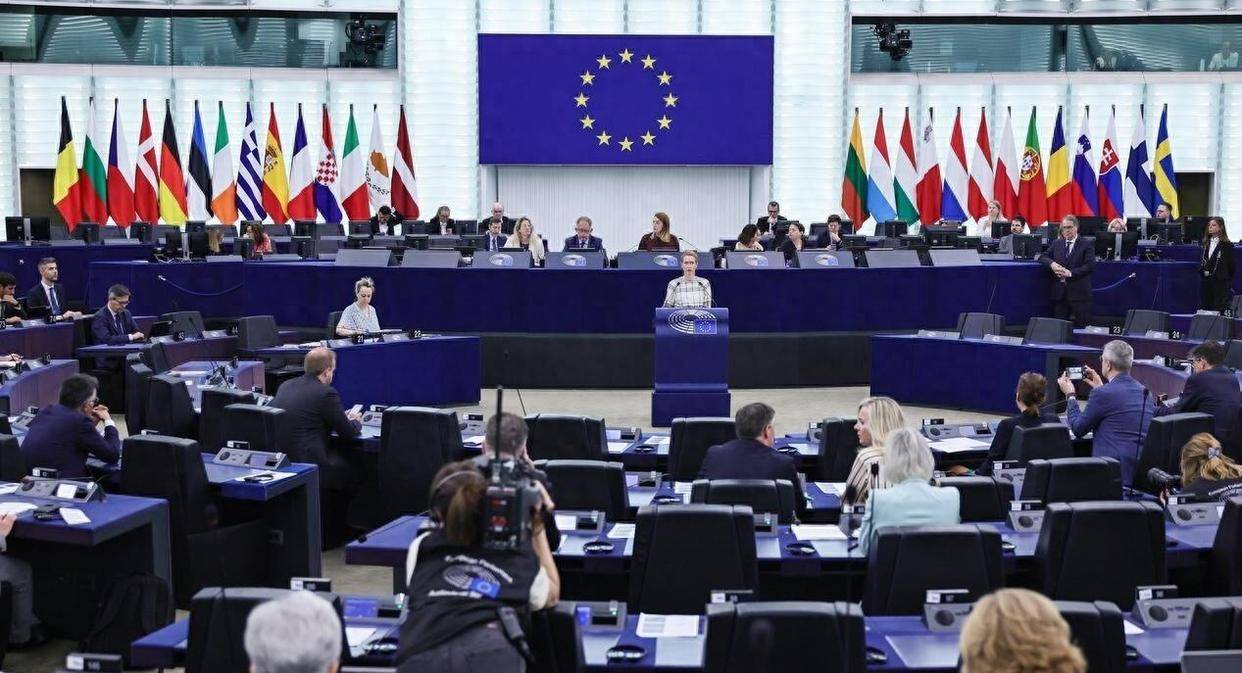
Core Viewpoint - The article discusses the ongoing tensions surrounding rare earth elements, highlighting the dependency of Western industries on Chinese supplies and the implications of China's regulatory measures on the global supply chain [1][5][11]. Group 1: Industry Dependency - Rare earth elements are crucial for high-tech industries, including military, renewable energy, and artificial intelligence, with significant reliance on China for supply [1][3]. - Europe currently depends on China for 90% of its rare earth needs, raising questions about the feasibility of achieving self-sufficiency by 2030 [3][5]. Group 2: Regulatory Measures - China has implemented the "Rare Earth Management Regulations," effective from October 1, 2024, which requires companies to obtain national recognition for mining and refining, and mandates strict export controls [5][7]. - The regulations include a "one batch, one certificate" system for exports, requiring detailed information about end-users to prevent military diversion [5][11]. Group 3: Environmental and Economic Context - China has historically supplied 90% of the world's rare earths while bearing significant environmental costs, amounting to 38 billion yuan for remediation efforts [7]. - The article criticizes Western nations for enjoying the benefits of cheap rare earths without addressing environmental responsibilities, while labeling China's regulatory actions as "trade coercion" [7][8]. Group 4: Political Dynamics - The European Parliament's resolution against China's export controls is seen as hypocritical, given the historical context of Western technology embargoes against socialist countries [8][9]. - China's stance is clear: it will not compromise on its sovereign rights regarding resource management and expects reciprocity from the West in trade negotiations [11][13].
顶奢豪车装X指南:副驾没了,狗窝留着
汽车商业评论· 2025-07-13 15:26
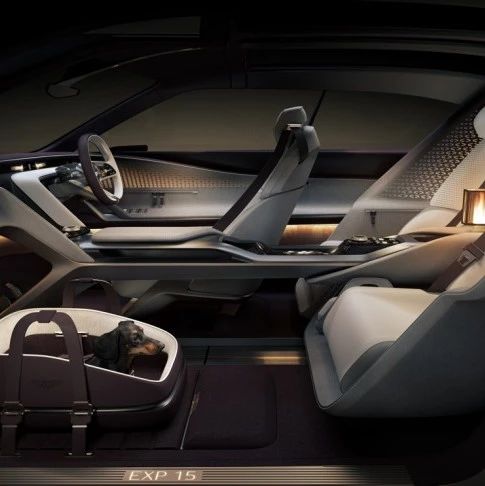
Core Viewpoint - Bentley is redefining luxury with its new electric concept car, the EXP 15, which emphasizes unique design and functionality over traditional luxury features [2][3][4]. Group 1: Design Philosophy - The EXP 15 features an unconventional layout with a single door on the driver's side and two doors on the passenger side, promoting the idea that "less is more" in luxury [5][11]. - The interior design includes a dedicated space for pets or luggage, and the passenger seat can rotate and recline, enhancing comfort for long journeys [6][31]. - The car's design is inspired by the 1930 Bentley Speed Six, aiming to blend classic aesthetics with modern electric vehicle technology [20][32]. Group 2: Strategic Timing and Market Position - Bentley's release of the EXP 15 aligns with its "Beyond100" strategy, which aims for full electrification by 2030, with the first production model expected in 2026 [11][13]. - The company has invested £2.5 billion in electric transformation, indicating readiness in production capacity and technology [13]. - Bentley's cautious approach contrasts with competitors like Tesla and Porsche, focusing on maintaining brand identity while transitioning to electric vehicles [10][14]. Group 3: Future Vision and Market Impact - The EXP 15 is seen as a design declaration for Bentley's future electric models, aiming to redefine long-distance luxury travel with zero-emission power systems [38]. - The car is expected to compete directly with high-end electric models such as the Porsche Taycan and BMW i7, marking a significant shift in the luxury automotive market [37]. - Bentley's design integrates sustainable materials and advanced technology, setting a new standard for luxury electric vehicles [34][35].
90天谈判收效甚微 美国加码关税施压
Bei Jing Shang Bao· 2025-07-13 14:10
Group 1 - The U.S. will impose a 30% tariff on goods imported from the EU and Mexico starting August 1, marking a significant escalation in trade tensions [1][3] - Trump has sent letters to 25 trade partners, with new tariffs ranging from 20% to 50%, creating greater uncertainty in the global economic landscape [1][3] - The EU and Mexico are under pressure to negotiate, but Trump has indicated that tariffs may increase if no agreement is reached [3][4] Group 2 - The EU has suspended plans to impose a digital tax on U.S. tech giants in an effort to reach a compromise, but the U.S. continues to demand high tariffs on key EU exports [4][5] - European leaders, including French President Macron and Spanish Prime Minister Sanchez, have expressed strong opposition to the proposed tariffs and are preparing countermeasures [5][6] Group 3 - The German automotive industry, particularly BMW and Volkswagen, is expected to be severely impacted by the tariffs, along with French luxury goods and Italian machinery [6] - Mexico is seeking diplomatic solutions to the trade disputes and has formed a delegation to negotiate various issues with the U.S. [6][8] Group 4 - The U.S. is also set to impose tariffs of 25% to 40% on imports from Japan and South Korea, further complicating international trade relations [7] - Increased tariffs on imports from Brazil could lead to higher prices for essential goods in the U.S., including coffee and orange juice, affecting consumer costs [7][8] Group 5 - The termination of the "tomato agreement" with Mexico will result in approximately 17% tariffs on Mexican tomatoes, potentially raising prices and impacting employment related to tomato imports in the U.S. [8]
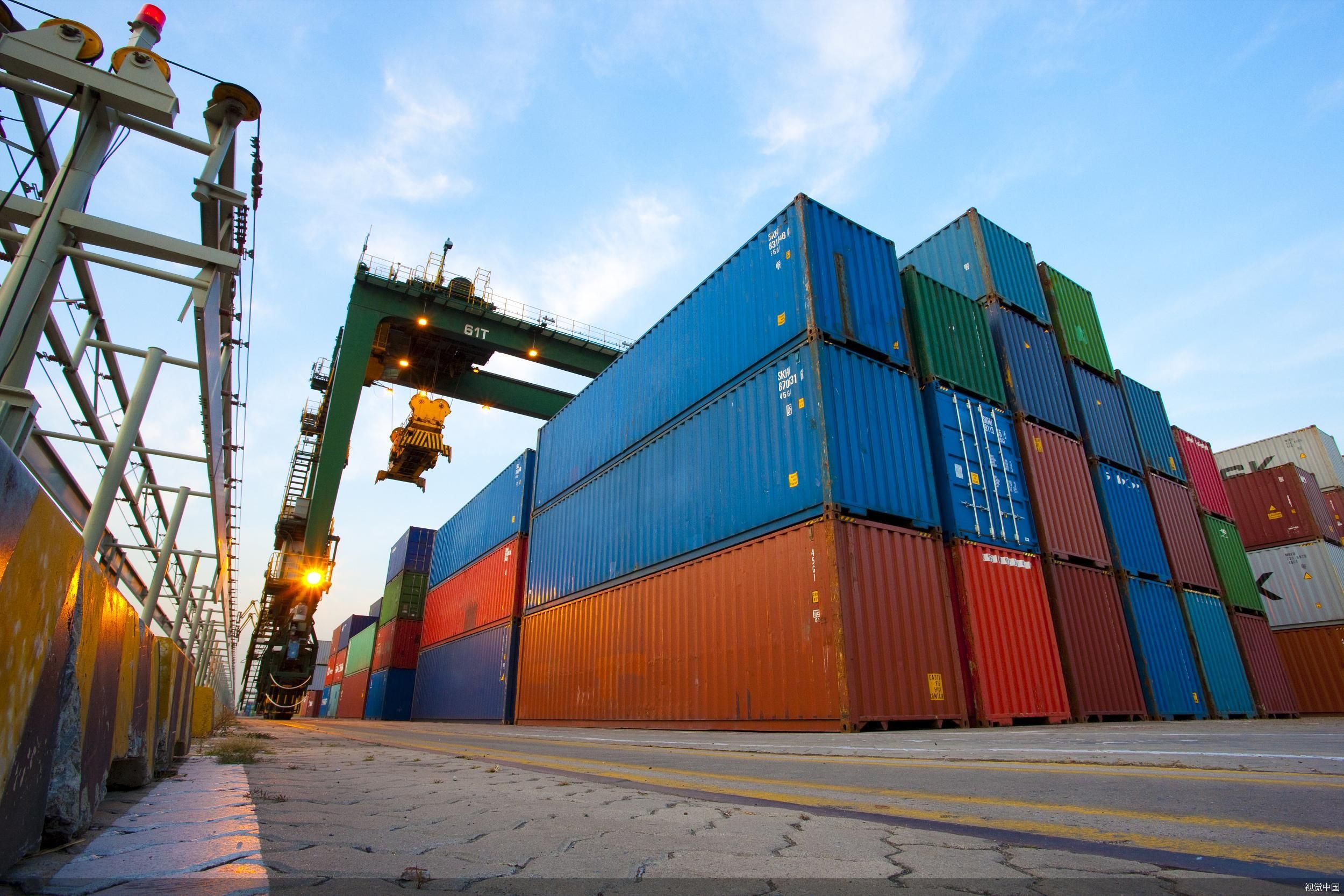
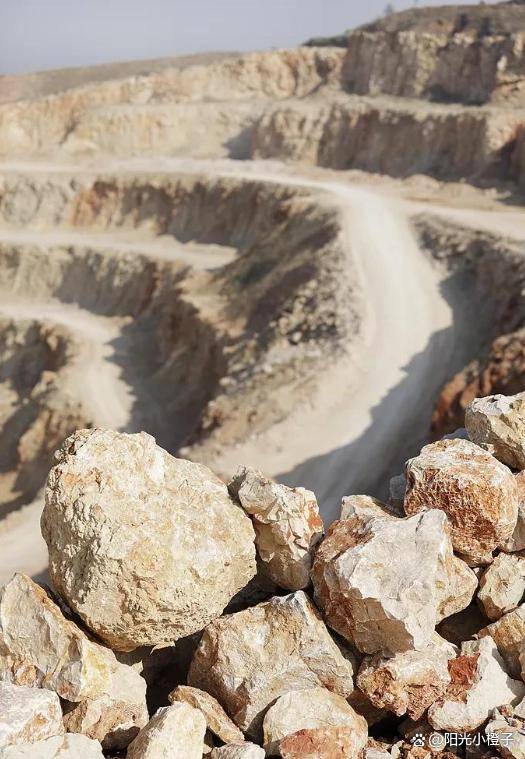
特朗普稀土大动作遇挫!巴西三招反制,中国成“最大赢家”
Sou Hu Cai Jing· 2025-07-13 04:54
Group 1: Rare Earth Industry Developments - The Brook rare earth project in Wyoming, backed by Ramaco Resources, is expected to yield 1.7 million tons of rare earth oxides, with 40% being critical elements like neodymium and praseodymium essential for military applications [1] - The U.S. Department of Defense has invested 15% in MP Materials, yet 80% of its rare earth concentrates still rely on processing in China, highlighting the ongoing dependency on Chinese refining capabilities [5] - The price of rare earth concentrates from Baotou Steel Group has increased by 1.5% to 19,109 yuan per ton, marking the fourth consecutive quarter of price rises [8] Group 2: U.S.-Brazil Trade Relations - President Trump imposed a 50% punitive tariff on Brazilian beef and coffee, demanding the cessation of judicial investigations against former President Bolsonaro, leading to a diplomatic crisis with Brazil [1] - Brazil's Ministry of Foreign Affairs announced three countermeasures against the U.S., including a complaint to the WTO and potential reciprocal tariffs starting August 1 [1] - Brazil supplies 50% of U.S. beef imports, and the price of hamburger patties surged by 30% due to the impending beef crisis [5] Group 3: Automotive Industry Challenges - Ford and General Motors are facing layoffs as neodymium-iron-boron magnet inventories are projected to last only 60 days, impacting production capabilities [3] - BMW has issued a warning about potential layoffs of 2,000 workers at its South Carolina plant due to U.S. tariffs on auto parts [6] - The Pentagon is concerned about the implications of rare earth shortages on military aircraft like the F-35, which requires 417 kg of rare earth materials per unit [3]
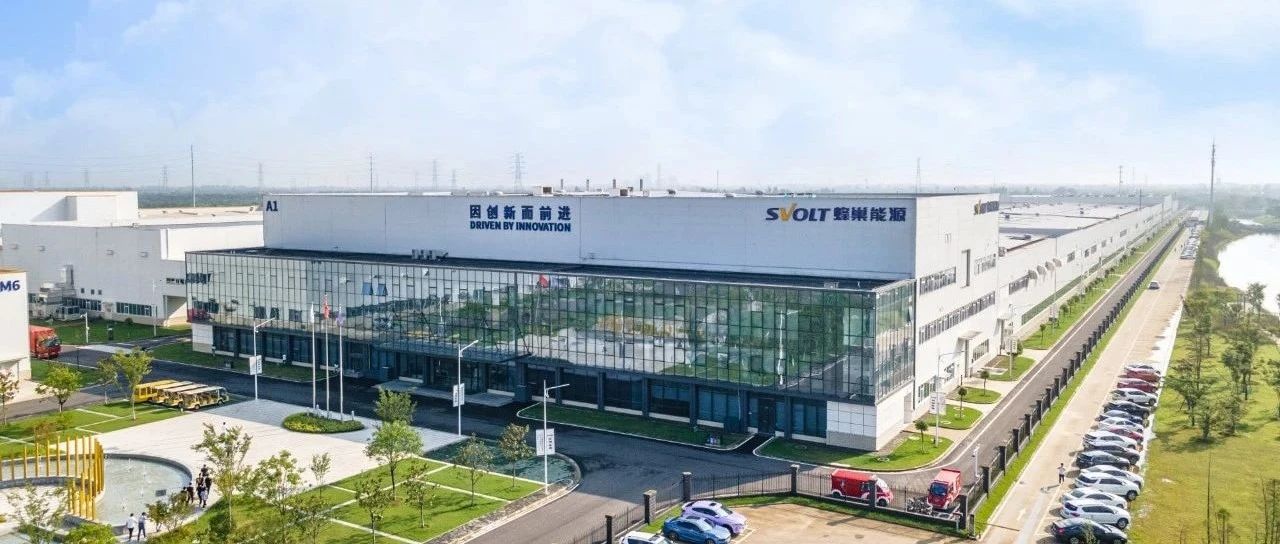
2025交付47GWh,蜂巢能源如何穿越周期?
高工锂电· 2025-07-12 10:18
Core Viewpoint - The article discusses the strategic transformation of the company, focusing on high-quality development and a shift from capacity competition to a more sustainable and technology-driven approach in the lithium battery industry [2][4][31]. Group 1: Strategic Focus - The company has launched the "Leading Bee 2030" strategy, emphasizing high-quality development and a focus on power batteries, energy storage, and exploring new markets [2][4]. - The company aims to achieve a target of 47GWh by 2025, with significant orders from major global automakers like Great Wall, Geely, and Stellantis [2][3][26]. Group 2: Market and Product Structure - The company is accelerating its globalization efforts, targeting a compound annual growth rate of 38% in overseas penetration, focusing on both passenger and commercial vehicles [5][9]. - The company has adopted a dual strategy of "NCM and LFP" batteries, positioning itself in high-end markets where NCM batteries are essential [8][9]. Group 3: Technological Advancements - The company has developed a complete and evolving product brand system, including the "Fortress Battery" and "Short Blade Battery," with significant improvements in energy density and charging capabilities [10][12]. - The company has established a 2.3GWh semi-solid battery production line, set to supply BMW Mini's next-generation models, marking a significant technological milestone [12][13]. Group 4: Orders and Deliveries - In the first half of 2025, the company achieved a battery shipment of 16.6GWh, with a 110% year-on-year growth in the global market, increasing its market share to 2.6% [21][22]. - The company has secured new platform orders from major clients, expected to contribute nearly 100GWh of installed capacity over the next two years [25][26]. Group 5: Operational Efficiency - The company has undergone significant internal changes to improve manufacturing efficiency, achieving a 28% reduction in scrap rates and a 48% decrease in manufacturing costs [28][30]. - The company plans to initiate a new round of capacity expansion in 2027, aiming to reduce manufacturing costs by an additional 50% [30][31].
太夸张!雷军卖车15个月,小米汽车收入已超700亿
Sou Hu Cai Jing· 2025-07-12 02:20
Core Insights - Xiaomi has achieved significant milestones in its automotive venture, delivering 100,000 vehicles within the first seven and a half months and reaching 300,000 deliveries in just 15 months since launch [1][3][5] - The average selling price of Xiaomi vehicles is over 230,000, leading to revenue exceeding 70 billion within the first 15 months [3][5] - Xiaomi's market capitalization has surged from approximately 380 billion HKD to 1.5 trillion HKD, marking a nearly 300% increase and positioning it as the third-largest automaker globally, behind Tesla and Toyota [5] Delivery Milestones - Xiaomi's first batch of vehicle deliveries began on April 3, 2024, achieving 100,000 deliveries in 7.5 months [1] - The company reached 200,000 deliveries in just 4 months, achieving this milestone by March 2025 [1] - The latest report indicates that Xiaomi delivered 300,000 vehicles within 15 months, with the last 100,000 deliveries also taking only 4 months [3] Financial Performance - The average price of Xiaomi vehicles is reported to be over 230,000, leading to total revenue exceeding 700 billion within the first 15 months [3] - The company's market capitalization has increased significantly, from 380 billion HKD to 1.5 trillion HKD, reflecting a growth of 1.1 trillion HKD [5] Market Position - Xiaomi is now the third-largest automaker in the world, surpassing competitors like BYD, Ferrari, and Porsche [5] - The company has launched a new SUV model, YU7, which is reportedly more popular than its predecessor, SU7, indicating potential for increased revenue [7] Production Capacity Challenges - The main limitation for Xiaomi's automotive growth is production capacity, which is more complex to scale compared to smartphone production [9] - Initial conservative delivery targets for 2025 were set at 350,000 vehicles, which now appear too low given current demand [9] - Customers are experiencing long wait times, with some waiting over a year for vehicle delivery, highlighting the urgent need for Xiaomi to address production capacity issues [9]